
'Starstruck' (1982) - Australia’s Forgotten Neon Lightning Bolt
Gillian Armstrong’s 1982 rock musical turned Sydney into a candy-colored playground of punk, ambition, family, and glorious nonsense.

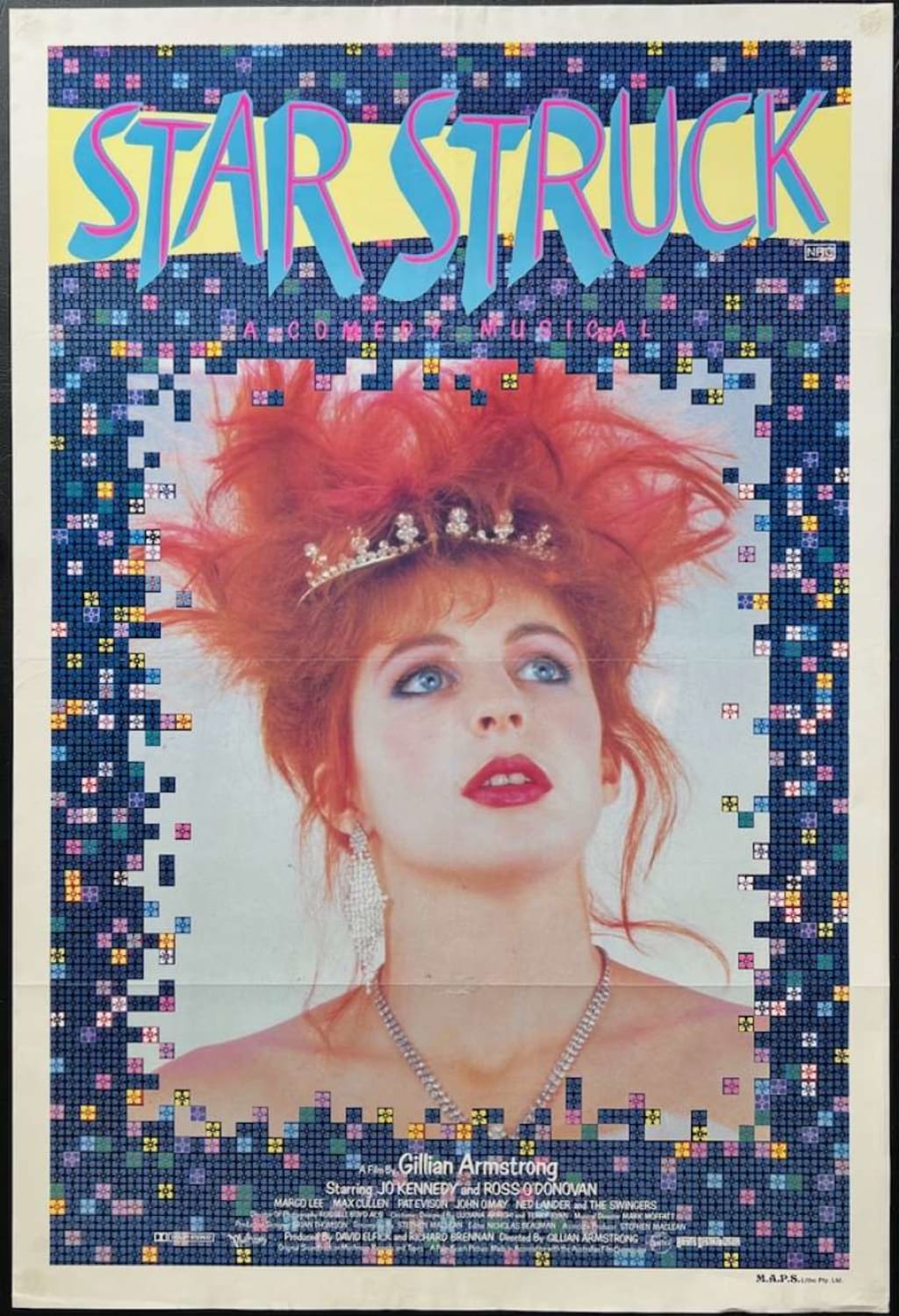
There are movies you watch decades later and immediately understand why they disappeared.
Then there are movies like Starstruck.
Gillian Armstrong’s 1982 Australian musical is so bright, so strange, so unapologetically itself that it can feel less like a forgotten movie than a movie someone accidentally misplaced.
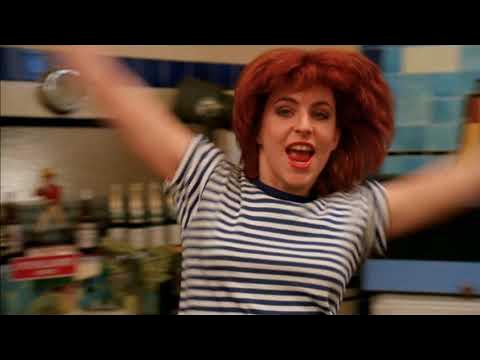
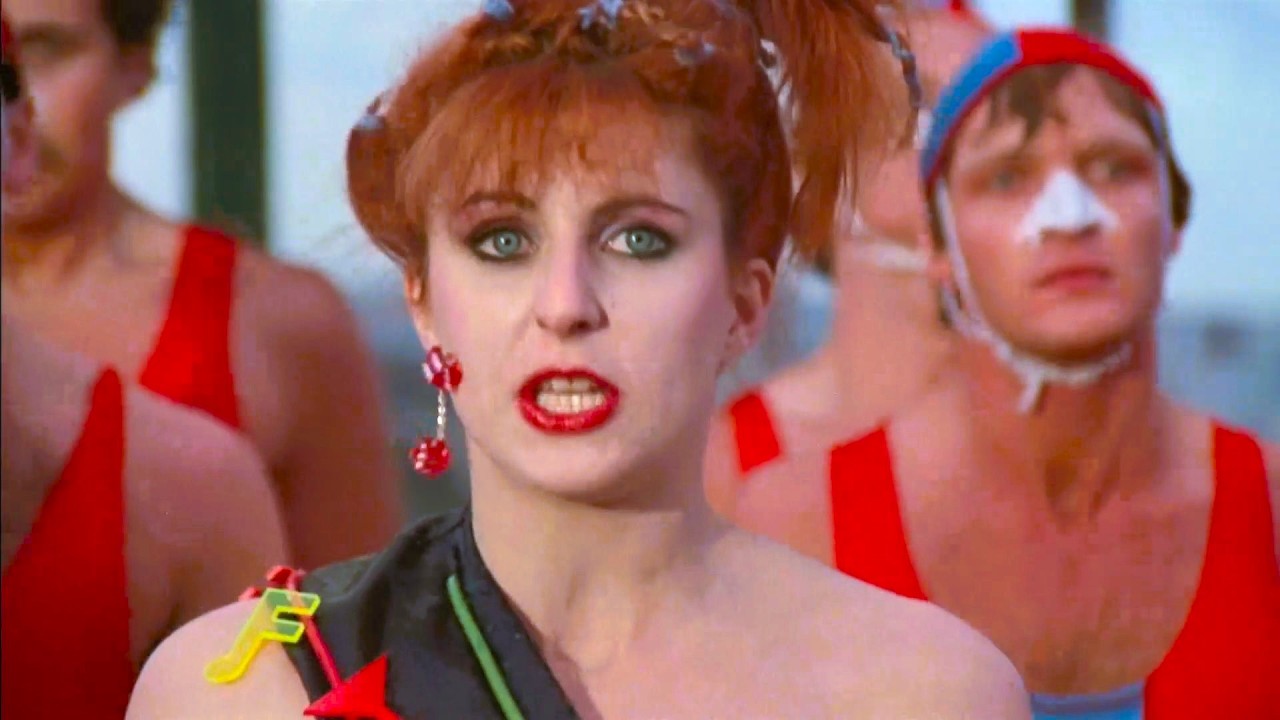
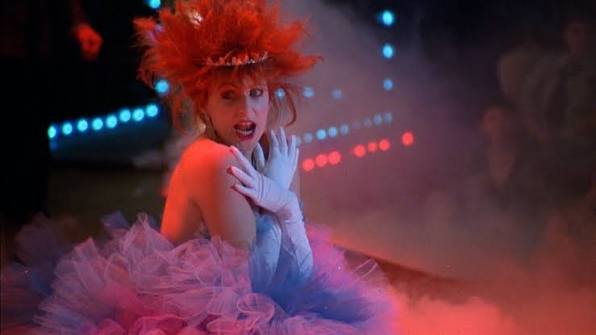
Sydney is drenched in sunlight and neon. Young women wear hot-pink fright wigs. People sing on rooftops. There is a water ballet. There are kangaroo costumes. There is a tightrope stunt that has absolutely no business being in a movie like this. And somewhere in the middle of all of it, Tim Finn wrote a genuinely terrific song called “Body and Soul.”
When American critic Alex Keneas reviewed the film, he called it a “brisk, exhilarating and campy Australian rock musical comedy” that elevated the punk-rock scene “into Hollywood myth.”
That is about as good a description of Starstruck as you are likely to find.
The movie is ridiculous.
The movie is wonderful.
And, somehow, those things are not in conflict.
The Girl Who Wanted to Be a Star
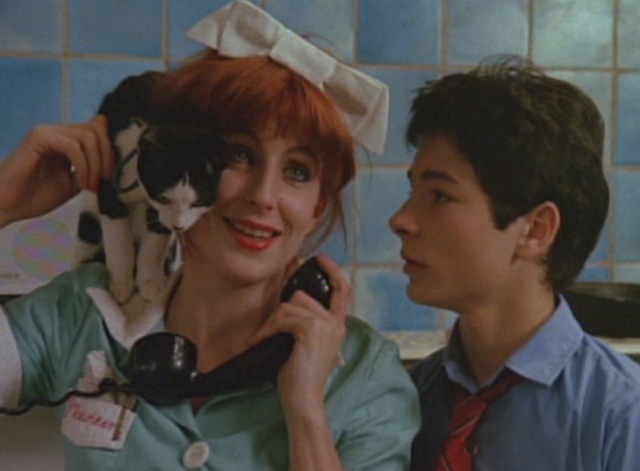
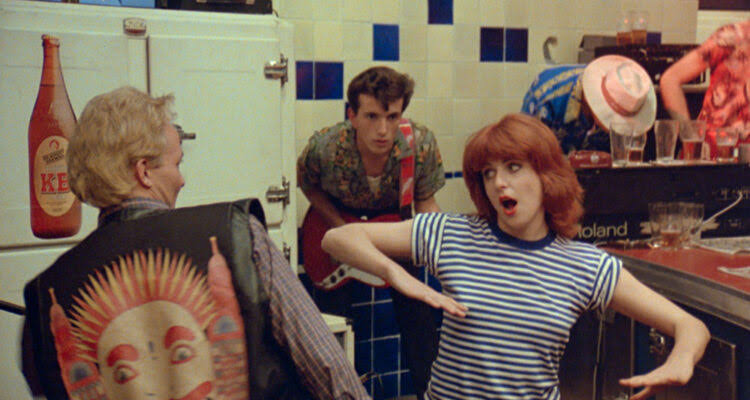
At the center of Starstruck is Jackie Mullens, an 18-year-old barmaid working at the Harbour View Hotel, a family pub sitting practically underneath the Sydney Harbour Bridge.
Jackie wants to be famous.
Not eventually famous. Not famous if circumstances permit. She wants to be famous now.
Fortunately, she has Angus.
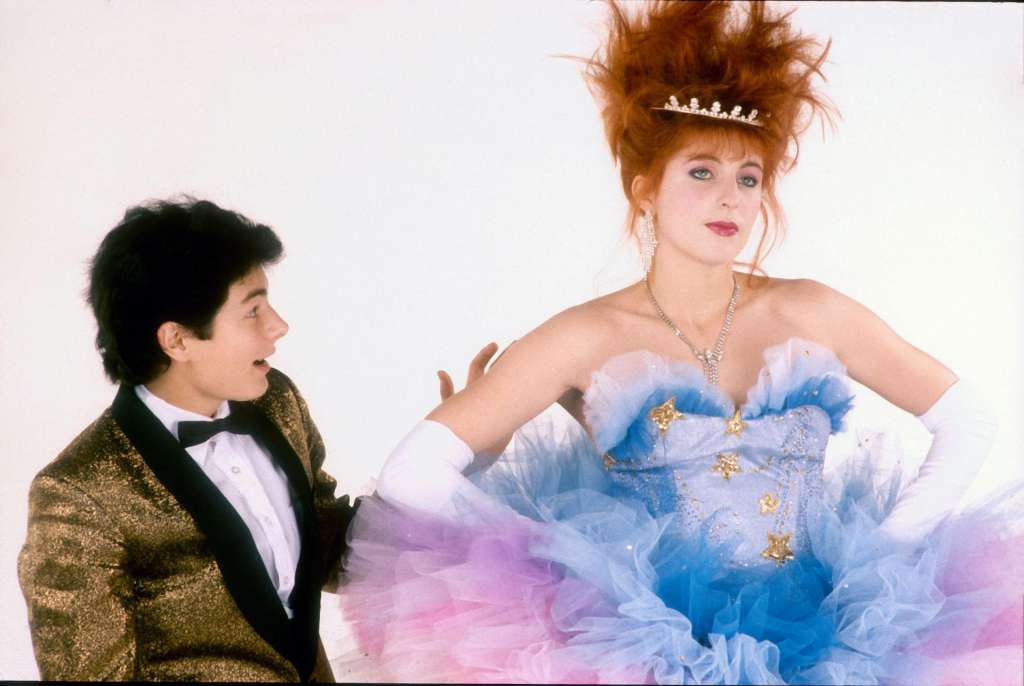
Angus is Jackie’s 14-year-old cousin, manager, schemer and self-appointed entertainment impresario. Together, they hatch a plan to enter Jackie in a talent contest offering a $25,000 prize.
The money could save the family pub.
But Angus has bigger ambitions.
He sees Jackie as a star waiting to happen, and he intends to make sure the rest of Australia sees her that way too.
That setup gives Starstruck its basic structure, but Armstrong and screenwriter Stephen MacLean are less interested in the mechanics of winning a contest than in the strange, intoxicating ecosystem surrounding the dream of becoming famous.
The pub becomes a theater.
The family becomes a production company.
Sydney becomes a stage.
And Jackie becomes a walking collision between punk attitude and old-fashioned Hollywood ambition.
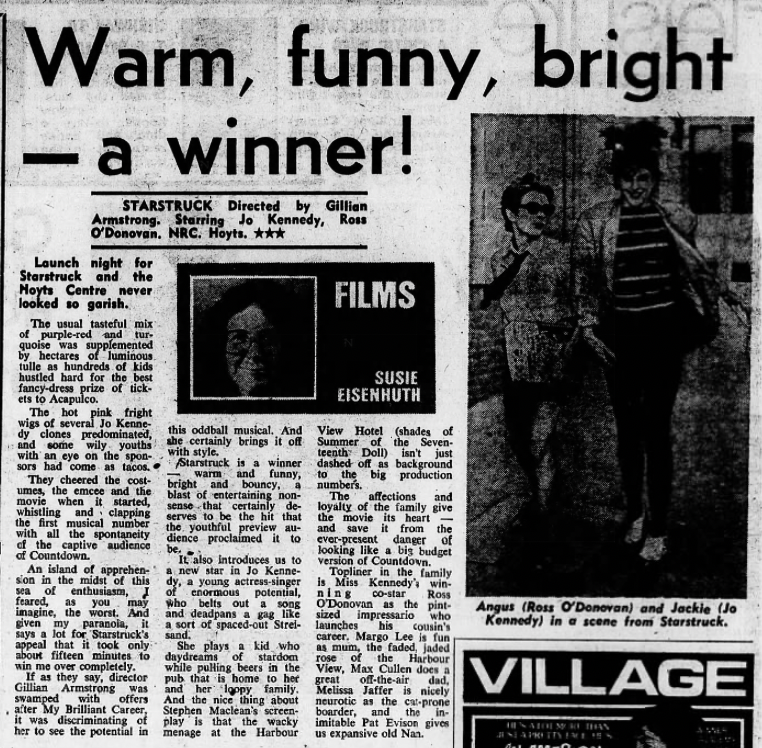
In a 1982 review, Susie Eisenhuth called the film “warm, funny, bright – a winner!”
It is difficult to improve upon that.
From Melbourne Pubs to Sydney Neon
The origins of Starstruck were considerably more grounded than the finished movie might suggest.
Screenwriter Stephen MacLean drew inspiration from memories of growing up around Melbourne pubs. Producer David Elfick became involved, and the project eventually shifted to contemporary Sydney.
For Armstrong, the film was also a deliberate departure.
Her first feature, My Brilliant Career (1979), had established her as one of the major young filmmakers emerging from the Australian New Wave. That film was a period drama, beautifully composed and intensely concerned with a young woman’s struggle to determine her own future.
Starstruck could hardly have been more different.
Armstrong did not want to simply repeat herself.
Instead of rural Australia at the turn of the century, she had Sydney in the early 1980s.
Instead of restrained period drama, she had punk rock.
Instead of a young woman trying to escape the expectations placed upon her, she had a young woman actively trying to turn herself into a celebrity.
It was a gamble.
And Armstrong made another one when it came to casting.
The production spent roughly four months searching for its leads.
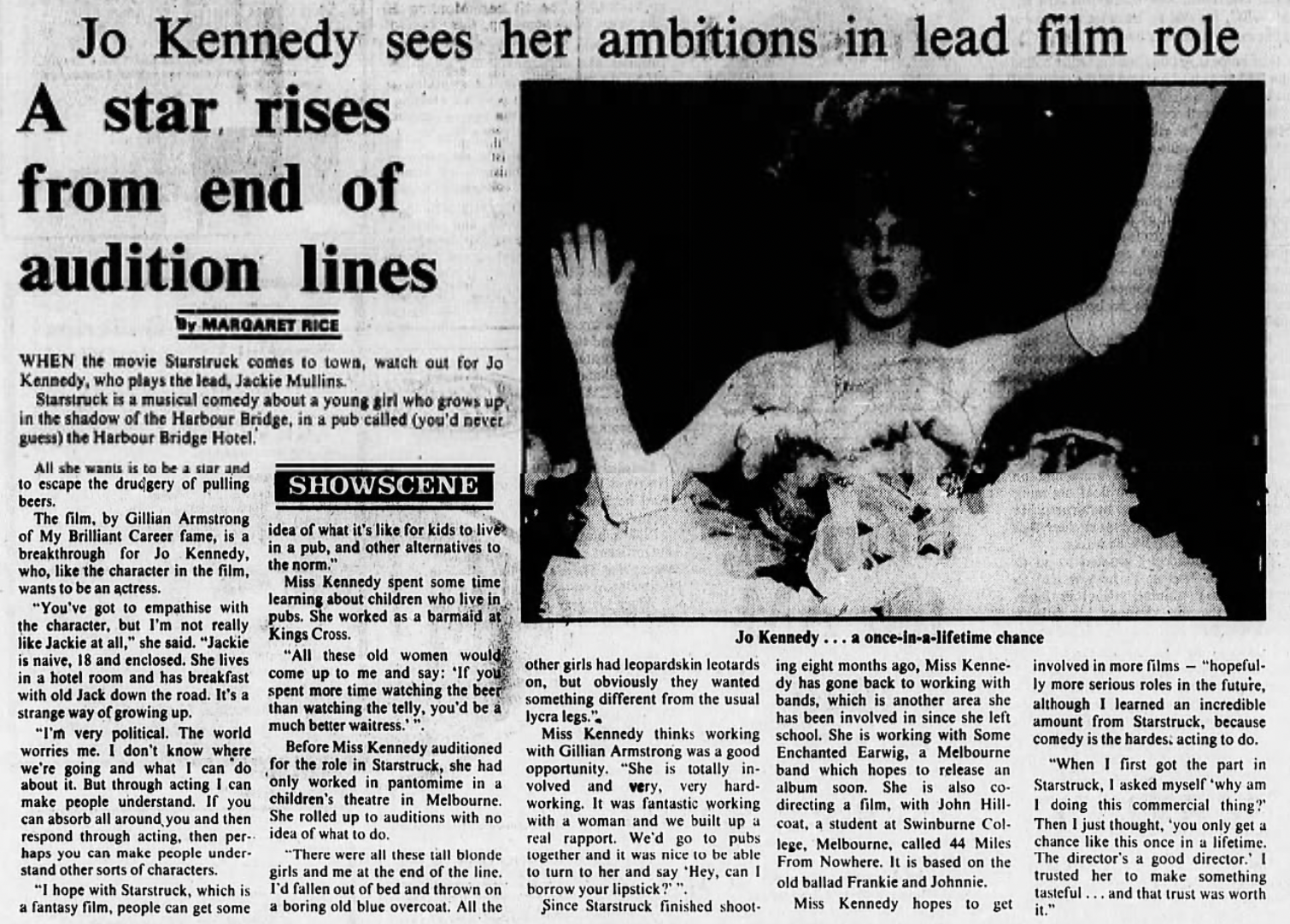
Jo Kennedy, who plays Jackie, was 21 when she was cast. Contemporary profiles noted that she was living in Warburton and had been “on the dole for two years.”
Ross O’Donovan, meanwhile, was a teenager attending Preston Tech and selling newspapers.
Neither was an obvious movie star.
That was precisely the attraction.
Armstrong reportedly wanted actors who felt real rather than manufactured. As she put it, she was looking for “two people who could act, one who could sing,” but both needed to be fresh and original rather than “plastic.”
Kennedy and O’Donovan apparently gave her what she wanted when they improvised together.
There was chemistry.
There was unpredictability.
There was something that could not be manufactured in a casting office.
And Starstruck needed exactly that.
Sydney Gets the Armstrong Treatment
One of the great pleasures of Starstruck is watching Armstrong treat Sydney itself as one of her characters.
The Harbour Bridge and Opera House aren’t merely establishing shots. They are part of the fantasy.
The Harbour View Hotel provides the scruffy, working-class center of the story, while the city outside becomes an enormous playground for Jackie and Angus’s increasingly elaborate ambitions.
There are rooftop pools, streets, clubs and performance spaces.
Everything feels slightly heightened.
That is partly the work of cinematographer Russell Boyd, whose credits already included some of the defining visual achievements of Australian cinema, and production designer Brian Thomson, who had helped create the outrageous visual world of The Rocky Horror Picture Show.
The costumes by Luciana Arrighi and Terry Ryan complete the transformation.
Starstruck isn’t trying to make Sydney look realistic.
It is trying to make Sydney look exciting.
And there is an important distinction.
The movie is filled with the sort of visual excess that might ordinarily be dismissed as kitsch. But the excess is tied directly to its characters’ dreams. Jackie doesn’t simply want to become a singer. She wants to become larger than life.
So the movie makes everything larger than life.
Punk Meets Hollywood
The easiest way to describe Starstruck is probably as an Australian A Hard Day’s Night.
That comparison appeared in contemporary criticism, and it makes sense.
Richard Freedman saw the Beatles-era influence, describing Jackie as a “perky aspiring punk-rocker heroine” and praising the film’s “cheerfully chaotic” energy.
But Starstruck isn’t simply A Hard Day’s Night transplanted to Sydney.
It is also a collision between several different traditions.
There is the Hollywood musical.
There is the backstage show-business comedy.
There is punk.
There is Australian pub culture.
There is television talent-show culture.
And there is the very old movie fantasy of an ordinary person suddenly becoming a star.
Armstrong throws all of these things into the same blender.
The result isn’t particularly interested in realism.
It is interested in performance.
Everyone in Starstruck is performing something.
Jackie performs the role of the star she wants to become.
Angus performs the role of the sophisticated manager he absolutely is not.
The family performs its own version of togetherness.
And the movie itself performs Hollywood.
That may be why the ridiculousness works.
It isn’t pretending any of this is normal.
“Warm, Funny, Bright”
The contemporary Australian response to Starstruck is fascinating because reviewers seemed to recognize immediately what Armstrong was attempting.
Susie Eisenhuth praised the movie’s “entertaining nonsense,” but also found a genuine emotional center in the family’s loyalty.
That is an important distinction.
Because underneath all the wigs, costumes and choreography is a movie about people who are trying to keep something of their own alive.
The pub isn’t just a setting.
It is home.
The $25,000 isn’t merely prize money.
It represents survival.
And Jackie isn’t pursuing fame simply because she is vain.
She wants something bigger for herself and for the people around her.
That combination of ambition and affection gives the movie its warmth.
It also gives Jackie something that many supposedly empowering movie heroines never receive:
the right to be ambitious.
She doesn’t apologize for wanting attention.
She doesn’t pretend that fame is beneath her.
She wants to sing. She wants to perform. She wants people to know her name.
And Armstrong allows her to want it without turning that desire into a moral failing.
The Music Is Half the Magic
Then there is the music.
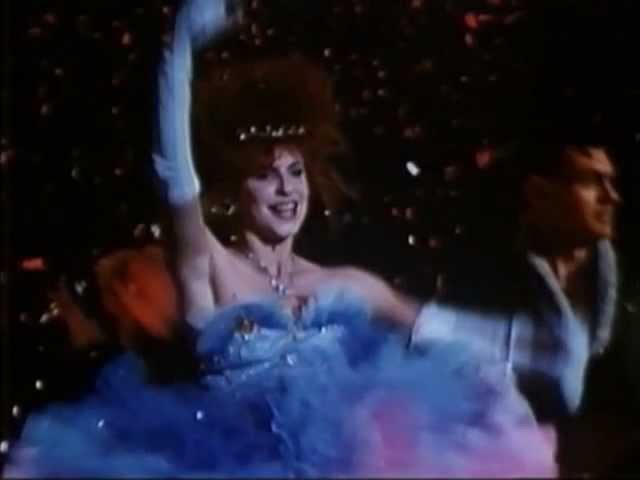
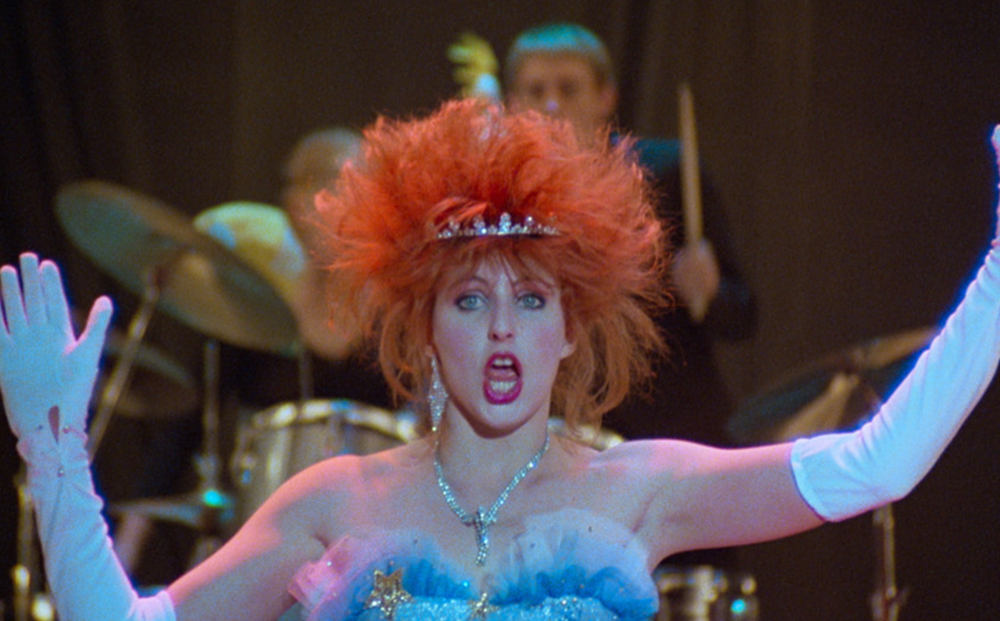
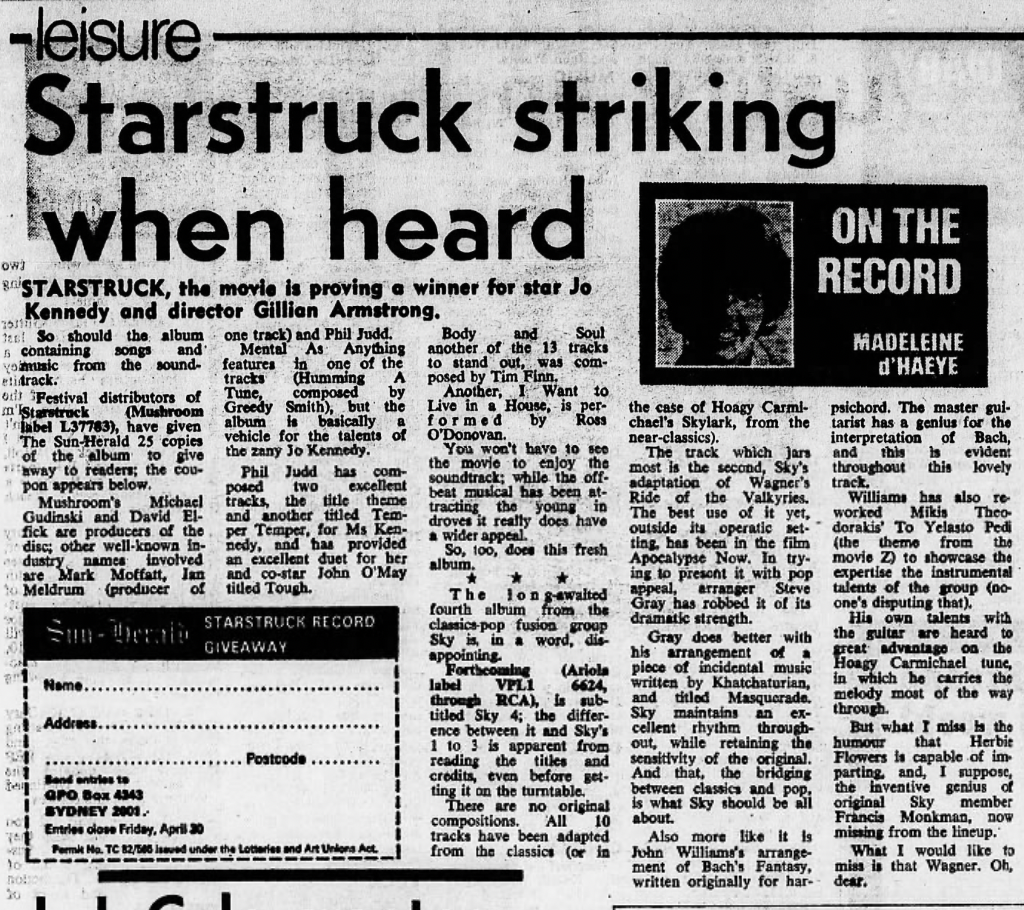
Tim Finn contributed songs to the film, including “Body and Soul,” which became one of its signature pieces.
Contemporary soundtrack coverage recognized that the music was essential to the film’s appeal. Madeleine d’Haeye wrote about Starstruck as something particularly striking when heard, with Kennedy’s performance of “Body and Soul” singled out among the highlights.
The film also incorporates actual performers, including The Swingers.
And there is a wonderful period detail in Garry Shelley’s coverage: the young group Turnaround appears in the movie as well.
That mixture of fictional performance and real musicians helps blur the boundary between movie and music scene.
The characters aren’t simply pretending to belong to the early-’80s Sydney music world.
They actually inhabit it.
That gives Starstruck a kind of documentary quality beneath all its theatrical nonsense.
This is what young Sydney looked like.
This is what its music sounded like.
This is what people wore.
This is how desperately some of them wanted to be famous.
And this is what Australia briefly imagined its own version of Hollywood might look like.
The Australian New Wave Gets Weird
It is easy to talk about the Australian New Wave as though it were a single aesthetic.
It wasn’t.
Beginning in the early 1970s and running into the 1980s, the Australian film industry experienced an extraordinary period of growth, helped by government investment and a renewed sense that Australian cinema could tell Australian stories.
The results were wildly diverse.
There were prestige pictures.
Historical dramas.
Art films.
Horror movies.
Exploitation films.
Action pictures.
And strange little hybrids that refused to fit neatly anywhere.
Starstruck belongs in that last category.
It shares the New Wave’s fascination with Australian identity, but it approaches the subject from an entirely different direction than something like Picnic at Hanging Rock or Wake in Fright.
It doesn’t look at Australia and see haunted landscapes or existential despair.
It looks at Australia and sees a kid in a ridiculous wig trying to become a pop star.
That is just as Australian.
So is the pub.
So is the family.
So is the slightly awkward relationship with American popular culture.
Armstrong takes the machinery of the Hollywood musical and rebuilds it using Australian parts.
The result is bright, funny and occasionally gloriously stupid.
And I mean that as a compliment.
A Feminist Movie in a Very Strange Outfit
There is also something quietly radical about the women in Starstruck.
Jackie is the obvious example, but she’s not alone.
The women surrounding the pub are not passive observers waiting for the men to determine their futures. They are workers, performers, schemers and survivors.
The movie’s central ambition belongs to Jackie.
Its emotional center belongs to the family.
And its director was a woman who had already demonstrated with My Brilliant Career that she was interested in women who refused to accept the roles assigned to them.
Starstruck simply expresses that interest through sequins.
Jackie doesn’t have to choose between being a good woman and wanting something for herself.
She can want the spotlight.
She can be selfish.
She can be ridiculous.
She can be talented.
She can fail.
She can try again.
She can want to be a star.
And the movie never asks her to become smaller so that the audience can feel comfortable.
Critics Saw the Lightning
The enthusiasm wasn’t confined to Australia.
When Starstruck reached the United States, Alex Keneas described it as a “brisk, exhilarating and campy” rock musical comedy.
He particularly admired the way the film transformed punk rock into something resembling Hollywood mythology.
That is exactly what Armstrong was doing.
She was taking something contemporary and local and giving it the exaggerated treatment normally reserved for movie stars.
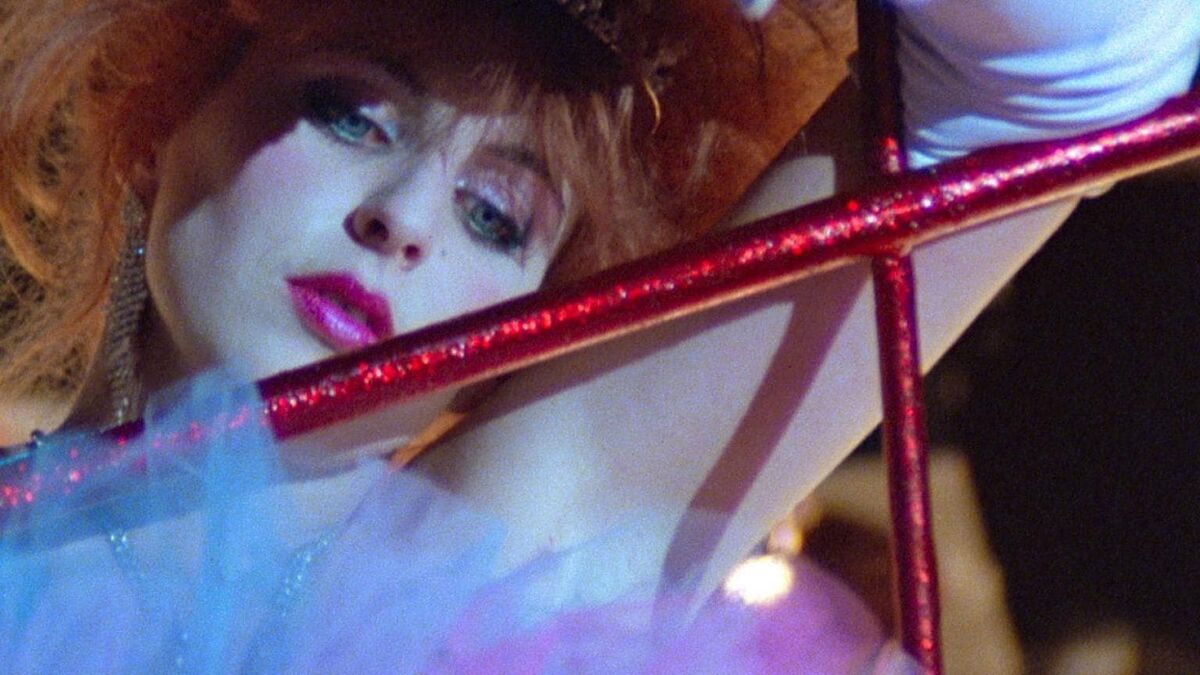
Even the film’s strangest sequences become part of that joke.
A tightrope stunt.
An Esther Williams-style water ballet.
Elaborate costumes.
Ridiculous choreography.
Everything is just one notch beyond reality.
But that extra notch is where Starstruck lives.
Whatever Happened to Starstruck?
For all of the enthusiasm surrounding the movie, Starstruck never became an international hit on the scale of some of its Australian New Wave contemporaries.
Its reputation instead evolved slowly.
It became a cult movie.
Then a rediscovery.
And eventually, something that preservationists recognized as worth saving.
The National Film and Sound Archive restored Starstruck in 2015, helping give the film a new life for audiences who might otherwise have encountered it only through increasingly battered copies and memories.
That restoration matters because this is a movie where the texture is part of the experience.
The colors matter.
The clothes matter.
The Sydney locations matter.
The music matters.
The sheer visual assault matters.
Starstruck is a time capsule, but it isn’t trapped inside the past.
Before Strictly Ballroom, Before Muriel
Watching Starstruck today, it is difficult not to think about the Australian movies that followed.
There are obvious connections to Strictly Ballroom.
There are echoes of Muriel’s Wedding.
And there is something in its celebration of outsiders, performance and exaggerated Australian identity that eventually finds a much louder expression in The Adventures of Priscilla, Queen of the Desert.
None of these movies are simply copies of Starstruck.
But they occupy a similar territory.
They understand that Australian cinema doesn’t have to choose between seriousness and fun.
It can be sincere and ridiculous at the same time.
It can make fun of itself without becoming cynical.
It can embrace artificiality while still being deeply interested in real people.
And it can tell an Australian story without assuming that Australian stories have to involve suffering in the outback.
Sometimes they can involve a girl in a punk wig standing on a stage and demanding to be noticed.
The Joy of Being Ridiculous
What I love about Starstruck is that it never seems embarrassed by itself.
There is no ironic distance.
No apology.
No sense that Armstrong is worried someone might think the movie is too silly.
It is silly.
It knows it is silly.
And then it keeps going.
That quality has become increasingly rare.
Movies today often seem terrified of being uncool. Starstruck doesn’t care.
It throws everything it has at the screen: punk music, Hollywood musicals, family melodrama, celebrity culture, Sydney landmarks, outrageous costumes, water ballet and a teenager with the confidence of a Fortune 500 CEO.
And somehow, underneath all of it, there is a genuinely sweet movie about ambition.
That’s the trick.
The movie’s heart is real even when its world is completely bonkers.
A Forgotten Australian Winner
In 1982, Susie Eisenhuth called Starstruck “a winner.”
Forty-four years later, that verdict feels less like a piece of contemporary promotional enthusiasm and more like a challenge.
Why did we forget this?
Why isn’t Starstruck mentioned more often alongside the great Australian films of its era?
Why isn’t Gillian Armstrong’s strange little neon musical discussed as one of the most exuberant expressions of what the Australian New Wave could be?
Maybe because it doesn’t fit.
It isn’t My Brilliant Career.
It isn’t Mad Max.
It isn’t Picnic at Hanging Rock.
It isn’t trying to be prestigious.
It isn’t trying to be gritty.
It isn’t even particularly interested in being cool.
It just wants to put on a show.
And that’s precisely why it deserves another look.
Starstruck is Australia as a musical comedy, Sydney as a playground, punk as Hollywood fantasy and ambition as a family affair.
It is warm.
It is funny.
It is bright.
It is occasionally completely insane.
And yes, it is a winner.
Some forgotten movies disappear because they weren’t very good.
Others disappear because the world simply wasn’t ready to remember them.
Starstruck feels like the second kind.
Find the restored version.
Turn up the music.
And let Jackie Mullens have her moment in the spotlight.
She has been waiting long enough.

About the Creator
Movies of the 80s
We love the 1980s. Everything on this page is all about movies of the 1980s. Starting in 1980 and working our way the decade, we are preserving the stories and movies of the greatest decade, the 80s. https://www.youtube.com/@Moviesofthe80s
Enjoyed the story? Support the Creator.
Subscribe for free to receive all their stories in your feed.
Comments
There are no comments for this story
Be the first to respond and start the conversation.