
Stand By Me (1986) Retrospective: The Timeless Coming-Of-Age Story About Friendship and Growing Up
Revisiting Rob Reiner’s Relatable Teen Childhood Classic on Its 40th Anniversary

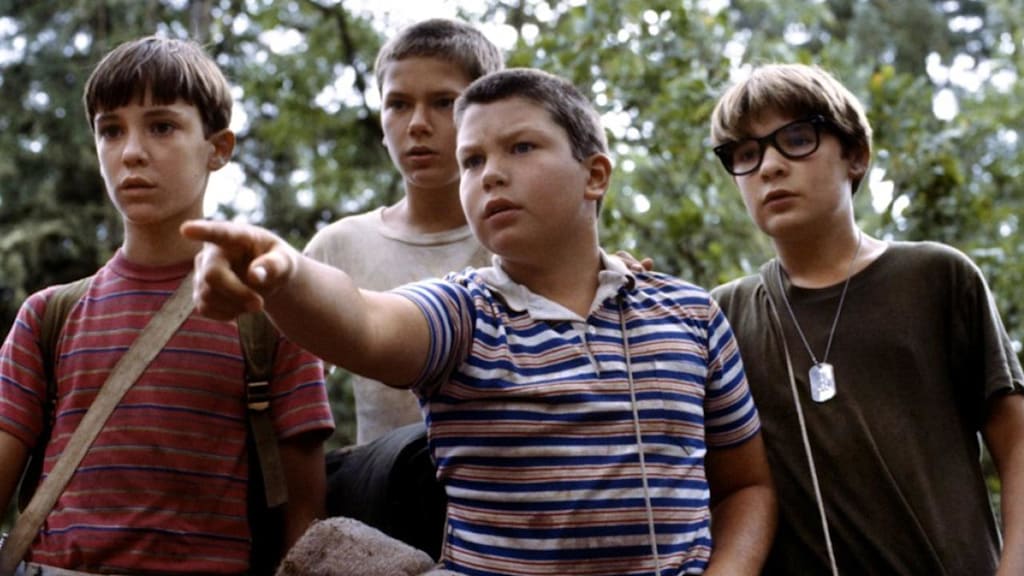
The Last Summer Of Childhood
Set in the summer of 1959, four friends from a small Oregon town embark on a journey to discover the body of a missing boy rumored to be lying near the railroad tracks. Along the way, Gordie, Chris, Teddy, and Vern face dangerous obstacles, including a confrontation with a merciless local bully named Ace Merrill. However, their adventure becomes more than a search for a body; it becomes a defining moment of friendship, courage, and self-discovery. As they travel farther from home, the boys begin to understand themselves and the uncertain path toward adulthood that awaits them beyond childhood memories.
The film is based on Stephen King’s novella The Body and brings this coming-of-age story to the screen while retaining the heart of King’s original story.
A Young Cast That Brought Childhood To Life
The cast’s performances in Stand By Me are some of the film’s greatest strengths, particularly those of its four young leads. Wil Wheaton portrays Gordon “Gordie” Lachance as an adventurous yet deeply troubled boy. Wheaton effectively captures Gordie’s sense of wonder while conveying the grief and insecurity beneath his quiet personality.
Jerry O’Connell portrays Vern Tessio as the group’s nervous and often comedic member. O’Connell gives Vern an endearing quality while convincingly portraying his more cowardly and foolish moments. Corey Feldman brings plenty of energy to Teddy Duchamp, capturing Teddy’s eccentric personality and emotional vulnerability. River Phoenix gives Chris considerable depth, particularly during his quieter conversations with Gordie.
Kiefer Sutherland is memorable as Ace Merrill, the intimidating leader of a group of older teenagers that includes Billy Tessio, Vern’s older brother, and Eyeball Chambers, Chris’s older brother. Sutherland’s threatening presence and mannerisms make Ace a convincing bully.
The supporting cast further strengthens the film. Casey Siemaszko brings personality to Billy, while John Cusack makes Denny Lachance memorable despite his limited screen time. Richard Dreyfuss provides the reflective narration as the adult Gordie, giving the story its nostalgic perspective. Together, the cast creates a believable world around the four friends and makes their journey feel authentic and emotionally engaging.
The Moments That Defined Their Journey
Stand By Me is filled with memorable moments that capture both the excitement of the boys’ journey and the strength of their friendship. The movie opens with Gordie, Chris, Teddy, and Vern gathered inside a treehouse. Chris makes an insulting joke about French people that is played for laughs, but Teddy takes it personally. Vern then arrives and tells the others about the body of a missing boy, setting the stage for the journey that follows.
The sequence involving the boys crossing the railroad tracks as an approaching train comes toward them is another tense highlight. Their frantic attempt to escape creates a sense of danger while demonstrating how quickly their adventure can become serious.
The campfire scene is another standout. As the boys gather around the fire, Gordie tells the story of Lard-Ass, providing plenty of humor while allowing the group to bond. The heartfelt conversations between Gordie and Chris further demonstrate their companionship and empathy towards one another, adding emotional weight to an otherwise quiet scene.
The scene where the boys walk through the swamp and encounter leeches is another memorable challenge. Despite their fear and discomfort, they continue their journey, demonstrating their determination and perseverance.
Finally, the confrontation between the boys and Ace’s gang provides one of the film’s most intense moments. It highlights the growing tension between Gordie and the older teenagers while putting them all in a risky situation.
Wil Wheaton Reflects on The Journey on the film’s 40th anniversary
To celebrate the film’s 40th anniversary, Wil Wheaton sat down with BuzzFeed to discuss his experiences and memories of filming Stand By Me.
One memory he shared was wanting the film to make sure his father paid attention to him. Wheaton mentioned that he grew up in a household where his father treated him like he didn’t matter, while his mother pushed him into the acting business. However, Wheaton pushed back because he would have rather had a normal childhood. This added authenticity to his performance as Gordie, who also feels neglected at home.
He also revealed that Rob Reiner treated him with respect during his time on set. Wheaton explained that most directors he had worked with treated him like someone they could push around rather than an actual person they could talk to. Reiner understood that you couldn’t treat kids the same way you would adult actors, which helped Wheaton feel comfortable on set.
Wheaton also shared a funny story about what happened after filming the swamp scene. He and Jerry O’Connell went to a water park that day, but the fake leeches were still attached to them. The production used a combination of rubber cement and blood-colored makeup, and the two were turned away from the water park.
Finally, Wheaton explained how the iconic train-crossing scene was filmed. A ramp was built along the railroad tracks so the stunt performers could safely run across without tripping over the railroad ties.
Wheaton’s interview shows how a person’s own experiences can add authenticity to a performance and help actors connect with their characters on a deeper level.
The Things We Learn Along The Way
At its core, friendship is one of the film’s key themes. Gordie, Chris, Teddy, and Vern venture into the woods in search of a dead body, initially motivated by the possibility of gaining glory. However, their journey demonstrates how strong their friendship is. They look out for one another and refuse to leave each other behind, especially during the train-crossing scene, when Gordie puts himself in danger while helping Vern escape the approaching train.
Another prominent theme is parental neglect. Adult Gordie explains through voice-over that after his older brother Denny died, his parents become emotionally distant and barely acknowledge him. Chris Chambers also experiences neglect because his father is an alcoholic and his family has developed a negative reputation in the town. Teddy has an even more troubled home life because his father is abusive and his mother struggles with mental illness. Vern, meanwhile, comes from a more stable home life, but his insecurities and dependence on his friends show how much the group means to him.
Growing up is another major theme. The movie portrays the harsh realities of leaving childhood behind. Adult Gordie reveals that he and his friends eventually drift apart, while Chris died tragically. The closing line, “I never had any friends later on like the ones I had when I was twelve. Jesus, does anyone?” shows how childhood friendships can leave a lasting impact.
Unfortunately, life can take us in so many different and unpredictable directions that sometimes we end up going our separate ways from the people who once meant the most to us. We can simply let those friendships fade, or we can make an effort to keep them alive by staying in touch and making time for each other.
The themes of friendship and growing up also invite parallels to The Goonies. Both movies follow groups of young friends on dangerous adventures, but The Goonies presents childhood through a more playful and fantastical view, while Stand By Me takes a more grounded approach. Interestingly, Corey Feldman appears in both movies, portraying Teddy Duchamp and Clark “Mouth” Devereaux, respectively. His contrasting performances provide an interesting connection between two beloved coming-of-age films from the 1980s.
Four Pals, One Story That Resonates
Although forty years have passed since Stand By Me premiered, it continues to be a classic because it remains relatable. The movie feels authentic because it doesn’t portray childhood as perfect or romanticize the experiences of its characters. Its humor, memorable performances, small-town setting, and grounded storytelling give it a timeless quality. In today’s tech-driven world, the movie’s simplicity can feel refreshing. It demonstrates that sometimes a simple, low-stakes story can leave a lasting impact without the need for extravagant spectacle.
About the Creator
TheScreenAnalyst
I am a passionate movie and TV enthusiast, devoted to analyzing storytelling, characters, visuals, and performances. I provide thoughtful critiques and insights, exploring both mainstream and independent works to engage audiences.
Enjoyed the story? Support the Creator.
Subscribe for free to receive all their stories in your feed.
Comments
There are no comments for this story
Be the first to respond and start the conversation.