

"The Camping Episode" stands as a quintessential masterpiece of SpongeBob SquarePants, perfectly capturing the chaotic chemistry between the show’s three main anchors. The premise begins with the deceptively simple concept of SpongeBob and Patrick setting up camp right in their own backyards, an innocent display of enthusiasm that quickly grates on Squidward’s nerves. His initial decision to confront them acts as the catalyst for the entire night, leading to a hilarious irony where he insists on joining them solely to prove his supposed superiority in camping skills. The dynamic shifts brilliantly once Squidward enters the tent, transforming the episode into a battle of wits and endurance. As SpongeBob and Patrick indulge in their eccentric, childlike whims—such as singing the infectious and iconic "Campfire Song Song"—Squidward remains the grumpy foil, his constant attempts to maintain order only plunging him deeper into the absurdity of the situation. The writing excels here by escalating the tension just enough to keep the audience laughing while establishing the comedic rhythm that the rest of the episode follows.
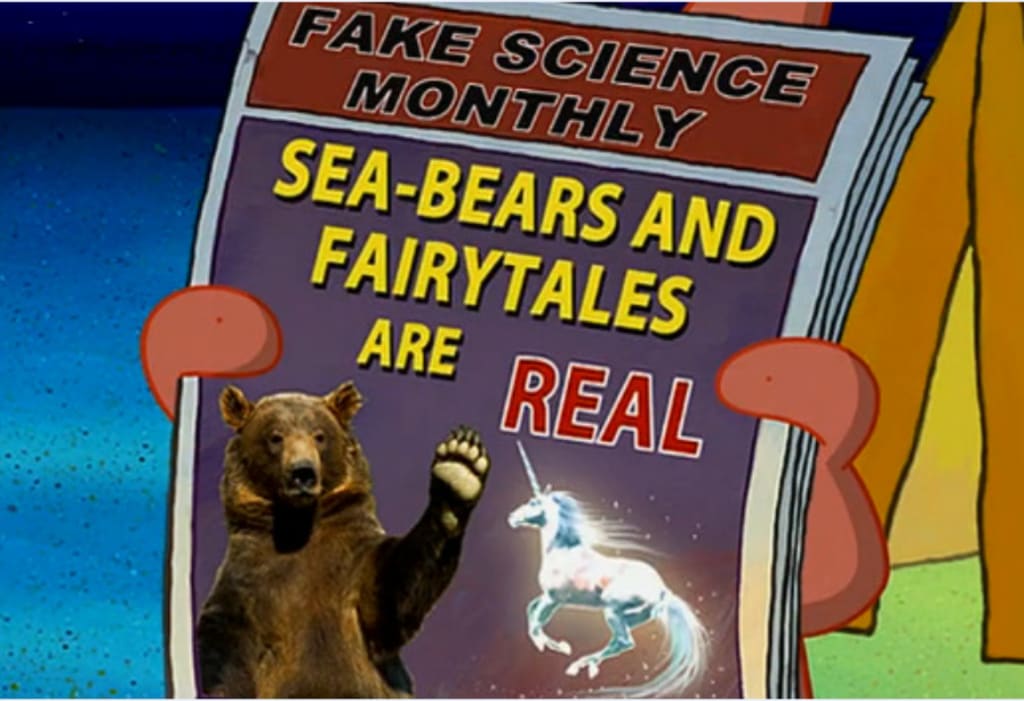
Perhaps the most memorable element of the episode is the introduction of the Sea Bear, a legendary creature that serves as the primary antagonist of the night. The elaborate, nonsensical rituals required to deter the beast—such as drawing an anti-sea bear circle or refraining from playing the clarinet badly—provide a masterclass in comedic tension and release. Each rule is crafted to specifically punish Squidward, ensuring that his arrogance is met with escalating, slapstick misfortune that feels both earned and wildly entertaining. The pacing of the misfortune is relentless; every time Squidward thinks he has secured his safety, a new rule is broken, and a fresh wave of physical comedy ensues. Watching him get repeatedly mauled by the unseen, off-screen Sea Bear creates a hilarious contrast between his sophisticated, cynical exterior and the sheer, undignified physical torment he endures. It is a brilliant play on the "straight man" trope, where the character who most desires peace and order is systematically dismantled by the chaos he refused to ignore in the first place.
Moreover, the musical segments scattered throughout the episode elevate it from a standard sitcom-style premise to a cult classic. The "Campfire Song Song" is perhaps the most famous sequence, featuring a comedic escalation of tempo that perfectly encapsulates SpongeBob’s boundless energy versus Squidward’s growing existential dread. The sound design, combined with the frantic animation, creates a sensory experience that feels as manic and unpredictable as a real camping trip gone horribly wrong. The writing also shines in how it handles the character archetypes. SpongeBob and Patrick are blissfully unaware of the danger, or perhaps they are just too committed to the spirit of the event to care, which keeps the tone lighthearted despite the violence directed toward Squidward. By the time the final attack occurs, the audience is fully invested in the cycle of abuse, finding Squidward’s inevitable downfall to be the comedic climax of his own stubborn refusal to simply go inside and sleep in his own house.
As the night progresses, the dialogue becomes increasingly snappy, with rapid-fire exchanges that highlight the disconnect between the three characters. SpongeBob’s naive optimism acts as a shield against the mayhem, while Patrick’s occasional bursts of unintentional wisdom—or further stupidity—only serve to frustrate Squidward further. The script manages to balance these disparate personalities, ensuring that even when Squidward is the primary victim, the audience remains engaged with the genuine, albeit destructive, camaraderie of the trio. Visually, the episode makes great use of the confined space. The cramped interior of the tent serves as a crucible for the escalating conflicts, forcing the characters into tight proximity that makes Squidward’s annoyance feel palpable. The decision to keep the Sea Bear largely out of sight is a stroke of genius, as it forces the viewer to imagine the carnage based solely on the chaotic sound effects and Squidward’s agonizing screams, which is infinitely more effective than a graphic depiction of the monster. Ultimately, "The Camping Episode" remains a shining example of why early SpongeBob is held in such high regard. It manages to balance slapstick violence, iconic musical numbers, and character-driven conflict into a cohesive narrative that feels both timeless and hysterical. By the time the sun rises on the devastated campsite and a bandaged Squidward, the episode concludes with a satisfying sense of closure, leaving the viewer with a sense of wonder at how such a simple evening could descend into such delightful, legendary chaos.
About the Creator
Forest Green
Hi. I am a writer with some years of experiences, although I am still working out the progress in my work. I make different types of stories that I hope many will enjoy.
Enjoyed the story? Support the Creator.
Subscribe for free to receive all their stories in your feed.
Comments
There are no comments for this story
Be the first to respond and start the conversation.