

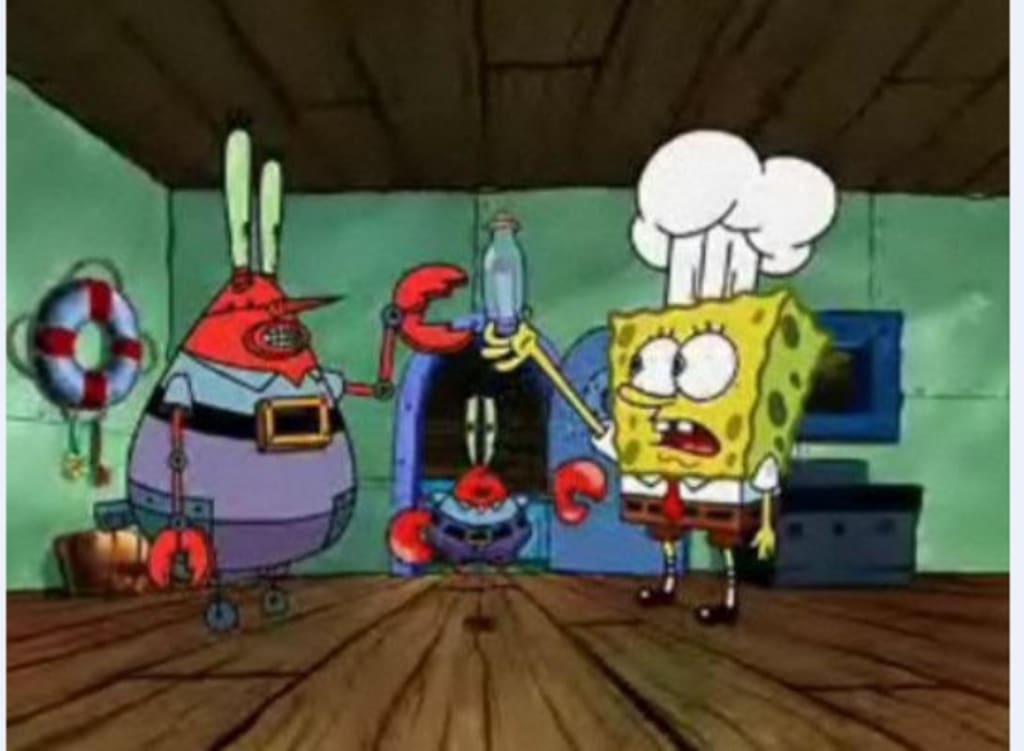
"Imitation Krabs" opens with Plankton’s classic blend of petty ambition and theatrical flair, a combination that instantly signals an episode teeming with both sabotage and slapstick. The camera glides through the familiar neon‑glow of the Chum Bucket before settling on the villain’s dimly lit laboratory, where a chorus of whirring servos and flickering screens introduces the audience to the centerpiece of his latest scheme: a gleaming, chrome‑finished doppelgänger of Mr. Krabs. The description of this robotic impostor is painstakingly detailed, from the polished mahogany‑stained exoskeleton that mimics the crab’s iconic claws to the subtle, almost imperceptible, electronic pulse that simulates the crustacean’s nervous system. The episode’s writers deftly lay out the stakes—Plankton’s desperate need for the Krabby Patty formula—while simultaneously sowing the seeds of comedic tension by hinting that the robot’s perfect imitation might be its greatest weakness. This opening not only frames the narrative arc but also showcases the series’ talent for turning a simple plot device into an elaborate playground for visual gags and character-driven humor.
When the metallic Mr. Krabs saunters into the Krusty Krab, the episode shifts into a vivid tableau of mistaken identity, with SpongeBob’s wide‑eyed optimism serving as the perfect foil for the mechanical ruse. The description of SpongeBob’s reaction is almost cinematic: his eyes widen, his spatula twitches, and the world seems to tilt into a pastel‑hued reverie as he greets the “new” boss with uncharacteristic reverence. The animators amplify this surreal moment by bathing the scene in warm, golden light, contrasting sharply with the cold, sterile glow of the robot’s internal circuitry—a visual metaphor for the clash between earnest innocence and cold calculation. Throughout the ensuing kitchen chaos, the episode layers subtle visual cues—a faint whirr from the robot’s joints, a marginally delayed response to orders—yet SpongeBob’s obliviousness remains unshaken, allowing the humor to swell organically. The writers cleverly employ this blind spot to explore themes of trust and routine, illustrating how the familiar can mask the foreign when viewed through the lens of unwavering devotion.
The narrative reaches its crescendo when SpongeBob, inadvertently discovering a conspicuous “self‑destruct” slot on the robot’s chest, decides—after a moment of childlike curiosity—to insert a single, tarnished penny. The description of this seemingly innocuous act is rendered with a surprising amount of dramatic weight: the penny clinks against metal, a low hum ripples through the restaurant, and a cascade of sparks erupts, turning the once‑imposing robotic Krabs into a sputtering heap of scrap. This moment is amplified by a masterful sound design that juxtaposes the soft jingle of the coin against the high‑pitched whine of overloaded circuits, creating an auditory tension that mirrors the visual spectacle. As the robot collapses in a theatrical explosion of steam and sparks, the episode’s pacing accelerates, delivering a cathartic release that simultaneously resolves the central conflict and underscores the series’ penchant for absurd, yet logically consistent, solutions. The destruction of the robot not only foils Plankton’s long‑standing quest for the formula but also serves as a vivid reminder that even the most sophisticated machinations can be undone by the simplest of human (or sea‑foam) interactions.
Visually, "Imitation Krabs" stands out as a showcase of the show’s evolving animation repertoire, blending traditional 2‑D character designs with sophisticated 3‑D modeling for the robotic antagonist. The description highlights the meticulous attention to detail: every rivet on the robot’s shell gleams with a reflective sheen, and the subtle shading on its eyes mimics the glint of genuine crab vision, thereby tricking both characters and audience alike. The episode’s color palette shifts deliberately—warm, buttery yellows dominate the Krusty Krab’s interior, while cool steel blues and greys envelop the robot’s interior, reinforcing the thematic dichotomy between heart and hardware. The soundscape, too, plays a crucial role; the clanking of gears, the hiss of steam, and the cheerful bubble‑pop of SpongeBob’s dialogue are mixed with uncanny precision, creating an immersive auditory experience that elevates the comedic timing. In sum, the episode succeeds not only as a clever caper but also as a testament to the series’ ability to fuse narrative wit with visual ingenuity, delivering a memorable, richly layered adventure that rewards both casual viewers and dedicated fans alike.
About the Creator
Forest Green
Hi. I am a writer with some years of experiences, although I am still working out the progress in my work. I make different types of stories that I hope many will enjoy.
Enjoyed the story? Support the Creator.
Subscribe for free to receive all their stories in your feed.
Comments
There are no comments for this story
Be the first to respond and start the conversation.