

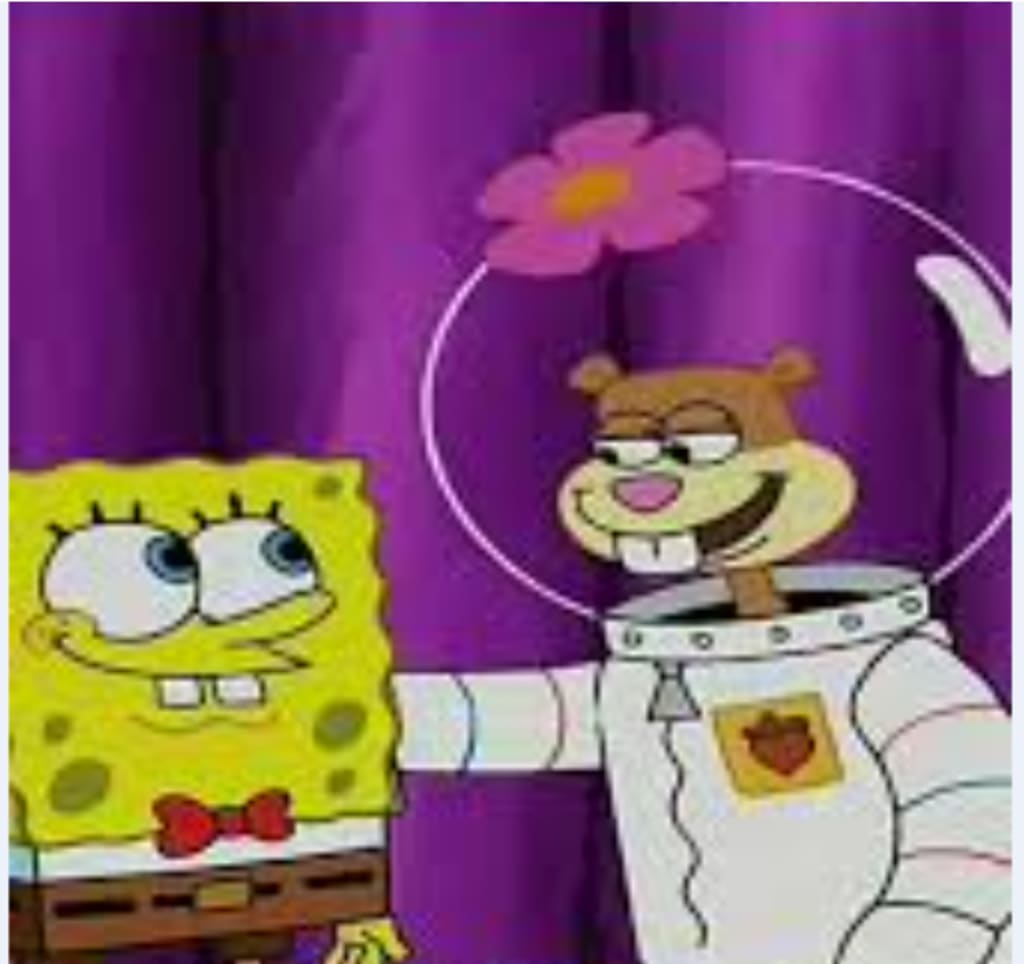
The Krusty Krab, usually a bustling hub for fried delicacies, undergoes a fascinating transformation in the episode "Squirrel Jokes," as Mr. Krabs smells a financial opportunity in the burgeoning world of stand-up comedy. The familiar wooden interior is bathed in an uncharacteristic, harsh spotlight, and the rhythmic sound of flipping patties is replaced by the restless murmurs of an expectant audience of Bikini Bottom residents. This atmospheric shift sets a unique stage for SpongeBob SquarePants to venture beyond his culinary duties, stepping into the precarious role of a comedian tasked with entertaining a crowd that is hungry for laughter rather than just Krabby Patties. The descriptive setting captures a sense of nervous anticipation, highlighting the high stakes of performance art within the normally predictable and greasy confines of the undersea eatery.
Initially, SpongeBob’s foray into the comedic arts is a disastrous affair, as his innocent observations and physical puns fall flat against a wall of stony silence and metaphorical crickets. The spotlight seems to shrink around his porous yellow body, illuminating his visible flop-sweat as he realizes that his brand of gentle, observational humor is failing to resonate with the cynical crowd. In a moment of sheer desperation to win the crowd’s approval and escape the suffocating silence, he pivots away from his prepared material and targets a specific, easy victim sitting in the front row: his dear friend Sandy Cheeks. This pivotal shift in the narrative introduces a darker layer to the episode, showcasing how the intoxicating roar of a laughing audience can tempt even the most pure-hearted individual to trade their integrity for a fleeting moment of popularity.
The jokes themselves are centered on hurtful and reductive stereotypes regarding squirrels, portraying Sandy as dim-witted, slow, and physically awkward due to her large front teeth and terrestrial origins. As SpongeBob leans into these cheap shots, the Krusty Krab erupts in thunderous, rhythmic applause, validating his decision to mock his friend for the sake of a punchline. The descriptive imagery of the audience’s raucous laughter contrasts sharply with the underlying cruelty of the humor, as SpongeBob grows increasingly addicted to the adrenaline and validation he receives from the stage. He becomes a master of the "insult comic" persona, seemingly oblivious to the fact that his sudden comedic success is being built entirely on the public humiliation of the person who has always been his most loyal and protective supporter.
The emotional weight of the episode soon shifts toward Sandy, who quickly discovers that the "jokes" have permeated the social fabric of Bikini Bottom, leading to real-world consequences beyond the comedy club walls. As she navigates her daily life at the grocery store or in the park, she is met with mocking stares and derogatory comments from her neighbors, who now view her through the distorted lens of SpongeBob’s caricatures. The descriptive portrayal of her sudden social isolation is genuinely heartbreaking; people treat her as if she truly is the bumbling, unintelligent creature SpongeBob described on stage. This sequence effectively illustrates the corrosive power of words and how "harmless" humor can quickly devolve into a form of social bullying that strips a person of their dignity and standing within their community.
When Sandy finally confronts SpongeBob about the immense pain and social fallout his performance has caused her, he is initially dismissive and defensive, trapped in the delusion that his "artistic success" justifies the means. However, seeing the genuine hurt and betrayal in her eyes eventually forces him to realize that he has nearly gambled away a priceless friendship for the temporary thrill of a laughing crowd. He attempts to make amends through various frantic and clumsy gestures, but the damage is deeply rooted in the public perception he helped create throughout his multi-night residency. The descriptive tension between the two characters highlights the agonizing difficulty of repairing trust once it has been publicly violated, as SpongeBob grapples with the realization that a joke is never truly just a joke when it comes at the expense of a loved one's humanity.
In the climactic and clever finale, SpongeBob must perform one last set, and he chooses to subvert the audience's expectations by turning the satirical lens onto himself and the broader sea creature community. By highlighting the absurdities and quirks of underwater life, he manages to keep the crowd entertained without isolating Sandy, ultimately restoring the balance of their friendship through humility and self-deprecation. This episode stands as a brilliant, descriptive critique of the comedy industry and a poignant reminder of the responsibilities that come with having a public platform. It serves as a masterclass in character development for the series, showing that true performance requires empathy and that the loudest laughter in the world is never worth the loss of those who truly care for you.
About the Creator
Forest Green
Hi. I am a writer with some years of experiences, although I am still working out the progress in my work. I make different types of stories that I hope many will enjoy.
Enjoyed the story? Support the Creator.
Subscribe for free to receive all their stories in your feed.
Comments
There are no comments for this story
Be the first to respond and start the conversation.