

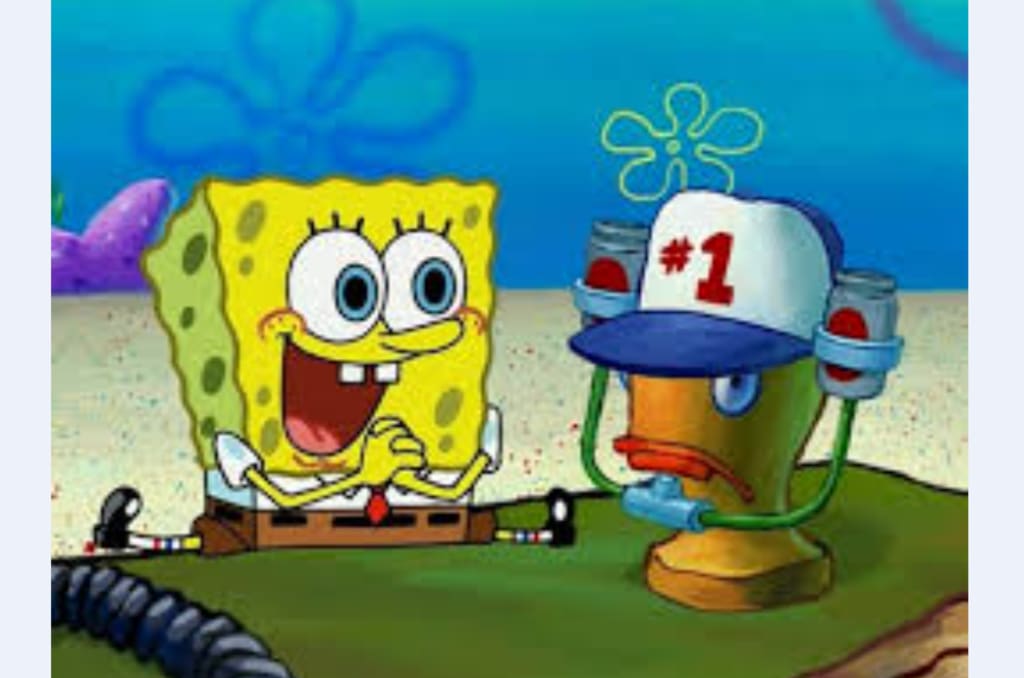
"One Krabs Trash" stands as a masterclass in the classic Spongebob Squarepants formula, perfectly encapsulating the insatiable greed of Eugene Krabs and the relentless, wide-eyed optimism of his fry cook. The episode kicks off with a quintessential yard sale setup, where Krabs attempts to offload his literal junk onto unsuspecting customers, ultimately swindling SpongeBob into purchasing a "Number One" drink hat for ten dollars. This simple transaction serves as the catalyst for a hilarious descent into madness, driven entirely by Krabs’ sudden, feverish realization that the item he practically discarded is actually a legendary, priceless relic sought after by wealthy collectors.The narrative tension escalates brilliantly as Krabs descends deeper into a pit of desperation, his eyes transforming into literal dollar signs as he imagines the opulent lifestyle he could lead with the proceeds from the hat. His subsequent attempts to manipulate SpongeBob are both pathetic and darkly comedic, as he deploys an array of increasingly absurd psychological warfare tactics meant to guilt-trip his employee into relinquishing the "treasure." Watching Krabs play the role of a grieving, spectral ancestor or a concerned friend highlights the lengths to which he will go to secure a profit, creating a dynamic that is as frustrating for the audience to witness as it is deeply entertaining.
SpongeBob’s unwavering devotion to his "prize" serves as the perfect foil to Krabs’ machinations, as the fry cook genuinely cherishes the piece of plastic, seeing it not as a financial asset but as a symbol of his status as "Number One." The humor is layered with irony; while Krabs is obsessed with the physical value of the hat, SpongeBob represents the pure, incorruptible joy of ownership that Krabs has long since lost. The back-and-forth between the two is paced with the frantic energy of a slapstick cartoon, ensuring that every failed attempt by Krabs to reclaim the hat feels like an escalating punchline. When Krabs finally manages to trick SpongeBob into returning the hat, the climax pulses with a palpable sense of triumph that is immediately undercut by the show’s signature brand of cynical irony. The viewer experiences a rush of dark satisfaction as Krabs, having finally secured his payday, is met with the crushing reality that the hat is, in fact, an ordinary, worthless piece of junk with no historical significance whatsoever. This twist is the ultimate poetic justice, effectively dismantling Krabs' greedy delusions and leaving him holding nothing but a cheap plastic trinket that holds no value to anyone, let alone a millionaire collector.
The social commentary woven into "One Krabs Trash" remains surprisingly sharp, critiquing the obsession with material worth over genuine human (or sea creature) connection. Krabs’ journey from seller to buyer to victim is a well-crafted arc that reminds us of the dangers of avarice, all while maintaining the lighthearted tone of a Saturday morning classic. It is a cautionary tale masked in bright colors and manic humor, suggesting that when one is blinded by the prospect of easy money, they often lose sight of the inherent joy that exists in the simple, everyday items around them. Visually, the episode shines in its portrayal of Krabs’ mental state, utilizing exaggerated close-ups and frantic camera movements to emphasize his growing obsession. The animation team does a fantastic job of illustrating the transition from calm, calculated yard sale proprietor to a frantic, bug-eyed schemer who will stop at nothing to get what he wants. Every frame captures the essence of the characters, from SpongeBob’s oblivious happiness to Krabs’ twitchy, sweat-beaming anxiety, making the entire ordeal feel like a high-stakes heist movie condensed into a single afternoon at the Krusty Krab.
Music and sound design play an integral role in building the atmosphere of the episode, using tense, fast-paced strings that mirror Krabs’ racing heartbeat as he plots his next move. These auditory cues help to heighten the comedy, particularly during the scenes where he tries to impersonate various characters to fool SpongeBob, adding a layer of absurdity that is quintessentially Spongebob. The sound effects—the squeaking of the hat, the metallic clatter of the trash, and the exaggerated gulping during Krabs’ nervous moments—all contribute to the overall pacing that keeps the audience glued to the screen. Even after all these years, the episode holds up as a quintessential example of why Spongebob Squarepants remains a cultural titan. It manages to balance slapstick humor with a narrative structure that is surprisingly robust, offering a compelling critique of greed that doesn’t feel preachy or forced. The ending, where Krabs is forced to confront the lack of value in his obsession, is a perfect wrap-up that leaves the audience laughing at his expense, serving as a reminder that the "Number One" status he chased was never meant to be bought or sold in the first place. Ultimately, "One Krabs Trash" is a testament to the show's ability to turn mundane concepts into legendary television moments. It offers a perfect blend of character-driven humor and classic cartoon chaos, making it an essential watch for any fan of the series. By the time the screen fades to black, the viewer is left with a sense of completion, having witnessed a story that is as satisfying as it is funny, and reaffirming the show’s legacy as one of the most clever and enduring animated programs ever produced.
About the Creator
Forest Green
Hi. I am a writer with some years of experiences, although I am still working out the progress in my work. I make different types of stories that I hope many will enjoy.
Enjoyed the story? Support the Creator.
Subscribe for free to receive all their stories in your feed.
Comments
There are no comments for this story
Be the first to respond and start the conversation.