

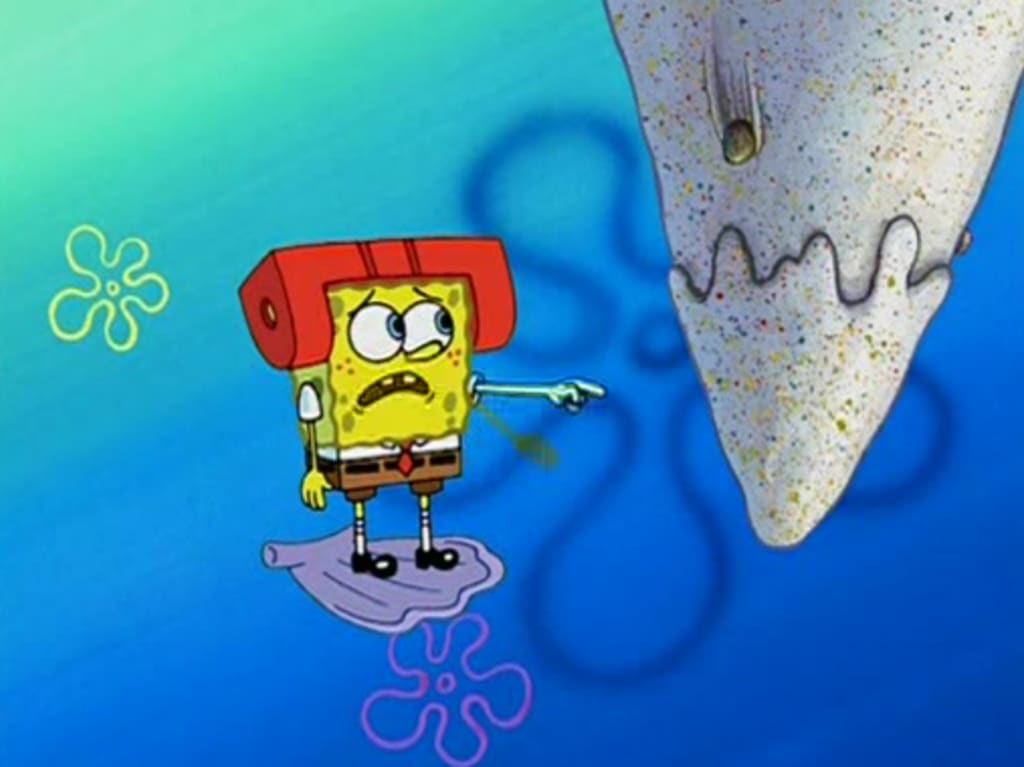
The SpongeBob SquarePants episode "I Had an Accident" stands as a quintessential example of the show’s unique ability to blend slapstick physical comedy with increasingly surreal, existential dread. The narrative trajectory begins with a classic, high-energy premise: SpongeBob decides to take up sandboarding, a reckless endeavor that inevitably culminates in the catastrophic shattering of his fragile, porous buttocks. This injury serves as the catalyst for a radical character shift, as SpongeBob retreats from the outside world, transformed by terror into a paranoid recluse who prefers the silent company of inanimate objects—specifically a log, a potato, and a seashell—over his actual friends. The mid-section of the episode masterfully explores the frustration of his peers, Sandy and Patrick, who attempt to coax the traumatized fry cook back into society using logic, appeal, and genuine concern. As SpongeBob remains steadfast in his self-imposed quarantine, the lengths to which his friends go become progressively unhinged, highlighting the chaotic, anything-goes nature of the Bikini Bottom ecosystem. This segment brilliantly satirizes the concept of "tough love," showing that when a friend is paralyzed by irrational fear, sometimes the only solution is to orchestrate a situation so absurd that it forces a confrontation with reality, regardless of how messy or dangerous that reality might be.
The scheme eventually hinges on Patrick dressing up in a crude, hilariously unconvincing gorilla costume, a ruse intended to startle SpongeBob into bravery. However, the episode takes a sharp, jarring turn into the realm of the absurd when a genuine, photorealistic gorilla emerges from the scenery, completely unmasking the charade and effectively kidnapping Patrick and Sandy. This transition from a lighthearted prank to a genuinely bizarre threat creates a palpable sense of unease, mocking the audience's expectation of a simple moral lesson by replacing it with a predatory, out-of-place beast that clearly does not belong in the logic of a cartoon seafloor. Watching his friends being stuffed into a burlap sack acts as the final straw for SpongeBob, forcing him to cast aside his protective gear and face the terrifying unpredictability of the outside world. This climactic moment serves as a testament to his character growth; his loyalty to his friends outweighs his visceral paralysis, proving that bravery is not the absence of fear, but the ability to act in spite of it. The ensuing conflict is frantic and punctuated by the show’s signature brand of visual humor, maintaining a breathless pace that keeps the viewer perpetually off-balance regarding what could possibly happen next.
The resolution of the confrontation is perhaps one of the most bizarre moments in the show's history: the gorilla, having ripped SpongeBob in half, pauses to engage in a moment of polite, albeit strange, interaction. When SpongeBob poses the profoundly logical question of why a gorilla—an animal strictly terrestrial in nature—is currently residing underwater, the creature’s reality begins to unravel. The gorilla’s subsequent panic, as he realizes the spatial and biological impossibility of his own existence, leads to a ridiculous departure where he rides off into the sunset on an equally misplaced horse, leaving the characters in sheer bewilderment. This conclusion serves as a meta-textual wink to the audience, acknowledging the inherent silliness of the cartoon world while doubling down on the randomness. The episode eschews a traditional, tidy end in favor of something far more unsettling and memorable, effectively deconstructing the absurdity of the premise itself. By highlighting the lack of internal consistency, the show asserts its dominance over the medium, daring the audience to search for a deeper meaning that simply does not exist, other than purely for the sake of comedic subversion.
The final scene, a brief cut to a live-action family sitting in their living room watching the spectacle unfold on television, provides the perfect punchline to the entire ordeal. As they stare at the screen in absolute silence and confusion, clicking the remote to turn off the program, the audience is indirectly mirrored. Their bewildered reaction validates the viewer's own frustration and amusement, framing the entire episode as an experiment in narrative chaos that defies standard storytelling conventions and intentionally leaves the viewer feeling as though they have just witnessed a fever dream. Ultimately, "I Had an Accident" remains a standout episode because it refuses to play by the rules of conventional television, opting instead to embrace a narrative insanity that feels both dangerous and hilarious. It transitions seamlessly from a medical mishap to a psychological drama, and finally to a surrealist nightmare, all while maintaining the core appeal of the beloved characters. The episode is not just a story about a sponge finding his courage; it is a calculated assault on the audience's expectations, leaving a lingering, comedic mark that is quintessentially SpongeBob. In retrospect, this episode represents the pinnacle of the show's early creative peak, where the writers felt emboldened enough to lean into the weirdest impulses of the art form. By ending on the image of a confused, real-world family watching a gorilla ride a horse underwater, the show essentially tells its viewers that the logic of Bikini Bottom is its own distinct reality, one that doesn't need to answer to anyone—not even the people watching it. It is a bold, uncompromising piece of television that continues to baffle and delight audiences, cementing its place in the annals of animation history.
About the Creator
Forest Green
Hi. I am a writer with some years of experiences, although I am still working out the progress in my work. I make different types of stories that I hope many will enjoy.
Enjoyed the story? Support the Creator.
Subscribe for free to receive all their stories in your feed.
Comments
There are no comments for this story
Be the first to respond and start the conversation.