

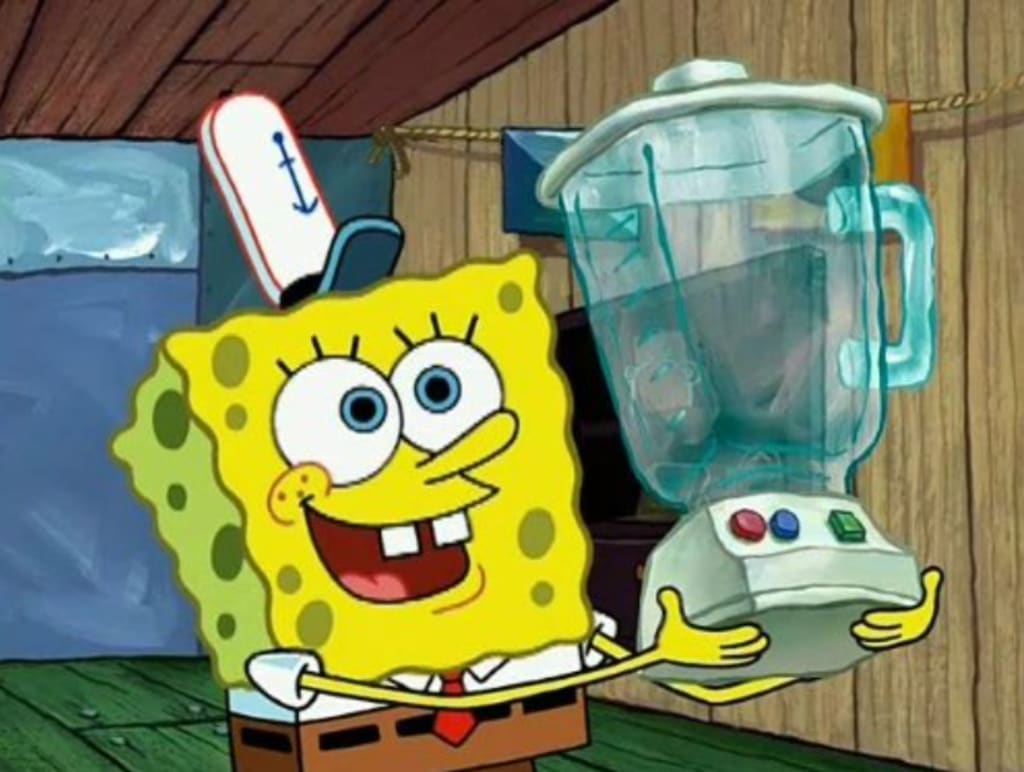
"Krab Borg" stands as a quintessential example of SpongeBob SquarePants at the height of its comedic prowess, masterfully blending genuine suspense with the show's signature absurdist humor. The episode kicks off with a brilliantly atmospheric opening where SpongeBob, fueled by the late-night viewing of a terrifying sci-fi flick about a robotic uprising, finds his imagination spiraling into a fever pitch of paranoia. This relatable human anxiety is amplified through SpongeBob’s jittery animation and wide-eyed hysteria, setting the stage for a workplace dynamic that shifts from mundane fry-cooking to a tense, pseudo-thriller interrogation. As SpongeBob drifts into a state of total delusion, his perception of reality becomes hilariously distorted, leading him to scrutinize his boss, Mr. Krabs, with the intensity of a seasoned detective. The sight of Mr. Krabs—whose metallic-sounding claw and rhythmic clicking somehow convince SpongeBob that he has been replaced by a chrome-plated automaton—serves as the perfect catalyst for chaos. The episode cleverly toys with the audience’s expectations, keeping us guessing just enough to make SpongeBob’s increasingly frantic theories feel like a darkly comedic tragedy unfolding within the claustrophobic walls of the Krusty Krab.
Squidward, typically the voice of reason or at least the cynical observer, is pulled into this madness, and his reluctant participation adds a sharp, satirical edge to the escalating situation. Watching these two characters attempt to treat a fast-food restaurant like a high-stakes intelligence agency is pure gold. Their transition from coworkers to amateur commandos highlights the unique chemistry between the trio, as the absurdity of their "investigation" against a grumpy, oblivious Mr. Krabs creates a relentless momentum that rarely slows down until the final credits. The interrogation sequence is perhaps the most iconic portion of the episode, as SpongeBob and Squidward subject Mr. Krabs to a series of increasingly ridiculous psychological tests and physical restraints. The irony is palpable: while they believe they are saving the world from a cold, unfeeling robot, they are actually behaving exactly like the villains they fear, losing their own humanity in the process. This tonal balancing act—between the dark concept of torture and the bright, bouncy animation style—is handled with surgical precision by the writers, ensuring the scene remains hilarious rather than genuinely disturbing.
Visually, the episode shines during the destruction of the kitchen appliances, which serves as a chaotic highlight that showcases the show’s willingness to embrace outright anarchy. As SpongeBob and Squidward tear apart the Krusty Krab, searching for "internal circuitry" or some hidden robotic switch, the physical comedy reaches a fever pitch. The sheer commitment of the characters to their delusions provides a level of slapstick satisfaction that is rarely matched in the series, capturing the essence of cartoon violence taken to its absolute, nonsensical extreme.The pacing of "Krab Borg" is nearly flawless, with every interrogation tactic raising the stakes just enough to maintain interest without exhausting the audience. The dialogue is snappy and packed with memorable gags, such as the infamous "Beep boo bop" exchange, which has since cemented itself in internet culture as a definitive SpongeBob moment. It is in these small, repetitive interactions that the writing team manages to ground the wild plot, making the ridiculous behavior of the protagonists feel like it belongs entirely to the logic of their underwater world.
Moreover, the tension is expertly maintained by playing on the mystery of whether Mr. Krabs might actually be hiding something, keeping the viewer just as confused as our two protagonists. While we know Krabs is ultimately just his usual, cheap, and eccentric self, the script plants just enough doubt—specifically through his odd mannerisms—to validate SpongeBob’s panic. This meta-narrative layer of deception invites the audience to participate in the game, making the eventual reveal of the truth feel like a satisfying release of tension rather than a disappointment. The character development, while intentionally thin for the sake of comedy, actually highlights how deep the bond is between the trio. Even when they are tying their boss to a chair and dismantling his restaurant, there is a warped sense of camaraderie that makes the whole ordeal feel like a bizarre bonding experience. It is a testament to the longevity of these characters that they can engage in such aggressive, surreal behavior and still feel like the lovable, familiar icons that fans have championed for decades, proving that the show’s strength lies in its ability to bend characters without breaking their core identities.Ultimately, "Krab Borg" is a masterclass in episodic television, proving that a simple premise—a misplaced fear of robots—can result in an unforgettable journey of madness. It strikes the perfect chord between suspense and slapstick, leaving viewers with a lasting memory of an anxious sponge and a beleaguered cashier trying to "de-program" their boss. It remains a high-water mark for the series, serving as a reminder of how SpongeBob SquarePants can take the most mundane setting and turn it into a high-octane theater of the absurd.
About the Creator
Forest Green
Hi. I am a writer with some years of experiences, although I am still working out the progress in my work. I make different types of stories that I hope many will enjoy.
Enjoyed the story? Support the Creator.
Subscribe for free to receive all their stories in your feed.
Comments
There are no comments for this story
Be the first to respond and start the conversation.