
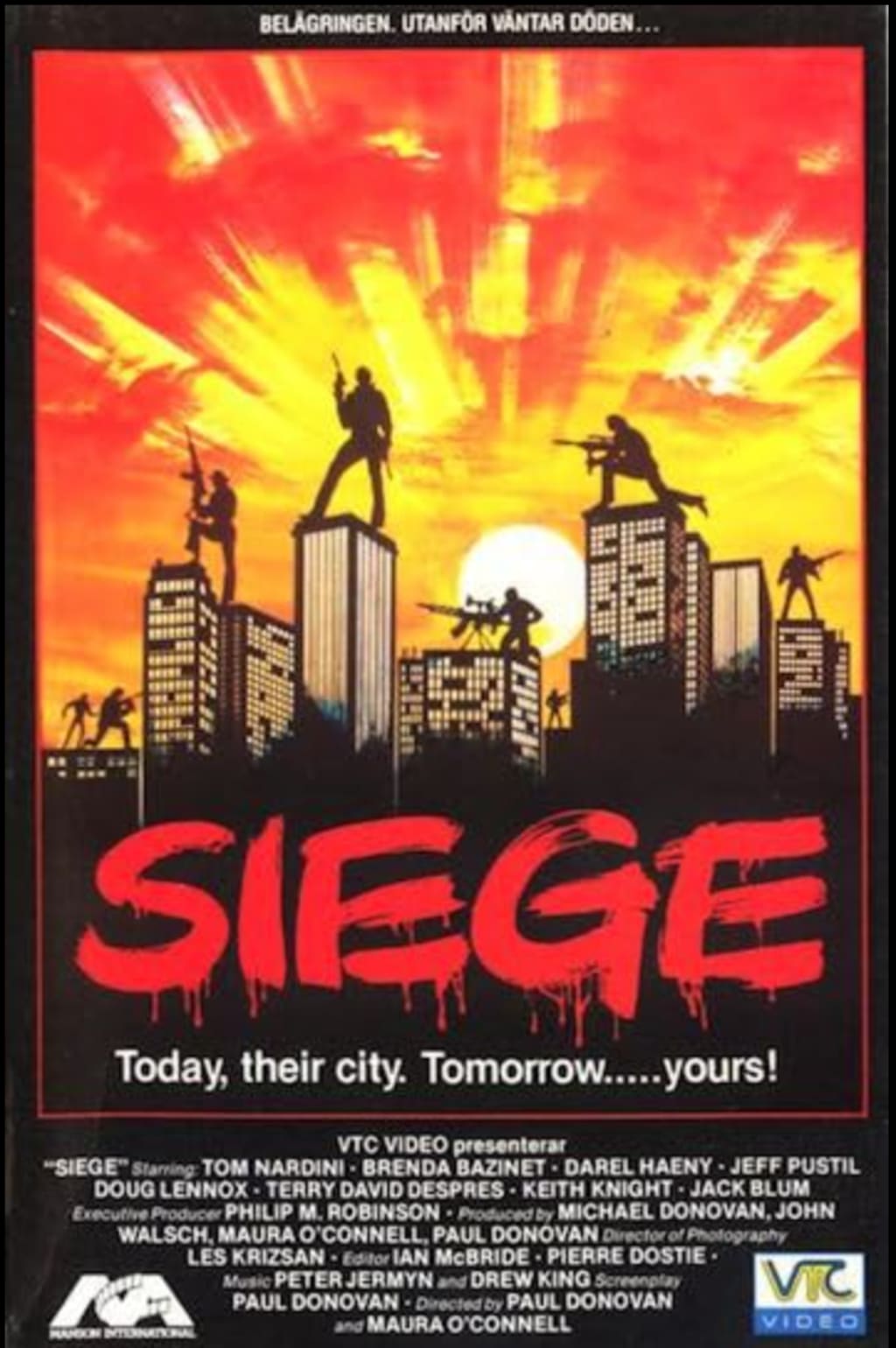
'Siege' (1983): The Forgotten Canadian Thriller That Turned Halifax Into a War Zone
A brutally efficient 1983 action thriller, Siege borrowed the siege mechanics of Carpenter but found something far more unsettling in the real-world chaos of Halifax.

A Movie Born From Failure
There is something wonderfully scrappy about Siege.
Released in 1983, the Canadian thriller—also known in some markets as Self Defense—is the kind of movie that seems to have been assembled almost entirely out of determination, ingenuity, and whatever resources its filmmakers could get their hands on. Running a brisk 84 minutes, it is lean, nasty, atmospheric, and remarkably effective considering the modest circumstances surrounding its production.
Directed by Paul Donovan and Maura O’Connell under the Salter Street Films banner, Siege belongs to that fascinating corner of 1980s cinema sometimes labeled “Canuxploitation.” It was Canadian filmmaking with an exploitation sensibility: inexpensive, independent, regional, and often willing to go places mainstream movies wouldn’t.
The movie’s origins were similarly unconventional.
Paul Donovan had just come off South Pacific 1942, a production that had not exactly set the world on fire. But the experience taught Donovan how to survive the logistical headaches of independent filmmaking. Rather than retreat, he and his brother Michael decided to make something more commercial.
They turned toward the action genre.
The screenplay reportedly came together in just ten days.
And they found their story in something that had actually happened.
Halifax Under Siege
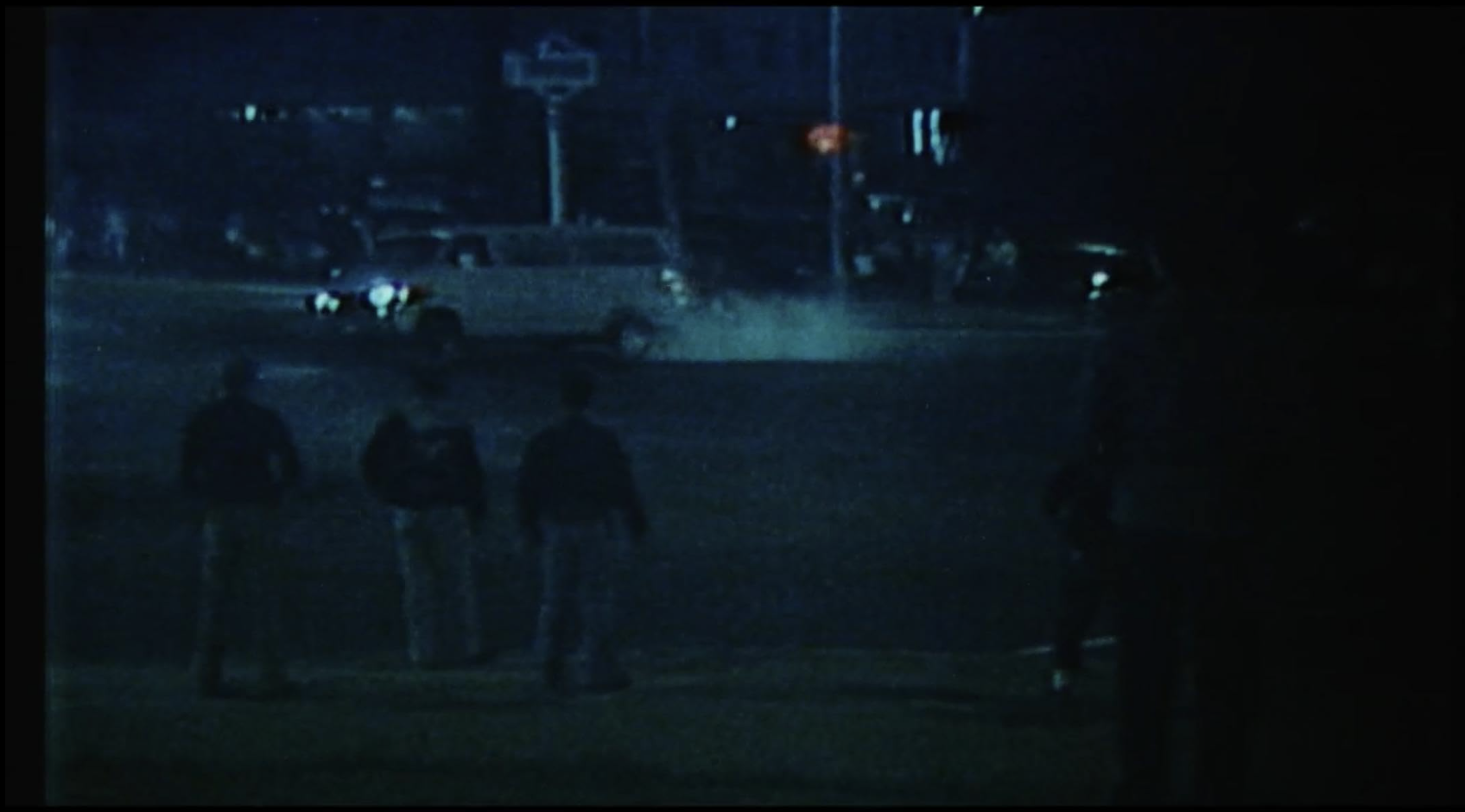
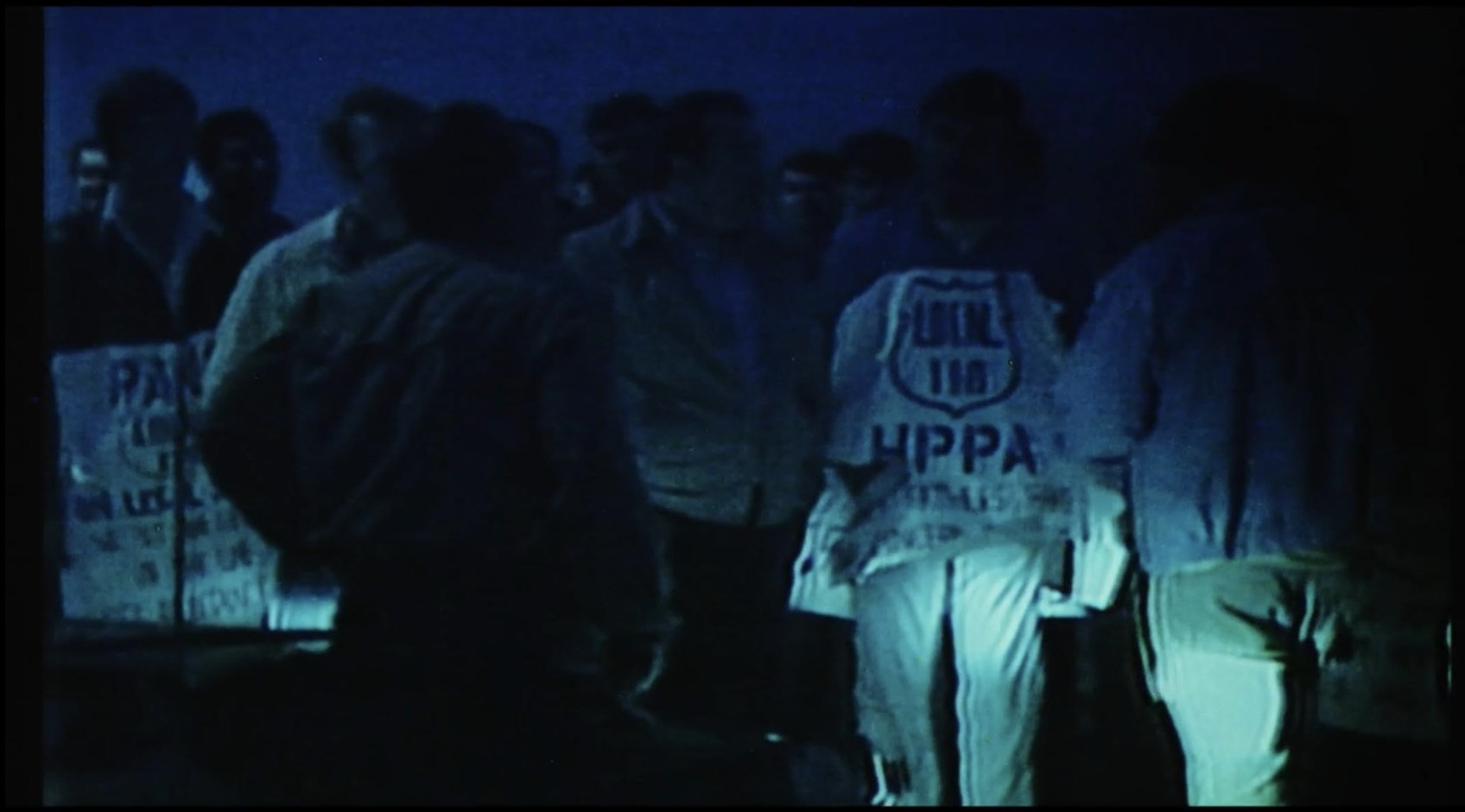
The film takes its inspiration from the 1981 Halifax police strike, a period of civil disorder that left the city dealing with a temporary breakdown in law enforcement.
That real-world event became more than background material.
It became the movie’s atmosphere.
Siege even incorporates news footage from the unrest, immediately grounding what follows in something that feels disturbingly plausible. The filmmakers weren’t creating a completely fictional nightmare. They were taking something that had happened in their own backyard and asking a terrifying question:
What happens when the police aren’t coming?
The answer is Siege.
A right-wing vigilante organization known as the New Order launches a violent assault on a gay bar. One man survives the massacre and manages to escape into a nearby apartment building.
Unfortunately, the building isn’t exactly a fortress.
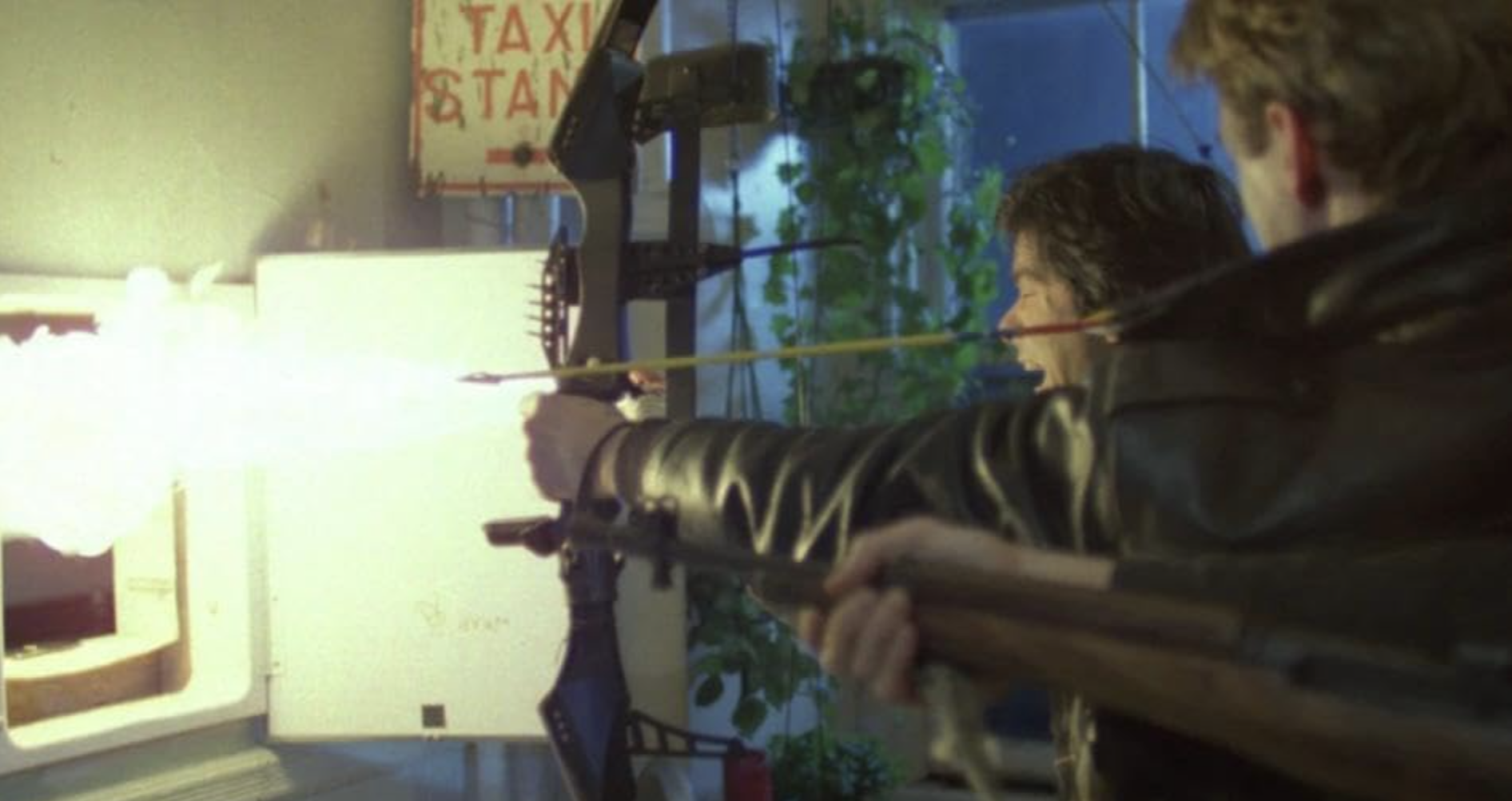
The residents are ordinary people, and the attackers are heavily armed.
With the authorities effectively absent, the tenants are forced to defend themselves.
The basic setup owes an obvious debt to John Carpenter’s Assault on Precinct 13, another low-budget thriller built around an isolated group of people attempting to survive an organized assault.
But Siege isn’t simply trying to recreate Carpenter’s movie in Canada.
It takes that basic structure and makes it considerably more uncomfortable.
A Very Canadian Kind of Exploitation
The production was put together through a patchwork of financing, with estimates of the budget ranging from roughly $200,000 to $750,000. International distributors were willing to put money into the project, largely because the expanding home-video market was creating new opportunities for inexpensive genre films.
That was exactly the kind of environment in which a movie like Siege could exist.
Principal photography took place in late 1981, with Halifax transformed into a grim, nocturnal battlefield.
The schedule was punishing.
The entire production was completed in fewer than 24 days, forcing the filmmakers to work quickly and creatively. High-speed lenses helped the cinematography cope with the extensive night shooting, while the production reportedly had access to a private collection of automatic weapons that gave the action an appropriately frightening authenticity.
This wasn’t a production with the luxury of endless takes.
It had to get the shot and move on.
And somehow, the production reportedly went remarkably smoothly.
Much of that can be credited to the Donovan brothers, cinematographer Les Krizsan, and a crew that understood exactly how to make limited resources work for them.
The cast also contributes to the film’s sense of authenticity.
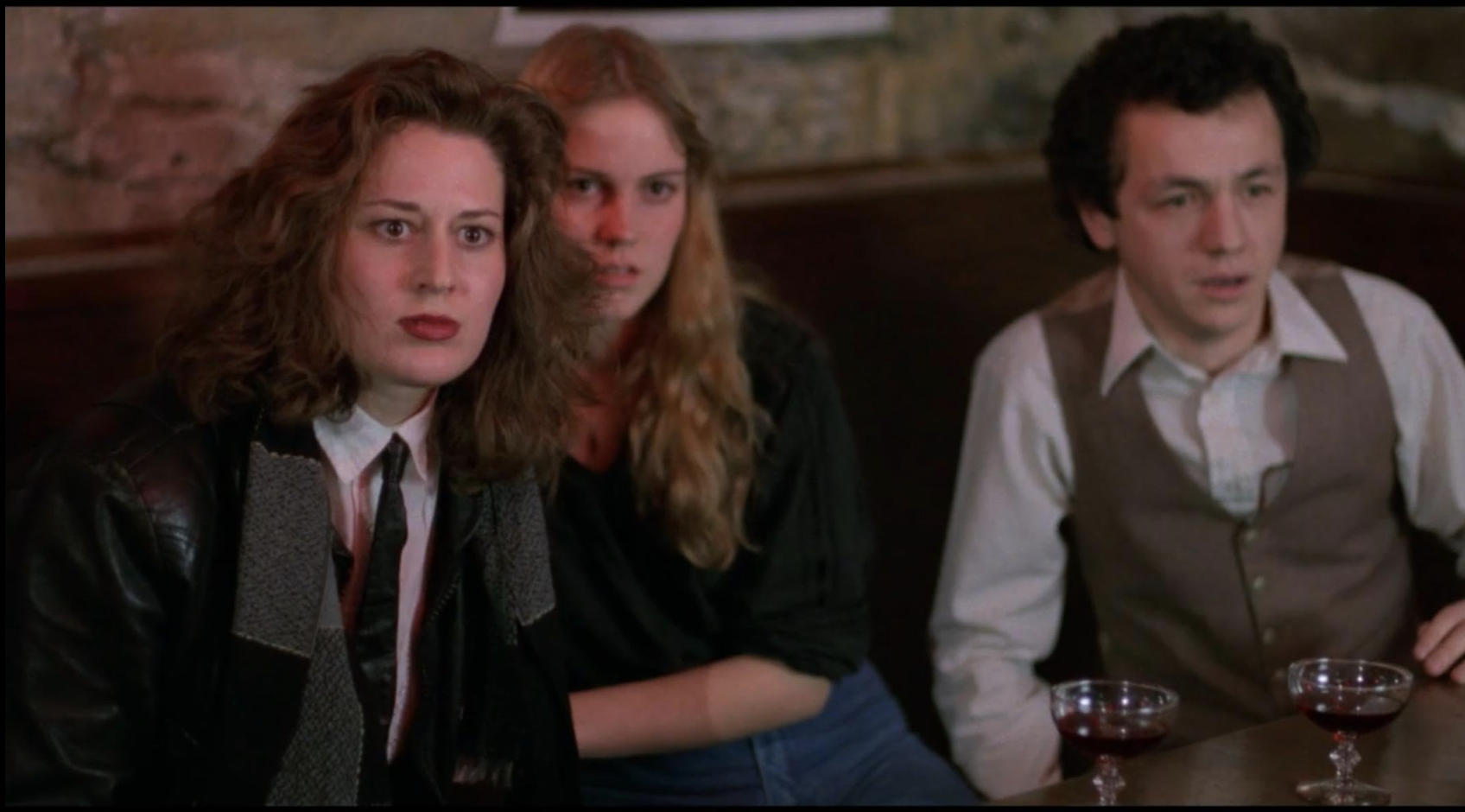
Alongside American actor Tom Nardini were Canadian performers including Jack Blum and Keith Knight. Nobody feels like they’re arriving from another movie. The performances have the rough, blue-collar quality that suits the story, making the apartment’s residents feel like actual people rather than action-movie archetypes.
That distinction becomes increasingly important as the siege unfolds.
When the Police Aren’t Coming
This is where Siege separates itself from a lot of similar exploitation pictures.
Yes, there are guns.
Yes, there is violence.
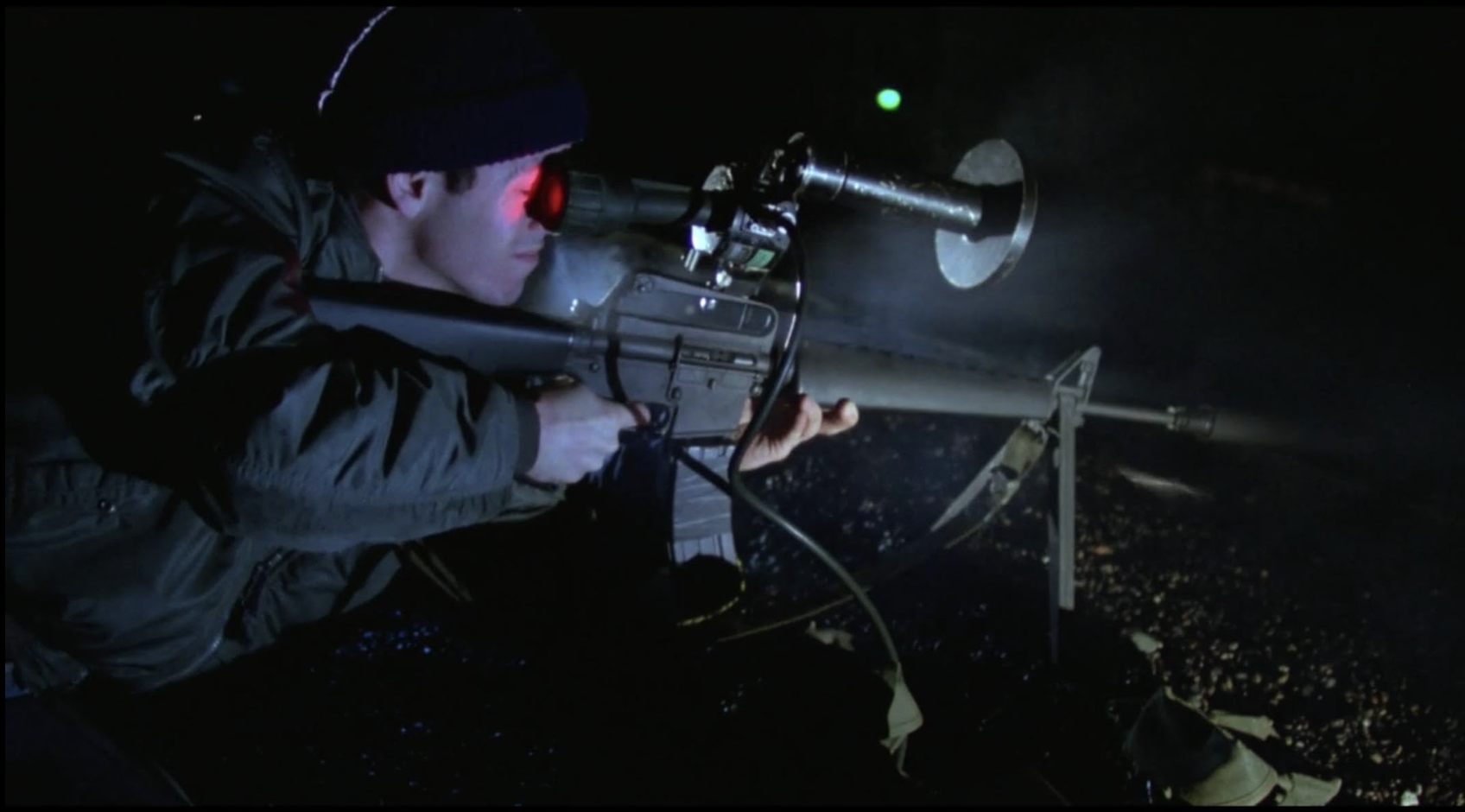
Yes, there is a masked gang of extremists stalking the protagonists through the darkness.
But beneath the mechanics of the siege is a surprisingly pointed examination of what happens when institutions fail.
The residents cannot depend on the police.
They cannot simply call for help and wait for the cavalry.
They have to rely on one another.
That gives Siege an unexpected theme of community solidarity. The people trapped inside the building don’t necessarily have much in common, but the threat outside forces them to put those differences aside.
The movie’s queer protagonist is also handled in a way that feels surprisingly progressive for the period.
Rather than turning him into a punchline, a victim existing solely to motivate the heterosexual characters, or a stereotypical caricature, the film allows him to remain a human being caught in an increasingly terrifying situation.
For a low-budget Canadian action movie from the early 1980s, that’s significant.
The politics aren’t delivered through speeches.
They’re embedded in the situation.
The people with the guns believe they are imposing order.
The people inside are simply trying to survive.
And the supposed institutions of order are nowhere to be found.
A Soundtrack From the Darkness
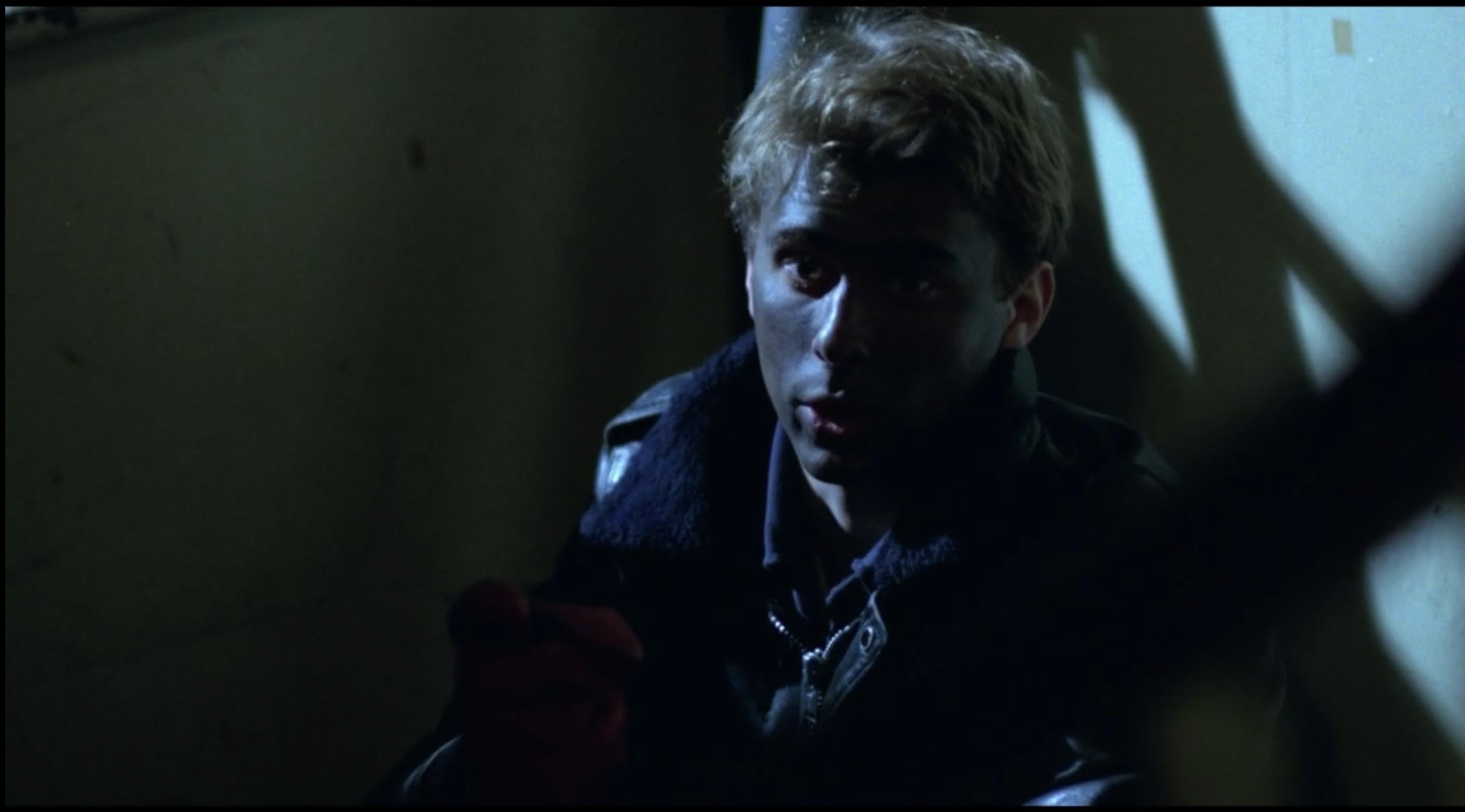
Visually, Siege makes the most of its limitations.
The extensive night photography gives Halifax a cold, oppressive quality, while the darkness becomes an essential part of the movie’s tension. The city doesn’t feel like a backdrop. It feels like the walls are closing in.
The electronic score reinforces that atmosphere.
Like so many thrillers of the early 1980s, Siege understands the unsettling power of synthesizers. The music doesn’t simply accompany the violence. It gives the movie a nervous, almost mechanical pulse.
Everything feels temporary.
Everything feels unsafe.
And every shadow could contain someone carrying a gun.
From Festival Circuit to VHS
Siege never received the kind of major theatrical rollout that might have turned it into a mainstream success.
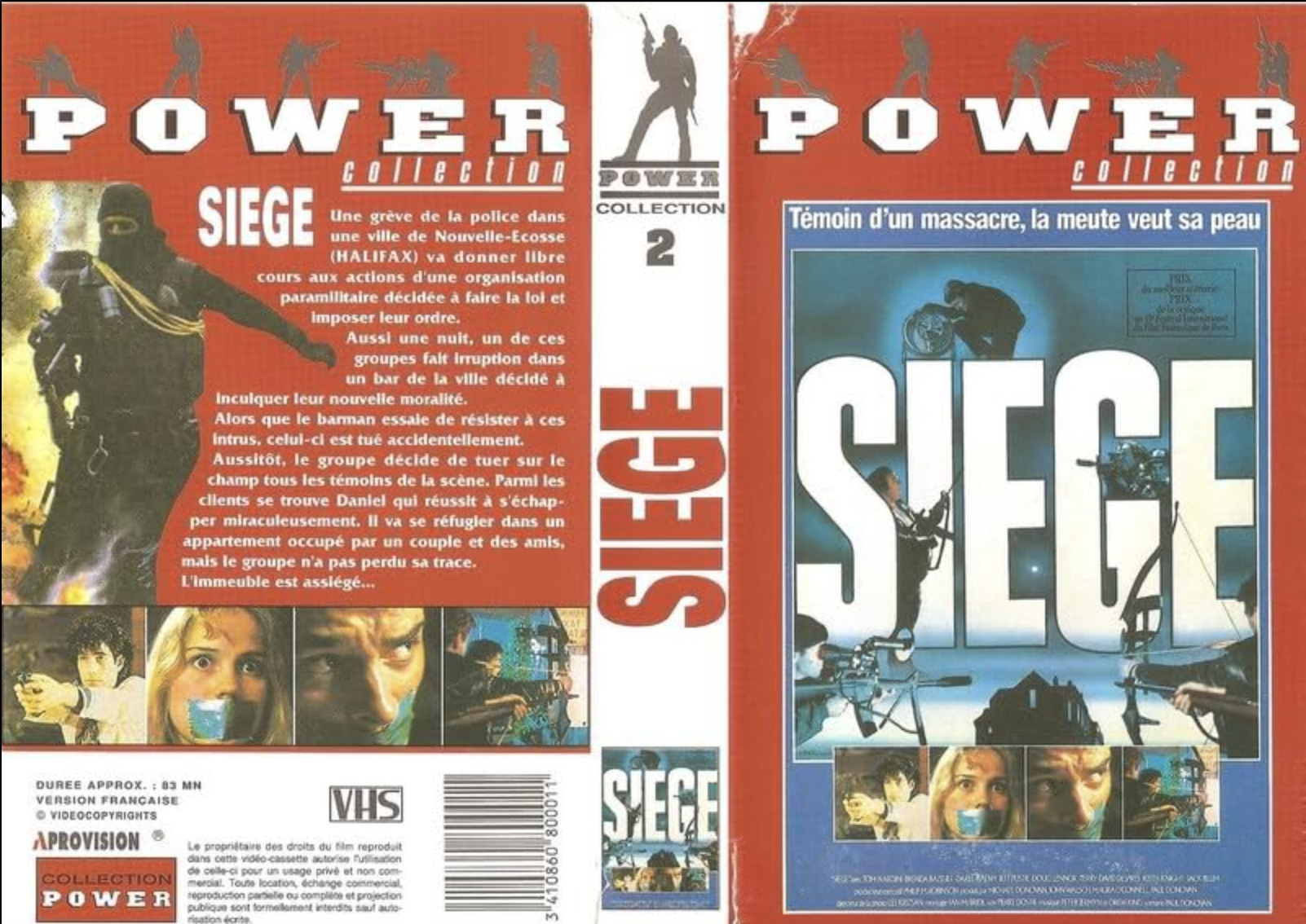
Instead, it traveled through the festival circuit before reaching international theaters and, eventually, the video-rental market.
Norstar Releasing handled Canadian distribution, while New Line Cinema distributed the film in the United States. In other territories, it appeared under additional titles, including Night Warriors.
Like countless low-budget genre movies of the period, VHS ultimately became its natural home.
And like countless other movies that found themselves trapped on VHS, Siege eventually became difficult to see properly.
For years, viewers were stuck with poor-quality transfers that did little justice to the film’s photography or atmosphere.
Then came the restoration.
The Film Finally Gets Its Due
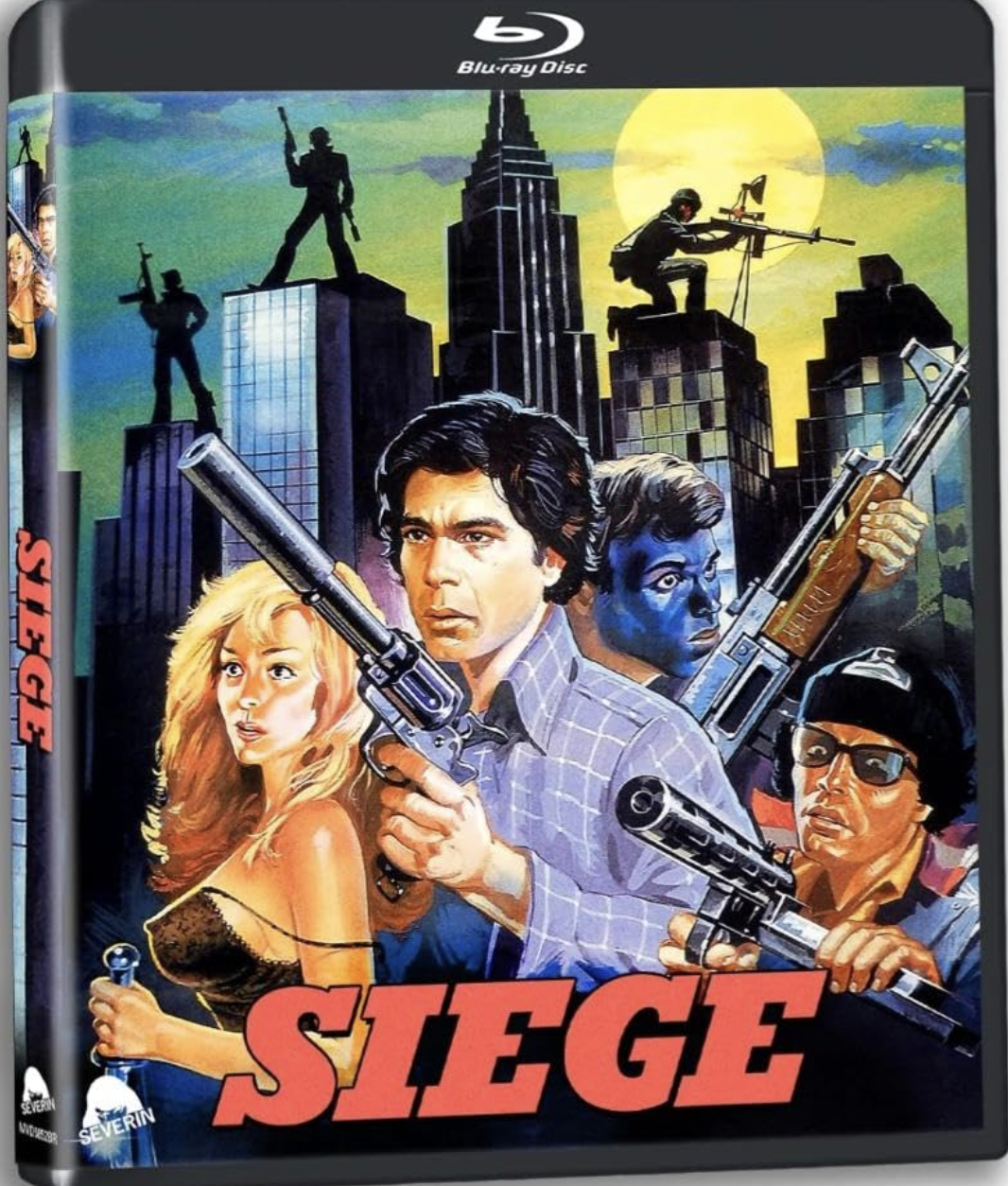
In 2021, Severin Films gave Siege something it had never really received before: a chance to be seen properly.
A camera negative that had been sitting in a Nova Scotia archive was discovered, allowing the film to receive a high-definition restoration.
The release included both theatrical and extended versions.
Suddenly, the rough little Canadian thriller that had spent decades buried in the VHS wilderness could be viewed with the clarity its filmmakers had originally intended.
And audiences discovered that Siege was considerably better than its reputation suggested.
A Cult Classic Emerges
Contemporary critical attention was limited, and when the film was discussed, comparisons to Assault on Precinct 13 were inevitable.
That’s understandable.
The similarities are obvious.
Both movies involve an isolated group of people trapped inside a building while an organized force attacks from outside. Both rely heavily on atmosphere, geography, and escalating tension rather than enormous budgets.
But Siege has something Carpenter’s film doesn’t.
It has Halifax.
The Canadian setting gives the movie a particular regional identity, and the real-life police strike lurking behind the story adds another layer of unease.
Retrospective viewers have consequently been much kinder to the film.
Its pacing is often praised as almost lightning-fast, while its low-budget limitations have become part of its charm rather than an insurmountable flaw.
Most importantly, Siege has aged into a film that feels surprisingly relevant.
Its depiction of right-wing extremism, institutional failure, distrust of authority, and ordinary people forced to defend one another doesn’t feel like an artifact from another era.
If anything, it feels uncomfortably contemporary.
The Little Movie That Wouldn’t Die
Siege eventually became one of those movies that refuses to disappear.
That’s appropriate.
Its entire existence is essentially a story about survival.
The filmmakers survived the failure of their previous project and turned around to make something more commercially viable. They shot a violent thriller in less than 24 days with limited resources. The movie survived its brief theatrical life, found an audience on VHS, disappeared into obscurity, and then survived long enough for a restoration to bring it back.
Today, Siege stands as one of the more fascinating forgotten films of the 1980s.
It isn’t polished.
It isn’t expensive.
And it certainly isn’t trying to be respectable.
But that’s precisely why it works.
Paul Donovan and his collaborators took the basic architecture of the siege thriller, dropped it into Halifax, and filled it with the anxieties of a society suddenly discovering what happens when the machinery of authority stops working.
The result is a lean, nasty, surprisingly thoughtful little B-movie.
And sometimes those are the movies that stick with you.
Siege may have begun as an inexpensive Canadian exploitation picture looking for an audience.
Four decades later, it feels like something considerably more valuable:
a forgotten piece of 1980s cinema that was simply too good to stay forgotten.

About the Creator
Movies of the 80s
We love the 1980s. Everything on this page is all about movies of the 1980s. Starting in 1980 and working our way the decade, we are preserving the stories and movies of the greatest decade, the 80s. https://www.youtube.com/@Moviesofthe80s
Enjoyed the story? Support the Creator.
Subscribe for free to receive all their stories in your feed.
Comments
There are no comments for this story
Be the first to respond and start the conversation.