
Romania Summons Russia’s Ambassador After Downing Third Drone Since Friday
Repeated Airspace Violations Raise Security Concerns Along NATO’s Eastern Border Romania Condemns Drone Incursions and Demands Explanation from Moscow Third Drone Incident in Days Fuels Tensions Between Romania and Russia NATO Member Strengthens Security Response After Multiple Drone Breaches Bucharest Protests Alleged Russian Airspace Violations Amid Ukraine War Growing Border Security Challenges Highlight Risks of Regional Escalation Romania Takes Diplomatic Action Following Latest Drone Intrusion Drone Crossings Near Ukraine Border Intensify Concerns Over Wider Conflict
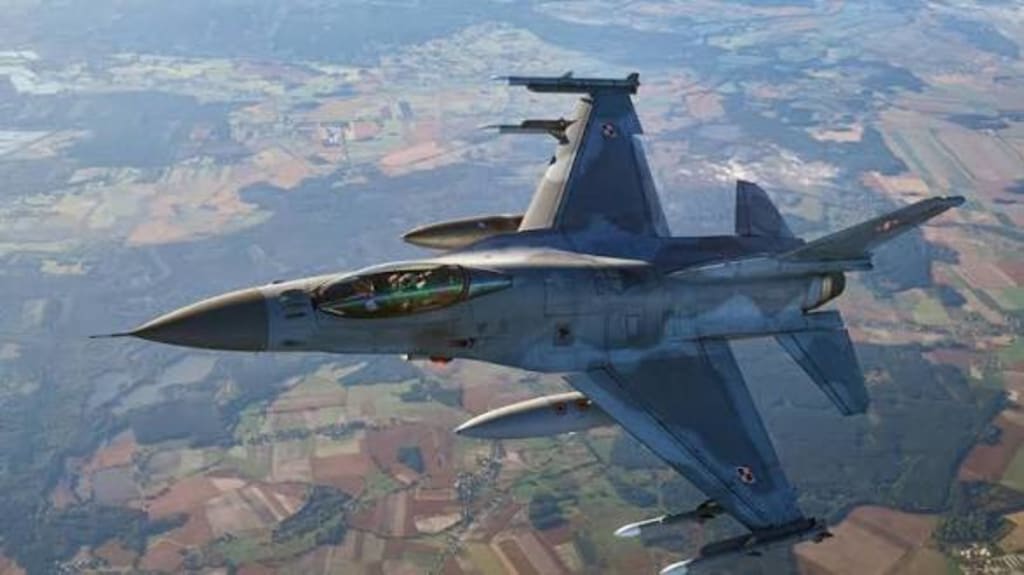
Romania has summoned Russia’s ambassador after its military shot down a third drone that entered Romanian airspace within a matter of days. The incident has intensified concerns about regional security and raised fresh questions about the risks posed by the ongoing war in Ukraine to neighboring countries. As a member of the North Atlantic Treaty Organization (NATO), Romania’s response carries significance not only for its national security but also for the broader alliance.
According to Romanian authorities, the drone was detected entering the country’s airspace near the border with Ukraine. Romanian air defense systems tracked the aircraft before military forces took action to neutralize it. Officials stated that the drone posed a potential threat and that its presence represented a violation of Romania’s sovereignty. The latest incident marked the third time since Friday that Romanian forces had downed a drone crossing into their territory.
Following the event, the Romanian government summoned the Russian ambassador to formally protest what it described as repeated violations of its airspace. Diplomatic summons are often used by governments to express strong dissatisfaction and demand explanations regarding actions by another state. Romanian officials emphasized that such incidents are unacceptable and that the country expects its territorial integrity to be respected.
The development comes against the backdrop of Russia’s ongoing military operations in Ukraine. Since the start of the conflict, countries bordering Ukraine have faced periodic security challenges resulting from military activity near their borders. Missiles, drones, and debris have occasionally crossed into neighboring states, creating concerns about accidental escalation and the possibility of broader regional instability.
Romania shares a long border with Ukraine and has become an important logistical and humanitarian hub during the conflict. The country has supported Ukraine through various measures, including facilitating the transport of goods and assisting refugees fleeing the war. Its geographic location places it on the front line of NATO’s eastern flank, making security incidents particularly sensitive.
Romanian President Nicușor Dan strongly condemned the repeated airspace violations, describing them as unacceptable. Government officials stressed that the country would continue to defend its territory and maintain vigilance against any unauthorized aerial activity. Romanian authorities have also coordinated closely with NATO partners to monitor developments and assess potential security implications.
NATO has repeatedly stated that it is committed to protecting the territory and sovereignty of all member states. While the alliance has sought to avoid direct involvement in the conflict between Russia and Ukraine, it has significantly strengthened its military presence along its eastern borders. Additional troops, air defense systems, and surveillance capabilities have been deployed in several member countries, including Romania, to deter potential threats and reassure allies.
Security analysts note that drone incursions present unique challenges. Unmanned aerial vehicles can travel long distances and may be difficult to identify immediately, especially during large-scale military operations occurring near national borders. In some cases, drones may cross into neighboring countries intentionally, while in others they may drift off course due to technical failures, electronic interference, or navigational errors. Determining the exact circumstances behind each incident often requires detailed investigation.
The Romanian government has not publicly disclosed all technical details regarding the drone’s origin or mission. However, the repeated nature of the incidents has increased pressure on authorities to strengthen air defense measures and improve monitoring capabilities. Military experts argue that rapid detection and response are essential to preventing security breaches and protecting civilian populations in border regions.
The diplomatic consequences of the latest incident could extend beyond Romania and Russia. Repeated airspace violations involving a NATO member state have the potential to heighten tensions between Moscow and the alliance. Although NATO leaders have generally treated such incidents cautiously, they have also emphasized that member states have the right to defend their territory against unauthorized incursions.
For residents living near Romania’s border with Ukraine, the events have underscored the reality of living close to an active conflict zone. Air raid alerts, military patrols, and heightened security measures have become increasingly familiar in some areas. While authorities continue to reassure the public that the situation remains under control, concerns about regional security remain significant.
As investigations continue, Romania is expected to maintain a firm diplomatic stance while coordinating with NATO partners. The downing of three drones in just a few days highlights the growing complexity of managing security risks associated with the war in Ukraine. Whether these incidents are the result of deliberate actions or unintended consequences of military operations, they demonstrate how conflicts can have effects far beyond the immediate battlefield.
The latest episode serves as a reminder of the delicate balance that European governments must maintain: supporting regional stability, defending national sovereignty, and preventing incidents from escalating into a wider confrontation. Romania’s decision to summon Russia’s ambassador reflects both its determination to protect its airspace and its commitment to addressing security concerns through diplomatic channels.
About the Creator
Enjoyed the story? Support the Creator.
Subscribe for free to receive all their stories in your feed.
Comments
There are no comments for this story
Be the first to respond and start the conversation.