
Raggedy Man (1981): Sissy Spacek’s Texas Gamble That Hollywood Didn’t Know What to Do With
Filmed before her Oscar win for Coal Miner’s Daughter, this intimate wartime drama became a curious follow-up to Sissy Spacek’s greatest success—and a risky directorial debut for her husband, Jack Fisk.

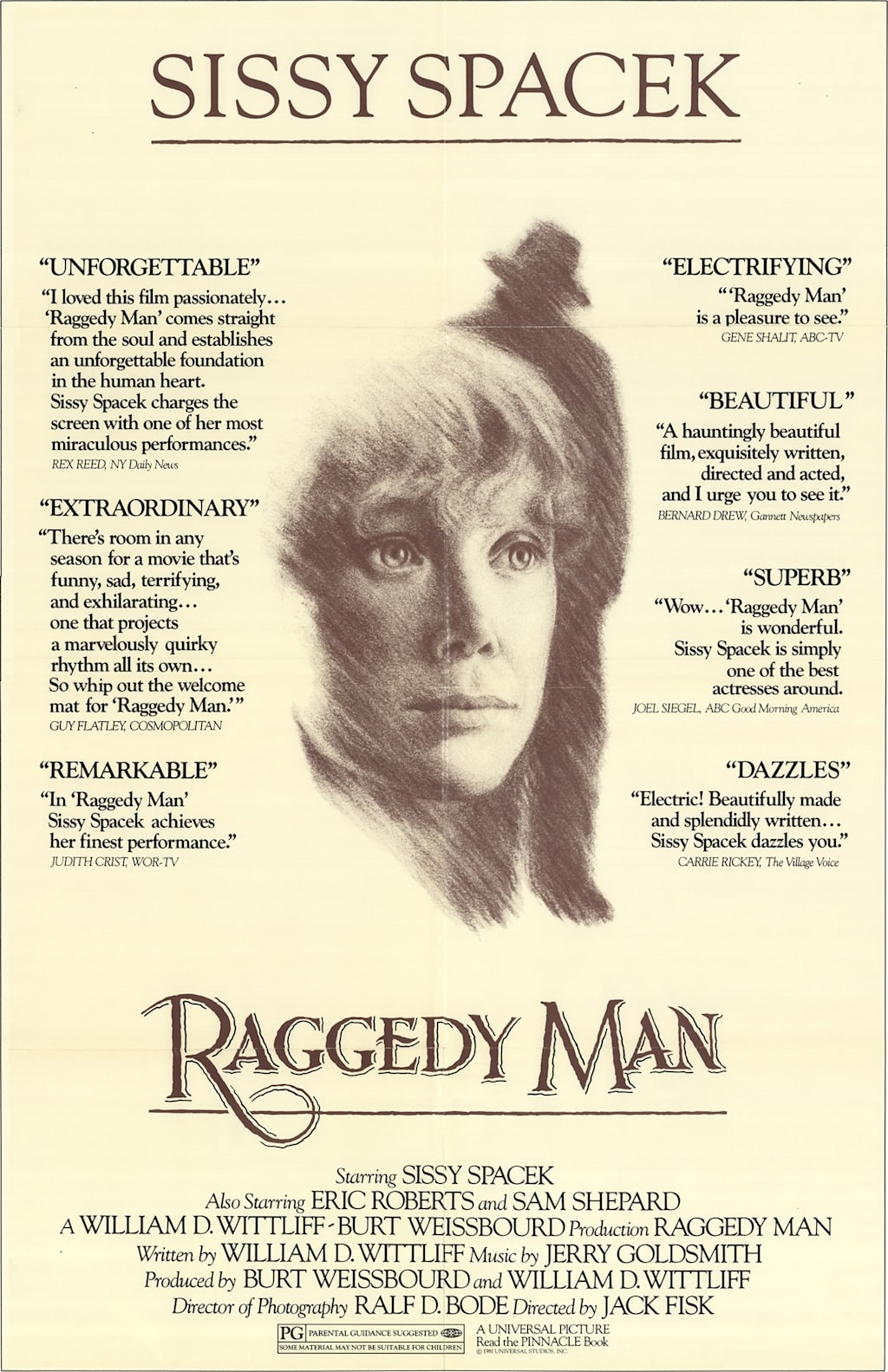
Explore Raggedy Man (1981), Sissy Spacek’s personal Texas drama about a divorced mother, a sailor on leave, and the risky directorial debut of Jack Fisk.
The Oscar Came After the Movie
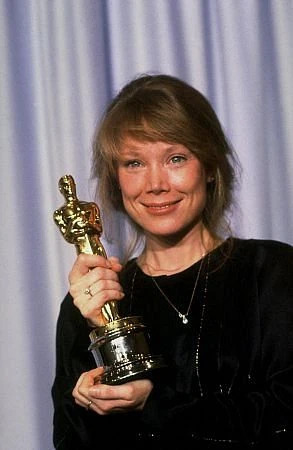
In January of 1981, Sissy Spacek won the Academy Award for Best Actress for her performance in Coal Miner’s Daughter.
It was the kind of career moment that can change the way Hollywood looks at an actor.
Suddenly, every project becomes a statement. Every role is judged against the Oscar. Every movie is expected to prove that the performance wasn’t a fluke.
But Spacek had already made her next movie.
Raggedy Man was in the can.
And it wasn’t exactly the kind of movie Hollywood might have expected from its newest Oscar winner.
There was no glamorous Hollywood setting. No major romantic comedy. No obvious attempt to capitalize on the success of Coal Miner’s Daughter.
Instead, there was a small Texas town in 1944. A divorced telephone operator raising two young sons. A sailor on leave. A little loneliness. A little gossip. And a whole lot of life happening in the spaces between the big moments.
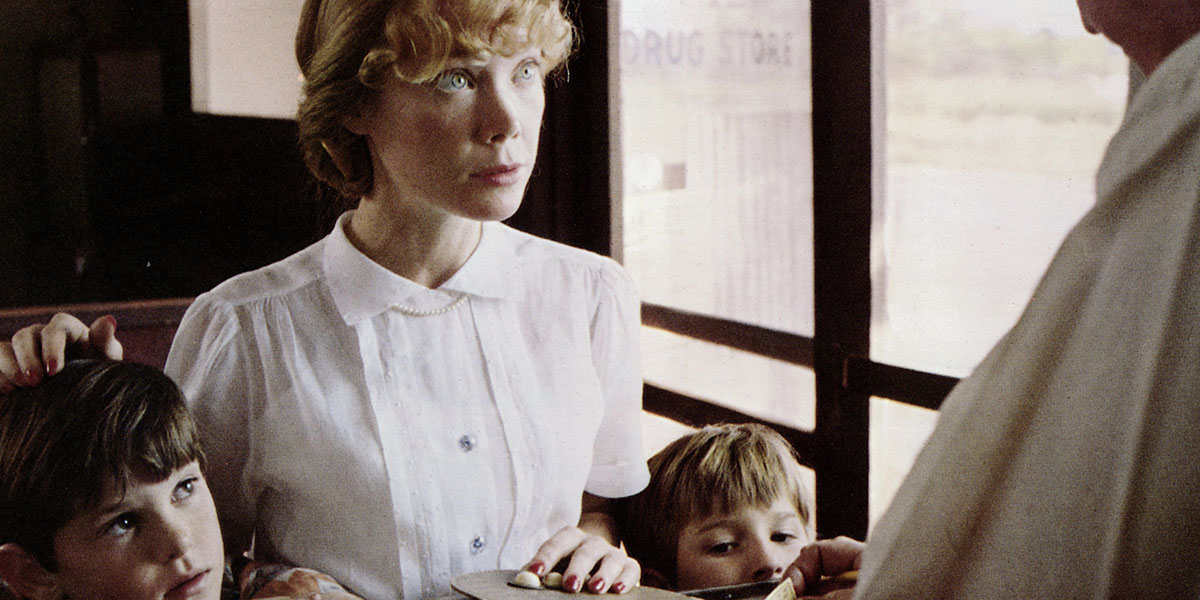
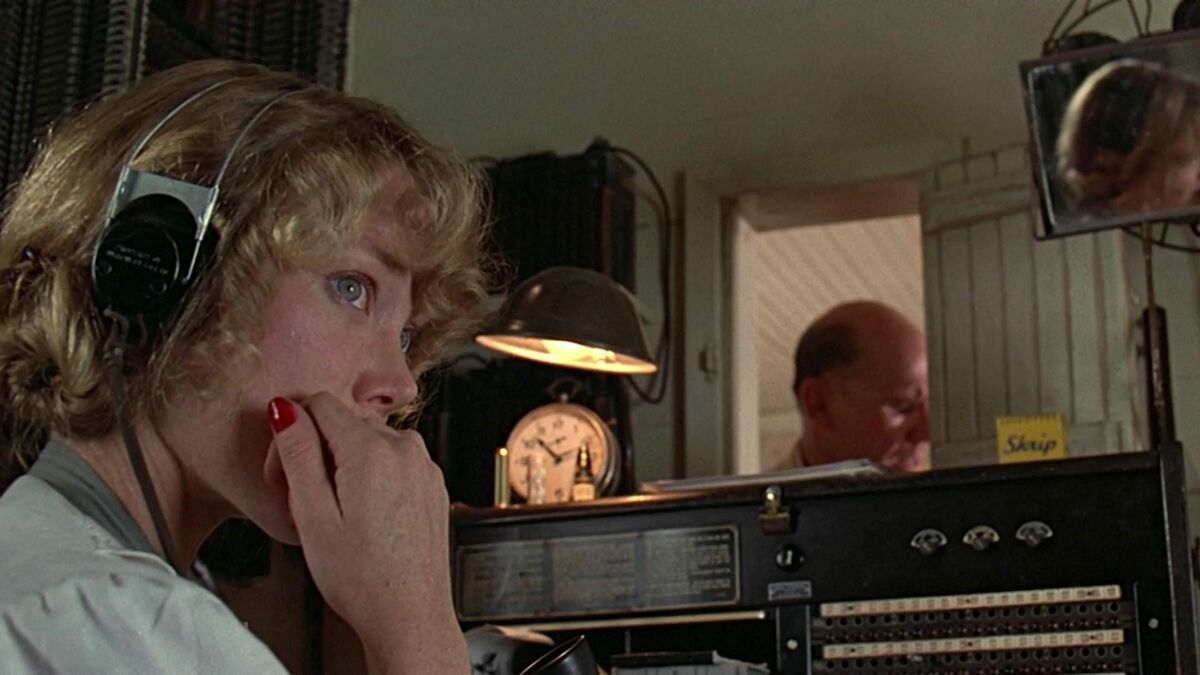
Spacek played Nita Longley, a woman whose world had become smaller than she had once imagined.
The film was directed by her husband, production designer Jack Fisk, in his feature directorial debut.
It was a personal project for both of them.
And it would become one of the more interesting commercial disappointments of Spacek’s career.
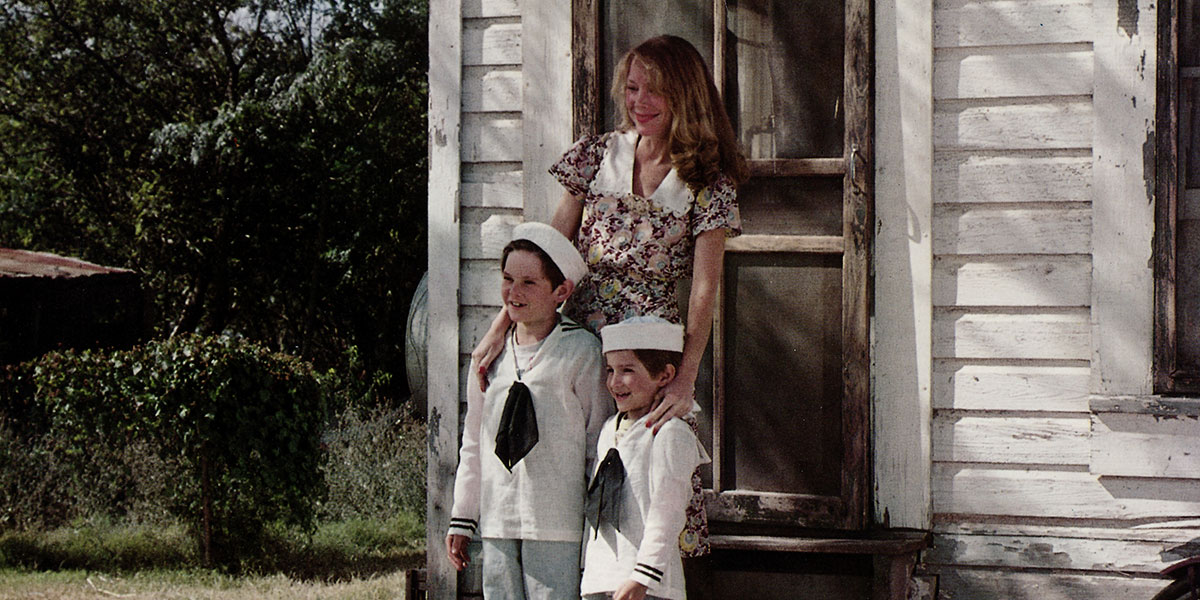
A Movie About a Woman Who Could Have Been Sissy Spacek
Raggedy Man takes place in a small Texas town during World War II.
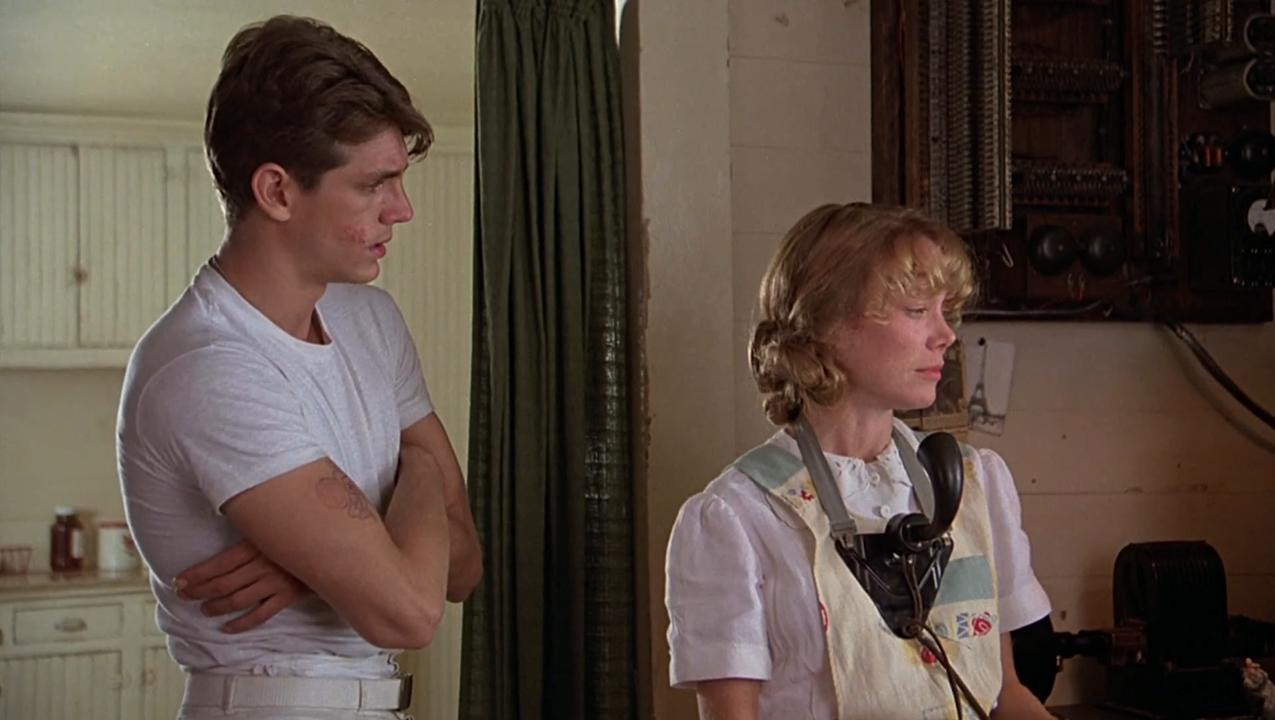
Nita Longley is divorced and raising two boys while working as a telephone switchboard operator. Her husband is gone, the war has disrupted ordinary life, and the town has plenty of opinions about how she should be living.
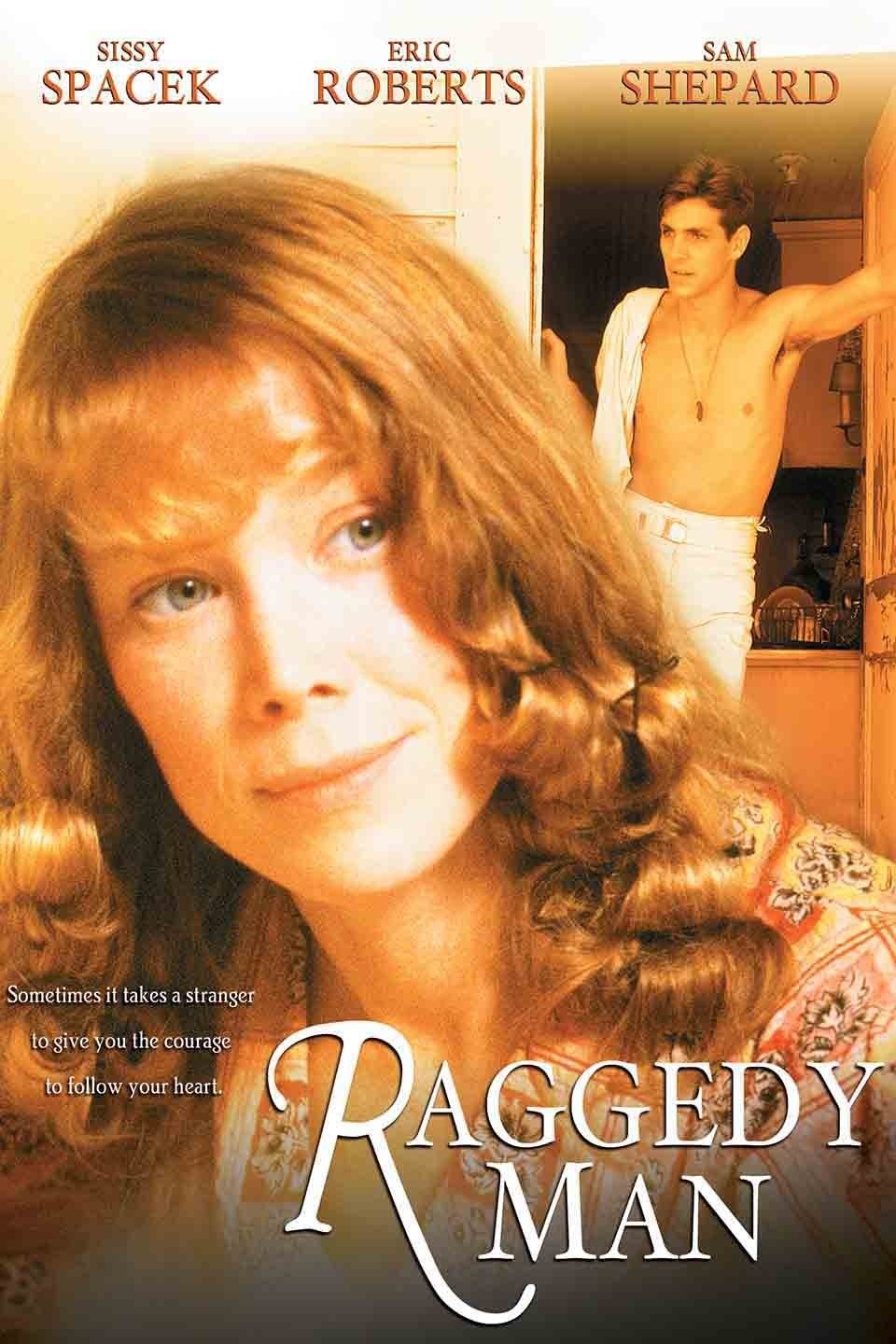
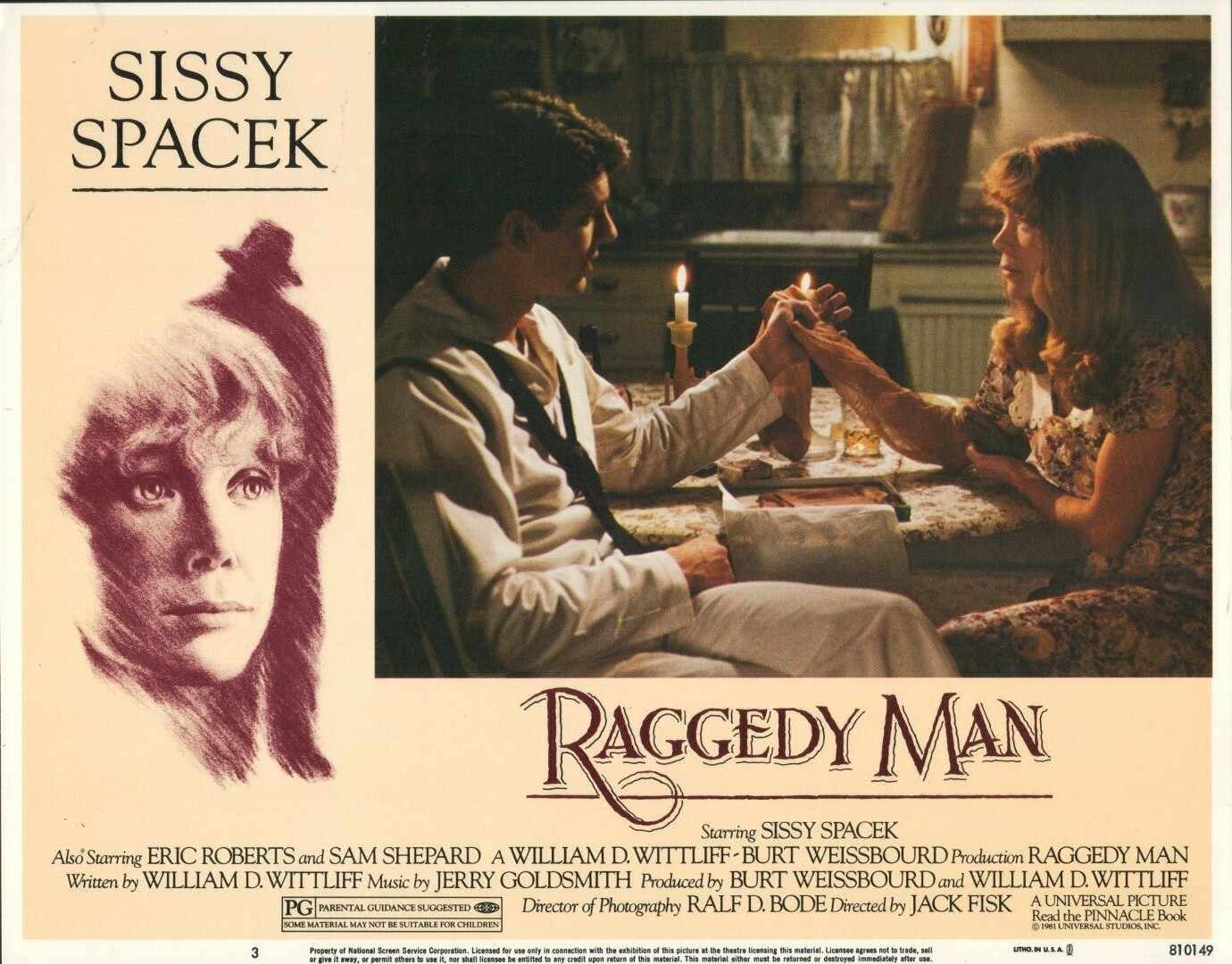
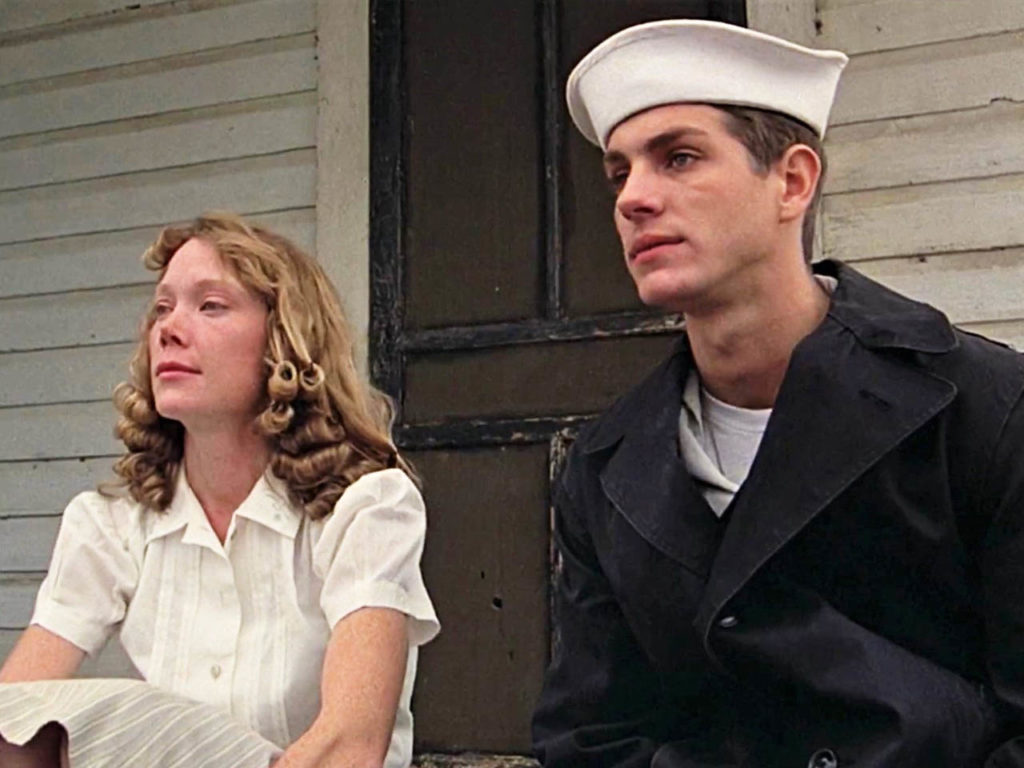
The film’s central relationship develops when Nita meets a sailor on leave, played by Eric Roberts.
It is a brief connection, but one that means something to her.
The movie is not particularly interested in the mechanics of a conventional Hollywood romance. It is interested in what happens when two people find a little warmth in a world that has become increasingly difficult to navigate.
Nita is not a glamorous character.
She is not trying to become famous. She is not trying to reinvent herself. She is simply trying to get through the day.
And that is part of what makes Spacek’s performance so compelling.
In a contemporary interview with Phil Swann, Spacek described the character in deeply personal terms:
“In fact, Nina Longley (her character in the film) could have been me if I had never left Texas.”
The character’s name is Nita in the film, but the point is clear.
Spacek understood the feeling of being rooted in a small town while wondering what might exist beyond it.
She understood the security of home.
And she understood the limitations.
That makes Raggedy Man more than a period drama. It becomes a film about the life a person might have lived if circumstances had been different.

William Wittliff’s Texas
The screenplay was written by William D. Wittliff, based on the 1979 novel he co-authored with Sara Clark.
Wittliff drew from his own childhood in Gregory, Texas, during World War II. The story was described as somewhat autobiographical.
That personal connection gives the film much of its atmosphere.
Raggedy Man doesn’t feel like a movie that went looking for a picturesque small town.
It feels like a movie that remembers one.
The streets, the houses, the people, and the routines all have a sense of familiarity. The town doesn’t exist simply to provide a backdrop for the story. It is part of the story.
Nita’s world is shaped by the expectations of the people around her.
Everyone knows everyone else’s business. Everyone has an opinion. And everyone seems to know exactly what a divorced woman should or shouldn’t be doing.
The film understands that small-town life can be comforting and suffocating at the same time.
That is a difficult balance to achieve.
It is also one of the reasons the film feels more authentic than many period dramas of its era.
Jack Fisk’s First Feature
Jack Fisk had already established himself as a production designer before directing Raggedy Man.
His work on films such as Carrie, Badlands, and Days of Heaven demonstrated a remarkable ability to create environments that felt lived in rather than decorated.
With Raggedy Man, he had the opportunity to bring that sensibility to an entire film.
The movie was produced by Universal Pictures, with Burt Weissbourd and Wittliff producing.
Fisk became involved after connecting strongly with the material.
That connection is evident in the way the film approaches its setting.
There is a quiet confidence in the production design. The town doesn’t feel like a Hollywood recreation of 1944. It feels like a place that has been there for years.
And because the story is so rooted in its environment, that authenticity matters.
The movie’s budget was approximately $9 million, a substantial investment for such an intimate drama.
Cinematographer Ralf D. Bode helped create the film’s naturalistic visual style, while Jerry Goldsmith provided the score.
The result is a film that often feels less like a traditional Hollywood drama and more like a memory.
A memory of Texas.
A memory of wartime America.
A memory of a life that might have been.
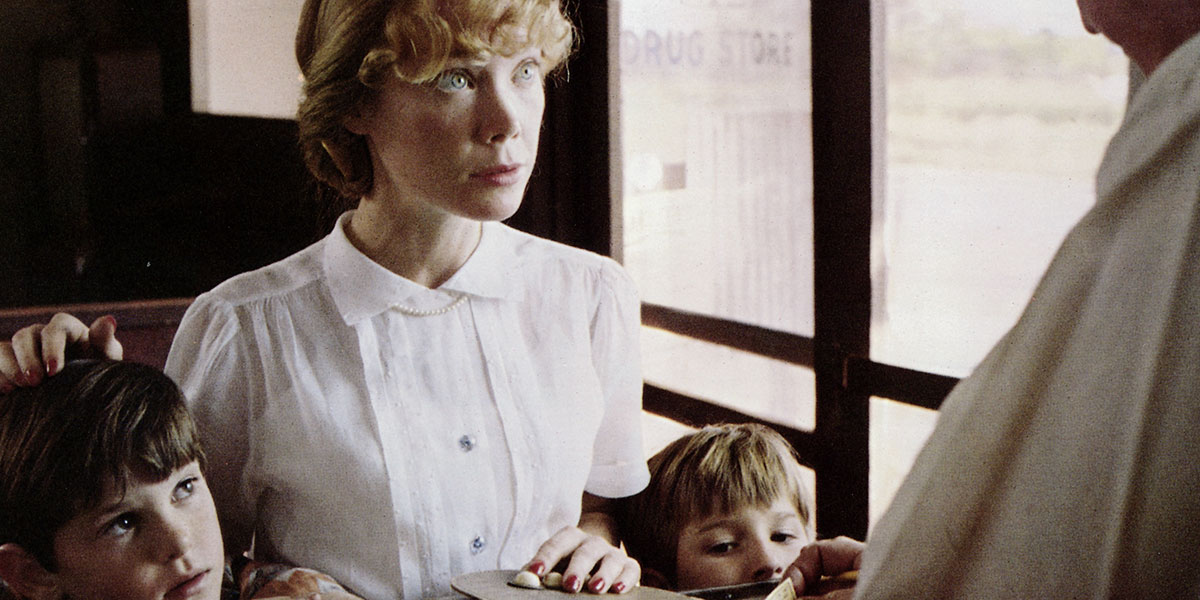
Filming in Maxwell, Texas
Principal photography began in October 1980 in Maxwell, Texas, which stood in for the fictionalized Gregory.
Additional scenes were filmed in Corpus Christi, Lockhart, and Seguin.
Maxwell was chosen because it retained enough of its period appearance that the filmmakers could achieve authenticity without completely rebuilding the town.
That was an important decision.
A period film can spend millions on costumes and cars, but if the streets feel artificial, the illusion falls apart.
Raggedy Man benefits from the opposite approach.
It lets the environment do the work.
Spacek spoke warmly about filming in Texas, describing the setting as providing a “feeling of security and safety here… Texas is my home.”
That familiarity seems to have helped her find Nita.
She wasn’t simply playing a woman from Texas.
She was playing a woman whose relationship to Texas was complicated.
Home was comforting.
Home was limiting.
And home was something she understood.
How Sissy Won Over the Town
One of the more charming production stories concerns the relationship between the filmmakers and the residents of Maxwell.
According to Fisk, there was some initial apprehension among the locals about having a film company arrive in their town.
Understandably so.
Hollywood productions can be disruptive. Suddenly, strangers are everywhere, roads are blocked, and people who have never heard of your town are telling you where to park.
But Spacek apparently knew how to handle the situation.
Fisk recalled that she sat down with residents, talked with them, and had a beer on a front porch.
Eventually, as he put it, Spacek “fixed that all right.”
The town welcomed the production “with open arms.”
That story is revealing.
Spacek was an Oscar winner, but she didn’t behave like someone who had arrived to bless the locals with her presence.
She talked to people.
She laughed with them.
She made herself part of the community.
And that seems to have been exactly what the production needed.
The Biggest Risk Was Choosing the Movie
The contemporary press coverage of Raggedy Man is particularly interesting because it captures Spacek at a moment when Hollywood was suddenly paying much closer attention to her.
In Bob Polunsky’s interview, Spacek was asked about the unusual timing of the film.
“‘This was an unusual role to encore after your Oscar,’ I said to her.”
Her response was direct.
“It was already in the can when the Oscar came to me! But I’m glad I made it. It’s a strong role for a woman, and I like making movies about women who have to face challenges in life.”
That is an important distinction.
Spacek didn’t make Raggedy Man as a reaction to winning the Oscar.
She made it before the Oscar arrived.
But once the Oscar was hers, the movie became part of a very different conversation.
Suddenly, the question wasn’t simply whether Raggedy Man was a good film.
It was whether this was the right film for an Oscar winner.
That is a strange burden to place on a movie.
Spacek herself seemed less interested in that question than in the character.
She told Polunsky:
“I’ve always felt that choosing a project is harder than actually doing it.”
That is one of the more revealing statements in the interview.
For Spacek, the challenge was not simply playing Nita.
The challenge was deciding that Nita was worth playing.
The Women Spacek Wanted to Play
Spacek’s career had already demonstrated a willingness to take on difficult material.
Carrie was a horror film with a deeply emotional center.
Three Women was a strange, psychologically complicated collaboration with Robert Altman.
Coal Miner’s Daughter was a demanding performance that required her to inhabit a real person whose life was already known to millions.
Raggedy Man was different, but not entirely disconnected from those choices.
Spacek was interested in women who faced challenges.
Women who had to navigate difficult circumstances.
Women who were not necessarily given easy answers.
And women who were not defined entirely by romance, beauty, or success.
Nita Longley fits comfortably into that group.
She is a woman who has been left with a limited set of options.
Her life is not a disaster.
But it is not exactly what she imagined it would be.
And when a brief romance offers the possibility of something different, the film understands how much that possibility can mean.
Working With Her Husband
The other gamble was Jack Fisk.
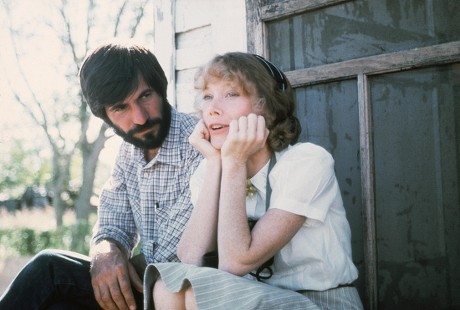
Fisk and Spacek had been married since 1974, and their professional relationship was already well established.
He had worked as a production designer on several films in which Spacek appeared.
But directing a feature is a different proposition.
The director is responsible for everything.
The performances.
The pacing.
The atmosphere.
The story.
The entire movie.
In contemporary interviews, Spacek and Fisk described their working relationship as one built on deep respect.
They could disagree without turning the disagreement into a personal battle.
“Nobody ever says ‘I told you so’ later either,” they explained.
That sounds like a healthier working relationship than many Hollywood marriages have managed to maintain.
Spacek was also careful not to oversell the novelty of working with her husband.
She had worked with strong directors before, including Robert Altman and Brian De Palma.
She valued the freedom those directors gave her.
Fisk offered a different kind of collaboration, one rooted in their shared history and understanding of the material.
And while the publicity naturally focused on the married couple making a movie together, the film itself was not built around that gimmick.
It was built around Nita.
Eric Roberts and Henry Thomas
Spacek had known Eric Roberts for approximately six years and specifically wanted him for the role of the sailor.
That was a significant choice.
Roberts was still early in his career, but he already possessed a compelling screen presence.
He could be vulnerable, intense, and a little unpredictable.
Those qualities work well in Raggedy Man, where the relationship between Nita and the sailor is built more on emotional recognition than conventional romantic storytelling.
Fisk recalled that Roberts had given “the worst reading at the auditions.”
Yet he possessed the earnestness the filmmakers wanted.
Sometimes casting is not about who gives the best audition.
Sometimes it is about recognizing the quality that will matter once the cameras start rolling.
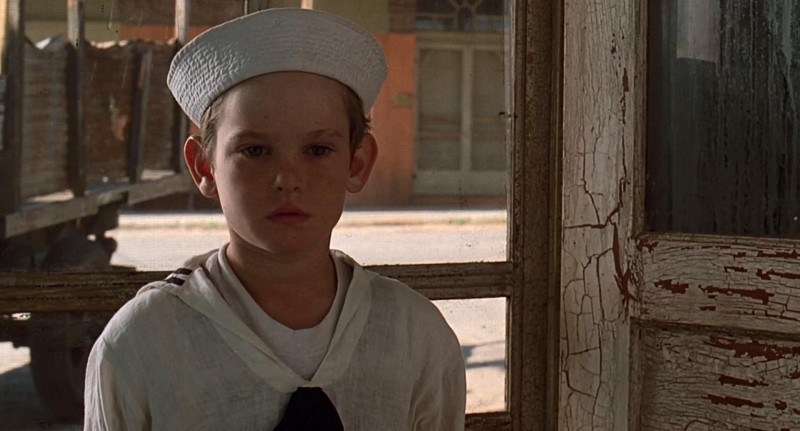
The film also features Henry Thomas in his screen debut as one of Nita’s sons.
Thomas would become internationally known just a few years later for his performance as Elliott in E.T. the Extra-Terrestrial.
Seeing him here is a reminder of how many future stars were quietly getting their start in films that have since slipped through the cracks.
The Movie Hollywood Didn’t Know How to Sell
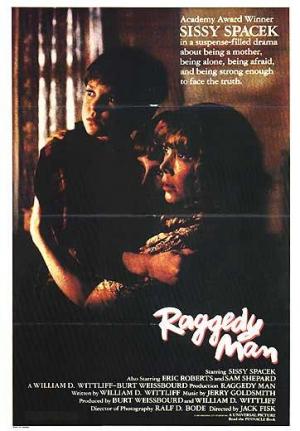
Raggedy Man was released by Universal Pictures on September 18, 1981.
It received generally favorable reviews, with particular praise for Spacek’s performance and the film’s authentic atmosphere.
Roger Ebert described the small-town details as “wonderfully observed.”
That is an appropriate description.
The movie’s greatest strength is not its plot.
It is the accumulation of details.
The way people talk.
The way they look at one another.
The way a town can make a person feel both protected and imprisoned.
The way a brief romance can become enormously important when your life has become defined by routine.
But the film struggled commercially.
With a budget of approximately $9 million, it earned roughly $2 million domestically.
That made Raggedy Man a commercial disappointment.
And it is easy to understand why.
This was not the kind of film that could be sold through a simple high-concept premise.
It was a quiet drama about a woman in a small town.
Even with an Oscar-winning star, that is not necessarily an easy sell.
The film’s modest box office also raises an interesting question about the expectations placed on Spacek after Coal Miner’s Daughter.
Would audiences have been more interested in a bigger, more conventional movie?
Was Universal expecting a more obvious Oscar follow-up?
Or was Raggedy Man simply a difficult film to market in a period when Hollywood was increasingly looking for movies that could be explained in a sentence?
We can document the commercial result.
The reasons behind it are harder to pin down.
But the contrast is striking.
Spacek had just won the industry’s biggest acting prize.
And the movie she had already made was about as far from a conventional star vehicle as you could get.
When the Movie Changes in the Third Act
This is where Raggedy Man becomes a more interesting film to discuss.
For much of its running time, the movie is a quiet character drama.
It is about Nita’s life.
Her children.
Her work.
Her loneliness.
Her relationship with the sailor.
The town around her.
The film’s greatest strength is its sense of observation.
It understands that life is often defined by small moments rather than dramatic turning points.
But the third act shifts the movie toward melodrama and violence.
That shift has been a point of criticism for some viewers.
And I understand why.
The first two-thirds of Raggedy Man are so carefully observed that the later developments can feel like a different movie arriving at the door.
The question is whether that shift works against the film’s strengths or whether it is an unavoidable part of the story being told.
On one hand, the violence is a reminder that Nita’s world is not simply quaint or nostalgic.
This is a wartime town filled with people carrying their own frustrations, resentments, and limitations.
The film has spent considerable time showing us how social pressure operates.
The third act gives those pressures a more dramatic expression.
On the other hand, the shift can feel abrupt.
The movie has earned its quietness.
It has earned the audience’s trust through its small details and naturalistic performances.
When the story becomes more overtly melodramatic, some of that subtlety is lost.
That does not make the ending a failure.
But it does make the film more complicated than a simple “underrated gem” designation suggests.
And that is exactly the kind of thing that makes a movie worth discussing.
A Small Film With a Big Heart
Raggedy Man is not a perfect film.
Its melodramatic final act may not work for everyone, and its quiet approach can feel almost stubbornly understated.
But there is something deeply appealing about its sense of place.
The film captures a particular kind of Texas life, one shaped by wartime isolation, small-town gossip, and the limited opportunities available to women of that era.
It is a film about loneliness, but not entirely a lonely film.
There is warmth in its details.
There is humor in its people.
And there is a genuine affection for the world it depicts.
Most importantly, there is Sissy Spacek.
She gives Nita Longley the kind of emotional complexity that makes a character feel like a person rather than a movie role.
That is no small achievement.
And it is one of the reasons Raggedy Man deserves to be remembered.
The Movie That Came Before the Oscar
There is an interesting irony in the way Raggedy Man has been remembered.
It is often discussed as a post-Oscar project.
But the film was already completed when Spacek won the Academy Award for Coal Miner’s Daughter.
That changes the way we should look at it.
This was not Spacek trying to follow up her Oscar with a smaller film.
It was a film she had already chosen.
A film she had already made.
A film that suddenly arrived in a different career context.
And perhaps that is part of what makes it so interesting.
Spacek’s Oscar-winning performance had made her more visible.
But Raggedy Man was a reminder that she had already been interested in this kind of material.
She wanted to play women who faced challenges.
She wanted to work on stories that felt personal.
She wanted to make movies that had something to say about ordinary lives.
The Oscar did not create those interests.
It simply made them more visible.
Final Thoughts
Raggedy Man is a fascinating film in Sissy Spacek’s career.
It arrived in the shadow of her Oscar-winning performance in Coal Miner’s Daughter, but it was not a conventional follow-up.
It was a personal project, a Texas story, and the directorial debut of her husband.
The film’s commercial disappointment is part of its history, but it does not define its value.
What remains is a beautifully observed drama about a woman trying to find her way through a difficult period of her life.
Spacek’s performance is the heart of the film, and Jack Fisk’s direction gives it a lived-in authenticity that is difficult to manufacture.
For anyone interested in the more intimate side of 1980s cinema, Raggedy Man is worth revisiting.
It is a reminder that some of the most interesting films of the decade were not the ones that arrived with the biggest opening weekends.
Sometimes they were the ones that took a chance.
And sometimes, those chances paid off in ways that had nothing to do with box-office receipts.

Sources & Further Reading
Bob Polunsky, “Spacek likes challenge found in ‘Raggedy Man’” — Contemporary interview discussing Spacek’s approach to the role, her Oscar timing, her collaboration with Jack Fisk, and the casting of Eric Roberts.
Phil Swann, “Sissy Spacek’s road to top paved with gambles” — Contemporary interview discussing Spacek’s Texas roots, her connection to Nita Longley, and the risks of making Raggedy Man.
“Sissy wins town” — Contemporary interview continuation featuring Spacek and Fisk discussing the Texas location, their working relationship, and the welcome they received from Maxwell residents.
Roger Ebert, contemporary review of Raggedy Man — Discussion of the film’s small-town details and performances.
AFI Catalog — Production, release, and film-history information.
Wikipedia — General reference for production and release details.
This article is part of Movies of the 80s, exploring the films, performers, and stories that helped define the decade.
About the Creator
Movies of the 80s
We love the 1980s. Everything on this page is all about movies of the 1980s. Starting in 1980 and working our way the decade, we are preserving the stories and movies of the greatest decade, the 80s. https://www.youtube.com/@Moviesofthe80s
Enjoyed the story? Support the Creator.
Subscribe for free to receive all their stories in your feed.
Comments
There are no comments for this story
Be the first to respond and start the conversation.