
Primetime: Movie Review
the true story of Chris Hansen
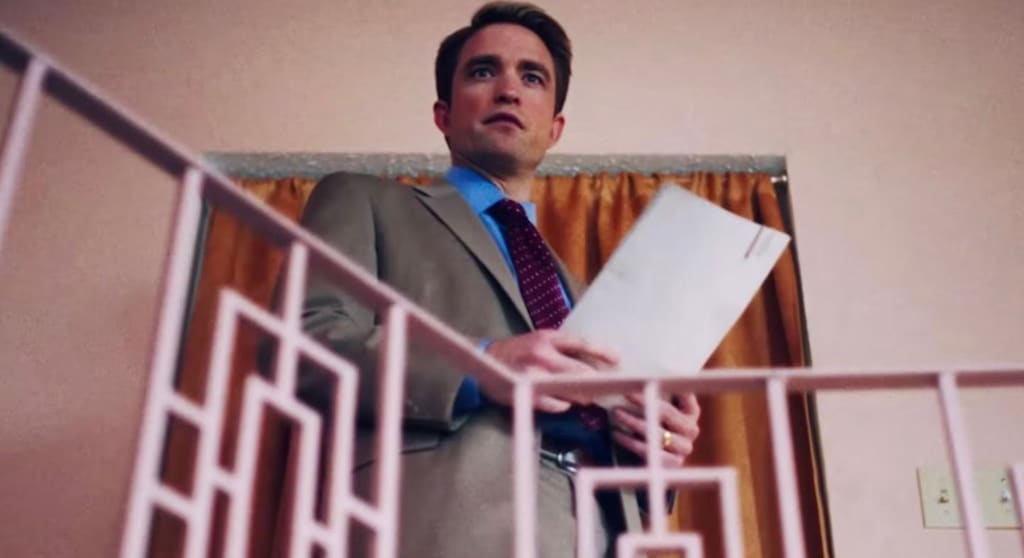
It feels as though the entire world has already seen this movie, but here in the UK, we've only just had it released two days ago.
Ever since the first teaser for this movie dropped, it's sparked non-stop discussion. Movie lovers were absolutely hyped at the prospect of yet another great Robert Pattinson performance and another potential A24 success. Some sceptics online, however, questioned whether the subject matter and the real-life story behind it might be a little tone-deaf, or simply too serious to turn into an entertaining movie. And Chris Hansen himself? Well, he was every bit as outraged about being portrayed without his consent or involvement. So, needless to say, Primetime was already a hot topic of discussion long before it even opened in cinemas.
If you're not American, and/or weren't an adult in the early 2000s when these events took place, you might not be particularly familiar with the story behind this movie. It's worth noting that the film dramatizes real-life events and takes a few creative liberties in how it portrays them. Nevertheless, the movie centres on the production of the reality TV series To Catch a Predator, which ran from 2004 to 2007 and aired on Dateline NBC. Hosted by Chris Hansen, a presenter and journalist who has since become a controversial figure, the programme featured confrontations, partially filmed using hidden cameras, with adult men arriving at a sting house under the impression that they were there to have sex with a minor. These men would typically be arrested as a result, with the supposed minors actually being adults working undercover and posing as underage individuals in online chats.
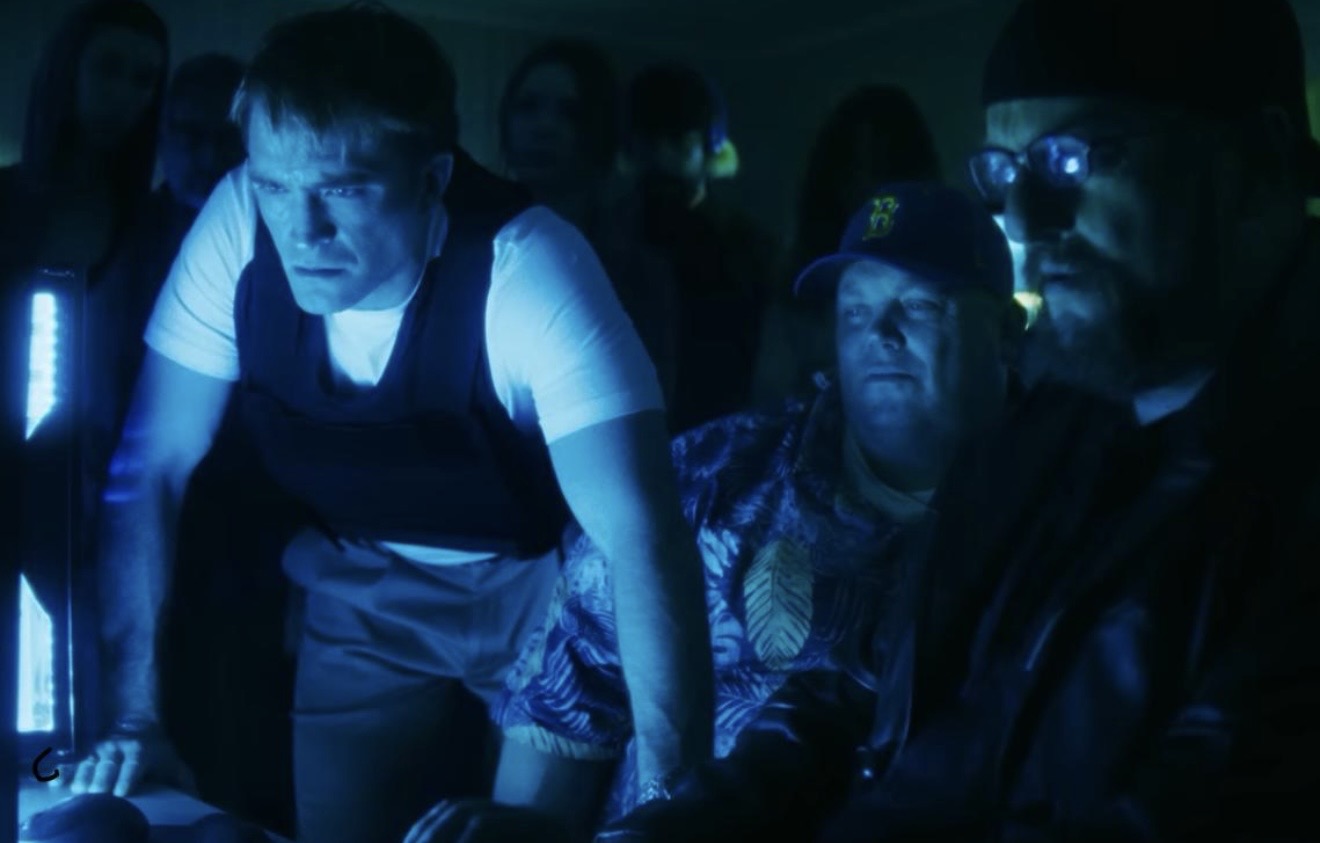
The movie throws us straight into an episode of To Catch a Predator, which is a great way of immediately establishing what's at stake and introducing us to the main characters. Besides Pattinson as Chris Hansen, we have Merritt Wever as Andie Bender, Hansen's producer at Dateline NBC. Bender is a fictional composite of several producers who worked on the show, and represents the relentless pursuit of ratings above all else. In her determination to make the programme the biggest and most successful show on television, she embodies the predatory nature of Hollywood and the entertainment industry itself. In the process, she, and subsequently everyone else involved in the production, begin to resemble the very people they are supposedly trying to catch.
It's impossible to discuss this movie without also discussing the reality show that inspired it. Were its intentions good? Was the way it went about achieving them fundamentally wrong? Is there something inherently perverse, even psychopathic, about turning paedophilia and child sexual abuse into primetime entertainment? Chris Hansen would argue otherwise. He would argue that what he did changed lives and saved them, that by exposing and publicly shaming these men, he was helping protect children and preventing further abuse. But can something truly be considered a good deed when it comes at the expense of the victims' dignity and is also driven by the pursuit of fame, recognition and money? And, perhaps more importantly, are we, twenty years later, doing exactly the same thing by buying a ticket and going to watch a movie about it?
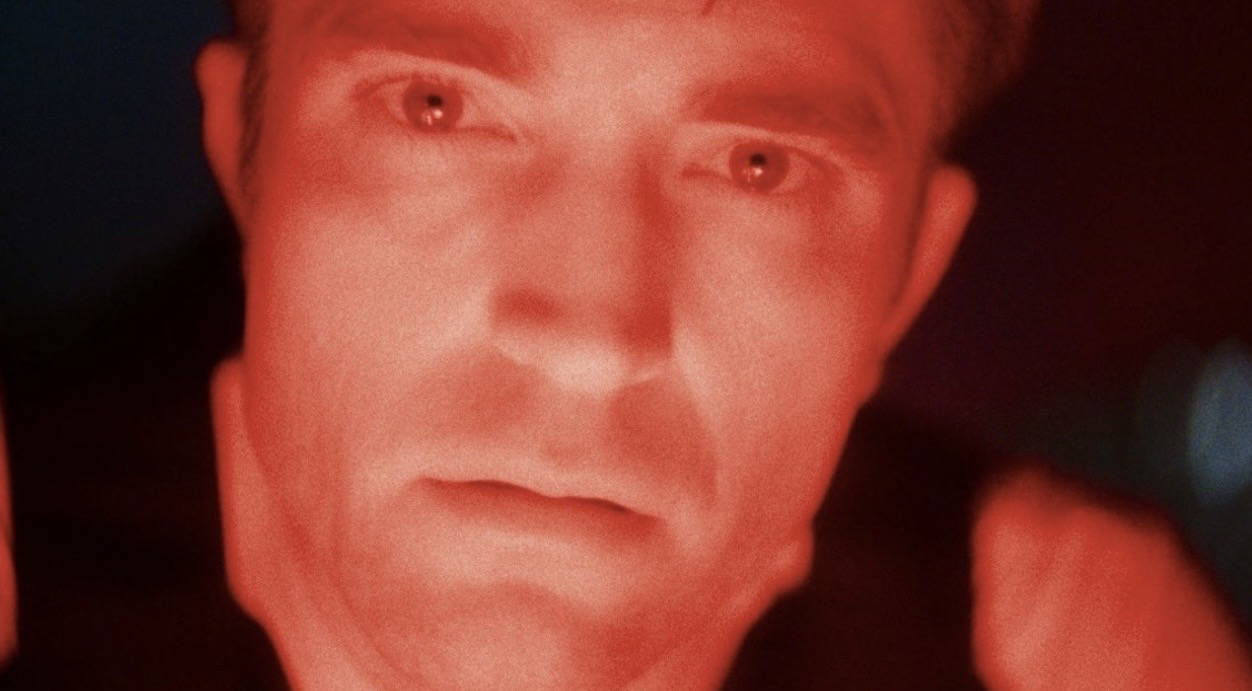
In spite of its debatable reason for existing in the first place, the movie is fantastic. From a technical standpoint, it excels in almost every aspect. The cinematography and lighting are superb, and the colour grading, graininess and use of focus become increasingly distorted and intense as the film progresses and the story descends further into corruption. Yet, despite its increasingly extravagant visual style, it never feels as though the filmmakers are prioritising aesthetics over substance. There's something so unbelievably artistic and poetic about a movie that explores such grotesque themes and draws from such horrific real-life events, yet manages to look so incredibly beautiful. The film puts Hansen's most demonic tendencies on full display through a maximalist, colourful visual style that very few directors would have been confident enough to attempt. It's almost like staring at a gorgeous painting of a massacre. You know that what you're looking at is deeply disturbing and fundamentally wrong, but you simply cannot bring yourself to look away.
Continuing the incredible run of performances he's been delivering lately, Robert Pattinson is absolutely fantastic in this, arguably earning a place among the top three performances of his career. He's got Hansen's voice, mannerisms and way of carrying himself down to a tee, but what really makes his performance stand out is the physical comedy. The way he spits out his mouthwash. The way he unrolls a Fruit Roll-Up. The way he unfolds a phone. Every single physical and emotional choice he makes as Chris Hansen feels deliberate and full of intent, and it all comes together to portray him as the sleazy, out-of-touch man he was, without ever tipping into outright parody of the real person.

We all knew and expected Robert Pattinson to deliver an incredible performance, but Skyler Gisondo manages to go toe-to-toe with him and, at times, completely steal the show. He plays Dan Plum, an aspiring actor who is cast as one of the decoys on the show. Tasked with playing 13-year-old boys to lure predators into the sting operation, Gisondo's character goes from pretending to be a child to, in certain instances, effectively taking Hansen's place as the show's host. His performance is nothing short of extraordinary and, without a doubt, worthy of an Oscar nomination. His character also represents one of the show's most overlooked groups of victims: the aspiring young actors who were exploited because they were desperate for acting credits and believed that participating in the programme might help them "make it big". They were thrown into these situations with little to no preparation, given virtually no behind-the-scenes support, and ultimately left to deal with the lifelong trauma of their involvement. In the end, the show's exploitation of its own decoys turns those involved in its production into the very thing they claim to be fighting against.
So, was it all really for the greater good? Or was it simply a case of self-interest, exploiting people's perverse fascination with being entertained by the horrific?
"What would've happened if I wasn't here?"
About the Creator
Enjoyed the story? Support the Creator.
Subscribe for free to receive all their stories in your feed. You could also become a paid subscriber, letting them know you appreciate their work.
Comments
There are no comments for this story
Be the first to respond and start the conversation.