
'Only When I Laugh' (1981): Neil Simon Takes Control
How a Broadway “Failure” Became Neil Simon’s Personal Hollywood Experiment

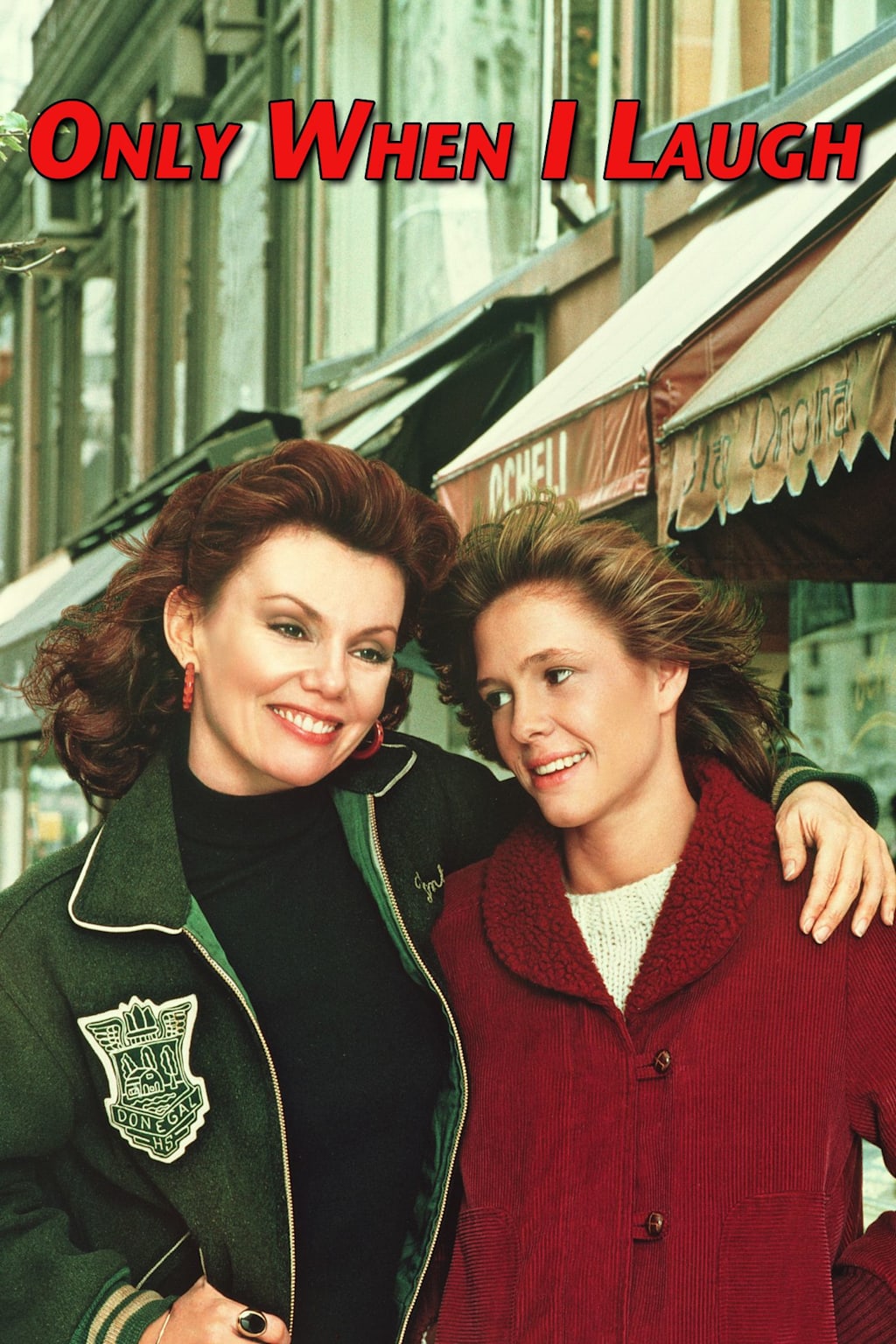
There was something almost appropriate about Neil Simon freezing on a New York City sidewalk.
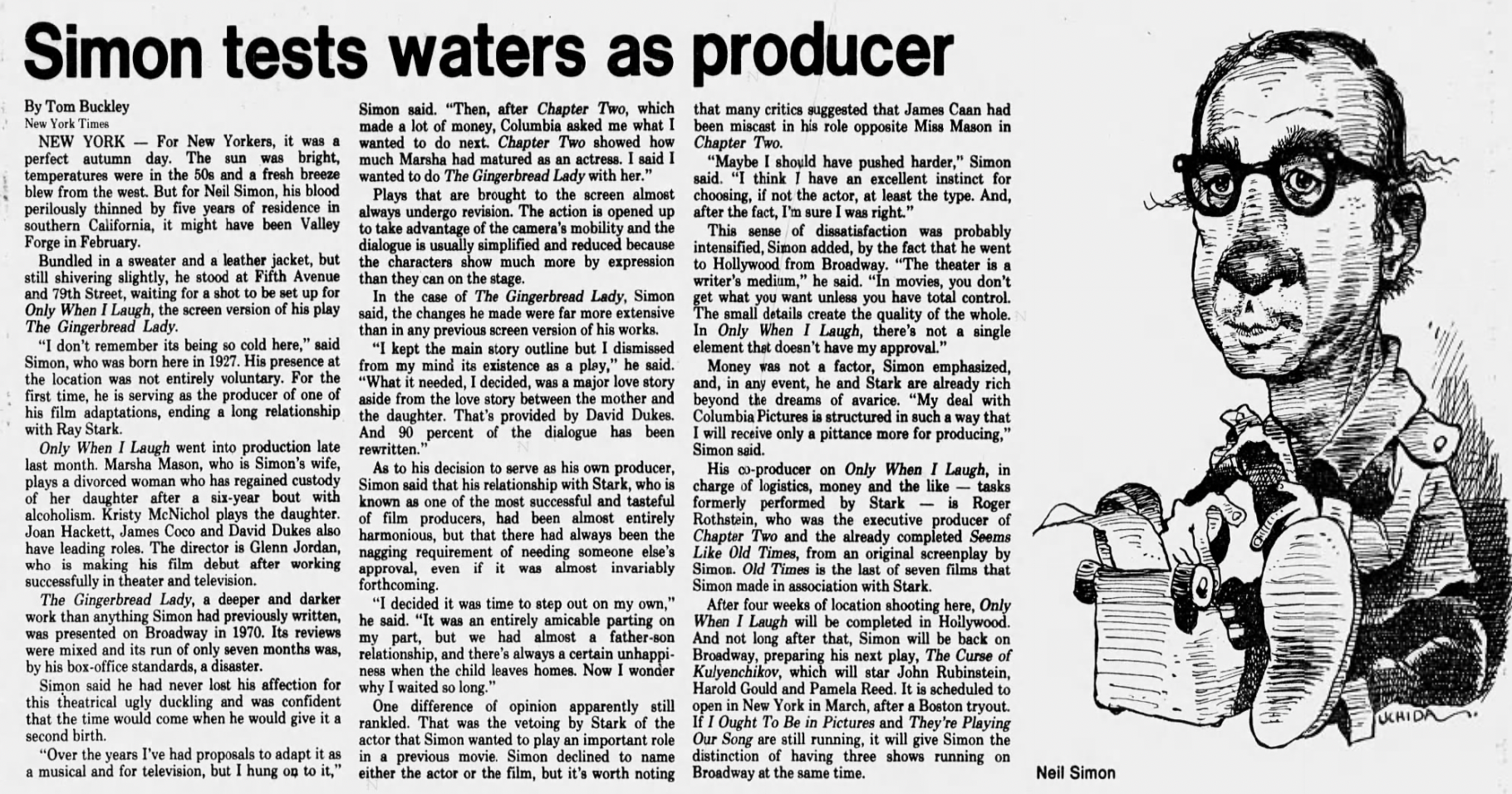
It was a crisp autumn day, the kind of New York day that looks beautiful from a distance and feels absolutely miserable when you’re standing around waiting for a movie crew to get its shot.
The temperature was somewhere in the 50s. Simon, who had spent the previous five years living in Southern California, stood at Fifth Avenue and 79th Street in a sweater and leather jacket, waiting to film a scene for Only When I Laugh, the movie version of his own 1970 play The Gingerbread Lady.
“I don’t remember its being so cold here,” Simon reportedly said.
He had been born in New York in 1927.
There was also something fitting about Simon being back on these streets for this particular movie. Only When I Laugh was more than another Neil Simon adaptation. It represented a change in the balance of power between Simon and Hollywood.
For the first time, Simon was producing one of his own film adaptations.
He was also moving on from producer Ray Stark, the man with whom he had built one of the most successful writer-producer relationships in American movies.
And he was doing it with Marsha Mason, his wife and longtime screen collaborator, in a role that required considerably more than delivering Simon’s trademark one-liners.
The result was Only When I Laugh, a 1981 comedy-drama about alcoholism, recovery, friendship, aging and the difficult business of repairing a broken relationship between a mother and daughter.
It is not a perfect movie.
But it is a fascinating one because you can practically see Neil Simon trying to figure out how much control he really wanted—and how much Hollywood he was willing to leave behind.
From Broadway “Ugly Duckling” to Screenplay
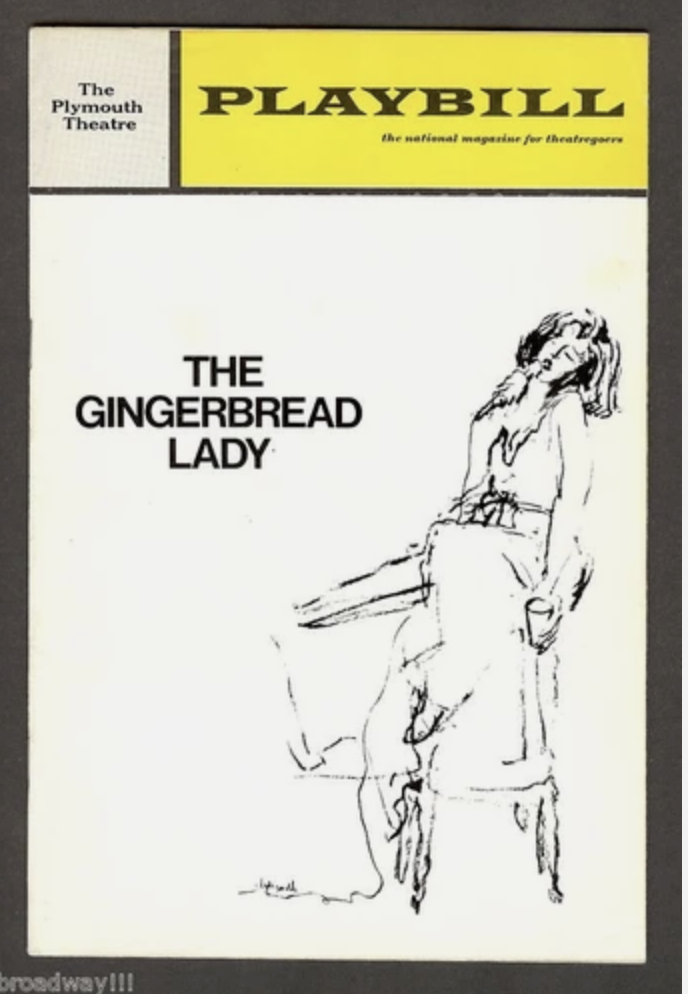
The story began with The Gingerbread Lady, which opened on Broadway at the Plymouth Theatre on December 13, 1970.
Neil Simon was already one of Broadway’s biggest names, but this wasn’t another Barefoot in the Park or The Odd Couple. The Gingerbread Lady was darker, more bruised and more interested in alcoholism, damaged friendships and a woman trying to put her life back together.
The original production starred Maureen Stapleton and ran for 193 performances, closing on May 29, 1971. Contemporary reporting described the play as a disappointment by Simon’s commercial standards. (IBDB)
Simon, however, never quite gave up on it.
Years later, he still saw something in the material.
He had watched his wife, Marsha Mason, develop as an actress through their work together, particularly in Chapter Two. That experience helped convince him that the time had finally come to revisit The Gingerbread Lady.
The screen version would keep the basic story but substantially rework the play.
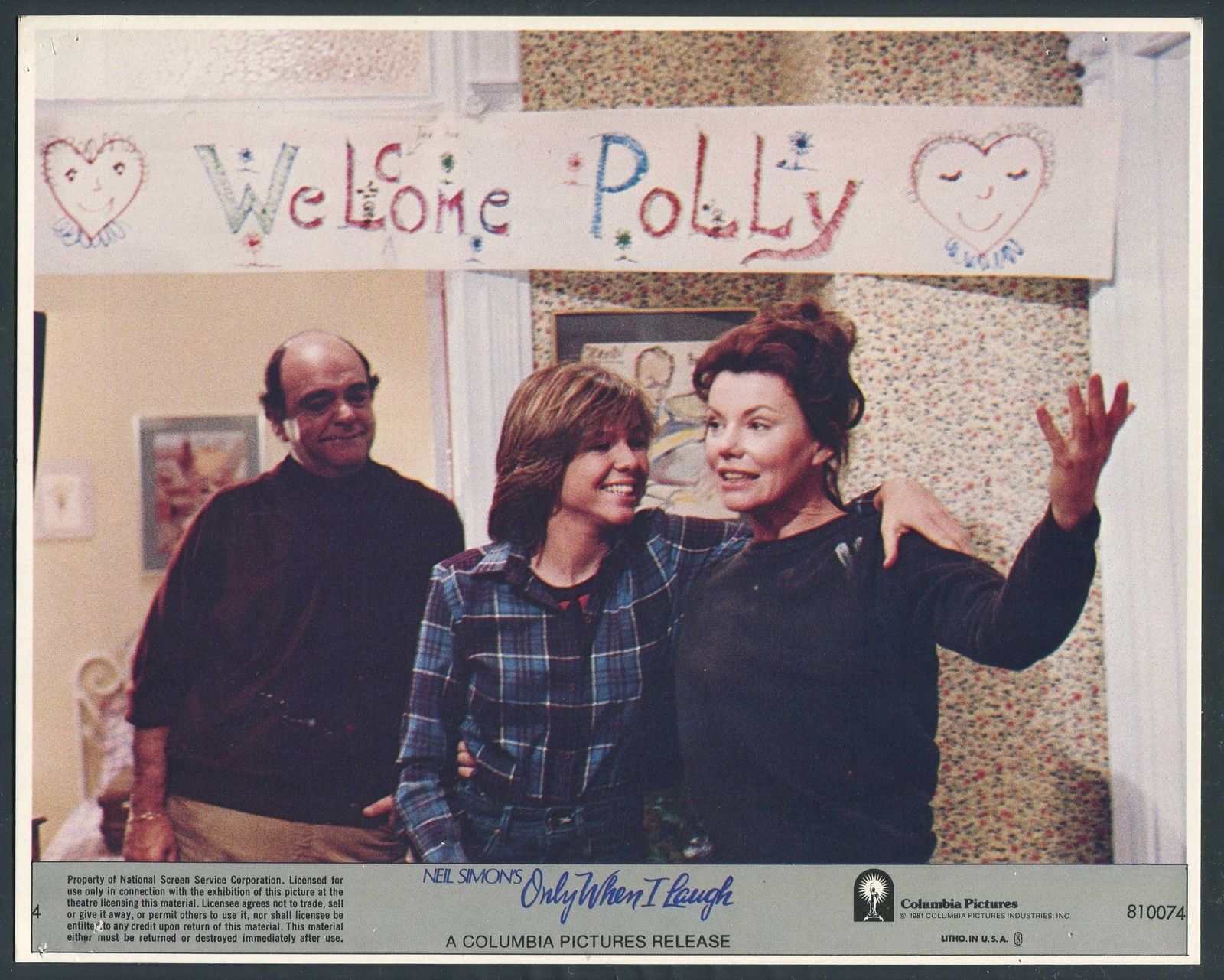
The central character became Georgia Hines, a Broadway actress emerging from treatment for alcoholism. Six years earlier, she had given up custody of her daughter Polly, played by Kristy McNichol. Now mother and daughter are attempting to figure out whether they can actually have a relationship.
The movie also expands the romantic side of Georgia’s life, adds David Dukes as an important figure in her past, and opens the story beyond the confines of the stage.
Simon reportedly said that he essentially tried to forget that the play existed while adapting it for the screen.
That was a revealing approach.
He wasn’t interested in simply photographing The Gingerbread Lady. He wanted to make a movie.
The result was one of the more extensively revised adaptations of his work. The basic architecture remained, but the dialogue and action were reshaped for the camera.
It was a particularly important distinction for a playwright whose greatest strength had always been dialogue.
Onstage, Simon could control the room with a line.
On film, he had to learn when not to write one.
Neil Simon Breaks Up With Ray Stark
The most interesting story behind Only When I Laugh may actually be the one that happened before the cameras rolled.
For years, Simon had worked with producer Ray Stark. Their collaboration had produced a remarkable string of movies, including The Sunshine Boys, Murder by Death, The Goodbye Girl, California Suite, The Cheap Detective, Chapter Two and Seems Like Old Times. Stark’s long association with Simon ultimately encompassed eleven films based on Simon’s work.
It had been an extraordinarily successful partnership.
But success doesn’t necessarily mean independence.
By the time Only When I Laugh came along, Simon wanted something different.
He wanted control.
Contemporary reporting described the split as amicable. Simon had apparently grown tired of needing another person to approve decisions that were, at least in his mind, fundamentally his own.
The difference was philosophical rather than financial.
Simon was already wealthy. He wasn’t walking away from Stark because he desperately needed another producer’s salary or percentage.
He wanted to make the movie he wanted to make.
That distinction matters.
For Simon, theater was fundamentally a writer’s medium. Film was something else. A screenplay could be changed, a scene could be altered, an actor could be recast, a producer could exercise veto power.
So Simon decided to become the producer.
And he did not merely attach his name to the picture.
AFI’s production records identify Simon and Roger M. Rothstein as the film’s producers. Rothstein handled much of the practical day-to-day work, while Simon remained deeply involved in the creative process. AFI also notes that Simon continued his customary practice of attending rehearsals for rewrites and planned to be present on set for script suggestions and last-minute changes. (AFI Catalog)
It was a very different kind of Hollywood education.
Simon was no longer just the writer being handed notes.
He was now one of the people giving them.
Shooting New York, Then Hollywood
Only When I Laugh was directed by Glenn Jordan, an Emmy-winning television director making his theatrical feature debut. Jordan already had a connection with Kristy McNichol, having directed episodes of Family, the television series that had made her a star. (Turner Classic Movies)
The cast was unusually strong.
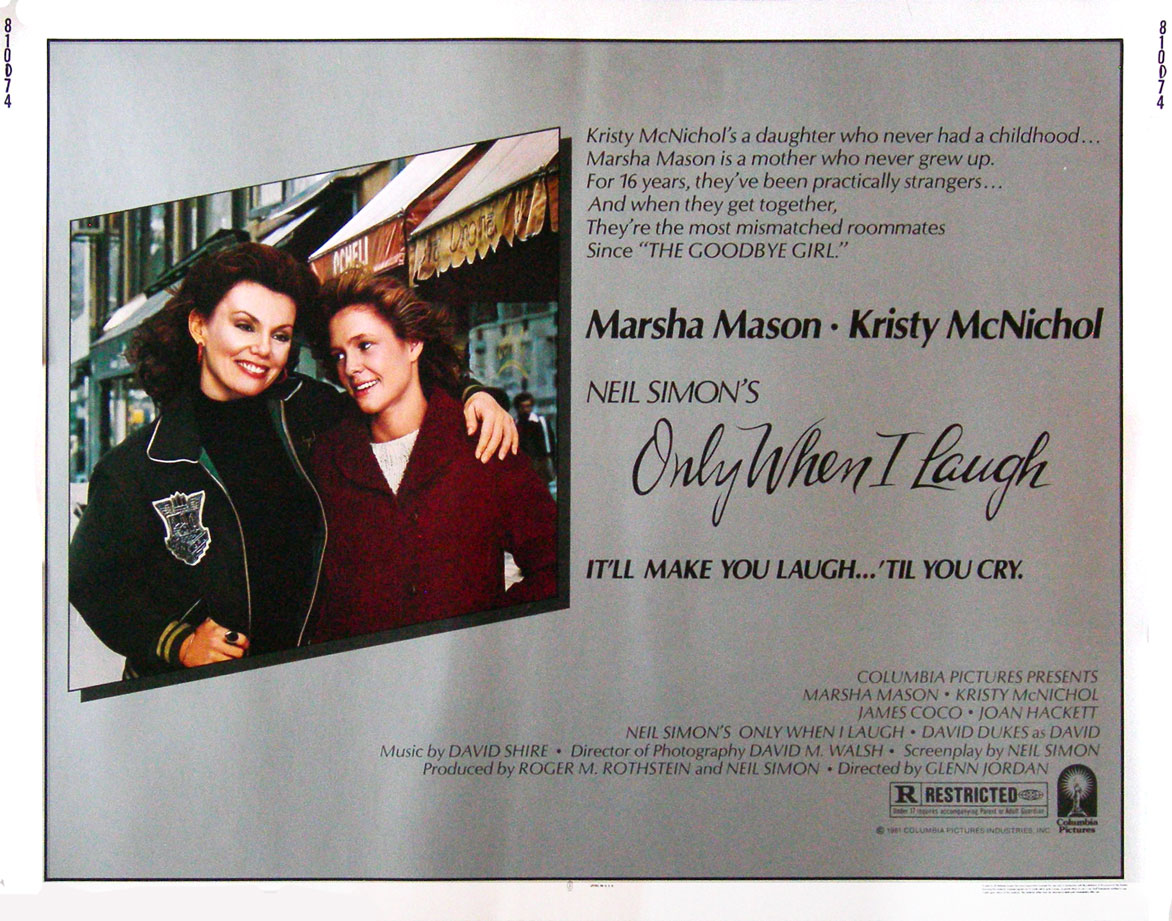
Marsha Mason played Georgia.
Kristy McNichol played Polly.
James Coco played Jimmy, Georgia’s longtime actor friend.
Joan Hackett played Toby, the wealthy friend whose fear of aging becomes another of the movie’s emotional threads.
David Dukes played David, Georgia’s former husband and the man who represents both her past and a possible future.
There are also early appearances by actors who would become considerably more recognizable later, including Kevin Bacon.
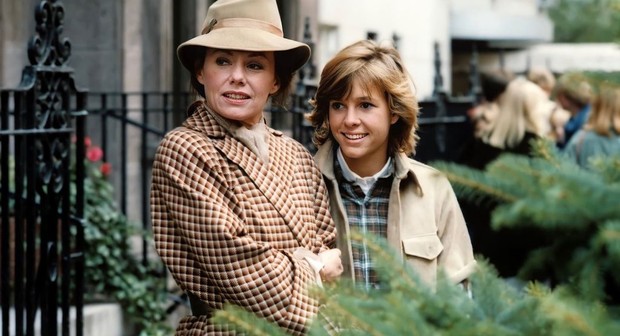
The production began with location work in New York before moving to Hollywood. AFI records indicate four weeks of East Coast shooting followed by seven weeks at the Samuel Goldwyn Studio and other Southern California locations. The Fifth Avenue and 79th Street sequence was among the New York material. (AFI Catalog)
That New York footage gives Only When I Laugh some of its greatest value today.
The movie captures an early-1980s Manhattan that doesn’t look like a carefully preserved period piece.
It just looks like New York.
People smoke.
Cars are everywhere.
The clothes are aggressively early ’80s.
The city feels crowded, slightly dirty and completely alive.
And Simon, who had spent years writing about New Yorkers, was suddenly using the camera to document the city rather than merely putting his characters in apartments and letting them talk.
The Movie Arrives
Columbia Pictures released Only When I Laugh on September 23, 1981.
The movie runs approximately two hours and was rated R. (Box Office Mojo)
It also performed respectably at the box office, ultimately taking in $25,524,778 domestically. (Box Office Mojo)
That wasn’t a disaster.
And considering that Simon had started with a Broadway play that had been considered a commercial disappointment, Only When I Laugh represented a very different second life for the material.
The film also had a strange musical footnote.
David Shire composed the score, with Richard Maltby Jr. and Shire writing a title song called “Only When I Laugh.” Brenda Lee recorded the song and released it as a single in 1981.
But if you watch the movie looking for Brenda Lee’s vocals, you’ll be disappointed.
They aren’t there.
The finished film uses the instrumental version of the theme; the vocal recording was released separately and was promoted as being from the Columbia motion picture. The song later reached No. 32 on Billboard’s Hot Country Songs chart. (Wikipedia)
It was also nominated for a Razzie for Worst Original Song.
Because apparently even the soundtrack wanted to get in on the complicated relationship with this movie.
Critics Couldn’t Quite Agree on Simon’s Serious Side
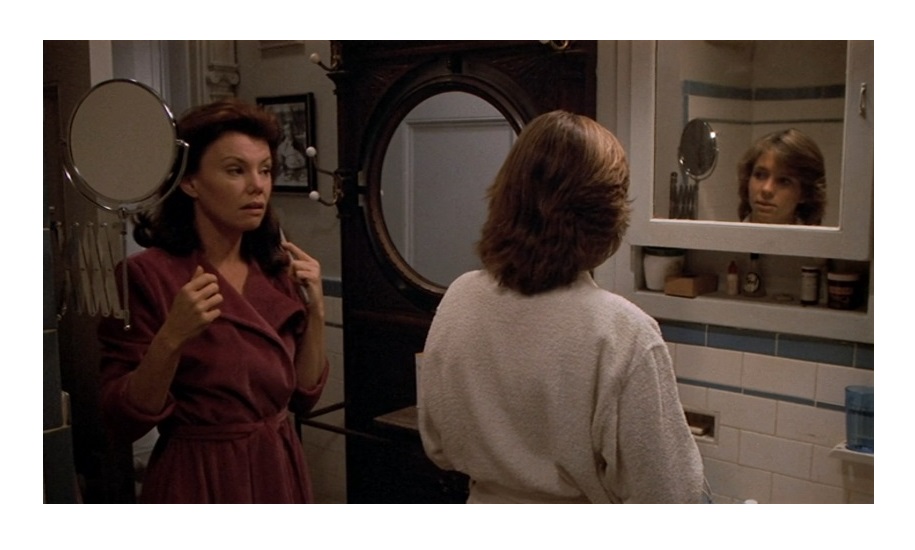
The critical reaction to Only When I Laugh was mixed, which seems appropriate for a Neil Simon movie attempting to walk the line between comedy and serious drama.
The film currently sits at 63 percent on Rotten Tomatoes, based on eight critic reviews. (Rotten Tomatoes)
Some critics saw Simon successfully expanding his usual territory.
Vincent Canby of The New York Times praised the performances. Variety was particularly complimentary toward Kristy McNichol and Glenn Jordan’s restrained direction. Kevin Thomas of the Los Angeles Times called the film an entertaining and worthy successor to Simon’s earlier movies, while Newsweek’s David Ansen noted that Jordan allowed the pathos and humor room to breathe rather than piling on jokes. (Wikipedia)
Then there were the critics who thought Simon was taking serious subjects and treating them too superficially.
Roger Ebert was particularly harsh.
His objection wasn’t that Simon had attempted to make a serious movie. It was that Simon had assembled so many serious problems—alcoholism, loneliness, family estrangement, aging and sexual identity—that the characters sometimes seemed to exist as collections of problems rather than fully developed people.
Ebert singled out Kristy McNichol’s performance as the film’s most convincing element. (Roger Ebert)
Richard Schickel of Time was even more severe, arguing that Simon’s stage-oriented style didn’t translate naturally to the screen and that the movie’s characters often seemed to be delivering “show-biz fizz” rather than behaving like people. (TIME)
Those criticisms haven’t entirely disappeared.
If anything, they explain why Only When I Laugh is more interesting than its reputation suggests.
The movie is constantly negotiating with itself.
It wants to be a Neil Simon comedy.
It wants to be a recovery drama.
It wants to be a family reconciliation story.
It wants to be a portrait of adult friendship.
Sometimes those ambitions work together.
Sometimes they bump into one another.
Marsha Mason Gets One of Her Meatiest Roles
The performances are what keep the movie alive.
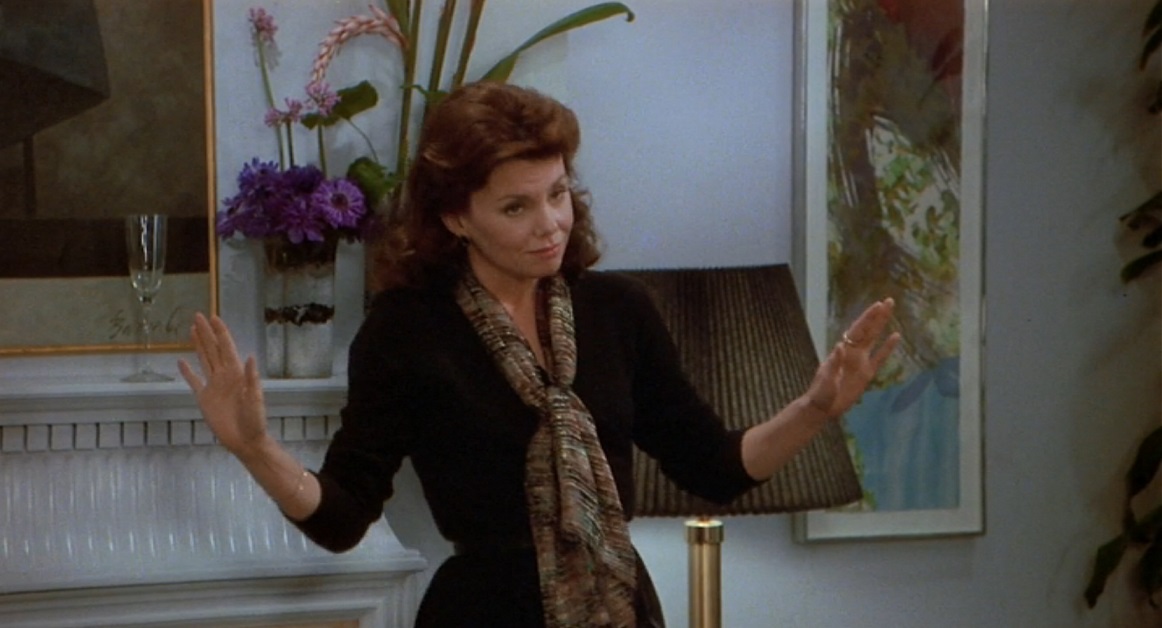
Marsha Mason had already earned Academy Award nominations for The Goodbye Girl and Chapter Two, but Georgia Hines gave her a different kind of challenge.
Georgia isn’t simply funny.
She’s damaged.
She’s defensive.
She’s self-aware enough to know she has hurt people but not necessarily mature enough to know how to repair that damage.
And because Mason was married to Simon when the movie was made, the casting inevitably adds another layer of curiosity to the material.
Georgia is essentially a performer trying to reclaim both her career and her family.
Mason understood that contradiction.
Kristy McNichol, meanwhile, gives the movie a younger and more grounded center. Even critics who disliked Simon’s treatment of the subject often found something genuine in McNichol’s performance.
James Coco and Joan Hackett provide the other two major pieces of the ensemble.
Coco’s Jimmy is funny, lonely and theatrical—the sort of character Simon could write in his sleep, although the film sometimes struggles with the limitations of the character’s construction.
Hackett’s Toby is more complicated. She is terrified of aging and increasingly aware that the social world she inhabits is built around youth, appearance and attention.
Hackett’s performance earned her the Golden Globe for Best Supporting Actress. She also received an Academy Award nomination. (Golden Globes)
The Oscar nominations were significant.
Only When I Laugh received three:
Marsha Mason — Best Actress
James Coco — Best Supporting Actor
Joan Hackett — Best Supporting Actress
(AFI Catalog)
And then there was James Coco’s bizarre awards-season double.
He became the first performer to receive an Academy Award nomination and a Golden Raspberry nomination for the same performance. The Oscar recognized his work as Jimmy; the Razzie nominated him for Worst Supporting Actor. (Wikipedia)
Hollywood had apparently decided that James Coco was simultaneously excellent and terrible.
There is something wonderfully 1981 about that.
Joan Hackett’s Final Feature
There is also a melancholy footnote attached to the film.
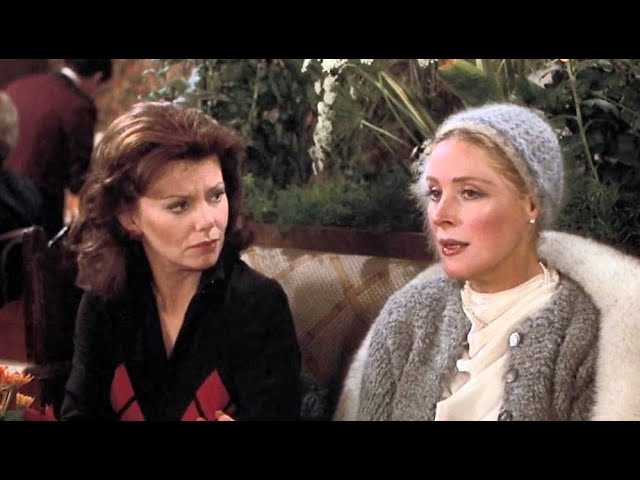
Only When I Laugh was Joan Hackett’s final completed theatrical feature.
Hackett died in 1983 at the age of 49.
She would receive the Golden Globe for her performance and an Academy Award nomination for Toby, making the film an important final showcase for an actress whose career had largely existed in the space between character acting, television and respected stage work. (Wikipedia)
That gives some of her scenes an unintended poignancy.
At the time, Hackett was simply playing another complicated Neil Simon character.
Today, knowing this was her final feature, the performance feels like something more.
Neil Simon Takes Control
The most revealing thing about Only When I Laugh may not be whether every scene works.
It’s what the movie says about Neil Simon.
He had spent years being one of Hollywood’s most reliable writers. His plays were hits. His screen adaptations made money. His partnership with Ray Stark had produced an entire mini-industry of Neil Simon movies.
But by 1981, Simon apparently wanted something that success hadn’t given him.
Ownership.
Not ownership in the financial sense.
Ownership of the decisions.
That is why the break with Ray Stark matters.
Simon wasn’t fleeing a failed relationship. He was leaving a successful one because he wanted to know what happened when nobody else had the final say.
And Only When I Laugh became the experiment.
The movie is therefore a fascinating transitional object in Simon’s career.
It sits between the classic Broadway-to-Hollywood adaptations of the 1970s and the increasingly diversified Simon filmography that would follow in the 1980s.
It also sits at the intersection of two different Neil Simons.
There is the Simon who knows how to make a room laugh.
And there is the Simon who wants to write about alcoholism, damaged families, loneliness and recovery.
Sometimes those two writers fight with each other.
Sometimes they make something unexpectedly moving.
A Movie Worth Reconsidering
Only When I Laugh isn’t generally mentioned alongside The Goodbye Girl or The Odd Couple when Neil Simon’s film career is discussed.
Maybe that’s understandable.
It isn’t as effortlessly funny.
Its dramatic ambitions can sometimes feel obvious.
And some of its treatment of alcoholism and other serious subjects has aged awkwardly.
But that doesn’t make the movie uninteresting.
Quite the opposite.
Only When I Laugh is a movie about people trying to get their lives back under control, made by a writer who was simultaneously trying to get control of his own career.
That’s the part I find most compelling.
Neil Simon took a Broadway play that hadn’t worked the way he wanted it to, rewrote most of it for the screen, cast his wife in one of her most demanding roles, hired a first-time feature director, left his longtime producer behind and put himself directly in charge of the production.
He didn’t necessarily make a masterpiece.
He made something more revealing.
He made a Neil Simon movie on Neil Simon’s terms.
And sometimes the most interesting movies from the 1980s aren’t the ones that got everything right.
They’re the ones where you can see Hollywood changing in real time.
Only When I Laugh is one of those movies.

Neil Simon took control of Only When I Laugh, adapting his troubled play The Gingerbread Lady with Marsha Mason, breaking from producer Ray Stark and earning three Oscar nominations.
Sources & Further Reading
American Film Institute Catalog — Only When I Laugh
Production history, credits, shooting schedule, awards and contemporary trade/publication information. AFI Catalog: Only When I Laugh
Internet Broadway Database — The Gingerbread Lady
Broadway opening and closing dates, number of performances, original production and credits. IBDB: The Gingerbread Lady
Rotten Tomatoes — Only When I Laugh
Current critic aggregate and selected contemporary/retrospective reviews. Rotten Tomatoes: Only When I Laugh
RogerEbert.com — Roger Ebert, “Only When I Laugh”
Contemporary review discussing the film’s treatment of alcoholism, its dramatic structure and the performances. Roger Ebert’s review
TIME — Richard Schickel, “Cinema: Show Fizz ONLY WHEN I LAUGH,” October 5, 1981
Contemporary critical response to Simon’s screenplay, the performances and the film’s stage-to-screen style. TIME: Only When I Laugh
Golden Globes — Only When I Laugh
Official Golden Globe nominations and Joan Hackett’s supporting-actress win. Golden Globes: Only When I Laugh
Box Office Mojo — Only When I Laugh
Domestic release date and reported domestic box-office total of $25,524,778. Box Office Mojo: Only When I Laugh
Turner Classic Movies — Only When I Laugh
Production background, casting, Glenn Jordan’s feature debut and the story behind the unused Brenda Lee vocal recording. TCM: Only When I Laugh
Brenda Lee — “Only When I Laugh”
The 1981 recording of the David Shire/Richard Maltby Jr. title song, released separately from the finished film. Brenda Lee’s “Only When I Laugh”
About the Creator
Movies of the 80s
We love the 1980s. Everything on this page is all about movies of the 1980s. Starting in 1980 and working our way the decade, we are preserving the stories and movies of the greatest decade, the 80s. https://www.youtube.com/@Moviesofthe80s
Enjoyed the story? Support the Creator.
Subscribe for free to receive all their stories in your feed.
Comments
There are no comments for this story
Be the first to respond and start the conversation.