
On Writing: How I’d Have Written The Last of Us Season 2
How I’d have scripted HBO’s second season of The Last of Us

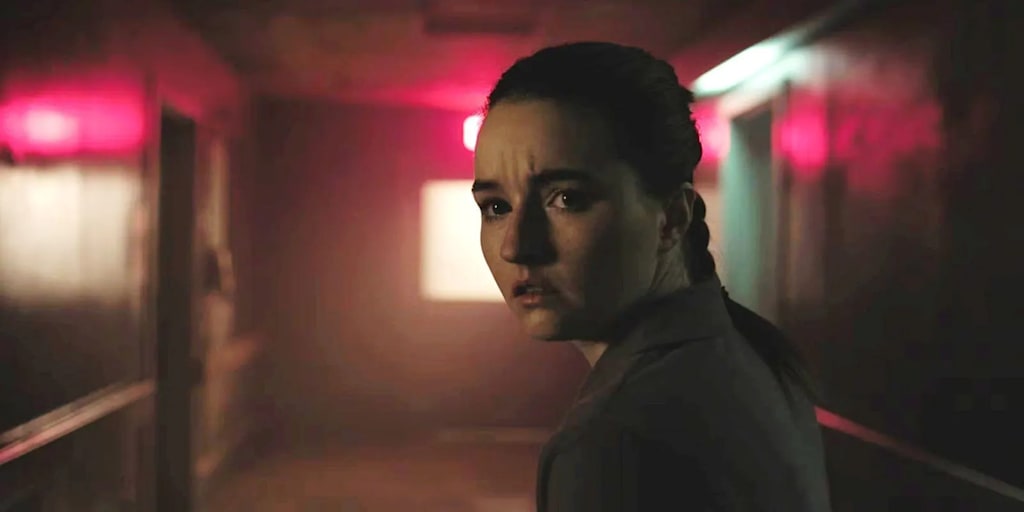
It has been a while since I last did a deep dive, but after reviewing HBO’s adaptation of The Last of Us—particularly how strongly it began in Season One before, in my view, collapsing in Season Two—I’ve had time to reflect on why the series has lost much of its charm and squandered the potential it once had, both as an adaptation and as a story in its own right.
The more I thought about it, the more convinced I became that there was a far stronger route available to the writers, especially if they were always intending to deviate so heavily from the source material in Season Two. If it were up to me, I would have structured the season entirely around Abby, allowing the audience to experience the other side of Joel’s decision in the Season One finale.
So, hypothetically speaking, I’m stepping into the writers’ room.
For simplicity’s sake, let’s assume the same seven-episode structure and the same cast, with Kaitlyn Dever as the season’s central protagonist.
Episode One: Trauma Begins
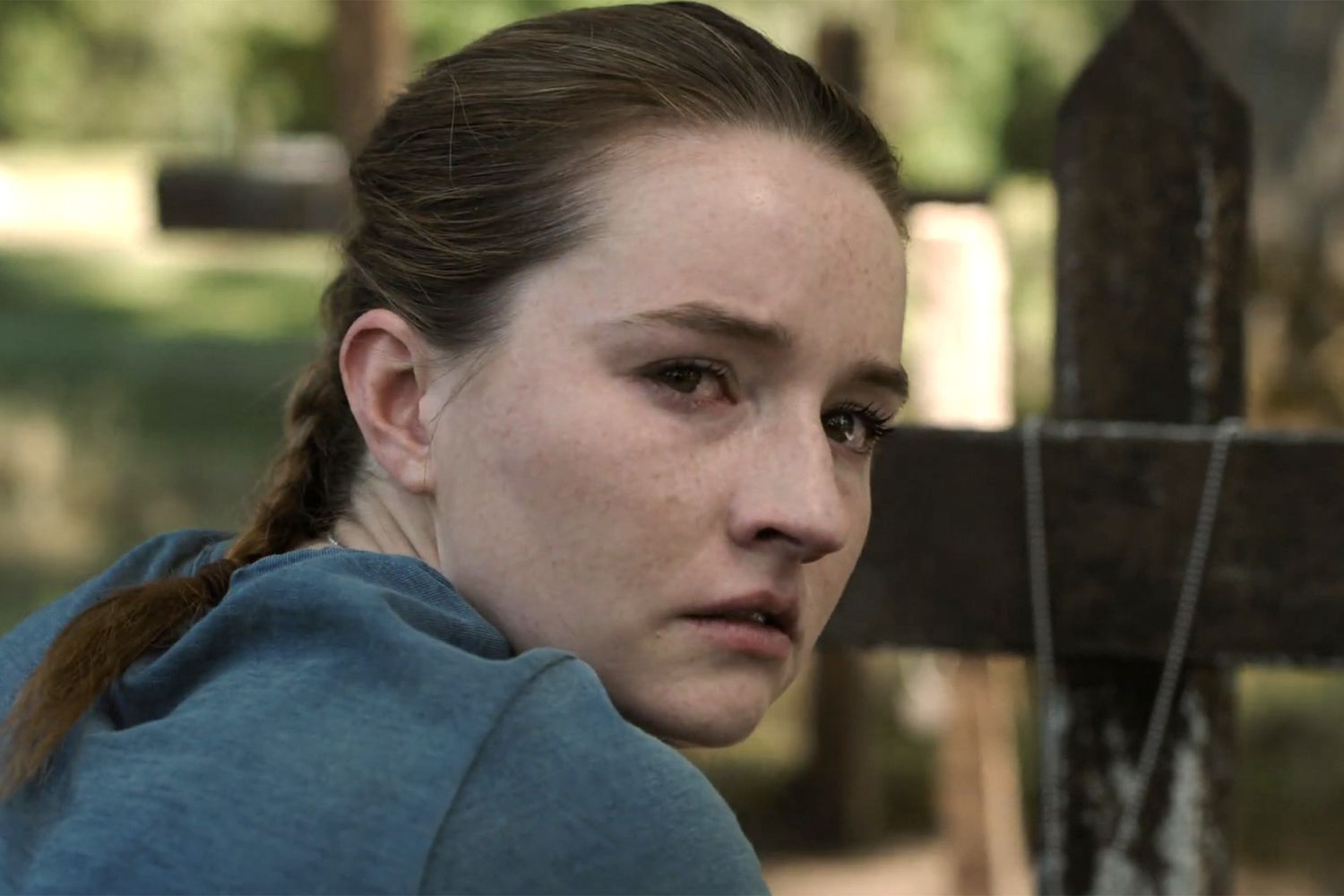
I would open with Abby haunted by fragmented nightmares of the hospital massacre. The imagery would be vague, surreal, and incomplete—faces obscured, alarms blaring, blood on the floor. These visions would become a recurring motif throughout the season, with each episode revealing more of the memory until the truth is fully clear.
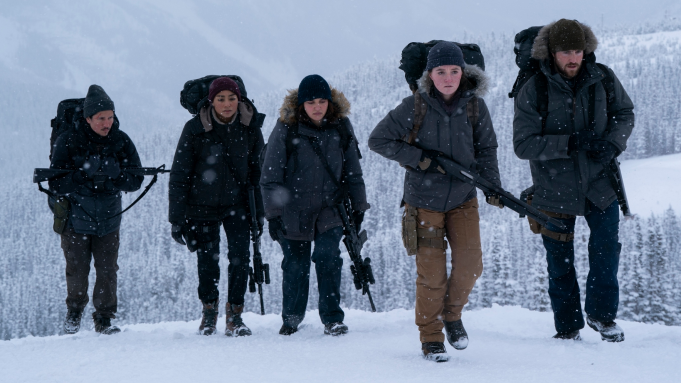
From there, the season would follow the surviving Fireflies as they attempt to rebuild their lives by joining the Washington Liberation Front (WLF), the militarised Seattle faction known as the Wolves.
Every character would be carrying trauma in different ways, but Abby would be singularly consumed by revenge.
Episodes Two to Four: Becoming Abby
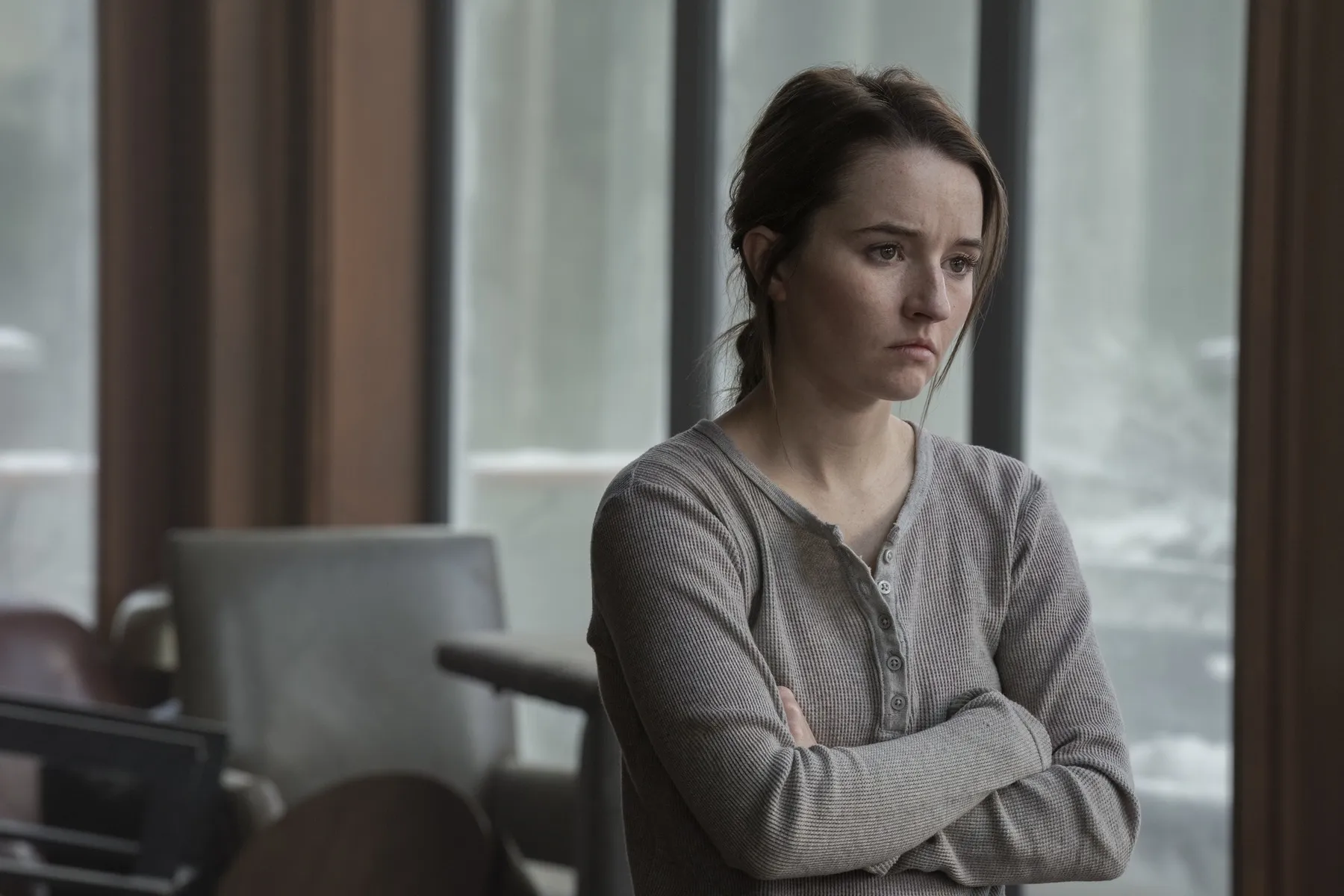
The first half of the season would chart Abby’s transformation from grieving teenager to hardened soldier.
We would see how her obsession damages her friendships, particularly with Owen, while also exploring sides of Abby the audience rarely gets to see at first glance—her vulnerability, loyalty, and need for belonging.
Isaac, leader of the WLF, would step into a surrogate father role, giving Abby both purpose and discipline while quietly shaping her into a weapon.
By Episode Four, viewers would finally witness the events of the Season One finale from Abby’s perspective. Joel’s rampage through the hospital would no longer be framed solely as a desperate rescue, but as an act that devastated countless lives. Among those killed was Abby’s father—the surgeon preparing to operate on Ellie in the hope of creating a cure, knowing the procedure would certainly cost Ellie her life.
In that moment, the audience is confronted with the moral ambiguity at the heart of the story: Joel murdered a man trying to save humanity, yet that same man was willing to sacrifice a child.
Episodes Five and Six: The Hunt
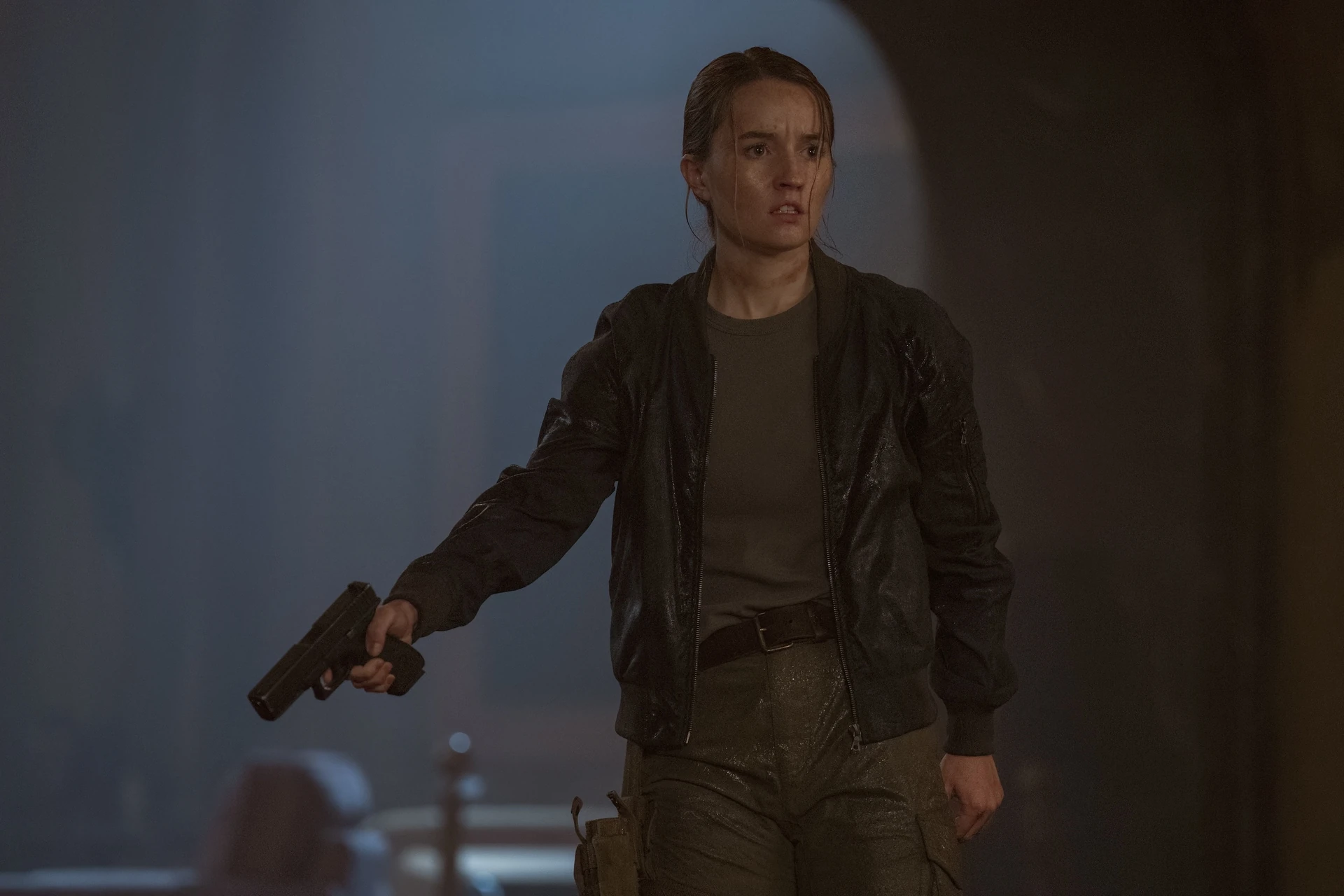
Episode Five would begin the search for Joel.
Abby and Owen uncover a lead on his whereabouts, perhaps travelling to meet an informant who has tracked him to Wyoming. This could also serve as the breaking point of their relationship. Owen’s decision to accompany Abby would reignite old feelings, while Mel begins to sense that Abby still occupies a place in his life she cannot compete with. Her jealousy and concern would plant the seeds of the Owen-Mel dynamic that becomes so important later, while also showing how Abby’s obsession continues to damage the people closest to her.
Meanwhile, the wider dangers of Seattle would intensify. The Seraphites would have been steadily introduced and foreshadowed throughout the season, clashing violently with the Wolves, while the infected threat remained ever-present. It would also be the perfect opportunity to deliver more satisfying large-scale action sequences—raids, ambushes, patrols gone wrong, and the constant sense that Seattle is a city at war from every direction.
In Episode Six, Abby would persuade the remaining Fireflies to pursue Joel despite Isaac’s direct orders. For Abby, revenge would now outweigh loyalty, discipline, or consequence. By this stage, she would be willing to sacrifice friendships, status, and even her future if it meant finally confronting the man who killed her father.
Episode Seven: Consequence
The finale would stay faithful to the game’s brutal confrontation.
This would be the first time viewers see Joel and Ellie again all season, making their return feel seismic rather than routine. But crucially, the audience would now understand both sides of the conflict.
Joel saved Ellie—but in doing so, he destroyed Abby’s world.
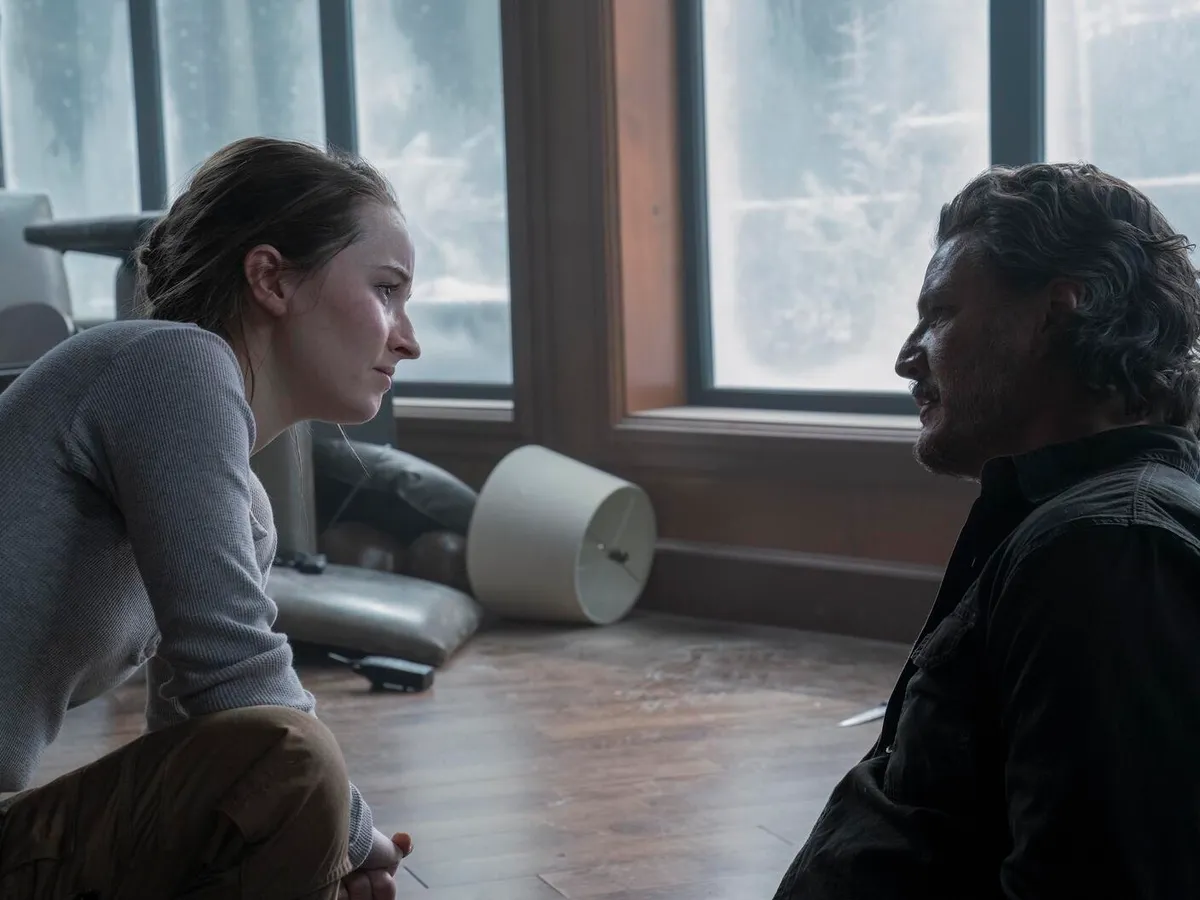
Abby kills Joel, yet finds herself just as hollow afterwards as she was before. Then the camera turns. We see Ellie’s face move from devastation to uncontrollable rage.
And in that moment, the audience understands that nothing has ended. The cycle has only passed to someone new.
Season Three begins there: Abby attempting to move beyond revenge, gradually becoming a Joel-like protector to Lev and Yara, while Ellie embarks on the very same path Abby has just walked—hunting down Joel’s killer to avenge the person who became her father.
Why I Think This Structure Works
The central theme of The Last of Us Part II has never simply been revenge. It is the futility of revenge—the way violence solves nothing, heals nothing, and merely transfers pain from one person to the next.
By making Abby the protagonist of Season Two, Joel’s death becomes more than a shocking plot twist. It becomes a tragedy the audience dreads, understands, and feels conflicted by.
Instead of asking viewers to hate Abby and later reconsider, the season would ask them to empathise first—and then suffer the consequences of that empathy.
That, to me, is far more powerful television.
About the Creator
Ted Ryan
Screenwriter, director, reviewer & author.
Ted Ryan: Storyteller Chronicles | T.J. Ryan: NA romance
Socials: @authortedryan | @tjryanwrites | @tjryanreviews
Enjoyed the story? Support the Creator.
Subscribe for free to receive all their stories in your feed. You could also become a paid subscriber, letting them know you appreciate their work.
Comments
There are no comments for this story
Be the first to respond and start the conversation.