
'Night of the Juggler' (1980): James Brolin’s Sweaty, Chaotic NYC Manhunt
How a troubled production, a broken foot, a departing director and the mean streets of late-1970s New York created one of the era’s great forgotten thrillers.

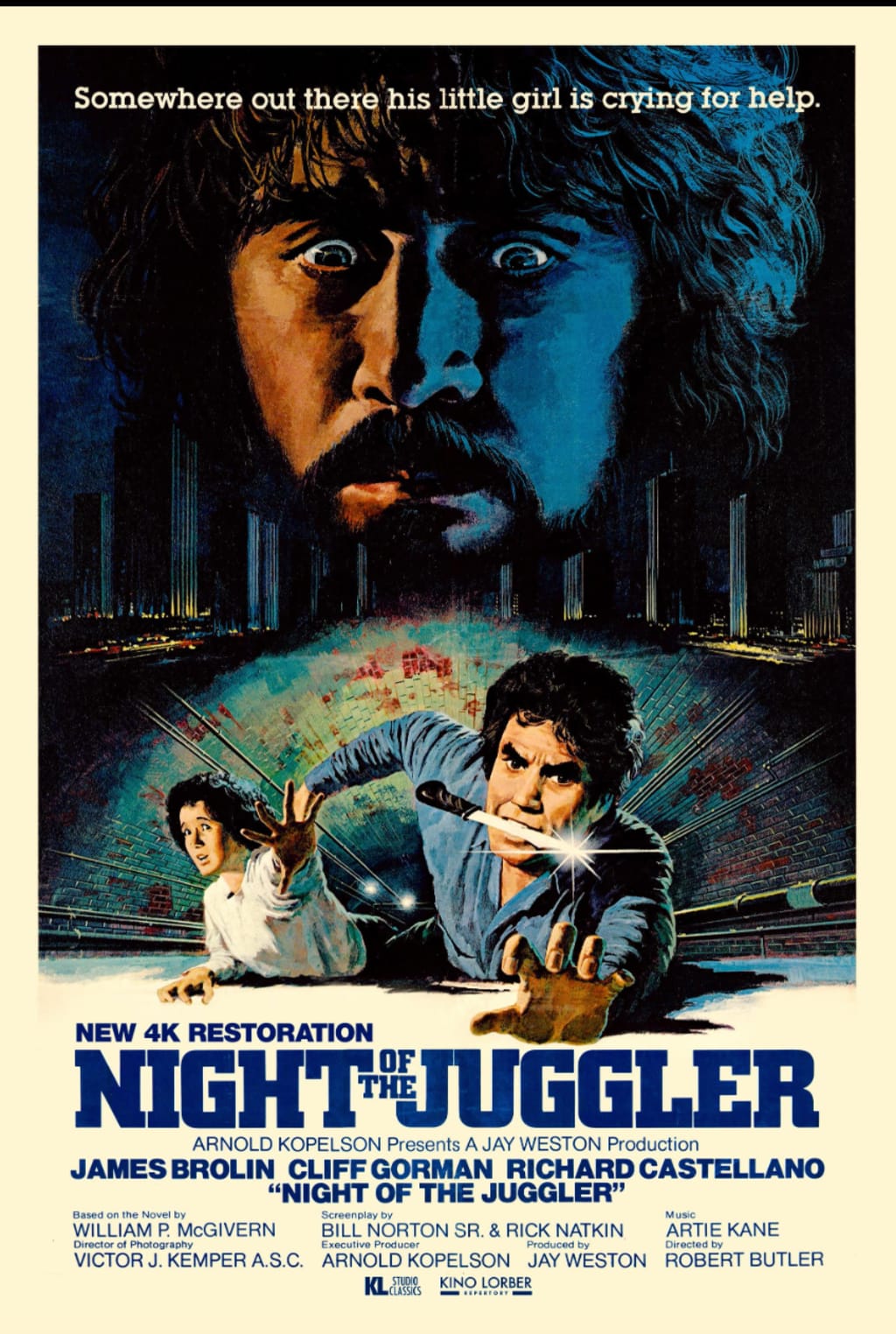
The Movie New York Almost Swallowed
There are movies that disappear because they were never very good.
Then there are movies that disappear because something went wrong.
Night of the Juggler belongs to the second category.
Made in the summer of 1978 and released almost two years later, this sweaty, chaotic New York thriller seems to have been fighting for its life before audiences ever had a chance to see it. Its star broke his foot. Its director walked away. Its producers sued him. Another director was brought in to finish the picture. Cars were destroyed by the dozens. And when the movie finally reached theaters in 1980, it received a reception that ranged from enthusiastic to absolutely murderous.
Then it more or less vanished.
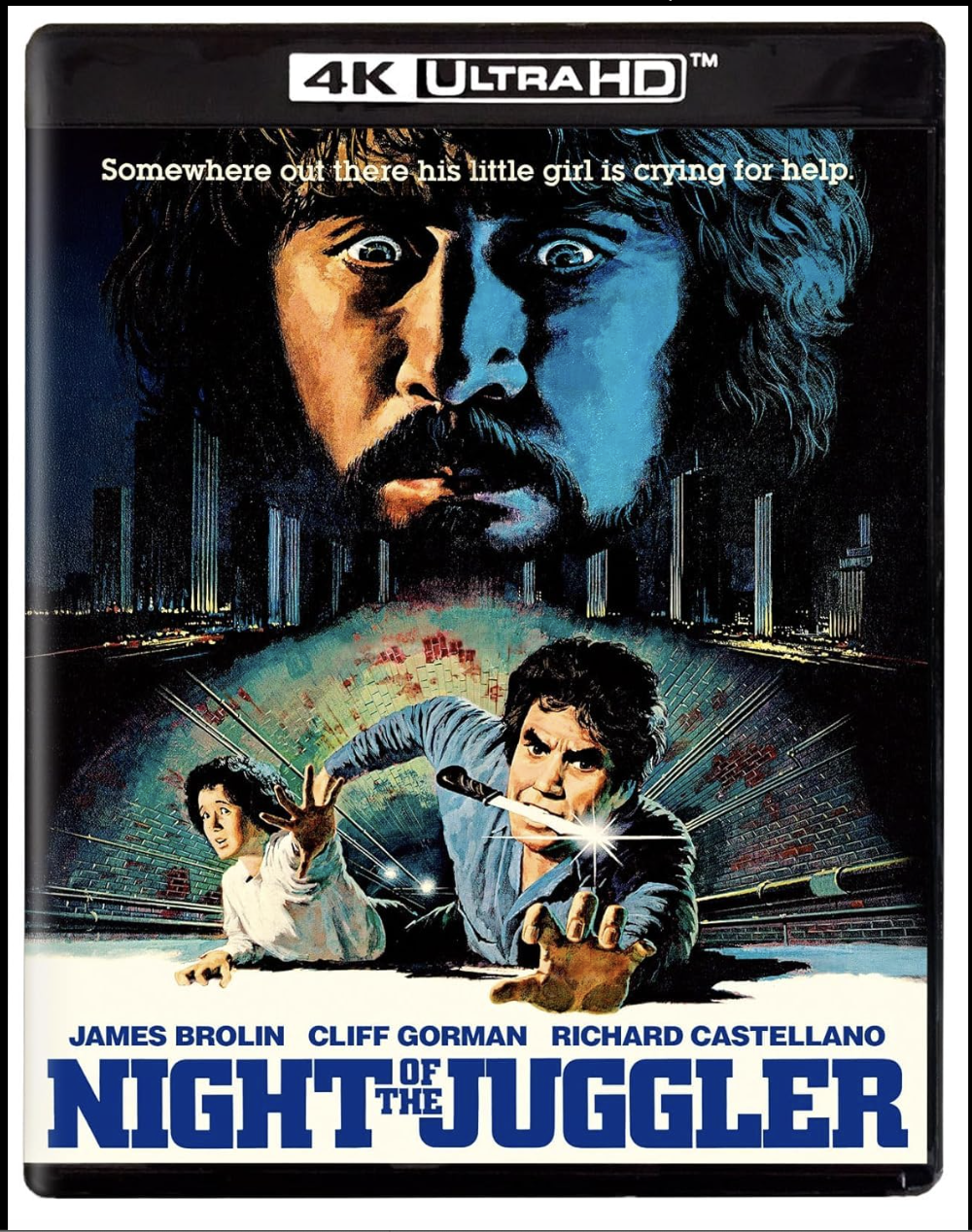
For decades, Night of the Juggler existed primarily as a VHS curiosity and the kind of movie that serious fans of grimy 1970s New York cinema knew about but had trouble actually seeing. That changed in 2025, when Kino Lorber released a new 4K restoration from the original camera negative and put the film back into circulation. (Kino Lorber)
And watching it now, there is something almost startling about it.
This is New York before the cleanup.
This is the city of burned-out buildings, filthy sidewalks, dangerous subway stations, porn theaters and streets that seem to exist in a permanent state of exhaustion. It belongs to the same cinematic New York as The French Connection, Death Wish and The Warriors, but it also looks forward to the more muscular action movies that would dominate the decade.
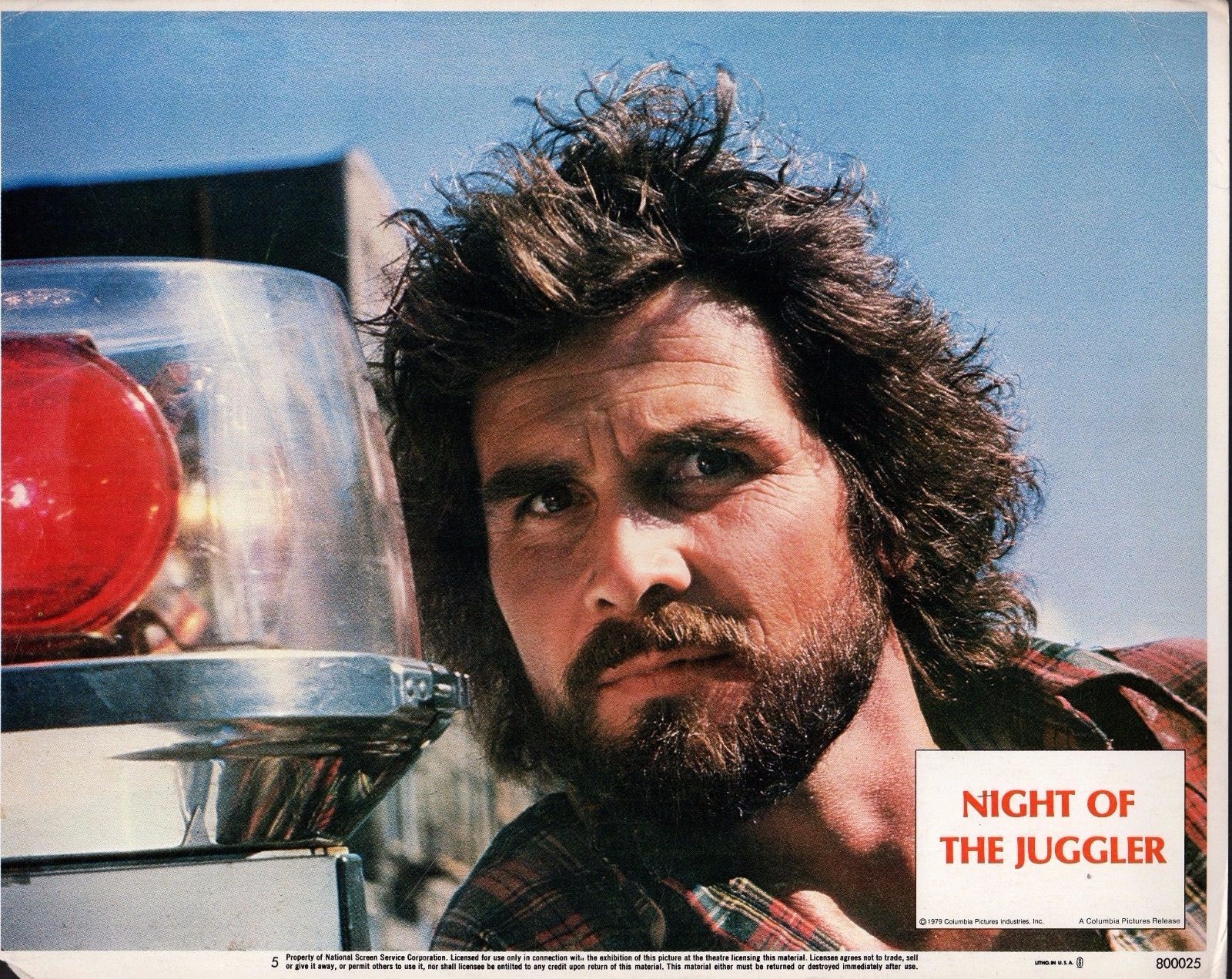
At the center of it all is James Brolin, playing Sean Boyd, a divorced former cop whose teenage daughter is accidentally kidnapped by a violently disturbed man who thinks she’s somebody else.
And once that mistake is made, Sean Boyd doesn’t stop.
Neither does the movie.
From Bestseller to Troubled Production
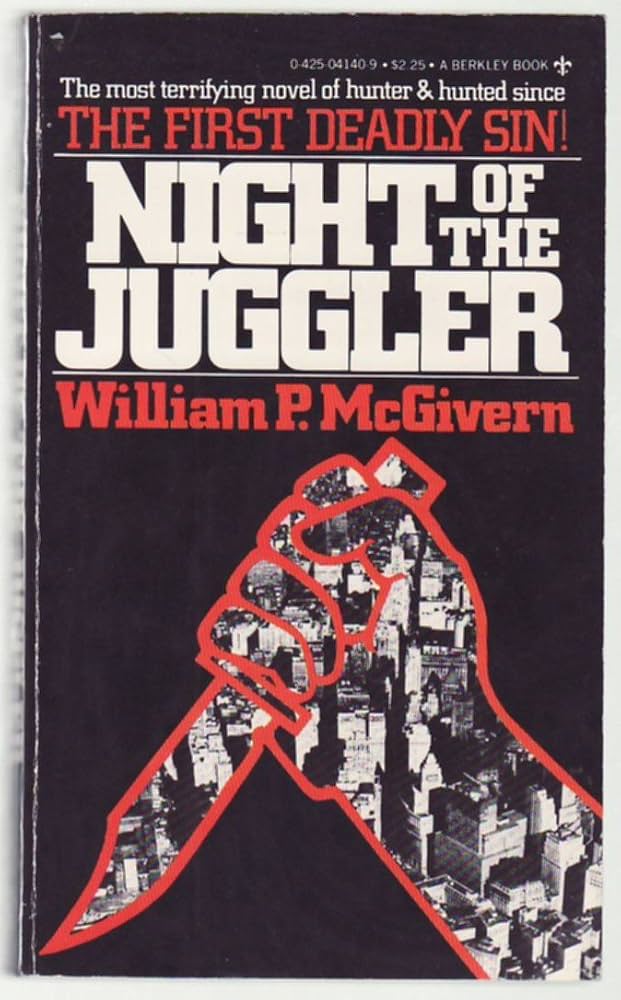
The story began with writer William P. McGivern’s 1975 novel The Night of the Juggler.
Hollywood was interested before readers even had the chance to buy the book. Twentieth Century-Fox purchased the film rights before publication for a reported $200,000, and McGivern was initially expected to develop his novel into a screenplay. John Frankenheimer was attached to direct at one point, with journalist and novelist Pete Hamill hired to write a screenplay.
Neither remained with the project.
Eventually the movie became an independent production backed by General Cinema Corporation and produced by Jay Weston, with Arnold Kopelson serving as executive producer. Columbia Pictures handled the theatrical distribution. The screenplay was ultimately credited to Bill Norton Sr. and Rick Natkin. (AFI Catalog)
The budget was substantial for an independent production of this kind. Contemporary reporting put it at approximately $6 million, while later industry databases have listed it at roughly $6.5 million. (AFI Catalog)
The location was always going to be one of the movie’s greatest assets.
The production went into the actual streets of New York, shooting around Central Park, Manhattan, 42nd Street, the West Side, the Fifth Avenue shopping district and other locations. The filmmakers even recreated a 42nd Street peep show at an old Kodak warehouse when shooting at the actual location proved impractical. (AFI Catalog)
This wasn’t Hollywood’s version of New York.
It was New York.
And the city was about to become one of the movie’s stars.
Then James Brolin Broke His Foot
The production had barely gotten moving when things went sideways.
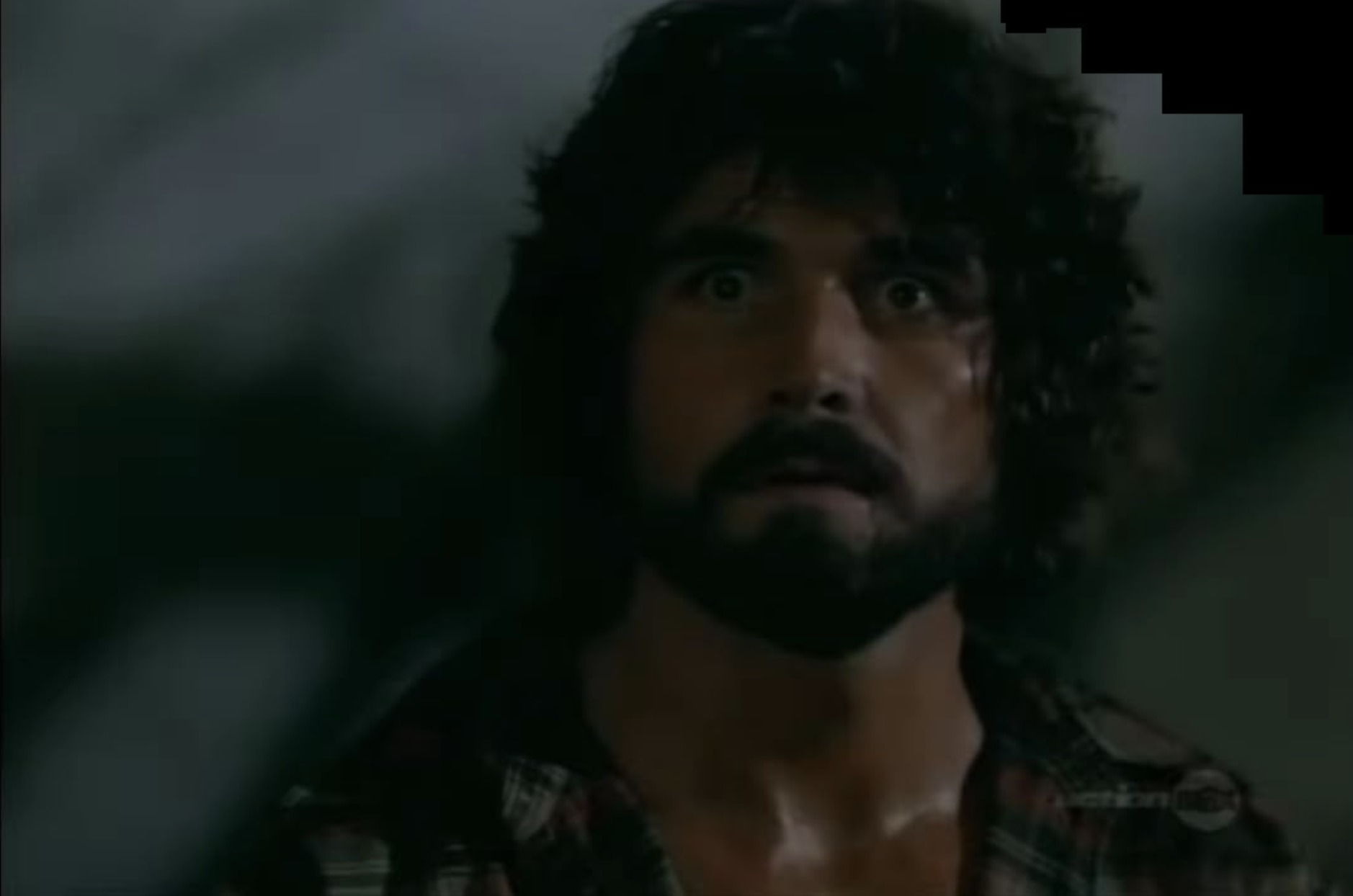
On June 13, 1978, James Brolin broke his foot during a chase sequence.
According to the AFI production history, the movie shut down for a week before Sidney J. Furie continued shooting material that didn’t require Brolin. Eventually, however, it became clear that Brolin’s cast was going to make the remaining work impractical. Production went into another hiatus while he recovered. (AFI Catalog)
That was only the beginning.
Furie, whose credits included The Ipcress File and The Appaloosa, left the picture on August 4, 1978. The official explanation was “personal reasons,” but the departure immediately became a legal matter. The production company sued Furie for breach of contract, alleging that his departure cost the production hundreds of thousands of dollars.
Furie had reportedly worked only about 23 days.
Robert Butler was brought in to replace him, and filming resumed August 16. (AFI Catalog)
That means Night of the Juggler isn’t merely a movie directed by Robert Butler.
It’s a movie that began under Sidney J. Furie and was completed by Butler.
And somehow, given what was happening around it, it still works.
At least some of the time.
Welcome to Horror City
If there is one reason Night of the Juggler deserves to be rediscovered, it’s the location photography.
Victor J. Kemper was already an extraordinary cinematographer, with credits including Dog Day Afternoon. Here, he turns late-1970s New York into something almost apocalyptic.
The movie doesn’t simply take place in a deteriorating city.
The deterioration becomes part of the story.
Sean runs through streets filled with ordinary people who have absolutely no idea that a kidnapping and a massive manhunt are unfolding around them. Cars scream through traffic. People scatter. Police become obstacles. Buildings look abandoned even when they’re occupied.
And then there is the chase.
Oh, that chase.
The production reportedly destroyed more than 30 automobiles while shooting its action sequences, which took roughly 20 days to film. The filmmakers also used hidden cameras and long lenses to capture action in and around real crowds without making the street scenes look artificially staged.
That decision makes an enormous difference.
You don’t get the feeling that New York is a backlot.
You get the uncomfortable feeling that the movie has simply turned a camera on a city that is already having a very bad day.
That was precisely the point.
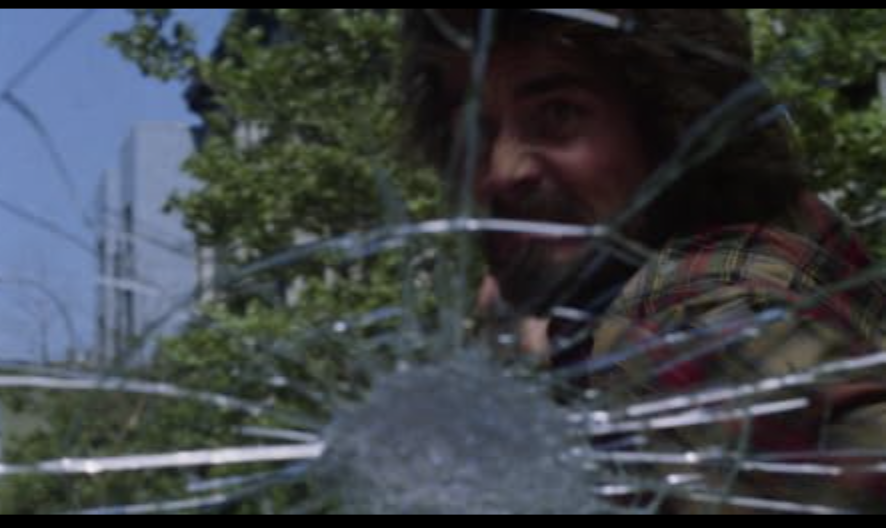
James Brolin Gets Sweaty
Today, it can be difficult to remember just how closely James Brolin was associated with television’s Marcus Welby, M.D.
By 1980, Brolin was trying to shake that image.
Night of the Juggler was made before The Amityville Horror, and contemporary profiles of Brolin frequently returned to the problem of escaping the reassuring television-doctor persona. Sean Boyd was almost the exact opposite of Marcus Welby.
He’s bearded.
He’s angry.
He’s exhausted.
And he spends much of the movie running.
Brolin gives the character a physicality that the role desperately needs. Sean isn’t an action hero in the polished 1980s sense. He doesn’t glide through the movie dispatching bad guys with perfect timing.
He gets beaten up.
He gets knocked down.
He crashes cars.
He makes terrible decisions.
And then he gets back up because his daughter is still missing.
That makes Brolin unusually convincing here. The desperation is more important than the heroics.
And then there’s Cliff Gorman.
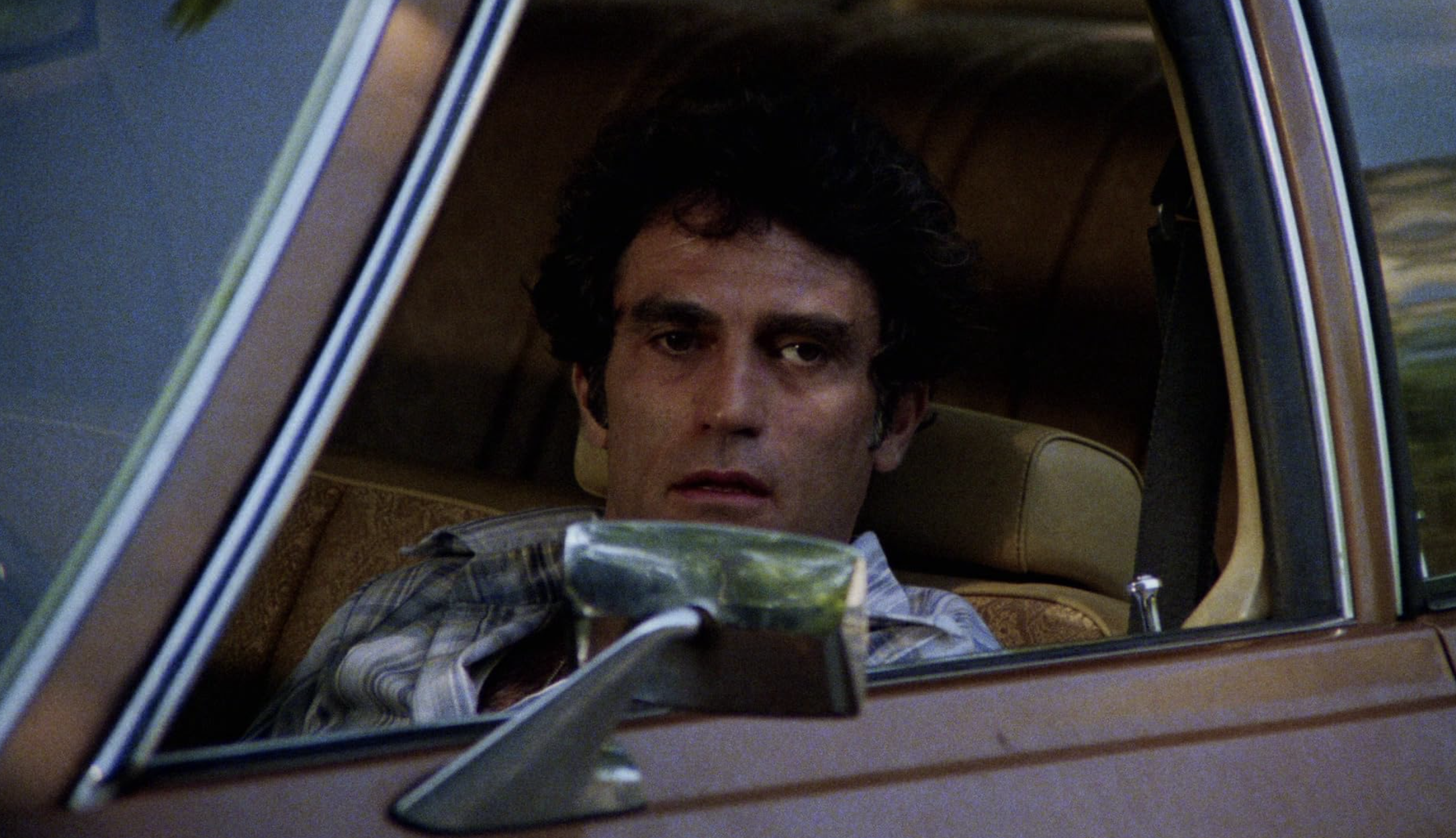
Meet the Juggler
Gus Soltic is one of those movie villains who seems to have wandered in from a completely different movie.
He’s frightening, ridiculous, pathetic and occasionally almost funny.
That’s part of what makes him memorable.
Gorman, an accomplished stage actor who had earned a Tony nomination for Lenny, plays Gus as a man whose volatility seems to come from some deep reservoir of rage. He’s not a sophisticated mastermind. He’s a dangerous, damaged man whose terrible mistake sends the entire movie into motion.
Gorman’s preparation for the role was unconventional.
While researching the character and working on location, he explained to journalist David Mannweiler that when a movie was being made in a particular neighborhood, actors and filmmakers needed to establish relationships with the people who actually controlled the streets. Gorman described meeting local figures involved in drugs and rackets and explaining that the movie company would be working in the neighborhood.
It was research by immersion.
And Gorman’s performance benefits from it.
There’s nothing particularly glamorous about Gus.
He feels like somebody who might actually exist.
Then again, Gorman’s life before acting was strange enough on its own.
At one point he worked for New York Scientific Supply Company, embalming frogs used for high-school dissection.
Yes.
Cliff Gorman was a frog embalmer.
Hollywood was weird even before Hollywood got involved.
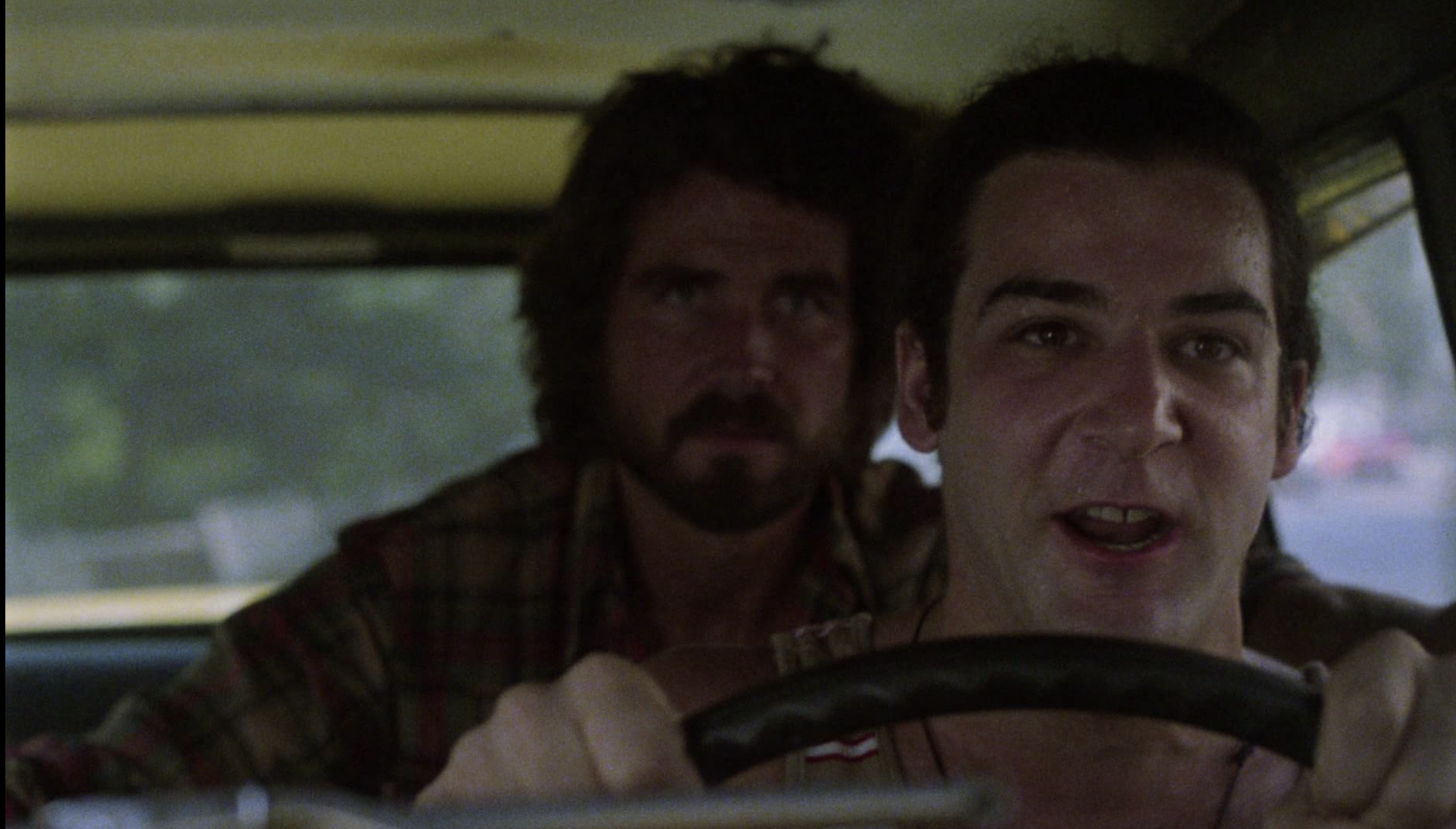
A Cast Full of New York Faces
One of the pleasures of Night of the Juggler is watching the supporting cast accumulate.
Richard S. Castellano plays Lieutenant Tonelli, giving the movie a veteran presence and a welcome dose of humanity.
Dan Hedaya plays Sgt. Otis Barnes, a cop whose presence adds another layer of danger to Sean’s increasingly desperate journey.
Mandy Patinkin turns up as Alessandro, a Puerto Rican cabdriver who provides one of the movie’s stranger comic detours.
Julie Carmen appears as Maria.
And there are character actors everywhere.
The movie is packed with faces that would become familiar throughout 1980s film and television.
Even before you get to the story, Night of the Juggler feels like a time capsule.
You can almost smell the city.
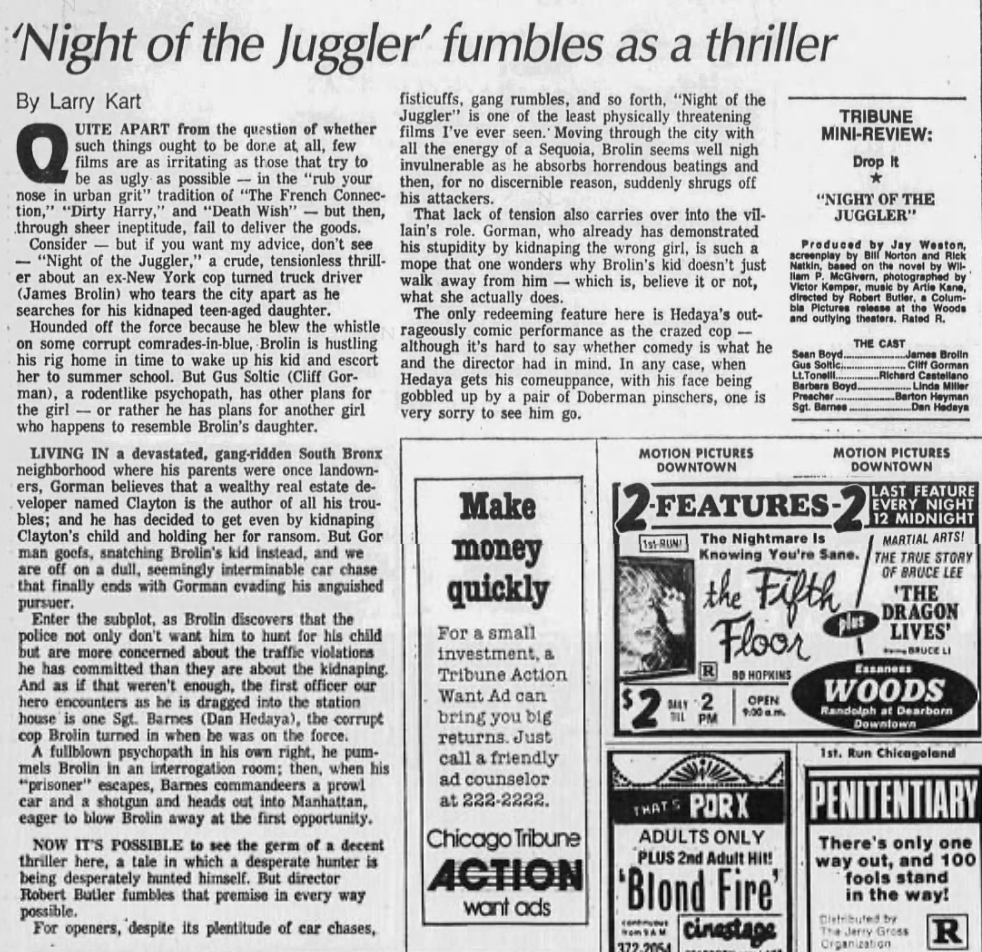
The Critics Couldn’t Agree on What Movie They Had Seen
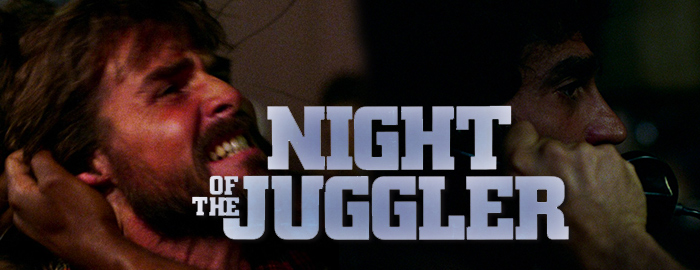
When Night of the Juggler finally reached theaters in 1980, critics seemed to be watching entirely different movies.
Some saw a fascinating, rough-edged thriller buried underneath an overstuffed screenplay.
Others saw an ugly mess.
Don Nelson of the Daily News gave the movie three stars and argued that if roughly half an hour had been removed, it might have been a first-rate cops-and-psycho drama. He singled out Gorman’s performance and the extraordinarily long chase sequence. Later commentary on the film has also highlighted Nelson’s appreciation of the unusual depth he found in Gorman’s character. (MUBI)
Janet Maslin, writing in The New York Times, found the film exhilarating at first but ultimately described it as “breathless and overplotted as a thriller can be.” She nevertheless praised Brolin’s performance and several members of the supporting cast. (Filmpedia)
That seems about right.
Night of the Juggler absolutely is overplotted.
It sometimes seems determined to cram an entire 1970s New York crime movie into every fifteen minutes.
But the criticism that the movie is ugly isn’t entirely an argument against it.
Ugly is what it is trying to be.
The city is ugly.
The violence is ugly.
The cops are sometimes ugly.
The desperation is ugly.
And the movie occasionally seems to confuse ugliness with profundity.
That’s where it gets itself into trouble.
Other critics were considerably harsher.
Robert Alan Ross of the St. Petersburg Times regarded the combination of suspense and comedy as disastrously inconsistent, arguing that the episodes barely connected and that the plot wasn’t worthy of a third-rate television cop show.
Greg Tozian of the Tampa Tribune was even more severe, criticizing what he saw as thoughtless violence, stereotypes and an overwhelmingly pessimistic view of humanity.
And Chicago Tribune critic Larry Kart essentially told readers to skip it.
The disagreement is revealing.
Because the movie really does occupy an awkward place between serious urban drama and exploitation picture.
It wants to say something about New York.
It also really, really wants to smash a car.
The Long Road to Release
The production problems were bad enough.
The release history didn’t help.
Although the film was completed in 1978, audiences didn’t see it until 1980. AFI records the Los Angeles opening on May 9, 1980, followed by the New York opening on June 6. (AFI Catalog)
And even then, the movie didn’t exactly explode onto the national consciousness.
A contemporary New York Times report later suggested that Columbia’s distribution and promotional effort was affected by the departure of Norman Levy, who had originally been involved with the project. AFI’s production notes specifically cite that reporting as part of the explanation for the delayed New York opening. (AFI Catalog)
The movie’s commercial footprint was tiny.
Modern box-office records list only about $55,000 in reported U.S. gross, although that figure should be treated cautiously given the film’s limited release history. (Rotten Tomatoes)
Whatever the precise accounting, the larger story is obvious:
Night of the Juggler never became the movie it was supposed to become.
It had the stars.
It had the city.
It had the action.
It had a recognizable distributor.
And it had a $6-million-plus production behind it.
Then it disappeared.
The VHS Years
For decades, this was where Night of the Juggler lived.
VHS.
Cable.
Occasional screenings.
Fan-to-fan recommendations.
The movie became one of those titles that people described with the words “You have to see this” while quietly knowing that actually finding a copy was going to be a problem.
That scarcity became part of its identity.
There were plenty of movies from 1980 that nobody remembered.
Night of the Juggler was different.
People remembered seeing it.
They remembered the chase.
They remembered the streets.
They remembered Cliff Gorman.
They remembered James Brolin running through New York like his life depended on it.
But for a very long time, there was no easy way for a new audience to discover what they were talking about.
And then Kino Lorber came along.
The Juggler Comes Back
In 2025, Kino Lorber released a new 4K restoration of Night of the Juggler, scanned from the original 35mm camera negative. The release included a new commentary, interviews with Brolin and Julie Carmen, and a featurette examining Sidney J. Furie’s involvement with the production. (Kino Lorber)
Suddenly, the movie could be seen properly again.
And the reaction was striking.
Filmmaker Sean Baker called himself a big fan, specifically praising the movie’s old-school New York grime. The New York Times’ Jason Bailey described it as a crackerjack thriller whose re-release offered the opportunity for it to take its place among the great Gotham movies of its era. IndieWire praised Kemper’s street photography, Brolin’s performance and the extended chase sequence. (Kino Lorber)
That’s the funny thing about movies.
Sometimes time changes the movie.
Sometimes time changes us.
A critic in 1980 might have looked at Night of the Juggler and seen a bloated, violent thriller that couldn’t decide whether it wanted to be serious or exploitative.
Watch it now and the messiness becomes part of its appeal.
Because that New York is gone.
The buildings have changed.
The streets have changed.
The 42nd Street depicted here has changed beyond recognition.
Even the way movies are made has changed.
The camera doesn’t just capture the city.
It preserves it.
A Movie That Almost Got Away
Night of the Juggler isn’t a masterpiece.
That would be pretending the movie’s problems aren’t there.
The screenplay is crowded. The tone occasionally lurches from gritty urban thriller to broad comic relief. Some of the characters are drawn with an uncomfortable reliance on stereotypes. And the movie’s relentless momentum sometimes feels like an attempt to outrun the weaknesses in its own story.
But I wouldn’t want those flaws cleaned up.
Because the movie’s rough edges are inseparable from what makes it fascinating.
This is a movie born out of chaos.
A production that began with one director and finished with another.
A leading man who broke his foot.
A lawsuit.
Dozens of wrecked cars.
Hidden cameras on the streets of New York.
An actor researching a psychopath by talking to people who actually controlled the neighborhoods where the movie was being filmed.
And then, after all that, a film that arrived in theaters quietly and disappeared almost immediately.
That’s one hell of a journey for a movie called Night of the Juggler.
The best reason to revisit it isn’t because some restoration has suddenly transformed it into a lost masterpiece.
It’s because the restoration allows us to see what was already there.
A filthy, furious, occasionally ridiculous, often thrilling snapshot of New York at the end of the 1970s.
A city on the verge of changing.
A movie caught between decades.
And a reminder that some of the most interesting movies of the 1980s aren’t the ones that conquered the box office.
They’re the ones that almost disappeared.
Night of the Juggler came dangerously close.
Fortunately, somebody finally found it again.

About the Creator
Movies of the 80s
We love the 1980s. Everything on this page is all about movies of the 1980s. Starting in 1980 and working our way the decade, we are preserving the stories and movies of the greatest decade, the 80s. https://www.youtube.com/@Moviesofthe80s
Enjoyed the story? Support the Creator.
Subscribe for free to receive all their stories in your feed.
Comments
There are no comments for this story
Be the first to respond and start the conversation.