
Movies of the 80s: 'Maria’s Lovers' (1985) — Love After the War
Andrei Konchalovsky brought a distinctly European sensibility to a battered corner of Pennsylvania in one of Cannon Films’ most fascinating dramas.

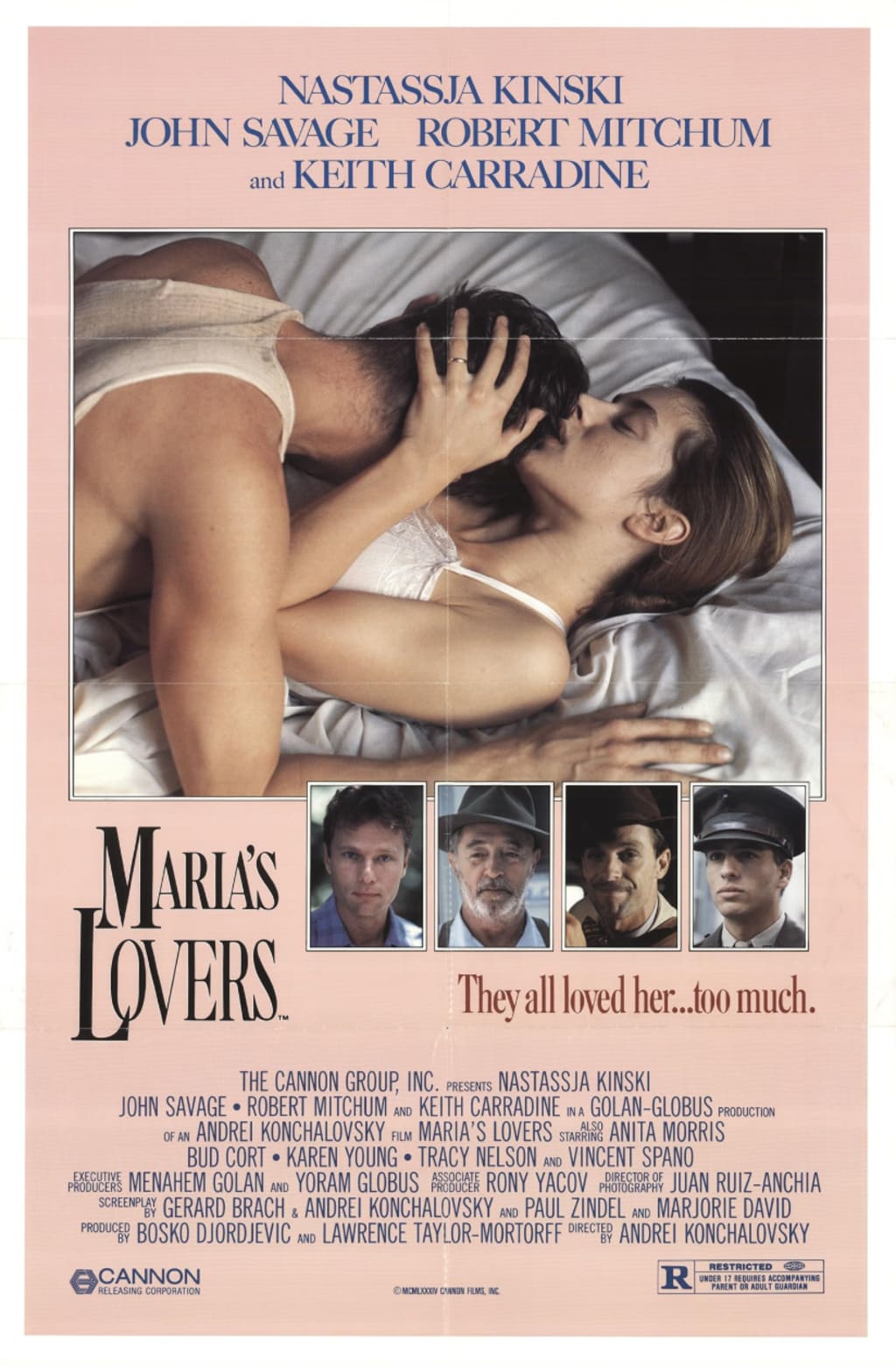
A Soviet Director Comes to America
There are some movies that feel like they were made in a completely different world than the one surrounding them.
Maria’s Lovers is one of those movies.
Released in 1984, Andrei Konchalovsky’s American directorial debut is an unusual, often haunting postwar drama about love, trauma, masculinity, and the emotional wreckage left behind when a soldier comes home from war.
It is also a fascinating piece of 1980s filmmaking because of where it came from.
Konchalovsky was a Soviet filmmaker bringing a distinctly European sensibility to an American story. His movie was produced by Cannon Films, a company better known for action movies, exploitation pictures, and eventually some of the most gloriously excessive productions of the decade.
And yet here was Cannon making something remarkably different.
Something quiet.
Something melancholy.
Something deeply uncomfortable.
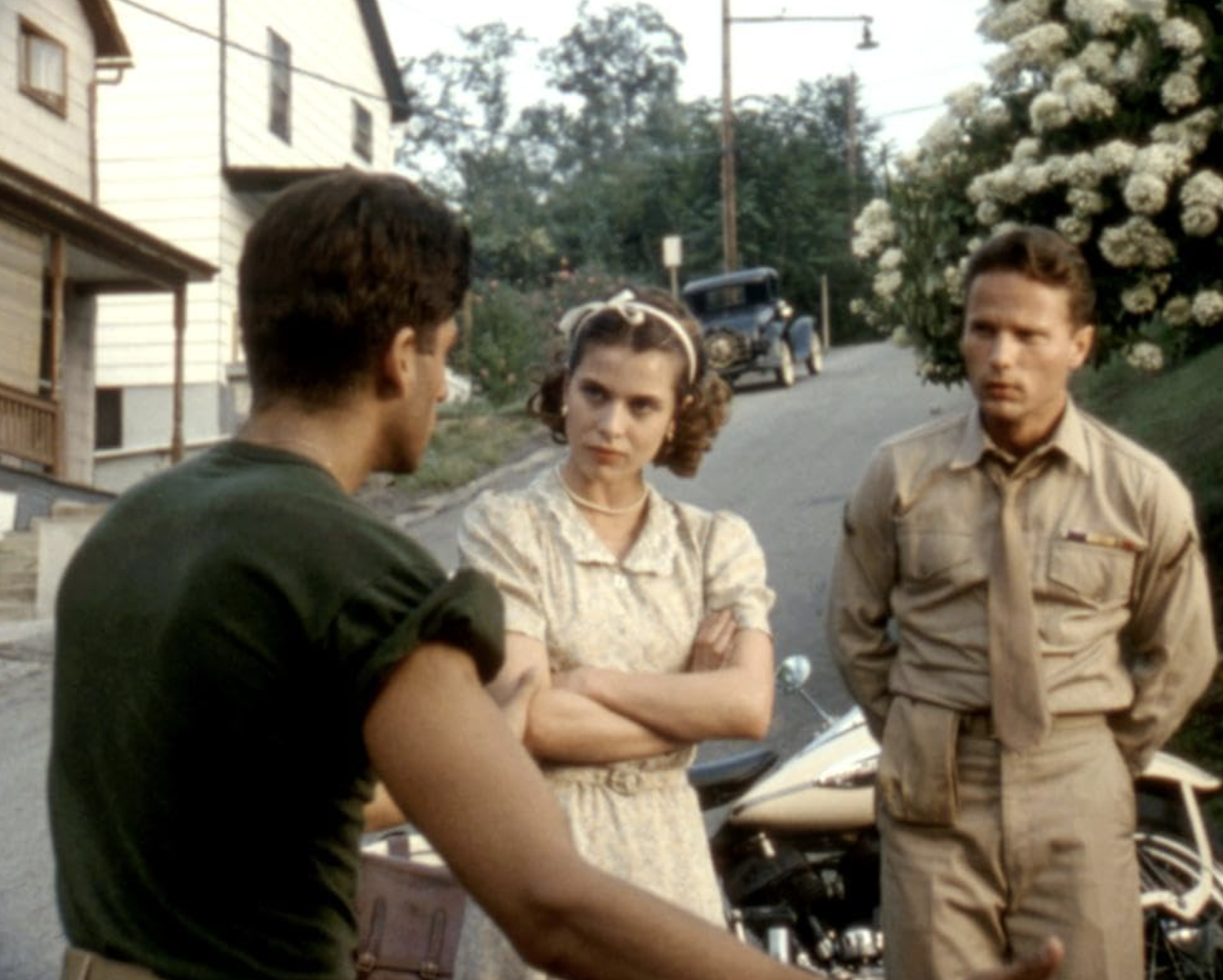
Set in a small Pennsylvania mining town populated by Yugoslav immigrants, Maria’s Lovers stars John Savage as Ivan Bibic, a World War II veteran who returns home after years of imprisonment and finds himself unable to reconnect with the woman he loves.
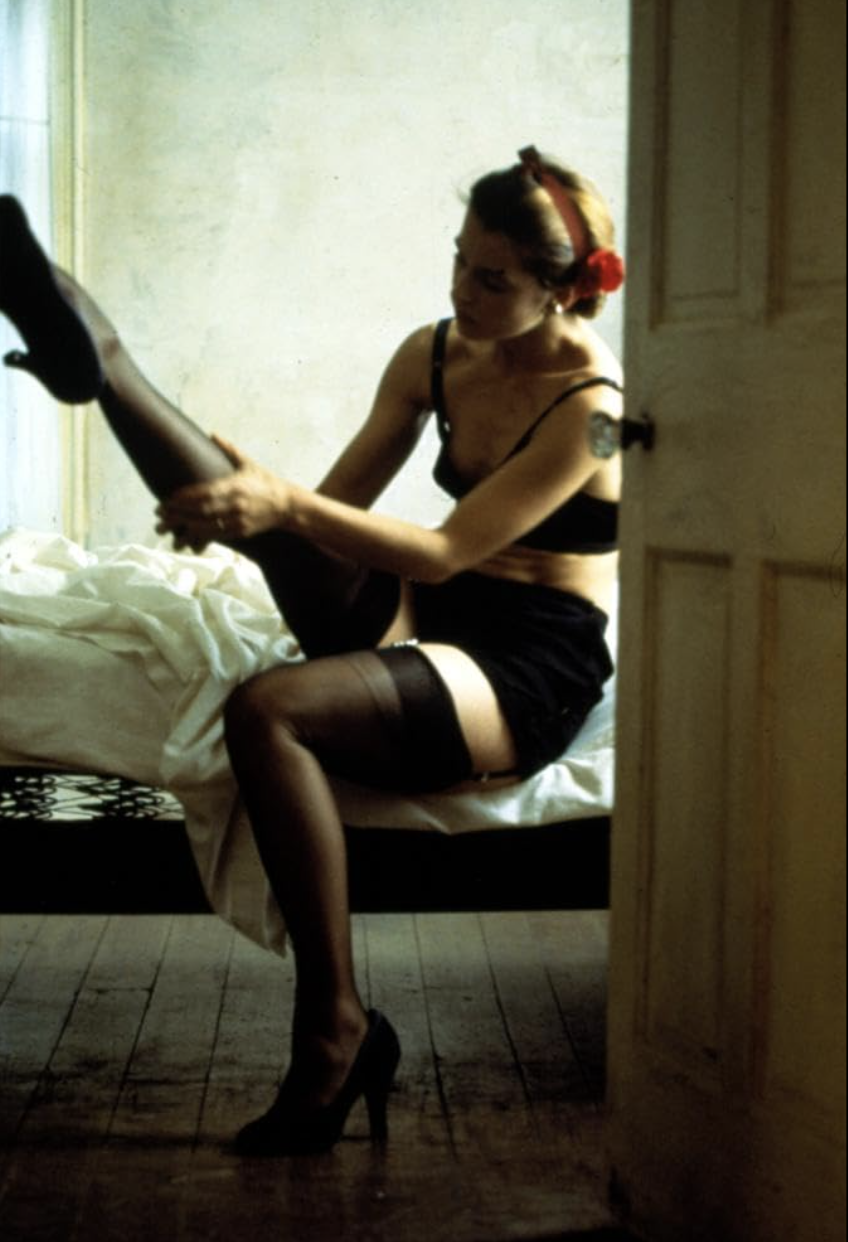
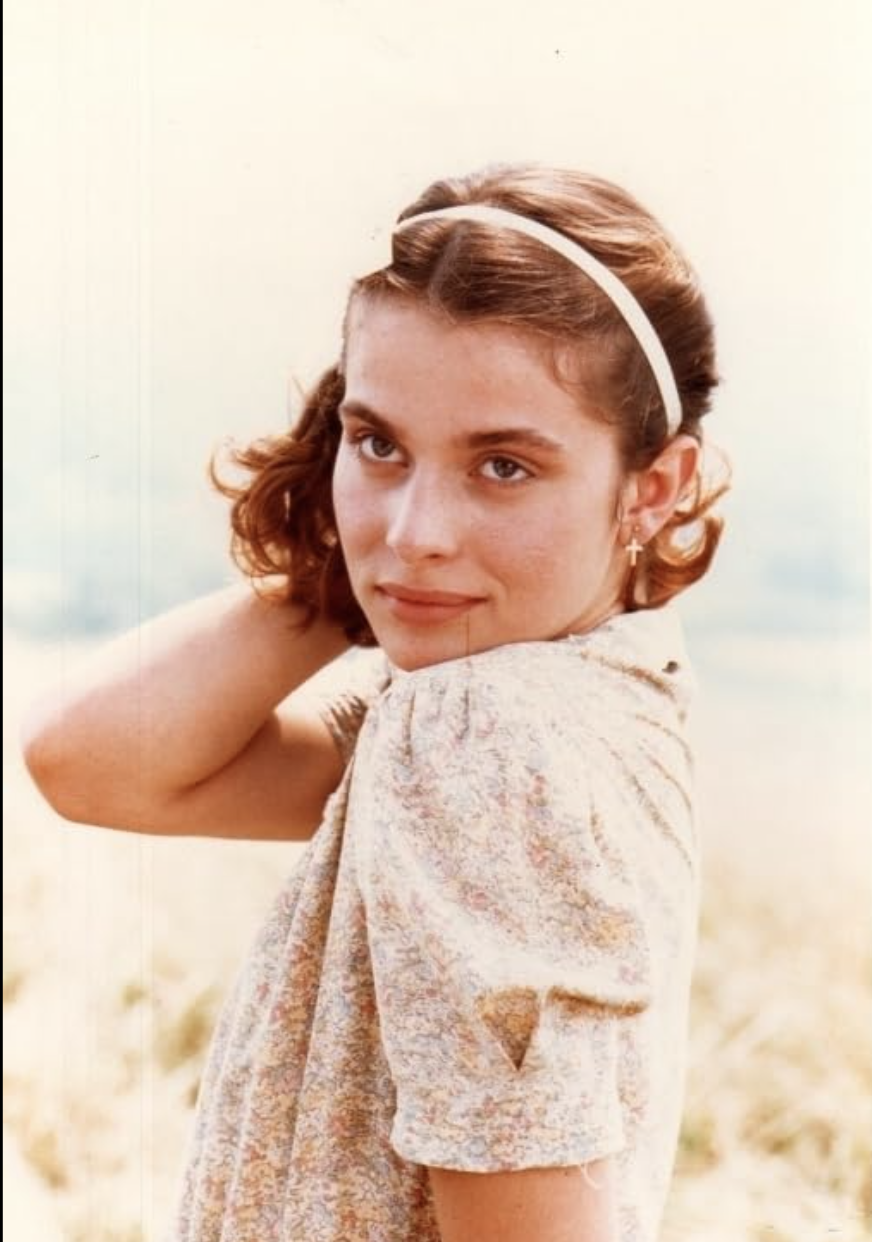
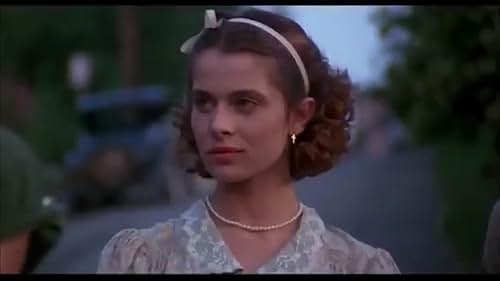
That woman is Maria, played by Nastassja Kinski.
And their problem isn’t that they don’t love each other.
It is that Ivan has returned from the war a fundamentally different man.
The Story Behind the Story
The roots of Maria’s Lovers go back decades before the movie reached American theaters.
Konchalovsky had long wanted to adapt Andrei Platonov’s 1936 novella The River Potudan, a story dealing with a soldier struggling with impotence and his inability to resume a normal life after war.
The director had been interested in bringing the story to the screen since the 1960s.
Eventually, the project found its way to Cannon Films and producers Menahem Golan and Yoram Globus.
The story of how that happened sounds almost too perfect for Cannon.
According to the oft-repeated account, Golan encountered Konchalovsky dining with Nastassja Kinski and became interested in the possibility of putting the actress at the center of the project.
There was just one problem.
A story rooted in the Russian Civil War wasn’t exactly the easiest sell for an international audience.
So the filmmakers transformed it.
The Russian setting became Pennsylvania. The Russian characters became members of a Yugoslav immigrant community. The Russian Civil War became World War II.
The story changed countries, cultures and decades.
But its central wound remained.
A man comes home from war and discovers that surviving isn’t necessarily the same thing as living.
Pennsylvania Becomes a Character
Filming took place in and around Pittsburgh and Brownsville, Pennsylvania, locations that gave the movie exactly the kind of worn-down industrial atmosphere it needed.
There is very little glamour in Maria’s Lovers.
The movie lives among mining towns, modest homes, working-class families and people trying to rebuild lives that history has already damaged.
That setting gives the film an almost tangible weight.
The cinematography by Juan Ruiz Anchía emphasizes the period atmosphere without turning Pennsylvania into some polished Hollywood recreation of the past. The world feels lived-in. Cold. Occasionally beautiful, but never romanticized.
The production reportedly cost only around $2.8 million, making the movie another example of how much could be accomplished with relatively little money when the filmmakers had a strong visual idea.
The film also incorporates footage from John Huston’s 1946 documentary Let There Be Light, a film dealing with soldiers suffering from psychological trauma after World War II.
That choice is important.
Ivan’s wounds aren’t simply physical.
The war followed him home.
A Different Kind of Cannon Movie
The cast is one of the movie’s biggest attractions.
John Savage gives Ivan a performance that is deliberately uncomfortable. He isn’t the triumphant war hero returning home to reclaim his life. He is damaged, confused and increasingly desperate to prove that he is still capable of being the man he once was.
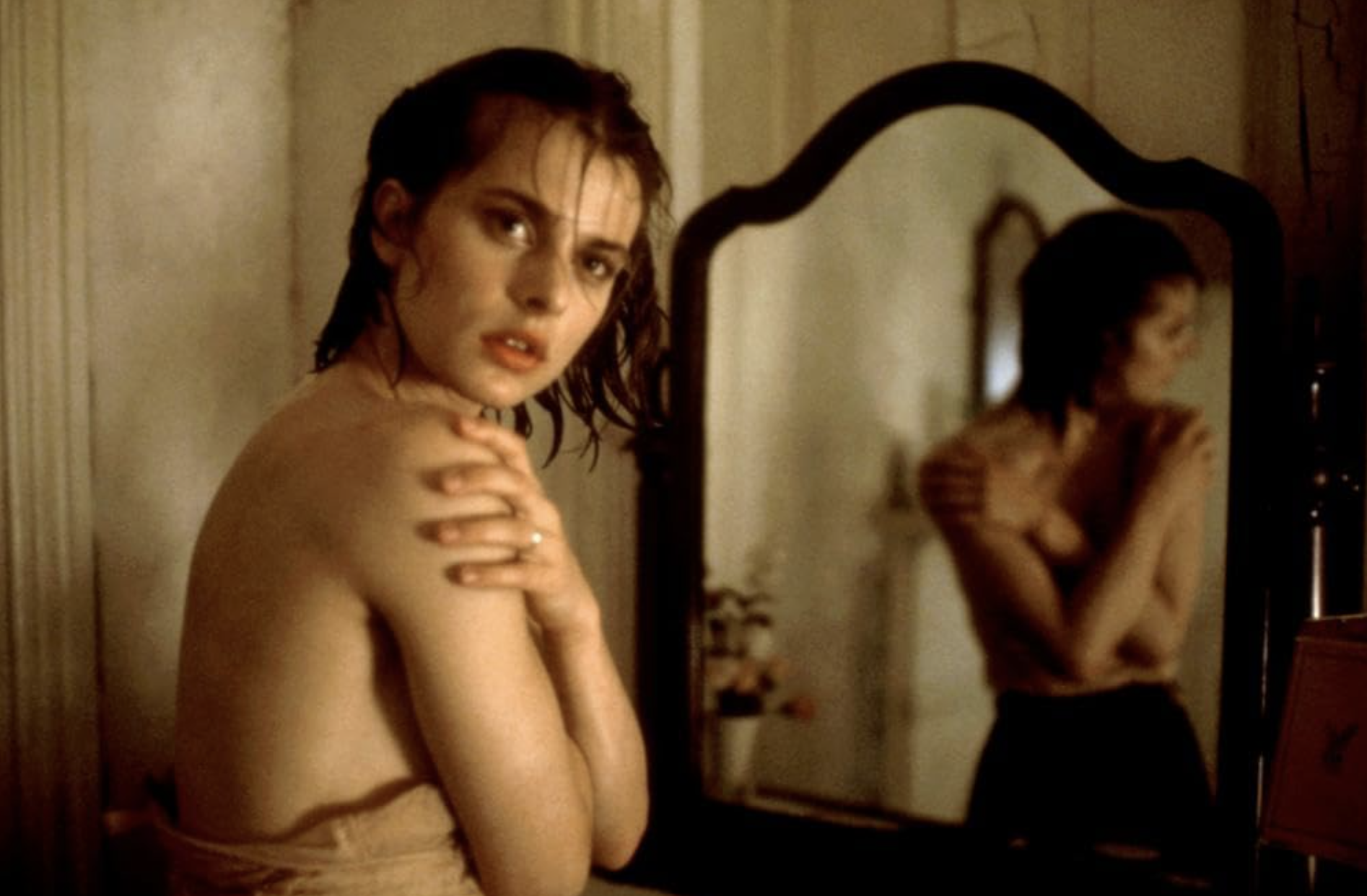
Kinski, meanwhile, brings Maria an almost dreamlike quality.
She is beautiful, but the movie isn’t particularly interested in making her simply an object of desire. Maria becomes the person caught between Ivan’s damaged idea of love and the reality of what their relationship has become.
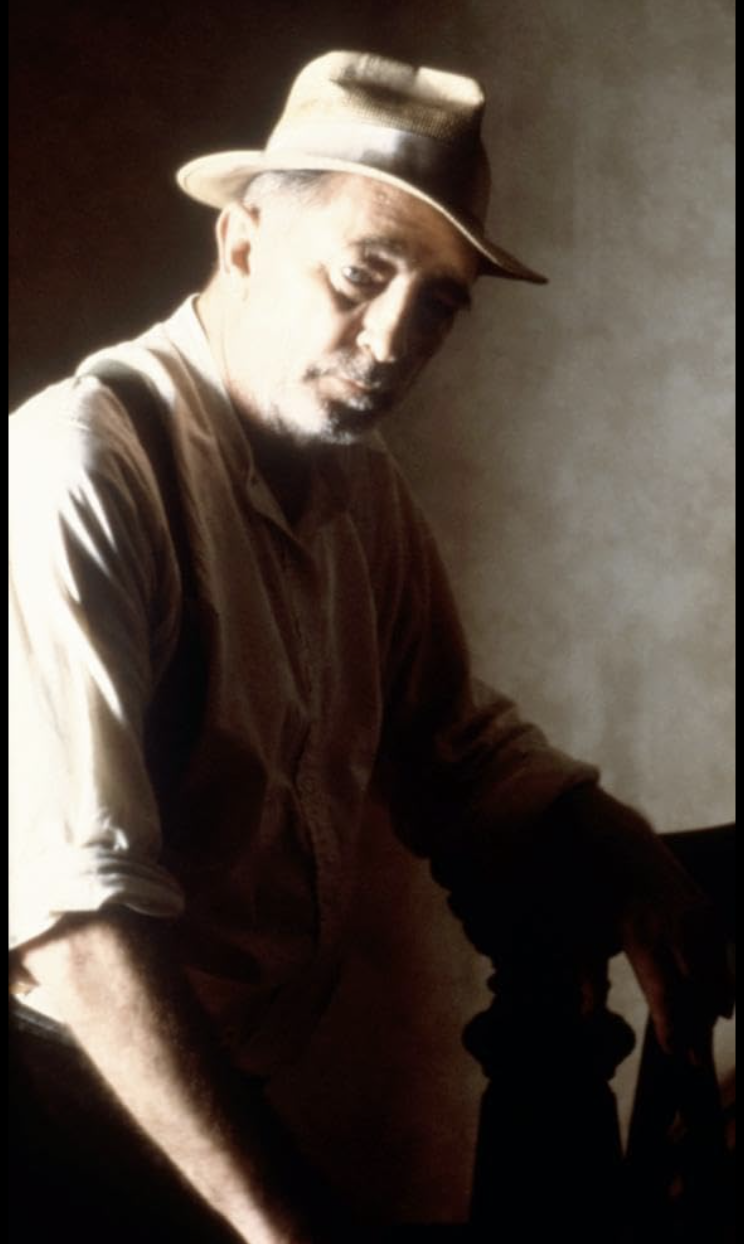
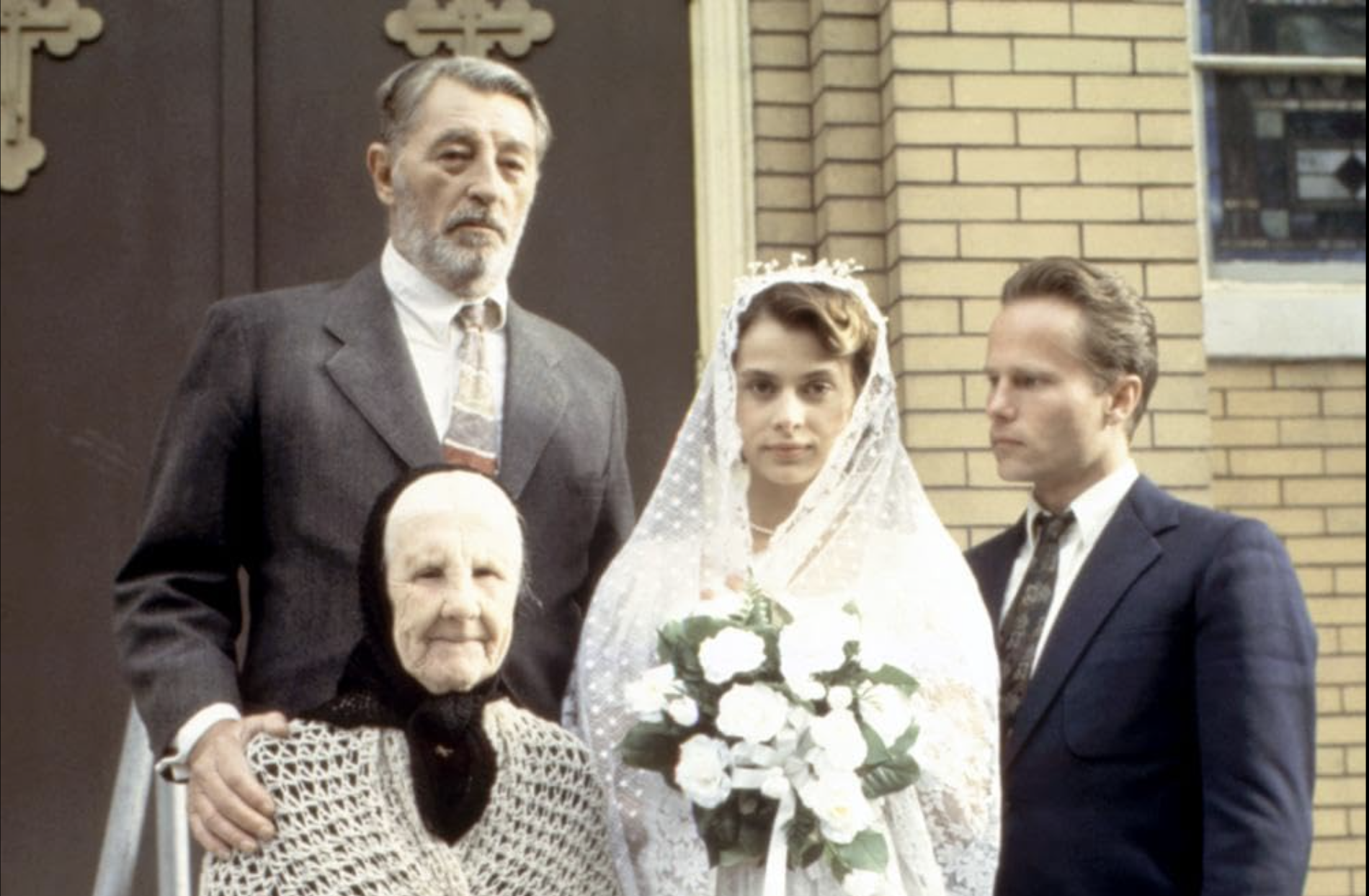
Robert Mitchum provides the kind of veteran screen presence that could make even a quiet scene feel enormous.
Keith Carradine is also part of the ensemble, while a young John Goodman appears before he became one of the most recognizable faces in American television and film.
For Cannon Films, this was a very different kind of movie.
The company was beginning to demonstrate that it wanted to be taken seriously beyond the exploitation marketplace. Maria’s Lovers was part of that ambition, alongside projects associated with filmmakers such as John Cassavetes and Robert Altman.
It wasn’t simply Cannon trying to make another movie.
It was Cannon trying to make an important movie.
Love Doesn’t Always Survive the War
What makes Maria’s Lovers interesting is that the movie isn’t really a traditional romance.
It’s a movie about the idea of romance.
Ivan has built Maria into something almost mythical during his years away. She represents the life he believes he was supposed to have. Coming home means discovering that the real Maria is a person rather than the perfect image he created in his head.
And that creates a devastating disconnect.
Ivan wants to return to the past.
Maria has been living in the present.
The movie understands something that a lot of Hollywood romances don’t: sometimes love isn’t enough.
Sometimes the people who love each other are simply incapable of giving each other what they need.
That makes Maria’s Lovers considerably darker than its title might suggest.
Venice, France and America
Konchalovsky’s film received a much warmer reception in Europe than it did in the United States.
It premiered at the Venice International Film Festival in August 1984, giving the movie an important international platform.
In America, Cannon gave it a much more limited release.
But France embraced it.
The film reportedly attracted nearly a million admissions there, helped considerably by Kinski’s popularity and strong word-of-mouth. It even received a César nomination for Best Foreign Film.
That European response makes sense.
Maria’s Lovers feels like an American movie viewed through the eyes of someone who wasn’t entirely American.
There is something slightly foreign about the way it looks at American life.
The Pennsylvania landscape is familiar, but the emotional rhythms are different.
The characters don’t behave like conventional Hollywood characters.
And the movie isn’t particularly interested in giving the audience easy answers.
A Ragged, Fascinating Film
The critical response in America was mixed.
Some critics admired the movie’s visual beauty and Konchalovsky’s ability to combine European seriousness with the details of postwar American life.
Others found the pacing uneven and the screenplay overloaded with supporting characters and symbolism.
Both reactions make sense.
Maria’s Lovers isn’t a perfectly constructed movie.
It can be heavy-handed.
It can be slow.
At times, its symbolism practically announces itself.
But there is something compelling about a movie that is willing to take those chances.
It feels like a filmmaker reaching for something bigger than the machinery around him.
And perhaps that’s why the movie has endured.
The Forgotten Cannon Film
Andrei Konchalovsky would eventually become much better known to American audiences.
He followed Maria’s Lovers with Runaway Train, the 1985 action thriller that earned widespread critical acclaim and Academy Award nominations.
But his American debut remains a fascinating piece of his career.
It is also a fascinating piece of Cannon Films history.
For all the company’s reputation for testosterone-fueled action movies and low-budget exploitation, Maria’s Lovers demonstrates that there was another side to Cannon during the 1980s.
A side that wanted to make serious movies.
A side that wanted auteurs.
A side that wanted prestige.
Maria’s Lovers may not be a flawless film, but it is difficult to dismiss.
It is atmospheric, strange, beautiful and occasionally brutal. It is a movie about people trying to reconnect with a world that no longer exists, and about the painful realization that surviving something doesn’t mean you get to go back to who you were before it happened.
That makes Maria’s Lovers more than just another forgotten 1980s drama.
It is a movie about the scars people carry home.
And sometimes, those scars are the things that keep us from finding our way back to the people we love.

About the Creator
Movies of the 80s
We love the 1980s. Everything on this page is all about movies of the 1980s. Starting in 1980 and working our way the decade, we are preserving the stories and movies of the greatest decade, the 80s. https://www.youtube.com/@Moviesofthe80s
Enjoyed the story? Support the Creator.
Subscribe for free to receive all their stories in your feed.
Comments
There are no comments for this story
Be the first to respond and start the conversation.