
Mortal Kombat (1995): Impact of a Legend
A tribute and analysis of the first live action Mortal Kombat film
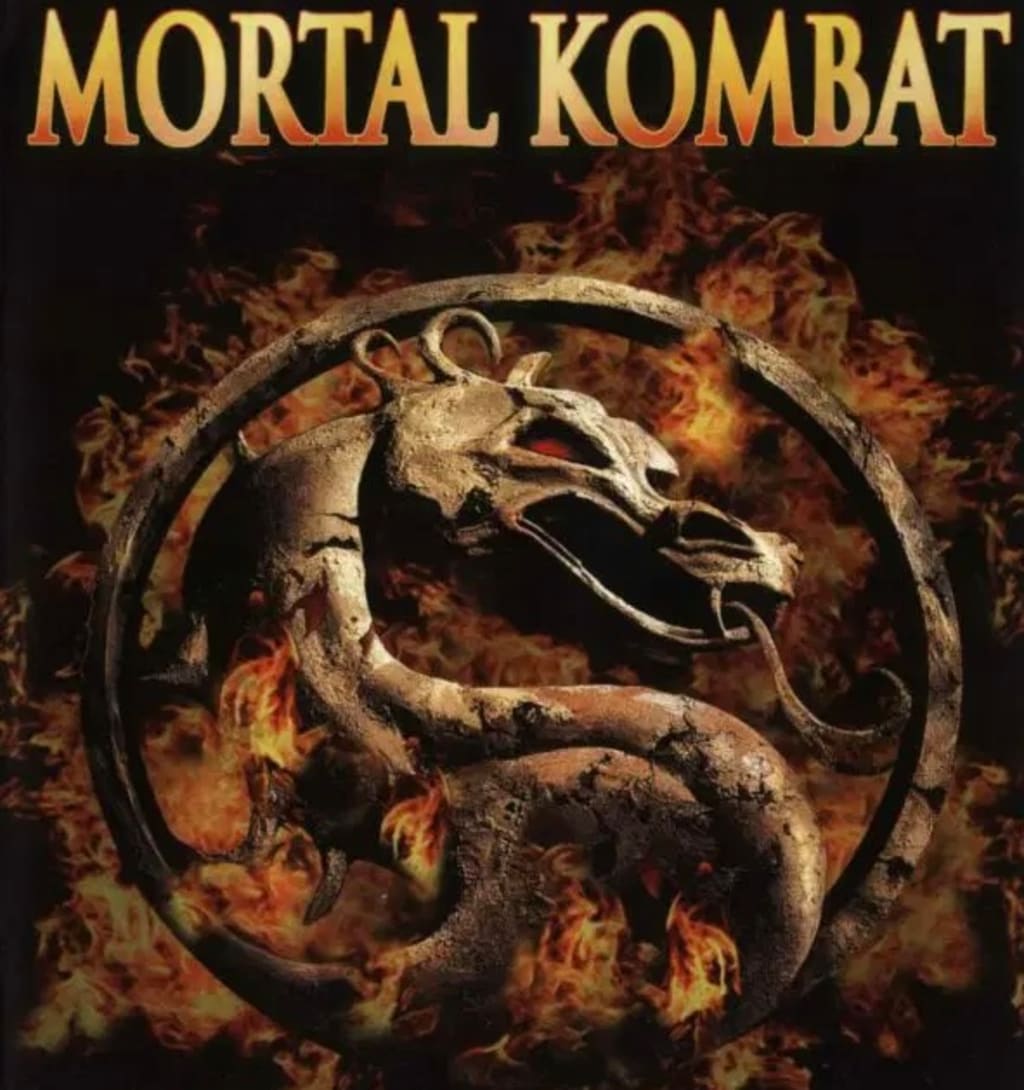
What happens when you decide to take a 1992 hit video game that is soon to be a gaming franchise hit and turn it into a live action film? You get Mortal Kombat (1995).
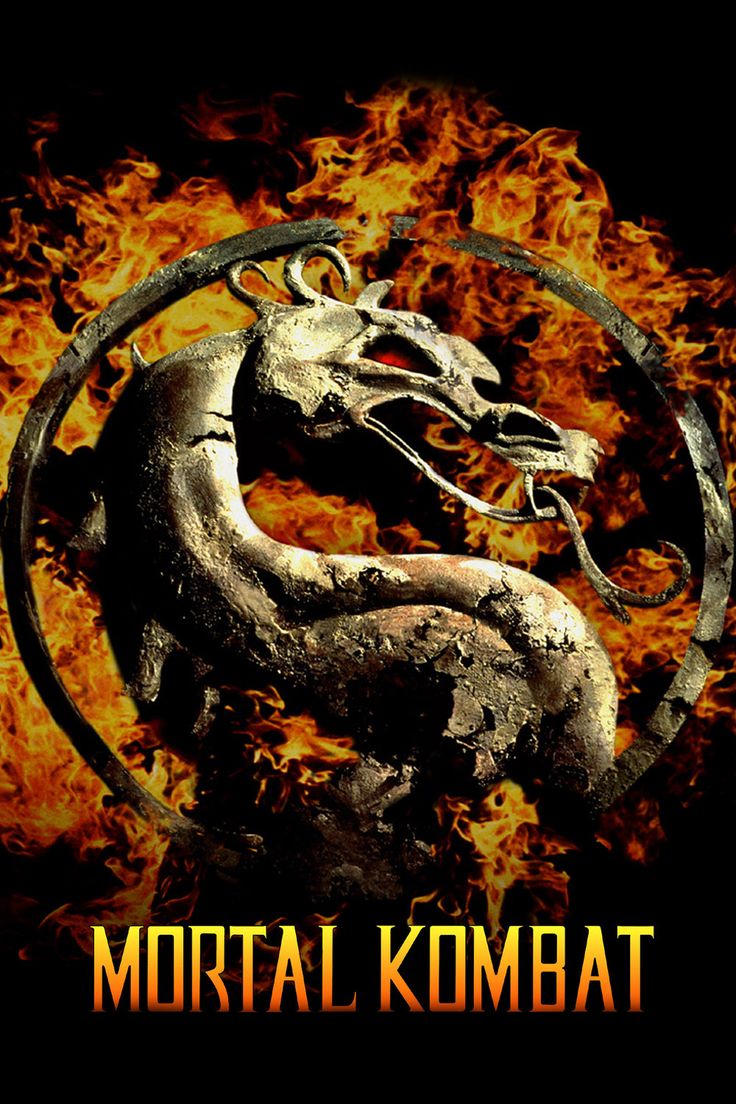
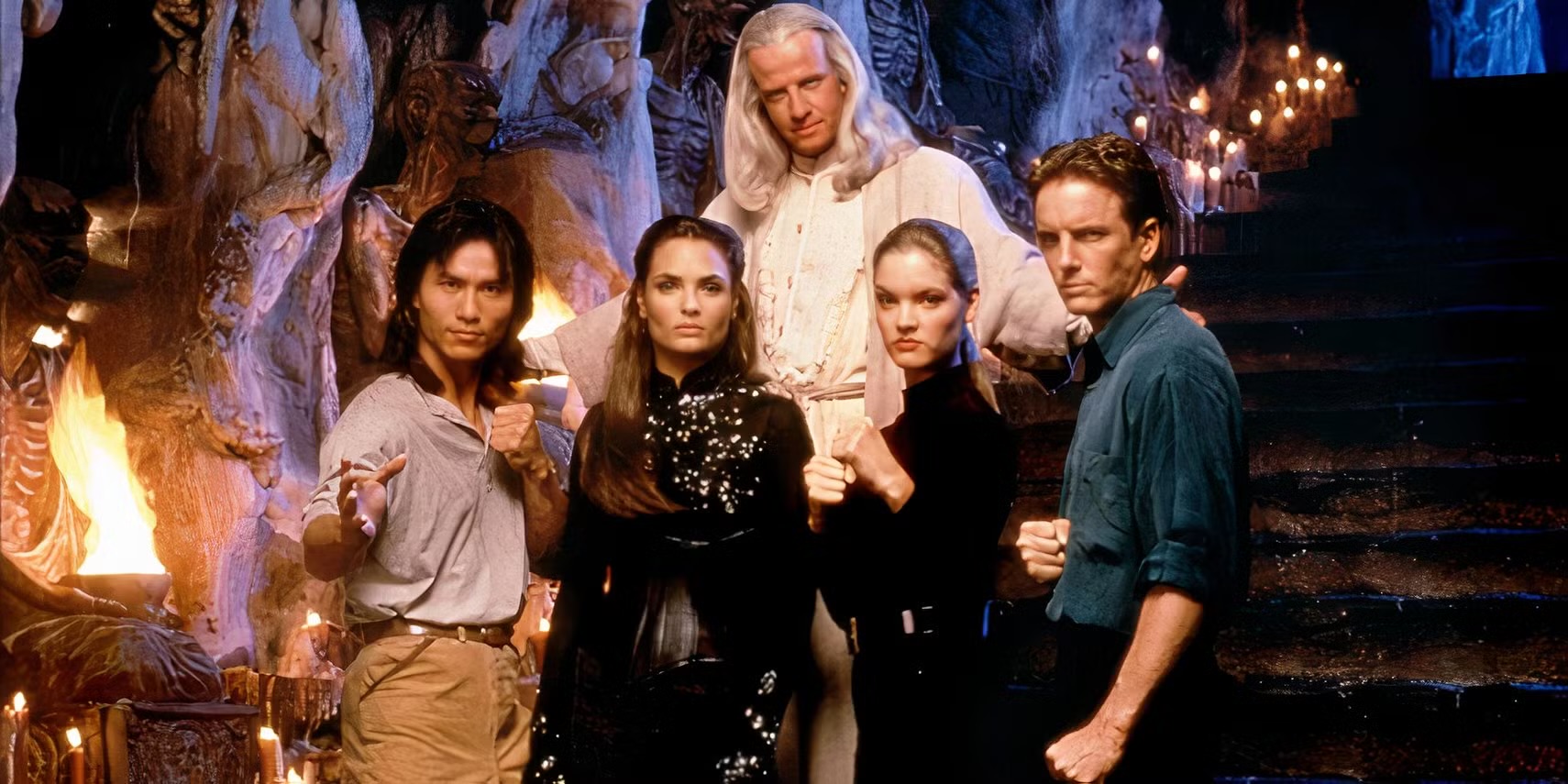
Directed by Paul W.S. Anderson and based on the video game franchise of the same name, Mortal Kombat follows the story of three humans from the realm of earth who have been chosen to fight in a tournament known as Mortal Kombat to defend earth from malevolent forces who seek to take earth for their own and rule it with their evil power.
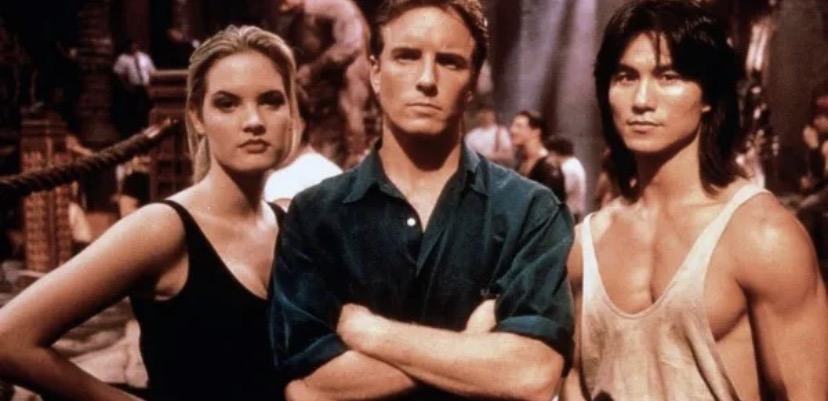
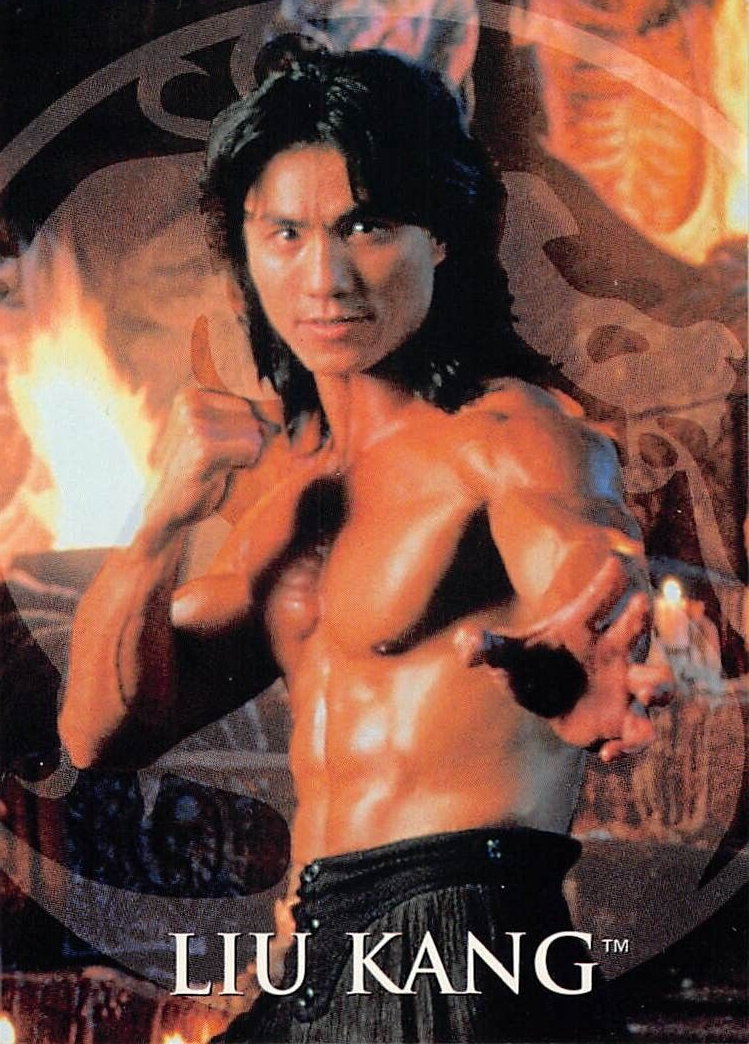
The three humans from fighters in question are Johnny Cage (portrayed by Linden Ashby), a martial arts trained movie star, Sonja Blade (portrayed by Bridgette Wilson), an officer trained in special forces who is seeking out a criminal named Kano who murdered her partner, and most notable of the trio is Liu Kang, a would be Shaolin monk who is seeking the primary villain of the story, sorcerer Shang Tsung (portrayed by Cary-Hiroyuki Tagawa), for killing his brother Chan and taking his soul in an earlier phase of the Mortal Kombat tournament.
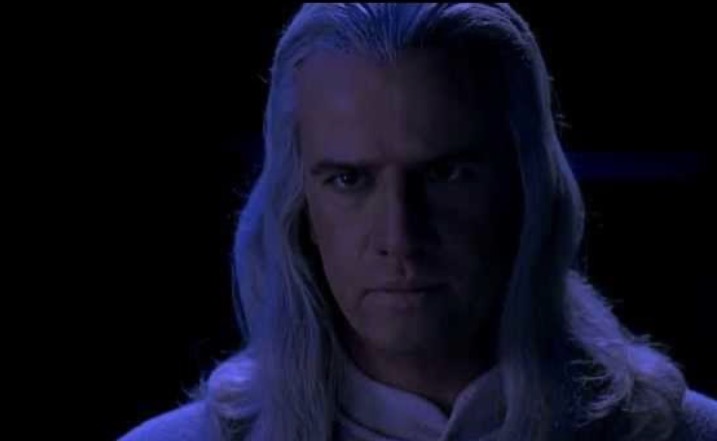
Having been chosen under the guidance of the divine protector of earth, Lord Rayden (portrayed by Christopher Lambert). Our earthly heroes only stand a chance at winning the tournament of Mortal Kombat by putting setting aside their personal vendettas of vanity, insecurity and lusts for vengeance if the realm of earth is to be saved.
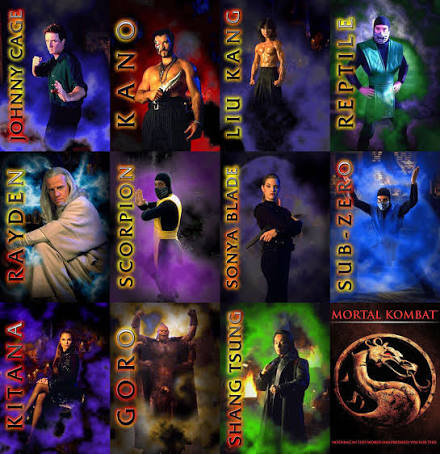
Though the film story is solid enough, it’s the character arcs that really bring the film home. Robin Shou does a great job in his portrayal of Liu Kang, who is at war with himself as he struggles to get his heart in the right place and let go of his blood vendetta against Shang Tsung to avenge his brother’s death at Tsing’s hands. Christopher Lambert captivates as the wise leader guiding our heroes with wisdom on their journey. Last but definitely not least, Cary-Hiroyuki Tagawa is one of the most charismatic villains you’ll ever watch in his portrayal of Shang Tsung. He is evil and magnetic at the same time keeping you locked in to his sorcery.
Released on August 18th, 1995, Mortal Kombat was a smash hit grossing 122 million dollars worldwide wide on a 20 million dollar budget. The film managed to pull of the impossible by taking gratuitously violent M-rated video game and giving meat to its story and characters beyond just the brutal and enjoyable action that the video game series is known for.
Even as a baby at the time I’ve loved this movie since it first came out. Like every other gamer, Mortal Kombat is of course one of my favorite video games, so I love how much this movie plays on fan service with its characters and tactics. I loved seeing my favorite characters from the video game like Scorpion and Subzero and I loved hearing all the notorious quotes from the game like Scorpion and”GET OVER HERE”, “FATALITY” and “FLAWLESS VICTORY”. The movie even made me a fan of the song “Halcyon On and On by Orbital” which plays at the end of the film. The success of the movie also created a trend where many filmmakers would seek to make more movies based on video games like Mortal Kombat. The most notably successful filmmaker to repeat this success is the film’s director Paul W.S. Anderson, who would later make a successful decade plus spanning franchise out of the Resident Evil game series.
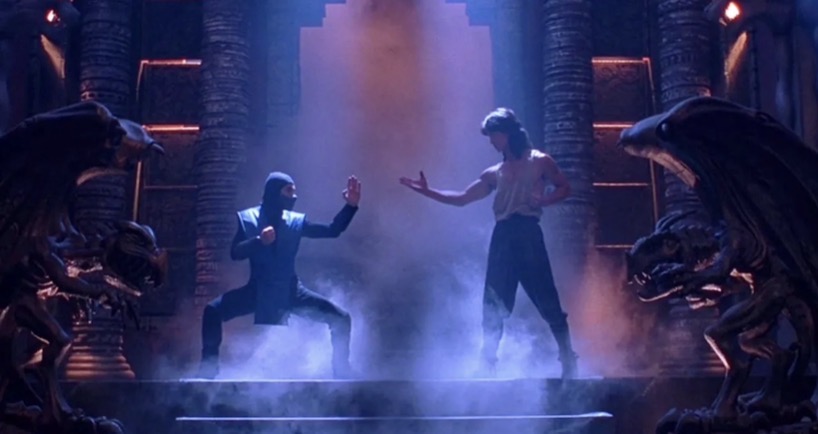
31 years after the film’s release Mortal Kombat is till both a thriving gaming and movie series and this first film adaptation from 1995 deserves its credit for contributing to that legacy.
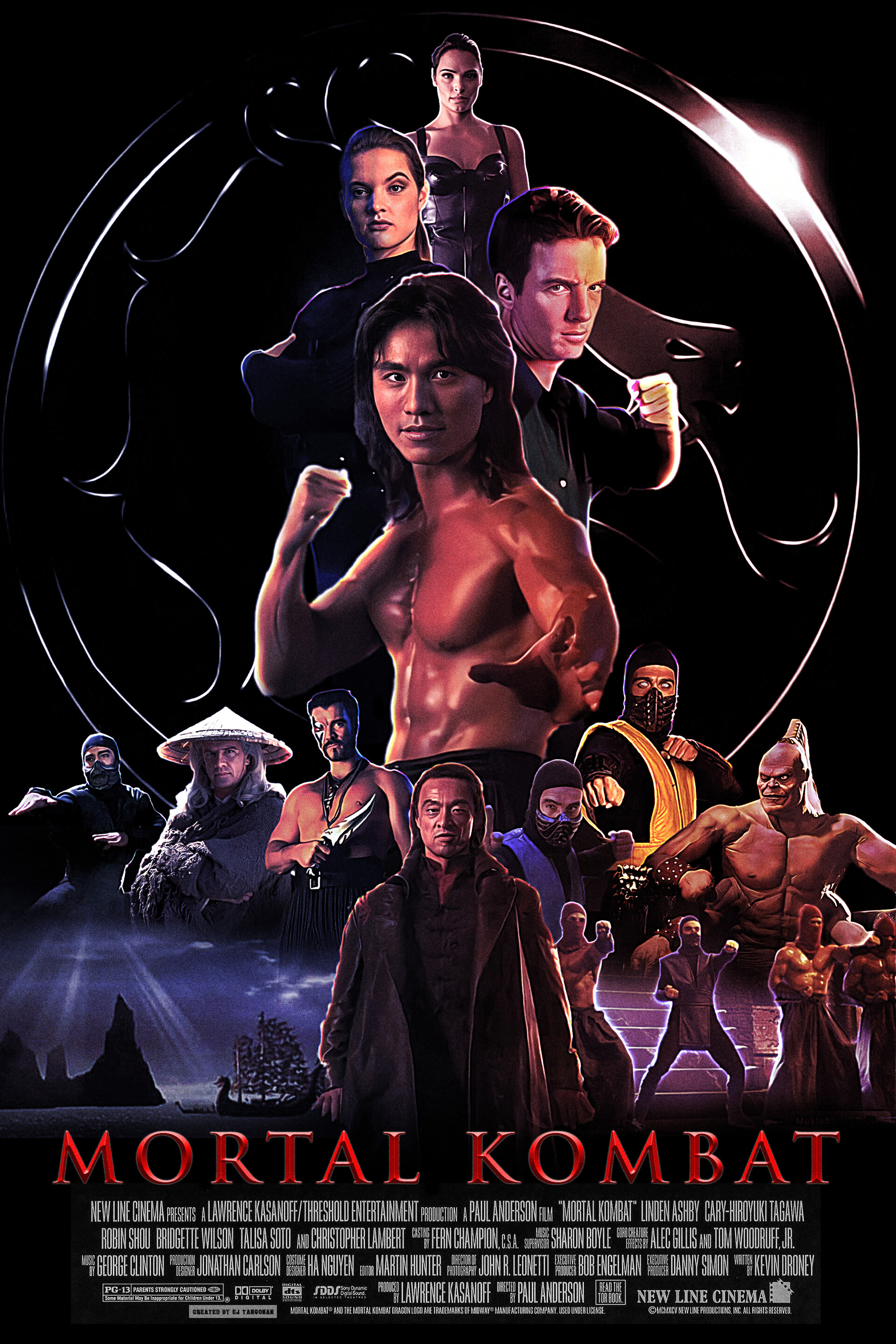
~Dedicated to the memory of Cary-Hiroyuki Tagawa.
About the Creator
Joe Patterson
Hi I'm Joe Patterson. I am a writer at heart who is a big geek for film, music, and literature, which have all inspired me to be a writer. I rap, write stories both short and long, and I'm also aspiring to be an author and a filmmaker.
Enjoyed the story? Support the Creator.
Subscribe for free to receive all their stories in your feed.
Comments
There are no comments for this story
Be the first to respond and start the conversation.