
Micki & Maude: The Art of Keeping Two Wives Happy
Blake Edwards turned bigamy into a high-wire act of romantic farce—and gave Dudley Moore one of his most wonderfully frantic performances.

One Man, Two Wives, and Absolutely No Good Options
There are some movie premises that require a certain amount of suspension of disbelief. Then there are premises that practically demand you throw disbelief out the window and hope it doesn’t land on somebody.
Micki & Maude is one of those movies.
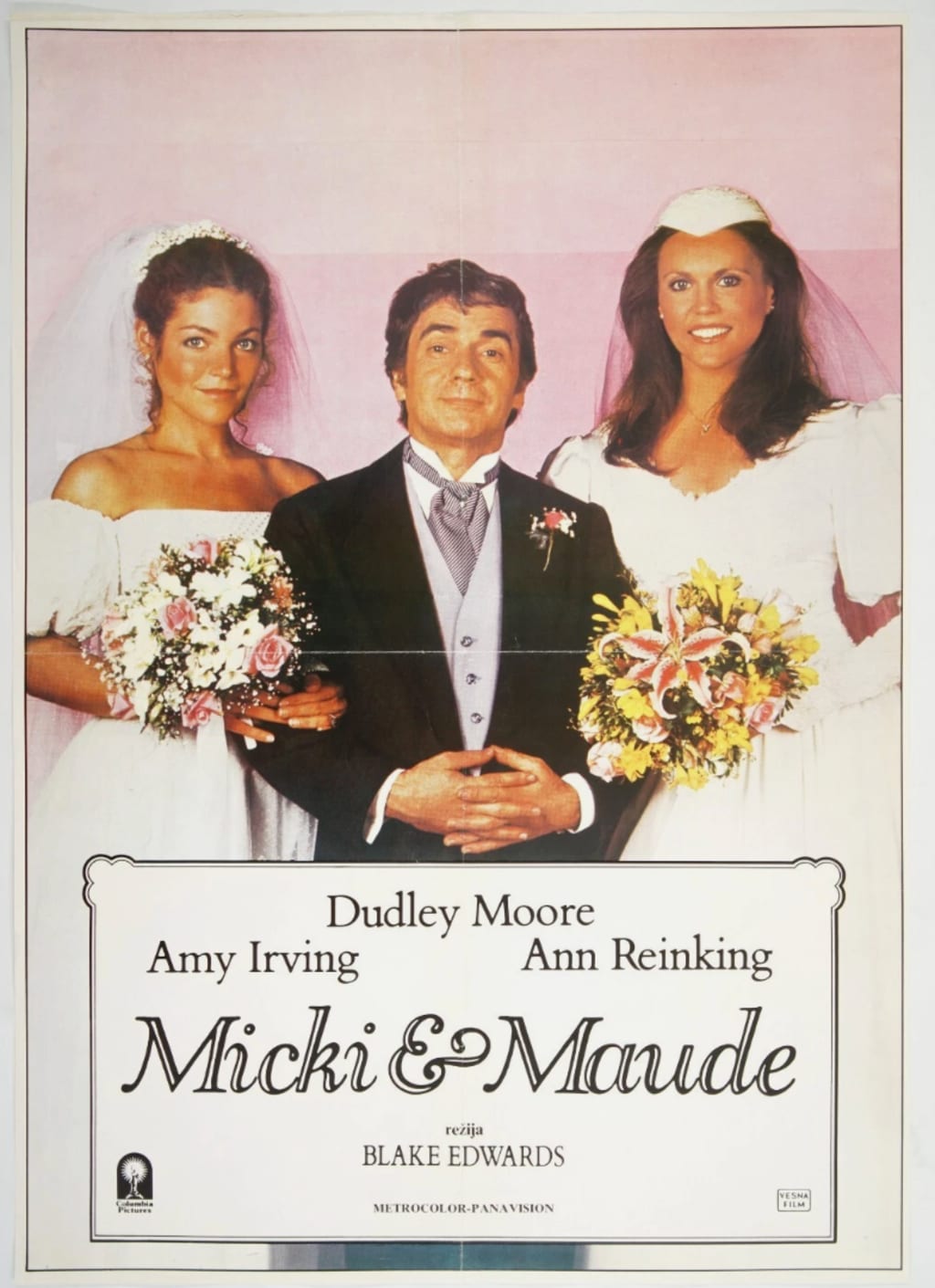
In 1984, Blake Edwards returned to the world of high-concept comedy with a story about a man who somehow manages to become married to two women at the same time. Not metaphorically. Not emotionally. Legally. And, because this is a comedy, both women are pregnant.
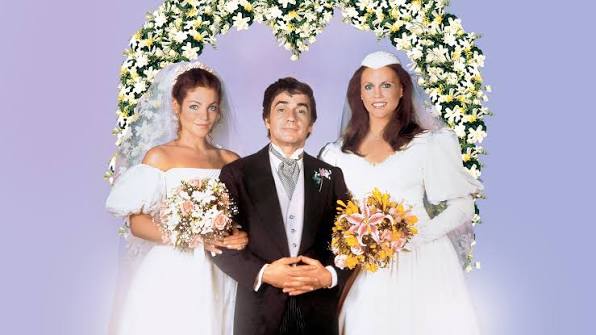
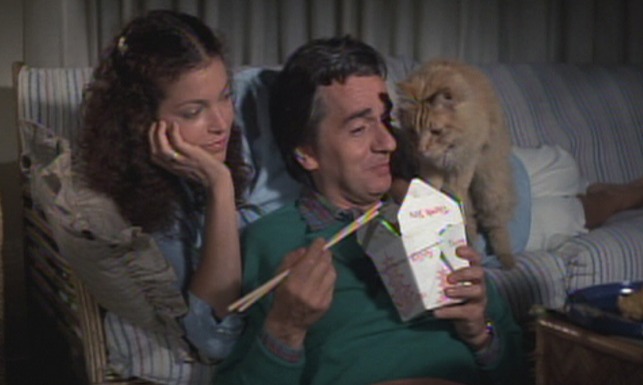
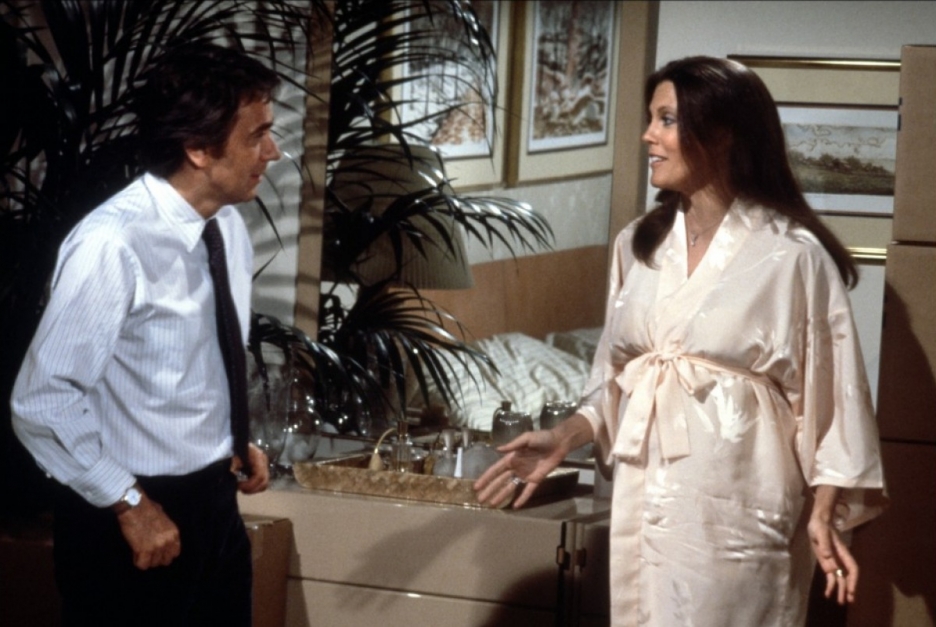
Dudley Moore plays Rob Salinger, a television reporter whose life is already complicated enough before he decides that having two wives is somehow preferable to choosing between them. Ann Reinking plays Micki, his driven, career-minded attorney wife, while Amy Irving is Maude, a gentle and graceful cellist who becomes Rob’s second wife.
What follows is exactly what you’d expect from Blake Edwards: misunderstandings piled on top of misunderstandings, frantic entrances and exits, increasingly elaborate lies, and a protagonist whose carefully constructed life is perpetually one wrong turn away from collapsing.
It is essentially Arthur with a much more complicated family tree.
And somehow, Edwards makes it work.
From Apocalypse Now to Domestic Chaos
The film began with playwright Jonathan Reynolds, whose earlier work had been shaped by considerably darker material, including Apocalypse Now. The bigamy premise was potentially difficult territory for a mainstream romantic comedy, but Reynolds found his way into the story by making Rob less of a cynical philanderer and more of a genuinely decent man who makes one spectacularly bad decision after another.
That distinction matters.
Rob isn’t particularly interested in cheating for the sake of cheating. He loves both women. His problem is that he can’t bring himself to hurt either of them, which ultimately leads him to create a situation in which he is capable of hurting everyone.
Edwards, who normally wrote his own material, took the unusual step of adapting someone else’s screenplay. He also shifted the story to Los Angeles, giving the film the polished, sun-drenched environment that became such a natural setting for his comedies.
Most importantly, the movie reunited Edwards with Moore, five years after the enormous success of 10.
That was a pretty good reason for Columbia Pictures to believe lightning might strike twice.
Dudley Moore’s Panic Machine
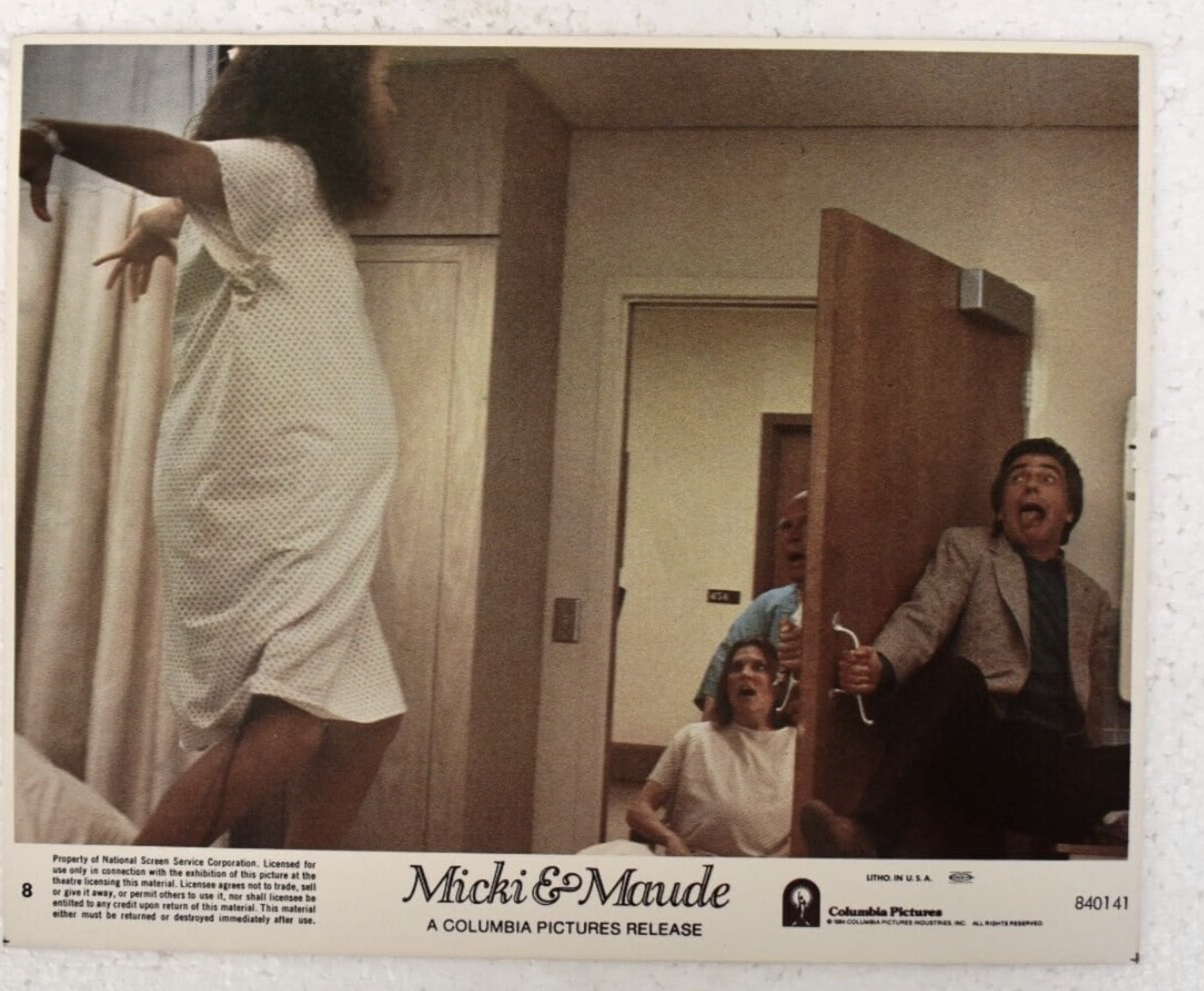
The great pleasure of Micki & Maude is watching Dudley Moore try to keep all of these plates spinning.
Moore had a unique comedic gift. He could play sophistication, charm and complete panic almost simultaneously. When everything was going well, Rob Salinger was a confident and reasonably successful man. The instant something went wrong, however, that confidence evaporated.
And things go wrong constantly.
Moore spends much of the film moving between two households, two wives, two pregnancies and two completely different versions of his life. Every lie creates another lie. Every solution creates another problem. Every attempt to fix the situation only makes the eventual explosion more inevitable.
It is physical comedy, but Edwards understands that the physicality works because we can see the desperation underneath it.
Moore isn’t merely running around.
He’s running out of options.
The Women at the Center
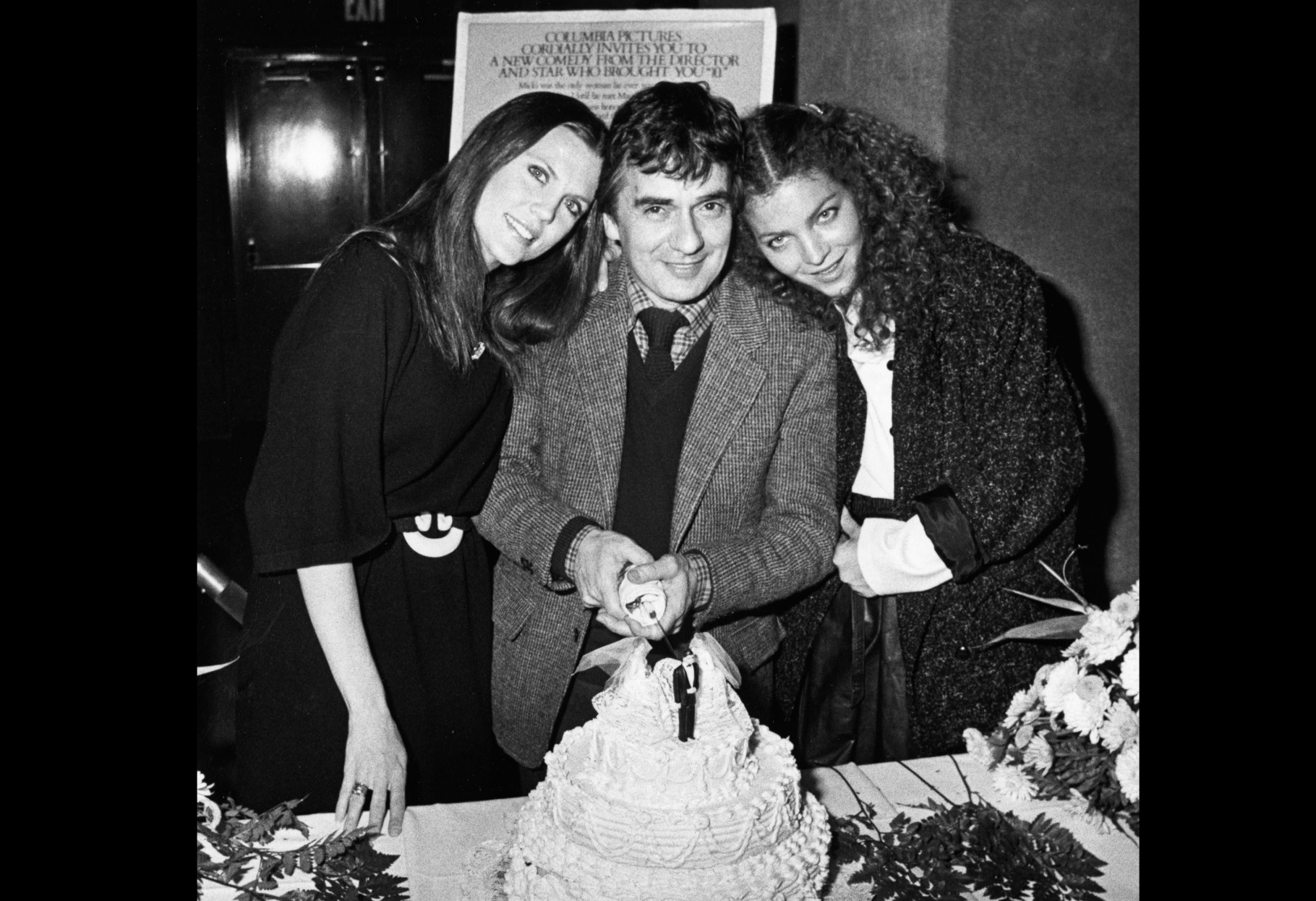
Ann Reinking and Amy Irving provide the film with an important balance.
Reinking’s Micki is ambitious, intelligent and completely capable of holding her own in a man’s world. Irving’s Maude is softer and more introspective, but she’s hardly a pushover. The two women represent very different sides of the life Rob wants, which is precisely why his predicament becomes so ridiculous.
The film’s greatest trick is that neither woman is presented as a disposable obstacle standing between Rob and his happy ending. They are people with their own lives and personalities.
That makes Rob’s situation funnier—and considerably more uncomfortable.
The supporting cast is packed with familiar faces, including Richard Mulligan and Wallace Shawn, while one of the movie’s more unexpected appearances comes from André the Giant.
Because apparently even bigamy needs a giant.
A Very 1980s Comedy
Principal photography began in April 1984, with the production working around Malibu, Holmby Hills and Culver City. The movie reportedly carried a budget of roughly $15 million, but Edwards’ production was efficient enough to finish more than a million dollars under budget.
There was, however, a significant problem late in the shoot.
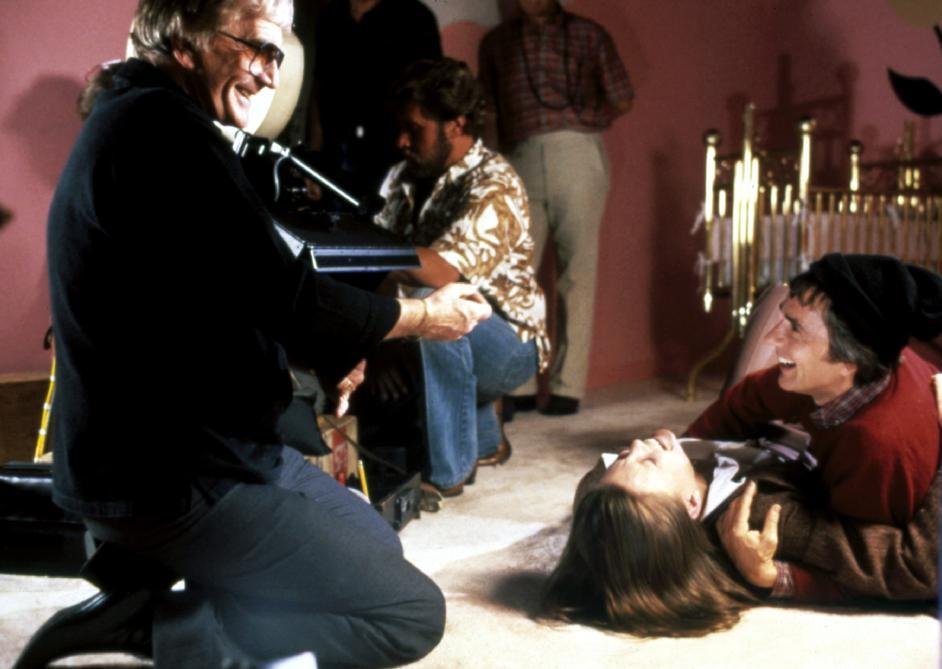
Edwards came down with mononucleosis and was forced to step away from production. Lou Antonio stepped in to help complete the film.
It’s the kind of behind-the-scenes complication that could easily have derailed a movie this dependent on timing. But Micki & Maude emerged with the polished look you would expect from Edwards. Cinematographer Harry Stradling Jr. keeps everything bright and immaculate, while Lee Holdridge’s score reinforces the movie’s breezy romantic-comedy tone.
For Reinking, the film represented a departure from the professional dance world in which she had established herself. Irving, meanwhile, was being asked to lean heavily into broad comedy, something considerably different from the dramatic roles that had defined much of her early career.
That contrast is part of the film’s charm.
Everyone is playing just slightly outside their comfort zone.
A Christmas Comedy That Didn’t Become a Classic
Columbia released Micki & Maude on December 21, 1984, clearly hoping that the reunion of Edwards and Moore would give the movie a holiday boost.
It didn’t quite happen.
The film earned approximately $26 million domestically, enough to recover its production costs but not enough to satisfy a studio that was undoubtedly hoping for another 10 or Arthur-sized phenomenon.
And that’s probably where Micki & Maude has suffered over the years.
It wasn’t a disaster.
It wasn’t a runaway hit.
It was simply a moderately successful comedy that arrived during an era overflowing with movies competing for attention.
Those movies tend to disappear.
Critics Couldn’t Quite Agree
The critical response was similarly divided.
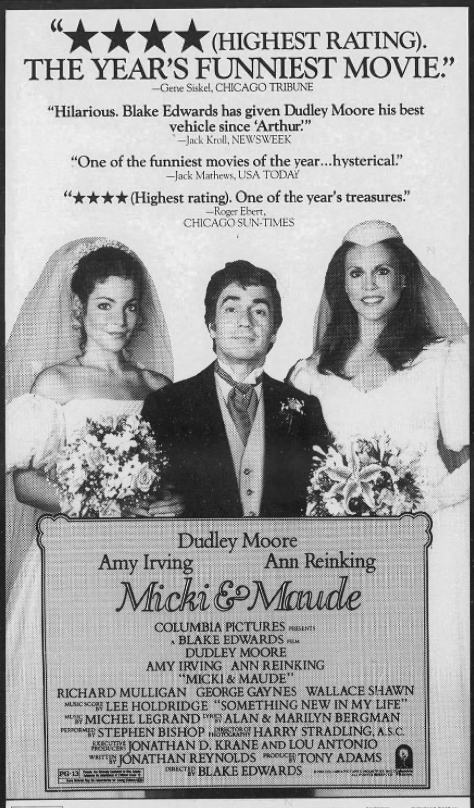
Roger Ebert was one of the film’s strongest champions, giving it four stars and comparing its comic craftsmanship favorably with Arthur. Vincent Canby also appreciated Edwards’ kinetic approach.
Other critics were less convinced that the bigamy premise could sustain a feature-length comedy. And that’s understandable. Once you establish that Rob has two pregnant wives, you’ve essentially created a ticking clock. The audience knows the inevitable disaster is coming.
The question becomes whether the journey is funny enough to justify the destination.
For me, the answer largely depends on how much you enjoy Dudley Moore’s particular brand of comic panic.
Fortunately, I enjoy it quite a bit.
Moore earned a Golden Globe for his performance, which makes perfect sense. The role requires an almost athletic commitment to timing, movement and escalating desperation.
The Forgotten Edwards Comedy
Micki & Maude has never occupied the same place in the public imagination as 10, Arthur or Edwards’ more celebrated work.
That’s a shame, because it represents an interesting intersection of several things that were rapidly disappearing from Hollywood.
It is a star-driven romantic comedy built around an absolutely ridiculous premise. It was given a substantial studio budget. It wasn’t afraid of physical comedy. It trusted its performers to carry long sequences through timing rather than one-liners. And it was released by a major studio during the holiday season as though the entire thing were perfectly normal.
Today, a movie about a man secretly maintaining two marriages while both wives are pregnant would probably be approached with considerably more cynicism.
Micki & Maude isn’t cynical.
That’s perhaps its most unusual quality.
The movie knows that Rob has made an enormous mess of his life, but Edwards isn’t particularly interested in punishing him for it. Instead, he turns the situation into an elaborate piece of comic machinery and lets Dudley Moore desperately try to keep it from exploding.
There were remakes and variations on the basic premise in international cinema, particularly in India during the late 1980s and early 1990s, but the original remains very much a product of its particular moment.
And maybe that’s why Micki & Maude deserves another look.
It isn’t Blake Edwards at his absolute best. It isn’t another Arthur. It isn’t another 10.
But it is a polished, energetic and occasionally hilarious example of the kind of big-budget screwball comedy Hollywood once made without apologizing for it.
In an era when movies seem increasingly reluctant to let their characters make truly spectacularly bad decisions, there’s something strangely refreshing about watching Dudley Moore make one after another—and then spend two hours desperately trying to outrun the consequences.

About the Creator
Movies of the 80s
We love the 1980s. Everything on this page is all about movies of the 1980s. Starting in 1980 and working our way the decade, we are preserving the stories and movies of the greatest decade, the 80s. https://www.youtube.com/@Moviesofthe80s
Enjoyed the story? Support the Creator.
Subscribe for free to receive all their stories in your feed.
Comments
There are no comments for this story
Be the first to respond and start the conversation.