
Looking Back on The Devil Wears Prada: Fashion, Power, and Ambition
A 20th Anniversary Retrospective on a Fashion Industry Classic

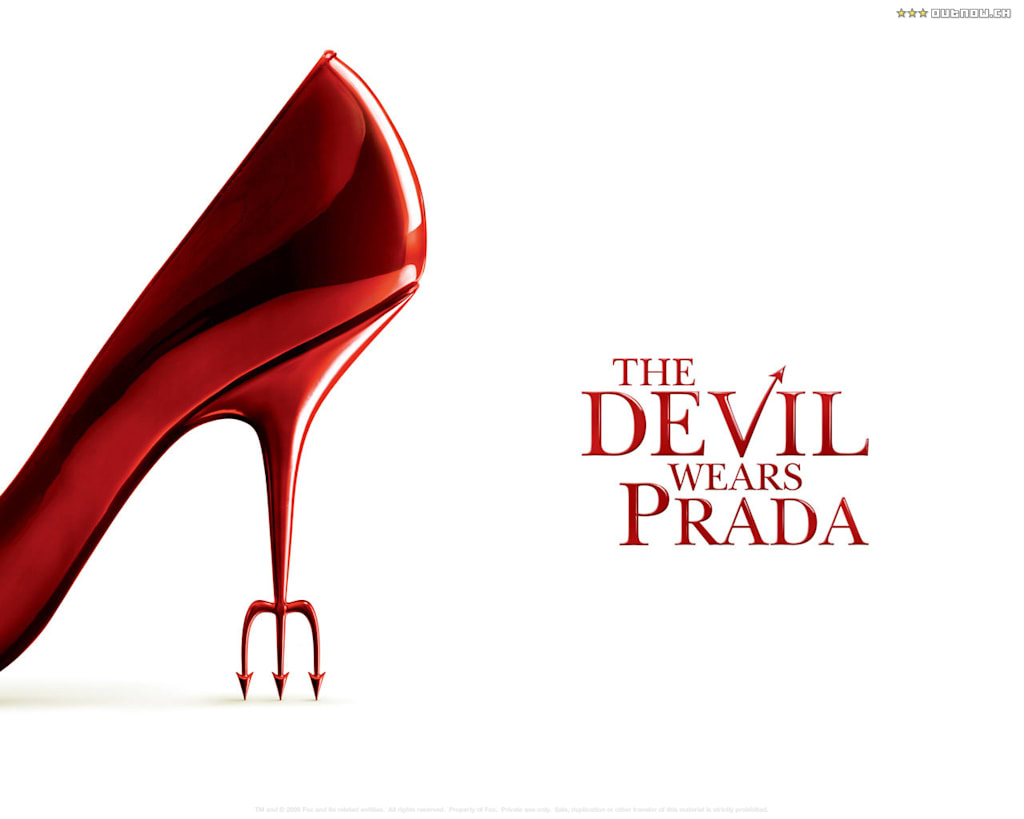
From Journalism To Runway
A recent journalism graduate, Andrea Sachs, takes a job as a second assistant to Miranda Priestly, the cold and tyrannical editor-in-chief of Runway magazine. Expecting a stepping stone into real journalism, Andrea instead finds herself trapped in the high-pressure world of fashion publishing. As Miranda’s impossible demands escalate, Andrea struggles to keep up with the fast-paced industry, sacrificing her personal life and gradually losing sight of her identity along the way, raising questions about ambition, success, and self-worth.
The film is based on the novel of the same name by Lauren Weisberger, although I have never read it.
The Talent Behind The Show
One of the film’s greatest strengths is its talented ensemble cast, which brings both humor and emotional depth to the story. Anne Hathaway delivers a compelling performance as Andrea “Andy” Sachs. She effectively captures Andy’s ambition, determination, and growing frustration as her hard work goes unnoticed while the pressure of her job begins to affect her personal life.
Meryl Streep doesn’t portray Miranda as a loud or openly vicious dictator. Instead, she plays her as calm, controlled, and even calculating at times, which makes her authority feel more unsettling. Her cutting remarks and strict demands carry more weight because she rarely loses her temper or composure.
Emily Blunt shines as Emily Charlton, Miranda’s fiercely loyal assistant. Blunt balances sarcasm, competitiveness, and comedic timing, making Emily both frustrating and surprisingly sympathetic. Simon Baker is charming yet manipulative as Christian Thompson, while Adrian Grenier portrays Nate, Andy’s increasingly frustrated boyfriend, with a believable blend of concern and irritation.
Meanwhile, Stanley Tucci steals many scenes as Nigel, Runway’s witty and perceptive art director. Tucci brings warmth, charisma, and humor to the role, making Nigel one of the film’s most memorable characters. His chemistry with Anne Hathaway helps create some of the movie’s most heartfelt moments.
From Coffee Runs to Paris Glamour: Significant Moments
One of the most memorable aspects of the movie is its collection of standout scenes that help define Andy Sachs’s journey. The film opens with Andy preparing for a job interview while a montage shows fashionable women getting ready for their day. This sequence immediately establishes that Andy is entering a world very different from her own, emphasizing her status as an outsider in the fashion industry.
Many of the film’s most entertaining moments involve Andy scrambling to complete the exhausting tasks assigned by Miranda. Whether she’s fetching coffee, arranging schedules, or obtaining a manuscript, these scenes are often humorous while also generating sympathy for Andy as she struggles to balance her demanding job with her personal life. They effectively highlight the immense pressure Miranda places on those who work for her.
The elegant gala and charity events throughout the film provide a glimpse into the world of high fashion. These scenes showcase the importance of networking and professional relationships, particularly when Andy meets Christian Thompson, a charismatic journalist who plays an important role in her development. Meanwhile, scenes featuring Nate, Lily, Doug and the rest of Andy’s social circle offer insight into her life outside of Runway and illustrate how her career ambitions begin to affect her relationships.
Finally, the Paris Fashion Week sequence marks a significant turning point in the story. Several unexpected events challenge Andy’s view on success and expose the harsh reality of the fashion industry. These turning points force her to reevaluate her choices, goals, and the path she wants to take in life, bringing her character arc to a powerful and meaningful crossroads.
Behind The Pages Of Runway: Production Stories
One of the most interesting things about The Devil Wears Prada is the collection of behind-the-scenes stories surrounding its production. According to an article on BuzzFeed, Anne Hathaway was not the studio’s first choice for Andrea Sachs. Several actresses were reportedly considered, including Natalie Portman, Scarlett Johansson, Kirsten Dunst, Claire Danes, Juliette Lewis, and Kate Hudson. Hudson later revealed that turning down the role was one of the projects she regretted passing on.
Another fascinating fact involves the film’s wardrobe. At the time, it was reported to feature one of the most expensive costume collections assembled for a film, with clothing, accessories, and jewelry valued at approximately $1 million. Costume designer Patricia Field helped create the film’s luxurious vibe by borrowing many designer pieces rather than purchasing them outright. In an interview with Entertainment Weekly, Meryl Streep recalled being careful while wearing some of the designer outfits, explaining that she avoided eating messy foods because damaging the designer clothing could make returning them impossible.
The film also includes an interesting connection with Streep’s family. Her daughter, Mamie Gummer, filmed a brief appearance as a Starbucks employee responsible for preparing Miranda’s coffee. However, her scene was ultimately removed from the theatrical cut, surviving only as a deleted scene included on certain home media releases.
Together, these facts reveal that the movie’s magic extends far beyond what audiences have witnessed on screen.
The Dark Side of Glamour: Success, Strain, and the Nate Debate
Identity is one of the central themes in the movie. As Andy becomes more involved in the world of Runway, she gradually begins to change for the worse and those closest to her begin to notice it. Nate, in particular, calls out her transformation, accusing her of becoming the kind of person she once despised. Through this change, the film explores how ambition and environment can reshape a person’s priorities, values, and personality.
Another theme is workplace pressure and toxicity. Miranda sets extremely high expectations for her assistants, demanding constant availability and perfection, which creates a highly stressful environment. Emily contributes to this atmosphere through her condescending remarks towards Andy’s lack of fashion knowledge. Even Nigel, who later becomes a mentor figure, initially doubts Andy, highlighting how intimidating and exclusive the fashion industry can be, though support can still be found within it.
From a modern perspective, Miranda’s character raises questions about double standards in workplace leadership. Her iron-fisted behavior is often perceived as toxic, whereas similar traits in a male boss are more likely to be viewed as assertive or strong. The film does not directly address this matter, but it influences how she is interpreted. Furthermore, it briefly suggests a personal cost to her ambition, with her divorce highlighting the toll her career may have taken on her personal relationships.
The film examines how success is achieved at the expense of others. This is most clearly seen in the Paris Fashion Week sequence, where a major management decision reveals the ruthless nature of the fashion industry. This moment has lasting consequences for several characters and reinforces the idea that ambition often comes at a cost.
This is where the debate surrounding Nate becomes central. While some viewers see him as unsupportive, I view him more as a sympathetic character who feels emotionally neglected. The scene where Nate becomes upset after Andy misses his birthday party is understandable because from my perspective, relationships require consistent effort and presence from both people. At the same time, Nate can come across as dismissive of her milestones, which complicates his role.
Ultimately, the film avoids simple answers, instead showing how ambition can strain both identity and relationships at the same time.
Reflecting On The Price of Prestige
The Devil Wears Prada ultimately teaches that while there is nothing wrong with pursuing prestige and success in a glamorous field, it should not come at the expense of personal relationships and mental well-being. In the years since its release, the film has gained renewed respect for how it portrays the importance of a work-life balance, especially in high-pressure industries where constant availability is expected. Its message continues to resonate, reminding audiences that success is meaningful only when it preserves personal fulfillment and healthy growth.
About the Creator
TheScreenAnalyst
I am a passionate movie and TV enthusiast, devoted to analyzing storytelling, characters, visuals, and performances. I provide thoughtful critiques and insights, exploring both mainstream and independent works to engage audiences.
Enjoyed the story? Support the Creator.
Subscribe for free to receive all their stories in your feed.
Comments
There are no comments for this story
Be the first to respond and start the conversation.