
'Little Miss Marker' (1980): Walter Matthau, a New Kid, and the Fourth Time Around for a Runyon Classic
Before Shirley Temple became a Hollywood sensation, a little girl was left as collateral for a gambling debt. Nearly half a century later, Walter Matthau took his turn as Sorrowful Jones in an affectionate remake featuring Julie Andrews, Tony Curtis, and a six-year-old newcomer from Texas.

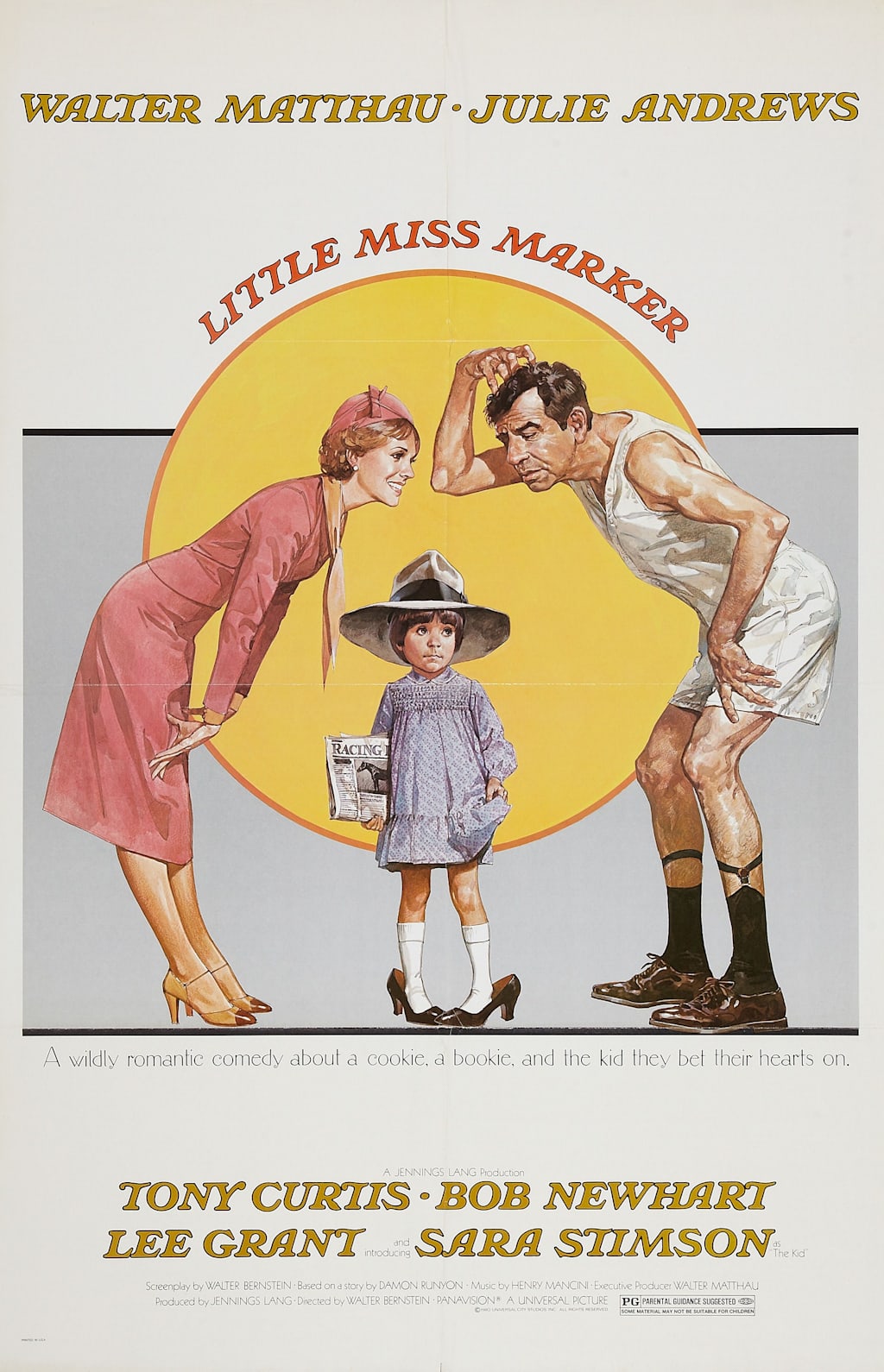
A Familiar Story Gets Another Hollywood Makeover
There’s something irresistible about Damon Runyon’s Little Miss Marker. A hard-nosed New York bookie, a gambling debt, and a little girl unexpectedly deposited as collateral. It’s an unusual arrangement for a family comedy, but Hollywood has never been particularly concerned with conventional parenting arrangements when there’s a good story involved.
Runyon’s 1932 short story had already enjoyed several Hollywood lives before Universal decided to give it another go in 1980.
The first adaptation, released in 1934, starred Adolphe Menjou as Sorrowful Jones and featured a young Shirley Temple. The movie helped establish Temple as one of Hollywood’s biggest attractions. In 1949, Bob Hope took over the role in Sorrowful Jones, with Lucille Ball alongside him. Then, in 1962, Tony Curtis starred in 40 Pounds of Trouble, a contemporary reworking of the same basic premise.
Now it was Walter Matthau’s turn.
Universal’s Little Miss Marker reunited Matthau with a rather impressive collection of Hollywood talent, including Julie Andrews, Tony Curtis, and Bob Newhart. The film also introduced audiences to six-year-old Sara Stimson, a newcomer from Texas who found herself carrying a considerable amount of the promotional burden.
There was a new Shirley Temple in town. Or at least that’s what the publicity department might have hoped.
But this was ultimately Matthau’s movie. And nobody was going to mistake him for anybody else.
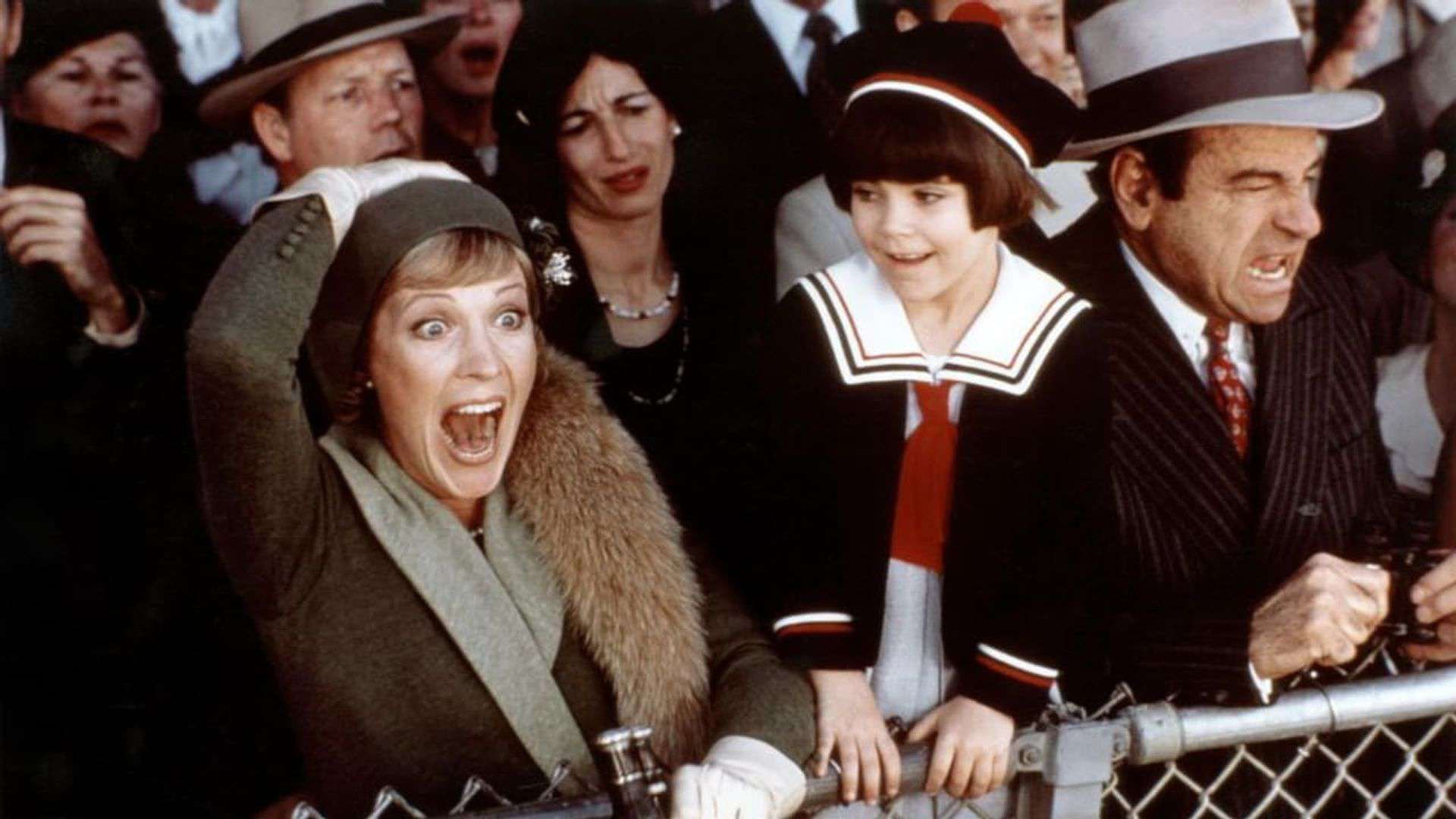
Walter Bernstein’s Condition for Taking the Job
The road to the 1980 version began in the late 1970s when Universal producer Jennings Lang approached veteran screenwriter Walter Bernstein about adapting Runyon’s story.
Bernstein had a substantial Hollywood résumé, having written films such as Fail-Safe and The Front. He also had a very personal history with the Hollywood blacklist. His name had appeared in Red Channels, the notorious 1950 publication that identified entertainment-industry figures suspected of communist affiliations. The blacklist had significantly disrupted his career, making his eventual return to mainstream Hollywood filmmaking all the more interesting.
Bernstein agreed to write Little Miss Marker, but he had one condition.
He wanted to direct it himself.
It was an unusual request, particularly for a screenwriter who had never directed a feature film. But Universal agreed, giving Bernstein an opportunity that would ultimately become the only feature directorial credit of his career.
His screenplay retained the original story’s 1930s New York gambling atmosphere and central premise. A desperate gambler leaves his young daughter with Sorrowful Jones as a marker for an unpaid debt, expecting to return with the money.
Of course, things don’t quite work out that way.
Bernstein also expanded the story with a romantic subplot involving Julie Andrews’s Amanda Worthington, a wealthy woman whose relationship with Sorrowful provides a more conventional romantic-comedy element.
It was a balancing act. Runyon’s world was populated by gamblers, small-time criminals, colorful characters, and people who seemed to have a completely different understanding of normal behavior. Bernstein wanted to preserve that atmosphere while giving the story enough contemporary appeal to work for a 1980 audience.
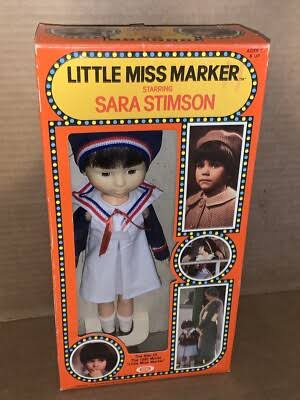
Finding the Next Shirley Temple
One of the more interesting aspects of the production was the nationwide search for the little girl who would play The Kid.
Early reports had mentioned Quinn Cummings as a possible choice, but Universal eventually went looking for an unknown.
The casting search attracted dozens of hopeful young actresses. Among them was six-year-old Sara Stimson, a first grader from Helotes, Texas, who had no previous acting experience.
Stimson eventually made the trip to California, where she screen-tested opposite Matthau. Whatever the casting directors were looking for, they found it in the little girl from Texas.
She got the part.
Contemporary newspaper coverage understandably made a great deal of the casting decision. In a March 23, 1980, Minneapolis Tribune article by Bob Lindquist, Stimson was presented as something different from the Shirley Temple mold.
She wasn’t a miniature Hollywood performer, delivering precocious dialogue and manufacturing adorable expressions for the camera. Her appeal was considerably more understated. Lindquist described her big, silent eyes and natural, restrained presence.
It was an important distinction. The filmmakers weren’t necessarily looking for another Shirley Temple. They wanted a child who could hold her own opposite Walter Matthau without turning every scene into a sentimental exercise.
The newspaper coverage also highlighted an interesting contradiction in the film’s publicity. Stimson was the newcomer receiving much of the attention, but the movie itself remained firmly centered on Matthau.
That was hardly surprising. By 1980, Matthau had perfected a particular kind of screen persona. He could be irritable, cynical, impatient, and vaguely disappointed with the entire human race, often without saying very much at all.
Putting him in a room with a small, serious-eyed child was an inspired bit of casting.
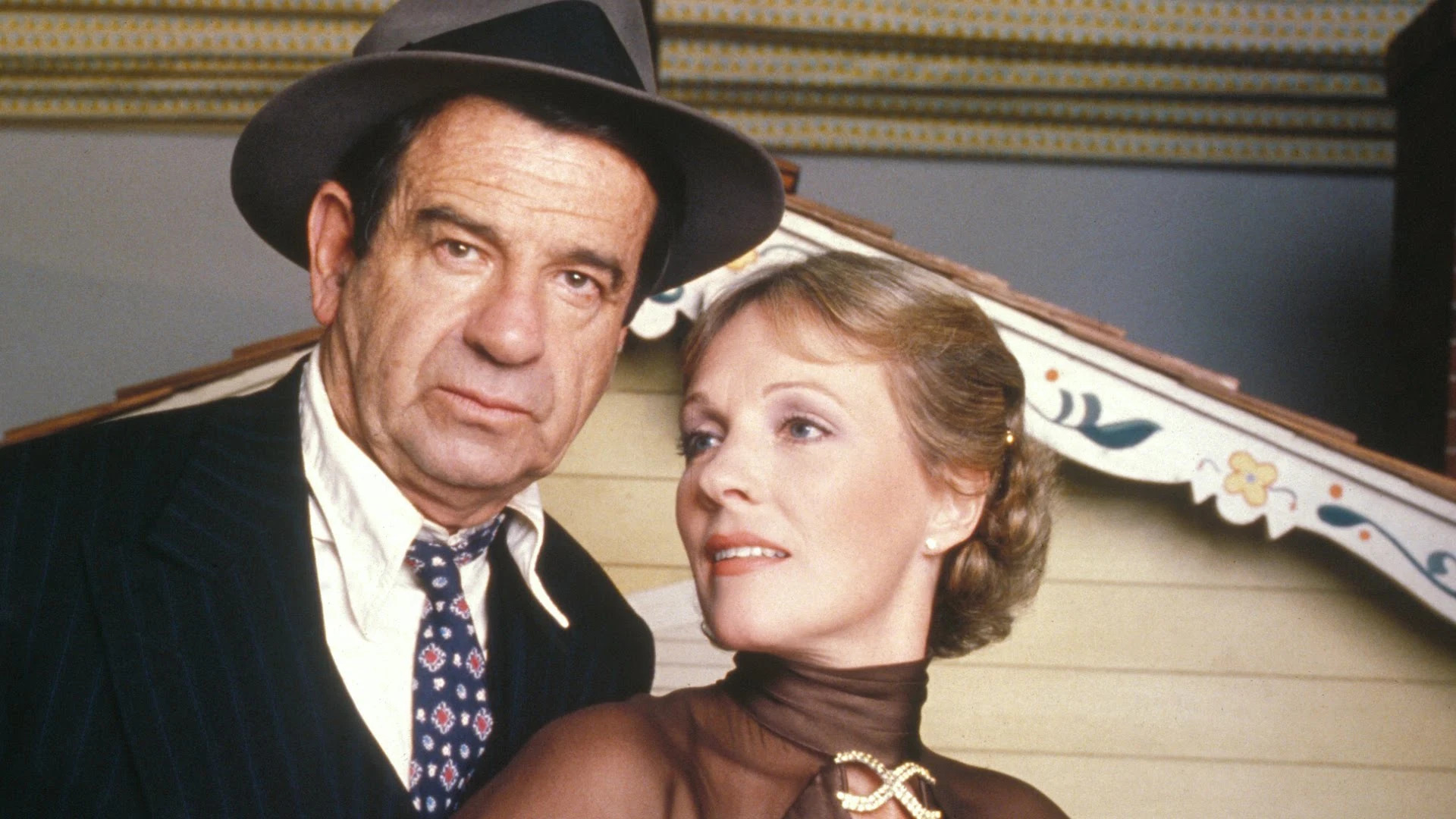
Matthau Knew a Thing or Two About Bookies
Matthau also brought something unexpected to the production: familiarity with the world his character inhabited.
In a contemporary Associated Press article by Bob Thomas, Matthau discussed his familiarity with bookies and the gambling culture surrounding them. He wasn’t approaching Sorrowful Jones as some completely foreign character. He understood the type, having encountered that world in his own experience.
It gave him a certain comfort with the material.
There was also the matter of working with a six-year-old. Child actors can be unpredictable, and a production built around the relationship between a grumpy adult and a little girl depends heavily on getting that relationship right.
Matthau understood that the story’s emotional appeal came from the contrast between Sorrowful’s hardened exterior and the unexpected responsibility thrust upon him.
The performance needed to be funny without becoming a caricature and sentimental without becoming syrupy.
Fortunately, Matthau was particularly good at that sort of thing.
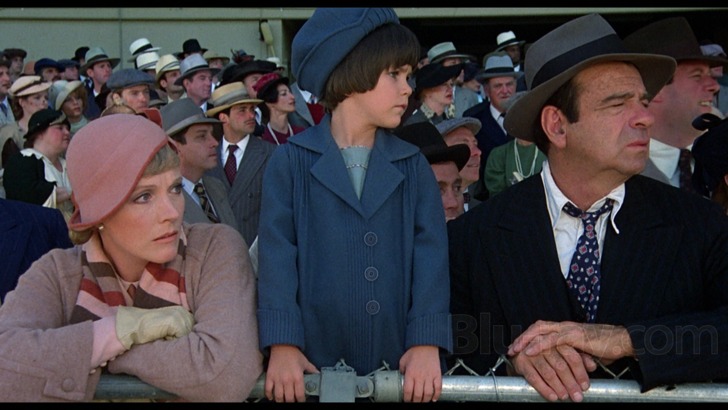
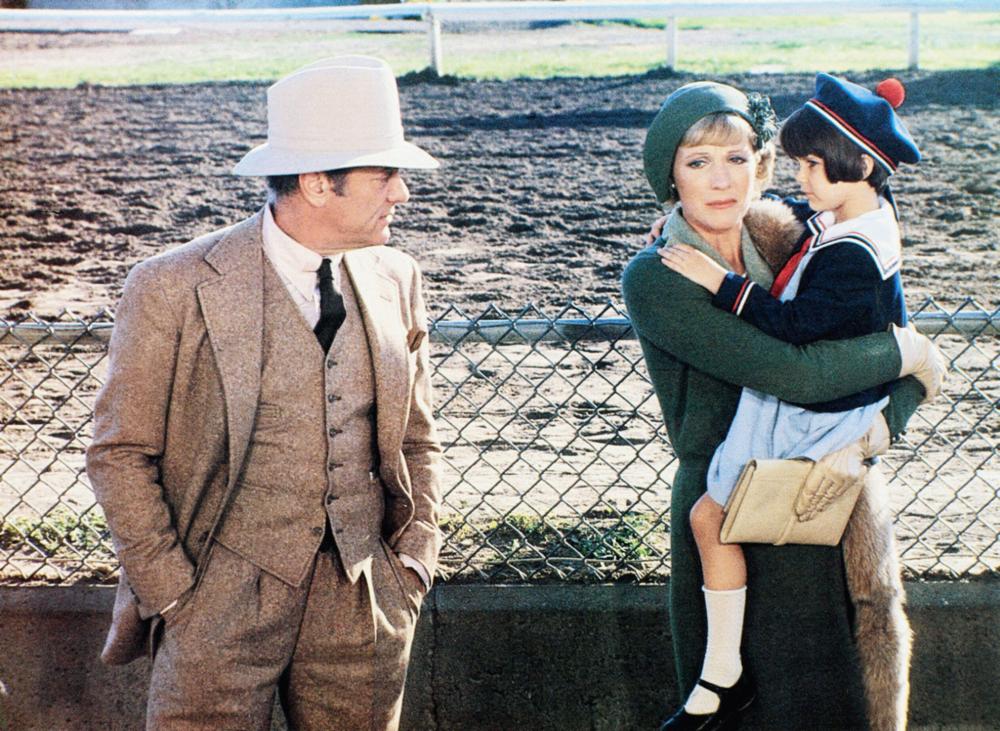
Principal photography began March 23, 1979, at Universal Studios and various Southern California locations standing in for Depression-era New York. The production paid considerable attention to period details, including the gambling establishments, costumes, props, and racetrack atmosphere.
Philip H. Lathrop handled the cinematography, while Henry Mancini provided the musical score.
For Bernstein, the production represented a considerable learning experience.
In his Minneapolis Tribune interview, he discussed the differences between writing and directing, particularly the responsibility of overseeing the entire picture rather than concentrating on individual scenes and pages.
He offered a provocative observation about the directing profession, suggesting that practically anybody could direct a movie. The real challenge, as he explained it, was having a vision of what the movie should be and knowing how to bring all the different elements together.
He also discussed the importance of collaboration with the cinematographer and recalled advice from Orson Welles about learning the various aspects of filmmaking quickly.
It was an interesting perspective from someone who had spent decades writing movies but was now responsible for every aspect of bringing one to life.
Opening in the Shadow of a Hollywood Original
Little Miss Marker opened in Los Angeles and New York on March 21, 1980.
The 103-minute, PG-rated comedy-drama arrived as relatively straightforward family entertainment during a spring movie season that included a rather eclectic assortment of releases.
It wasn’t a particularly ambitious production by the standards of the time, nor was Universal positioning it as a major cinematic event.
The film opened in 472 theaters, earning approximately $853,000 during its opening weekend. Its eventual domestic box office total reached approximately $6.3 million.
That was respectable enough for a modest production, although it certainly didn’t establish a new franchise or inspire another round of Runyon adaptations.
There was also the unavoidable problem of comparisons.
The 1934 Little Miss Marker had been an important stepping stone in Shirley Temple’s career. The 1949 version had Bob Hope’s considerable comic personality behind it, while 40 Pounds of Trouble had already demonstrated that the story could be successfully transplanted into a more contemporary setting.
The 1980 version had to find its own identity among those predecessors.
Critics Found Plenty to Like in Matthau and Stimson
Critical reaction was mixed, although Roger Ebert was among those who responded favorably.
In his March 21, 1980, review, Ebert awarded the film three out of four stars. He described it as a thoroughly pleasant, lightweight comedy and praised Matthau’s ability to make Sorrowful Jones distinctly his own.
He also recognized that the movie depended heavily on the relationship between Matthau and Stimson.
Ebert particularly appreciated the young actress’s understated performance. Rather than pushing the obvious emotional buttons, Stimson played The Kid with a seriousness that made her interactions with Matthau all the more effective.
He described the film as “goofy, corny, well-acted and fun.”
That’s a pretty good description of what Bernstein was attempting.
Ebert also pointed out that the impressive supporting cast was largely secondary to the central pairing. Tony Curtis, Julie Andrews, and Bob Newhart were all familiar faces, but the movie belonged to Matthau and Stimson.
Not everybody was quite as enthusiastic.
Some critics found the romantic relationship between Andrews’s elegant socialite and Matthau’s rough-edged bookie difficult to swallow. Andrews, in particular, struck some reviewers as an awkward fit for the material.
The Washington Post’s Gary Arnold was considerably less impressed, describing the film as fitfully amusing but dreadfully poky. He felt Matthau was the one performer who genuinely belonged in Runyon’s comic universe, while several of the supporting performances struggled to find their footing.
That criticism wasn’t entirely unreasonable. Andrews brought an entirely different screen presence to the picture, and the romantic subplot sometimes feels as though it belongs to a different movie.
Still, Matthau was a difficult actor to dislike in this sort of material. He could make a simple exchange of dialogue feel like an entire character study.
And Stimson was a surprisingly effective partner.
A Quiet Little Footnote in the Runyon Collection
Looking back, the 1980 Little Miss Marker doesn’t have the cultural footprint of the original Shirley Temple version. It didn’t create a new star, revive a forgotten genre, or become one of the defining family comedies of the decade.
But it has its charms.
Matthau was perfectly suited to Sorrowful Jones, and Stimson brought a refreshing lack of theatrical cuteness to The Kid. Their relationship provides the film with its emotional foundation, while Mancini’s score and the carefully assembled period atmosphere give it a comfortable old-fashioned quality.
For Walter Bernstein, the movie remains a particularly interesting footnote. After decades of screenwriting, he finally got the opportunity to direct a feature film. He never directed another.
And Sara Stimson? Despite the attention surrounding her casting, Little Miss Marker remained her only film credit. She didn’t follow Shirley Temple into a career as a Hollywood star.
Perhaps that’s the most interesting little wrinkle in the story. The publicity machine was looking for another child-star sensation, but the movie didn’t really need one.
It needed Walter Matthau.
Hollywood returned to Damon Runyon’s story for the fourth time, and the results were never going to replace the original. But Bernstein’s version understood something important about the material. The story works best when it doesn’t try too hard to make you cry.
Sometimes all you need is a grumpy old bookie, a little girl with serious eyes, and a relationship neither of them particularly expected.
That’s more than enough for a pleasant afternoon at the movies.

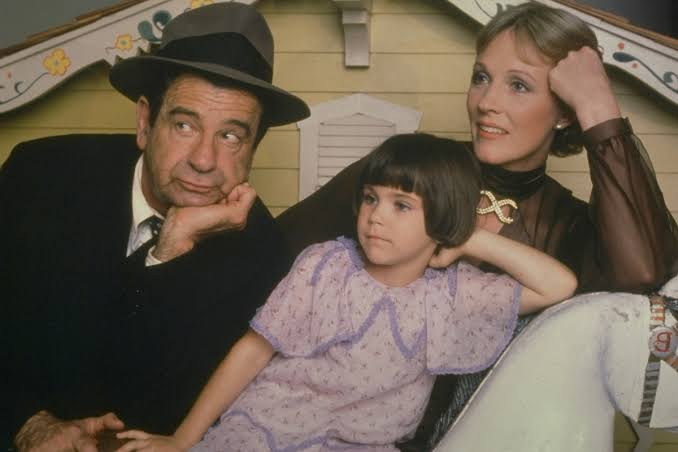
Walter Matthau, Julie Andrews, and newcomer Sara Stimson star in the 1980 remake of Little Miss Marker, the fourth Hollywood adaptation of Damon Runyon’s beloved story.
About the Creator
Movies of the 80s
We love the 1980s. Everything on this page is all about movies of the 1980s. Starting in 1980 and working our way the decade, we are preserving the stories and movies of the greatest decade, the 80s. https://www.youtube.com/@Moviesofthe80s
Enjoyed the story? Support the Creator.
Subscribe for free to receive all their stories in your feed.
Comments
There are no comments for this story
Be the first to respond and start the conversation.