
Learning to write a Bad Review
Am I too nice or just a coward?



I love reading bad reviews. It is where critics are at their funniest.
If there are ten films worse than Bride Wars this year, I quit ... Everyone will tell you it’s a chick flick. Only in the sense that if you ground it up and fed it to battery hens it might be better served than running it through a projector.
Bride Wars, Mark Kermode, The Observer
This movie doesn't scrape the bottom of the barrel. This movie isn't the bottom of the barrel. This movie isn't below the bottom of the barrel. This movie doesn't deserve to be mentioned in the same sentence with barrels.
Freddie Got Fingered, Roger Ebert
Come, let’s all go to see Miss Hepburn and hear her run the gamut of emotions from A to B!
Dorothy Parker on Katherine Hepburn

And yet, I don’t write bad reviews myself.
I am a cinephile. I have been to the cinema four times so far this month and have enjoyed all of my visits and three of the films.
I have not yet written about the film I did not enjoy. And yet in the car home from the cinema my partner and I eviscerated it. It was fun. But it would have felt wrong to put it down on paper. I don’t like leaving bad reviews. Unless I can give your company 5*, I won’t respond to an email asking for feedback.
Sometimes this is the right thing. The old adage – if you can’t say anything nice… For example, I learnt an old childhood bully died recently. Facebook was flooded with the sentiment that he was such a sweet, funny chap. It would have been churlish to comment that what I remember was a mean guy who bruised my arm. I mean, he’s dead now. I won. So, I said nothing.

But I still think I should at least try to master the art form of the bad review.
And yet each time I try to be critical, I end up sounding preachy. Like I’m trying to say something bigger about the world. Or I try to say something about understanding how painful words can be. (Like what I have to write could have an impact on what happens in Hollywood – get over yourself, Rachel).
Or it sounds like when I used to give low grades on a student’s assignment, over-compensating with optimism and constructive criticism about potential. (Like some big-shot director needs my words to improve their craft – give your head a wobble, Rachel).
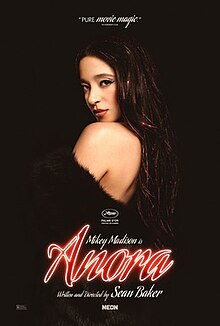
I love cinema. But I’m allowed to be disappointed.
It’s hard because I know getting a film made, especially today, is incredibly hard. You have to have funding, a script, a director, a cast who are all available at the same time. You need all the technical elements, like camera and set crew, cinematography, design, location, sound engineers, an editing suite, caterers, etc. I’ve been on a TV set as an extra and the number of people required for each shot astounds me. And I love it – that element of collaboration and dedication to get the scene right.
But I want to be a good writer and part of that is being able to articulate what doesn’t work, as well as praising what does.
So, if I go to see a film because I admire the lead actors and it is scripted and directed by a feted film maker, but it fails to entertain, I am allowed to say so.
I’m allowed to say the characters are flat and that the director doesn’t trust the audience to understand the complex moral issues, so ensures that all the thoughts and feelings are spelled out in the script. I can state that if a movie only ever tells and never shows, it can get tiresome. Two characters with all their traits described in dialogue, but not showing up in the action, is bad writing. I’m allowed to find some things ponderous and pretentious.
I can say if the dialogue is unrealistic. For example, two women who have a shared ex-lover and discuss him as though he was a poem. They talk about his sexual prowess as if the man himself had written it. And then they force a giggle. “Ha, ha, ha”, they laugh and they can’t look at each other as they do, because they know it is all too embarrassing.
In amongst the beautiful scenery and classy cinematography, I can say, people don’t quote huge chunks of James Joyce by heart. And the sort of people who discuss Joyce, don’t laugh out loud at Buster Keaton films, out of choice. And I can say it felt unrealistic to shoe-horn a scene in the gym, just so that the personal trainer can say that he’s not allowed to hug someone who has just told him that a friend is dying. That is not social comment. It is faintly ridiculous.
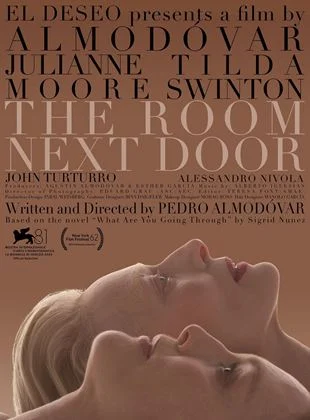
I think what I’m really trying to say is – if you don’t get to the cinema very often there are some excellent films out there, but maybe, don’t bother with The Room Next Door.
If you've enjoyed what you have read, consider subscribing to my writing on Vocal. If you'd like to support my writing, you can do so by a regular subscription or leaving a one-time tip. Thank you.
About the Creator
Rachel Robbins
Writer-Performer based in the North of England. A joyous, flawed mess.
Please read my stories and enjoy. And if you can, please leave a tip. Money raised will be used towards funding a one-woman story-telling, comedy show.
Enjoyed the story? Support the Creator.
Subscribe for free to receive all their stories in your feed. You could also become a paid subscriber, letting them know you appreciate their work.
Comments
There are no comments for this story
Be the first to respond and start the conversation.