
Laughing in the Cinema
The Invite and The Last Viking


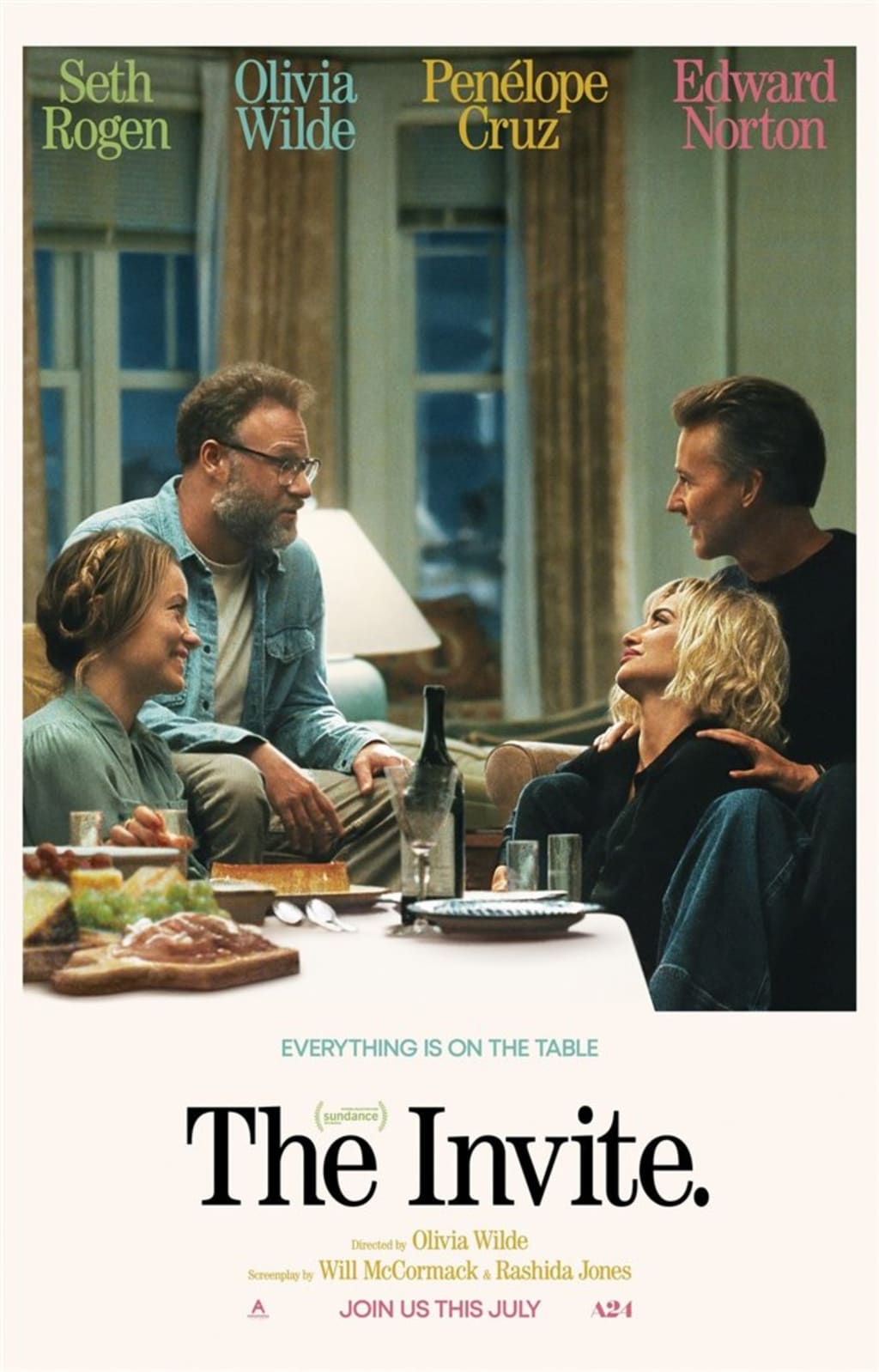
I’ve been to the cinema twice in the last week. And both times I laughed. I laughed out loud, along with other audience members. Laughter is good for you – the best medicine. It stimulates the heart, the lungs, increases oxygen intake. It reduces stress, releases endorphins and boosts social connections. We laughed together, as an audience.
All good then… or is it?
What if you’re not supposed to laugh – like at a funeral, or at someone’s mental health issues, or at a struggling relationship? This is the uneasy joy of a dark comedy.
Comedy is subjective and personal. It has some licence to play with the norms of society, whether that is using satire, observation or absurdity. Comedy has a special freedom to say and do things that most serious drama can be denied. Comedy tests our morality.
I can sense an argument with my imaginary 1940s screenwriter persona. Because like comedy, morality is also subjective. Words and actions that might be considered moral by one individual, society, and/or era may be considered amoral by another. So, each society tries to draw up guidelines to judge actions as to where they fall on a scale of morality.
My poor alter-ego spent a lot of time battling with one such set of guidelines – The Production Code that effectively censored Hollywood films from 1934 to 1968, with rules governing the portrayal of sex, crime, violence and punishment.
I’m not so sure she laughed with me in the cinema, more just gasped at the audacity.
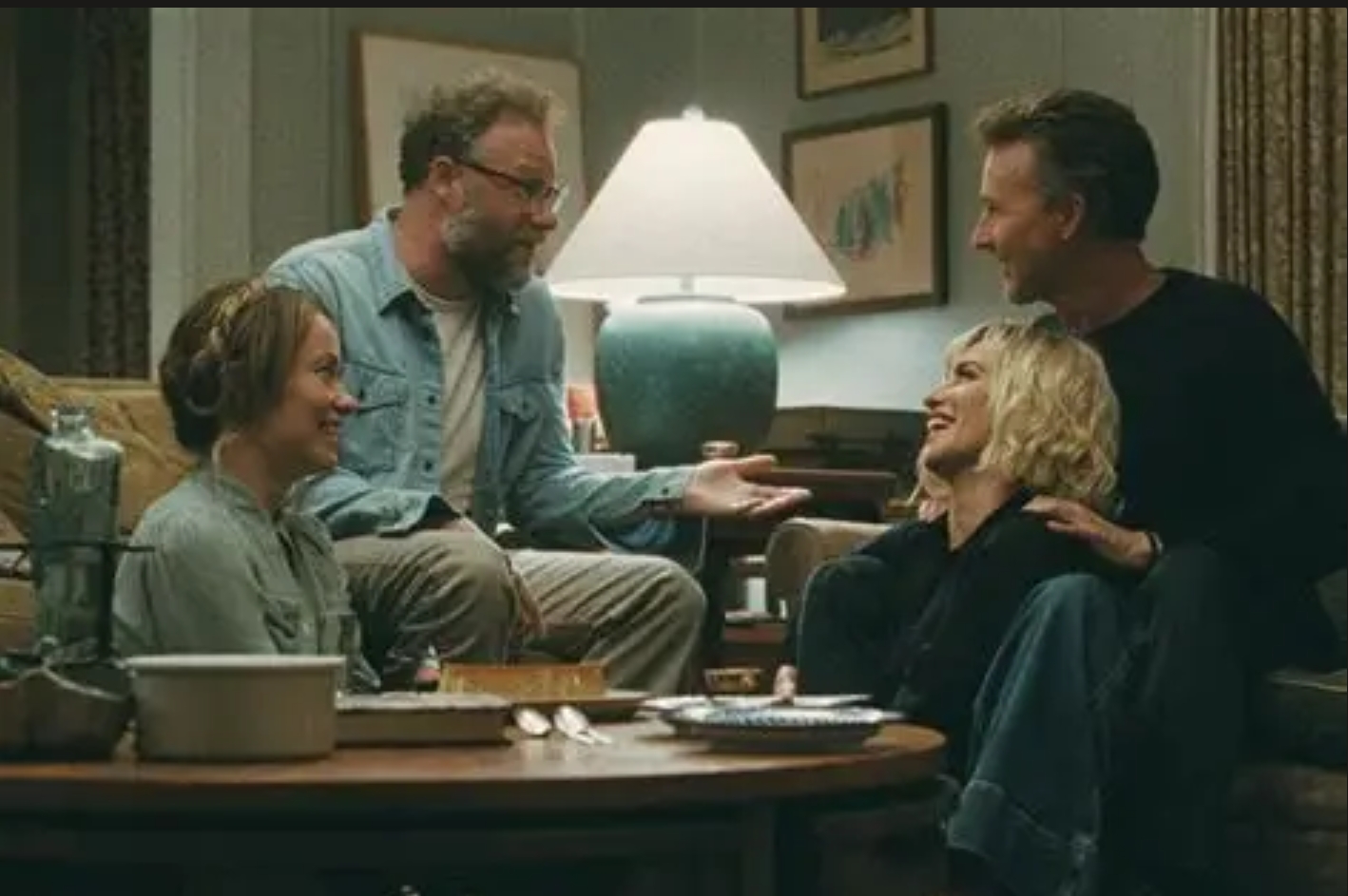
The Invite is a sex-comedy directed by Olivia Wilde and co-written by Will McCormack and Rashida Jones. It is set over one evening when Joe (Seth Rogen) arrives home from work, bored, tired and miserable to find his wife Angela (Olivia Wilde) has invited the upstairs neighbours for dinner. They are a recent couple Pina (a divorcée and therapist played by Penelope Cruz) and Hawk (a widower fireman firefighter played by Ed Norton).
Angela and Joe are struggling, a marriage gone stale, careers stalled, running out of conversation and money. Pina and Hawk arrive whilst they are mid-argument. What follows is a comedy of manners, that turns into something more risqué as Pina and Hawk admit to an open relationship and sex parties. Clumsy seductions ensue. All four actors understand the brief, with Seth Rogen delivering a masterclass in awkwardness. It is stylish, intelligent, funny and deeply, deeply uncomfortable.
It would definitely not pass muster under the Production Code of 1934:
“The sanctity of the institution of marriage and the home shall be upheld. Pictures shall not infer that low forms of sex relationship are the accepted or common thing. Adultery, sometimes necessary plot material, must not be explicitly treated, or justified or presented attractively.”
The Production Code
So, take this as your care warning if you are thinking of watching the movie. There is nothing very explicit, in terms of action, but the dialogue can be very direct. If the idea of sexual freedom offends you, this won’t be the film for you. But it does reflect the shifting morality of our times – the acknowledgement that perhaps monogamy is not for everyone. It isn’t an advert for open relationships either. It draws back from the suggestion that one form of relationship is morally superior to another, even if some of the characters might believe they are more enlightened than others.
For my 1940s screenwriter, she is surprised to see that some elements of the screwball comedy of the 1930s and 1940s - quick dialogue, slapstick falls – still exist under a more enlightened regime.
William K Everson writes:
“Code comedies couldn’t admit to the existence of sex, particularly among unmarried couples, [so] exaggerated comic violence frequently took its place.”
Willliam K Everson, Hollywood Bedlam: classic screwball comedies (New York, 1994).
In other words, under the Production Code, wisecracks and pratfalls acted as a substitution for sex. In 2026, however, they are just another ingredient on the menu.
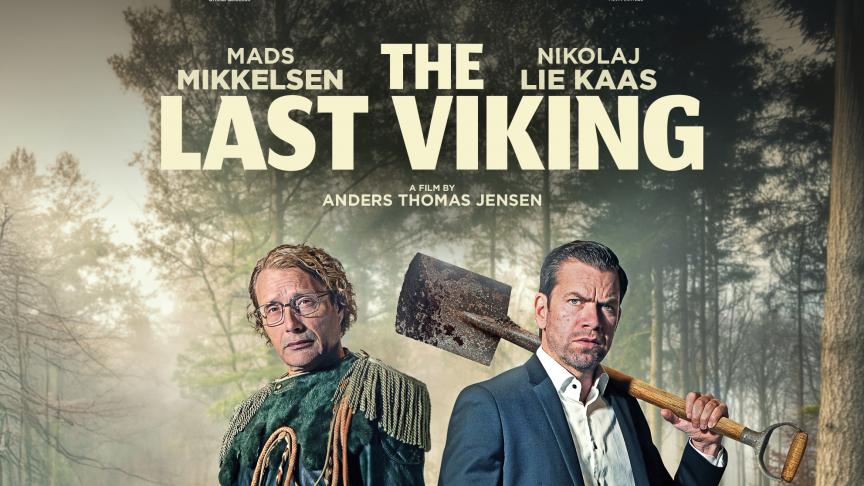
Talking of “comic violence,” I also laughed, with an audience, at The Last Viking – a Danish black comedy written and directed by Anders Thomas Jensen. For this movie, you don’t need to worry too much about laughing at explicit discussions about sex, but instead ask – is it really okay to laugh at mental illness and violence?
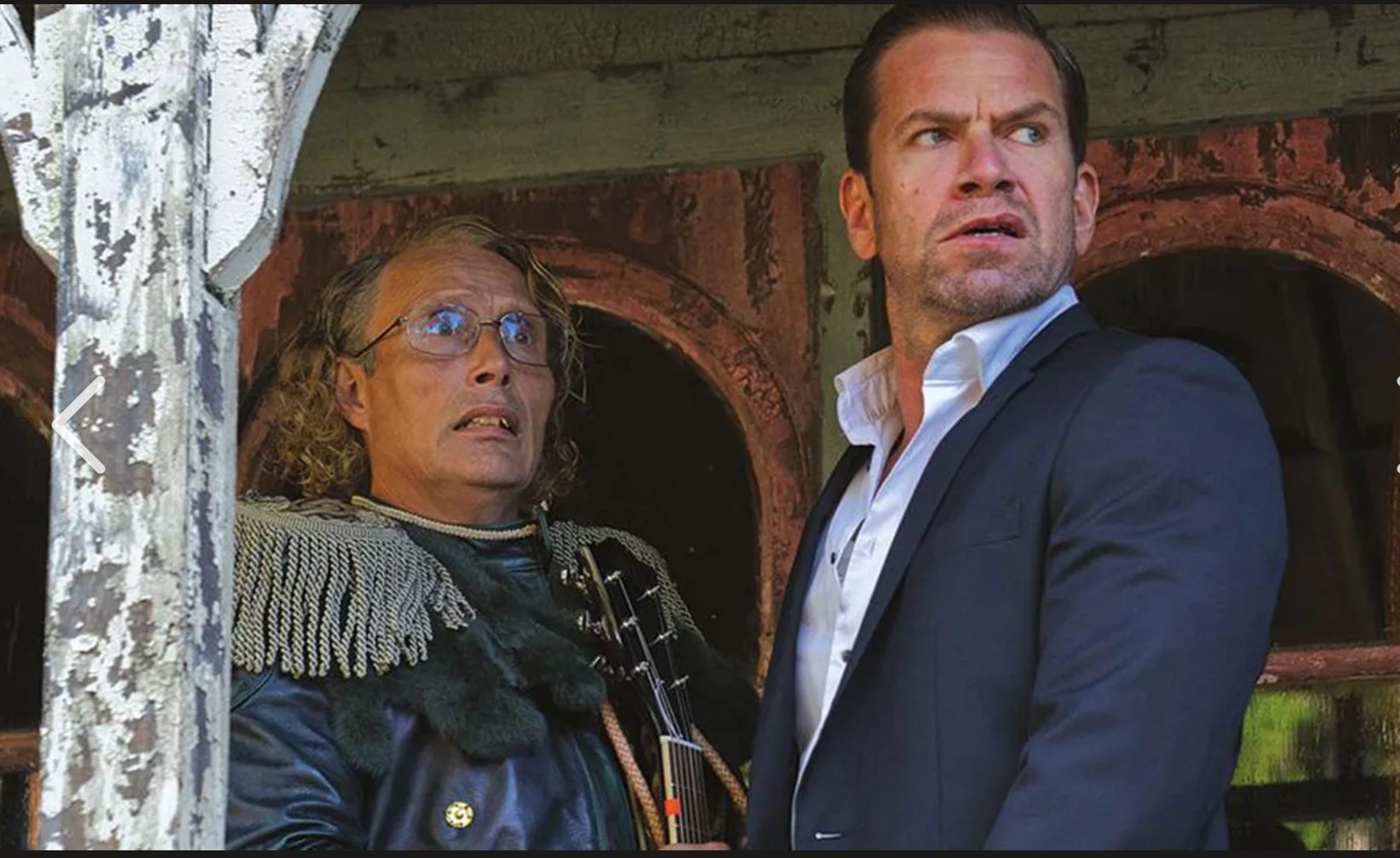
The plot revolves around brothers Anker (Nikolaj Lie Kaas) and Manfred (Mads Mikkelsen). Anker about to be arrested for a bank robbery asks his brother to bury the money. Fifteen years later, released from prison, Anker is frustrated to discover his brother won’t disclose the burial spot and has developed “Dissociated Identity Disorder”, insisting that he is called John – believing himself to be John Lennon.
A drunk encounter between Anker and the ‘psychiatrist’ Lothar (Lars Brygmann) ends in a plan to cure Manfred by uniting him with other dissociative patients to form The Beatles.
Much of the humour comes from the absurdity of Manfred’s behaviour, his penchant for stealing dogs, the bizarre suicide attempts and his candid way with words:
“How can you two be married, when he's so ugly and you're so good-looking?
Manfred/John
Is that why you don't have kids?
Because he's so ugly?”
The plot is convoluted and farcical. The comedy is physical, tending towards the violent and distasteful. It is a risky idea for a comedy as it mashes together themes of family abuse, mental ill-health and a crime caper. Yet somehow, it just about works. It worked well enough that the audience, myself included, laughed out loud. (Although I did look away at a couple of particularly violent moments). The film negotiates some weird tone shifts with brutal flashbacks that explain the brotherly bonds.
Ultimately we root for the brothers and the band of ragtag outcasts they collect, because the film has an open heart beneath the twisted minds.
Again, my alter-ego felt a little shell-shocked – wondering whether the Production Code might have got some things right. Violence as comedy? Tom and Jerry made real? She’s not sure the film works for her. She was not as adept as me at knowing the cues for a violent act and when to look away.
To sum up, I laughed at both films. I also felt a little wrong doing so. But as Pauline Kael says:
“If there’s any test that can be applied to movies, it’s that he good ones never make you feel virtuous”.
Paulilne Kael
And in terms of the comedy, as the British comedy writer, Barry Cryer once said:
“Analysing comedy is like dissecting a frog. Nobody laughs and the frog dies.”
Barry Cryer
If you've enjoyed what you have read, consider subscribing to my writing on Vocal. If you'd like to support my writing, you can do so by leaving a one-time tip or a regular pledge. Thank you.
About the Creator
Rachel Robbins
Writer-Performer based in the North of England. A joyous, flawed mess.
Please read my stories and enjoy. And if you can, please leave a tip. Money raised will be used towards funding a one-woman story-telling, comedy show.
Enjoyed the story? Support the Creator.
Subscribe for free to receive all their stories in your feed. You could also become a paid subscriber, letting them know you appreciate their work.
Comments
There are no comments for this story
Be the first to respond and start the conversation.