
Is the Strait of Hormuz on the Brink of Another Blockade?
Strait of Hormuz

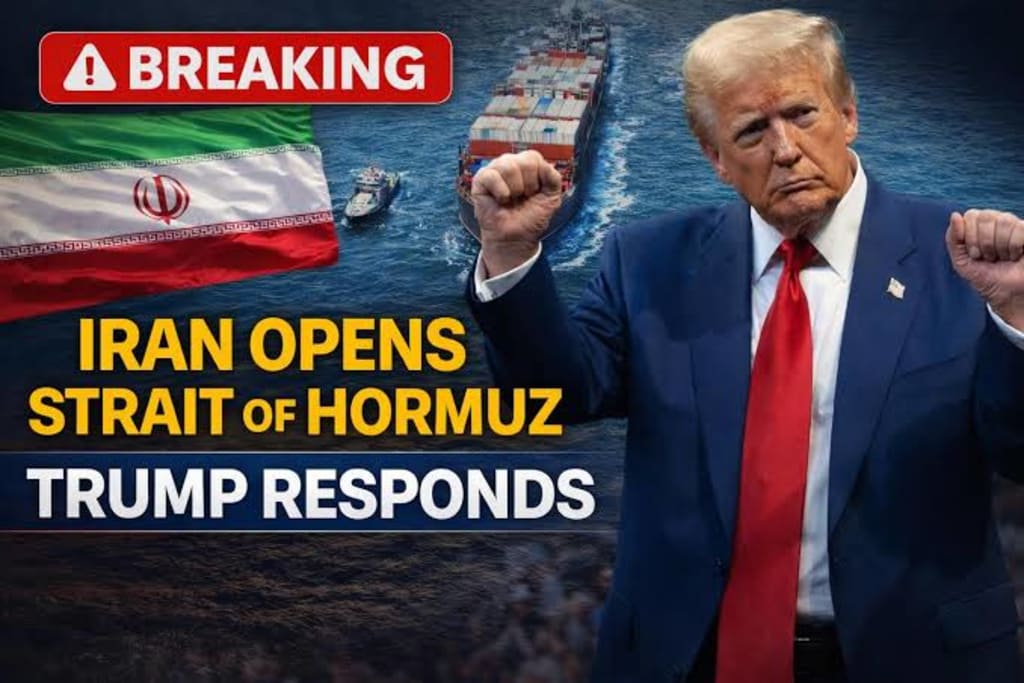
Is the Strait of Hormuz on the Brink of Another Blockade?
Introduction
The Strait of Hormuz is one of the most critical maritime chokepoints in the world. Connecting the oil-rich Persian Gulf to global markets, it serves as a lifeline for international energy supplies. Any threat to its stability immediately raises global concern. Recently, growing tensions have sparked fears: could this vital passage face another blockade?
Why the Strait of Hormuz Matters
Roughly a fifth of the world’s oil passes through the Strait of Hormuz daily. Major producers like Saudi Arabia, Iran, Iraq, and United Arab Emirates depend on it to export crude oil.
Because of this, even minor disruptions can send shockwaves through global markets. Oil prices can spike, shipping costs can rise, and economies worldwide can feel the impact within days.
Historical Tensions and Close Calls
The Strait has long been a hotspot for geopolitical conflict. During the Iran-Iraq War, both sides targeted oil tankers in what became known as the “Tanker War.” More recently, incidents involving seized vessels and military standoffs have heightened tensions.
There have also been repeated warnings from Iran about closing the Strait in response to sanctions or military pressure. While such threats have not fully materialized into a long-term blockade, they underline how fragile the situation remains.
Current Sources of Tension
1. Regional Rivalries
Ongoing rivalry between Iran and its regional neighbors, especially Saudi Arabia, contributes to instability. Political disagreements, proxy conflicts, and competition for influence in the region all increase the risk of escalation.
2. International Sanctions
Sanctions imposed by countries like the United States have significantly affected Iran’s economy. In response, Iran has occasionally used the Strait as a point of leverage, signaling that it could restrict access if pressures continue.
3. Military Presence
The Strait is heavily patrolled by international naval forces, including the United States Navy. While their presence aims to ensure security, it also increases the risk of accidental clashes or miscalculations.
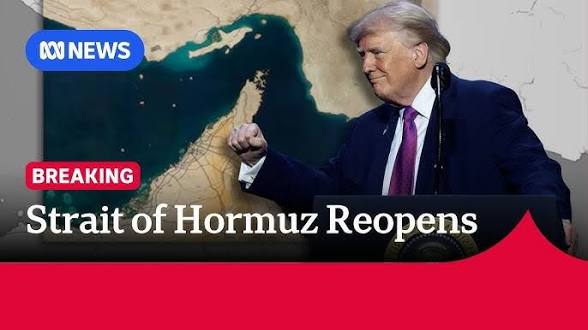
Is a Blockade Likely?
A full blockade of the Strait of Hormuz remains unlikely—but not impossible. Closing the Strait would have severe consequences not only for global markets but also for Iran itself, as it relies on the same route for its oil exports.
However, temporary disruptions, such as harassment of ships, seizures, or limited military actions, are more plausible. These smaller-scale incidents can still create uncertainty and drive up oil prices without escalating into full-scale conflict.
Global Economic Impact
If the Strait were blocked, even briefly, the consequences would be immediate. Oil prices could surge dramatically, affecting everything from transportation to food costs worldwide. Countries heavily dependent on imported oil would face economic pressure, and global inflation could rise.
Major economies, including those in Asia and Europe, would be particularly vulnerable due to their reliance on Middle Eastern oil supplies.
Efforts to Reduce Risk
Countries and organizations are actively working to prevent disruption in the Strait. Diplomatic efforts aim to reduce tensions, while naval coalitions seek to protect shipping routes.
Additionally, some nations are exploring alternative pipelines and routes to bypass the Strait. However, these alternatives cannot fully replace its capacity, making the waterway irreplaceable in the short term.
Conclusion
The Strait of Hormuz remains a critical yet vulnerable artery of the global economy. While a complete blockade is unlikely due to its far-reaching consequences, the risk of partial disruptions continues to loom.
In an increasingly interconnected world, the stability of this narrow passage affects far more than just the countries surrounding it—it influences the economic well-being of nations across the globe. Monitoring developments in this region is essential, as even small changes can have outsized global effects
About the Creator
Sk
"I am a passionate writer, crafting books and articles on Vocal Media, exploring human experiences, stories, and creative reflections."
Enjoyed the story? Support the Creator.
Subscribe for free to receive all their stories in your feed.
Comments
There are no comments for this story
Be the first to respond and start the conversation.