
'Into the Night' (1985): John Landis’s Chaotic, Cameo-Packed Odyssey Through Los Angeles
John Landis turned one sleepless night in Los Angeles into a comic thriller, a Hollywood scavenger hunt, and one of the strangest movies of the 1980s.

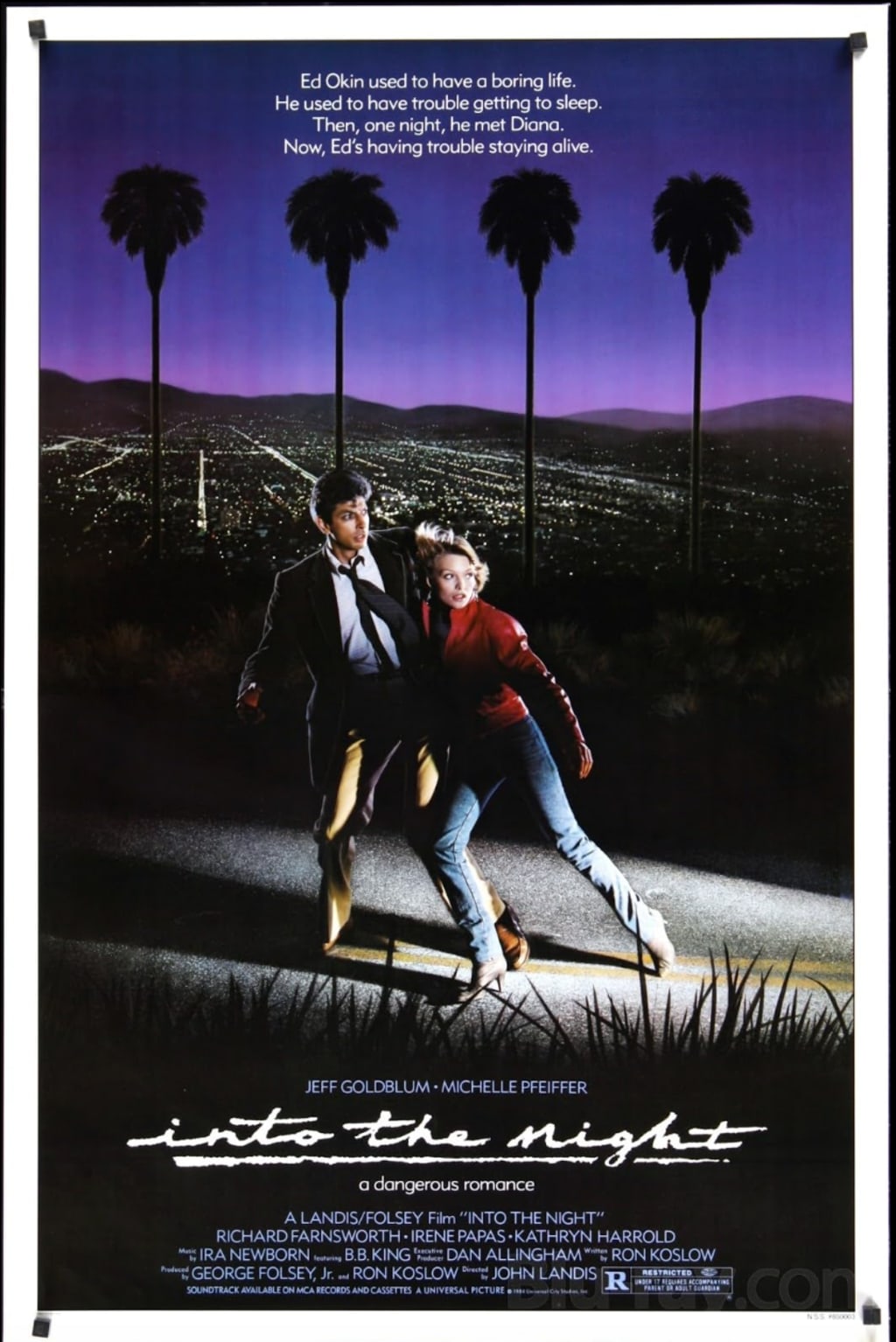
There are movies you watch for the story, movies you watch for the performances, and movies you watch because you want to see if you can identify everybody wandering through the background.
Into the Night is very much the third kind.
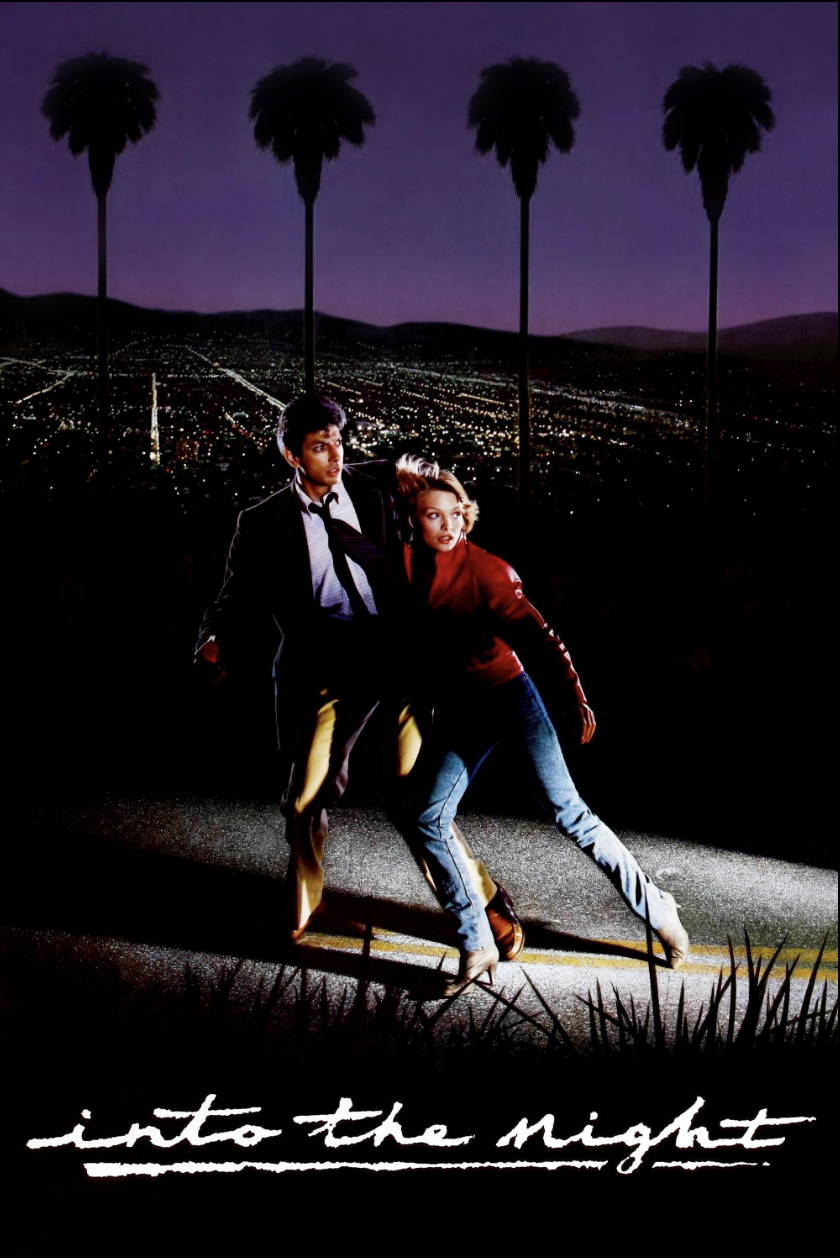
John Landis’s 1985 movie begins with something almost painfully ordinary. Ed Okin (Jeff Goldblum) is an aerospace engineer who cannot sleep. His marriage is falling apart, his wife is having an affair, and Los Angeles at night seems to offer him the possibility of simply getting in his car and driving somewhere—anywhere—rather than lying awake in bed.
Then Michelle Pfeiffer falls onto the hood of his car.
Well, technically, she falls into his life.
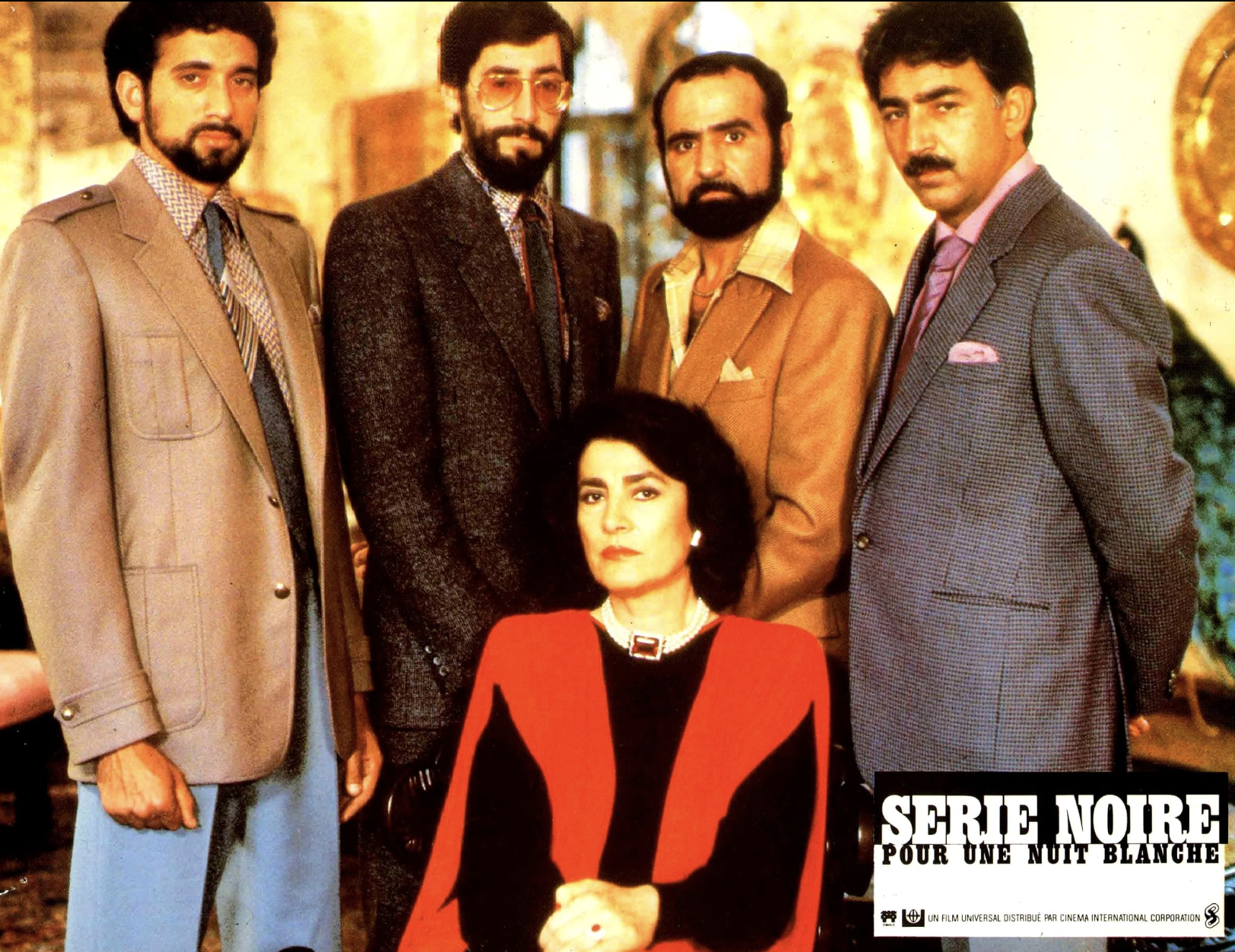
Pfeiffer plays Diana, a mysterious woman being pursued through the Los Angeles night by Iranian agents, professional killers and assorted dangerous people who would very much like to get their hands on the jewels she is carrying.
Ed, who was only trying to escape his insomnia and his collapsing marriage, suddenly finds himself caught in a sprawling nocturnal adventure involving jewel thieves, hitmen, federal agents, eccentric millionaires and enough Hollywood cameos to make the closing credits feel like the guest list at an industry party.
And that may actually be the point.
Into the Night is a noisy, uneven, occasionally violent and frequently ridiculous movie. But it is also one of the most fascinating time capsules of mid-1980s Los Angeles, particularly because Landis fills it with the people who actually made Hollywood movies.
The result is part comic thriller, part neo-noir, part romantic oddity and part Hollywood in-joke.
It is also a very entertaining mess.
A Very Bad Night in Los Angeles
The basic premise sounds almost like the setup for a much more conventional romantic thriller.
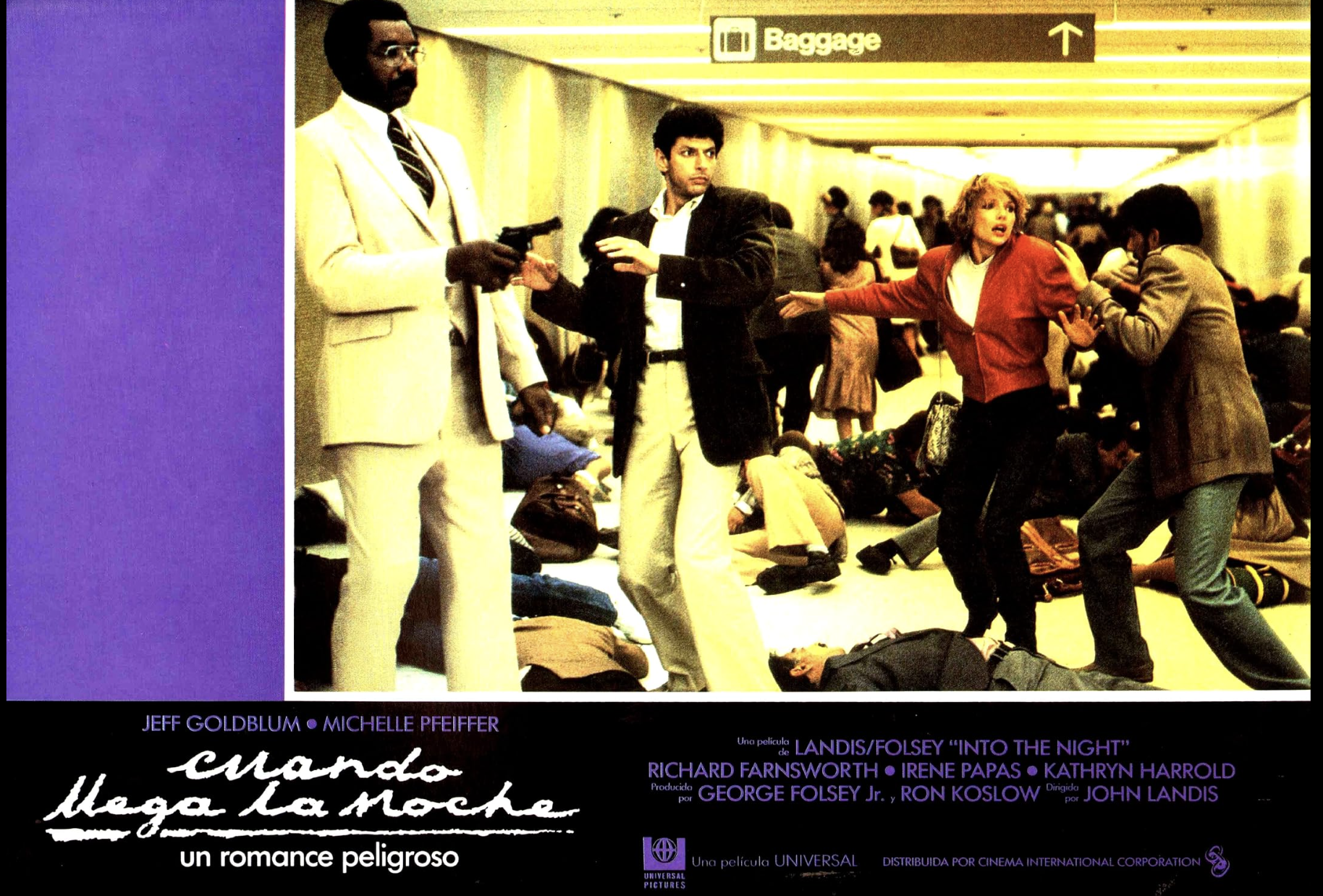
Ed Okin is an insomniac whose life has become a dead end. He discovers his wife is cheating on him and heads for the airport, apparently desperate to get away from his problems for a few hours.
Instead, he finds Diana.
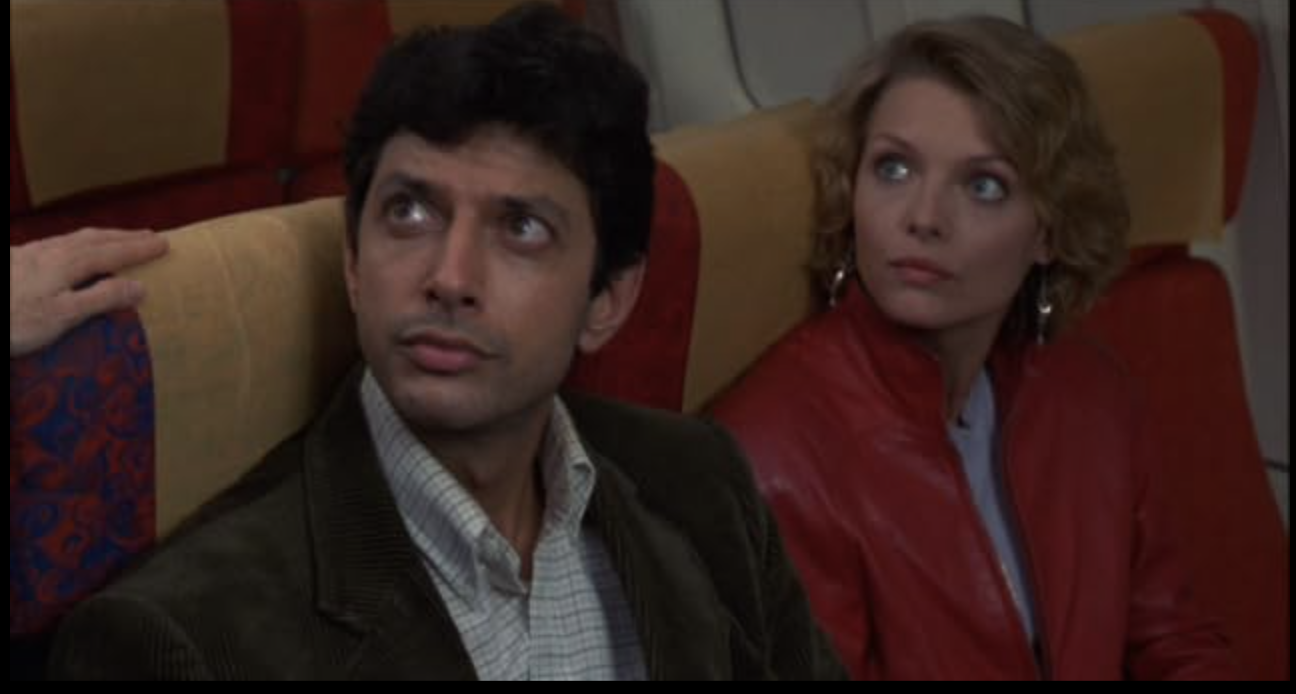
Michelle Pfeiffer was still relatively early in her career, but Into the Night gives her the kind of entrance designed to announce that somebody interesting has arrived. Diana is beautiful, frightened and mysterious, and Ed has absolutely no idea what he has gotten himself into.
The answer, as it turns out, is nearly everything.
The chase expands from one encounter into another, with Ed and Diana bouncing through the strange nocturnal ecosystem of Los Angeles. There are Iranian agents. There are criminals. There are government agents. There are wealthy eccentrics. There is a hitman played by David Bowie.
And then there are all the people playing themselves—or something close enough to themselves that the distinction hardly matters.
Because John Landis had apparently decided that if he was going to make a movie about Los Angeles, he might as well invite half of Hollywood to appear in it.
The Movie Before the Movie
The story of Into the Night begins with screenwriter Ron Koslow, who developed the screenplay as a romantic thriller unfolding over a couple of restless nights in Los Angeles.
Landis became attached to the project through Universal, with producer Sean Daniel among those helping bring him aboard.
By this point, Landis was a major Hollywood filmmaker. National Lampoon’s Animal House, The Blues Brothers and An American Werewolf in London had established him as a director who could move comfortably between comedy, horror and spectacle.
But Into the Night arrived at a very different moment in his career.
In 1982, Landis had directed one of the segments of Twilight Zone: The Movie. The helicopter accident that killed Vic Morrow and two child actors during the production cast a long shadow over Landis and the production. The resulting criminal trial and civil litigation were still part of the public conversation when Into the Night was being made.
That context is impossible to completely separate from the film.
Landis was still Landis. He was still making movies. But Hollywood had changed around him, and the carefree excess of his earlier successes suddenly carried a different weight.
Perhaps that helps explain some of the strange energy surrounding Into the Night.
Perhaps it doesn’t.
Either way, Landis made a movie that seems determined to have fun.
Why Jeff Goldblum?
Landis initially envisioned an older actor for Ed Okin. Names such as Jack Nicholson and Gene Hackman were considered.
That would have produced a very different movie.
Instead, Universal pushed toward a younger star following the success of The Big Chill, and Jeff Goldblum got the role.
It turned out to be an inspired piece of casting.
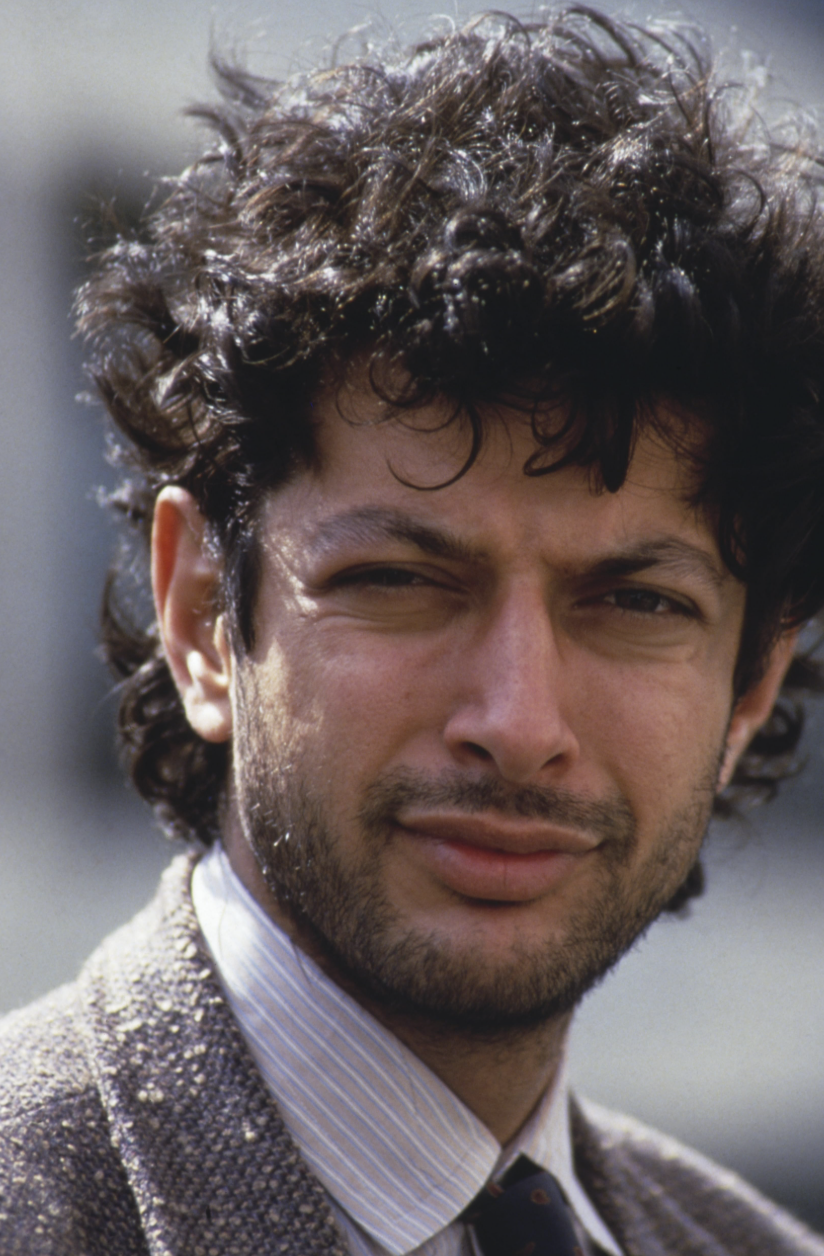
Goldblum’s Ed is not a conventional action hero. He’s tired. He’s confused. He’s irritated. He looks like a man who would rather be home sleeping than running through Los Angeles with armed men shooting at him.
Which is precisely why it works.
Goldblum plays the character as an ordinary guy who has wandered into a movie that is moving considerably faster than he is.
Pfeiffer provides the opposite energy. Diana is mysterious, glamorous and perpetually in motion. She has information Ed doesn’t have, enemies he doesn’t know exist and a general sense that surviving the night requires moving quickly.
Their chemistry gives the movie its emotional center.
Without it, Into the Night would probably be little more than a series of increasingly bizarre encounters.
With it, there is at least something resembling a love story buried underneath all the gunfire.
Welcome to the Cameo Olympics
And then there are the cameos.
Oh, the cameos.
Landis’s Hollywood friends seem to be everywhere.
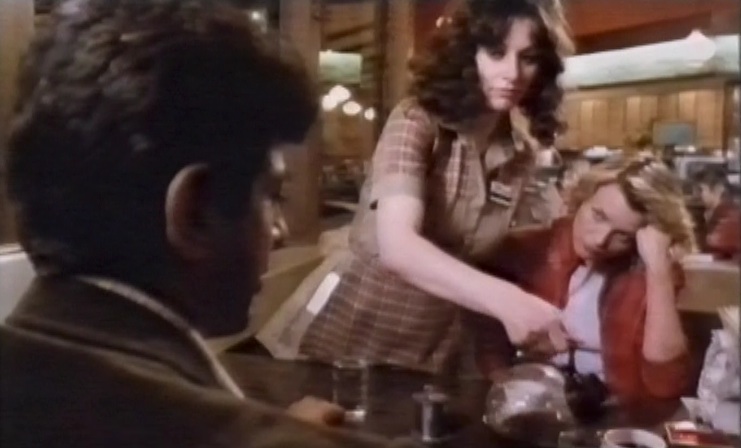
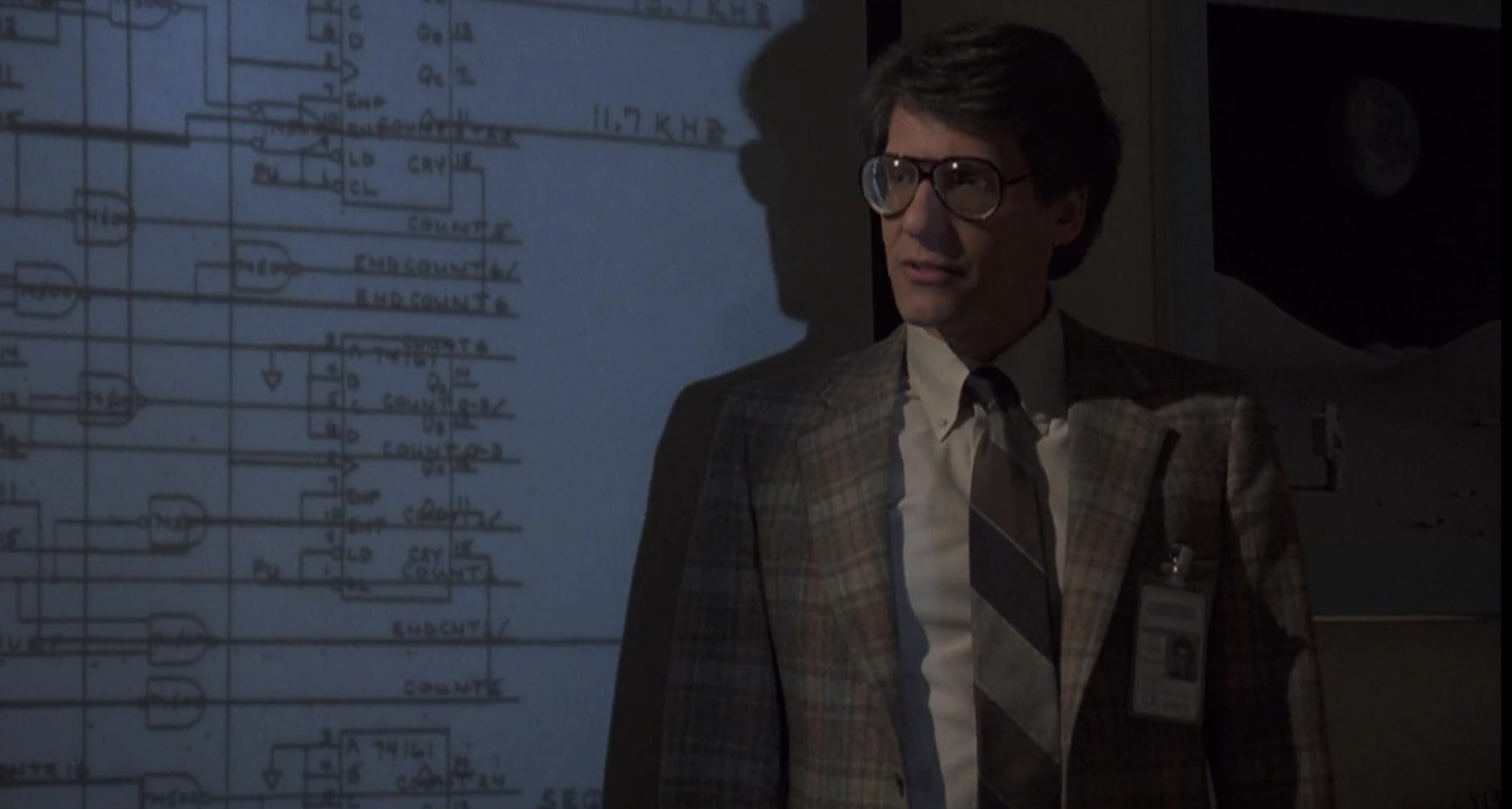
David Cronenberg appears. So does Richard Franklin. Colin Higgins. Daniel Petrie. Paul Bartel. Don Siegel. Jim Henson. Jack Arnold. Amy Heckerling. Lawrence Kasdan. Jonathan Demme.
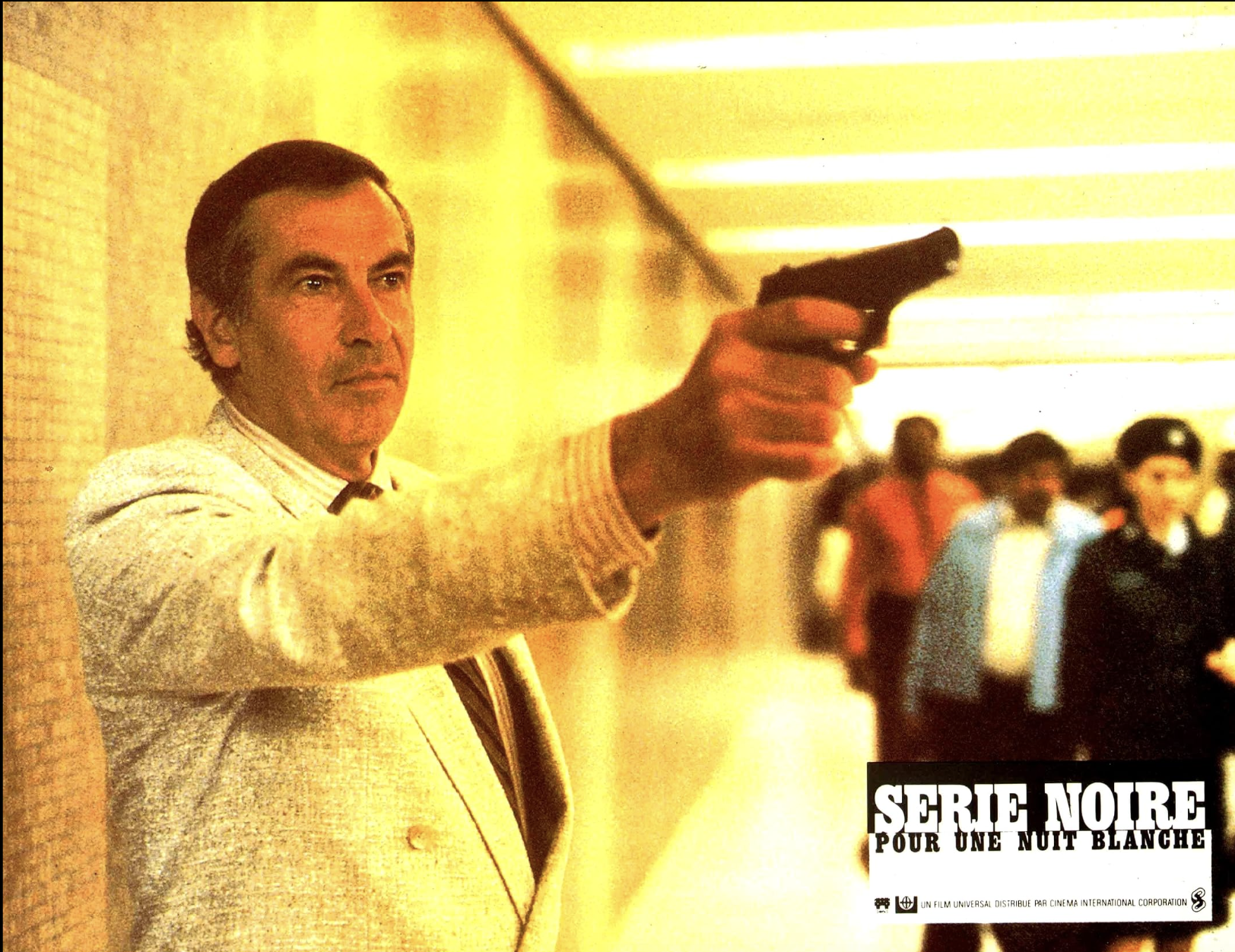
And Landis himself appears as one of the bumbling SAVAK agents.
There are also appearances by people such as Rick Baker, while Paul Mazursky and Roger Vadim have substantially larger roles than some of the directors who simply pop up for a moment.
At one point you may find yourself watching the movie less for what Ed and Diana are doing than for wondering:
Wait. Was that David Cronenberg?
And then:
Was that Don Siegel?
And then:
Is that Jim Henson?
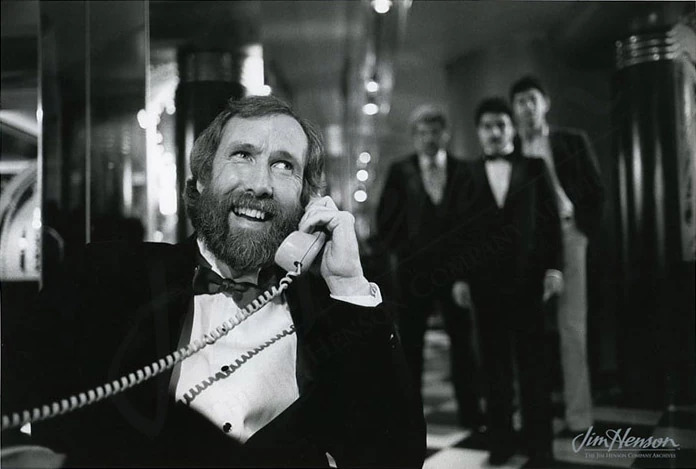
The whole thing becomes a cinematic version of spotting celebrities in the audience at a Hollywood premiere.
Contemporary writers noticed the phenomenon immediately.
One newspaper article even wondered about the “missing” directors, attempting to figure out exactly how many filmmakers had appeared in the movie and who had somehow been left out of the unofficial director’s club.
The numbers didn’t even seem to agree.
American Film reportedly counted sixteen “amateurs.” A local critic came up with thirteen or fourteen, depending on how the participants were counted. A Universal spokesman added another name.
It became a minor mystery.
Who was in it?
Who wasn’t?
And how many directors could John Landis possibly squeeze into one movie?
The answer was apparently: quite a few.
The Hollywood Inside Joke
There is a wonderful bit of absurdity to the whole thing.
Alfred Hitchcock famously turned cameos into a personal trademark, appearing briefly in his own movies.
Landis takes the idea and turns it into an industry party.
Instead of simply appearing himself, he invites his colleagues.
The effect can be charming. There’s something genuinely fun about seeing filmmakers who normally sit behind the camera suddenly appear in front of it.
But there is also something undeniably self-conscious about it.
The movie knows you know who these people are.
That means Into the Night sometimes feels like it is winking at an audience that has been given the password.
For a film buff, that’s part of the fun.
For everyone else, it can look like Hollywood congratulating itself.
Some critics essentially made that argument at the time, describing the cameo parade as distracting and self-indulgent.
And they’re not entirely wrong.
But I have a hard time being completely annoyed by it.
The sheer weirdness is part of the movie’s personality.

One Crazy Night Gets Crazier
The plot itself becomes progressively more ridiculous.
Ed and Diana move through a succession of increasingly strange situations involving jewel smugglers, Iranian agents, criminals and government officials.
There are shootouts.
There are car chases.
There is a particularly memorable encounter involving David Bowie as a hitman.
There is violence that occasionally seems to arrive simply because Landis thinks it would be funny.
And there are moments when the movie seems to forget that it started as a story about a lonely, exhausted man whose marriage is collapsing.
That tonal instability is probably Into the Night’s biggest weakness.
The movie wants to be a romantic comedy, a thriller, a noir, a slapstick comedy and a portrait of Los Angeles after midnight.
Sometimes it manages to be all of them at once.
Sometimes it feels like five different movies fighting for control.
Yet that messiness is also part of its charm.
Landis isn’t particularly interested in making the night logical.
He’s interested in making it strange.
Los Angeles becomes a place where one wrong turn can take you from an airport to a mansion to a seedy bar to a shootout and then somewhere even more ridiculous.
It’s the city as an enormous machine for generating bad decisions.
Los Angeles After Dark
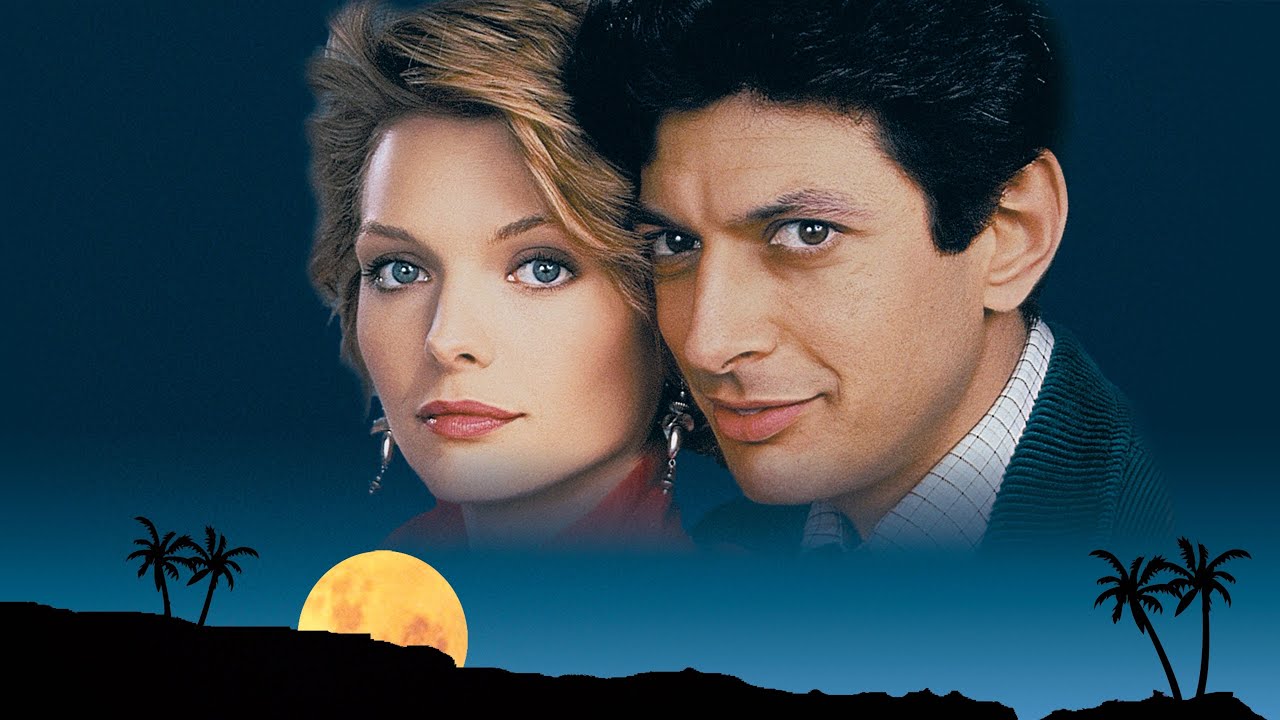
One of the things that saves Into the Night is the atmosphere.
This is Los Angeles before the city became visually standardized by decades of movies about Los Angeles.
Landis and cinematographer Robert Paynter capture a city of neon, freeways, airport lights, dark streets and strange pockets of activity that seem to exist independently from the daylight world.
Ed isn’t exploring Los Angeles as a tourist.
He’s driving through the city because he doesn’t know where else to go.
That distinction matters.
There is something almost melancholy beneath all the chaos.
Ed is lonely.
His marriage is dying.
He can’t sleep.
And then, almost accidentally, Diana appears.
The movie buries those emotions beneath gunfire and jokes, but they are still there.
That’s one reason Goldblum is so important to the film.
His performance gives Into the Night an exhausted human quality that keeps it from becoming completely weightless.
And Then There’s B.B. King
The soundtrack is another reason the movie works better than it probably has any right to.
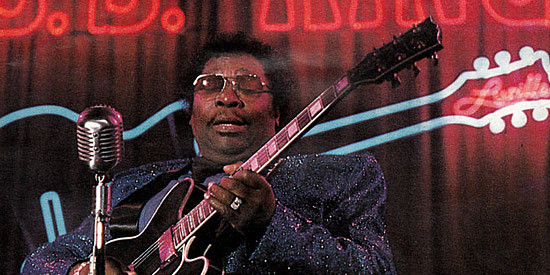
Ira Newborn provides the score, while B.B. King contributes songs including “Into the Night” and “My Lucille.”
The music gives the movie a bluesy nocturnal identity that fits the city beautifully.
It’s one of those cases where the soundtrack isn’t simply filling silence between scenes.
It helps define the movie.
There’s a looseness to the music that complements the movie’s wandering quality. Into the Night feels like it is drifting through Los Angeles at two in the morning, when everything is still open but nothing feels entirely trustworthy.
That’s exactly the atmosphere Landis needs.
A Movie That Didn’t Find Its Audience
For all its energy, Into the Night didn’t become another Landis hit.
The movie opened in February 1985 and ultimately earned roughly $7 million to $7.5 million domestically against a reported $8 million budget.
That made it a commercial disappointment and, at the time, a notable stumble for Landis.
The critical response was similarly divided.
Some critics found the movie shallow, noisy and chaotic while still acknowledging that it could be a lot of fun.
Keith Roysdon of the Evening Press, for example, essentially saw it as a typical Landis production: excessive, noisy and not especially deep, but entertaining—particularly for movie buffs who could enjoy the cameos and supporting appearances.
He also singled out Pfeiffer, describing her as luminous, while appreciating Goldblum’s appropriately weary performance and Newborn’s music.
Other critics were less forgiving.
The sheer amount of violence, destruction and Hollywood self-reference could make the movie feel like an extended inside joke.
Roger Ebert and Gene Siskel were among those who had reservations about the film’s excesses, while other contemporary critics appreciated its strange mood and nocturnal voyage through Los Angeles.
That split still makes sense.
Into the Night isn’t a movie that becomes dramatically better if you ignore its flaws.
The flaws are right there.
They’re practically waving at you.
But neither do those flaws completely destroy the experience.
Into the Night vs. After Hours
It’s difficult to talk about Into the Night today without mentioning Martin Scorsese’s After Hours, which arrived the same year.
Both movies take an ordinary man and send him into an increasingly surreal nightmare over the course of one night.
Both turn the city after dark into a strange alternate universe.
Both involve men who desperately want to get home and discover that the universe has other plans.
But the movies feel completely different.
After Hours becomes increasingly nightmarish and existential.
Into the Night is more interested in chaos.
Scorsese’s New York feels hostile.
Landis’s Los Angeles feels absurd.
And maybe that’s the most appropriate distinction.
In After Hours, the city seems to be conspiring against its protagonist.
In Into the Night, Los Angeles simply keeps throwing things at him.
The Landis Time Capsule
Today, the cameos are probably as important to Into the Night’s identity as the actual story.
That isn’t necessarily a criticism.
Movies are time capsules, and sometimes the strangest things about them become the most revealing.
Watching Into the Night now means watching a group of filmmakers at a very specific moment in Hollywood history.
Landis had been one of the industry’s most successful young directors. He was coming off an enormous amount of attention and controversy. The 1980s were transforming Hollywood into an increasingly corporate, star-driven business, while filmmakers and studios were still figuring out what the new blockbuster era meant.
And here was Landis making a strange little movie about one night in Los Angeles and filling it with his friends.
There’s something almost endearing about that.
There’s also something very 1980s about it.
The movie is simultaneously cynical about Hollywood and completely enamored with it.
It makes fun of the industry while inviting the industry to participate in the joke.
Rediscovering Into the Night
Into the Night isn’t a forgotten masterpiece.
I wouldn’t try to turn it into one.
It’s too messy for that.
It’s too uneven, too pleased with itself, and occasionally too enamored with its own destruction.
But that’s not the same thing as saying it isn’t worth watching.
It has Goldblum and Pfeiffer at an interesting point in their careers. It has B.B. King. It has David Bowie as a hitman. It has a terrific nocturnal Los Angeles atmosphere.
And then there is the game.
How many directors can you identify?
That alone makes Into the Night an entertaining movie-night challenge for people who spend entirely too much time thinking about movies.
Which, naturally, includes me.
The movie’s biggest weakness and one of its greatest pleasures are essentially the same thing.
John Landis couldn’t resist turning Into the Night into a Hollywood party.
Everybody was invited.
Everybody wanted a cameo.
And apparently nobody thought to stop him.
Maybe that’s why the movie has survived as well as it has.
It’s not polished.
It’s not particularly disciplined.
It doesn’t always know what kind of movie it wants to be.
But it has personality.
And personality counts for something.
Especially at two in the morning, when you’re driving through Los Angeles, you’re not sure where you’re going, and suddenly Michelle Pfeiffer lands on your car.

About the Creator
Movies of the 80s
We love the 1980s. Everything on this page is all about movies of the 1980s. Starting in 1980 and working our way the decade, we are preserving the stories and movies of the greatest decade, the 80s. https://www.youtube.com/@Moviesofthe80s
Enjoyed the story? Support the Creator.
Subscribe for free to receive all their stories in your feed.
Comments
There are no comments for this story
Be the first to respond and start the conversation.