
Heaven Help Us (1985): The Catholic School Comedy That Stirred Controversy and Quietly Endured
Andrew McCarthy, Kevin Dillon, and Patrick Dempsey star in a coming-of-age story that found comedy, cruelty, and unexpected tenderness inside a Brooklyn Catholic school.

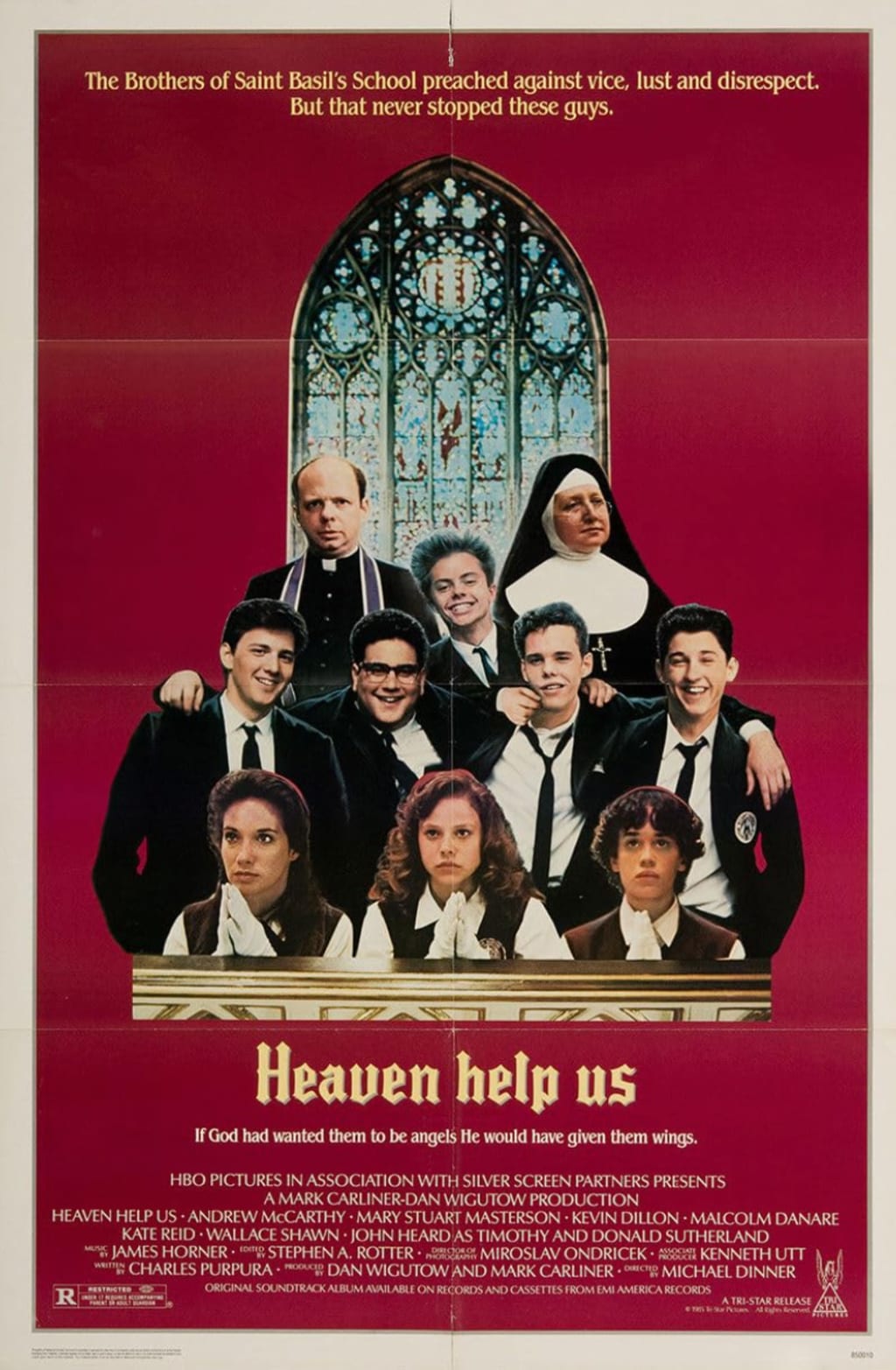
Explore Heaven Help Us (1985), the controversial Catholic school comedy starring Andrew McCarthy, Kevin Dillon, and Patrick Dempsey.
A Catholic School Movie That Wasn’t Supposed to Be This Funny
There are movies that arrive with the promise of being controversial, and then there are movies that seem to discover controversy simply by telling the truth.
Heaven Help Us is a little of both.
Released in February 1985, this coming-of-age comedy takes us back to Brooklyn in 1965, where Catholic schoolboys navigate adolescence under the watchful eyes—and occasionally the swinging hands—of their teachers.
There are hormones. There are crushes. There are fights. There are priests. There are boys who haven’t quite figured out what to do with their bodies, their emotions, or the fact that the adults in charge of them might be completely insane.
You know. School.
But Heaven Help Us wasn’t simply another teenage comedy looking for an excuse to get its characters into trouble. It was a movie about a particular kind of childhood, one shaped by Catholic education, strict authority, neighborhood life, and the complicated relationship between fear and faith.
It was also a movie that its producers knew might make some people uncomfortable.
The Catholic school system was not exactly an untouchable subject in 1985. But turning it into a bawdy comedy, complete with corporal punishment, adolescent misbehavior, and a few very questionable adults, was not necessarily the safest commercial decision.
And perhaps that helps explain why Heaven Help Us became one of those movies that seemed to disappear almost as soon as it arrived.
It opened reasonably well, earning approximately $2.2 million in its first weekend from around 1,000 theaters. But its domestic theatrical run finished at roughly $6 million.
Not exactly a disaster. Not exactly a hit.
Today, however, the film has developed a small but devoted following. And if you’re familiar with the movies of Andrew McCarthy, Kevin Dillon, Mary Stuart Masterson, or Patrick Dempsey, it offers something more interesting than a simple trip down memory lane.
It is a film about the 1980s looking back at the 1960s, and finding that the past wasn’t always as innocent as the nostalgia industry would have us believe.
From Catholic Boys to Heaven Help Us
The story began with Charles Purpura.
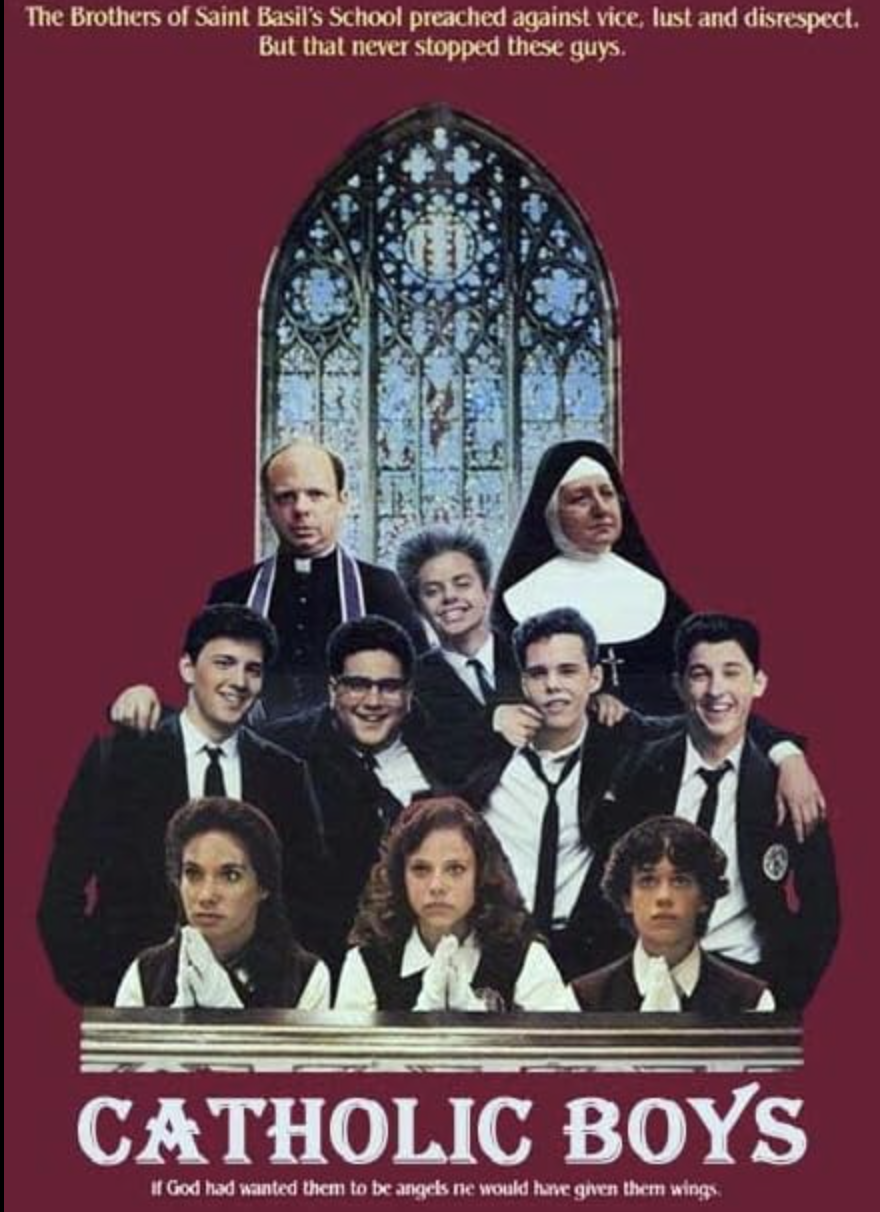
In 1978, Purpura wrote a script called Catholic Boys as his master’s thesis at New York University. The story drew heavily from his own experiences attending a Catholic boys’ school.
That personal connection would become one of the film’s defining characteristics.
This wasn’t somebody sitting in a Hollywood office trying to imagine what Catholic school might have been like. Purpura knew the environment. He knew the rituals, the punishments, the personalities, and the strange social hierarchy that could develop inside a school run by men who believed they were doing God’s work.
The script eventually reached producer Dan Wigutow through an NYU teacher.
Getting it made, however, took years.
Purpura left NYU, experienced financial difficulties, and spent time in India. The script went through rewrites before producer Mark Carliner became involved. Carliner helped bring first-time feature director Michael Dinner aboard.
Dinner had experience in television, but Heaven Help Us would be his feature directing debut.
The financing came through HBO Pictures and Silver Screen Partners, with Tri-Star Pictures handling distribution.
And then there was the title.
Tri-Star decided that Catholic Boys was too provocative.
So the film became Heaven Help Us.
Which is, admittedly, a pretty good title for a movie in which a bunch of Catholic schoolboys are trying to survive adolescence while being supervised by men who seem to have very different ideas about mercy.
The producers understood that they were entering potentially dangerous territory.
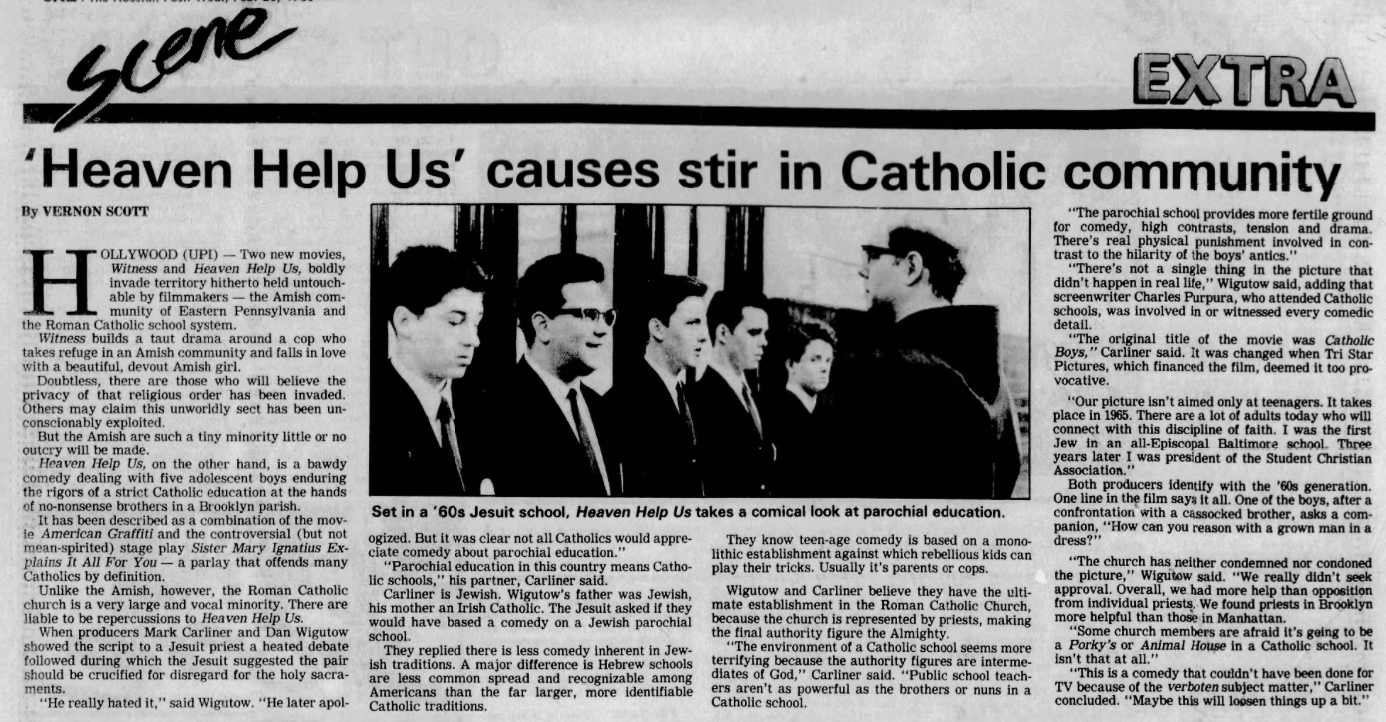
In a February 1985 United Press International article by Vernon Scott, producer Dan Wigutow explained that the film’s comic situations were rooted in reality.
“There’s not a single thing in the picture that didn’t happen in real life.”
That is a remarkable statement to make about a comedy involving Catholic school, corporal punishment, and adolescent boys.
It also goes a long way toward explaining the film’s particular tone.
Heaven Help Us isn’t trying to invent a ridiculous world. It is taking a real environment and allowing the ridiculousness that already exists within it to come to the surface.
Why Catholic School Was Such Fertile Ground
The producers considered setting the movie in a Jewish school, but ultimately decided that a Catholic school offered greater recognition for American audiences—and more opportunities for comedy.
That decision was not without consequences.
Carliner himself had attended an all-Episcopal school in Baltimore, where he was the first Jewish student. He later became president of the Student Christian Association.
Wigutow had a Jewish father and an Irish Catholic mother.
So the filmmakers weren’t approaching religion as outsiders looking for an easy punchline. They had personal experience with religious institutions and the way those institutions shaped childhood.
But they also understood that Catholic school offered something public school did not.
In the same UPI article, Carliner explained:
“The environment of a Catholic school seems more terrifying because the authority figures are intermediates of God.”
That is the central joke of Heaven Help Us.
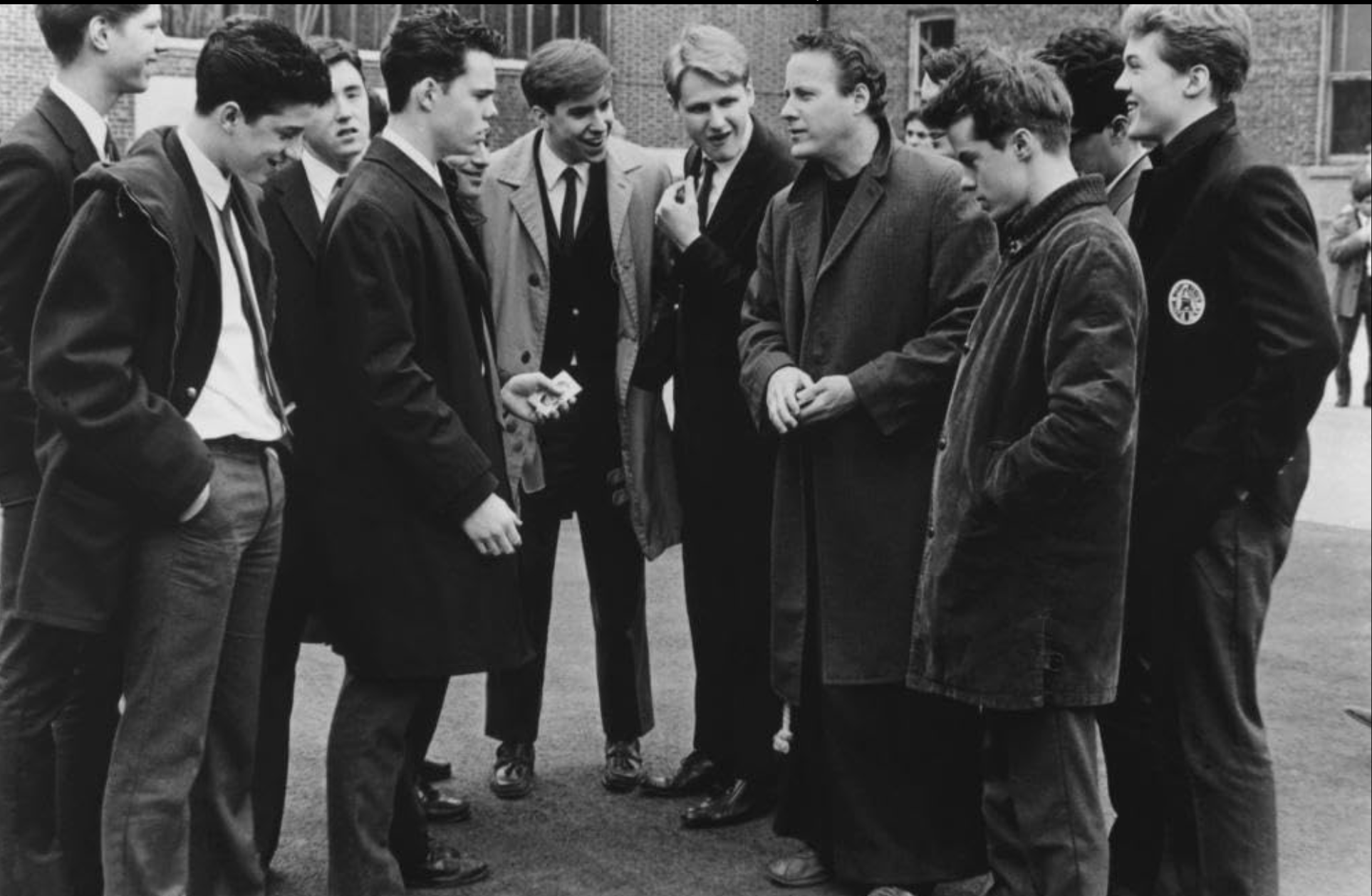
The boys aren’t merely afraid of getting in trouble. They are afraid of getting in trouble with men who represent the authority of the Church.
A public school teacher might send you to the principal.
A Catholic brother might make you feel as if you have personally disappointed God.
There is a difference.
And the film finds comedy in that difference.
The producers were also aware that the movie might be compared to Porky’s or Animal House. Those films had helped establish a particular kind of teenage comedy, one built around sex, rebellion, and increasingly outrageous behavior.
But Wigutow insisted that Heaven Help Us was something else.
“It isn’t that at all.”
He described the film as a comedy that could not have been made for television because of its subject matter.
And that, in some ways, is the movie’s most interesting quality.
It is funny, but it is not entirely comfortable.
It is nostalgic, but it is not especially sentimental.
And beneath the jokes is a story about boys learning to become men in an environment where the adults are not always particularly good examples.
A Brooklyn Childhood, Filmed in Brooklyn
Production began in late February 1984 and lasted approximately nine weeks.
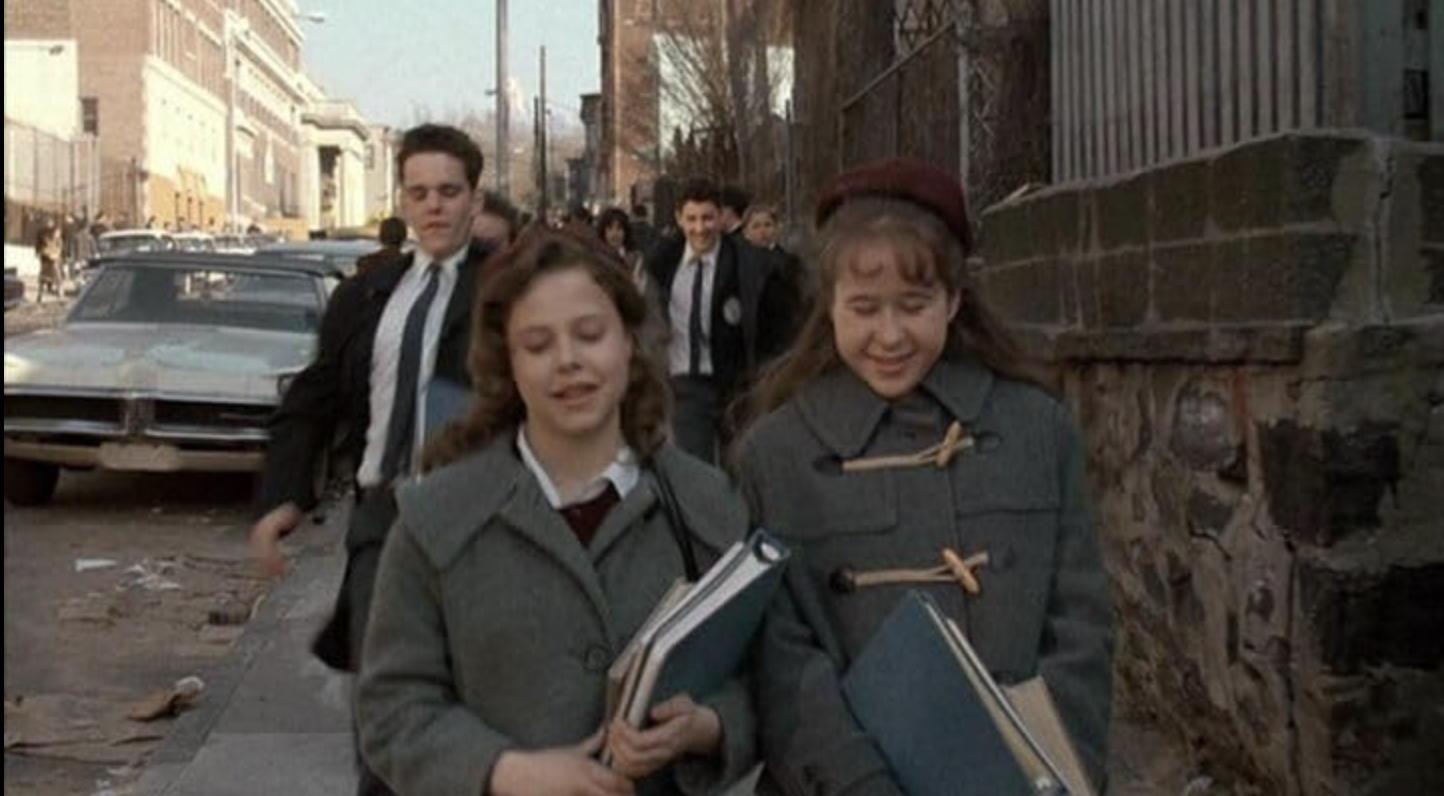
The film was shot primarily in Brooklyn, with the Church of St. Michael and its parish school standing in for the fictional St. Basil’s.
Other locations included Coney Island and Silvercup Studios.
That Brooklyn setting is important.
Heaven Help Us is not a movie about some generic American high school. It is rooted in a particular neighborhood, a particular time, and a particular culture.
The city feels lived-in.
The school feels old.
The boys feel like they belong to a world that existed before the movie began and will continue after it ends.
Cinematographer Miroslav Ondříček, known for his work with directors including Miloš Forman, brought a naturalistic visual style to the film. James Horner provided the score.
The result is a movie that looks and feels more substantial than its marketing might suggest.
It is a teen comedy, certainly.
But it is also a period piece.
And the difference matters.
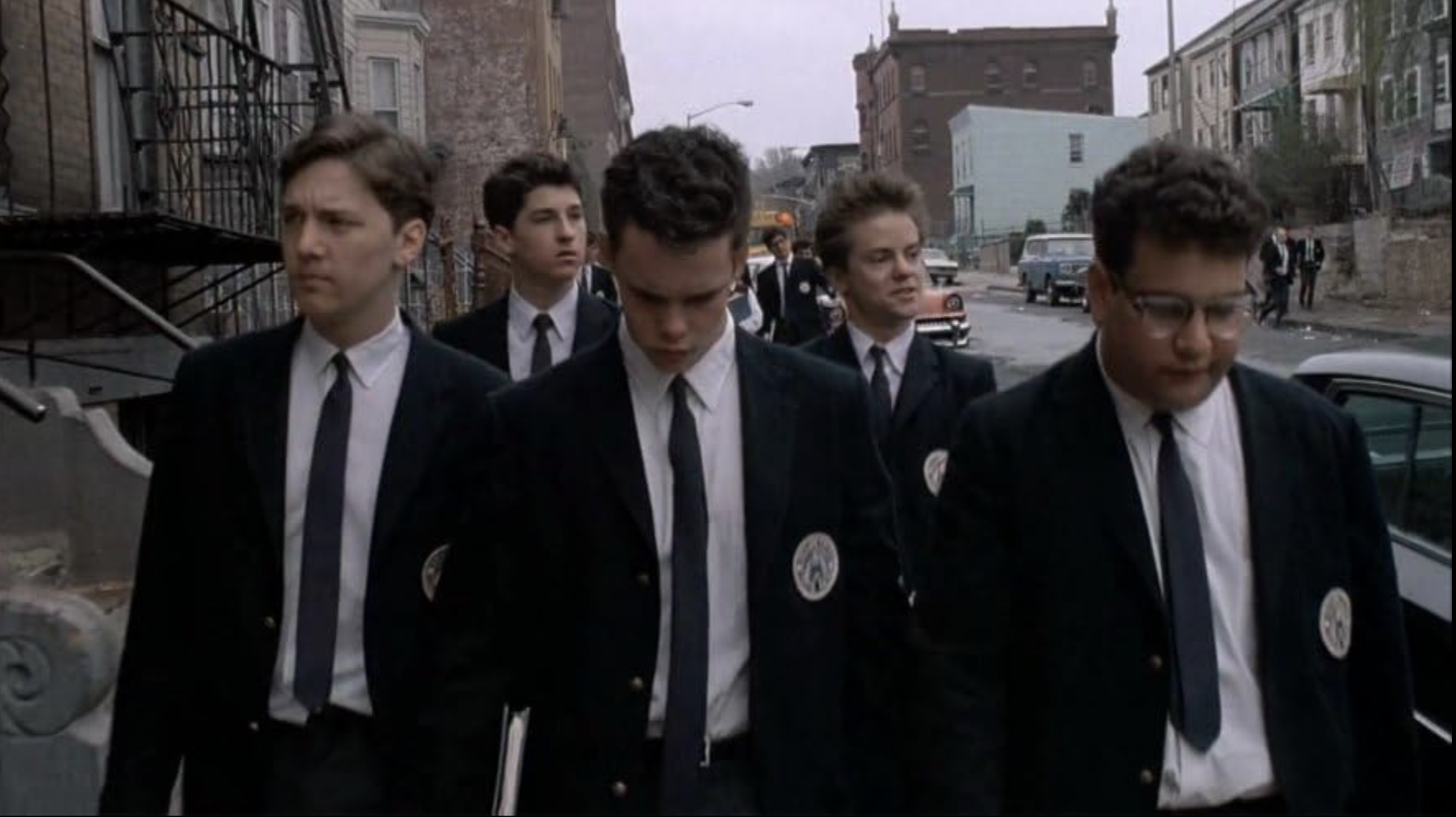
Andrew McCarthy and the Boys of St. Basil’s
The cast is one of the film’s greatest strengths.
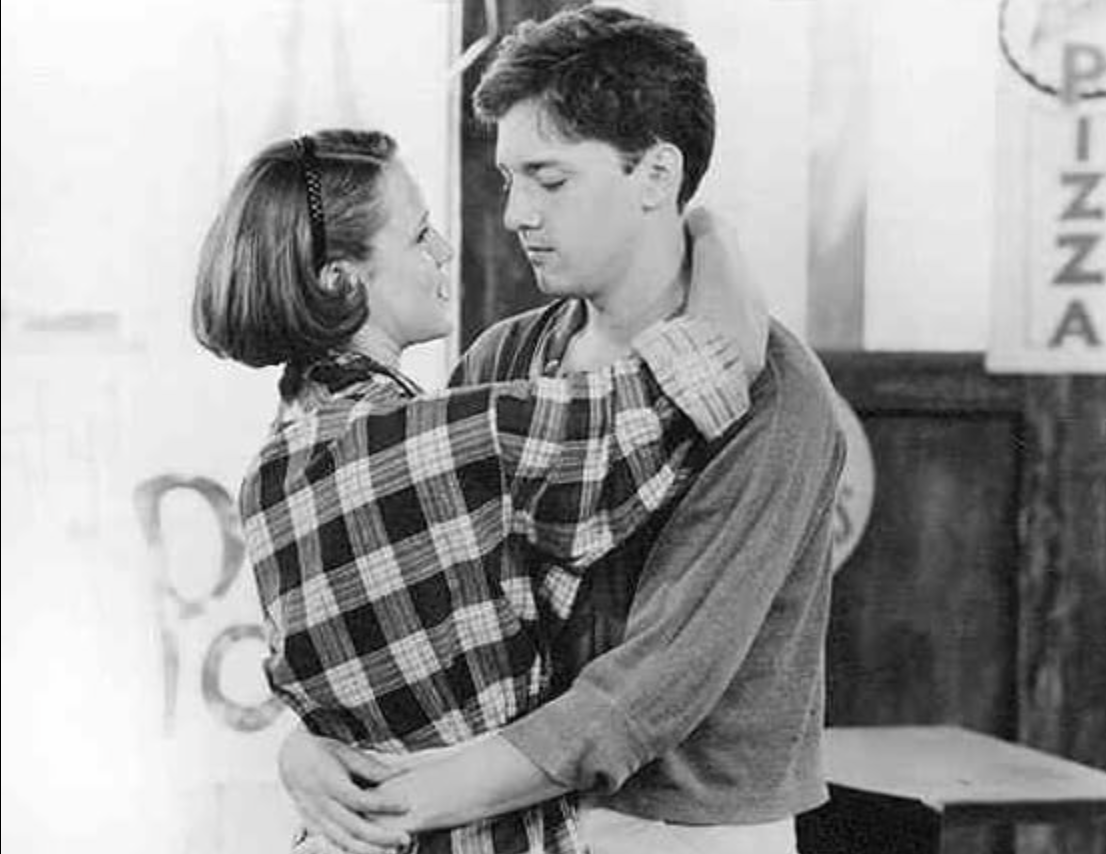
Andrew McCarthy stars as Michael Dunn, a sensitive young man trying to navigate the complications of adolescence.
McCarthy was already becoming one of the defining faces of 1980s coming-of-age cinema. He had appeared in Class and would soon become associated with films like Pretty in Pink and Mannequin.
But Heaven Help Us offers a slightly different version of the McCarthy persona.
Michael is not simply the romantic dreamer or the sensitive outsider.
He is a boy trying to understand the world around him.
And that world is not always particularly kind.
The film also features Mary Stuart Masterson as Danni, a street-wise soda-fountain girl who becomes a romantic interest.
Masterson was only 18 when she made the film, but she already possessed an unusual screen presence.
She could project toughness without losing vulnerability.
In a March 1985 profile by Charles Champlin, Masterson described the importance of her parents’ support and guidance:
“My parents gave me the reality of the business. You need talent. You also need strength and determination, and values.”
That combination is visible in her performance.
Danni is not simply the girl who exists to give the hero a crush.
She has her own personality, her own confidence, and her own understanding of the world.
Masterson would go on to become one of the most interesting actresses of her generation, appearing in films including Some Kind of Wonderful and Fried Green Tomatoes.
But Heaven Help Us is an early reminder of how much talent she possessed.
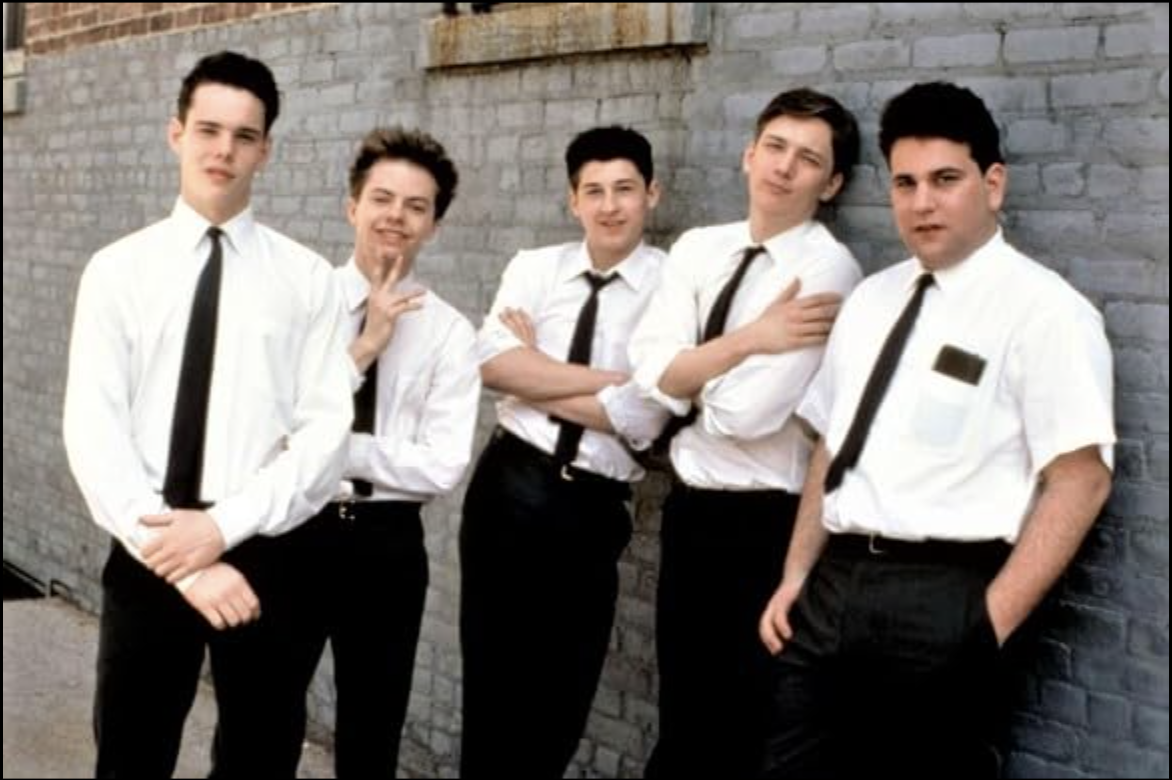
Kevin Dillon, Patrick Dempsey, and the Ensemble
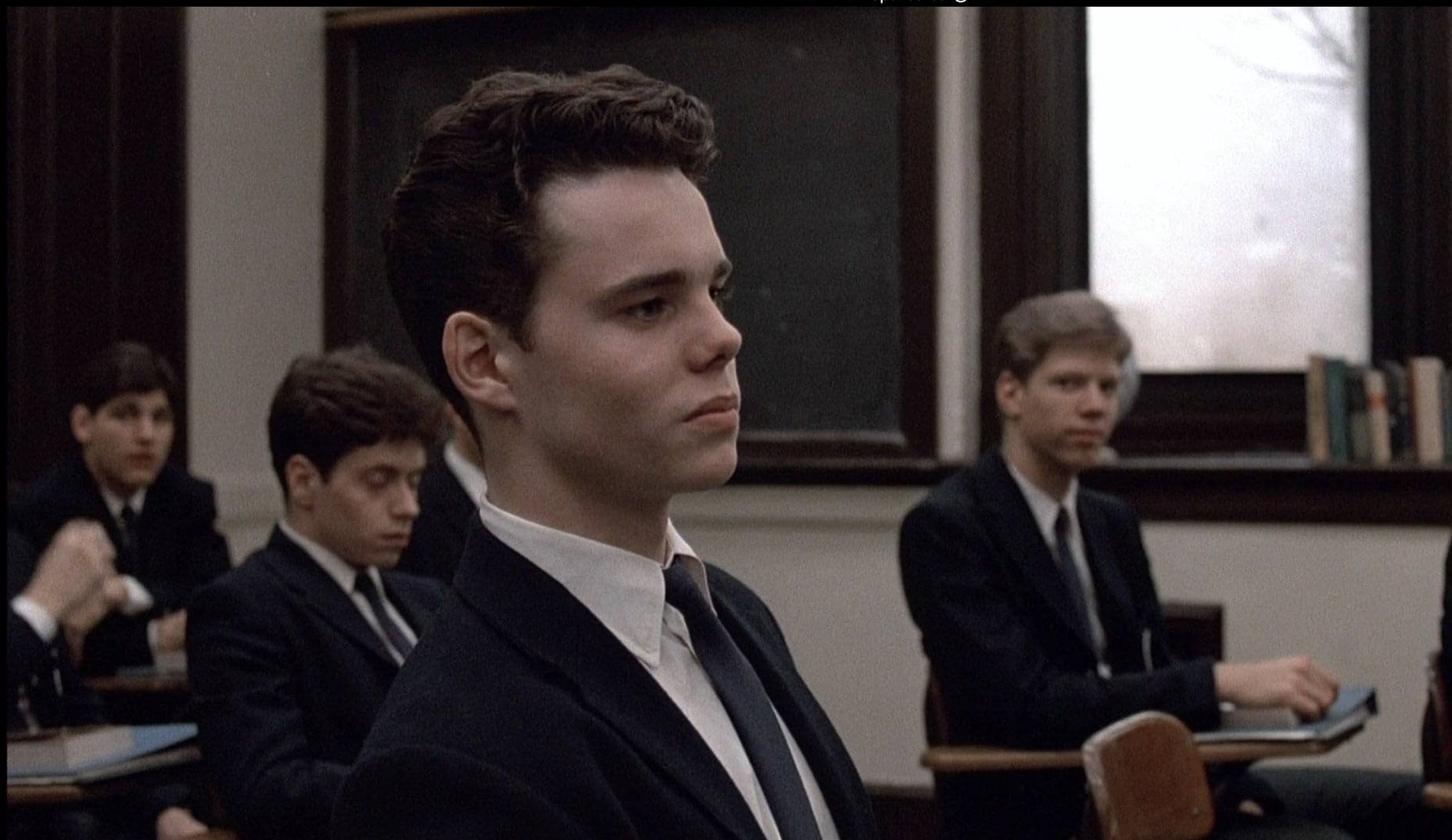
Kevin Dillon plays Ed Rooney, one of the film’s most memorable troublemakers.
Dillon was 19 at the time and was beginning to establish himself as an actor in his own right. His brother Matt Dillon was already a recognizable star.
Kevin described Rooney as a “juicy part” in a contemporary interview.
And it is.
Rooney is foul-mouthed, aggressive, and frequently ridiculous.
But he is also the kind of character who makes a school comedy work.
He has energy.
He creates problems.
He is the boy who is always one bad decision away from making everybody else’s day worse.
Dillon reportedly approached the role largely through instinct rather than formal preparation.
That seems appropriate.
Rooney is not a character who needs to be overthought.
He needs to be played.
And Dillon plays him with the kind of natural confidence that suggests he knew exactly what kind of troublemaker he was.
The film also features Malcolm Danare as Caesar.
Danare took a more research-oriented approach to his role, spending a month visiting Catholic churches and schools.
He spoke with priests about what Catholic education had been like in the early 1960s.
In an interview with Anne Marie Biondo, he explained:
“I was usually reading a book. And I also talked to priests about what it was like in the early ’60s.”
Danare understood that Caesar was not simply the overweight boy who was always eating.
He was a particular kind of adolescent.
A boy who was not especially interested in girls, but who might nevertheless find himself involved in a romantic situation.
That is part of what makes Heaven Help Us feel authentic.
The characters are not all variations on the same teenage archetype.
They are different boys with different personalities, different fears, and different ways of coping with the world.
And somewhere in the background is a young Patrick Dempsey, making his film debut.
It is always fun to see an actor before they become famous.
But Heaven Help Us is not simply a collection of future stars waiting to be discovered.
The ensemble works because the characters feel like a group of boys who have known one another for years.
They are friends.
They are rivals.
They are sometimes cruel to one another.
And they are also the only people who understand what it is like to be trapped inside St. Basil’s.
The Catholic Community Wasn’t Entirely Amused
The film’s subject matter created some controversy before it was even released.
Unlike the Amish community depicted in Witness, the Catholic community was large, vocal, and accustomed to seeing itself represented in American popular culture.
But Heaven Help Us was not exactly a flattering portrait.
The movie depicted rigorous discipline, corporal punishment, adolescent rebellion, and the occasional abuse of authority.
The producers knew that some people would object.
They showed the script to a Jesuit priest, who reportedly warned that they would be “crucified for disregard for the holy sacraments.”
The priest later apologized, acknowledging that not all Catholics would appreciate comedy about parochial education.
That is a pretty good summary of the film’s entire problem.
The people who understood the environment best might also be the people least likely to appreciate seeing it turned into a comedy.
But the producers defended their decision.
Wigutow argued that the parochial school setting offered more fertile ground for comedy because of the contrast between physical punishment and the boys’ antics.
Carliner emphasized the authority of the brothers and nuns, who were not simply teachers but representatives of the Church.
The producers also made it clear that they were not seeking official approval.
“The church has neither condemned nor condoned the picture.”
They found individual priests who were helpful, particularly in Brooklyn.
And they believed that the film might loosen things up a little.
That is an interesting hope.
Because Heaven Help Us was not really trying to attack Catholicism.
It was trying to find the comedy in a system that had enormous power over children.
Those are not necessarily the same thing.
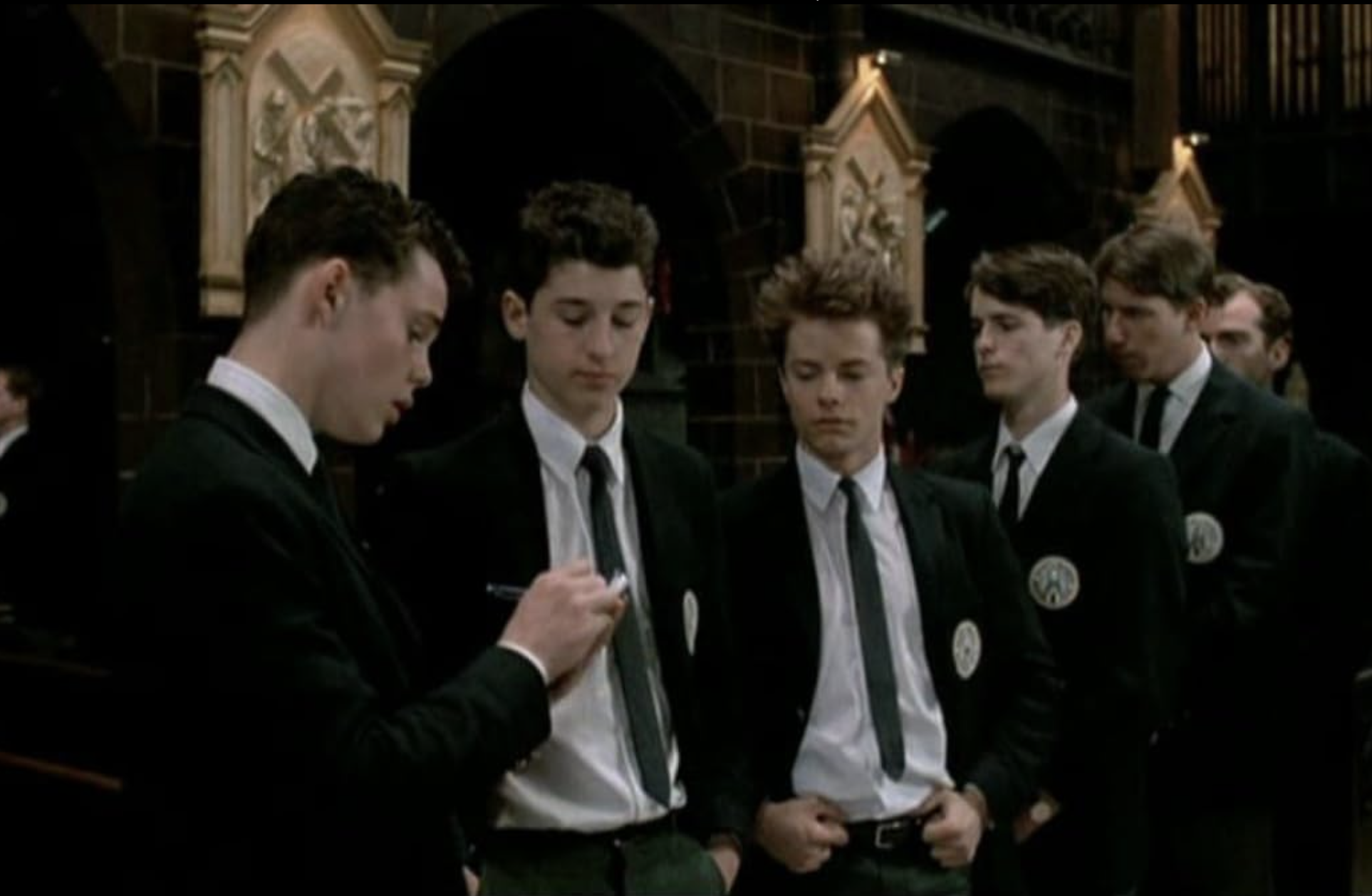
“How Can You Reason With a Grown Man in a Dress?”
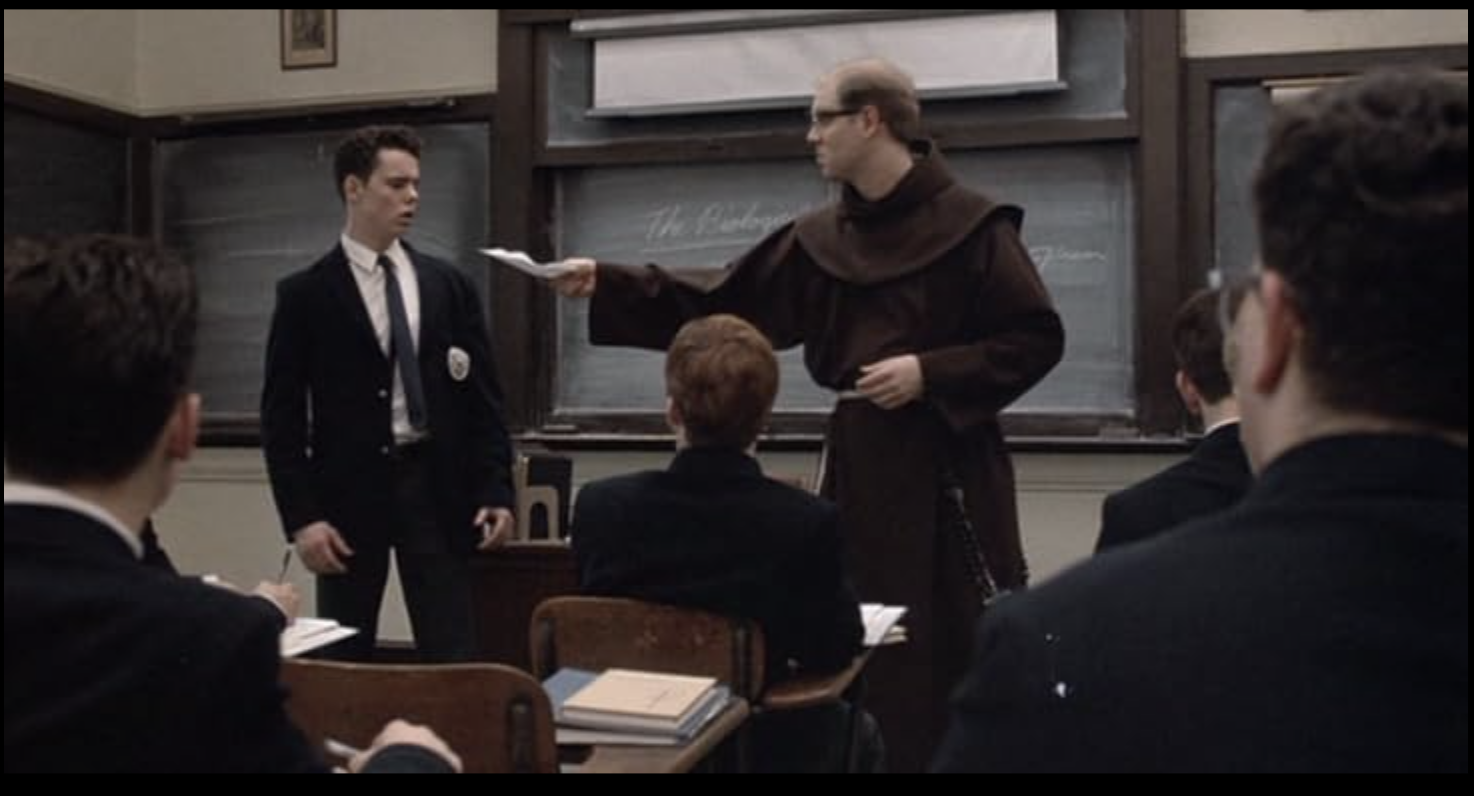
The movie’s most famous line may also be its most revealing.
After a confrontation with a cassocked brother, one of the boys asks:
“How can you reason with a grown man in a dress?”
It’s a funny line.
But it also captures the central tension of the film.
The boys are growing up in a world where authority is absolute.
The adults are adults because they are adults.
The brothers are brothers because they are representatives of God.
And the boys are boys because they are still learning how to think for themselves.
The comedy comes from the collision between those worlds.
The boys are not stupid.
They are not incapable of understanding right and wrong.
They simply do not always agree with the adults about what right and wrong look like.
That is a pretty universal teenage experience.
The Catholic school setting just gives it a particularly interesting set of costumes.
A Movie That Was Marketed as Something Else
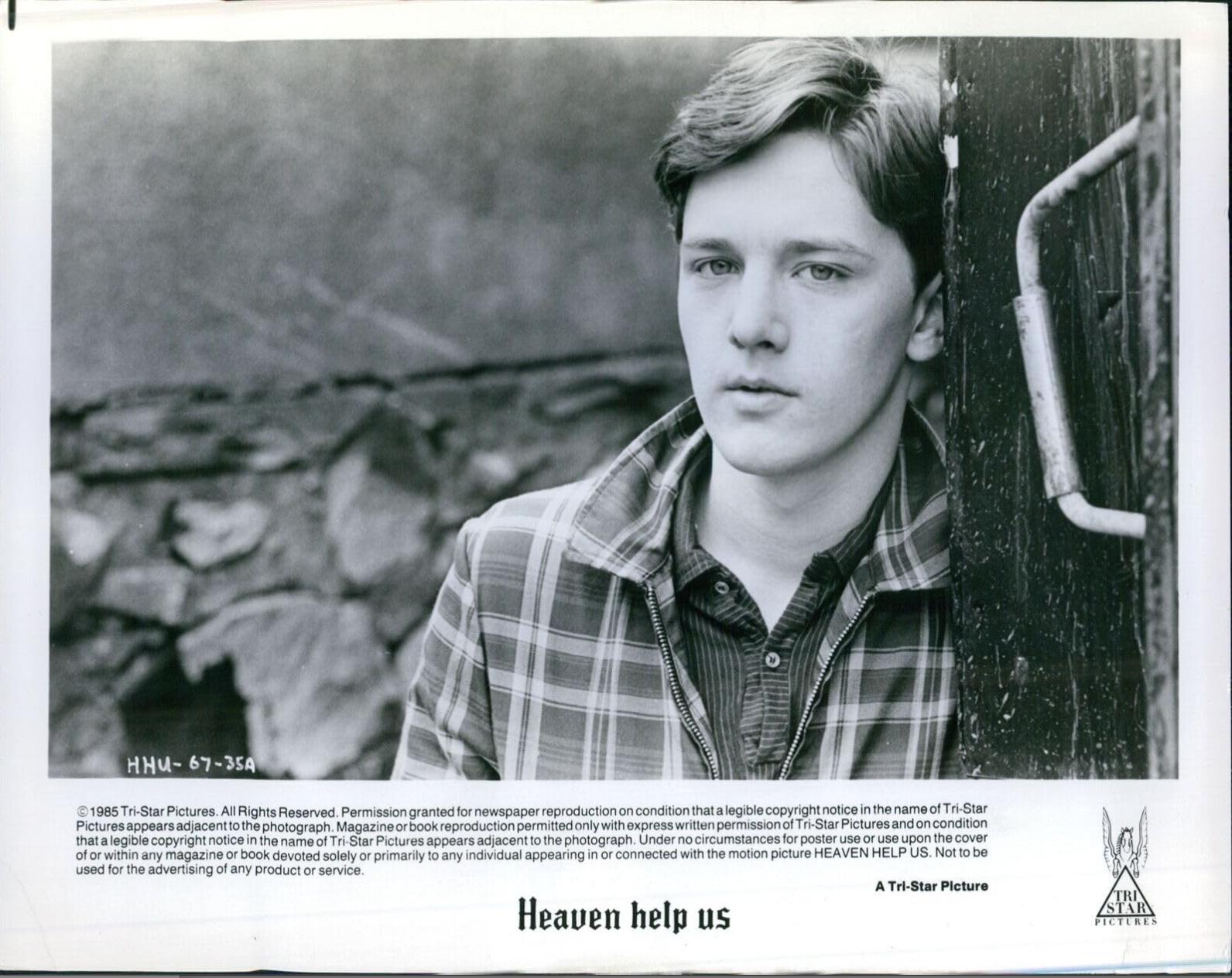
Heaven Help Us was released on February 8, 1985, by Tri-Star Pictures.
The film opened reasonably well, but its overall theatrical performance was disappointing.
It finished with approximately $6.07 million domestically.
The reviews were mixed.
Roger Ebert gave the film 2½ stars, praising its moments of insight and memory but noting that the tone could be inconsistent.
Janet Maslin, writing in The New York Times, appreciated the authentic feeling for the period, place, and characters.
Other critics praised the ensemble and the film’s relative sophistication compared with some of the cruder teen comedies of the period.
But not everybody was convinced.
The film’s marketing may have been part of the problem.
Heaven Help Us was often positioned as a typical teenage comedy, which meant that audiences might have expected something closer to Porky’s or Animal House.
Instead, they got a more character-driven period piece.
A movie with jokes, certainly.
But also a movie about loss, authority, first love, and the strange emotional landscape of adolescence.
That is not necessarily what the poster promised.
And it may have contributed to the film’s modest commercial performance.
The Movie Andrew McCarthy Never Forgot
The strange thing about Heaven Help Us is that it has become more appreciated over time.
Andrew McCarthy has repeatedly spoken fondly of the film.
He has described it as a “very lovely movie that twelve people saw.”
That is a pretty good description of its legacy.
The film was not a major hit.
It did not become a defining cultural touchstone.
It did not launch a franchise.
But it stayed with the people who saw it.
And over the years, it has found an audience among viewers who appreciate its combination of humor, authenticity, and youthful vulnerability.
Former Catholic school students have often connected with the film’s depiction of discipline and institutional authority.
Others appreciate it simply as a well-made 1980s coming-of-age movie.
The period detail is strong.
The ensemble is terrific.
The James Horner score gives the film a sense of emotional weight.
And the movie has a genuine affection for its characters, even when it is making fun of them.
That is important.
Because Heaven Help Us is not a cruel movie.
It is occasionally mean.
It is sometimes crude.
But it is not cruel.
The boys are not simply objects of ridicule.
They are people.
And the film understands that adolescence is a strange, uncomfortable, and often hilarious period of life.
A Quietly Enduring Catholic School Comedy
There is something appealing about a movie that seems to have been made with a very specific audience in mind, only to discover that its audience was much smaller than expected.
Heaven Help Us was made by people who knew the environment they were depicting.
Charles Purpura drew on his own experiences.
The producers understood the cultural and religious tensions.
The actors brought a naturalistic quality to the characters.
And Michael Dinner, making his feature debut, managed to create a movie that feels both nostalgic and honest.
It is not a perfect film.
The tone can be uneven.
Some of the comedy is broad.
And the movie occasionally feels like it is trying to be several different things at once.
But that is also part of its charm.
It is a teenage comedy.
It is a period piece.
It is a story about Catholic education.
It is a movie about first love.
And it is a movie about the way boys try to understand the adults who have power over them.
Those things do not always fit neatly together.
But they make Heaven Help Us more interesting than its modest reputation might suggest.
The film’s creators hoped that it might loosen things up a little when it came to depicting religious institutions.
Whether it accomplished that goal is debatable.
But it certainly created a movie that could not have been made for television in the same way.
And perhaps that is part of why it has endured.
It is a film that was willing to be a little uncomfortable.
A little irreverent.
A little strange.
And ultimately, a little more human than the typical teenage comedy.
Final Thoughts
Heaven Help Us is not the kind of movie that announces itself as a classic.
It is not a major cultural landmark.
It is not a film that changed the way Hollywood made coming-of-age movies.
But it is a genuinely enjoyable, occasionally moving, and often very funny portrait of a particular kind of childhood.
It captures Brooklyn in 1965.
It captures the pressures of Catholic education.
It captures the strange camaraderie of boys who are trying to survive adolescence together.
And it features a terrific ensemble of young actors, many of whom would go on to much bigger things.
Most importantly, it feels like a movie made by people who understood that the past was not always as innocent as we like to remember.
The boys of St. Basil’s are funny because they are real.
Their teachers are funny because they are human.
And the world they inhabit is funny because it is full of contradictions.
That is why Heaven Help Us has endured.
Not because it was a hit.
Not because it was controversial.
But because it found something honest inside a very specific time and place.
And sometimes, that is enough.
If you attended Catholic school—or simply enjoy discovering underrated 1980s movies—Heaven Help Us is worth revisiting.

About the Creator
Movies of the 80s
We love the 1980s. Everything on this page is all about movies of the 1980s. Starting in 1980 and working our way the decade, we are preserving the stories and movies of the greatest decade, the 80s. https://www.youtube.com/@Moviesofthe80s
Enjoyed the story? Support the Creator.
Subscribe for free to receive all their stories in your feed.
Comments
There are no comments for this story
Be the first to respond and start the conversation.