
'Good Riddance (Les Bons Débarras, 1980)': The Quebec Classic CBC Didn’t Want
Francis Mankiewicz’s acclaimed Quebec drama became a Canadian film classic, but a frustrating fight over television rights, dubbing, and distribution threatened to keep it from reaching a wider audience.

A Hit With Nowhere to Go
There’s something wonderfully perverse about the movie business. You can make a terrific film, win over audiences, impress the critics, and still find yourself begging somebody to let people see the damn thing.
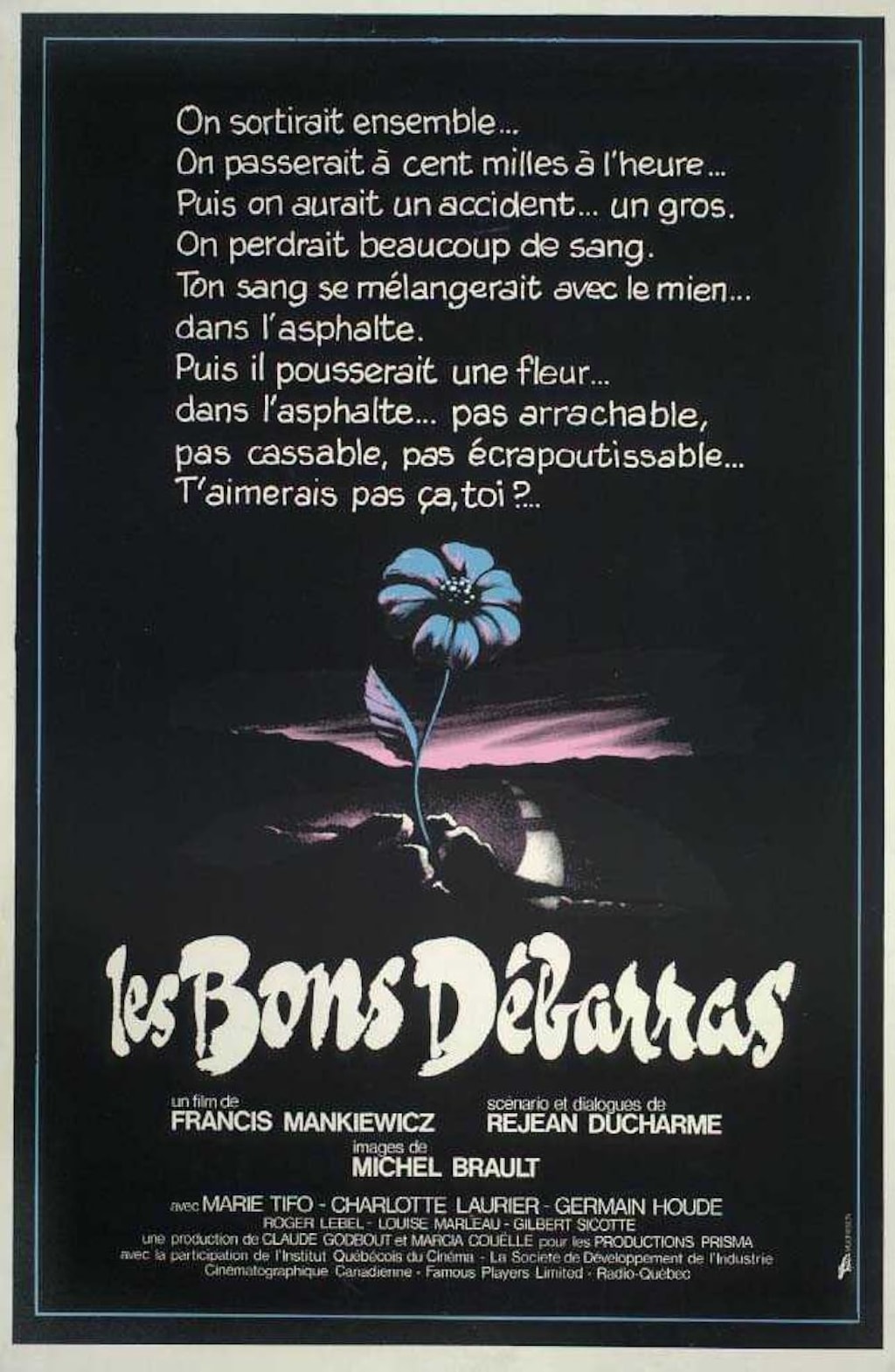
In 1980, Quebec filmmaker Francis Mankiewicz had a picture that seemed to be doing everything right. Les Bons Débarras, released in English as Good Riddance, had established itself as a critical success in Quebec and was attracting attention beyond the province. It had the kind of artistic reputation that distributors dream about when they start making phone calls to foreign markets.
There was just one problem.
The Canadian Broadcasting Corporation wasn’t interested.
Or, at least, the CBC wasn’t interested enough to buy the film for television, a decision that created a remarkably circular problem for the people trying to sell it. Without a television sale, arranging a dubbed version for English-language markets became difficult. Without that dubbed version, expanding the film’s commercial prospects became more complicated.
Everybody understood the potential. Getting the right people to open the right doors was another matter.
In a contemporary report headlined “Quebec movie hit rejected by CBC,” film critic Jay Scott chronicled the frustration surrounding Good Riddance as its distributors attempted to build on the film’s success. The story wasn’t simply about a broadcaster turning down a movie. It was about the obstacles facing Canadian filmmakers when artistic achievement ran headfirst into the machinery of distribution.
And, as we’ll see, the CBC wasn’t the only institution making life difficult.
Meet Manon, a Little Girl With a Big Problem
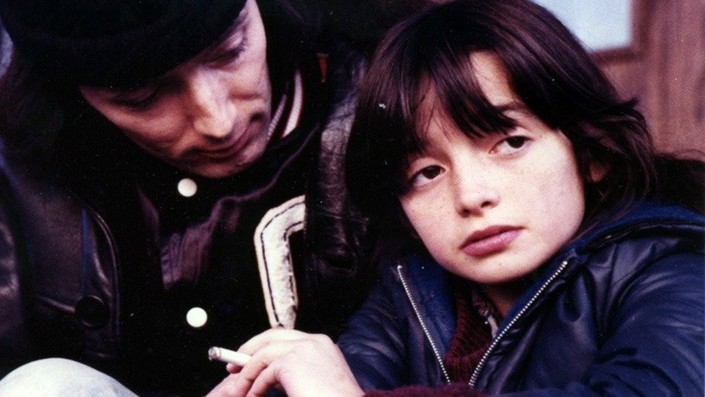
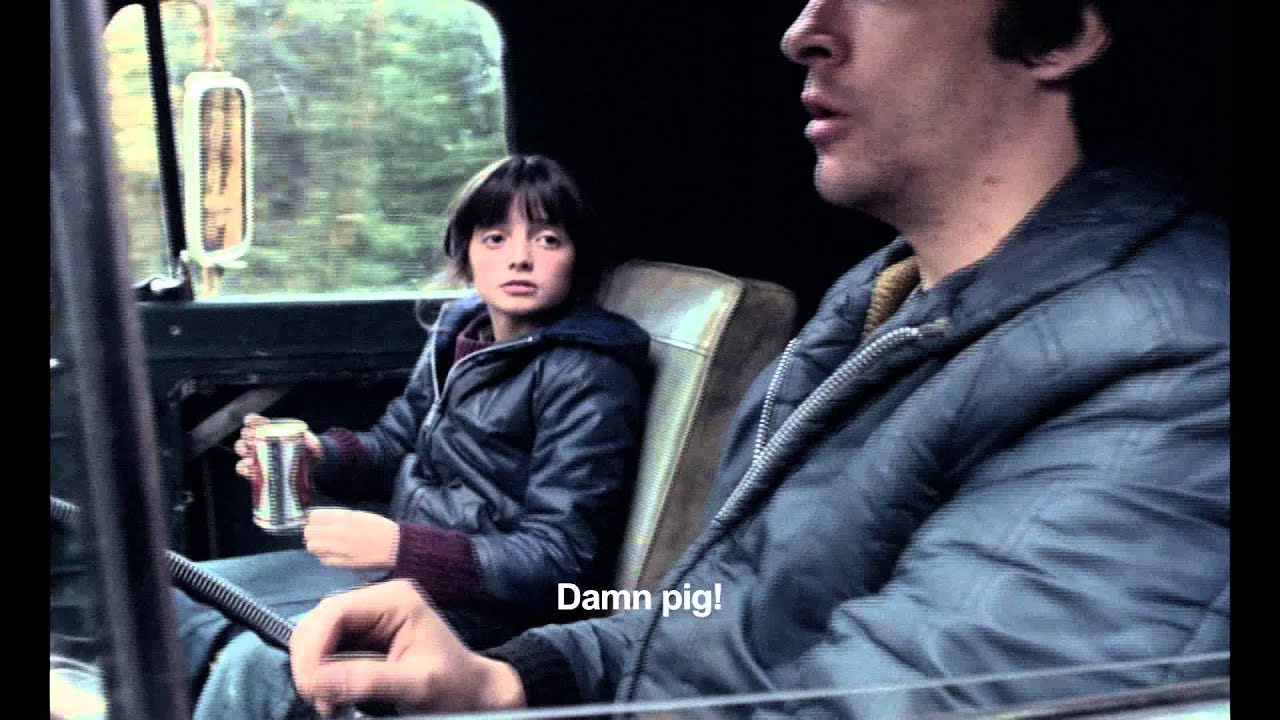
Directed by Francis Mankiewicz and written by novelist Réjean Ducharme, Good Riddance is a psychological drama about a 12-year-old girl named Manon, played by Charlotte Laurier.
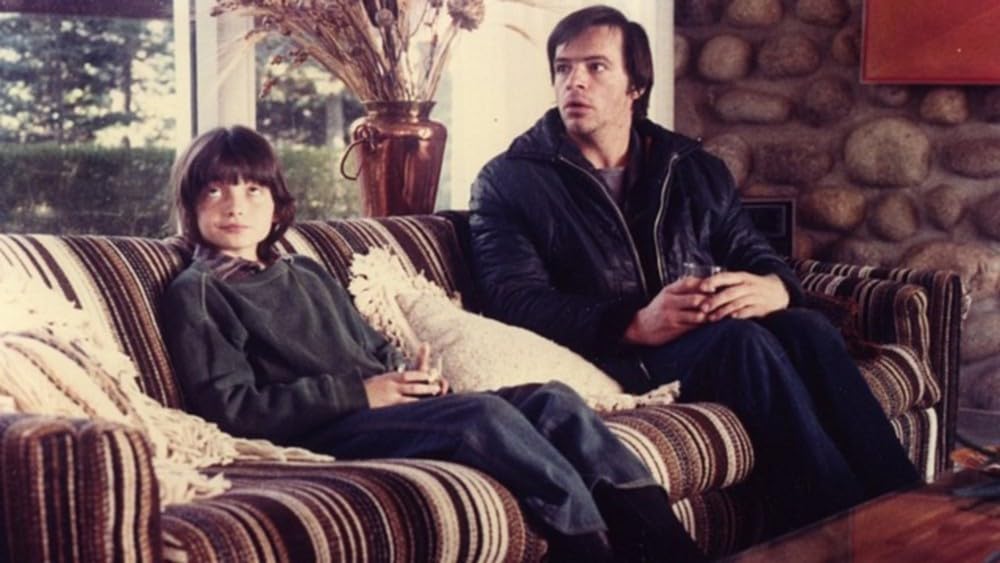
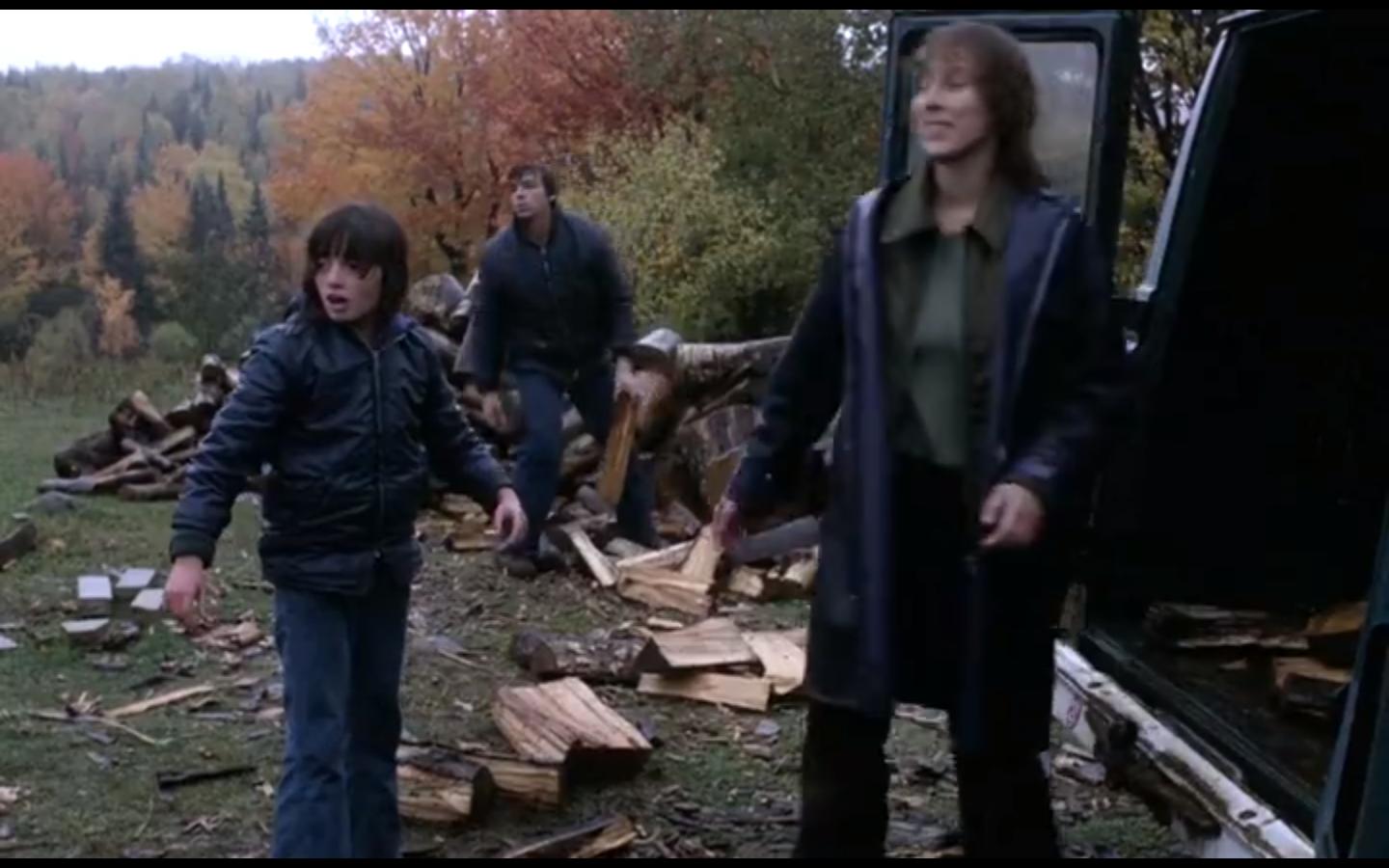
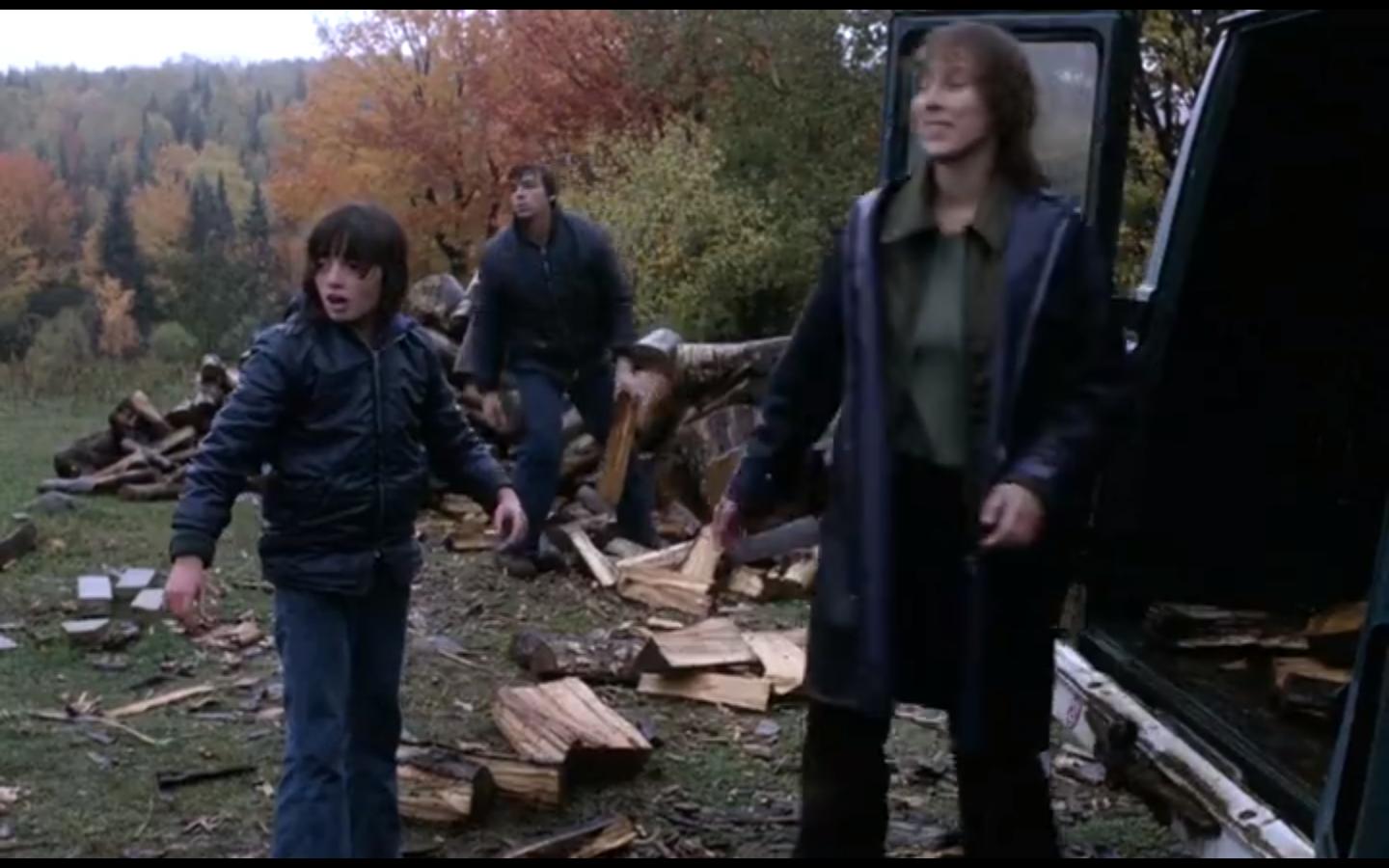
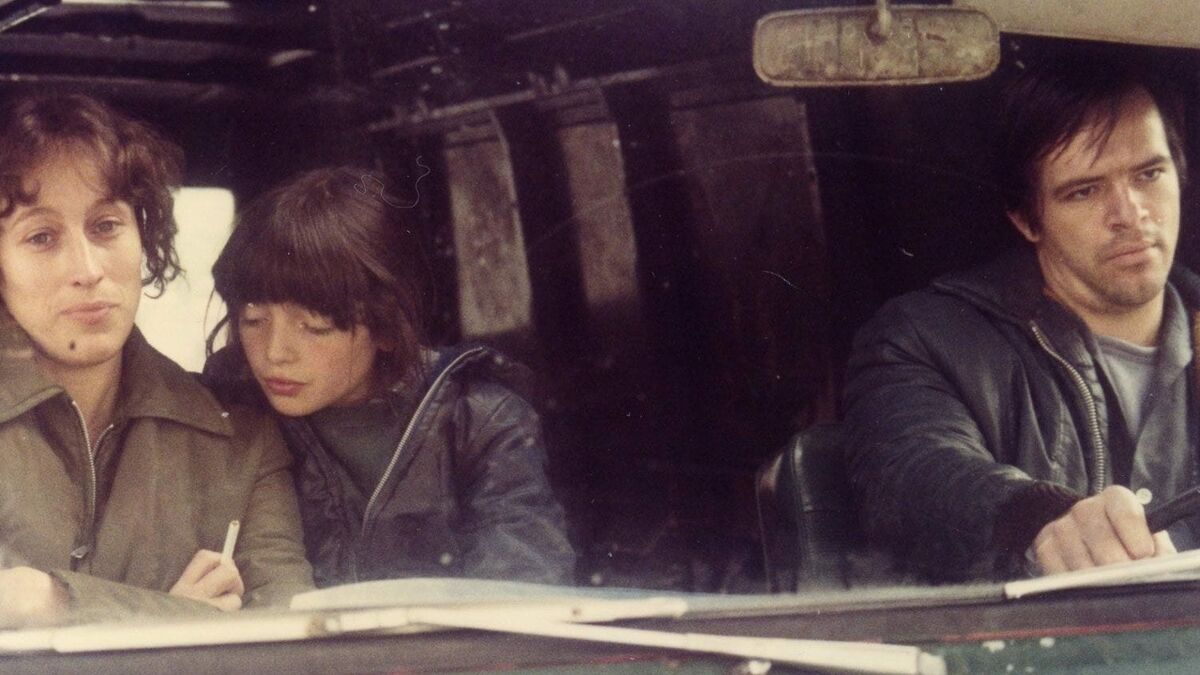
Manon lives with her mother, Michelle (Marie Tifo), and her uncle Guy (Germain Houde) in a modest, isolated household near a small Quebec community. Money is tight. Family life is complicated. The adults have their own problems, and Manon has developed a rather intense idea of how the world ought to work.
She wants her mother’s love.
Not some of it. Not a reasonable share of it. All of it.
Any man who threatens that arrangement becomes a potential obstacle, and Manon is increasingly determined to remove those obstacles by whatever means necessary.
It’s a deceptively simple premise. Children get jealous. They compete for attention. They sometimes behave like tiny dictators who have yet to discover that the rest of the world doesn’t exist to serve them.
Manon takes that last part rather further than most.
What begins as an intense attachment to her mother develops into something increasingly disturbing. Her intelligence, wit, and apparent vulnerability make her fascinating company, but they also make her dangerous. She understands more about the adults around her than they realize, and she knows how to use that knowledge.
Ducharme’s screenplay gives her a distinctive voice, while Mankiewicz creates a world in which ordinary domestic frustrations acquire the atmosphere of a Gothic thriller.
There are no elaborate special effects, no expensive action sequences, and no need for a monster to emerge from the woods. The menace is already in the house.
Laurier’s performance is central to the film’s success. Manon can be funny, charming, manipulative, and frightening, sometimes within the same scene. The character isn’t a conventional movie villain, nor is she simply a misunderstood child. She’s a complicated mixture of emotional need, intelligence, resentment, and a child’s terrifying ability to believe that wanting something badly enough makes it hers.
That is a lot to ask of a young performer. Laurier makes it work.

A Small Quebec Film With Ambitions Beyond Quebec
Made for approximately $600,000, Good Riddance was hardly the sort of production that could throw money at a distribution problem until it went away.
Mankiewicz had an accomplished creative team behind him. Ducharme was an established literary figure, and cinematographer Michel Brault brought considerable experience to a film that depended on atmosphere and close observation rather than spectacle.
The result was a picture that felt intimate without being small-minded.
The family’s financial circumstances, the isolation of their surroundings, and the uneasy relationships between the characters give the film a particular sense of place. This isn’t a generic story about a troubled family that could have been transplanted anywhere without losing something important. Its Quebec setting and French-language dialogue are integral to its identity.
That specificity was an artistic strength. It could also become a commercial complication.
French-language films from Quebec had their own audiences, institutions, and distribution networks, but reaching English-speaking Canadian audiences required additional effort. Subtitles could limit television prospects. Dubbing cost money. A broadcaster’s decision could influence whether a distributor was willing to invest in preparing a film for another market.
These were not merely abstract problems for somebody to discuss at a conference. They were practical obstacles involving money, timing, and the willingness of institutions to take a chance.
Good Riddance was about to provide a particularly revealing example.
“What We’ve Got Is the Brush Off”
According to Jay Scott’s contemporary reporting, Ron Weinberg, who was involved in the film’s distribution, had spent considerable time trying to secure the CBC’s support.
The discussions had gone nowhere.
Weinberg described the situation in terms that suggested not so much a straightforward rejection as an endless bureaucratic loop.
“What we’ve got is the brush off. It goes around in circles,” he told Scott.
The sticking point, Weinberg explained, was the broadcaster’s concern about subtitled films on television. Yet the distributors were prepared to have Good Riddance dubbed for English-language audiences. They simply needed a television sale to make that investment practical.
As Weinberg put it:
“We were told subtitled movies do not work well on TV, but they knew we would have it dubbed. But we can’t have it dubbed unless we get the guarantee of a TV sale.”
Read that again.
The broadcaster was concerned that a subtitled film wouldn’t work on television. The distributors were prepared to address that concern by dubbing the picture. But the expense of dubbing depended on obtaining a television sale, and the broadcaster wasn’t providing one.
It’s the sort of situation that makes you wonder whether anybody involved had stopped to consider how the whole thing was supposed to work.
There was another complication. Weinberg said the CBC had purchased other French-language films, including L’Affaire Coffin, making the rejection of Good Riddance particularly frustrating from the distributors’ perspective.
“The CBC’s refusal to buy the picture, although they have bought other French-language films such as L’affaire Coffin, also means we have no dubbed version to sell to other pay-TV markets in the States,” Weinberg explained. “We really needed and expected the support of the CBC.”
The problem, then, extended beyond a single potential broadcast.
A CBC purchase could help justify the cost of preparing an English-language version, which in turn could improve the film’s prospects in other television markets. Losing that initial sale threatened to close off opportunities elsewhere.
For a production made on a budget of roughly $600,000, those were not trivial sums.
The distributors weren’t asking the CBC to finance the entire future of Quebec cinema. They were trying to make one promising film more commercially viable.
And they weren’t getting very far.
The CBC Had Its Reasons. The Distributors Had a Point.
To be fair, the broadcaster had its own position.
Scott reported that Roman Melnyk, the CBC’s director of independent production, had responded in a letter that raised concerns about subtitling and noted that the network couldn’t purchase every film submitted for consideration.
That’s a reasonable general principle. Broadcasters have limited budgets, programming schedules, and audiences to serve. No television network can buy every movie simply because its distributors believe it deserves a wider audience.
But the dispute wasn’t happening in a vacuum.
Good Riddance had already attracted considerable attention. It had found an audience in Quebec, received a positive response at Toronto’s Festival of Festivals, and was being positioned for a New York opening. Its supporters weren’t trying to sell an entirely untested picture with no critical credentials or commercial prospects.
Weinberg, for his part, wasn’t persuaded by the CBC’s response.
“I spent two hours with Mr. Melnyk and he is adamant,” he told Scott.
The relevant CBC decision-makers were unavailable for further comment at the time of the report, leaving the story without a more detailed explanation of the network’s thinking.
We should be careful not to turn that absence into proof of bad faith. A broadcaster declining to purchase a movie isn’t automatically evidence of institutional hostility toward the filmmakers or their language.
Still, the practical consequences were real.
A film that had demonstrated its artistic value was encountering a system in which the costs of making it accessible to a broader audience depended, in part, on the cooperation of the very institution that had declined to buy it.
Sometimes the obstacle isn’t that nobody believes in your film. It’s that the people who believe in it don’t control the money, while the people who control the money aren’t convinced they need it.

New York, Here We Come
Despite the frustrations, the distributors weren’t giving up.
By the time Scott’s report appeared, Good Riddance was preparing for a screening at the Chicago Film Festival. A review was expected in the Chicago Sun-Times the following Sunday, and a New York opening was planned for Christmas Day.
That’s a respectable itinerary for a modest Quebec production, particularly one being introduced to audiences who might never have heard of its director or stars.
The film had already been enthusiastically received at Toronto’s Festival of Festivals in September. But the distributors had decided against a commercial opening in Toronto or elsewhere in English-speaking Canada before the New York premiere.
The reasoning was straightforward: let the film establish itself in New York first, then use that response to help generate interest elsewhere.
As Weinberg explained, “It’s generally agreed that it’s best to ride the response in New York before opening elsewhere.”
There’s a certain irony here. The distributors were looking to the United States to help establish the film’s reputation in English Canada, even as they struggled to secure the support of Canada’s national broadcaster.
New York offered an opportunity to build momentum. A favorable review could give exhibitors and other potential buyers another reason to take the picture seriously.
But opening a film in New York also meant spending money.
And money was becoming another problem.

The $600,000 Movie That Couldn’t Catch a Break
The CBC dispute wasn’t the only financial headache facing the distributors.
The Institut Québécois du Cinéma, which had invested heavily in the production, agreed to help finance the New York opening. That was welcome news for a film whose modest budget left little room for an expensive international campaign.
The Canadian Film Development Corporation, however, proved less cooperative.
The CFDC had invested $200,000 in the film’s $600,000 budget. According to Weinberg, the corporation had previously given a verbal indication that it would help finance the New York opening, only for that support to disappear after a change in leadership.
“We had a verbal agreement with the interim regime at the CFDC but when André Lamy took over we were informed the CFDC did not have the money,” Weinberg told Scott.
He continued:
“We thought it would have been a way of protecting their investment… but they apparently don’t see it that way.”
From Weinberg’s perspective, the logic seemed obvious. The corporation had already put a substantial amount of public money into the film. Helping it reach a wider audience could improve its prospects and protect that investment.
But the money wasn’t forthcoming.
The distinction between the distributor’s expectation and the corporation’s actual commitment matters here. A verbal understanding isn’t the same as a guaranteed financing agreement, and we shouldn’t assume the CFDC was legally obligated to provide the money.
Even so, the situation illustrates the precarious nature of film financing in an industry where one institution’s decision can affect the plans of several others.
A production company can secure enough money to make a movie without securing enough money to sell it. A distributor can believe in a film without having the resources to open it in another market. A broadcaster can decline to buy it, while that decision makes other sales harder to arrange.
The film exists. The audience may be waiting. Everybody has a reason for not taking the next step.
And the people trying to get the movie seen are left to work out what comes next.
Charlotte Laurier’s Unforgettable Performance
It’s easy for a story about distribution headaches to turn into an account of contracts, budgets, and institutional decisions. Those details matter, particularly when we’re examining the history of Canadian cinema. But they shouldn’t obscure the reason Good Riddance attracted attention in the first place.
The movie works because Manon is such an extraordinary character.
Laurier doesn’t play her as a miniature adult or a stock bad seed. There’s a genuine child’s emotional logic behind her behavior. She wants her mother’s attention, fears losing her place in the family, and responds to threats in ways that are both recognizable and increasingly disturbing.
Manon can make you laugh before reminding you that you probably shouldn’t be laughing.
That’s part of the film’s unsettling power. Her humor doesn’t make her harmless. If anything, it makes her more unpredictable. She can be delightful company right up to the moment when her desires collide with somebody else’s right to exist independently of her.
And the adults aren’t exactly providing a model of emotional stability.
Michelle has her own needs and romantic interests. Guy occupies an uneasy place in the household. The family’s circumstances leave everyone vulnerable, and the relationships between them are marked by dependencies that nobody seems entirely capable of managing.
Manon isn’t operating in a healthy environment and inexplicably bringing darkness into it. She’s a child growing up in a world where affection, security, and belonging are already precarious.
That doesn’t excuse what she does. It makes the character more interesting than a simple explanation ever could.
The film’s Gothic atmosphere grows naturally from these tensions. The danger isn’t imported from outside. It emerges from the ordinary desires and resentments of people who are too close to one another, with too little room to escape.
Laurier’s performance gives that danger a human face.
She was nominated for the Genie Award for Best Actress, while Marie Tifo won the award. The film itself would go on to win eight Genie Awards in 1981, including Best Motion Picture, Best Director for Mankiewicz, and Best Original Screenplay for Ducharme.
Whatever difficulties the distributors encountered, the Canadian film industry was not entirely blind to the achievement.
From Distribution Headache to Canadian Classic
Looking back, it’s tempting to treat the CBC rejection as a footnote in the story of a film whose reputation eventually became secure.
That would miss the point.
Good Riddance went on to become one of the most celebrated works in Quebec cinema. It won the Golden Bear at the 1980 Berlin International Film Festival and swept eight awards at the 1981 Genie Awards. It was also selected for Canada’s submission to the Academy Awards in the Best Foreign Language Film category, although it did not become an Oscar nominee.
The film’s reputation continued to grow. It appeared on the Toronto International Film Festival’s lists of the ten best Canadian films of all time in 1984, 1993, and 2004. In 2003, La Presse ranked it at the top of its survey of Quebec cinema.
Those aren’t the credentials of a forgotten curiosity that survived on nostalgia alone.
The film’s standing rests on the quality of its filmmaking: Ducharme’s screenplay, Mankiewicz’s direction, Brault’s cinematography, and the performances of Laurier, Tifo, and Houde. Its portrait of a family in crisis has retained its power because the emotional dynamics at its center remain recognizable, even when Manon’s behavior pushes them into unsettling territory.
Its early distribution problems don’t diminish those achievements. They do, however, offer a useful reminder that a film’s artistic success and its commercial circulation are two different things.
A movie can be admired by critics and embraced by audiences while still struggling to find its way through the systems designed to distribute it. A film can become a point of national pride without having received every form of support that might have helped it reach that position sooner.
And a broadcaster can turn down a picture that history eventually treats as essential viewing.
That last part is particularly worth remembering.
The Trouble With Being a Canadian Film
The story of Good Riddance is about more than one television purchase that never happened.
It captures a recurring difficulty for Canadian cinema in the 1980s: making films was only part of the battle. Filmmakers and distributors also had to find ways to reach audiences across linguistic, regional, and commercial boundaries.
For a French-language Quebec production, the challenge could be especially complicated. Subtitles might be artistically preferable and less expensive than dubbing, but distributors had to consider whether they would limit television sales. Dubbing required additional investment, which could depend on securing those very sales. Public funding could help make a film, yet further support for distribution wasn’t guaranteed.
None of this means every film deserved a television deal or that every institution had a duty to underwrite every release. The CBC was entitled to make programming decisions, and the CFDC’s financing position deserves to be understood in the context of its actual commitments.
But the larger question remains: What good is a national film culture if the mechanisms intended to support it can’t always find a way to help its best work reach a national audience?
That question doesn’t have an easy answer. It certainly can’t be resolved by blaming one broadcaster for every obstacle faced by Quebec filmmakers.
What we can say is that the people behind Good Riddance were trying to expand the audience for a film that had already demonstrated its artistic worth. They encountered resistance, uncertainty, and financial complications at precisely the moment when wider exposure might have helped the film establish itself beyond Quebec.
Fortunately, the story didn’t end there.
Good Riddance to the Excuses
There’s something fitting about a film called Good Riddance becoming a lasting classic despite a distribution story full of circular arguments and doors that wouldn’t open.
The title refers to the people Manon wants out of her life. She sees the world as a collection of obstacles to her mother’s exclusive affection, and she sets about removing them with increasingly alarming determination.
The film’s own journey involved a different kind of obstacle course. There were television buyers to convince, dubbing costs to consider, financing arrangements to secure, and markets to win over. The people handling the distribution couldn’t simply wish those complications away.
The difference, of course, is that Manon is a child who believes she can control the world by eliminating the people who threaten her desires. The film’s distributors had to deal with a world in which no single person controlled all the decisions.
And yet Good Riddance endured.
It survived the uncertainty surrounding its English-language distribution, earned recognition at home and abroad, and secured a place among the most respected Canadian films of its era. Its reputation was built on the screen, not in a broadcaster’s programming office.
That’s the satisfying part of this story. Not that institutions are always wrong or that every rejected film is secretly a masterpiece. Most aren’t. But sometimes the movie that gets passed over is precisely the one that deserves a second look.
Good Riddance was a remarkable film before the awards arrived, before the retrospective lists, and before its place in the Canadian canon was secure. Its early struggles are a reminder that artistic achievement doesn’t automatically open doors.
Sometimes, you have to make a terrific movie first and figure out how to get people to see it afterward.
And sometimes, even the people who ought to know better need a little time to catch up.

About the Creator
Movies of the 80s
We love the 1980s. Everything on this page is all about movies of the 1980s. Starting in 1980 and working our way the decade, we are preserving the stories and movies of the greatest decade, the 80s. https://www.youtube.com/@Moviesofthe80s
Enjoyed the story? Support the Creator.
Subscribe for free to receive all their stories in your feed.
Comments
There are no comments for this story
Be the first to respond and start the conversation.