
Finding Beauty in Ugliness: Ralph Waite’s 'On the Nickel' (1980)
Best known as the steady patriarch of The Waltons, Ralph Waite put his television success, personal savings, and hard-won sobriety into an uncompromising independent film about the people America preferred to leave behind.

The Other Side of John Walton
There’s something wonderfully perverse about the idea of John Walton making a movie about Skid Row.
For nine seasons, Ralph Waite played the father of America’s favorite Depression-era television family on The Waltons. John Walton was the kind of man who could stare down hardship, deliver a lesson about the value of hard work, and remind his children that family mattered more than money. He was a dependable moral center in an increasingly complicated world.
In 1980, Waite took the goodwill he’d accumulated playing one of television’s most recognizable fathers and used it to make a movie about alcoholics, homeless men, street hustlers, and people trying to survive on the margins of American society.
There would be no nostalgic mountain homestead here. No reassuring family gathered around the dinner table. No sentimental suggestion that hard work and a little decency could solve everything.
Instead, Waite took his cameras to Los Angeles’ Skid Row.
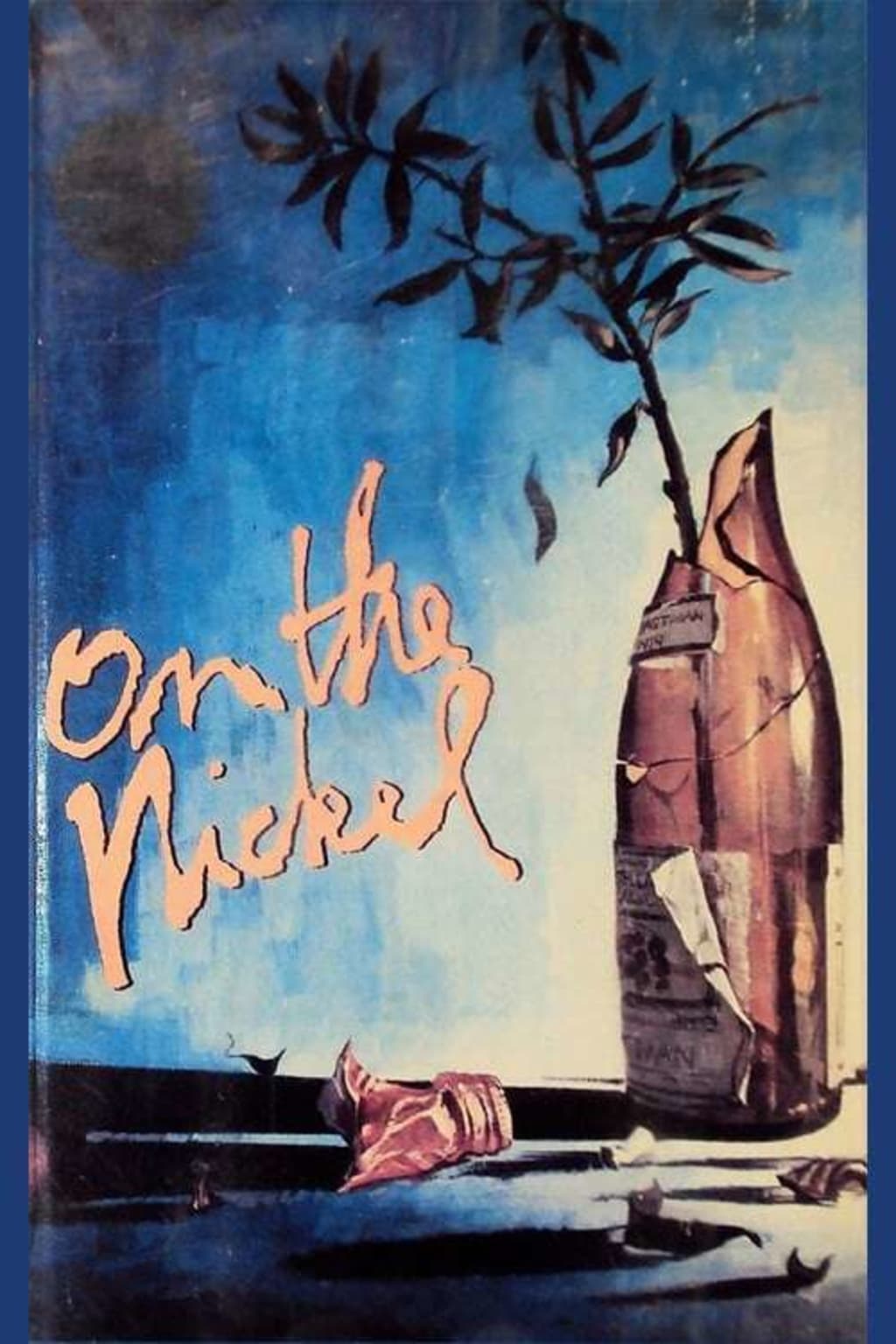
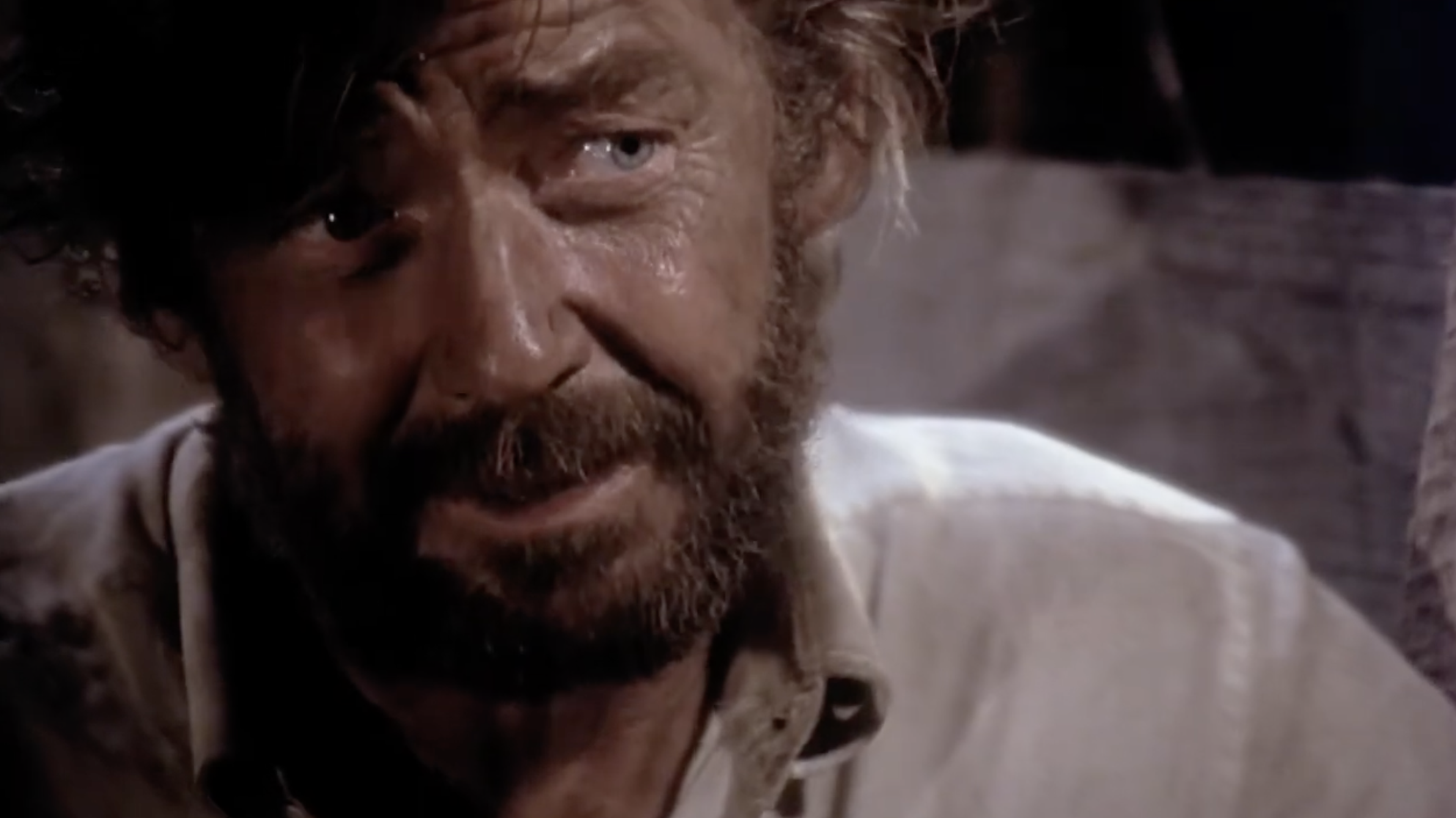
On the Nickel was an independent drama about a recovering alcoholic who returns to Fifth Street, the stretch of downtown Los Angeles known to its residents as “the Nickel.” Donald Moffat plays the central character, a man who revisits the world he left behind and discovers that the people, relationships, and habits he remembers haven’t necessarily stayed where he left them.
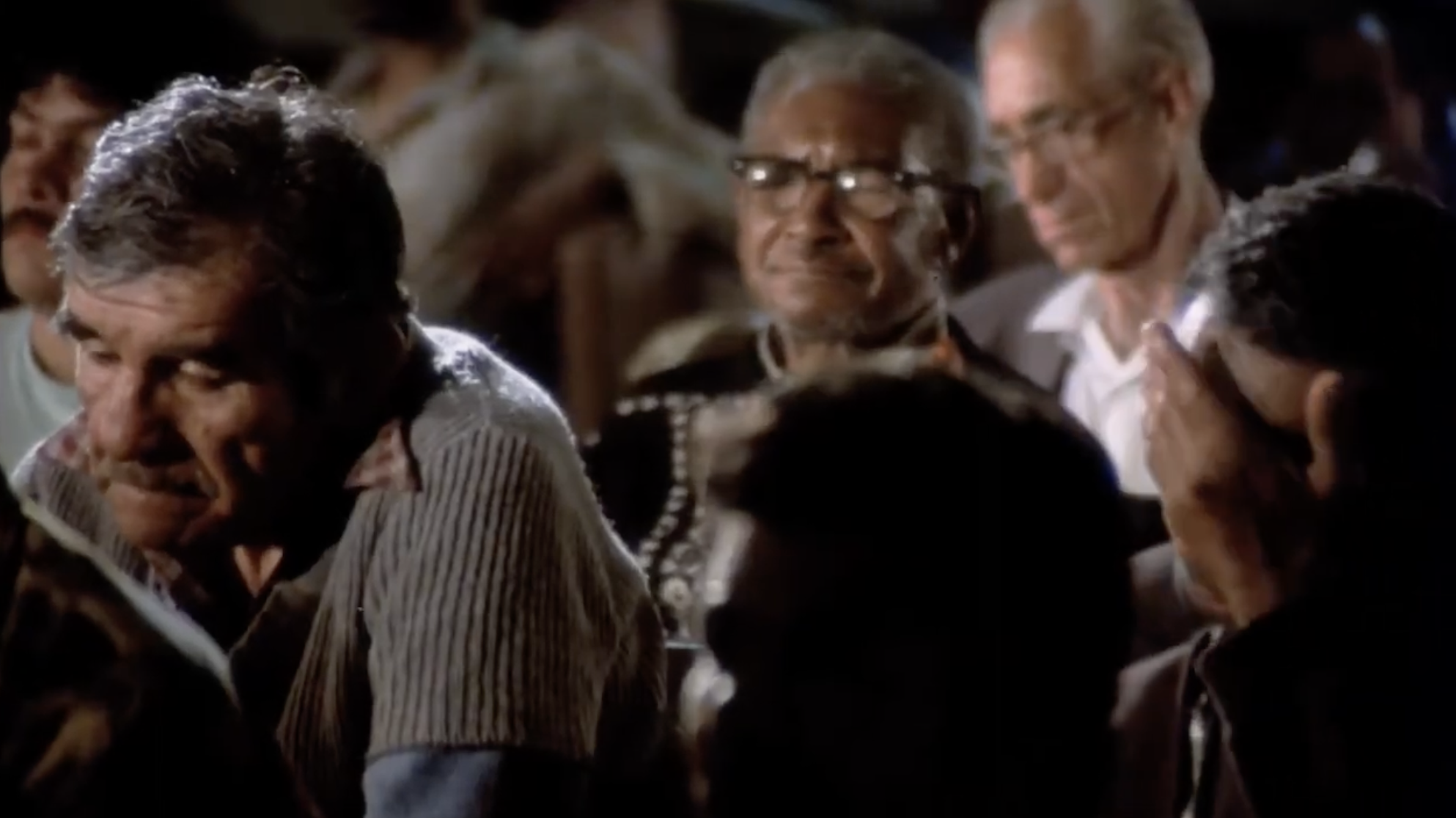
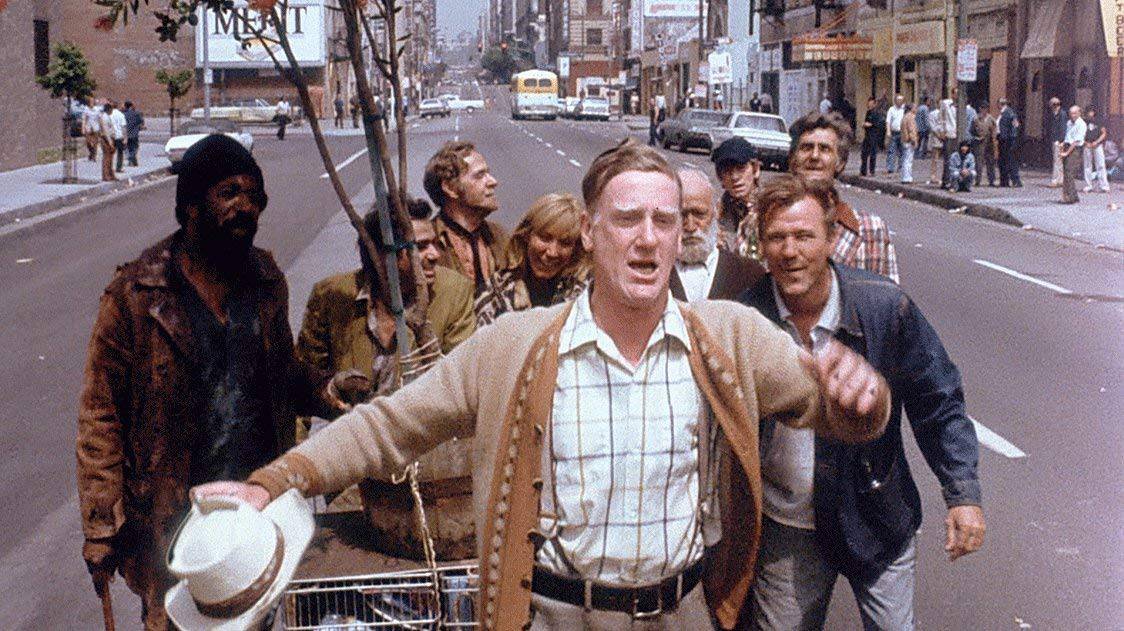
The film is populated by people who have been chewed up by life, many of them struggling with alcoholism, poverty, and the daily business of getting through another day. They joke, argue, form friendships, fall in love, and occasionally find moments of happiness in circumstances that offer precious little reason for optimism.
It’s a world away from The Waltons. It was also a world Ralph Waite knew far better than his television audience might have imagined.
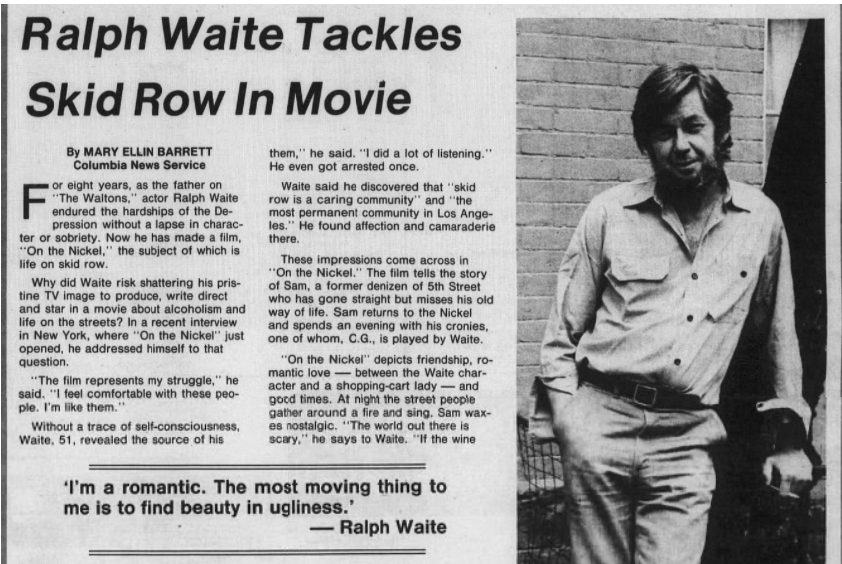
“I am a recovering alcoholic myself,” Waite told Roger Ebert in an interview connected with the film.
That admission is the key to understanding On the Nickel. This wasn’t a television star slumming it in an unfamiliar world to demonstrate his artistic seriousness. Waite was returning to a place he believed he might easily have ended up himself.
The result is an unusual, deeply personal film that deserves to be remembered for more than the contrast between its subject matter and its director’s best-known role.
It is a movie about the people who fall through the cracks. It’s also about a man who understood that he could have been one of them.
A Life That Could Have Taken a Different Turn
Before Ralph Waite became John Walton, he’d lived several lives.
He’d worked as a social worker. He’d served as a Presbyterian minister. He’d struggled with alcoholism. And he’d experienced the kind of personal reckoning that can make a person reconsider the distance between the life he has and the life he might have had.
Waite wasn’t interested in treating alcoholism as a convenient character flaw or a sign of moral weakness. He understood it as something more complicated, a disease that could consume a person’s identity while simultaneously encouraging the comforting delusion that nothing was really wrong.
He knew the territory.
“I was a very heavy drinker and had come close to ending up on the Bowery,” Waite explained in an interview with Mary Ellin Barrett for Columbia News Service. “I know that world very well.”
In another account, he reflected on the connection between his recovery and his most famous television role.
“I could have landed on skid row very easily if I hadn’t got sober. Doing The Waltons was instrumental in my getting sober.”
There’s an irony in that statement worth considering. The television series that made Waite a household name also helped provide the stability and professional success that allowed him to confront the experiences that had nearly derailed his life.
But success didn’t erase those experiences. If anything, it gave him the opportunity to do something with them.
Waite was drawn to stories about people who had been abandoned, overlooked, or judged by the more comfortable members of society. He had little interest in another reassuring story about respectable people overcoming respectable problems. He wanted to examine the lives of those who had been pushed outside the boundaries of conventional respectability altogether.
His philosophy was summed up in a line he offered Barrett:
“I’m a romantic. The most moving thing to me is to find beauty in ugliness.”
It’s a lovely sentiment, but it also carries a certain danger. There is a fine line between recognizing the humanity of people in desperate circumstances and turning their suffering into something picturesque. The romantic outsider can be just as guilty of condescension as the respectable citizen who refuses to look at them.
Waite understood that problem. He didn’t want to make a movie that prettified poverty or transformed alcoholism into a colorful collection of eccentric characters.
He wanted to look.
And before he could make the movie, he needed to learn how.
The Tree That Wasn’t There
The origins of On the Nickel reportedly lay in a small, heartbreaking news story.
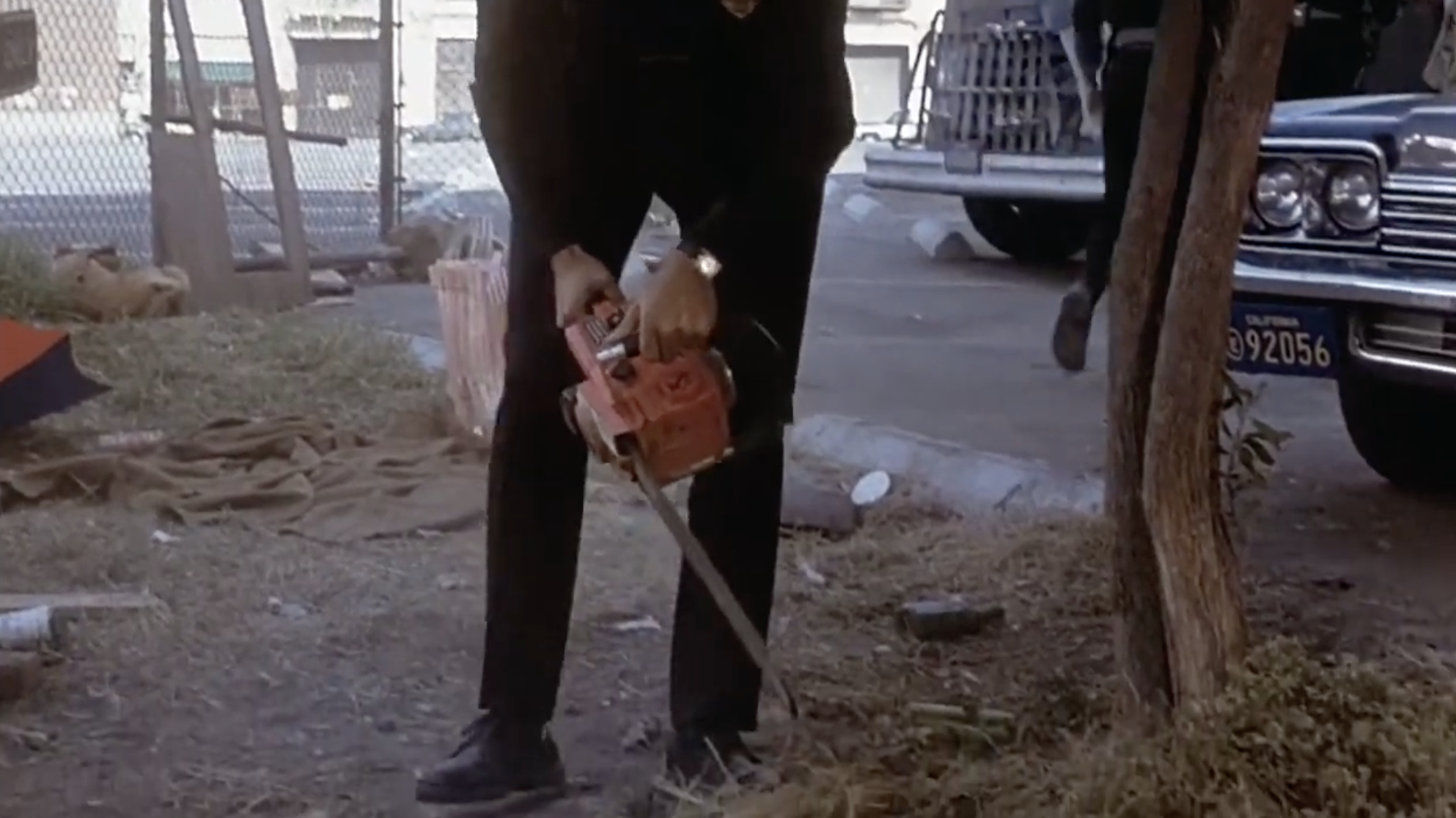
Waite read about homeless people gathering around a flowering tree in a Los Angeles park. The tree offered a place to congregate, a little shade, and something beautiful in an environment that offered very little of it. Then the police cut it down.
The image stayed with him.
As Barrett recounted the story, Waite remembered the tree as the only flowering tree in that particular desert. When he encountered the spot where it had stood, the empty plot of land seemed to say something about the way society treated people who had nowhere else to go.
The tree was gone. So was the small refuge it had provided.
It was the kind of incident that might register as an insignificant piece of municipal housekeeping to one person and a devastating act of unnecessary cruelty to another. For Waite, it became a starting point for a much larger investigation into the lives of people who had been rendered invisible.
He began spending time on Fifth Street, returning whenever his schedule on The Waltons allowed. Weekends and breaks between seasons became opportunities to walk the neighborhood, talk to residents, and learn about a community that most outsiders encountered only through stereotypes.
One of his guides was a Skid Row resident named Sundance.
Sundance introduced Waite to the streets and the people who inhabited them. Waite listened to their stories, learned about their relationships, and began to understand that the neighborhood was not simply a collection of isolated individuals suffering in public.
There was a social structure. There were friendships and loyalties. There were people who looked after one another, even when they possessed almost nothing themselves.
“I got to know them,” Waite told Barrett. “I did a lot of listening.”
That last sentence may be the most important part of the story.
Waite didn’t arrive with a completed theory about poverty that he intended to illustrate with a movie. He spent months learning about people whose lives were different from his own, and he tried to understand the ways in which their community functioned.
He even got arrested during his time researching the neighborhood, an experience that presumably offered its own education in the difference between observing a place and becoming involved in it.
What emerged from those visits was a perspective that challenged the assumptions of people who viewed Skid Row as nothing more than a place of despair.
Waite came to believe that it was also a caring community, one of the most permanent communities in Los Angeles.
That sounds counterintuitive until you consider what community actually means. It isn’t necessarily a collection of attractive houses, well-maintained lawns, and people whose lives follow a predictable course. Sometimes it’s the people who know where you’ll be sleeping tonight, who remember your name, who recognize when you’re in trouble, and who understand your history without requiring you to explain it.
For some of the people Waite encountered, Fifth Street offered something the more respectable world had taken away: acceptance without the requirement to pretend.
That realization became the emotional foundation of On the Nickel.
Writing a Movie About People, Not Problems
Waite initially looked for an existing screenplay that could capture the world he’d been exploring. He couldn’t find one that suited his purposes, so he wrote it himself.
The decision was significant. Rather than adapting somebody else’s idea of Skid Row, he would build the film around the people and experiences he had come to know.
The central story follows a recovering alcoholic who returns to the neighborhood he once inhabited. His journey isn’t a conventional tale of redemption in which the protagonist confronts his demons, makes the necessary apologies, and emerges with a reassuring understanding of how to put his life back together.
Returning to an old environment doesn’t necessarily produce a clean resolution. The people who remain there are still living their lives, and their problems don’t disappear simply because someone else has managed to leave.
The film is interested in what happens when a person who has escaped one world comes back to visit it. Is he still part of it? Has he really escaped it? And what does he owe the people who haven’t been as fortunate?
Waite also drew on real people he’d encountered during his research, including a longtime resident who helped inspire the character of Rose.
This was not an exercise in inventing colorful street characters to populate a grim urban landscape. Waite was attempting to recreate a community he’d spent considerable time observing.
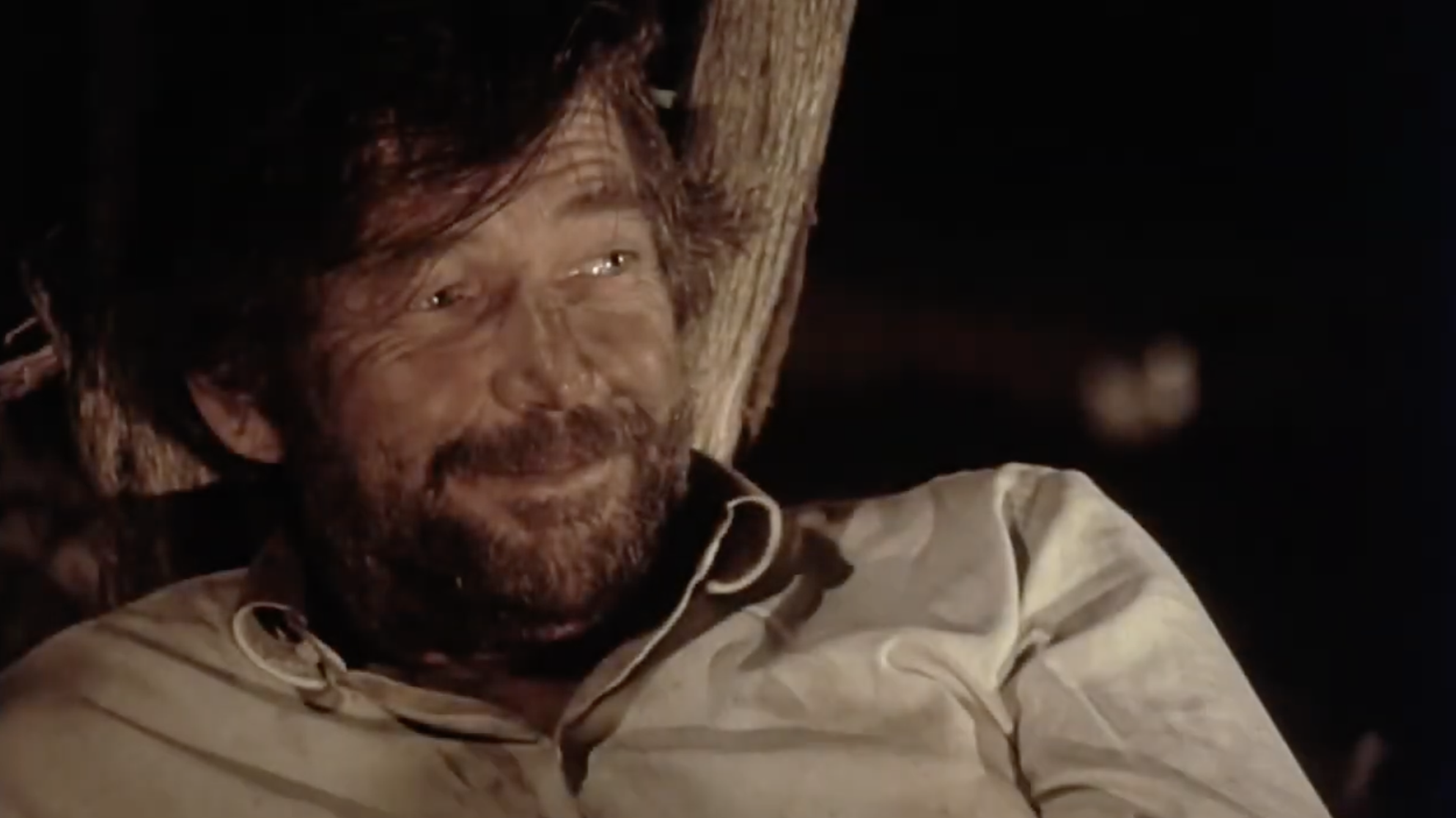
He wanted the movie to contain friendship, romance, humor, and good times alongside the suffering. One of its romantic threads involves Waite’s own character, C.G., and a woman who lives out of a shopping cart.
The relationship might sound like the setup for a sentimental fable about love conquering adversity. Waite was after something less tidy.
People living in terrible circumstances don’t stop being people. They don’t surrender their capacity for affection, humor, jealousy, desire, or foolishness simply because their lives have become difficult. Nor does their suffering automatically make them wise or noble.
They remain gloriously, frustratingly human.
Waite’s own description of his intentions was straightforward.
“I don’t think I prettied them up,” he told Barrett.
That distinction matters. There is nothing especially compassionate about turning poor people into symbols of poverty. It makes them easier to understand, perhaps, but it also strips away the complicated details that make them individuals.
Waite wanted his characters to exist as people rather than illustrations of a social problem.
He also wanted the audience to recognize that alcoholism was more than a matter of individual willpower. One of the characteristics of the disease, he argued, was self-delusion: the ability to convince yourself that you remain in control even as your life demonstrates otherwise.
That observation gave the film a perspective that was personal without being narrowly autobiographical. Waite knew something about the mechanisms of denial. He knew that recovery wasn’t simply a matter of deciding to become a better person.
And he knew that the people who continued to struggle with addiction weren’t necessarily strangers to him.
They were people whose lives had taken a different turn.
Financing the Dream
Making On the Nickel was one thing. Getting it made without compromising the project was another.
Waite used his own savings to help finance the film and secured a loan from CBS/Lorimar, the company behind The Waltons, in exchange for another year on the television series.
In other words, he leveraged the success of his wholesome family drama to help finance an independent film about people living on the streets.
Hollywood has produced stranger arrangements, but not many with quite this particular combination of irony and personal conviction.
The arrangement also illustrates the practical advantages of Waite’s position. He had a recognizable name, an established career, and access to resources that an unknown independent filmmaker would have struggled to obtain. He could use those advantages to tell a story that the industry might otherwise have considered commercially unpromising.
But having the money to make a film didn’t mean having the machinery to distribute it.
When a major distributor backed out, Waite found himself facing another problem. The movie existed. It had been made on his terms. Now he had to find an audience for it.
He took on distribution himself.
It was an exhausting way to bring a movie into the world, particularly for someone who already had a demanding television career. But the alternative was allowing a deeply personal project to disappear before anyone had a chance to see it.
The experience also exposed one of the less romantic realities of independent filmmaking. Artistic independence is wonderful in principle. In practice, it often means taking responsibility for every problem that a better-financed operation can hand to somebody else.
Waite had already invested his money, time, and personal history in the film. He wasn’t about to abandon it at the finish line.
Thirty Days on Skid Row
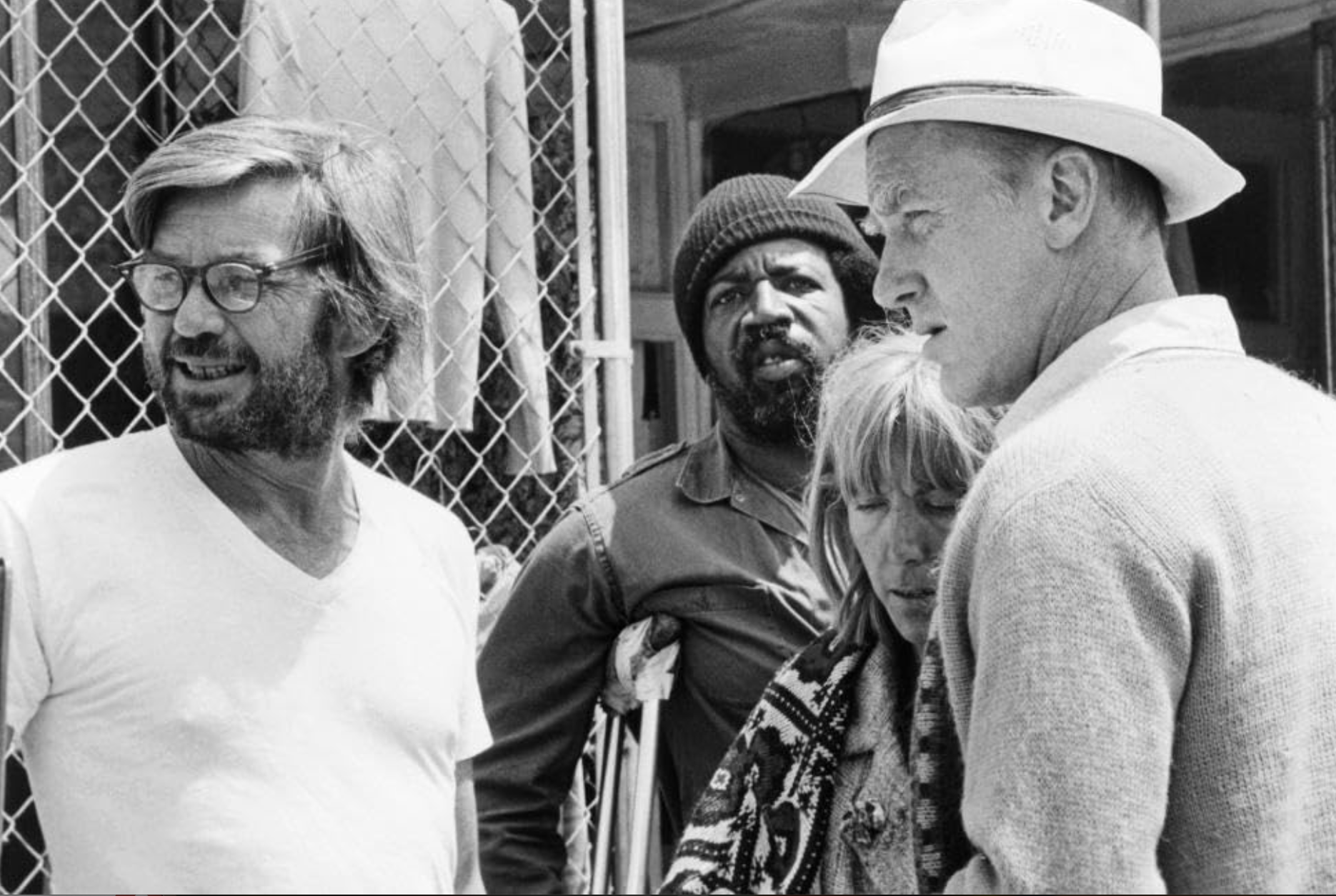
Principal photography began in late April 1978, with the production working on location in the streets and alleys of downtown Los Angeles’ Skid Row.
The schedule was tight, running approximately 30 days. The production reportedly finished early and under budget, a happy outcome for a project operating without the financial cushion of a major studio production.
The location wasn’t simply a backdrop. It was central to what Waite wanted to accomplish.
The streets, alleys, and gathering places of Skid Row gave the movie a physical reality that would have been difficult to reproduce on a soundstage. The characters belonged to this environment. Their routines and relationships were shaped by it. The place had its own texture, history, and rhythms.
Waite also employed approximately 200 Skid Row residents as extras, paying them modest daily rates.
Their presence gave the production an unusual mixture of professional performers and people who actually lived in the neighborhood being depicted. Waite drew on theater actors he knew, along with familiar faces from The Waltons, but the production’s foundation remained the world he’d spent months researching.
It wasn’t an attempt to make the movie look more authentic through a few strategically placed grimy faces. The people who populated the background were part of the community itself.
That doesn’t automatically make every scene successful, of course. Working with nonprofessional performers and shooting quickly in difficult locations presents obvious challenges. Nor does a filmmaker’s good intentions guarantee that a movie will capture the full complexity of the people it depicts.
But Waite’s approach reflected a genuine desire to bring the neighborhood into the filmmaking process rather than simply use it as scenery.
The production also had to contend with the expectations attached to its star.
Waite was sufficiently identified with The Waltons that the filmmakers took care to warn audiences that the new movie had “nothing to do with The Waltons.”
It’s a funny little detail, but it reveals the problem he faced. Audiences had spent years watching him play a dependable father whose family weathered hardship through love, hard work, and mutual support. They might reasonably have assumed that his first major project outside the series would offer more of the same.
Instead, Waite was inviting them into a world where hardship could be relentless, love didn’t necessarily solve anything, and survival itself could be an accomplishment.
John Walton had taught television audiences how a family could hold together during difficult times.
Ralph Waite wanted to show them people who had no such guarantees.
Finding the Humor in Despair
One of the most interesting things about On the Nickel is that Waite didn’t approach his subject as though suffering were incompatible with laughter.
The film contains grim circumstances and painful realities, but it also finds room for camaraderie, absurdity, and the peculiar humor of people who have learned to live with disappointment.
Waite understood that humor could be a survival mechanism. It could establish bonds between people who had little else in common, or allow them to acknowledge a terrible situation without surrendering completely to it.
In an interview with Robin Flans for The Gazette, he spoke of his strong empathy for alcoholics and his particular affection for their humor.
That empathy was grounded in experience, but it wasn’t simply a matter of recognizing his former self in every character. Waite had come to understand the importance of humor in a community that outsiders tended to regard exclusively through the language of tragedy.
There is a danger in presenting people who are poor or addicted as tragic figures all the time. It turns them into objects of pity and quietly denies them the ordinary human privilege of being funny, irritating, charming, selfish, generous, and ridiculous.
Real life is messier than that.
On the Nickel attempts to preserve some of that messiness. Its people are capable of kindness without being saints and of cruelty without becoming monsters. Their relationships contain affection and frustration in roughly the proportions one might expect from people who spend a great deal of time together under difficult circumstances.
The movie’s compassion comes partly from its refusal to insist that every character become an uplifting example.
Not everybody is going to get sober. Not everybody is going to escape poverty. Not everybody is going to discover the hidden lesson that makes their suffering worthwhile.
Sometimes people simply continue living.
That may sound like a modest ambition for a movie, but it is also a more honest one than the reassuring fiction that every life can be repaired if its owner just learns the correct lesson.
Waite was interested in the humanity of people who had been written off. He didn’t need to turn them into heroes to make that humanity visible.
Cannes, Limited Release, and an Uncertain Future
On the Nickel received an early screening at the American Film Institute in February 1980 before opening in Los Angeles on April 11. It reached New York the following month.
The film’s release was limited, relying on independent exhibition arrangements rather than the kind of nationwide campaign that might have accompanied a major studio production.
Waite also brought the movie to the Cannes Film Festival, hoping to attract foreign distributors and expand its audience.
Cannes offered the possibility of international attention, but it wasn’t a magic solution to the problem of finding a commercial home for an uncompromising independent film.
The movie had an unusual selling point in Waite’s name recognition, but the very qualities that made it interesting also complicated its marketing. It wasn’t a conventional star vehicle. It didn’t offer an easily packaged inspirational message. And it certainly wasn’t the sort of movie an audience would expect from the father of the family on The Waltons.
The film received contemporary attention, and reviewers recognized its energy, compassion, and willingness to engage with an uncomfortable subject. Some also noted the technical unevenness that can accompany low-budget productions.
Both observations can be true.
A film can be rough around the edges and still possess a quality that more polished productions lack. Conversely, authenticity doesn’t excuse every weakness in execution. On the Nickel is most interesting when its commitment to its subject becomes a source of artistic vitality rather than an excuse to overlook the demands of filmmaking.
Waite had succeeded in bringing his vision to the screen. He had not necessarily solved the problem of keeping that vision in circulation.
Over time, the film became increasingly difficult to find. Occasional television airings helped preserve its reputation among viewers who encountered it, but it spent much of the following two decades in relative obscurity.
It was the kind of fate that can befall an independent film without a powerful distributor or an established commercial constituency. The movie existed, but finding it became an adventure of its own.
Fortunately, On the Nickel eventually returned to circulation through a restoration and a DVD release in 2009, followed by later Blu-ray availability.
For a film that had spent years hovering on the edge of cinematic memory, the renewed attention offered an opportunity to see Waite’s work in a context beyond its initial release.
It also allowed the movie to be reconsidered as something more than an unusual footnote in the career of a familiar television actor.
Tom Waits, and the Music of the Nickel
Another reason the film continues to attract interest is its music.
Tom Waits contributed original songs, including the title track, “On the Nickel,” whose bruised, compassionate sensibility fits the film’s world particularly well.
Waits has always possessed an ear for people who inhabit the fringes of respectable society. His songs are filled with characters who live in cheap rooms, frequent disreputable establishments, nurse old wounds, and find themselves on the wrong side of the promises America makes about opportunity and success.
His music rarely mistakes these characters for saints. It also rarely treats them as disposable.
That sensibility makes him a natural companion to Waite’s project.
The title song carries the emotional weight of the movie’s setting without turning it into a travelogue of urban misery. Its perspective is sympathetic but unsentimental, recognizing the dignity of people whose lives have been reduced to a series of difficult calculations about where to sleep, what to eat, and how to get through the next day.
The song has also enjoyed a life beyond the film itself, helping preserve the memory of a production that might otherwise have vanished almost entirely from public consciousness.
There is something fitting about that. Movies are supposed to be the dominant art form in a movie, but sometimes a song becomes the part that survives most readily.
A film can disappear from theaters, television schedules, and video stores. A song can keep finding listeners.
In the case of On the Nickel, the music remains another way into Waite’s vision of a community that exists outside the boundaries of conventional American success.
The Beauty in Ugliness
It’s tempting to describe On the Nickel as an act of redemption for Ralph Waite, but that would be too simple.
Waite had already confronted his alcoholism. He had found professional success. He had built a life that was very different from the one he feared he might have lived.
The film wasn’t an attempt to prove that he had become a better person than the people he portrayed. Nor was it a victory lap celebrating his escape from the world of Fifth Street.
Instead, it was an attempt to acknowledge the distance between the life he had and the life he might have had, while recognizing that the people who continued to struggle on Skid Row were not simply cautionary tales.
They were not there to validate his recovery. They were not supporting characters in the story of his personal triumph.
They had their own lives, their own histories, and their own reasons for being where they were.
Waite’s achievement was to recognize that fact and attempt to make a movie that treated them accordingly.
On the Nickel is not a perfect film. Its roughness is apparent, and its ambitions sometimes exceed its technical resources. But its limitations are part of the story of a filmmaker who put his own money, experience, and convictions behind a project that wasn’t guaranteed to find an audience.
Waite could have used his success on The Waltons to pursue safer material. He could have made another conventional drama with a familiar moral framework and a reassuring conclusion. Instead, he chose a subject that demanded he look beyond his own comfortable place in the world.
He also chose to make the film himself, on location, among the people whose lives he wanted to understand.
That decision gives On the Nickel its particular integrity.
The film doesn’t suggest that poverty is secretly beautiful or that suffering is somehow ennobling. It argues something more modest and more difficult: that beauty and dignity can survive in places where the rest of society has decided they no longer exist.
It’s an idea that can sound sentimental when reduced to a slogan. Waite’s willingness to spend months listening to people, then put his own resources behind a movie about them, gives it a little more weight.
He was a recovering alcoholic who had come close to losing his place in the world. He became a successful television actor, then used that success to return to a place he might otherwise have spent his life avoiding.
In doing so, he confronted some of his own ghosts. But he also recognized that the people living with those ghosts were more than the sum of their troubles.
John Walton might have called that a lesson in the importance of compassion.
Ralph Waite made a movie about it.
And he took the cameras to Skid Row.

Tags
On the Nickel, Ralph Waite, Tom Waits, The Waltons, 1980 Movies, Independent Film, Forgotten Movies, Movies of the 80s, American Cinema, Skid Row, Alcoholism in Film, Cult Movies, Film History
About the Creator
Movies of the 80s
We love the 1980s. Everything on this page is all about movies of the 1980s. Starting in 1980 and working our way the decade, we are preserving the stories and movies of the greatest decade, the 80s. https://www.youtube.com/@Moviesofthe80s
Enjoyed the story? Support the Creator.
Subscribe for free to receive all their stories in your feed.
Comments
There are no comments for this story
Be the first to respond and start the conversation.