
'Fear City' (1985): Abel Ferrara, Neon Sleaze, and the New York That Wouldn’t Stay Clean
Tom Berenger, Melanie Griffith, Billy Dee Williams and a martial-arts serial killer collide in Ferrara’s compromised attempt to break into mainstream filmmaking.

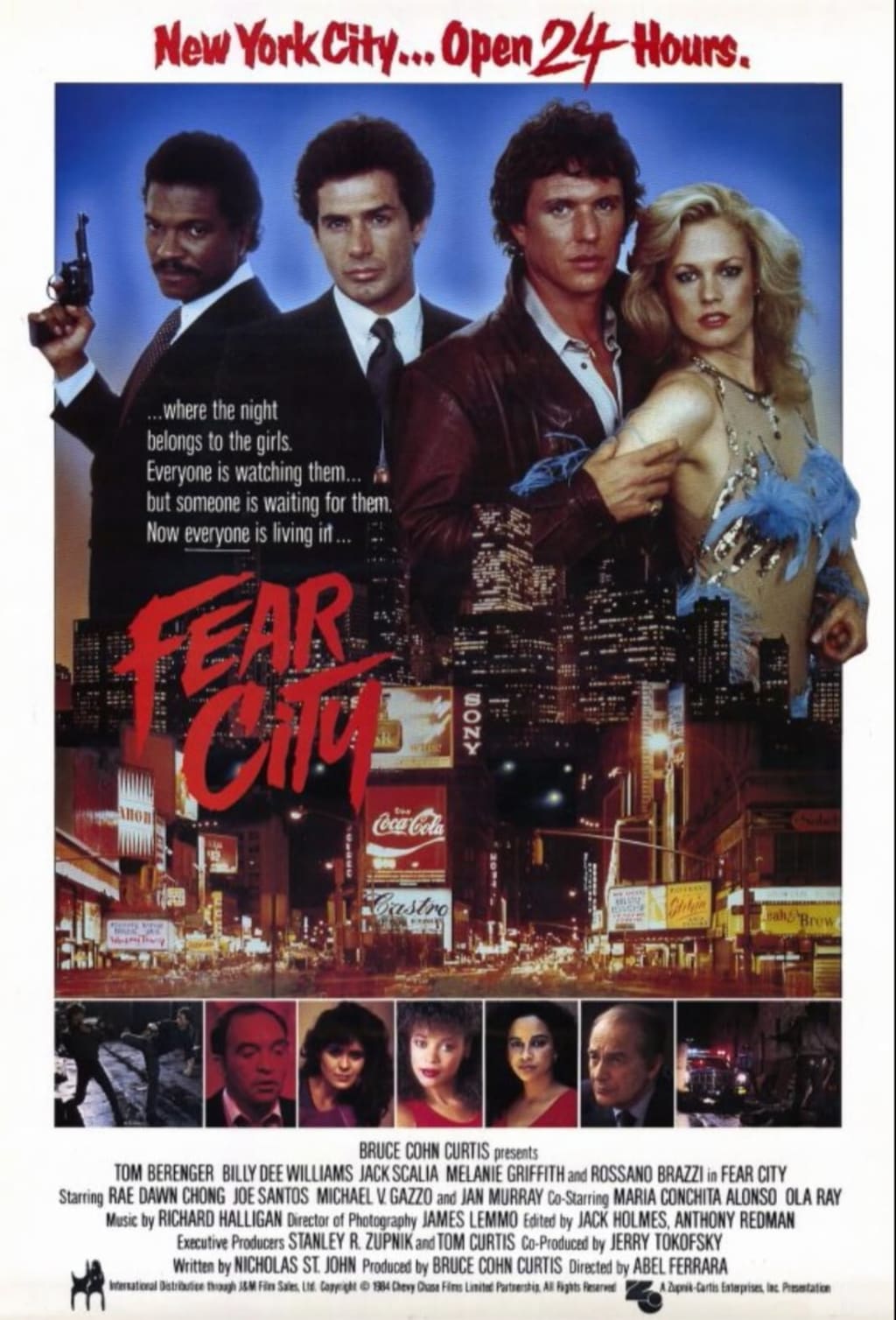
Fear City: Welcome to Abel Ferrara’s New York
There are movies that capture a city.
And then there are movies that make you wonder if the city itself might be sick.
Abel Ferrara’s Fear City is one of those movies.
Released in the United States in February 1985, Fear City is a grimy, neon-soaked serial-killer thriller set in a Manhattan that feels like it was built from cigarette smoke, dirty sidewalks, strip clubs and bad decisions.
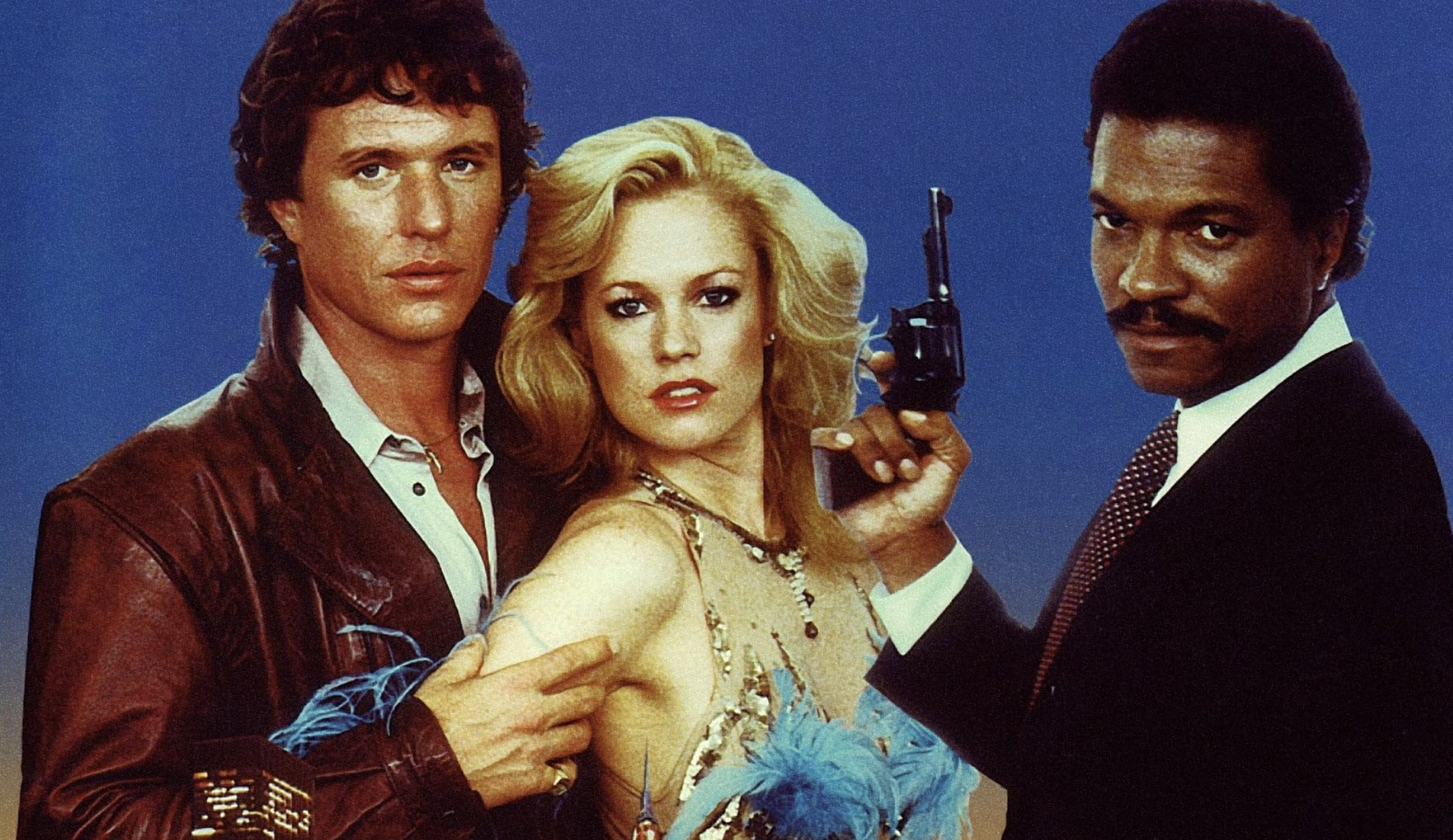
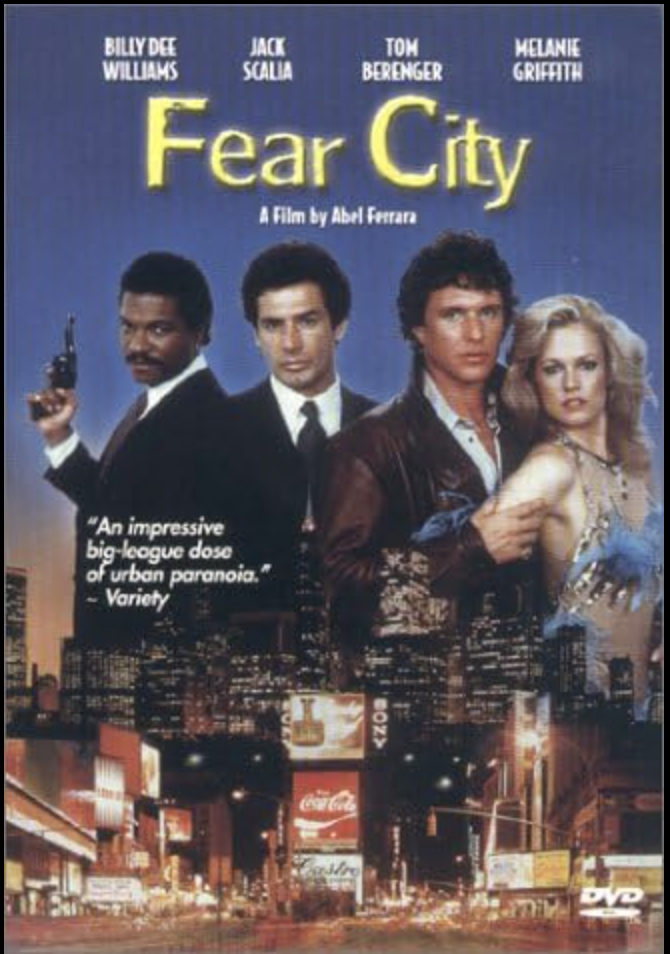
It stars Tom Berenger as former boxer Matt Rossi, who now runs a talent agency with Nicky, played by Jack Scalia. Their business supplies dancers to Manhattan clubs.
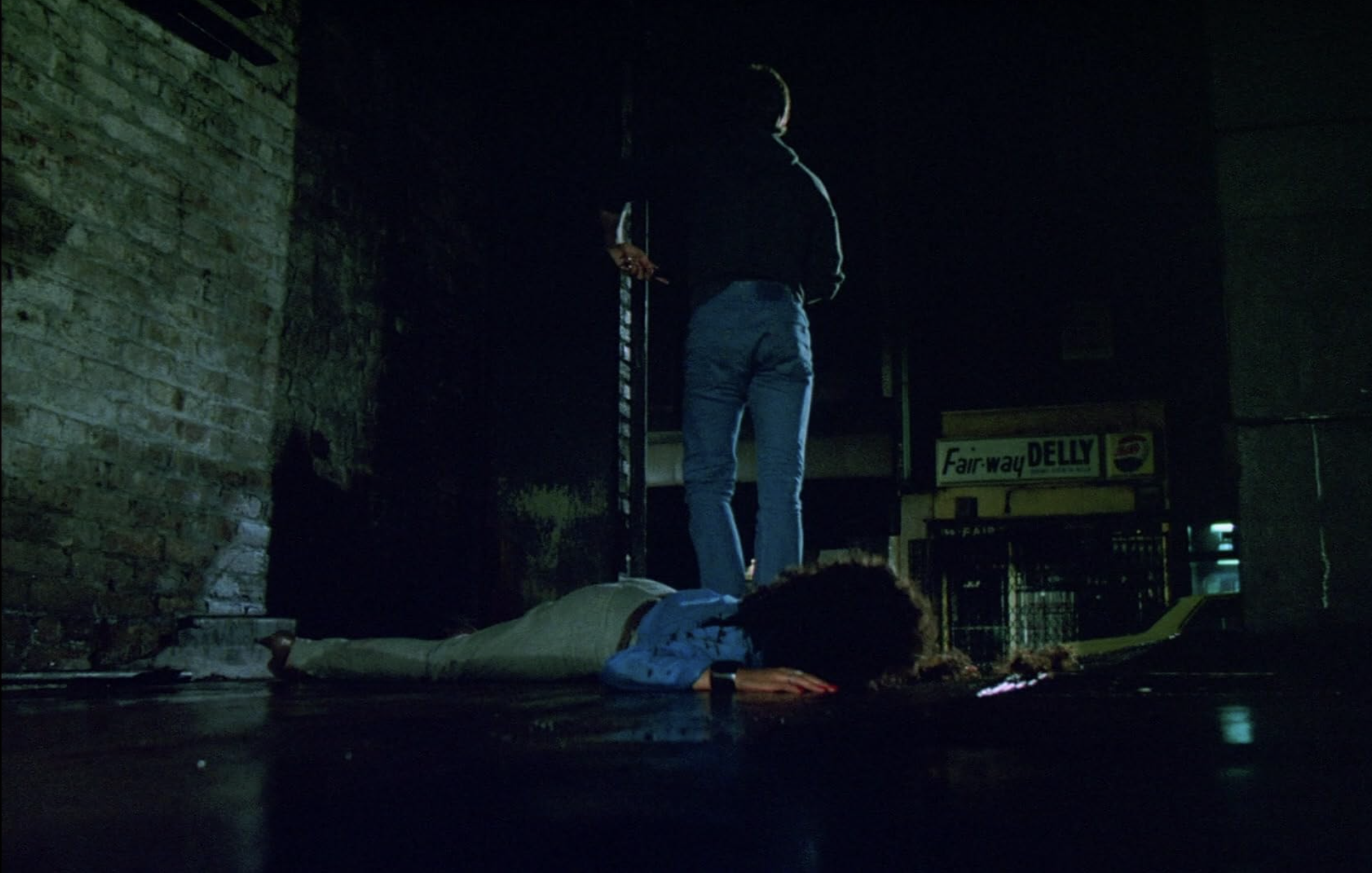
Then somebody starts hunting the dancers.
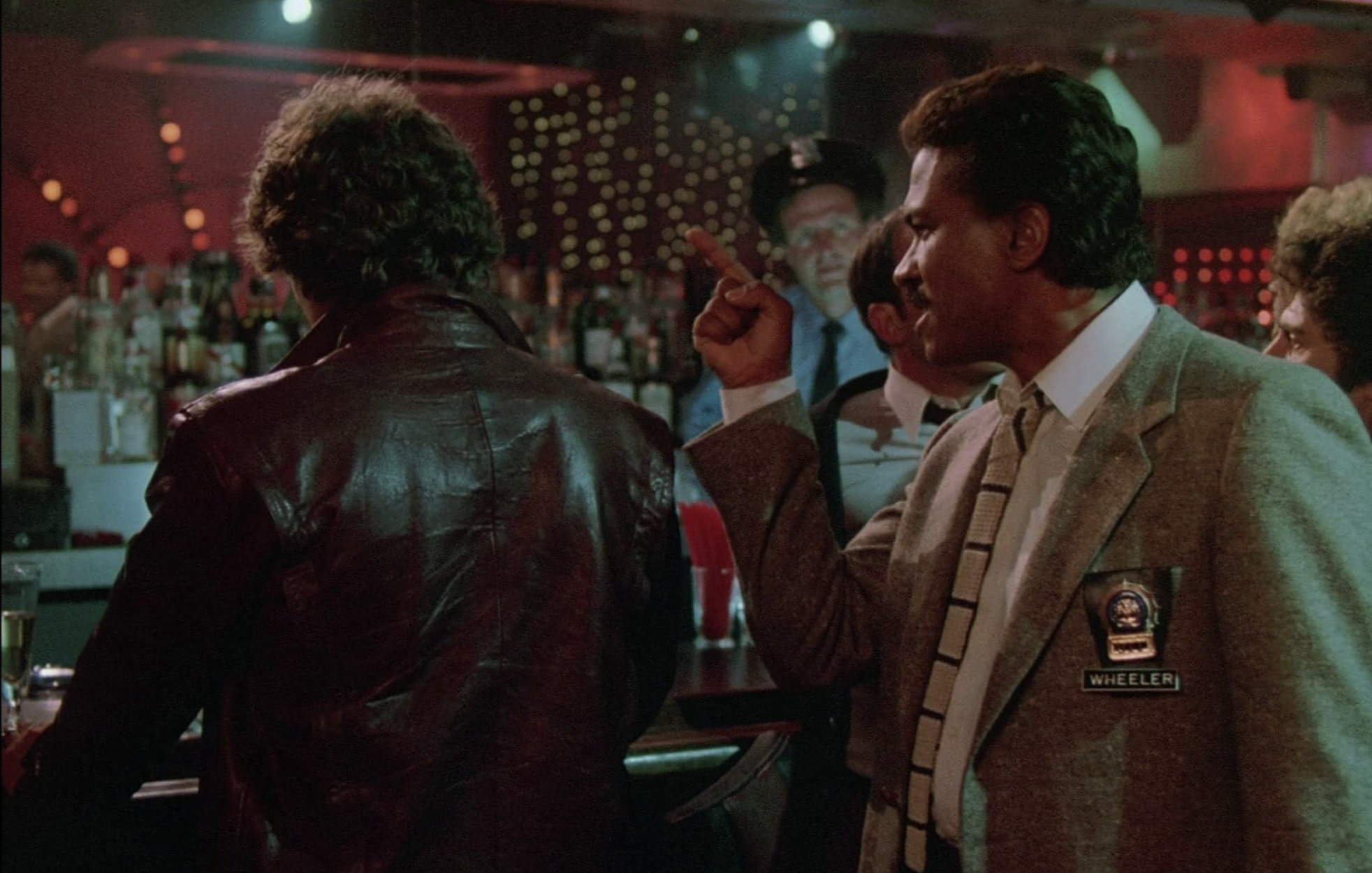
Billy Dee Williams plays Detective Al Wheeler, the cop investigating the killings. Melanie Griffith plays Loretta, Matt’s former girlfriend, while Rae Dawn Chong plays Leila, Loretta’s roommate and lover.
And stalking the women is John Foster, a real-life martial artist making his only credited film performance as the killer.
That’s the basic movie.
But Fear City is more interesting than its basic plot suggests.
Because this was Abel Ferrara trying to move from the underground world of The Driller Killer and Ms. 45 toward something resembling mainstream filmmaking.
And Hollywood wasn’t quite sure what to do with him.
A Fear City Before Fear City
The title had history before Ferrara got hold of it.
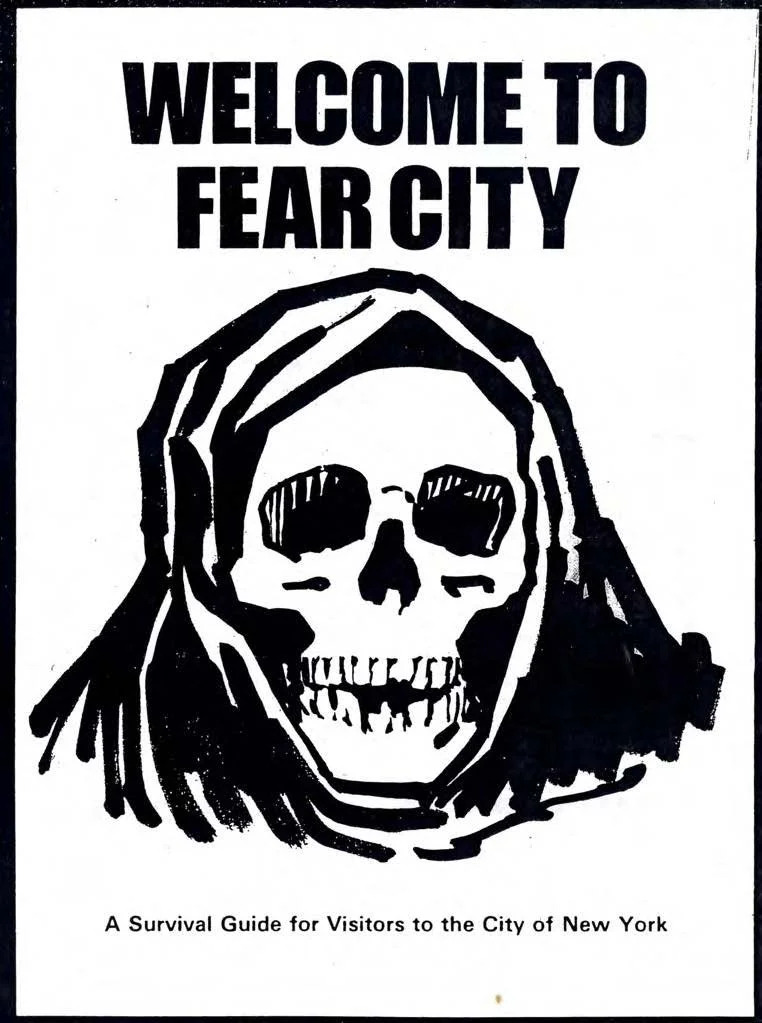
In 1975, during New York City’s financial crisis, the Council for Public Safety—a coalition of municipal labor unions dominated by police and fire unions—distributed the notorious Welcome to Fear City: A Survival Guide for Visitors to the City of New York.
The skull-covered pamphlet warned tourists about crime and advised them to avoid walking, public transportation and the streets after dark. Approximately one million copies were printed and distributed over a short period. The campaign was intended as pressure against municipal budget cuts and threatened layoffs.
The pamphlet wasn’t an official City Hall publication.
It was a labor-union pressure campaign.
But the name stuck.
By the 1980s, “Fear City” had become a perfect nickname for the mythology of New York: dangerous, dirty, corrupt, unpredictable and somehow irresistible.
Ferrara’s movie doesn’t have much to do with the 1975 pamphlet beyond the title.
It doesn’t need to.
The name already tells you what kind of New York you’re about to enter.
This is a city where strip clubs sit beside boxing gyms, where cops assume everybody is dirty, where mobsters operate in the background and where a martial-arts psychopath can stalk women through subway stations and alleys without seeming completely out of place.
Abel Ferrara Goes Hollywood
Ferrara had already established himself as one of New York’s great cinematic outsiders.
The Driller Killer was raw, nasty and deliberately confrontational.
Then came Ms. 45, a much more accomplished exploitation movie about a mute garment worker who becomes a vigilante after being sexually assaulted.
Fear City was different.
Suddenly Ferrara had a significantly larger budget, recognizable stars and a major-studio connection.
The reported budget was around $4 million, and trade reports cited by the American Film Institute place principal photography in New York and Los Angeles. AFI lists Ferrara as director, Nicholas St. John as writer, Bruce Cohn Curtis as producer and James Lemmo as cinematographer.
The cast was impressive, too.
Tom Berenger was on the rise.
Billy Dee Williams was already a major star thanks to Star Wars.
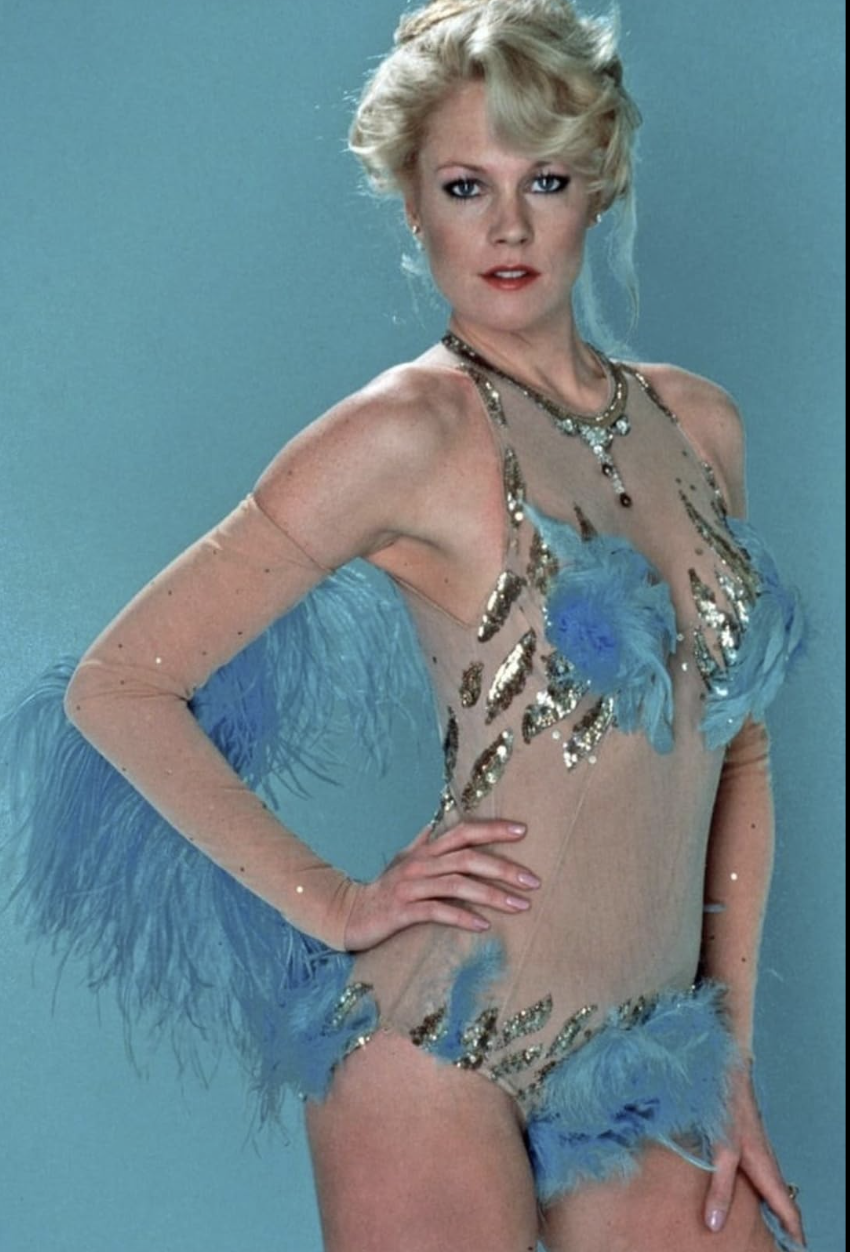
Melanie Griffith was becoming one of the most recognizable young actresses in Hollywood.
Rae Dawn Chong had just come off Quest for Fire and would soon become even more prominent.
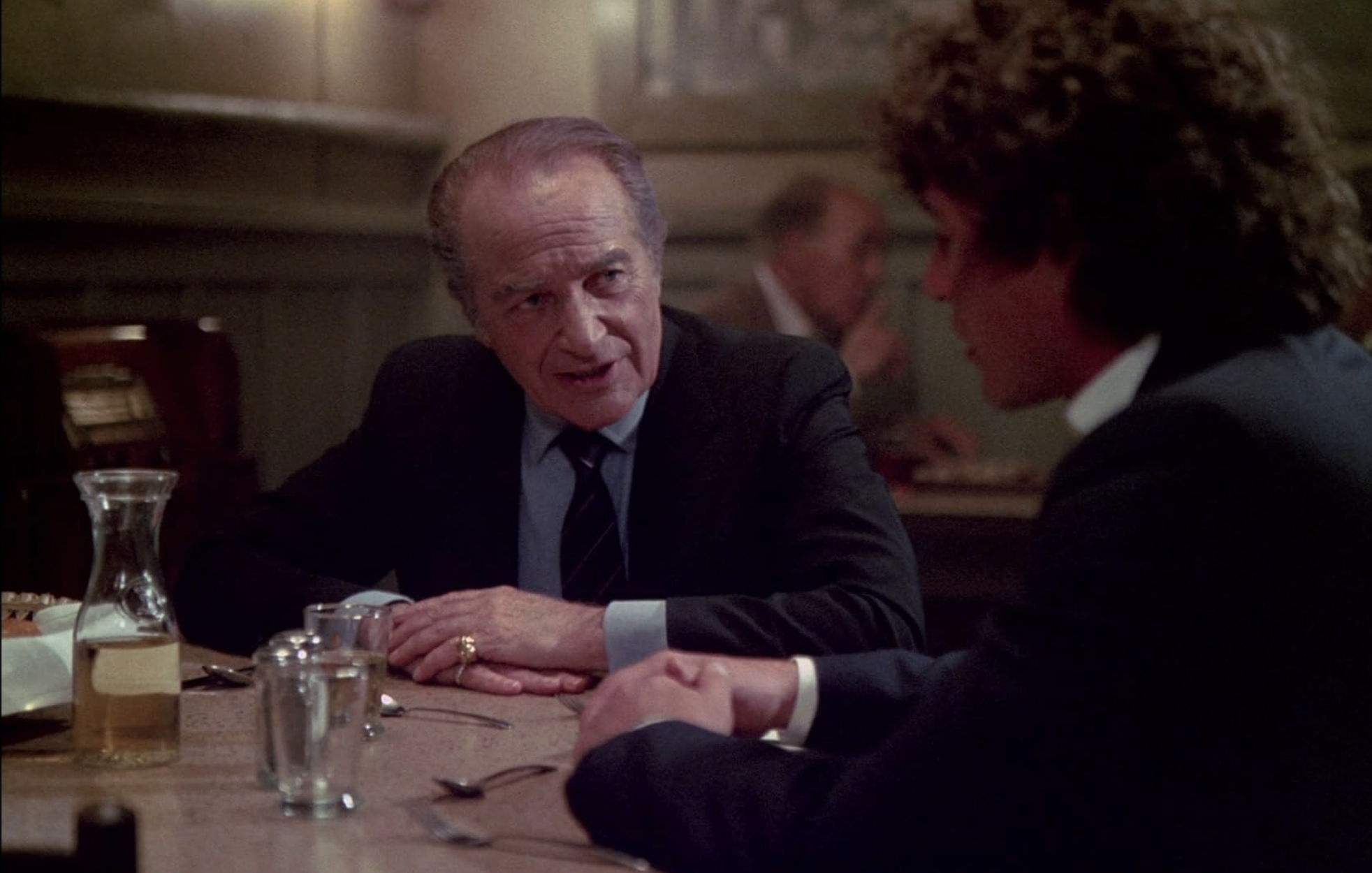
Rossano Brazzi played mob boss Carmine.
Michael V. Gazzo, Joe Santos and Jan Murray filled out the supporting cast.
This wasn’t The Driller Killer anymore.
But Ferrara hadn’t suddenly become a conventional filmmaker.
That was going to be a problem.
Meet Matt Rossi
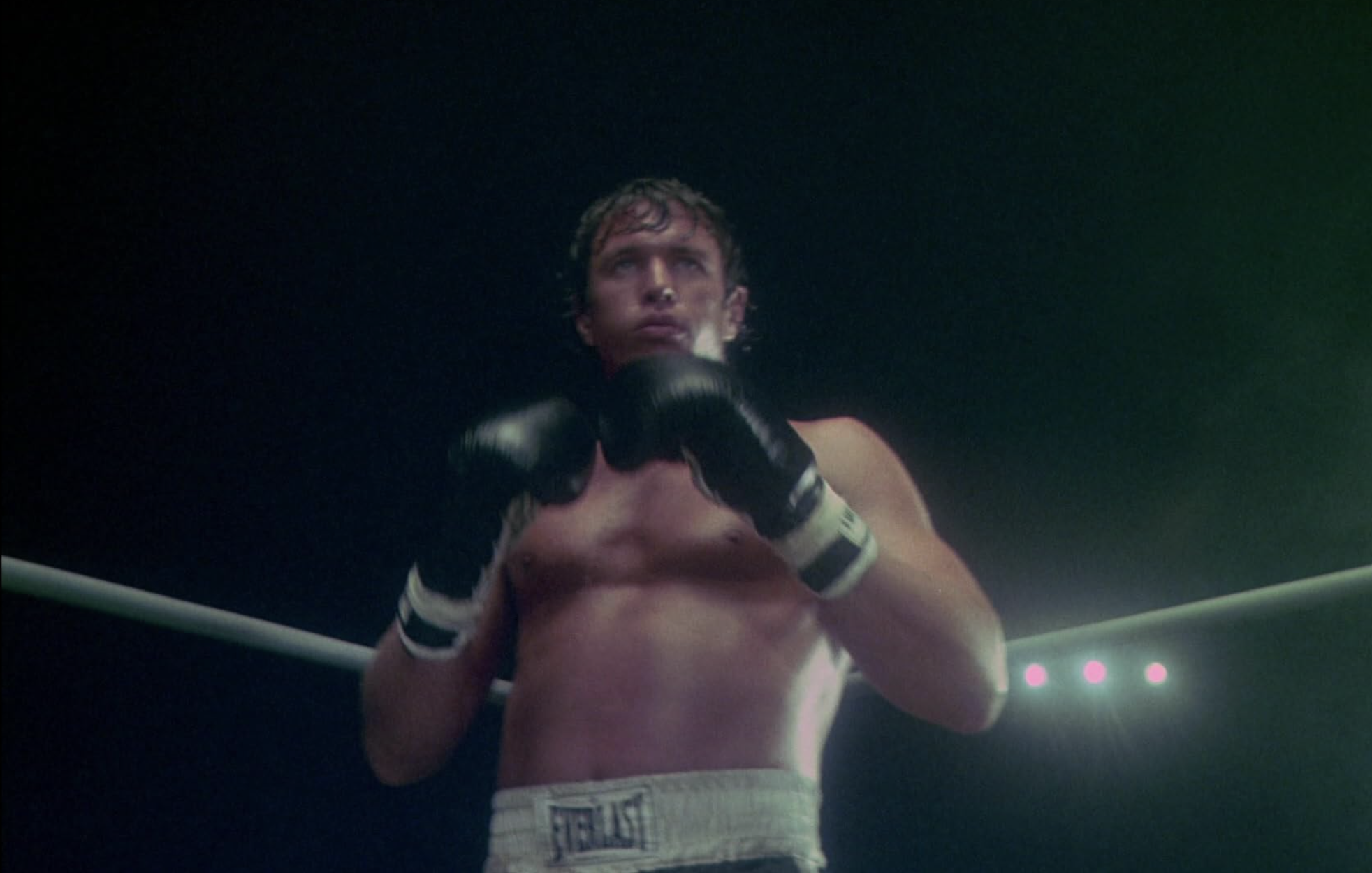
Tom Berenger’s Matt Rossi is one of those 1980s movie characters who has already lost something before the opening credits.
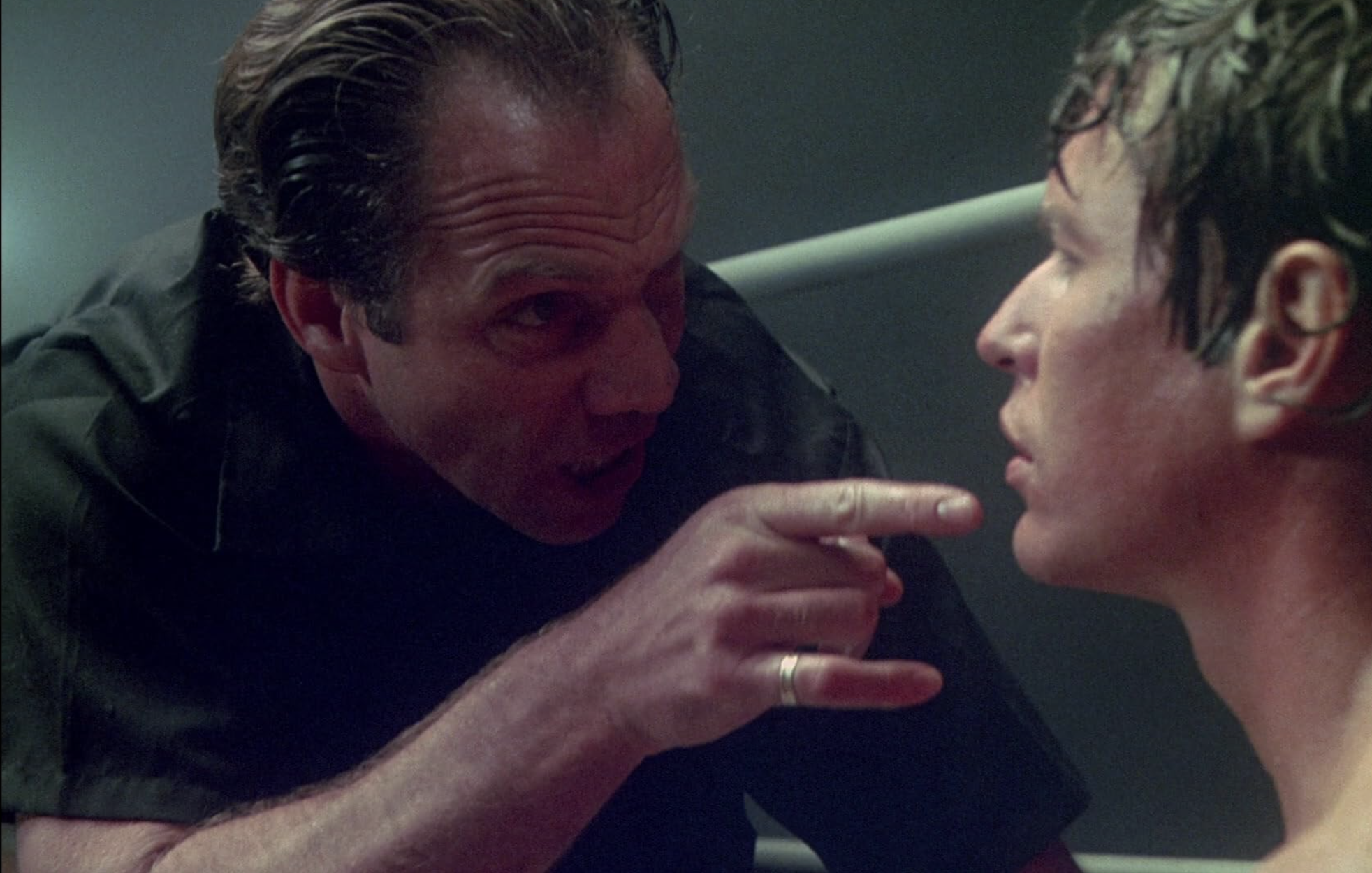
Matt used to be a boxer.
During a fight, he badly injured an opponent, who later died.
Matt walked away from boxing and now runs the Starlite Talent Agency with Nicky.
It’s not exactly a respectable business.
The agency represents dancers working in Manhattan’s strip clubs, putting Matt in the middle of a world of hustlers, mobsters and people who aren’t particularly interested in playing by the rules.
Then the killings begin.
The victims are dancers.
And the killer isn’t simply stabbing people and running away.
He’s methodical.
He keeps notes.
He studies his victims.
He appears to believe that he’s doing something meaningful.
Ferrara never turns him into a conventional Hannibal Lecter-style supervillain.
He’s stranger than that.
And much more ridiculous.
Enter John Foster, Karate Movie Fan
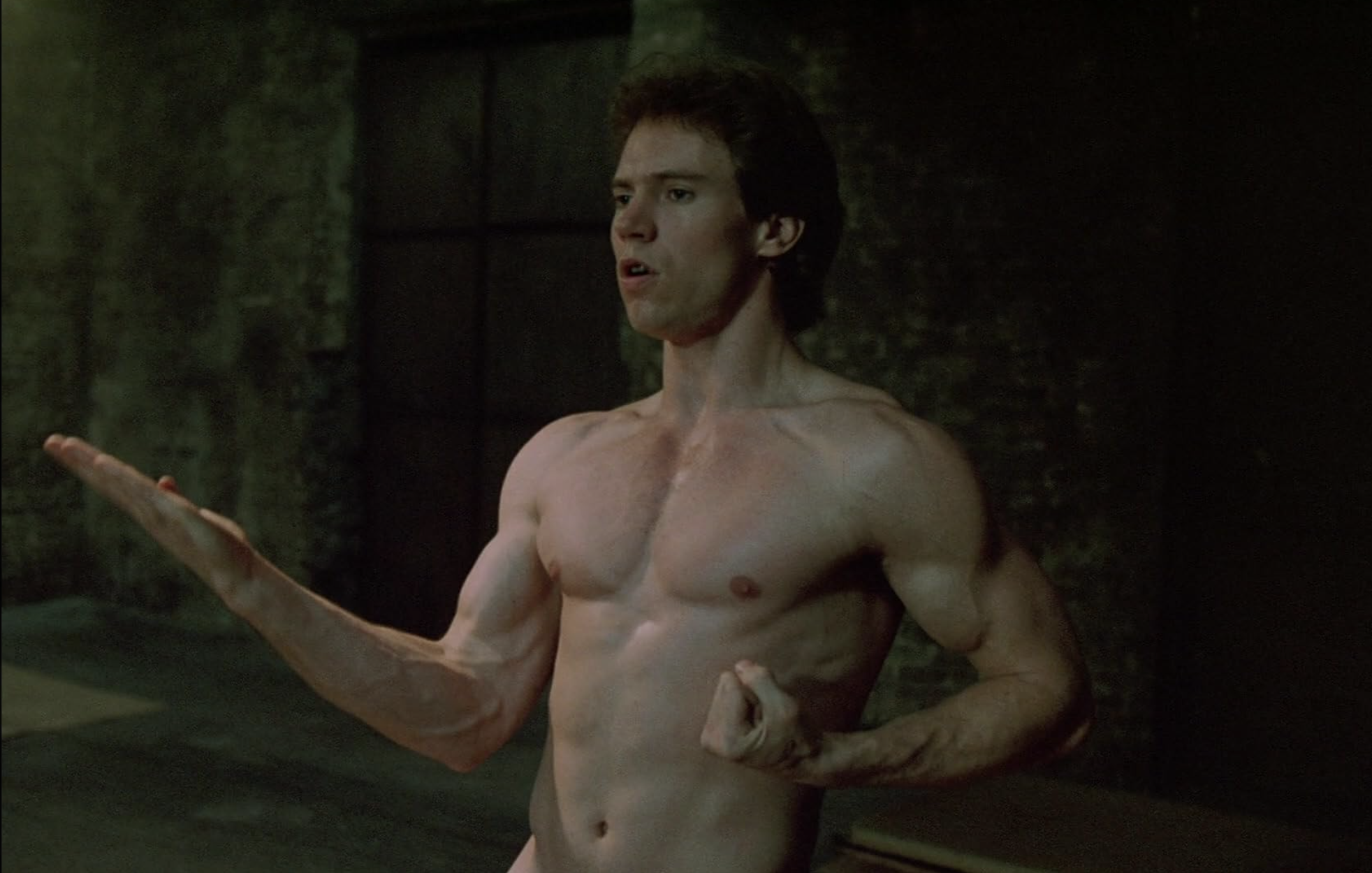
John Foster may be the greatest story to come out of Fear City.
Foster was a real-life martial-arts expert, not an established actor. Ferrara discovered him and cast him as the killer.
In a contemporary interview with journalist Paul Wilner, Ferrara described Foster as a fifth-degree black belt and recalled that he immediately struck him as frightening.
But Foster had another quality.
He desperately believed he was a movie star.
According to Ferrara, Foster watched approximately 20 movies a week.
Almost all of them were karate movies.
Ferrara asked him what he considered the greatest karate film ever made.
Foster’s answer?
"Vampire Kung Fu."
(Note: We could not find a movie called Vampire Kung Fu in released prior to 1985. But, he may be referring to either Legend of the Seven Golden Vampires from 1974 or maybe, Encounter of the Spooky Kind from 1980. Both are karate movies featuring vampires.)
You can’t write a better Abel Ferrara story than that.
And Ferrara didn’t stop there.
He told Wilner that he invited Foster to dinner with producer Bruce Cohn Curtis.
This turned out to be a mistake.
Ferrara recalled Foster talking about going into Central Park wearing a Brooks Brothers suit and waiting for somebody to come after him. Finding no one, Foster stated that he sat in a tree for three hours. At another point, Foster apparently claimed to have suffered a heart attack.
When Foster excused himself from the table, the producer’s response was essentially: We’ve got to get rid of this guy.
Ferrara recalled that the resulting situation led to the production having to double its insurance.
It sounds completely insane.
Which is probably why I believe it.
Not because every detail can be independently reconstructed today, but because the story feels perfectly consistent with the strange, chaotic production Ferrara was describing at the time.
(Secondary note, we can find no stories about John Foster after Fear City. He made no other movies, and no other headlines after his brief moment in the spotlight.)
Ferrara vs. the Studio
The real story of Fear City, however, isn’t John Foster.
It’s control.
The original film ran into trouble with the MPAA because of its violence and sexual content. The movie was ultimately released with an R rating, after cuts. 20th Century Fox had been involved in the production, but the film ended up being distributed independently rather than receiving the major-studio release originally envisioned.
That’s where Ferrara’s relationship with the movie becomes particularly interesting.
In his contemporary interview with Wilner, Ferrara said producer Bruce Cohn Curtis and the businessmen financing the film altered the ending.
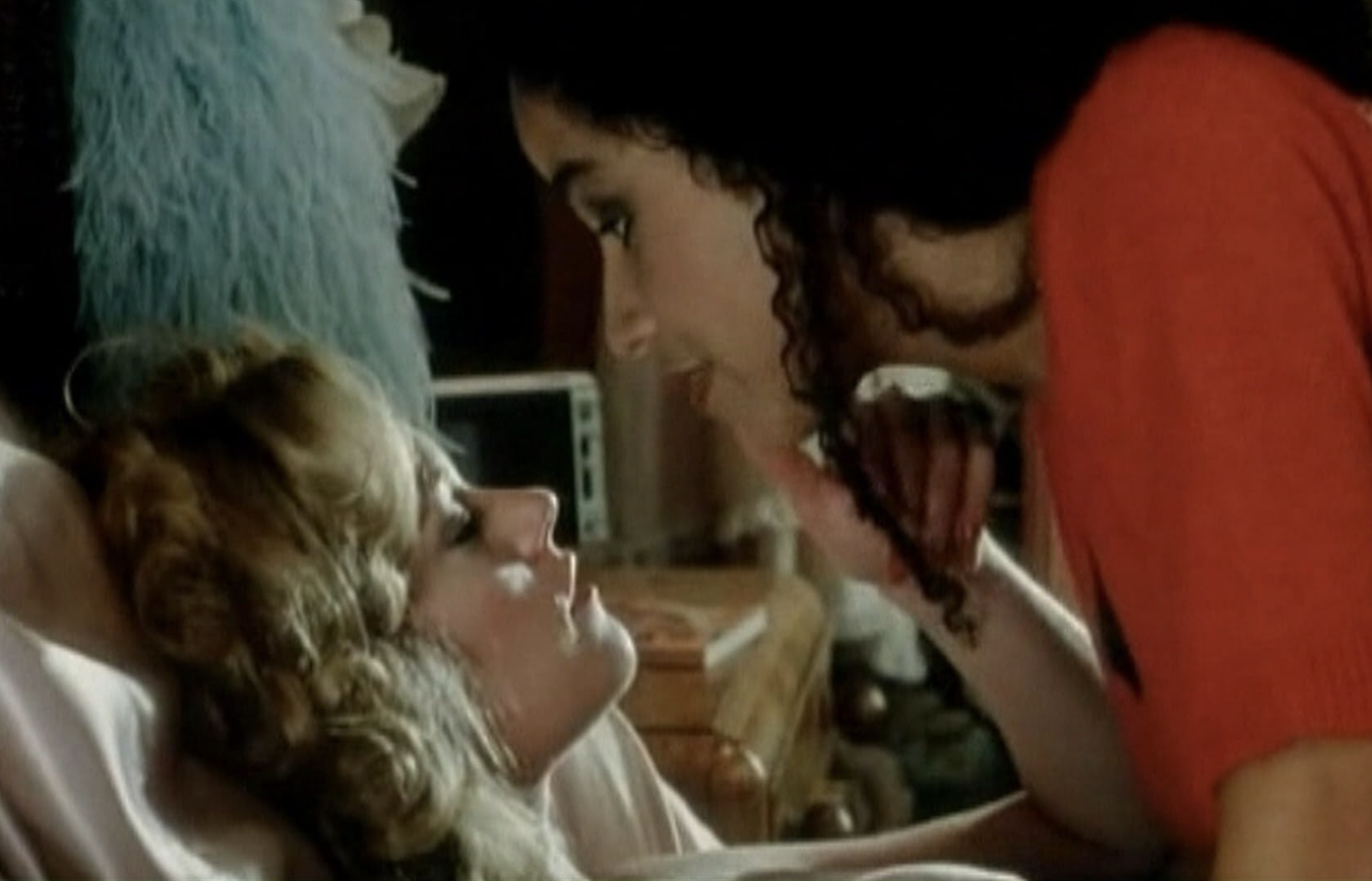
They also eliminated a lesbian love scene involving Melanie Griffith and Rae Dawn Chong.
That matters.
Because the movie we see is already full of contradictions.
It wants to be erotic and violent, but it also wants to be a conventional thriller.
It wants to be morally ambiguous, but it occasionally retreats toward conventional heroics.
It wants to be Ferrara’s New York, but it also wants to be something audiences could comfortably buy tickets to see.
Those things don’t always coexist peacefully.
And you can feel the seams.
Ferrara Didn’t Apologize for the Violence
The criticism of Fear City wasn’t limited to its commercial compromises.
The movie was also accused of participating in the exploitation of women it depicted.
Ferrara’s response was revealing.
In the Wilner interview, he defended the film by pointing back to Ms. 45.
His argument was essentially that violence against women didn’t automatically make a film anti-feminist, particularly when his previous movie had turned a female victim into an avenging figure.
Then Ferrara offered an extraordinarily blunt response:
“Let [Brian] De Palma deal with that rap — he’s a spokesman for all of us.”
That’s Ferrara in a nutshell.
He wasn’t particularly interested in convincing anybody that his movies were safe.
He was interested in making movies about dangerous people in dangerous places.
Sometimes that meant the movies were genuinely provocative.
Sometimes it meant they were simply sleazy.
Fear City walks the line between the two.
The New York That Makes the Movie
The plot isn’t always convincing.
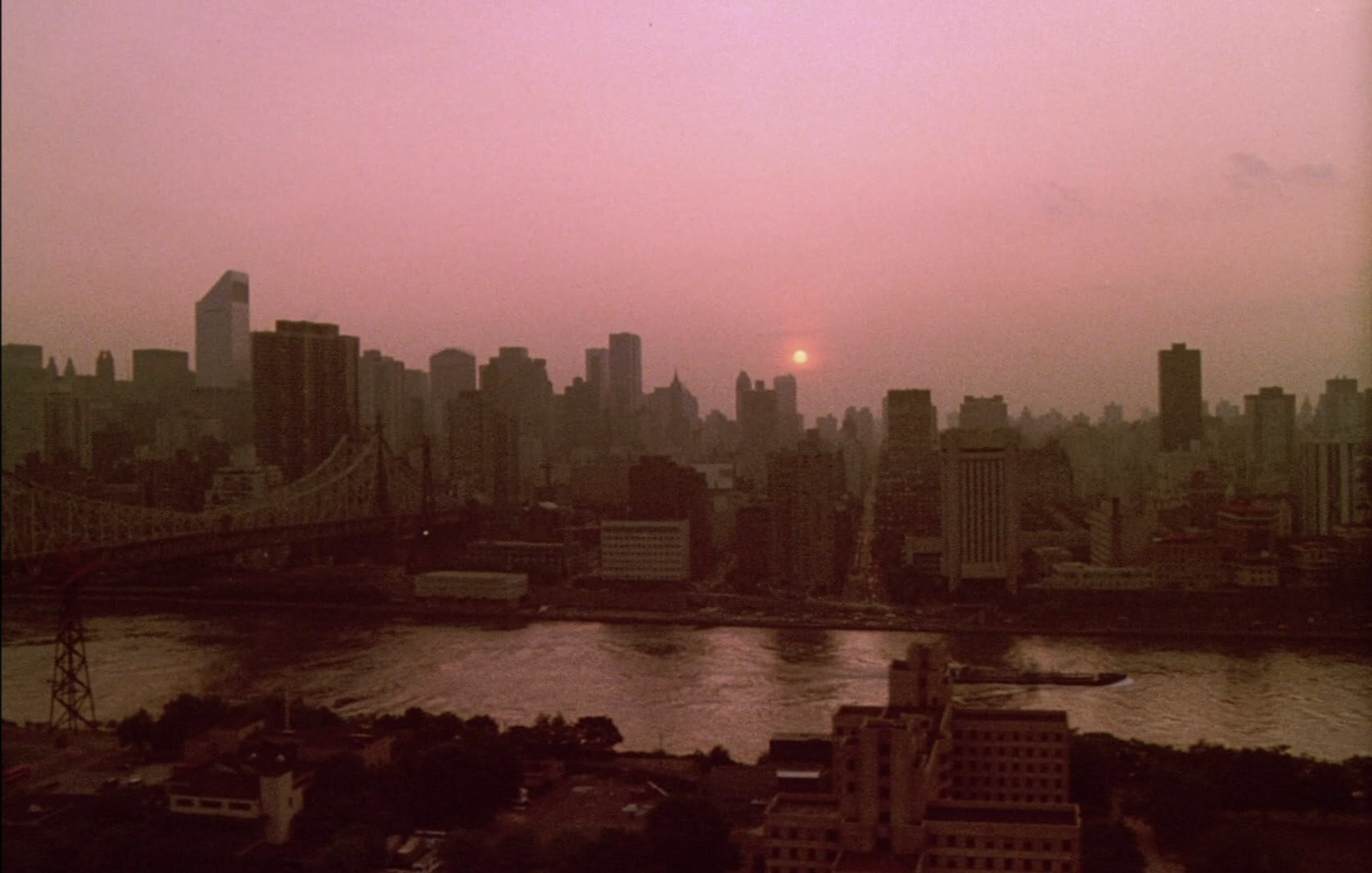
The atmosphere almost always is.
Ferrara had already worked with cinematographer James Lemmo on The Driller Killer and Ms. 45, and together they understood how to photograph New York without making it look like a travel brochure. AFI credits Lemmo as director of photography and lists a mixture of New York and Los Angeles production.
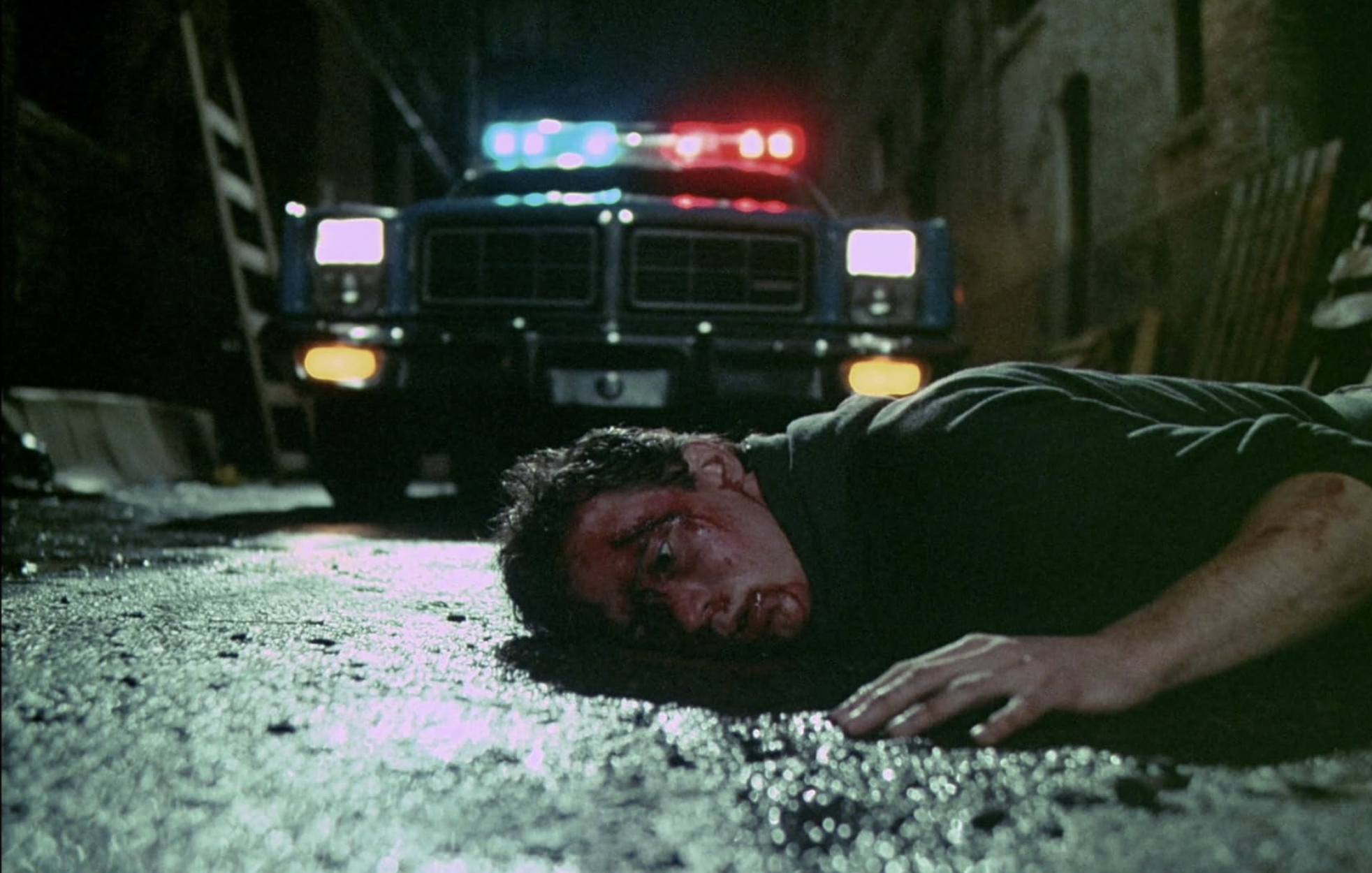
The New York of Fear City feels exhausted.
The clubs are dark.
The streets are wet.
The buildings look tired.
Everybody appears to be working some angle.
Nobody seems to have enough money.
And nobody appears particularly interested in calling the police unless absolutely necessary.
The movie is also loaded with period music, including David Johansen’s “New York Doll,” with a score by Dick Halligan and additional music associated with longtime Ferrara collaborator Joe Delia.
That music is important because Fear City is as much a time capsule as it is a thriller.
You can’t recreate this particular New York anymore.
The city changed.
Times Square changed.
The clubs changed.
And eventually the movies stopped looking at New York this way.
That’s part of why Fear City has become more interesting with age.
Critics Saw the Problems
Contemporary critics were divided.
Janet Maslin, writing in The New York Times in February 1985, saw more in the movie than a routine exploitation picture. She noted Ferrara’s unusual casting choices, his handling of action sequences and his use of nonverbal storytelling, particularly in the flashbacks involving Matt’s boxing career. She also praised the film’s “bright, hard-edged look.”
But Maslin also identified the problem that would follow the movie for years: Ferrara’s visual imagination was stronger than his character development.
That’s fair.
Fear City has atmosphere to spare.
Characterization is another matter.
Lou Lumenick was considerably less enthusiastic. His contemporary review was titled “‘Fear City’ Is No Fun,” and he characterized the movie as a dull action picture with only a faint resemblance to Taxi Driver. He also argued that Ferrara handled the Times Square environment conventionally despite having previously made the much more distinctive Ms. 45.
Other critics similarly found the movie too concerned with surface thrills.
Gene Siskel, writing in the Chicago Tribune, criticized what he saw as the film’s lack of soulful characterization, arguing that it was primarily concerned with exotic dancers, martial arts, knife attacks and boxing.
And that’s probably the central argument against Fear City.
There’s a better movie buried in here.
You can see it.
But you can’t always get to it.
A Film Caught in the Middle
This is what makes Fear City such an interesting piece of Ferrara’s career.
It isn’t quite his early underground work.
It isn’t yet the more confident filmmaker who would emerge later.
It’s a movie caught between worlds.
Ferrara had been given more money.
He had bigger stars.
He had studio involvement.
He had commercial expectations.
And yet he was still making a movie about strip clubs, sexual violence, organized crime, guilt, damaged men and a lunatic martial artist stalking women through Manhattan.
He hadn’t exactly gone Hollywood.
He had brought his version of New York into Hollywood and discovered that Hollywood wanted to rearrange the furniture.
Before Frank White
And Ferrara was already thinking about what came next.
The Wilner interview is particularly valuable here because Ferrara discussed a future project called Murder One.
The central character was named Frank White.
Ferrara described him as a modern crime figure who wanted to become the “crime king” of Manhattan. He had machine guns, killed people, took on established mobsters, lived at the Plaza and attended Broadway openings.
That sounds familiar.
It should.
Frank White eventually became the character played by Christopher Walken in King of New York.
Brad Stevens’ Abel Ferrara: The Moral Vision specifically identifies the Wilner interview as an early description of the Murder One project that eventually became King of New York.
That’s fascinating because it puts Fear City in context.
Ferrara wasn’t finished with New York.
He was refining his ideas about criminals, cops, power, violence and urban mythology.
Fear City was one of the steps along the way.
Miami Vice and the Road Forward
The same Wilner interview catches Ferrara at another turning point.
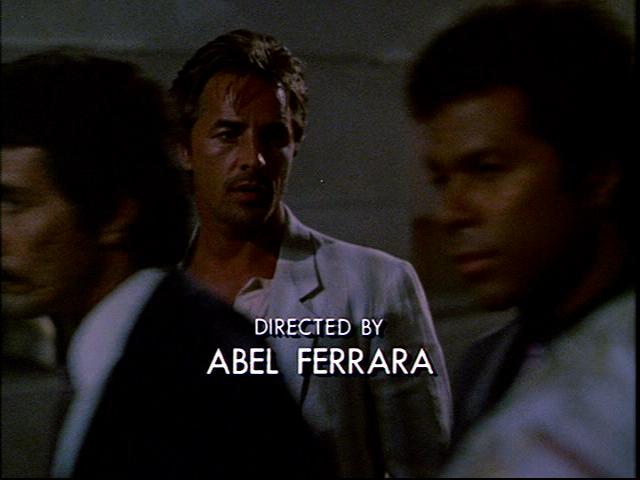
He was already working on Miami Vice for Michael Mann.
Ferrara told Wilner that he had never met Mann before coming to the show, although Mann had seen his movies.
That television work would become important to Ferrara’s career.
It wasn’t necessarily the kind of filmmaking Ferrara had imagined when he made The Driller Killer.
But it gave him experience working quickly, with larger crews and bigger productions.
And it helped keep his career moving after Fear City failed to establish him as a major commercial filmmaker.
As Brad Stevens documents, Ferrara’s Miami Vice work became part of the bridge between Fear City and the more ambitious films that followed.
Then came King of New York.
And suddenly the pieces started fitting together.
The Movie Ferrara Didn’t Quite Get to Make
Watching Fear City today, I keep thinking about the movie hiding inside the movie.
There’s a fascinating story here about a former boxer who has accidentally killed somebody and can’t escape the guilt.
There’s a fascinating story about a man trying to protect women while operating a business that profits from their bodies.
There’s a fascinating story about a killer who thinks violence has given his life meaning.
There’s a fascinating story about a detective who suspects everybody because everybody probably is guilty of something.
And there’s the city itself.
Ferrara understood that part.
He understood New York’s ability to make people harder, stranger and occasionally worse.
What he didn’t always have was the discipline to bring all those ideas together.
Instead, Fear City throws them into a blender.
Sometimes what comes out is terrific.
Sometimes it’s just pulp.
And sometimes it’s terrific because it’s pulp.
The Uncut Fear City
The movie has also benefited from its afterlife on home video.
Anchor Bay released it on DVD in 2000. Shout! Factory followed with a Blu-ray in 2012 that included both the theatrical R-rated version and an uncut version running approximately 97 minutes, compared with roughly 95 minutes for the theatrical cut. The uncut version restores additional violent and sexual material.
More recently, a 2K restoration has preserved both versions from a new scan of a 35mm interpositive.
That makes the movie easier to appreciate on its own terms.
The uncut version doesn’t suddenly transform Fear City into a masterpiece.
It does, however, make the production history more visible.
You can see more of the movie that fought its way through the rating process.
And that’s appropriate.
Because Fear City is ultimately a movie about fighting for control.
Matt is fighting his past.
The killer is fighting his own warped need for power.
The cops are fighting the criminal world.
Ferrara was fighting his producers.
And the movie itself seems to be fighting the people who were trying to turn it into something more conventional.
Fear City Still Has Teeth
Fear City isn’t a perfect movie.
It isn’t even a particularly tidy movie.
But tidy isn’t really what we’re looking for from Abel Ferrara.
We’re looking for something stranger.
Something grimy.
Something that feels like it was made by people who wandered into the wrong building and decided to make a movie there.
That’s Fear City.
It’s Tom Berenger carrying around the ghosts of his boxing career.
It’s Billy Dee Williams trying to make sense of a crime nobody can quite explain.
It’s Melanie Griffith and Rae Dawn Chong caught in a relationship that the movie’s original version apparently explored more openly.
It’s John Foster watching 20 karate movies a week and apparently believing Vampire Kung Fu is the pinnacle of the art form.
It’s David Johansen singing about New York.
It’s neon reflected in wet pavement.
It’s a filmmaker trying to make a studio movie without becoming a studio filmmaker.
And somewhere underneath all the blood, nudity and exploitation is a portrait of a New York that Hollywood eventually stopped making.
Maybe Fear City isn’t the movie Ferrara wanted.
Maybe that’s exactly why it’s worth remembering.
Because you can see the compromises.
You can see the ambition.
You can see the weirdness.
And you can see the filmmaker who would eventually make King of New York and Bad Lieutenant trying to figure out how to get there.
Fear City is messy.
It’s sleazy.
It’s occasionally ridiculous.
It’s also one hell of a time capsule.
And for about 95 minutes, it takes you back to a New York that really does feel like it deserved the name.
Fear City.
Explore Fear City (1985), Abel Ferrara’s gritty New York thriller starring Tom Berenger, Melanie Griffith and Billy Dee Williams—and the strange production story behind it.
Tags:
Fear City, Abel Ferrara, Tom Berenger, Melanie Griffith, Billy Dee Williams, Rae Dawn Chong, John Foster, 1980s Movies, New York Movies, Neo-Noir, Crime Thrillers, Erotic Thrillers, Cult Movies, Movies of the 80s
Sources and Further Reading
American Film Institute Catalog — Fear City. Production credits, cast, cinematography, music, release dates, production history, budget information and contemporary source citations.
Paul Wilner, contemporary interview with Abel Ferrara, “Director Abel Ferrara — chummy with ‘Miami Vice’ and the kingpin of ‘Fear City.’” This is the newspaper clipping you supplied and is the primary source for Ferrara’s recollections about John Foster, the “Vampire Kung Fu” story, his dinner with Bruce Cohn Curtis, the insurance problems, the deleted Griffith/Chong material, his defense of Fear City, Miami Vice, and the early Murder One/Frank White project.
Janet Maslin, “Screen: ‘Fear City’ Opens,” The New York Times, February 16, 1985. Contemporary review discussing Ferrara’s action direction, nonverbal storytelling, casting, character development and visual style.
Brad Stevens, Abel Ferrara: The Moral Vision (FAB Press, 2004). Particularly valuable for the production history of Fear City, Ferrara’s career transition, Miami Vice, and the early Murder One concept that developed into King of New York.
NYC Department of Records and Information Services — “Welcome to Fear City.” Background on the 1975 Fear City pamphlet, the Council for Public Safety, New York’s fiscal crisis and the campaign’s connection to police and firefighter unions.
Shout! Factory/Blu-ray documentation. Information on the 2012 Blu-ray’s theatrical and uncut versions and their respective running times.
Blu-ray.com — Fear City 2K Restoration review. Information on the later 2K restoration and preservation of both theatrical and uncut versions.
Additional contemporary critical response: Lou Lumenick’s “Fear City Is No Fun” and Gene Siskel’s Chicago Tribune review are documented in retrospective bibliographic sources.
About the Creator
Movies of the 80s
We love the 1980s. Everything on this page is all about movies of the 1980s. Starting in 1980 and working our way the decade, we are preserving the stories and movies of the greatest decade, the 80s. https://www.youtube.com/@Moviesofthe80s
Enjoyed the story? Support the Creator.
Subscribe for free to receive all their stories in your feed.
Comments
There are no comments for this story
Be the first to respond and start the conversation.