

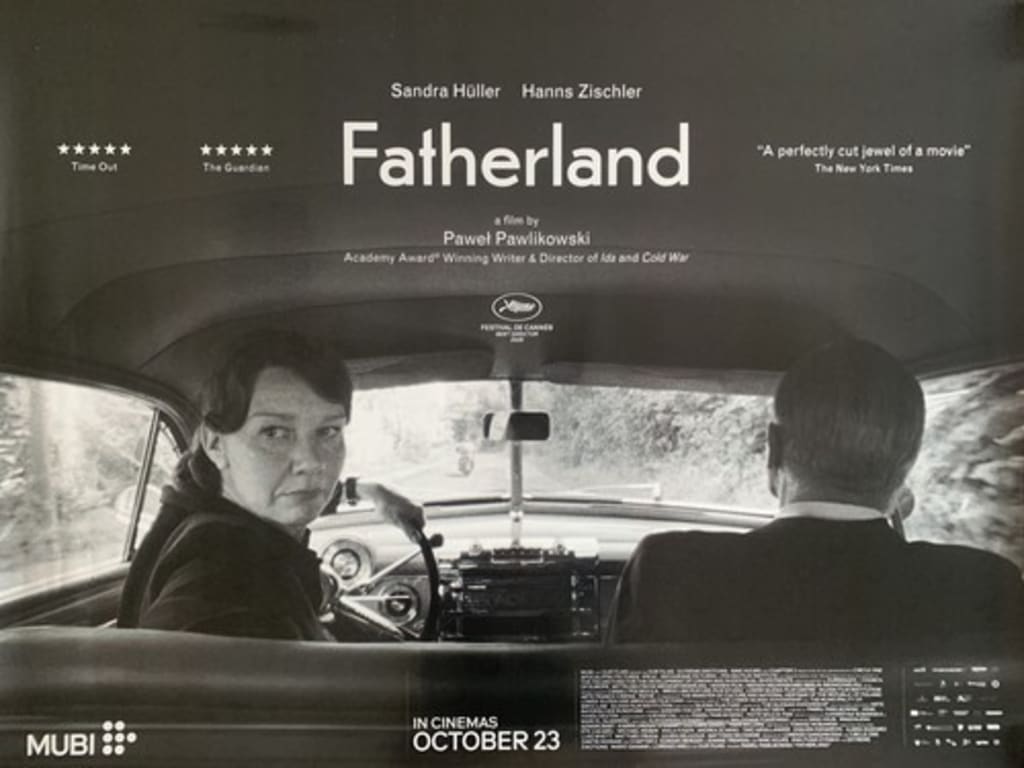
Before you get excited, this isn’t an adaptation of the Robert Harris dystopia thriller. In fact, this Fatherland is quite a tough sell, despite being a beautiful, thoughtful movie. It is a German language film, shot in black and white, looking at the aftermath at World War 2 at an individual, family, societal and philosophical level. The film is based on the literary giant Thomas Mann’s road trip across Germany from Frankfurt in the West to Weimar in the East to receive prizes for his work, in 1949.
Thomas (Hans Zichler) has been living in the States as a refugee from the Nazis for 13 years. His return to his Fatherland is fraught with the politics of the time. He is considered a traitor by those who stayed in Germany. And his trip to the communist East will cause him further problems in the States. Mann is articulate and philosophical about this dilemma arguing that German literature predates the country’s separation and that art does not recognise borders. But his emotions are harder to read. He appears weary and disinterested in the world of feelings.
He is accompanied on the trip by his daughter, Erika (Sandra Huller) – an accomplished artist in her own right, but treated as personal assistant. (The other interpretation of Fatherland is obviously patriarchal family relationships). She has to carry the emotional burden of the politics and the strained relationships across the family.
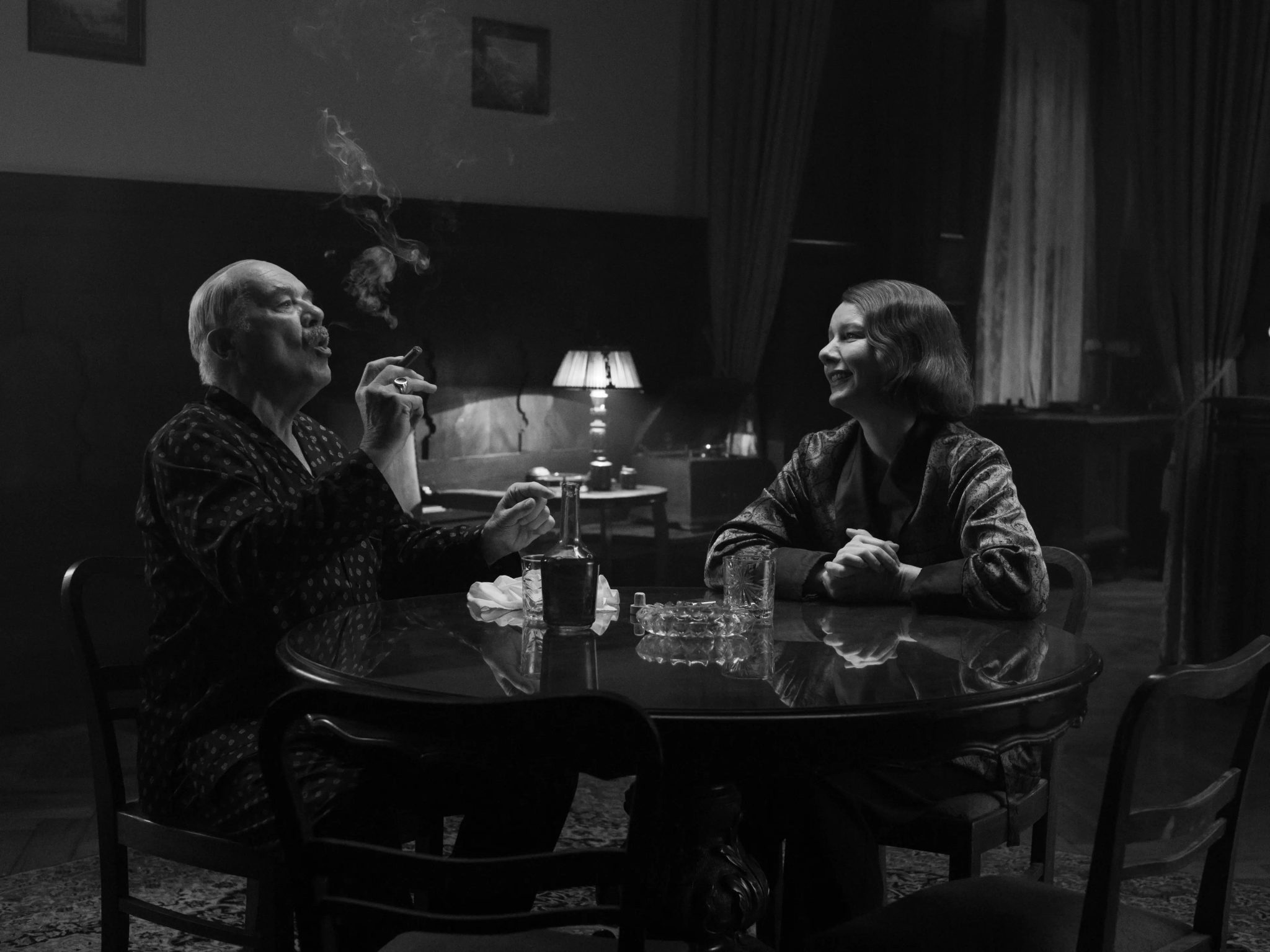
The movie is a snapshot of a big life and of huge events. It is constrained and restrained, with some critics declaring it elegant. Narratively, it is slight, but this means the moments of conflict that flair up briefly, resonate for longer.
Look, I know I’m pretentious. I went to see the film partly because it is in German, a language I once studied and still enjoy deciphering, even though I am very far from fluent. I also wanted to watch it because the monochrome cinematography looked impressive on the trailer. How sophisticated! I want to write in praise of black and white film.
It is fitting that Fatherland was shot in black and white. It takes place in 1940s post war Germany. An era we know primarily through black and white photography, and for cinephiles often through the work of artistic refugees from Nazi Germany.
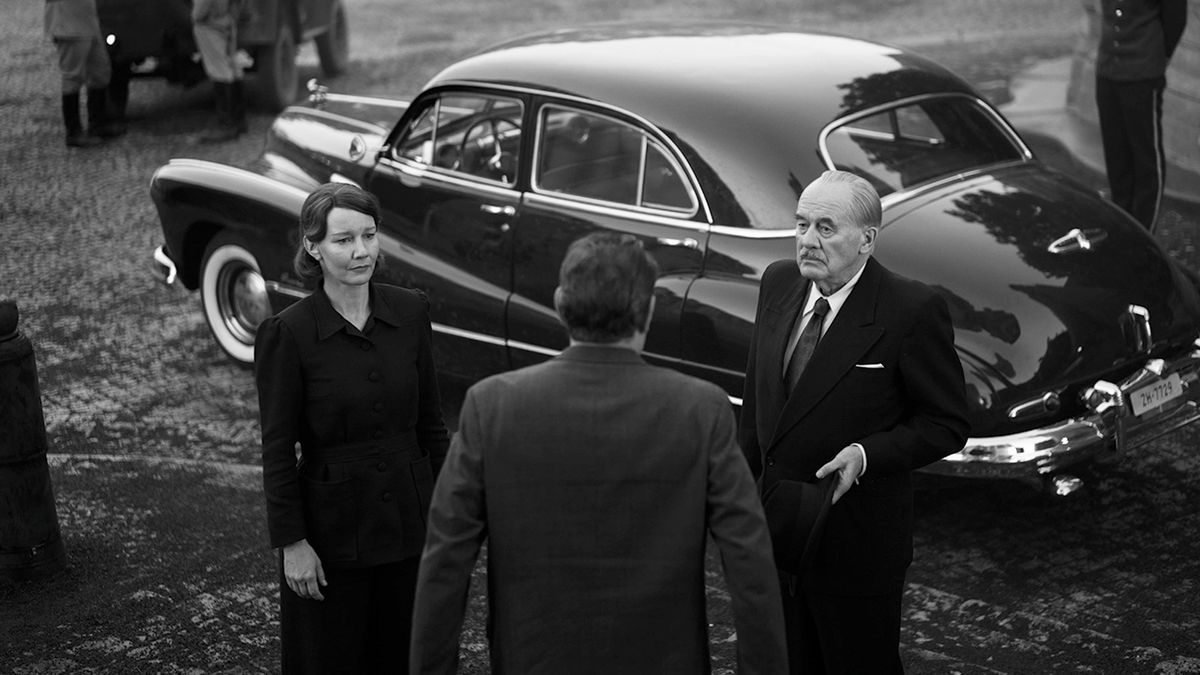
Black and white is the medium of the serious, of the crime thriller, of the isolation and paranoia of the film noir. Film noir cities appear threatening, empty, menacingly distorted with dark shadows. Silent pools of light, interrupted by the sounds of heels hitting the pavement. A man curls against the side of a building, his white shirt stained black as a pool of blood leaks from him. Blood is black tar on a film noir. We watch treachery and deceit through large patches of darkness, splashed with a single light source.
Shooting film in black and white offers a version of the world that both seems gritty and real, and in need of interpretation. Truth has to be deciphered, translated, because we know that the real world is in colour. Yet we need that bleakness when discussing the aftermath of war, genocide and devastation. Black and white reflects the real noir of a torn, betrayed and shamed country.
Black and white is the cursive writing in a world of typeface.
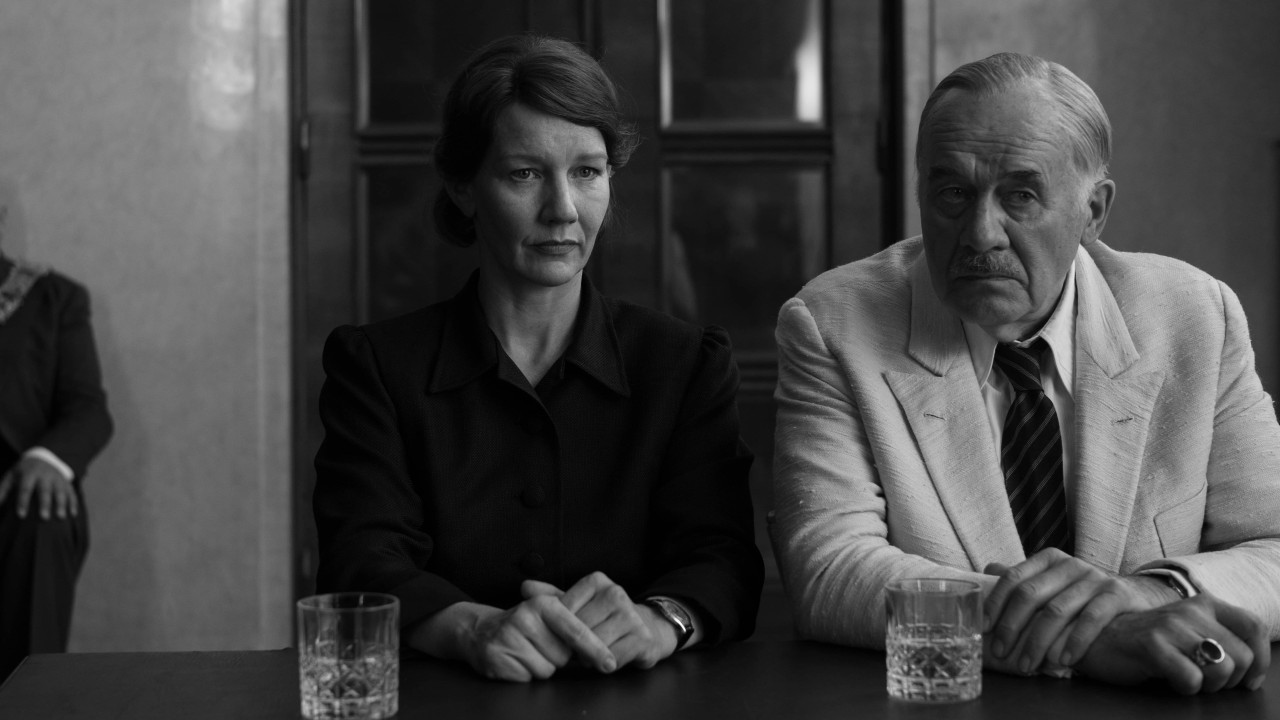
By the late 1940s there was no denying that the world was complex, and could slip too easily into evil. Fatherland is an unflinching look at damage. The crumbling and disintegration of buildings look starker in monochrome. The portraits of trauma and damage in the faces of survivors appear deeper engrained in black and white. The severing of national and generational ties don’t deserve colour.
I know I’ve made the film seem bleak (because it is) and that means it won’t be for everyone. But it does have a quiet elegance and a contemporary relevance that was worth my time.
If you would like to subscribe to my writing you can do so, by clicking on the button below:
SubscribeYou can also send me a tip by clicking on my author profile:
Rachel Robbins | Vocal
About the Creator
Rachel Robbins
Writer-Performer based in the North of England. A joyous, flawed mess.
Please read my stories and enjoy. And if you can, please leave a tip. Money raised will be used towards funding a one-woman story-telling, comedy show.
Enjoyed the story? Support the Creator.
Subscribe for free to receive all their stories in your feed. You could also become a paid subscriber, letting them know you appreciate their work.
Comments
There are no comments for this story
Be the first to respond and start the conversation.