
'Fast Forward': Sidney Poitier’s 1985 Dance Movie Was About More Than Dancing
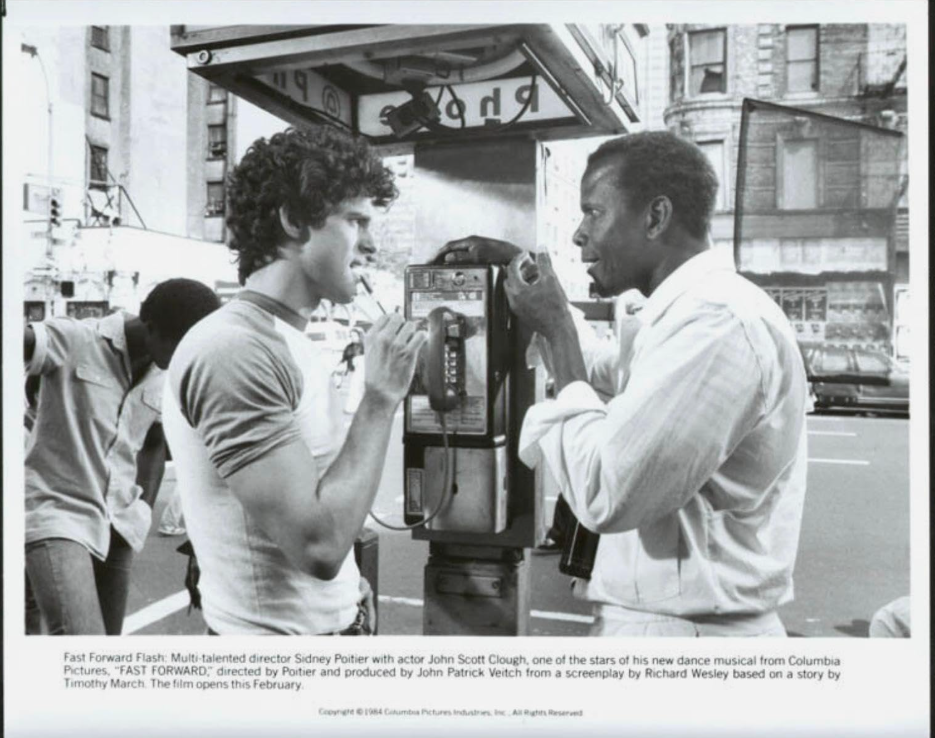
Sidney Poitier stepped behind the camera for this earnest 1985 dance movie about eight young dreamers chasing stardom in New York—and, in the process, revealed quite a bit about his own ideas about ambition, opportunity and doing meaningful work.

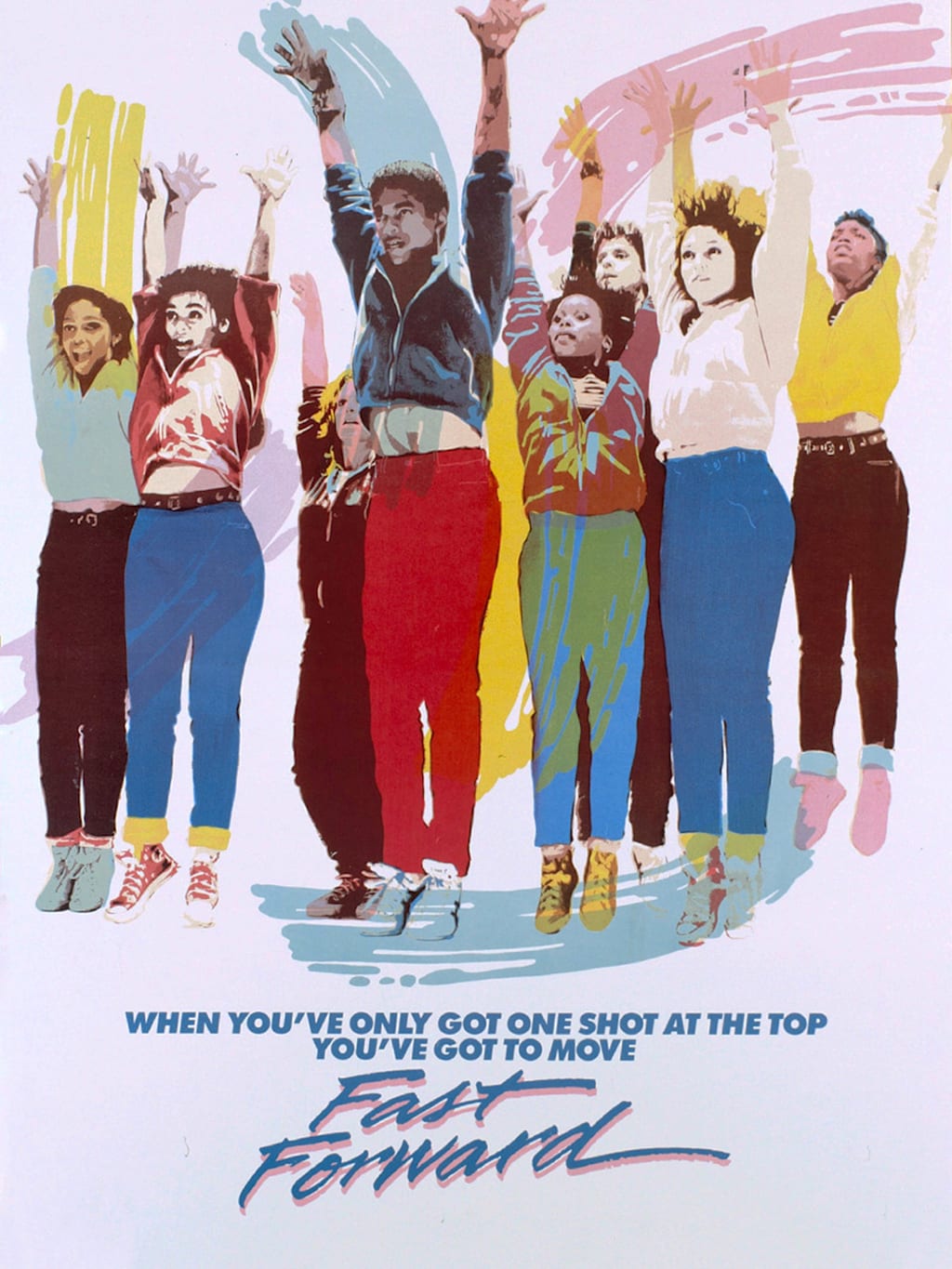
There is something almost perfect about Sidney Poitier making a movie about young people who desperately want to be somebody.
By 1985, Poitier had already spent decades being somebody.
He had become one of the most important Black actors in American film history. He had won an Academy Award for Lilies of the Field. He had starred in In the Heat of the Night, Guess Who’s Coming to Dinner, To Sir, with Love and A Patch of Blue. He had also successfully moved behind the camera, directing movies including Uptown Saturday Night, Let’s Do It Again and Stir Crazy.
And then he stopped acting.
Not permanently. But for roughly seven years, Poitier didn’t appear on the big screen as an actor. His last starring role had been A Piece of the Action in 1977, which he also directed.
Instead, Poitier concentrated on filmmaking.
That makes Fast Forward—released by Columbia Pictures on February 15, 1985—an unusually revealing movie. On the surface, it’s another entry in the great mid-‘80s dance-movie boom, when Fame, Flashdance, Breakin’ and Beat Street had convinced Hollywood that audiences wanted to watch young people dance their way toward a better life.
But underneath all that dancing is something much more personal.
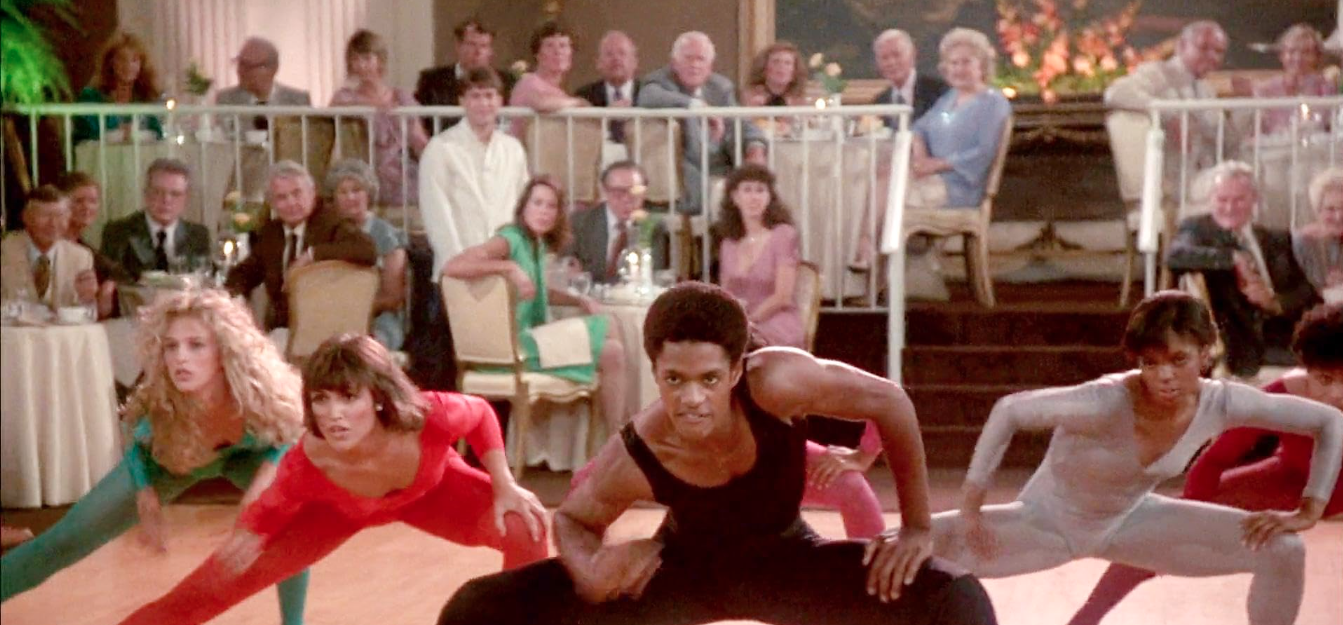
Fast Forward is about eight teenagers from Sandusky, Ohio, who come to New York City hoping to win a national talent competition. They call themselves the Adventurous Eight.
They’re young. They’re ambitious. They’re scared.
And they want to be somebody.
That last part mattered to Poitier.
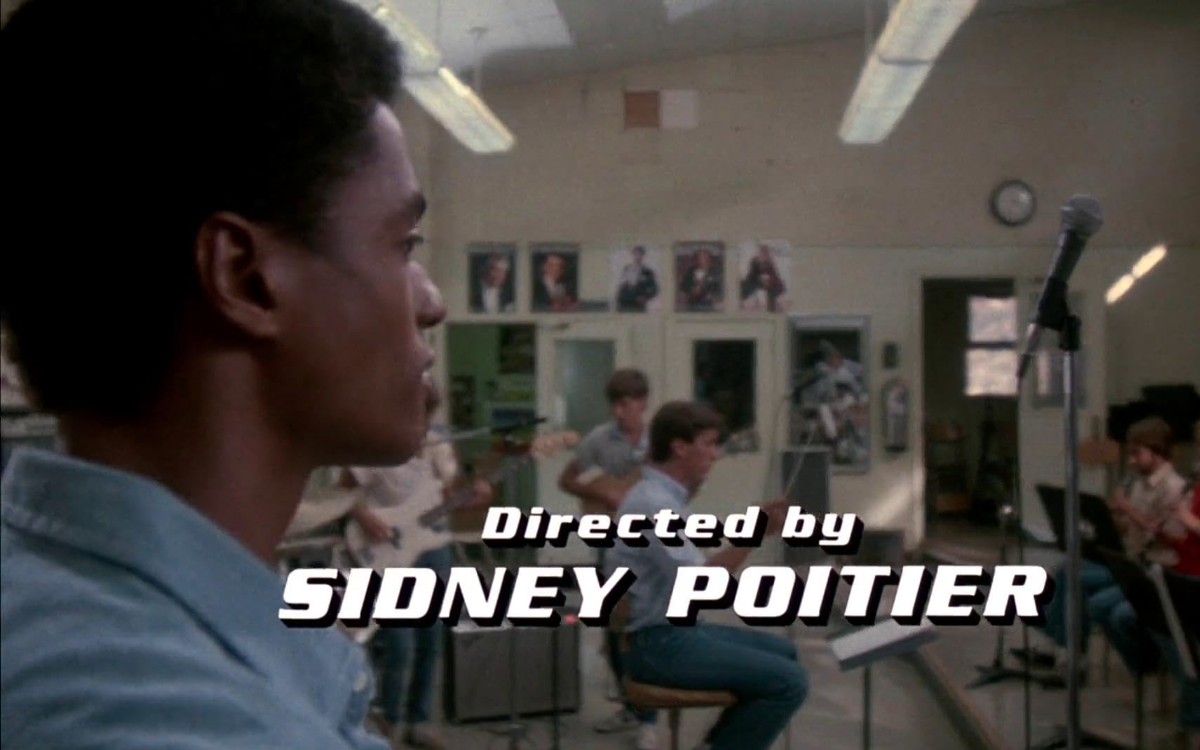
Sidney Poitier Didn’t Want to Just Take Another Acting Job
In a 1985 Associated Press interview with writer Bob Thomas, Poitier explained why he had moved so decisively toward directing.
He said he had been acting for 35 years and had been fortunate in the opportunities available to him. But he had also tried to be selective, looking for movies he believed had some social usefulness beyond simple entertainment.
That became increasingly difficult.
As Poitier explained it, he didn’t want to start accepting lesser material simply because it was available. His solution was to learn something else.
“The alternative was to develop other skills as a filmmaker.”
That’s an important distinction.
Poitier wasn’t describing directing as a fallback because acting had stopped working for him. He was describing it as another way to control the kind of stories he wanted to tell.
And he was remarkably blunt about the financial consequences.
“I was so dumb in my early days that I held onto my values and starved because of them,” he told Thomas. “But I stayed with them, and they have served me well.”
That is a pretty remarkable thing to hear from a major movie star in 1985.
Hollywood was entering the blockbuster era. The business was increasingly driven by recognizable stars, high concepts and movies that could be marketed in a sentence.
Poitier was talking about values.
And then he went off to make a movie about teenagers who wanted to become famous.
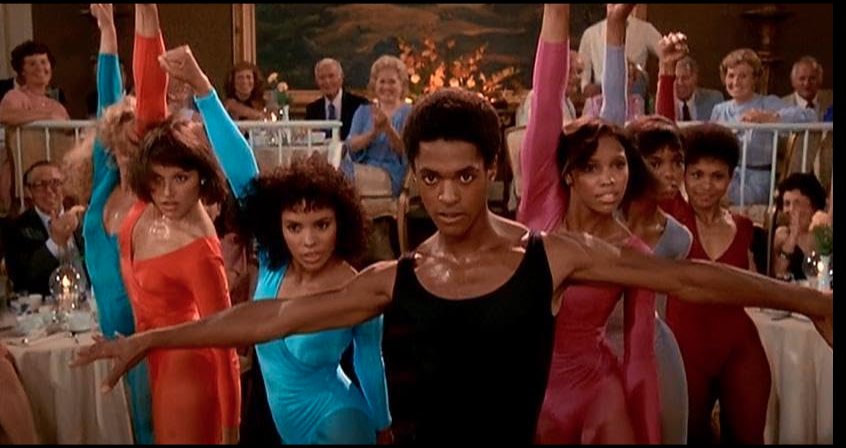
From Shoot Out to Fast Forward
The project began under the title Shoot Out.
AFI’s production records show that auditions were being held as early as 1983, with Poitier and his team searching for young performers who could both act and dance. Eventually, about 3,000 candidates were considered before the eight principal dancers were selected. (AFI Catalog)
The movie was written by Richard Wesley from a story by Timothy March, with Poitier credited as director.
The basic story was simple enough.
Eight teenagers from Sandusky, Ohio, have a dream. They want to make it as performers. So they leave home, travel to New York and enter a national talent competition.
Naturally, New York does not immediately welcome them with open arms.
They have to audition. They rehearse. They struggle with money. They encounter people who don’t take them seriously. They compete with other dancers. They discover that talent is only one part of the equation.
In other words, it’s a classic show-business story.
But Poitier had a specific reason for wanting to tell it.
His conversations with students during visits to high schools, including schools in disadvantaged communities, had made an impression on him. He was interested in young people who were thinking about success, discipline and self-motivation.
He wanted to make a movie about kids who weren’t defined by drugs, crime or nihilism.
He wanted to make a movie about kids who simply wanted a chance.
Poitier described the film’s young characters as people who wanted to “leave their mark on time.”
That’s really the movie in a sentence.
They don’t necessarily know what they’re going to become.
They just know they don’t want to disappear.
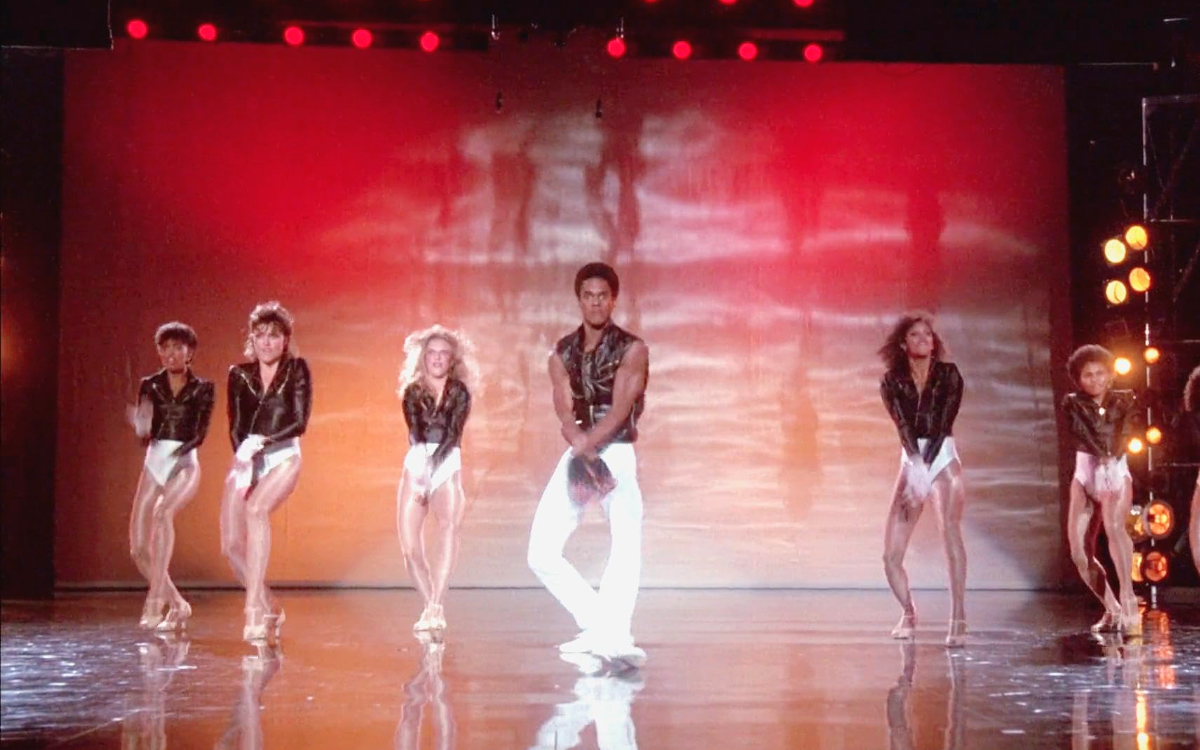
Poitier Was “Tone Deaf” With Two Left Feet
There was just one tiny problem.
Poitier was directing a dance movie.
He couldn’t dance.
He joked to Bob Thomas that although Fast Forward was about young dancers, it wasn’t really a musical.
“How could I direct a musical?” he asked. “I am tone deaf and have two left feet.”
It’s a wonderfully self-deprecating line from a man whose career had otherwise been built on extraordinary self-confidence and discipline.
It also wasn’t entirely surprising.
Poitier’s musical limitations were already something of a Hollywood footnote. In Lilies of the Field, he famously lip-synced the gospel singing rather than providing the singing voice himself.
But he didn’t need to be a dancer.
He needed to understand the people dancing.
That was apparently enough.
And Fast Forward was constructed around young performers who were largely new to movie audiences.
The cast included John Scott Clough, Don Franklin, Tamara Mark and Michael DeLorenzo, among others, with Irene Worth providing some veteran star power.
AFI records show that filming took place in New York beginning in May 1984 and wrapped that August. Production was completed under budget. (AFI Catalog)
That’s worth remembering when looking at the movie today.
This wasn’t a gigantic Hollywood dance spectacle.
It was a relatively modest movie built around discovering young talent.
Which was very much in keeping with Poitier’s philosophy.
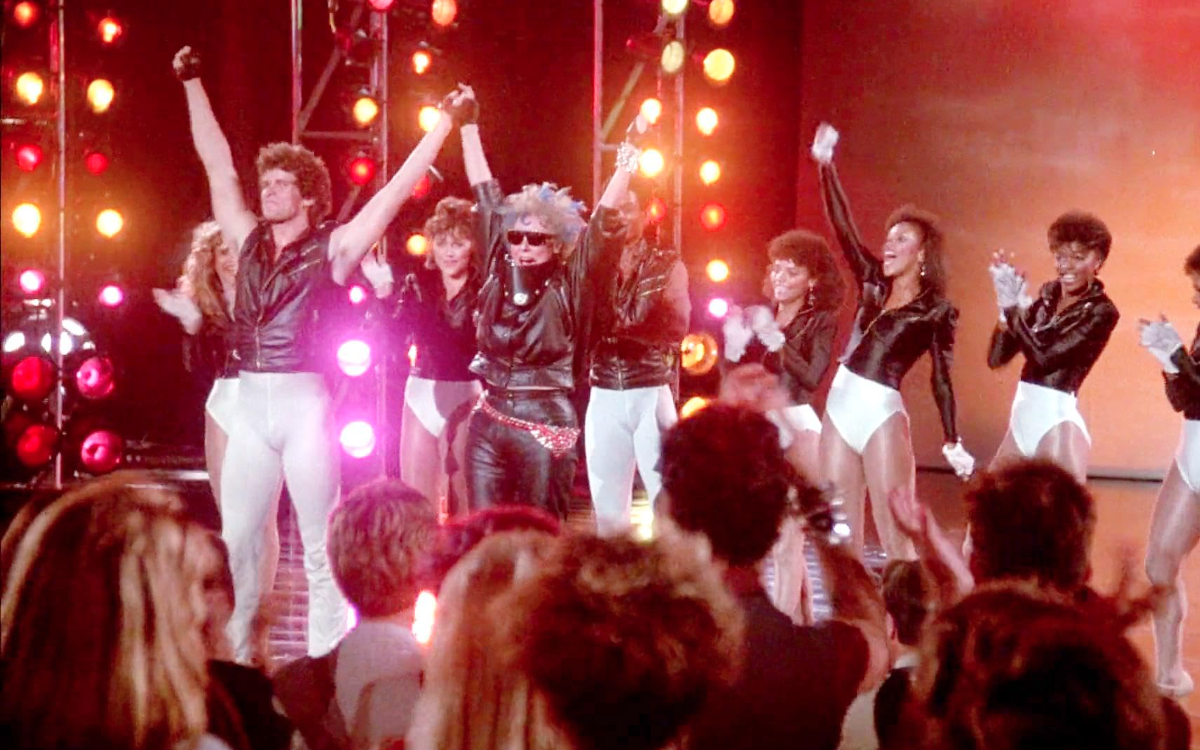
The Eighties Were Full of Kids Chasing the Dream
The timing was almost impossible to miss.
Fame had arrived in 1980.
Flashdance turned welding and dancing into a box-office phenomenon in 1983.
Then came Breakin’ and Beat Street in 1984.
Suddenly Hollywood had discovered an audience hungry for movies about young people, music, dance and self-invention.
Fast Forward entered that crowded marketplace in February 1985.
The difference was that Poitier wasn’t particularly interested in making his young characters cynical.
They weren’t rebels looking to destroy the system.
They weren’t criminals trying to escape it.
They weren’t particularly interested in being cool.
They wanted to work.
They wanted to perform.
They wanted somebody to give them a shot.
That makes Fast Forward feel almost quaint today, but there is something appealing about its sincerity.
These kids aren’t trying to become influencers.
There is no social media.
There is no viral video.
There isn’t even the fantasy that fame can arrive overnight because somebody happened to discover you online.
They have to get on a bus, go to New York and knock on doors.
Repeatedly.
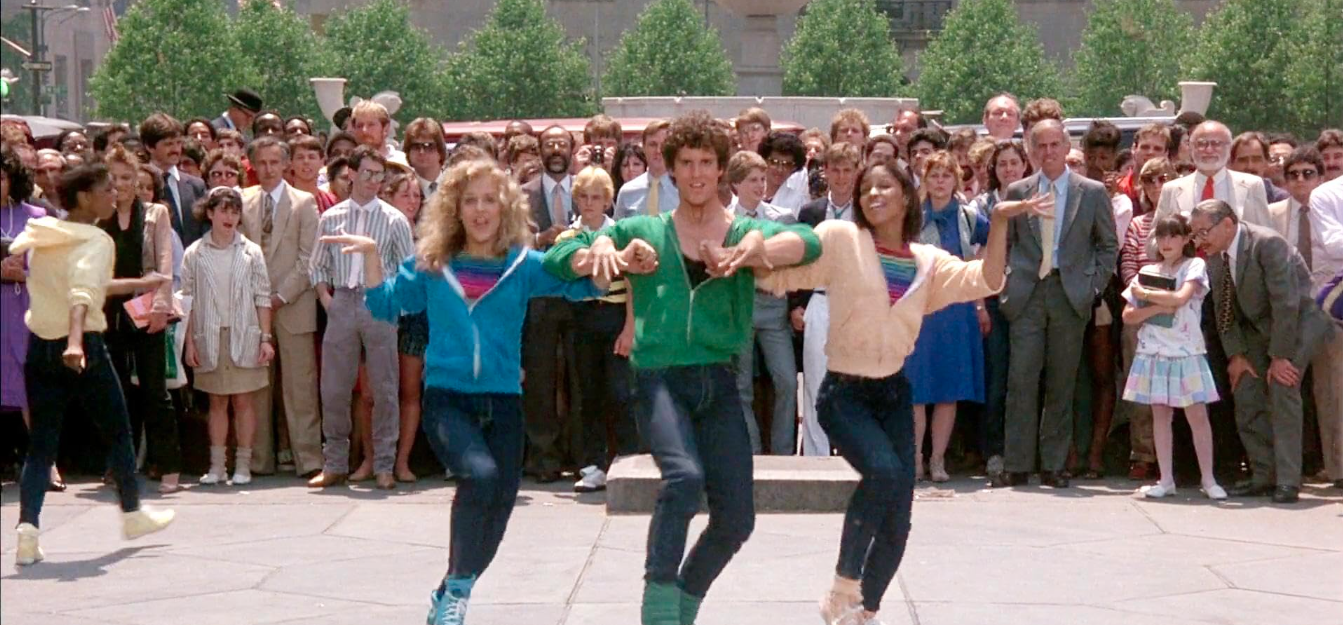
The Movie Didn’t Exactly Set the Box Office on Fire
Unfortunately, audiences weren’t quite as enthusiastic about Fast Forward as its characters were about their dreams.
The movie opened nationwide on February 15, 1985, in 1,162 theaters. Box Office Mojo records an opening weekend of $1.57 million and a final domestic gross of approximately $2.79 million. The Numbers lists the domestic total at $2.65 million, illustrating the small discrepancy between box-office databases. (Box Office Mojo)
Either way, the movie was not a commercial success.
And that is especially striking because it opened alongside several much more successful films.
On its opening weekend, The Breakfast Club was also entering theaters. Witness, which had opened the previous week, was already performing strongly. Mischief was doing solid business.
Fast Forward was fighting for attention in a marketplace that suddenly had a lot of young people, a lot of music and a lot of movies about finding yourself.
Critics weren’t exactly waiting to crown it.
Vincent Canby’s New York Times review acknowledged the energy of the young performers and their dancing but found the movie closer to an extended series of music videos and an updated version of the old “let’s put on a show” formula.
That’s a pretty good description of both the movie’s appeal and its limitations.
There is energy here.
There is talent.
There is enthusiasm.
But the screenplay isn’t exactly Shakespeare.
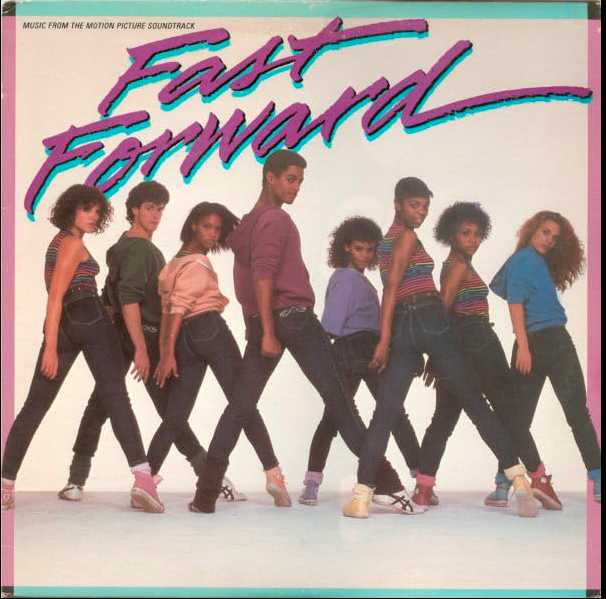
At Least the Soundtrack Understood the Assignment
If Fast Forward sometimes struggles as a movie, its soundtrack is a terrific snapshot of 1985.
The soundtrack was released by Qwest Records, with Quincy Jones involved as executive music producer. The album brought together performers including Siedah Garrett, Deco, Pulse and others, with songs incorporating the glossy R&B, pop and dance sounds of the period. (AFI Catalog)
The standout was Siedah Garrett’s “Do You Want It Right Now.”
The song became a dance hit and has had a life considerably longer than the movie itself. It would later be recorded by Taylor Dayne and become an even bigger international club favorite through later versions and remixes.
That’s one of the funny things about forgotten movies.
Sometimes the movie disappears.
The music refuses to cooperate.
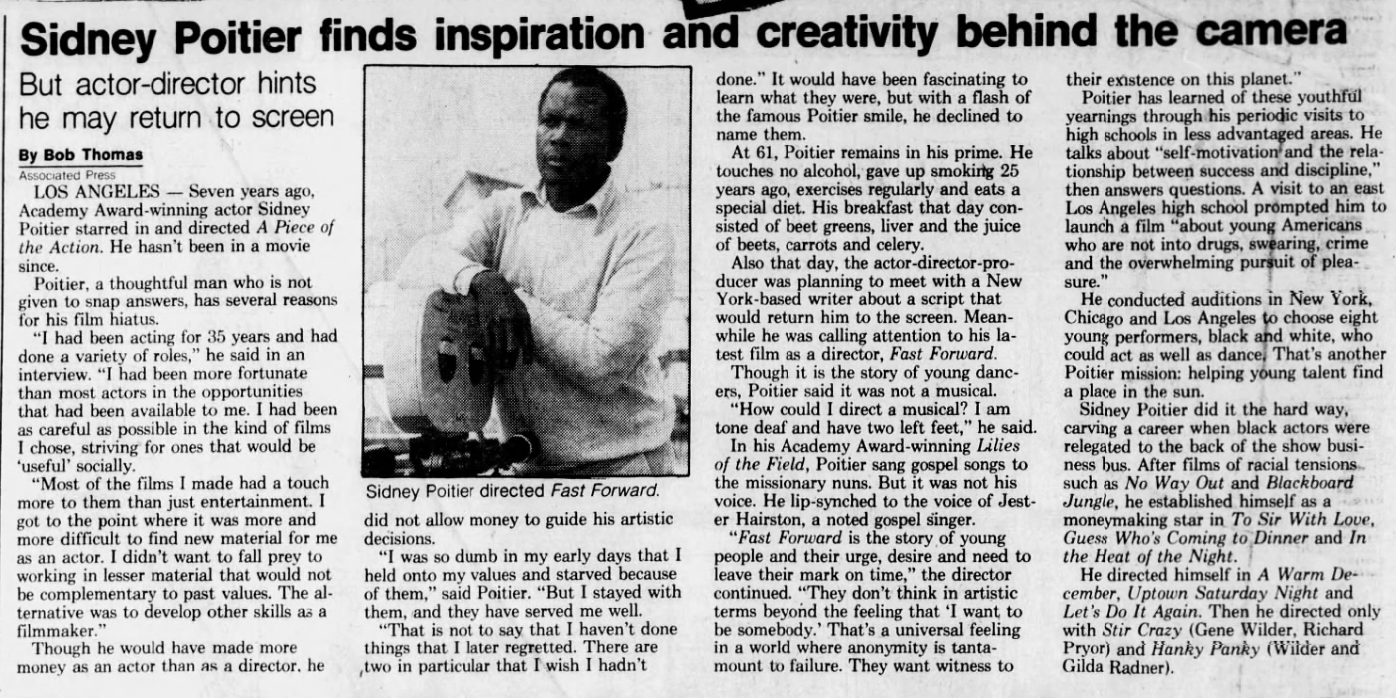
Fast Forward Wasn’t Poitier’s Last Dance Behind the Camera
The disappointing performance of Fast Forward didn’t end Sidney Poitier’s directing career.
He would eventually direct Ghost Dad in 1990, his final theatrical feature as a director. But he returned to acting in the late 1980s, beginning with films such as Shoot to Kill in 1988.
AFI’s filmography shows just how unusual Fast Forward is in the context of his directing career. Poitier had directed consistently through the 1970s and early ’80s, including Stir Crazy and Hanky Panky, before Fast Forward and, five years later, Ghost Dad. (AFI Catalog)
And that makes Fast Forward feel less like an odd detour and more like a snapshot of a particular moment.
Poitier was trying to figure out what came next.
So were his characters.
A Little Movie With a Surprisingly Long Life
There is also a fascinating afterlife to Fast Forward.
The 1987 Bollywood film Dance Dance, directed by Babbar Subhash and starring Mithun Chakraborty and Smita Patil, has been identified as following Fast Forward closely in several scenes. A contemporary Indian music magazine even published a reader’s comparison of the two movies, calling Dance Dance a copy of the earlier film. (Wikipedia)
That’s a pretty good reminder that box-office performance isn’t always the same thing as cultural impact.
Fast Forward didn’t become a major American hit.
But somebody in India saw it.
And remembered it.
And made another movie out of it.
That’s not nothing.
Sidney Poitier’s Fast Forward
Fast Forward isn’t Sidney Poitier’s masterpiece.
It isn’t In the Heat of the Night.
It isn’t Lilies of the Field.
It isn’t even Stir Crazy.
The movie can be corny. The dialogue can be painfully earnest. The story follows a formula we’ve seen a thousand times: young people have a dream, obstacles appear, they practice, they almost fail and then they get their big moment.
But dismissing Fast Forward as just another disposable 1980s dance movie misses what makes it interesting.
Because Sidney Poitier wasn’t really interested in making a movie about dancing.
He was interested in making a movie about possibility.
He had spent his own career fighting for opportunities that Hollywood had rarely been willing to give Black actors. By 1985, he was no longer the young man trying to convince Hollywood to let him through the door.
He was the man on the other side of the door.
And he was bringing eight kids with him.
That gives Fast Forward a warmth that its formula occasionally obscures.
The movie is about teenagers who want somebody to witness their existence.
Poitier understood that feeling.
He had lived it.
And perhaps that is why the movie still works better as a portrait of its director than as a perfectly constructed dance film.
Fast Forward was Sidney Poitier looking toward the future.
It just happened to be doing the same thing as the kids onscreen.
And sometimes the most interesting forgotten movies aren’t the ones that were secretly masterpieces.
They’re the ones that tell us something about the people who made them.
Fast Forward does exactly that.
Sidney Poitier directed Fast Forward in 1985, a dance movie about eight Ohio teenagers chasing stardom in New York. Here’s the story behind the overlooked film.
Tags: Sidney Poitier, Fast Forward, 1980s Movies, 1985 Movies, Dance Movies, Forgotten Movies, Black Cinema, 80s Movies, Columbia Pictures, Fame, Flashdance, Beat Street, Breakin’, Movies of the 80s, Movie Profiles
About the Creator
Movies of the 80s
We love the 1980s. Everything on this page is all about movies of the 1980s. Starting in 1980 and working our way the decade, we are preserving the stories and movies of the greatest decade, the 80s. https://www.youtube.com/@Moviesofthe80s
Enjoyed the story? Support the Creator.
Subscribe for free to receive all their stories in your feed.
Comments
There are no comments for this story
Be the first to respond and start the conversation.