

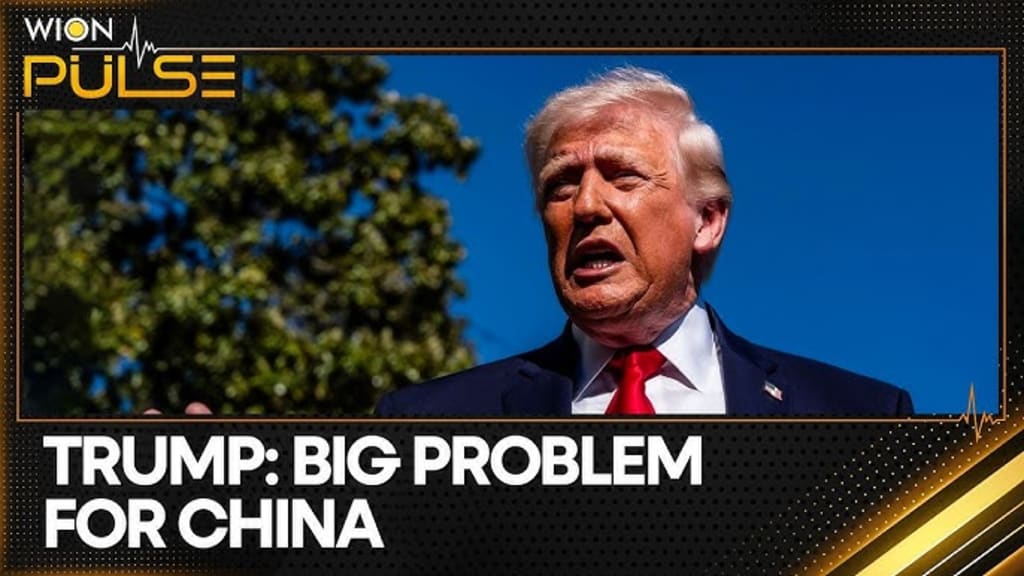
As tensions in the Middle East continue to rise, Donald Trump has issued a strong and direct warning to China: any attempt to supply weapons to Iran will trigger serious consequences. This warning reflects growing geopolitical friction not only between the United States and Iran, but also between Washington and Beijing.
The warning came after U.S. intelligence reports suggested that China might be preparing to send military equipment—particularly air defense systems—to Iran. In response, Trump made his position clear, stating that if China proceeds with such actions, it will face “big problems.”  This statement signals a shift from cautious diplomacy to a more aggressive stance aimed at deterring any external support for Iran.
One of the most striking aspects of Trump’s warning is the economic threat attached to it. He has proposed imposing tariffs of up to 50% on all goods imported into the United States from any country that provides military assistance to Iran—including China.  This move highlights how economic tools are increasingly being used as weapons in global conflicts. Rather than relying solely on military action, the U.S. is leveraging its economic power to pressure rival nations.
The timing of this warning is also critical. It comes shortly after failed negotiations between the United States and Iran, which were aimed at easing tensions and preventing further escalation. With diplomacy struggling, the possibility of indirect conflict—where global powers support opposing sides—has become more likely. In this context, any Chinese involvement in arming Iran could significantly widen the conflict and destabilize the region further.
However, China has firmly denied these allegations. Chinese officials have described the claims as “baseless” and rejected the idea that they are supplying weapons to Iran.  This denial reflects China’s attempt to avoid direct confrontation with the United States while maintaining its strategic interests in the Middle East.
Despite these denials, the situation remains highly sensitive. Even the perception of Chinese military support for Iran is enough to escalate tensions. For the United States, preventing Iran from strengthening its military capabilities is a top priority, especially given concerns over regional security and nuclear ambitions.
Beyond the immediate conflict, Trump’s warning also carries broader implications for U.S.-China relations. Trade tensions between the two countries have been a recurring issue, and the threat of heavy tariffs could reignite a full-scale economic confrontation. If implemented, such tariffs would not only impact China’s economy but also affect global markets, supply chains, and consumers worldwide.
Amid rising tensions in the Middle East, Donald Trump has issued a strong warning to China over any potential military support to Iran. The warning comes after intelligence reports suggested that China could be preparing to supply weapons, including air defense systems, to Iran.
Trump made it clear that such actions would have serious consequences. He stated that if China provides military equipment to Iran, it would face “big problems,” signaling a sharp escalation in U.S. rhetoric. � Furthermore, he threatened heavy economic penalties, including tariffs of up to 50% on Chinese goods entering the United States, emphasizing that there would be “no exemptions.” �
Moneycontrol
Trading Economics
This warning reflects growing concerns in Washington that foreign military support could strengthen Iran’s position in the ongoing conflict and destabilize the region further. The United States aims to isolate Iran and limit its access to advanced weapons, especially as tensions remain high following failed diplomatic talks.
China, however, has denied these allegations, calling them unfounded and politically motivated. � This denial highlights the complex and fragile relationship between the U.S. and China, where economic rivalry and geopolitical competition are deeply intertwined.
The Times of India
Overall, Trump’s warning underscores the risk of a broader international crisis. If China were to support Iran militarily, it could trigger not only a deeper Middle East conflict but also a major economic confrontation between two of the world’s largest powers.
In conclusion, Trump’s warning to China represents more than just a reaction to a potential arms deal—it is a strategic move aimed at shaping the global balance of power. Whether China chooses to engage, deny, or step back, the outcome will play a crucial role in determining the future of Middle Eastern stability and international relations.
About the Creator
Sk
"I am a passionate writer, crafting books and articles on Vocal Media, exploring human experiences, stories, and creative reflections."
Enjoyed the story? Support the Creator.
Subscribe for free to receive all their stories in your feed.
Comments
There are no comments for this story
Be the first to respond and start the conversation.