
Donald Trump’s Visit to China
What’s the Real Purpose?

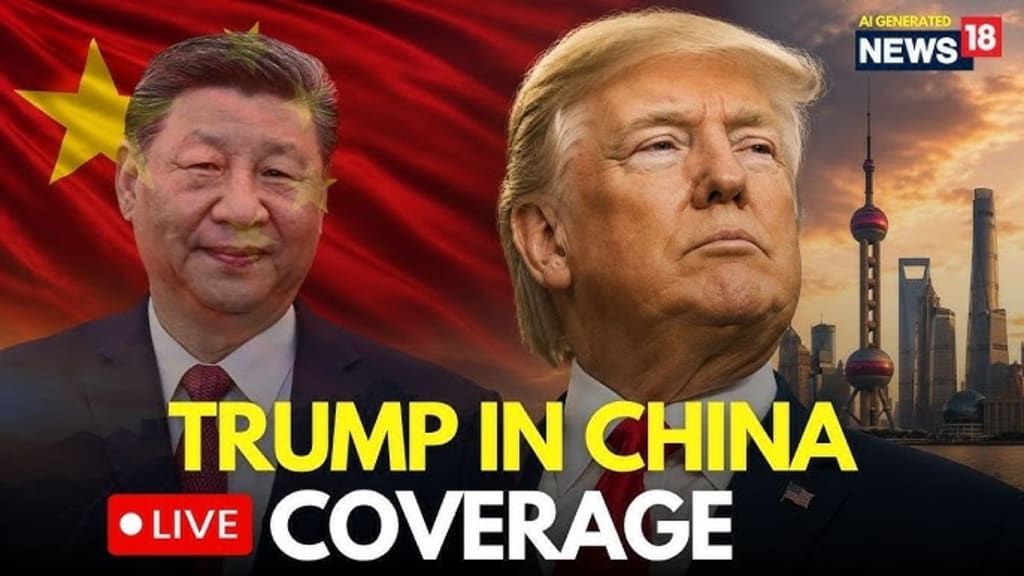
The visit of former U.S. President Donald Trump to China has drawn global attention and sparked intense discussion among political analysts, economists, and international observers. Whenever leaders from the world’s two largest economies engage in high-level talks, the impact often reaches far beyond their own borders. Trump’s visit is not simply a diplomatic event—it represents a significant moment that may influence trade, politics, technology, and global stability. The central question many people are asking is: what is the real purpose behind Trump’s visit to China?
One of the most important reasons is the state of U.S.–China relations. Over the past several years, relations between the two countries have experienced periods of tension. Trade disputes, economic competition, technology restrictions, and geopolitical disagreements have all created challenges between Washington and Beijing. Meetings between senior leaders provide an opportunity to reduce misunderstandings and create channels for communication. Trump’s visit can therefore be seen as an effort to strengthen dialogue and prevent further escalation of tensions.
Trade is expected to be a major topic of discussion. During Trump’s previous presidency, the United States and China were involved in a major trade conflict that led to tariffs on billions of dollars’ worth of goods. Those trade disputes affected global markets and disrupted international supply chains. Businesses and investors around the world continue to watch U.S.–China relations closely because changes in policy between these countries can influence global economic conditions. Trump’s discussions with Chinese leadership may focus on market access, tariffs, manufacturing, and future economic cooperation.
Another important factor behind the visit is technology and innovation. In recent years, technological competition has become a key issue between the United States and China. Areas such as artificial intelligence, semiconductor production, and advanced technology development have become strategic priorities for both countries. Restrictions on technology exports and competition over innovation have increased tensions. Any conversation regarding technology cooperation or policy changes could have long-term consequences for global industries and future economic development.
Global security concerns are also likely to play a role. The relationship between the United States and China influences major international issues, including regional stability and diplomatic partnerships. Topics such as Taiwan, international conflicts, and strategic alliances often appear in discussions between both nations. Decisions made during these meetings can affect political relationships across Asia and other parts of the world. Because both countries possess significant economic and military influence, their diplomatic interactions are closely monitored by the international community.
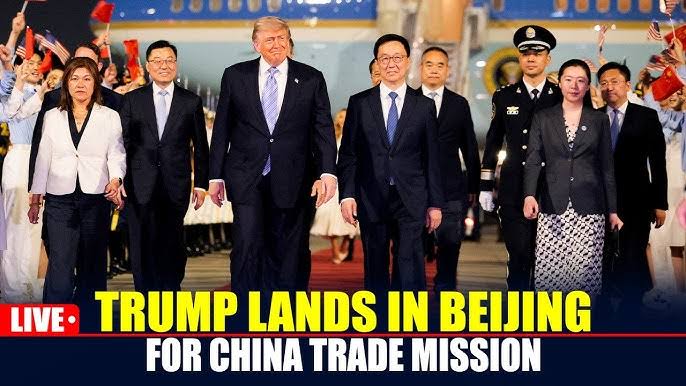
In addition, Trump’s visit may carry political significance beyond foreign policy. International meetings often shape public perception and demonstrate leadership on the world stage. High-profile diplomatic visits can strengthen political influence, send messages to allies and rivals, and highlight a leader’s role in international affairs. Such visits are not only about negotiations but also about symbolism and global image.
China, meanwhile, also has important interests in these discussions. Beijing may seek improved economic relations, greater stability with Washington, and progress on issues affecting trade and technology restrictions. China’s leadership understands that cooperation between both countries remains important for global economic growth. While competition continues to exist, both sides also recognize the value of maintaining communication.
Despite the high expectations surrounding the visit, experts suggest that dramatic breakthroughs may be unlikely. Large international disputes are rarely solved in a single meeting. However, even limited progress can reduce uncertainty and create opportunities for future cooperation. Diplomatic engagement itself often serves as an important step toward stability.
Ultimately, Trump’s visit to China appears to be driven by multiple objectives rather than one single purpose. Economic interests, strategic competition, diplomacy, and political influence all seem to be part of the broader agenda. The visit highlights the reality that relations between the United States and China remain among the most important in the modern world. What happens during these discussions could shape not only the future of both nations but also the direction of global politics and economics in the years ahead.
About the Creator
shaoor afridi
“I am a passionate writer dedicated to sharing informative, engaging, and well-researched articles. My goal is to provide valuable content that educates, inspires, and adds real value to readers.”
Enjoyed the story? Support the Creator.
Subscribe for free to receive all their stories in your feed.
Comments
There are no comments for this story
Be the first to respond and start the conversation.