
Django: The Spaghetti Western That Changed Everything
A retrospective on a cornerstone of Italian Western cinema

Plot Summary
A solitary gunslinger drags a coffin through the dusty borderlands between the United States and Mexico. He arrives in the midst of a violent standoff between a vicious racist Confederate gang and a group of Mexican revolutionaries. As tensions escalate, the gunslinger uses his skill and cunning to manipulate both sides, seeking revenge and survival. Amid chaos and bloodshed, he leaves a trail of vengeance that changes the balance of power in the region.
Outstanding Performances From The Cast
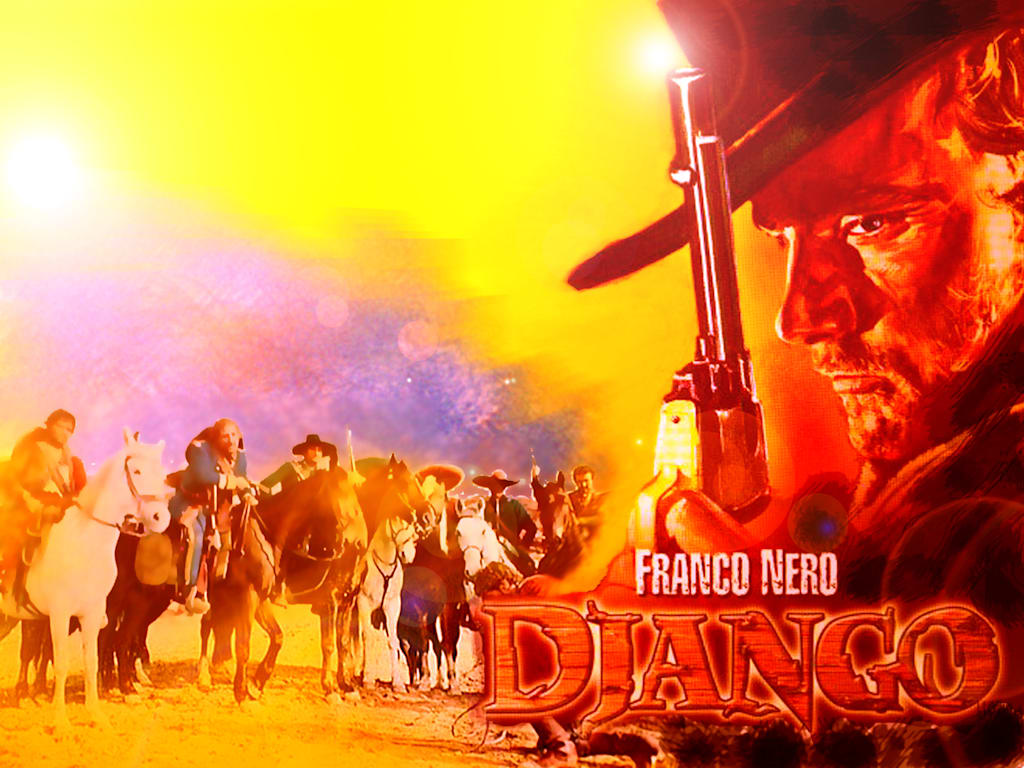
Franco Nero delivers a spectacular and iconic performance as Django, portraying the enigmatic gunslinger with a convincing mix of grit, determination, and quiet intensity. Nero’s physical presence, combined with his stoic expressions and measured movements, makes Django feel like a dangerous yet calculated force moving through a violent and chaotic world.
Loredana Nusciak portrays Maria with a sense of innocence and vulnerability that contrasts the film’s harsh environment. Her character serves as one of the few symbols of compassion in a bleak landscape infested with savagery and Nusciak effectively communicates Maria’s fear, resilience, and quiet strength.
Eduardo Fajardo stands out as Major Jackson, delivering a chilling performance as a sadistic and openly racist Confederate officer. Fajardo’s commanding screen presence and cold demeanor make Jackson a memorable and deeply terrifying villain whose actions heighten the narrative’s intensity.
The supporting cast also contributes meaningfully to the film’s impact. Angel Alvarez gives a steady performance as Nathaniel the bartender, while José Bódalo portrays General Hugo Rodriguez with authority, adding further depth to the film’s ensemble cast.
Unforgettable and Bloody Highlights
As a gritty western, Django is filled with violent yet striking moments that define its tone. The film’s shootouts are among its most memorable sequences, delivered with raw intensity that helped cement its reputation in the genre. From the beginning, the film establishes a cruel and lawless world where violence erupts unpredictably and without hesitation, setting the stage for everything that follows.
One of the most memorable sequences involves Django’s introduction to a border town already caught between opposing forces. The arrival of armed men and escalating brutality pull him into the conflict, revealing his calm demeanor and deadly proficiency in combat.
Django is also shown becoming involved in a violent saloon altercation after intervening when Ricardo, one of General Rodríguez’s men, attempts to assault Maria. This moment reinforces his dual nature as a battle-hardened gunman and a protector when necessary.
The story builds toward a climactic confrontation, where the long-standing conflict between Django and Major Jackson’s forces finally erupts in a decisive and violent resolution, delivering a classic Spaghetti Western finale.
Behind The Scenes Facts About Django
The production of Django is filled with interesting behind-the-scenes details that continue to fascinate film enthusiasts today. According to IMDb trivia, the film was considered extremely gruesome at the time and was prohibited in several countries, including the United Kingdom, where it was not widely released until 1993.
Franco Nero was only 25 years old when he portrayed Django. Makeup and styling were used to give him a more toughened veteran appearance, fitting the character’s mysterious and world-weary personality.
The film’s legacy also extends beyond its original release. Quentin Tarantino’s Django Unchained is not a direct remake, but rather a spiritual successor that pays tribute to the original, with Nero even making a cameo appearance and the theme song being incorporated.
Following the success of the film, Django became widely reused in international markets, with numerous Westerns carrying the title to capitalize on its popularity. However, only one official sequel exists: Django Strikes Again!, in which Nero reprised his role two decades later.
The name “Django” itself is a tribute to jazz guitarist Django Reinhardt, who was known for overcoming a severe hand injury to continue playing. This reference added an interesting layer to the character’s identity, especially for audiences familiar with his music.
Analyzing The Movie’s Themes
One of the central themes in Django is moral ambiguity. The film portrays its protagonist as neither a traditional hero nor a clear villain but an anti-hero shaped by survival and circumstance. While he is not aligned with any formal ideology, his actions are not neutral either. On the contrary, he constantly fights exploitation and brutality, particularly in resistance to Major Jackson’s oppressive forces. His choices are motivated less by loyalty and more by necessity, opportunity, and personal justice, reflecting an environment where morality is unpredictable.
Closely related to this is the theme of systemic hatred and brutality. The conflict within the film is not simply political but deeply rooted in violence, prejudice, and domination. Major Jackson embodies this ideology through his cruelty, authoritarian control, and disregard for human life. His faction represents a system built on fear and oppression, intensifying the chaos of the border region and creating an environment where violence becomes routine rather than exceptional.
The film also explores survival in a lawless landscape. Characters exist in a world where alliances aren’t stable and trust is rare. Power shifts constantly between factions, and individuals must rely on instinct and adaptability rather than formal justice systems or permanent authority.
Ultimately, Django presents a cycle of violence in which revenge adds fuel to the fire of conflict. The protagonist exists within this cycle but does not fully belong to it in the same way as others. Instead, he moves through it as a disruptive force, challenging dominant players while remaining detached from the broader ideological struggle unfolding around him.
Django and its Lasting Impact on Cinema
Django remains influential due to its morally complex character and its violent depiction of frontier justice. The film redefined the Spaghetti Western genre by moving away from clean-cut heroes and embracing a darker, more depressing worldview. Its portrayal of a lone triggerman navigating a corrupt and chaotic system helped pave the way for a new kind of anti-hero that would go on to influence countless Westerns and action movies. Beyond its stylistic violence and striking imagery, the movie endures as a landmark of Italian cinema, remembered for its tone, atmosphere, and lasting impact on genre storytelling.
About the Creator
TheScreenAnalyst
I am a passionate movie and TV enthusiast, devoted to analyzing storytelling, characters, visuals, and performances. I provide thoughtful critiques and insights, exploring both mainstream and independent works to engage audiences.
Enjoyed the story? Support the Creator.
Subscribe for free to receive all their stories in your feed.
Comments
There are no comments for this story
Be the first to respond and start the conversation.