


I wasn’t going to watch this film. The trailer hadn’t grabbed me. But then I had a free Monday afternoon and I fancied the cinema. There wasn’t much on that I hadn’t already seen and besides, I had read a few good reviews. The reviews were intriguing because alongside the praise of performances and direction, there was discussion of a plot twist.
I’m going to be honest, when I started watching the film I thought I might have made a mistake. If I had been watching Conclave at home, I might have turned it off or fallen asleep in the first twenty minutes. It is a little ponderous. It starts strong. The soundtrack plays melancholy and tension with a bass key that echoed in my chest. There was a clenched fist holding a briefcase, and a walk through darkened tunnels towards a corpse. It was heavy-breathing and a sense of panic.
But then it becomes about holy men. And I felt that fear that I would be stuck with the flatly religious without a means of escape, like I used to feel at mass on a Sunday. Dull and duty combined can be quite deadly. It took me a while to settle, as characters were introduced and I knew them more by their real names (oh look, there’s Stanly Tucci. Isn’t John Lithgow tall?) than by the characters they were playing.
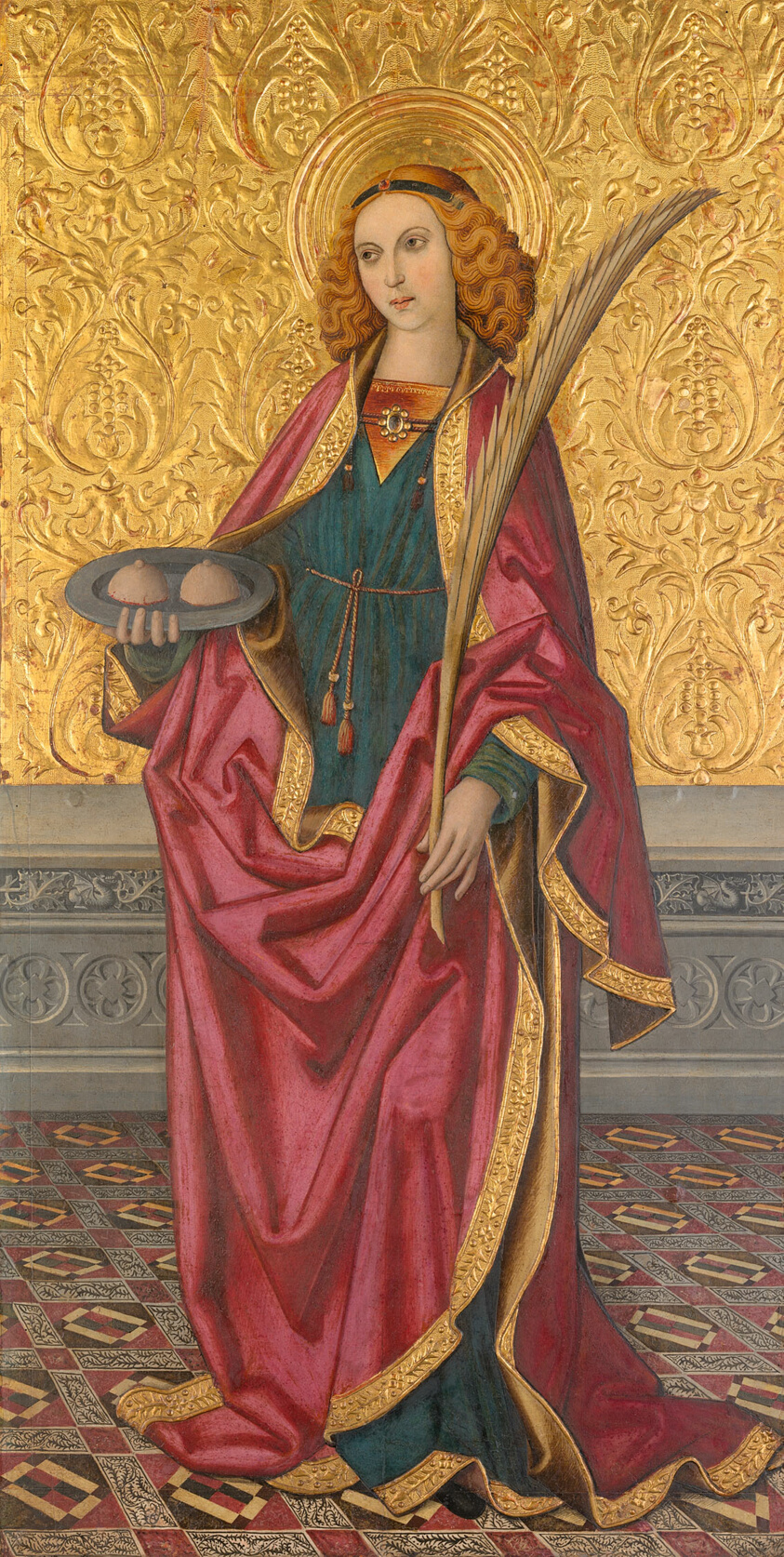
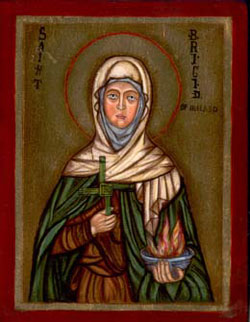
Eventually, however, I let the plot take hold. Watching Catholicism on the big screen is an odd one. I was brought up in the faith. I sometimes forget how odd it looks to others. A recent example, was explaining to friends about the martyrdom of Saint Agatha. She was a young maiden punished by Roman soldiers and killed by having her breasts sliced off. She became the patron saint of bell-ringers and is usually portrayed carrying her breasts on a plate. My friends were open-mouthed at this story, but also at the fact that I had grown up with it. And they are right. There is something odd about an eight year old girl being given that as a role model of virtue. And then there is Saint Brigid, an Irish nun who performed the ‘miracle’ of making another nun’s pregnancy disappear in a church that makes such a fuss about abortion. It is a complicated faith. But it is also a powerful one.
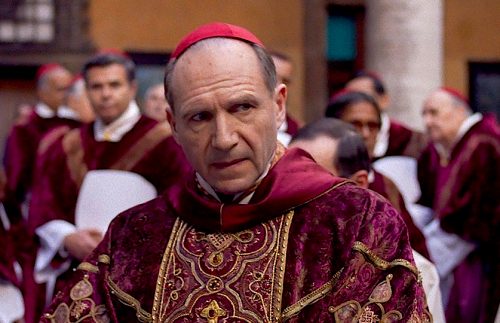
And that is what Conclave is about – power. Its pursuit, the politics, the values, the corruption.
Bellini: Is this what we're reduced to? To vote for the least worst option?
It is a plot that revolves around a power grab following the death of the previous pope and the electoral process to decide the new one.
I have long championed the use of film to support my writing and the writing of others. I hope to learn how to connect with readers, but also how to surprise them, to move them out of the comfort of a safe story.
Conclave is based on a book by Robert Harris, an author famed for historical thrillers. I have only read one book by him, the best-selling Fatherland, based on the idea that the Nazis won World War 2. It is not my usual fare, but I had run out of books on a holiday and found myself devouring it. I was gripped. Robert Harris can definitely write tension and mystery over hundreds of pages. But how a filmmaker can do the same in just 90 minutes is more interesting to me.
So, here’s what I learned about the art of the thriller and a plot twist.
- Urgency matters – a decision needs to be taken and it has to have a short timeframe.
- A closed, inescapable landscape is required. The Vatican can appear murky at the best of times. However, while it is sequestered it takes on a deeper level of intrigue.
- Conflict – there has to be a conflict of interest between characters and possible ideological battle lines. It can be portrayed as good versus evil, even when all the men are ostensibly good.
- Mistrust and motive need to be established. Everyone has a motive, even those who can’t admit it to themselves.
- Secrecy – a chance for characters to act alone. (Who knew watching old men fold paper could be so gripping?)
- A new character, someone unknown to act as a catalyst, but also to force a spotlight on the motives of others
- A history that matters – all characters have a history to protect alongside a greater history or tradition
- Glimpses of the outside, so there is some acknowledgement that the outcome matters beyond the power struggle on the inside.
The stakes have to be high:
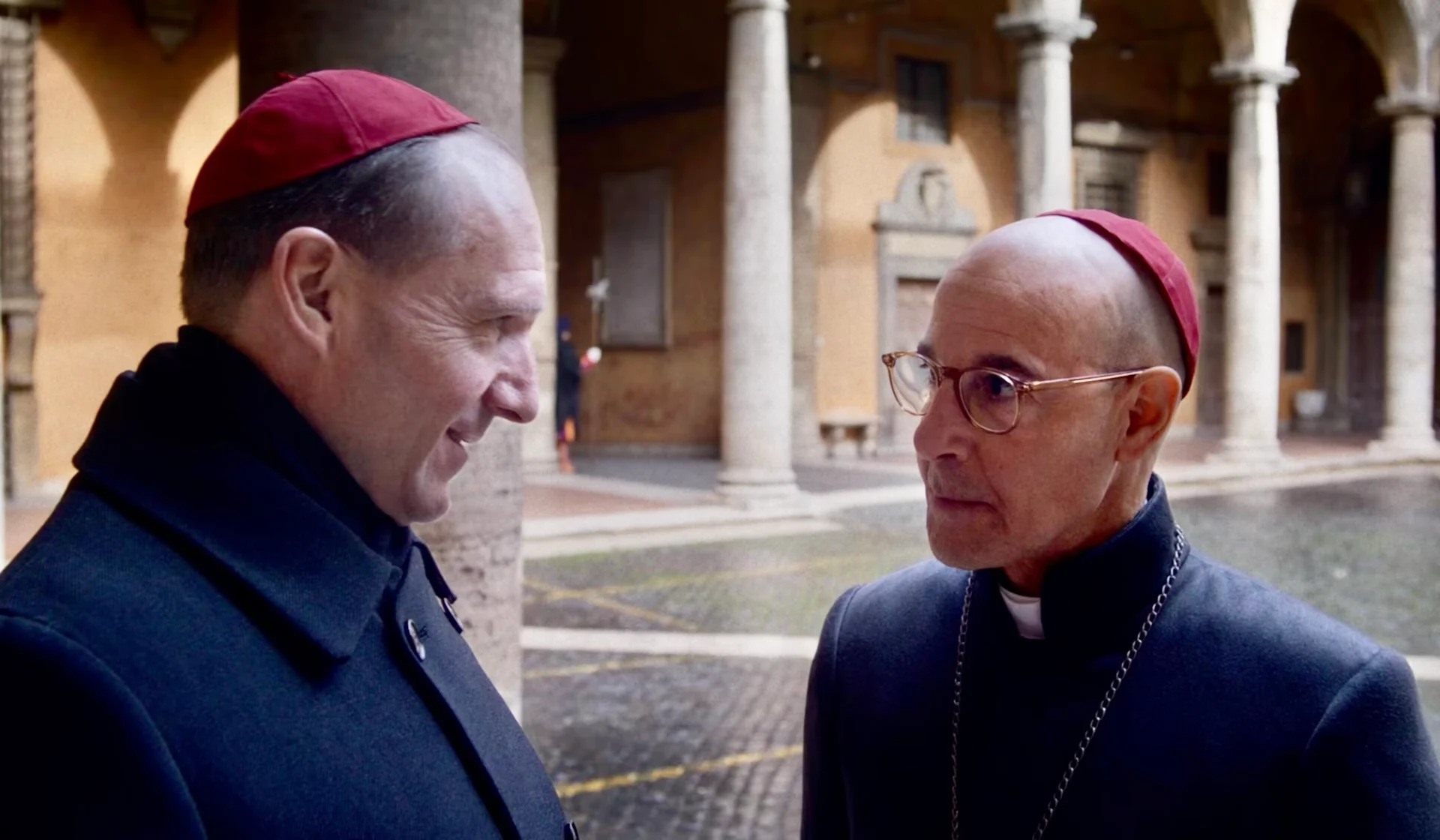
Lawrence: Defeat? This is a conclave, Aldo. It's not a war.
Bellini: It is a war, and you have to commit to a side.
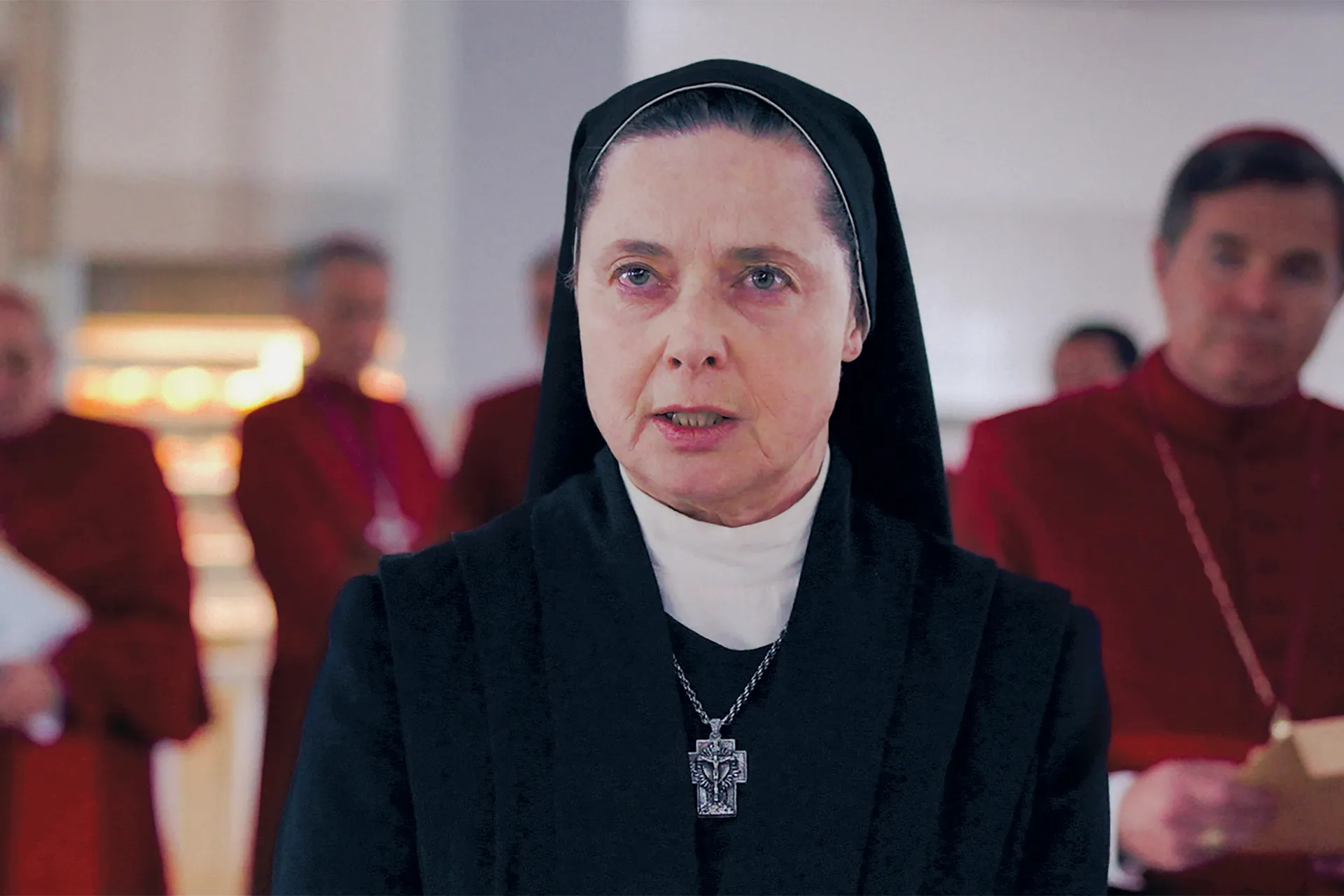
So, would I recommend the movie? Yes, I would. The screen is filled with large scale grandeur and complicated, impressive performances. It deals with the dark and the difficult, but with occasional glimpses of humour. As well as a thriller, it is a commentary on the big issues of the day and the complexity of doing good.
And if I had any say in movie awards, I would also say the brief, but impeccable, performance of Isabella Rossellini as Sister Agnes should at least receive a nomination.
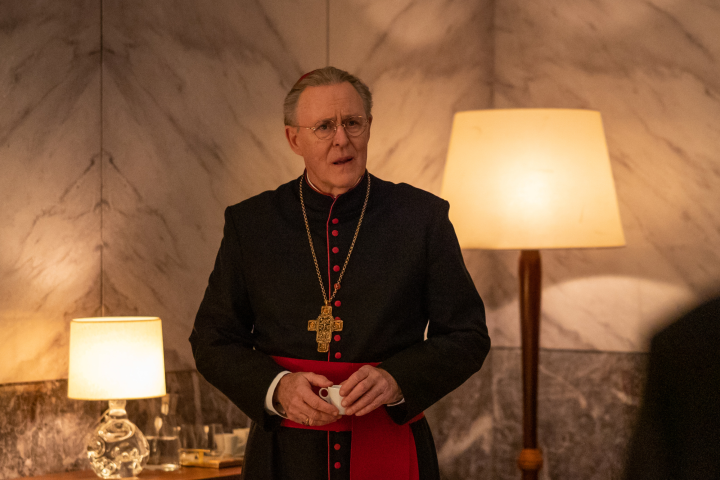
If you've enjoyed what you have read, consider subscribing to my writing on Vocal. If you'd like to support my writing, you can do so by a regular subscription or leaving a one-time tip. Thank you.
About the Creator
Rachel Robbins
Writer-Performer based in the North of England. A joyous, flawed mess.
Please read my stories and enjoy. And if you can, please leave a tip. Money raised will be used towards funding a one-woman story-telling, comedy show.
Enjoyed the story? Support the Creator.
Subscribe for free to receive all their stories in your feed. You could also become a paid subscriber, letting them know you appreciate their work.
Comments
There are no comments for this story
Be the first to respond and start the conversation.