
'Cloud Dancer': The 1980 Movie That Took Aerobatics Seriously
David Carradine takes to the skies in a forgotten aviation drama where the flying is spectacular, the human drama is considerably less so.

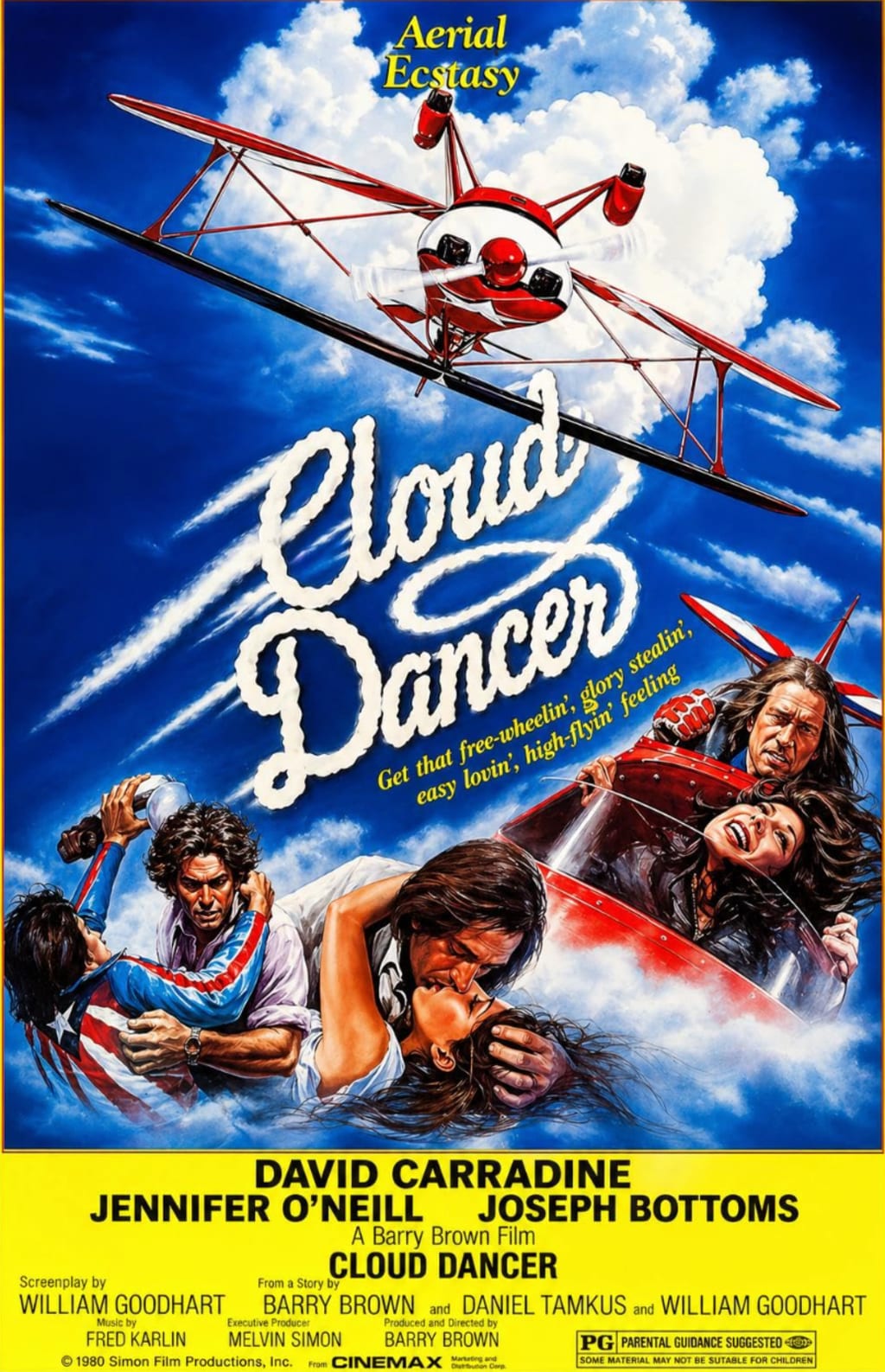
A Western in the Sky
There are certain movies from the 1980s that seem to have been built around a simple question: What if we took something people already thought was exciting and made an entire movie about it? Sometimes that works beautifully. Sometimes it produces a movie that is essentially a very expensive demonstration reel.
Cloud Dancer, released in 1980, falls somewhere in between.
Directed by Barry Brown, the film takes the world of competitive aerobatics and treats it with the seriousness usually reserved for stories about rodeo riders, race-car drivers, or aging boxers. In fact, Cloud Dancer often feels like a Western that has simply traded horses for airplanes. There is the aging champion, the younger challenger, the woman from the past, the inevitable question of whether the old warrior still has what it takes, and the knowledge that the body eventually collects its debts.
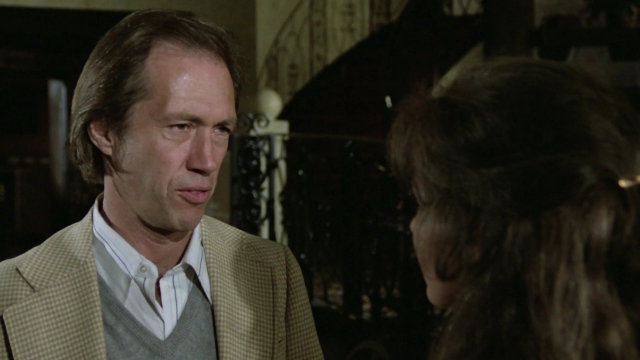
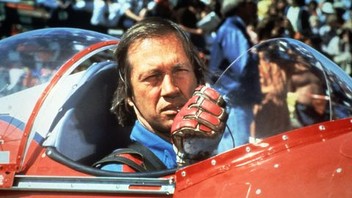
David Carradine stars as Brad Randolph, a celebrated aerobatic pilot whose body is beginning to tell him that his best days may be behind him. Joseph Bottoms plays Tom Loomis, a younger pilot who represents the next generation and, inevitably, the man who wants Randolph’s place in the sky.
Jennifer O’Neill plays Helen St. Clair, Randolph’s former lover and a photojournalist whose relationship with him provides much of the film’s emotional baggage.
There is also a drug-smuggling subplot because apparently a movie about competitive aerobatics wasn’t considered complicated enough on its own.
But Cloud Dancer is ultimately less interested in crime, romance, or even conventional drama than it is in the act of flying. And when the movie is in the air, it can be absolutely spectacular.
Getting Off the Ground
The story behind Cloud Dancer is almost as interesting as the movie itself.
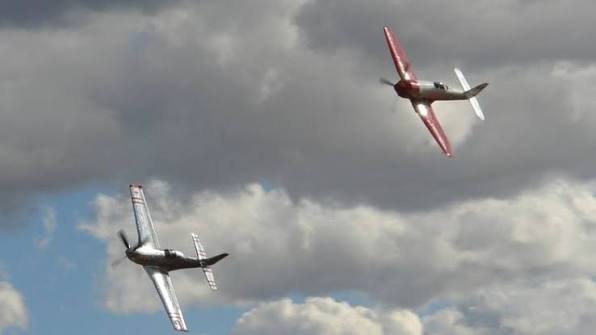
Barry Brown wasn’t a filmmaker who simply decided that airplanes might make for good cinema. He was a pilot and aeronautical engineer who had been fascinated by aerobatics for years. The idea reportedly began taking shape in 1970 after Brown met aerobatic legend Tom Poberezny at the FAI World Championships.
Originally titled Flyer, the project was built around an idea Brown understood firsthand: what happens when an athlete reaches the point where physical deterioration begins to threaten the thing that has defined his life?
Hollywood, naturally, wasn’t immediately convinced.
It took years to get the project moving, with Brown eventually securing a reported $3.5 million budget from Melvin Simon Productions. The filmmakers also faced a problem that sounds obvious only after you think about it.
Cameras don’t particularly enjoy being thrown through the sky at several times the force of gravity.
Brown and his team wanted real airplanes and real aerobatics rather than relying on models or the visual effects available at the time. That meant developing camera equipment capable of surviving forces that would be unpleasant enough for a human being, never mind a piece of expensive photographic equipment.
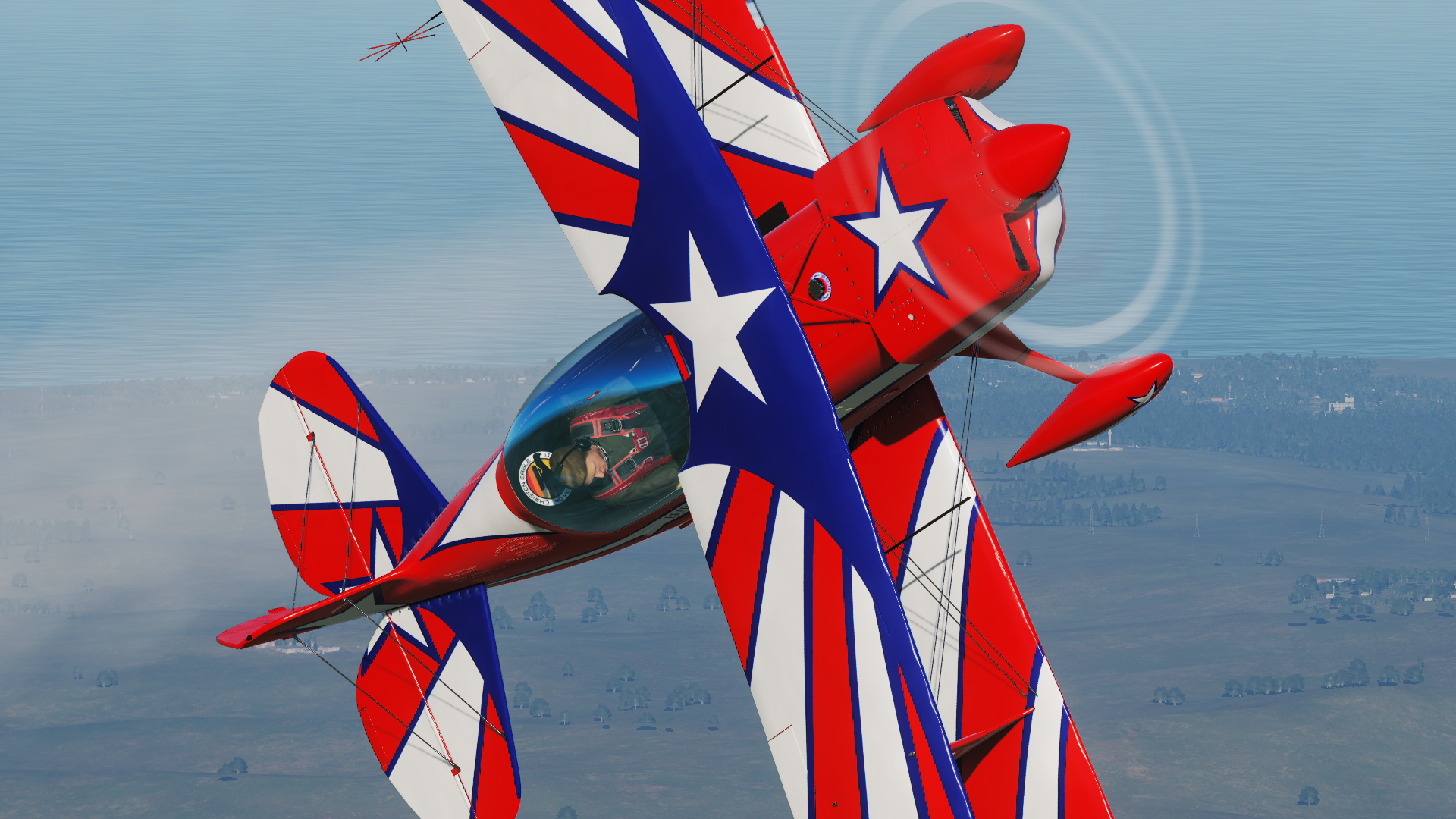
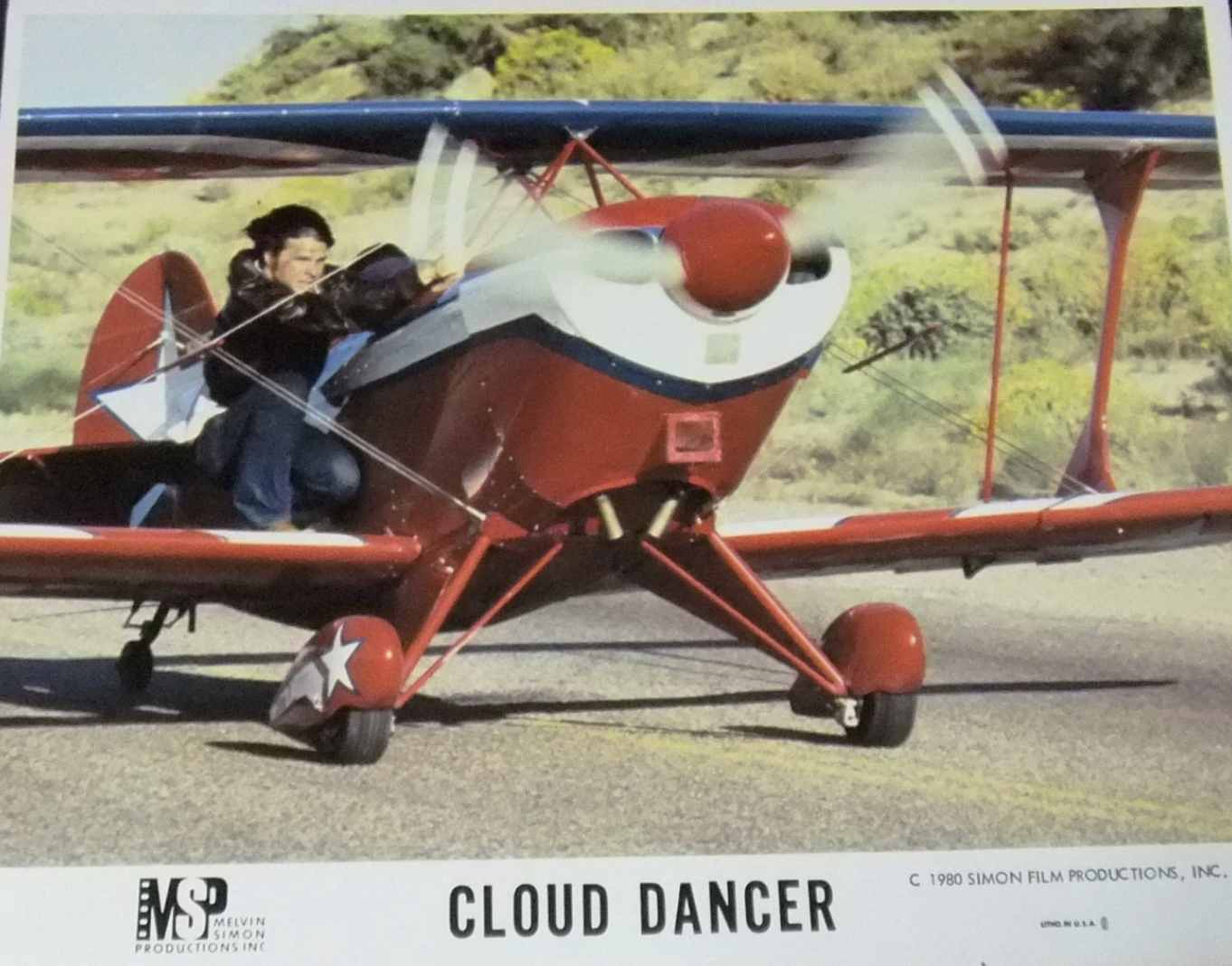
The production eventually developed reinforced camera mounts for two specially prepared Pitts Specials, allowing the filmmakers to put cameras into positions that conventional aerial photography simply couldn’t reproduce.
The Experimental Aircraft Association became involved, along with aviation companies and some of the most respected aerobatic pilots in the country.
Brown wasn’t interested in making an airplane movie that merely looked authentic.
He wanted it to actually be authentic.
Three Gs and a Camera
Principal photography began in April 1978 in and around Phoenix, Arizona, with the production taking advantage of actual air-show environments at Falcon Field and Deer Valley.
And this is where Cloud Dancer becomes considerably more interesting.
The aerial photography is not being faked. The airplanes are real. The maneuvers are real. The people flying them know exactly what they’re doing.
Tom Poberezny served as a technical adviser, while aerobatic legends Charlie Hillard and Gene Soucy contributed their considerable talents to the flying sequences. Brown’s engineering background allowed the production to develop equipment capable of withstanding forces as high as 12G.
The actors weren’t exactly having an easy time of it either.
Carradine reportedly struggled with airsickness while learning to taxi the aircraft, while Joseph Bottoms went considerably further and actually earned his pilot’s license during production.
That dedication comes through on screen.
Cloud Dancer doesn’t treat aerobatics as a collection of quick shots designed to make an audience believe they’re watching something exciting. It lets the airplanes fly. We see the loops, rolls, dives and climbs. We see the sky becoming a three-dimensional playing field.
And for anyone who has ever wondered what competitive aerobatics actually looks like, the movie provides an extraordinary window into a world that most Hollywood productions would have reduced to a few establishing shots.
The score, meanwhile, comes from Fred Karlin, with songs by Hoyt Axton adding another layer to the film’s distinctly late-1970s atmosphere.
The film was also dedicated to Walt Tubb and other aviators who lost their lives pursuing the sport they loved.
That dedication tells you something about Brown’s approach.
This wasn’t simply entertainment.
It was personal.
The Problem With Coming Back Down
Unfortunately, the same commitment to realism that makes the aerial sequences so impressive doesn’t necessarily make the movie’s ground-level material work.
When Cloud Dancer is in the air, it is difficult not to be impressed.
When the characters are standing around talking about their relationships, their ambitions and their personal problems, things become considerably more conventional.
The basic story is familiar. Randolph is an aging champion who knows that time is catching up with him. Loomis is young, ambitious and hungry. Helen represents a relationship Randolph hasn’t entirely escaped. The film keeps circling the question of whether Randolph can continue doing what he loves when his body is beginning to rebel against him.
It’s a perfectly reasonable dramatic framework.
The problem is that Cloud Dancer occasionally beats that framework into the ground.
Critics at the time frequently praised the flying while complaining about the melodrama. Leonard Maltin gave the film two-and-a-half stars, essentially acknowledging that the aerial footage was the real attraction while finding the dramatic material hokey.
That’s a pretty fair assessment.
There are moments when Cloud Dancer feels like a great aviation documentary desperately trying to disguise itself as a feature film.
And then there’s that drug-smuggling subplot, which feels particularly strange because it pulls the movie away from the very thing that makes it distinctive. The film doesn’t need another genre. It already has an aging champion, a young challenger, romantic history, physical danger and some of the most spectacular flying footage you’re likely to find in a low-budget movie.
Why add a crime story?
Because apparently Hollywood had not yet learned that sometimes you should just let the airplanes do the talking.
A Movie for the Pilots
The critical response was therefore divided along fairly predictable lines.
If you cared about the flying, Cloud Dancer offered something remarkable. Aviation publications such as Flying and Sport Aviation were far more enthusiastic than critics who approached the movie primarily as a piece of dramatic cinema.
That’s understandable.
Aviation enthusiasts could appreciate the technical accomplishment that other viewers might take for granted. The movie wasn’t simply pointing a camera at airplanes from a safe distance. Brown had gone to extraordinary lengths to put the audience into the cockpit and alongside the aircraft.
The acting and dialogue weren’t going to win the movie many awards.
The flying could.
And that distinction has ultimately become an important part of the film’s legacy.
A Forgotten Piece of Aviation Cinema
Cloud Dancer never became a major hit. Its theatrical release was limited, beginning in the United States on January 1, 1980, with a later world premiere in Milwaukee. It never found the kind of wide theatrical audience required to turn its substantial production costs into a success.
That might have been the end of the story.
Instead, like so many overlooked movies of the period, Cloud Dancer found another life through home video. VHS releases eventually introduced the film to an audience that wasn’t necessarily interested in what Hollywood thought was commercially viable.
And that audience included pilots.
Over the years, Cloud Dancer has developed something of a cult reputation within aviation circles. Its influence has even been cited by aerobatic pilots who were inspired by seeing the sport depicted on screen.
That may be the most appropriate legacy for the film.
It wasn’t a blockbuster. It wasn’t a critical darling. It didn’t launch Barry Brown into a long career as a feature-film director.
But it did something very few movies attempt.
It took a specialized world that most audiences knew almost nothing about and tried to portray it with genuine respect.
When the Movie Is in the Air
I suspect Cloud Dancer will always be a frustrating movie for some viewers.
There’s a terrific film buried inside it, and sometimes it feels as though Barry Brown almost found it.
The aerial photography is extraordinary. The commitment to practical filmmaking is impressive. The production went to lengths that most movies would never have considered simply to make sure the airplanes behaved like airplanes.
Then the characters land.
And the movie becomes considerably less interesting.
That’s not to say the human story is worthless. Carradine brings the right combination of arrogance, weariness and vulnerability to Randolph, and the central conflict between an aging champion and the young man waiting to replace him is inherently compelling.
But the movie’s heart is somewhere above the clouds.
Cloud Dancer is best understood not as a great drama but as a remarkable document of a particular kind of filmmaking—an era when filmmakers were willing to put real people into real airplanes and actually let them fly.
There are safer ways to make a movie.
There are easier ways.
There are certainly cheaper ways.
But when Cloud Dancer leaves the ground, you can feel exactly why Barry Brown went to all that trouble.
For a few minutes, the melodrama disappears, the dialogue stops mattering, and the movie becomes exactly what it always wanted to be.
A celebration of flight.
And that’s when Cloud Dancer finally soars.

About the Creator
Movies of the 80s
We love the 1980s. Everything on this page is all about movies of the 1980s. Starting in 1980 and working our way the decade, we are preserving the stories and movies of the greatest decade, the 80s. https://www.youtube.com/@Moviesofthe80s
Enjoyed the story? Support the Creator.
Subscribe for free to receive all their stories in your feed.
Comments
There are no comments for this story
Be the first to respond and start the conversation.