
'Certain Fury' (1985): Two Oscar Winners Walk Into a New World Pictures Exploitation Movie
Tatum O’Neal, Irene Cara, and the strange little 1985 movie that sent two Oscar winners running through sewers, junkyards and drug dens

What Happens When Two Oscar Winners Make a B-Movie?
There is something wonderfully strange about Certain Fury.
On paper, it sounds like the kind of movie that could have been a major studio prestige picture.
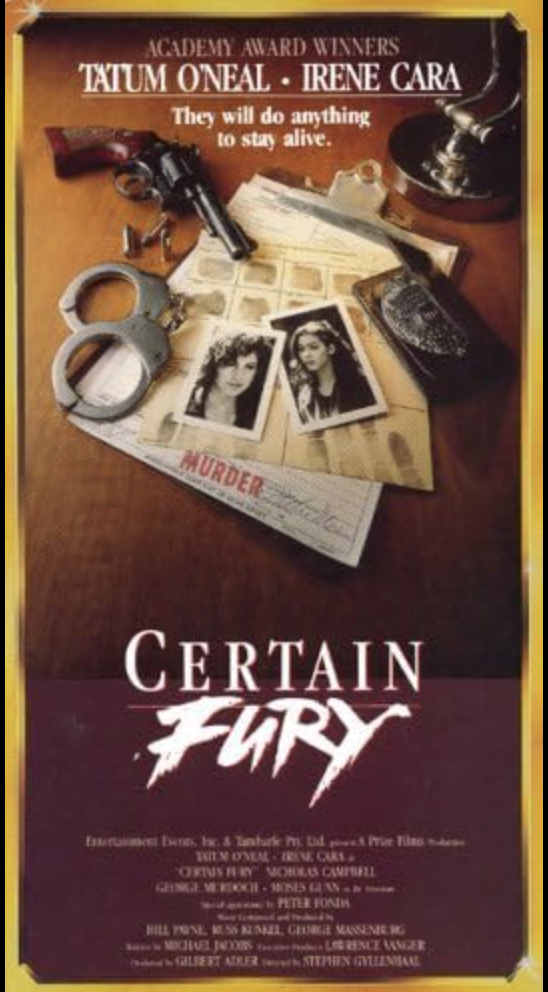
Tatum O’Neal, the youngest competitive Oscar winner in history at the time, fresh from Paper Moon. Irene Cara, the star of Fame and the voice behind “Flashdance… What a Feeling,” still riding an extraordinary wave of music and movie success.
Put them together and you might expect something respectable.
Something tasteful.
Something that might eventually turn up on a list of overlooked dramas.
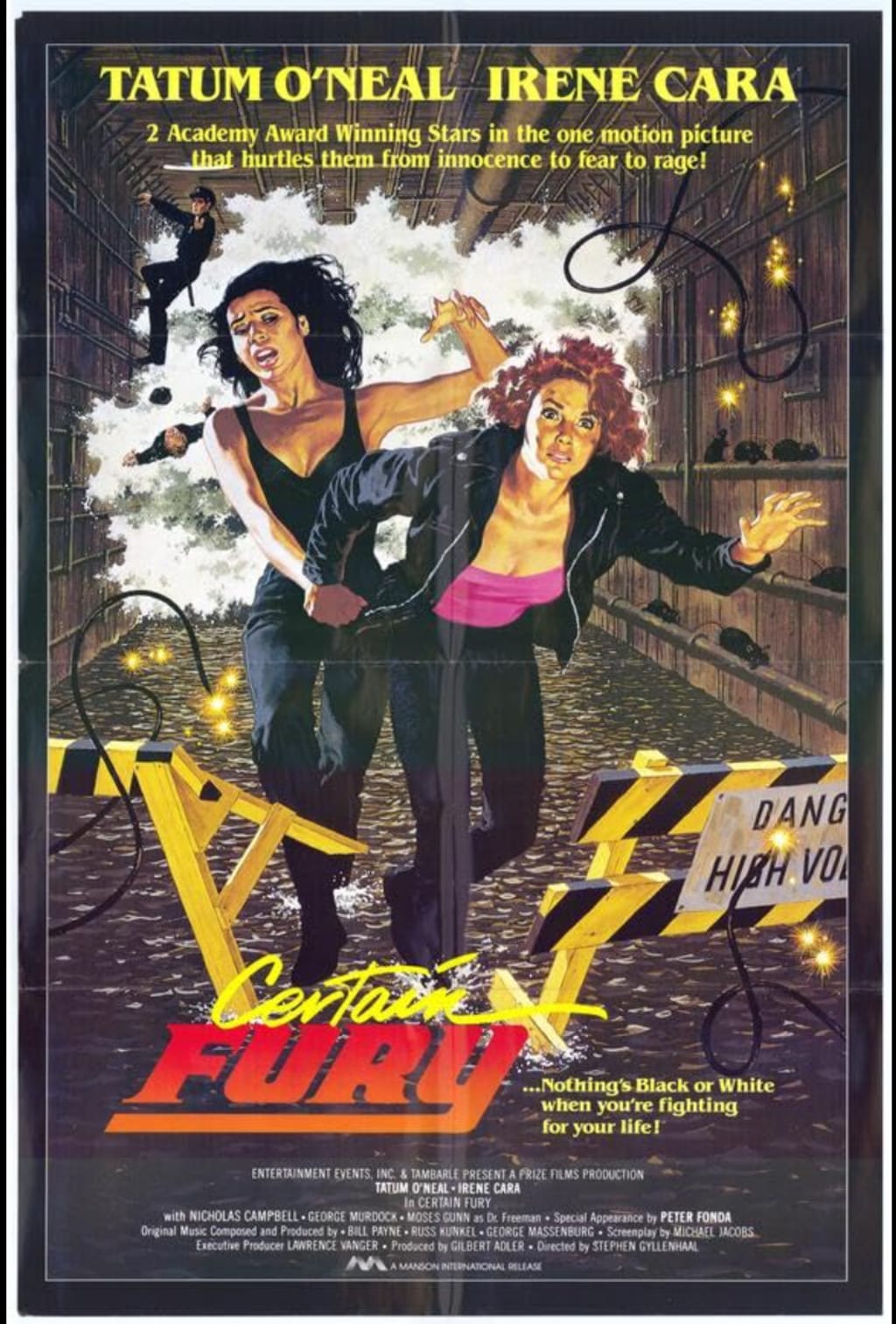
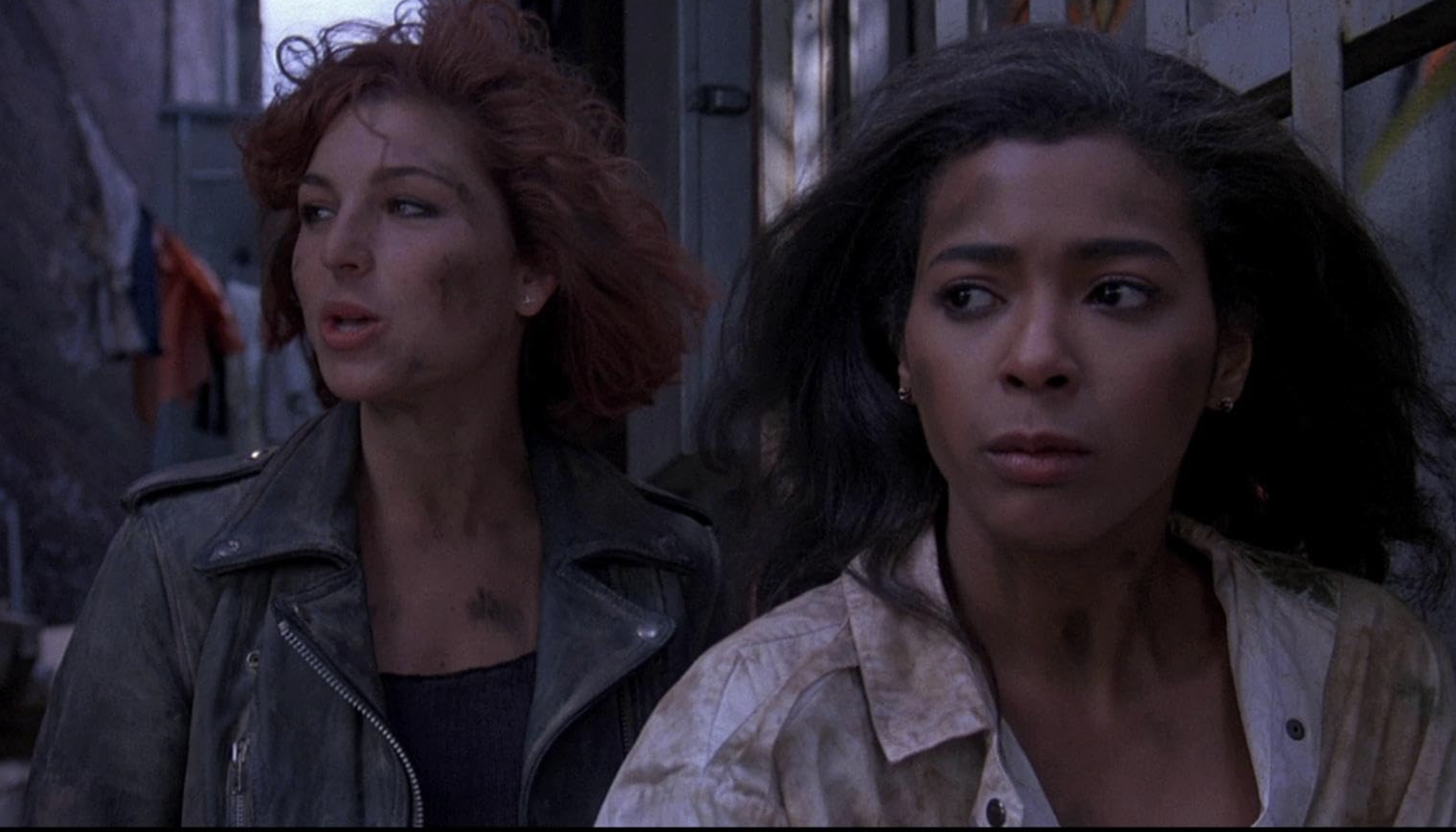
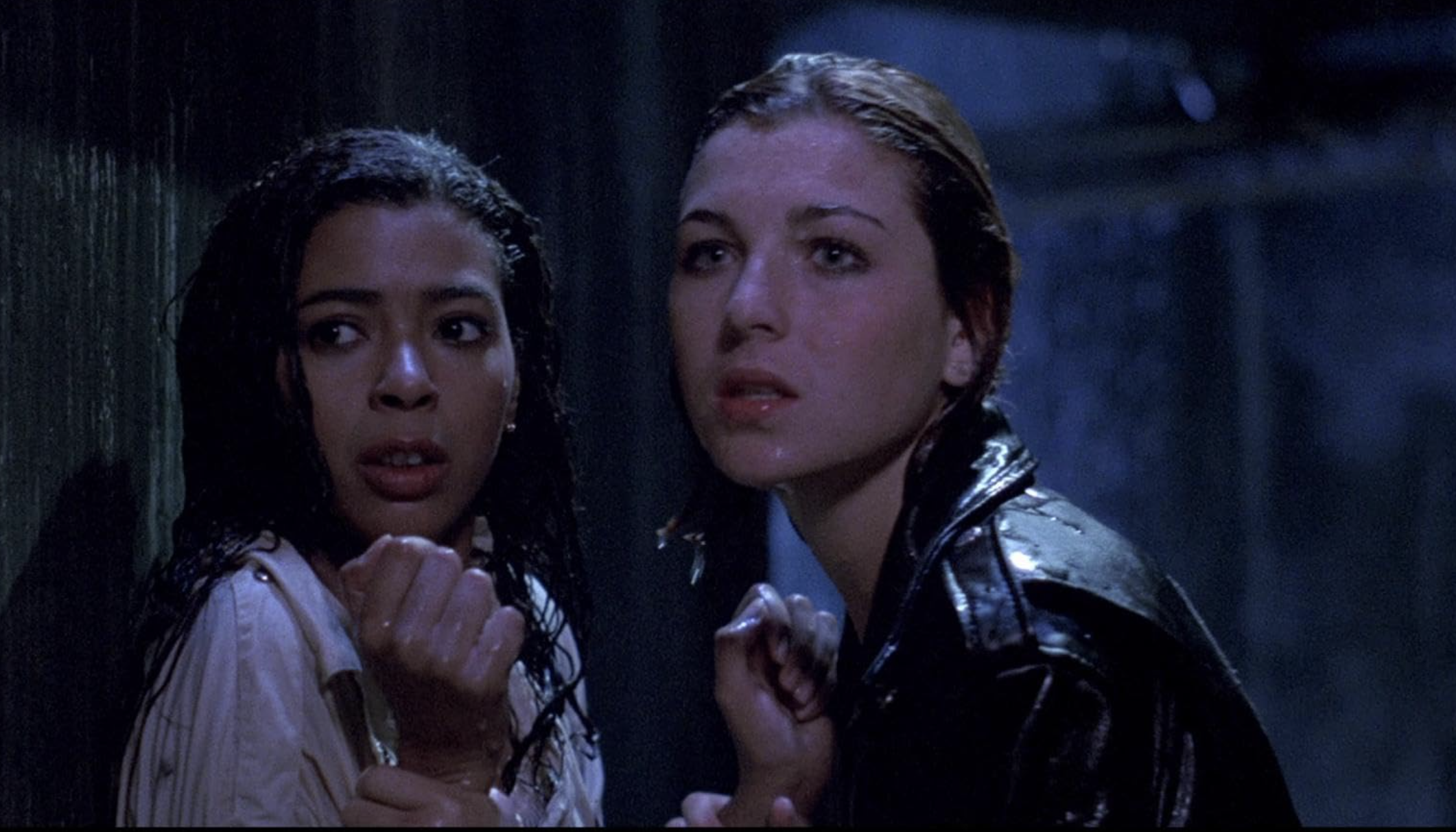
Instead, they made a New World Pictures movie in which two young women flee a bloody courtroom shootout and spend much of the running time scrambling through garbage-strewn alleys, junkyards, warehouses, drug dens and, yes, sewers.
This is Certain Fury.
It is part women-on-the-run thriller, part interracial buddy movie, part urban exploitation picture and part very 1980s fever dream.
And it was not particularly well received.
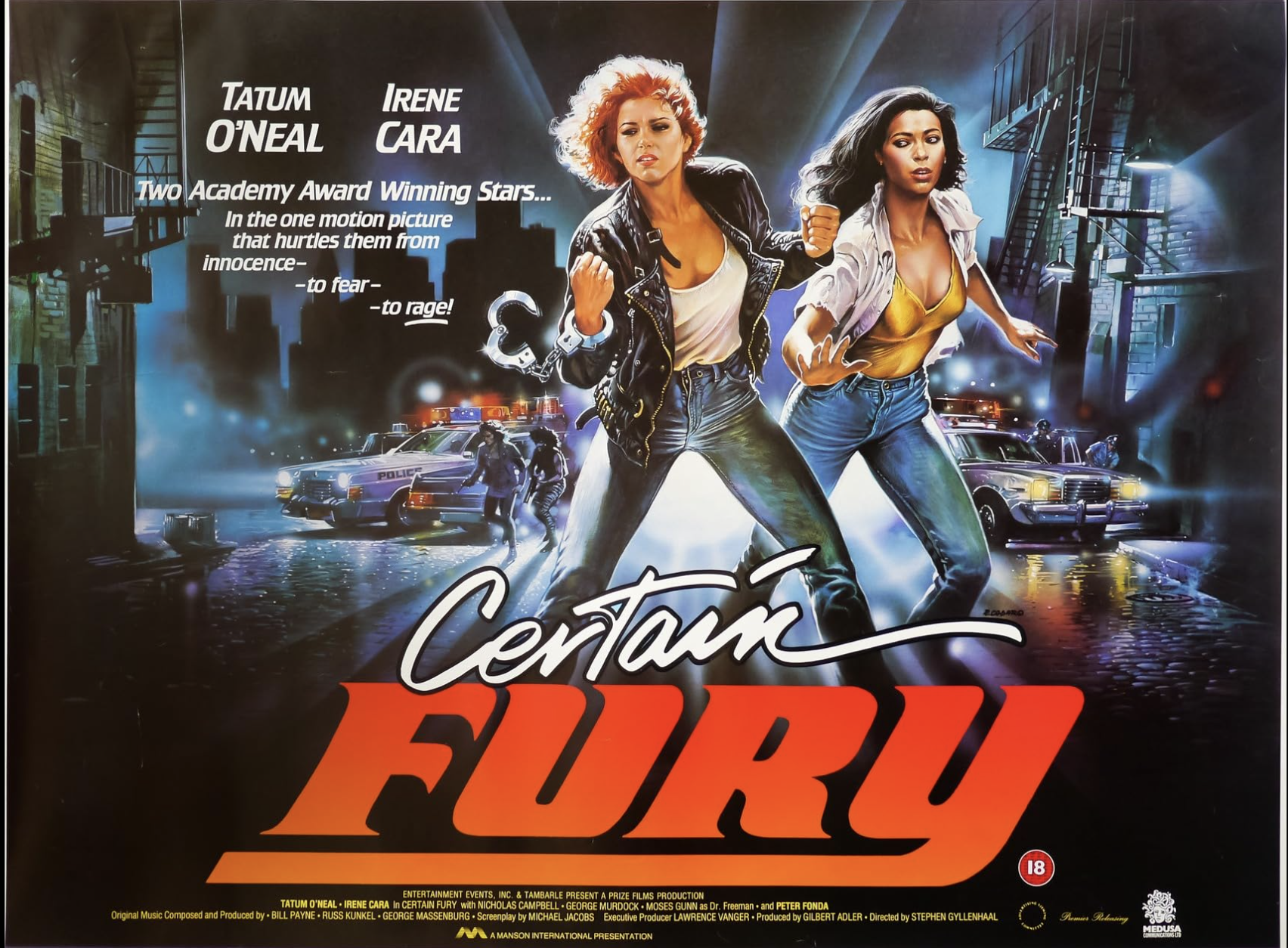
Released theatrically on March 1, 1985, Certain Fury opened in roughly 400 theaters and ultimately earned only about $1.38 million domestically. Critics were not exactly lining up to defend it.
Yet there is something fascinating about the movie now.
Not necessarily because it is good.
But because it captures a very specific moment when two performers with wildly different career trajectories collided with the rough-and-ready filmmaking culture of New World Pictures.
It also happens to be the feature-film debut of a director who would go on to have a much more interesting career.
Before Stephen Gyllenhaal was Stephen Gyllenhaal, he was the guy directing Tatum O’Neal and Irene Cara through a sewer.
That’s worth remembering.
Irene Cara Was Coming Off a Very Different Kind of Success
When Certain Fury arrived, Irene Cara was not exactly slumming it.
She had already become one of the defining performers of the early 1980s.
Fame had established her as a movie star and recording artist. Then came “Flashdance… What a Feeling,” which became one of the signature songs of the decade and earned Cara an Academy Award for Best Original Song.
Her career was moving in multiple directions at once.
And Cara understood that success in Hollywood wasn’t simply about getting another movie role.
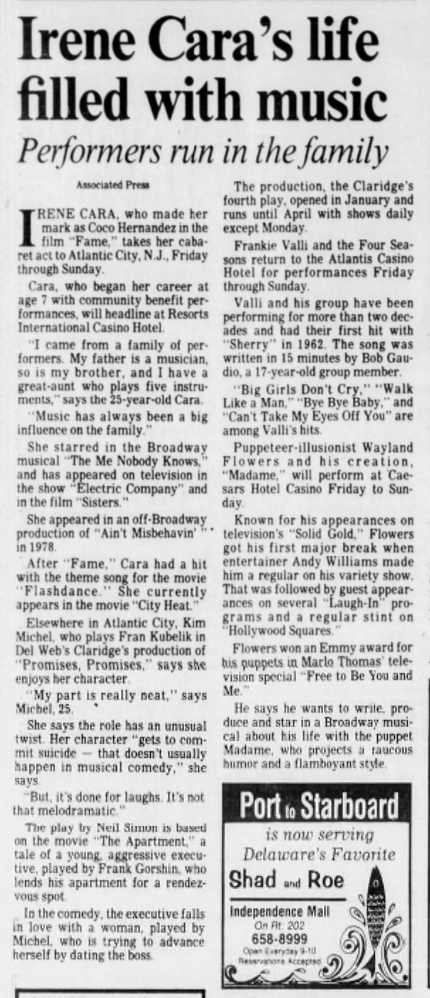
A contemporary profile by Jack Lloyd, headlined “In show business 18 years, Irene Cara’s ‘in no hurry,’” discussed her appearance in Certain Fury, noting that she had also recorded the film’s title song and that it would soon be released as her next single.
Cara was thinking about her career as a whole.
She told Lloyd that she was interested in “every aspect of her career,” a revealing comment from someone who was already discovering that movie stardom and music-industry success did not necessarily translate into control.
She was also promoting an engagement at an Atlantic City casino.
In other words, Certain Fury was one piece of a much larger professional puzzle.
Cara was not rushing toward movies simply because Hollywood wanted another Irene Cara picture.
As she put it, critics could “drool with superlatives,” but she was realistic enough to understand that Certain Fury might not become a “cinematic highlight.”
That turned out to be pretty perceptive.
Cara also came into this period carrying the complicated business realities of music stardom.
A contemporary UPI story carried the blunt headline “Irene Cara files $10 million suit.”
Cara alleged that her business representative Al Coury had taken advantage of her trust, claiming he had induced her to sign agreements that were “patently one-sided, unfair, unjust and oppressive.”
She also alleged that she had received only “minimal” royalties while millions of dollars were being withheld.
Whatever the eventual legal resolution, the story provides an important piece of context.
Irene Cara’s mid-1980s career wasn’t simply a victory lap.
She was trying to figure out how to control a career that had suddenly become enormously valuable.
And Certain Fury arrived right in the middle of that process.
The Girl From Paper Moon Grows Up
Tatum O’Neal’s career problem was almost the opposite.
She had already been famous for most of her life.
Her performance in Paper Moon had made her a phenomenon. She won the Academy Award for Best Supporting Actress at age 10, becoming a cinematic curiosity as well as a legitimate performer.
But child stardom has a nasty habit of becoming a trap.
What happens when the little girl who became famous for being tough and precocious becomes a young woman?
Hollywood still wants the attitude.
But suddenly the attitude isn’t adorable anymore.
Certain Fury attempted to push O’Neal firmly into adult territory.
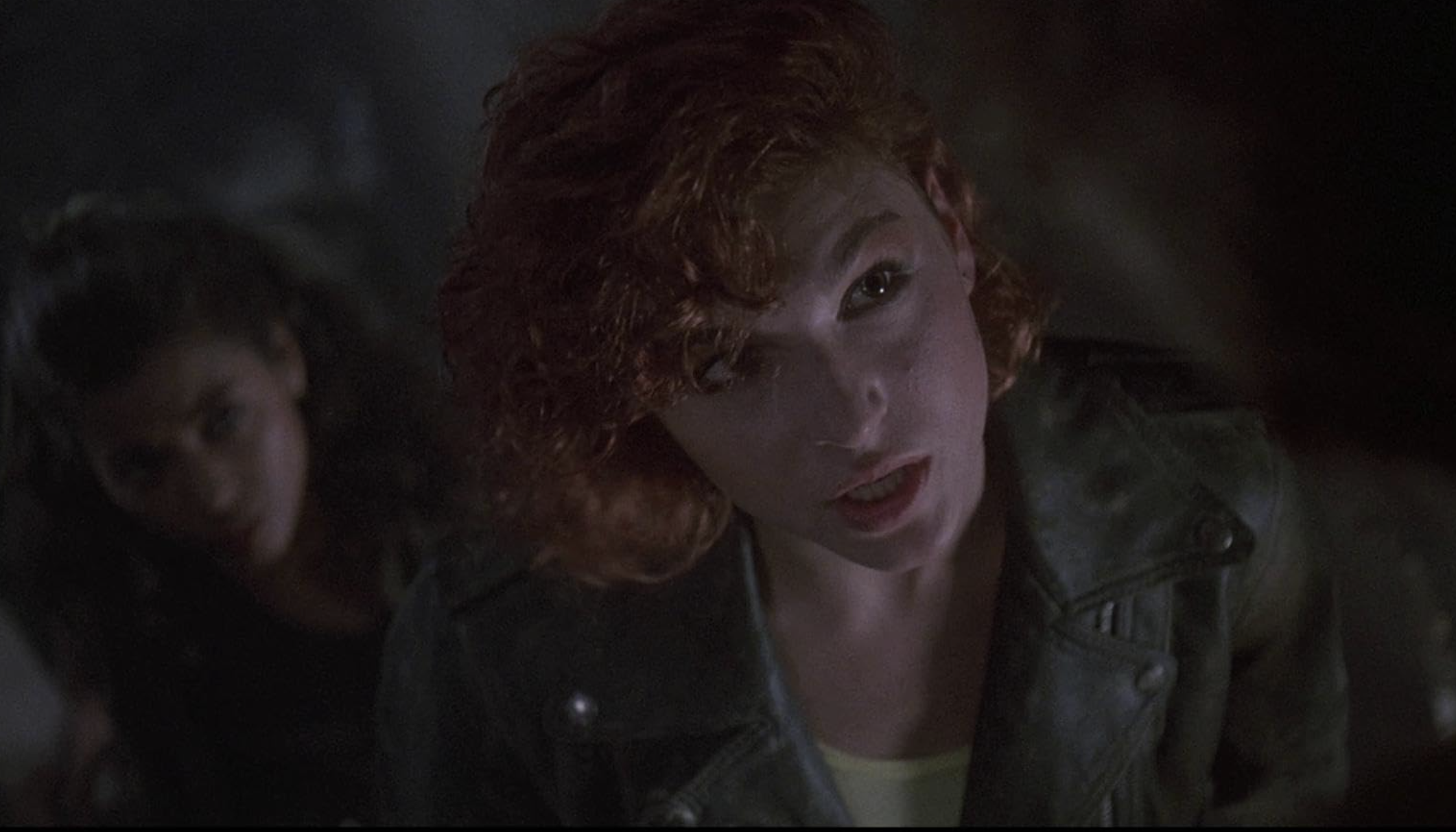
She plays Scarlett, a streetwise prostitute with considerably more survival instinct than privilege.
Contemporary critics weren’t necessarily kind about the transition.
David Pickering’s review, tellingly headlined “Film has Tatum O’Neal as prostitute,” took aim directly at the problem.
“Tatum O’Neal’s brain is frozen in time,” Pickering wrote. The former child star, he argued, was still delivering the same cynical attitude audiences had found charming in Paper Moon.
Only now, he suggested, the character wasn’t cute anymore.
It’s a brutal assessment.
It’s also an unusually useful snapshot of how O’Neal’s transition into adult roles was being perceived at the time.
She wasn’t simply another actress making another movie.
Audiences and critics were still watching her through the prism of Paper Moon.
From Nowhere to Run to Certain Fury
The movie began life under the working title Nowhere to Run, with the story associated with Lawrence Vanger and Entertainment Events.
Michael Jacobs wrote the screenplay.
Gilbert Adler produced.
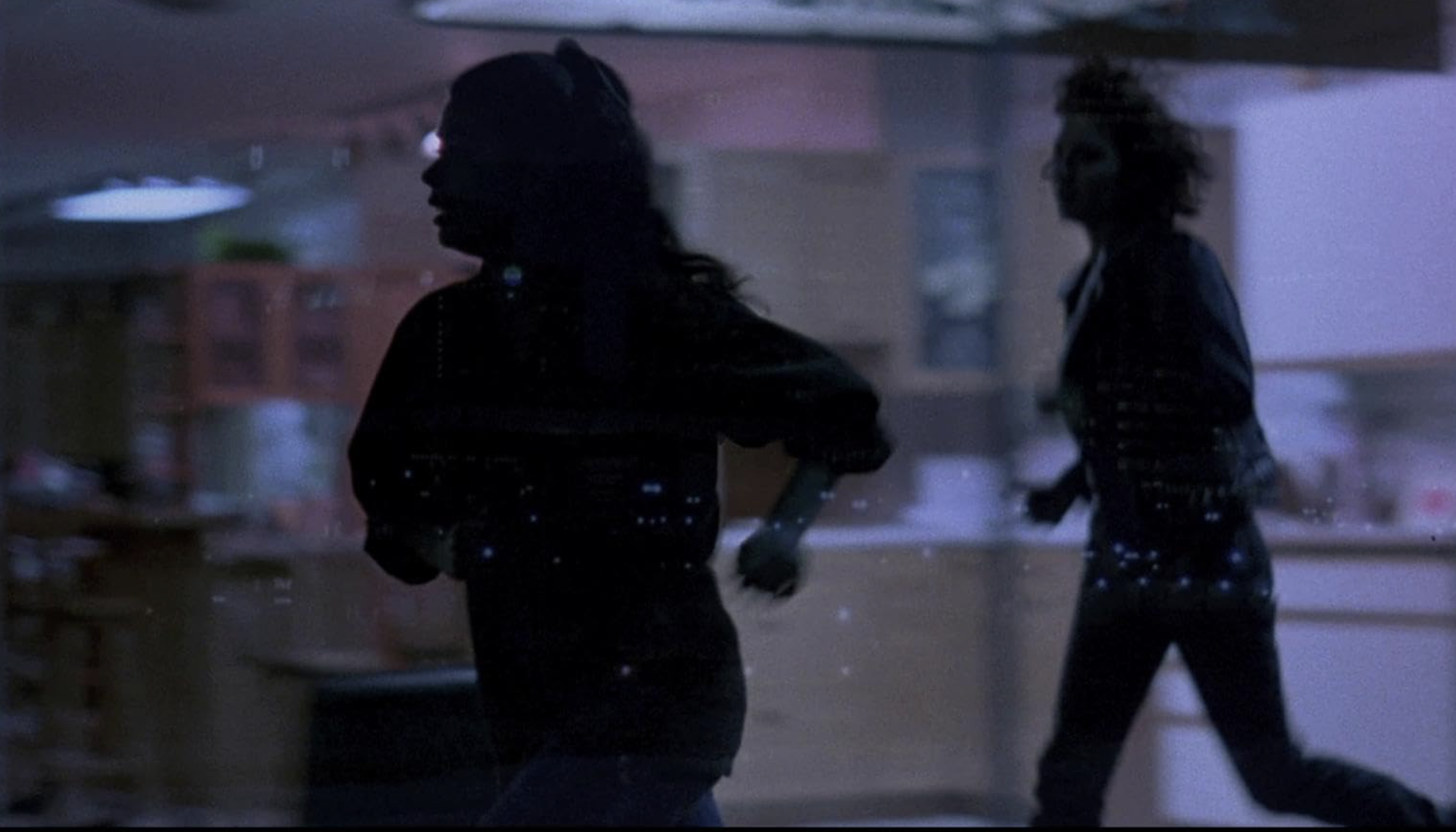
The movie was shot primarily in Vancouver and New Westminster, British Columbia, during the summer of 1984, with British Columbia standing in for New York.
That was hardly unusual for a modestly budgeted production.
What is interesting is the collision between the movie’s ambitions and its resources.
Certain Fury wanted to feel like a gritty New York thriller.
So Vancouver became New York.
It wanted to be an action movie.
It got junkyards, warehouses, railyards, drug dens and sewers.
It wanted recognizable stars.
It got two Oscar winners.
And it wanted to be tough.
New World Pictures was happy to oblige.
The film marked Stephen Gyllenhaal’s feature-directing debut. He would eventually establish a much more substantial career behind the camera, but Certain Fury is where he started.
Kees Van Oostrum handled the cinematography, with Todd C. Ramsay editing.
The music came from Russ Kunkel, George Massenburg and Bill Payne, with Cara contributing the title song.
The supporting cast was a surprisingly good collection of character actors, including Nicholas Campbell, George Murdock and Moses Gunn.
And then there’s Peter Fonda.
Fonda makes a special appearance as a drug dealer.
Because apparently that’s the movie this was going to be.
Two Women, One Courtroom Massacre
The basic premise sounds almost like a 1980s variation on The Defiant Ones.
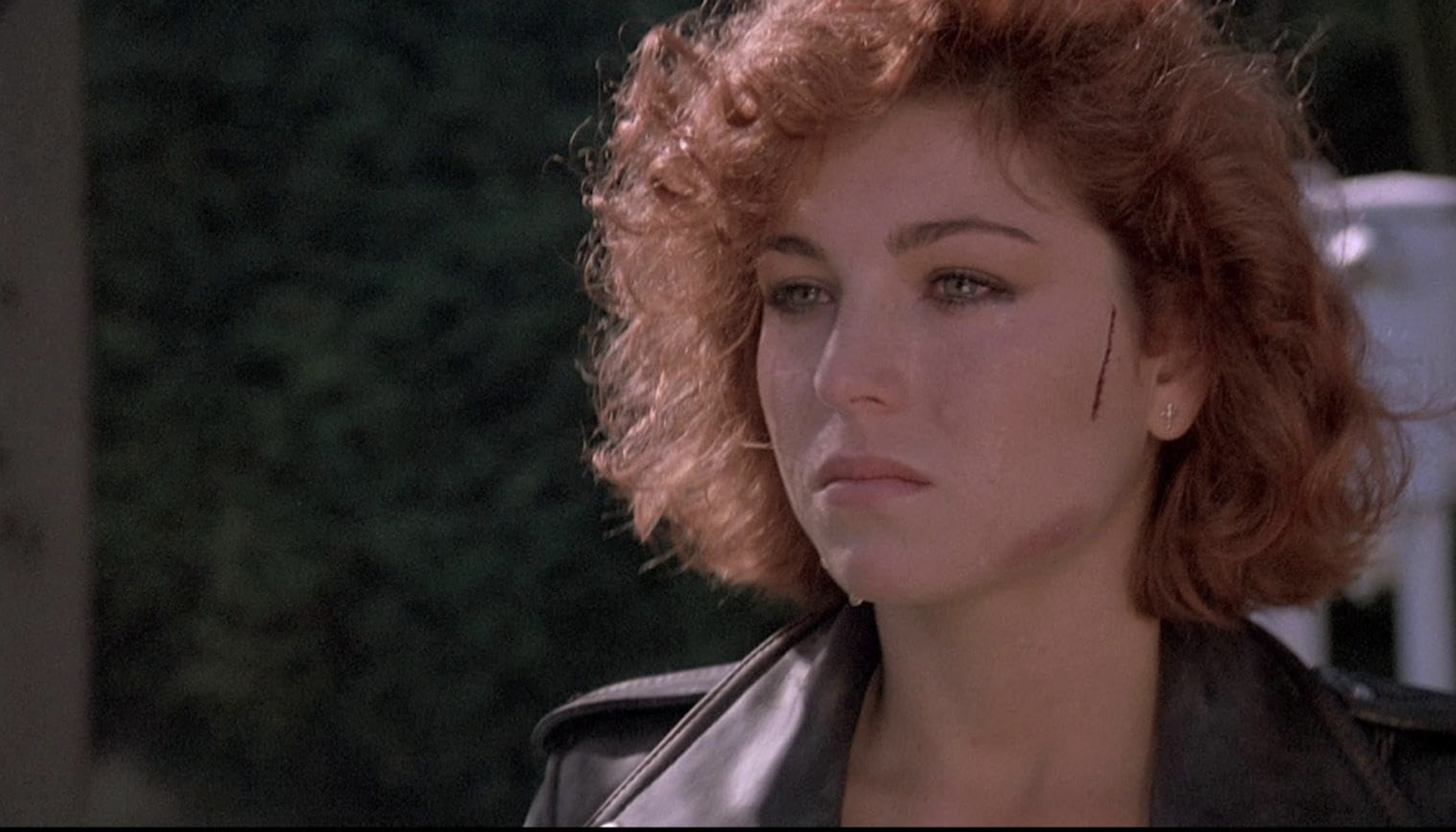
Scarlett and Tracy come from very different worlds.
Scarlett is hardened by the streets.
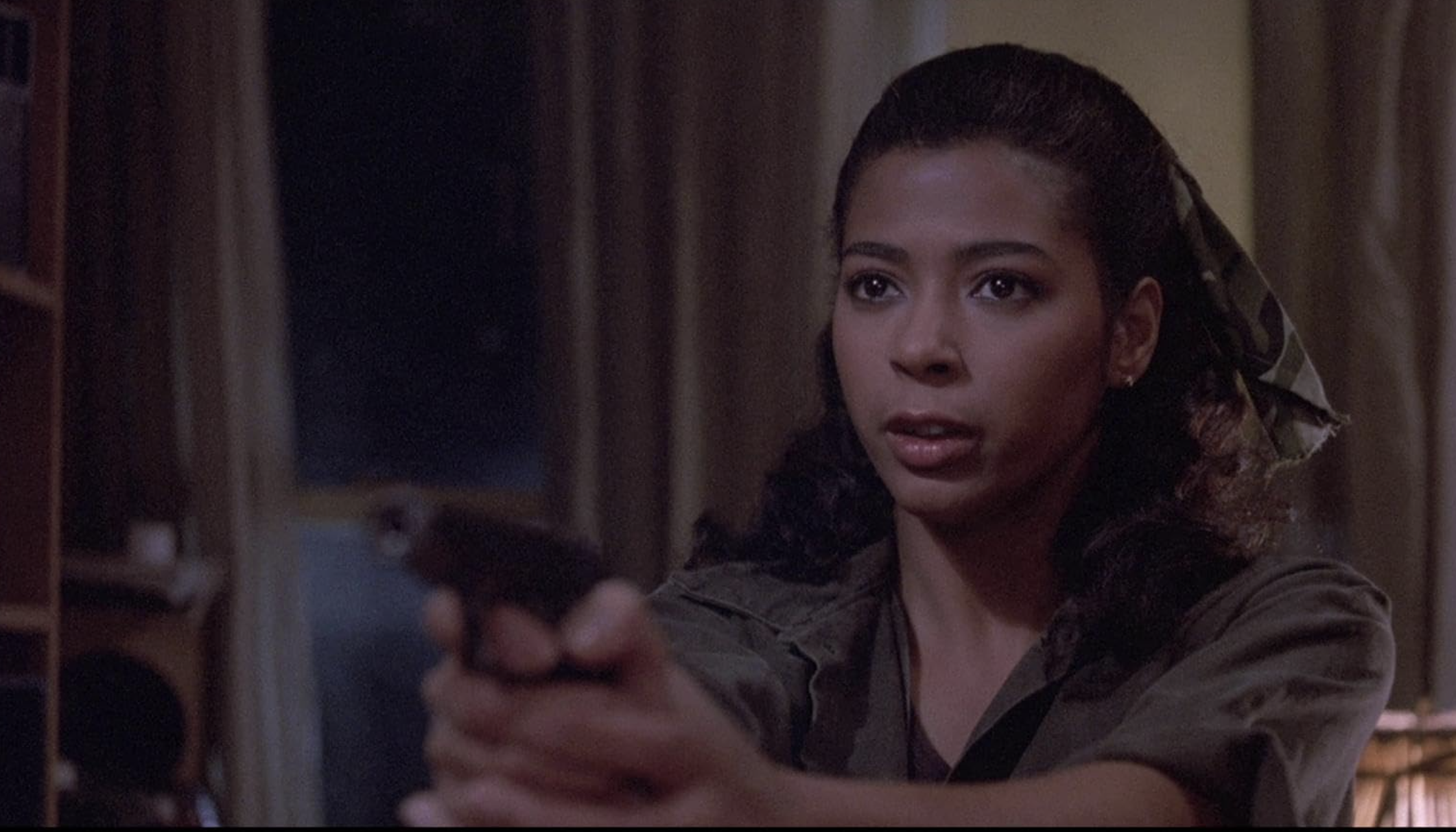
Tracy, played by Cara, is considerably more privileged.
Then everything goes sideways.
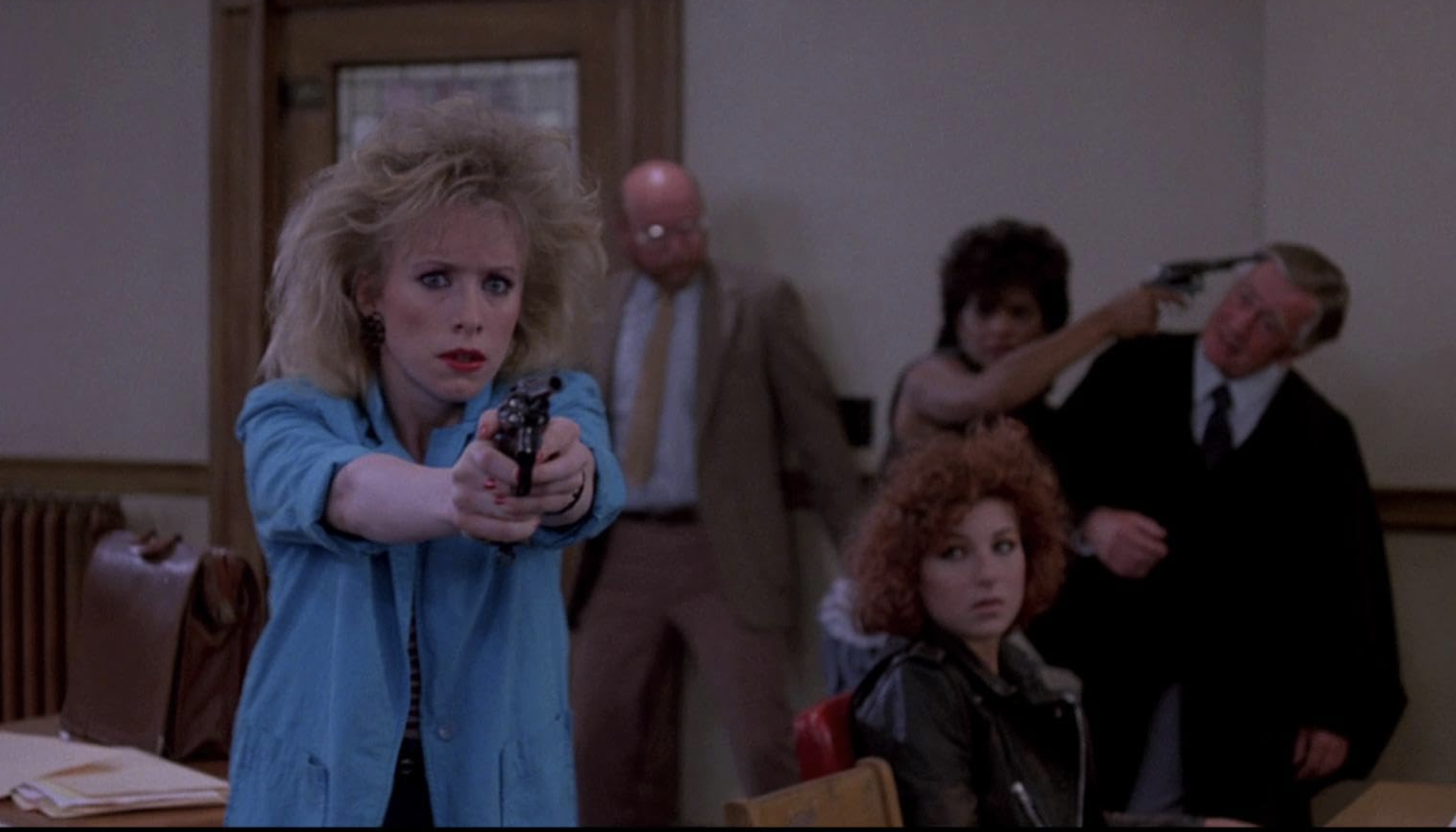
A courtroom erupts into violence. People are killed. The women become caught up in the chaos and are wrongly implicated.
Suddenly, they’re running.
Together.
They don’t particularly like each other.
They don’t particularly trust each other.
But they need each other.
The movie then sends them through practically every grimy location available to an 1980s exploitation filmmaker.
Garbage-strewn alleys.
Junkyards.
Dockyards.
Abandoned warehouses.
Railyards.
Drug dens.
And sewers.
Pickering described the whole thing as a kind of “feminist Les Miserables.”
That’s probably the most entertaining description Certain Fury ever received.
The film’s underlying themes are more serious than its reputation might suggest.
Race matters.
Class matters.
The women come from different social worlds, and the movie uses the chase narrative to force those worlds together.
There is also the question of survival.
Neither woman can simply go home and wait for the problem to disappear.
They have to keep moving.
Unfortunately, the movie sometimes seems more interested in finding another filthy location for them to run through than in fully exploring what any of that means.
New World Pictures Does What New World Pictures Does
There is a reason Certain Fury feels like such an odd artifact.
New World Pictures had built its reputation on movies that could be made quickly, sold aggressively and delivered to audiences looking for something a little rougher around the edges.
The company had produced everything from Roger Corman exploitation pictures to horror films, action movies and cult oddities.
Certain Fury fits comfortably into that tradition.
The weird part is the casting.
Tatum O’Neal and Irene Cara are not the people you instinctively associate with a New World Pictures action thriller.
That’s precisely what makes the movie interesting.
It is a collision of prestige and exploitation.
The movie says:
Oscar winners!
And then immediately sends them into a sewer.
Critics Were Not Feeling the Fury
The contemporary response was overwhelmingly negative.
The complaints were familiar.
The story was derivative.
The violence was excessive.
The language was excessive.
The screenplay was thin.
The performances were uneven.
And the whole thing seemed to be borrowing liberally from better movies.
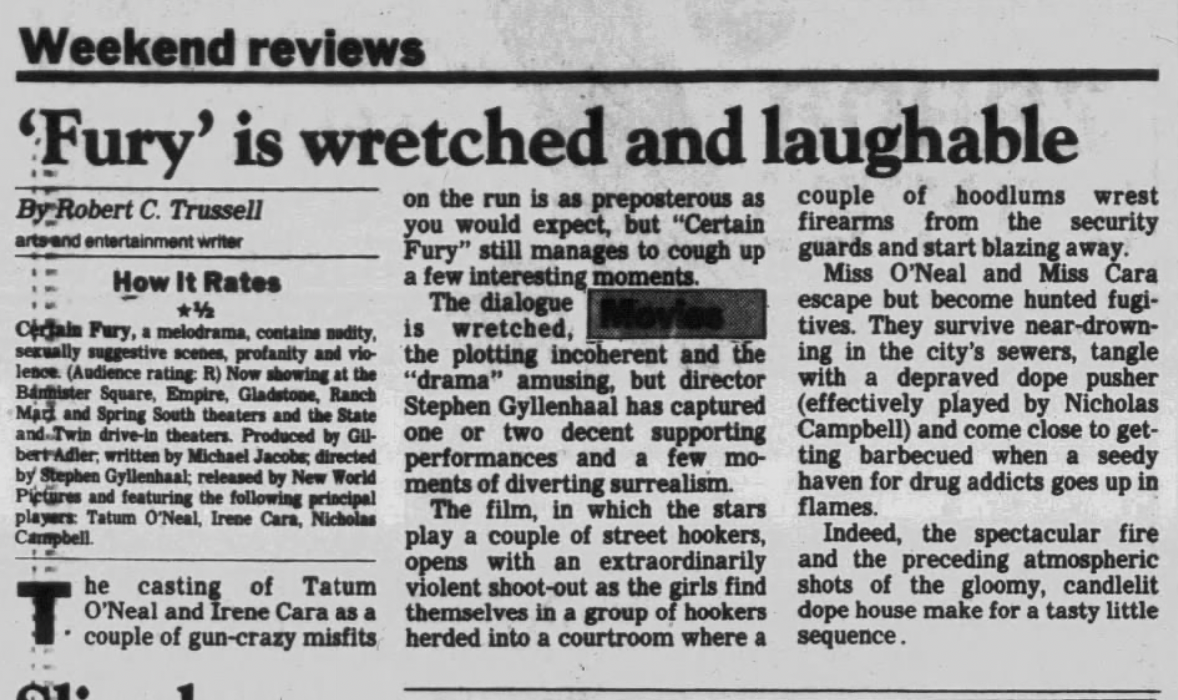
Pickering’s review is especially valuable because it captures the movie’s reception in the language of the period rather than through the filter of hindsight.
His description of the women running through “garbage-strewn alleys,” junkyards, dockyards, warehouses, drug dens and railyards is almost a checklist of 1980s urban-grit clichés.
Then came the sewer.
And the bongos.
Pickering observed that much of the suspense was supplied by the soundtrack, which he described as being “very big on bongos.”
Even Peter Fonda wasn’t spared.
His cameo became another target.
The review ultimately awarded the movie a one-star quality rating.
This wasn’t a case of critics failing to appreciate an overlooked masterpiece.
They really didn’t like it.
And that’s worth acknowledging.
There is a tendency, decades later, to assume that anything obscure must have been unfairly dismissed.
Sometimes obscure movies are obscure because they weren’t very good.
Certain Fury may be one of those movies.
But that doesn’t make it uninteresting.
There Were Some Things to Like
Even the harshest contemporary response left a little room for craftsmanship.
The opening sequence had some energy.
Van Oostrum’s photography gave the movie a professional visual polish that its budget might not necessarily suggest.
And the presence of O’Neal and Cara gives the movie a certain electricity even when the material doesn’t deserve it.
Cara herself was considerably more measured about the film than some of its critics.
She wasn’t selling it as the next great American movie.
She seemed to understand exactly what it was.
That’s actually refreshing.
There is no need to pretend Certain Fury was secretly misunderstood.
It wasn’t.
It was a low-budget 1980s thriller starring two women who had both achieved remarkable success elsewhere.
Sometimes that’s enough.
The Box Office Wasn’t Kind
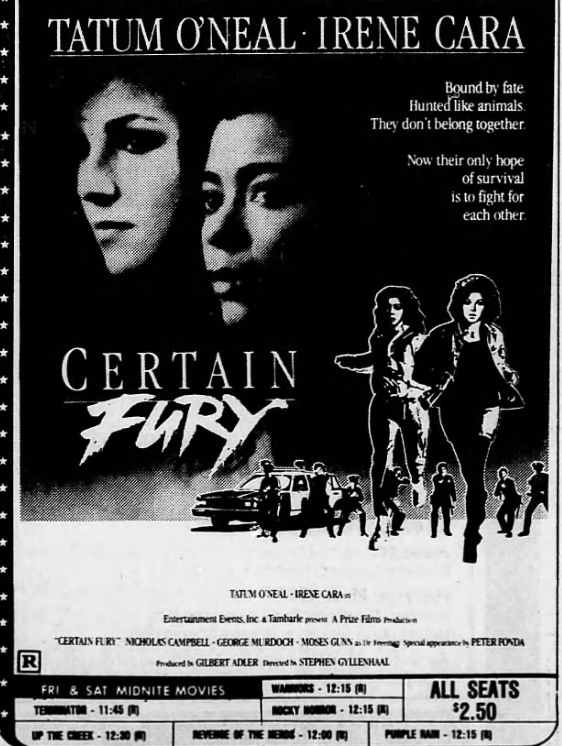
New World gave Certain Fury a reasonably substantial theatrical rollout for the company.
The film was released in the United States on March 1, 1985, rated R and running approximately 87 minutes.
It opened in roughly 400 theaters.
And then it disappeared.
The domestic theatrical gross was approximately $1.38 million.
For a movie built around two recognizable stars, that was not exactly a triumph.
The marketplace had spoken.
Audiences had other things to do.
And Certain Fury became another 1980s movie that seemed destined to vanish.
Except it didn’t completely vanish.
Home video had other ideas.
The Strange Afterlife of Certain Fury
This is where movies like Certain Fury become more interesting.
Theatrical failure doesn’t necessarily mean permanent disappearance anymore.
Home video gave obscure movies a second life.
Cable gave them another.
DVD gave them another.
And Blu-ray eventually gave Certain Fury an opportunity to reach the kind of audience that probably would never have sought it out in 1985.
Today, the movie has the peculiar appeal of a time capsule.
You get Irene Cara before the decade was over.
You get Tatum O’Neal attempting to escape the shadow of Paper Moon.
You get Stephen Gyllenhaal making his first feature.
You get Peter Fonda playing a drug dealer.
You get Vancouver pretending to be New York.
You get the unmistakable visual and musical vocabulary of mid-1980s exploitation filmmaking.
And you get two Oscar winners running through a sewer.
That’s a pretty good time capsule.
The Irene Cara Story Doesn’t End With the Movie
There’s another reason Certain Fury is worth revisiting.
The movie sits inside a particularly complicated period of Irene Cara’s career.
She had gone from Fame to one of the biggest songs in the world.
She had an Academy Award.
She was making movies.
She was recording music.
She was performing live.
And she was dealing with the business disputes that accompanied that success.
The contemporary reporting surrounding her $10 million lawsuit is a reminder that the entertainment industry story doesn’t end when somebody becomes famous.
Sometimes that’s when the complicated part begins.
Cara’s comments to Jack Lloyd about being in “no hurry” are revealing in that context.
She wasn’t simply trying to maintain fame.
She was trying to figure out what came next.
Certain Fury wasn’t the defining movie of that process.
But it was part of it.
A Movie That Could Only Have Happened in the 1980s
There are movies that survive because they’re masterpieces.
There are movies that survive because they’re terrible.
And then there are movies that survive because they’re strange.
Certain Fury belongs in that third category.
It isn’t a lost classic.
It isn’t an undiscovered masterpiece.
The contemporary critics were largely right about its weaknesses.
But there is something irresistible about the collision of everything happening inside it.
Tatum O’Neal, still trying to prove she wasn’t permanently trapped inside Paper Moon.
Irene Cara, coming off Fame and “Flashdance… What a Feeling,” trying to figure out what kind of career she wanted.
A first-time feature director named Stephen Gyllenhaal.
New World Pictures.
An R rating.
A courtroom massacre.
A feminist variation on the classic on-the-run picture.
Peter Fonda as a drug dealer.
Bongos.
And a sewer.
You couldn’t design a better 1985 time capsule if you tried.
Certain Fury is Better as a Curiosity Than a Rediscovery
I don’t think Certain Fury needs to be rescued.
It doesn’t need a revisionist campaign declaring it a misunderstood classic.
It needs to be seen for what it is.
A weird, energetic, sometimes clumsy piece of 1980s filmmaking that brought together two actresses who had already experienced extraordinary success and dropped them into a movie considerably less prestigious than their résumés suggested.
That’s part of what makes the decade so much fun to revisit.
Hollywood was capable of taking almost anything and throwing it into the same blender.
Prestige actors could make exploitation pictures.
Pop stars could become movie stars.
British Columbia could become New York.
An Oscar winner could play a prostitute.
Another Oscar winner could sing the title song.
And a future television and film director could make his first feature with all of it happening at once.
Certain Fury may have been forgotten for good reason.
But forgotten doesn’t mean worthless.
Sometimes the weird ones tell us more about an era than the classics do.
And if nothing else, Certain Fury leaves us with an image that feels almost perfectly 1985:
Tatum O’Neal and Irene Cara, two Oscar winners, running for their lives through a sewer.
Only in the ’80s.

Tatum O’Neal and Irene Cara teamed up for Certain Fury, a gritty 1985 New World Pictures thriller. Here’s the strange story behind its production, reception and legacy.
Sources
Associated Press, “Irene Cara’s life filled with music.” Contemporary profile used for Cara’s family background, early performing career and rise through Fame.
Jack Lloyd, “In show business 18 years, Irene Cara’s ‘in no hurry.’” Contemporary profile discussing Certain Fury, Cara’s title song, her career plans and Atlantic City engagement.
United Press International, “Irene Cara files $10 million suit.” Contemporary reporting on Cara’s lawsuit and her allegations concerning her business agreements and royalties.
David Pickering, “Film has Tatum O’Neal as prostitute.” Contemporary review providing the period assessment of O’Neal, the film’s action sequences, soundtrack and overall quality.
Contemporary production and trade reporting on Certain Fury / Nowhere to Run, including production personnel, Vancouver/New Westminster shooting and release information.
Box-office records for Certain Fury, including its approximately $1.38 million domestic theatrical gross.
Contemporary and retrospective film databases for release date, running time, rating, cast and crew.
Later home-video/Blu-ray documentation for the film’s afterlife.
About the Creator
Movies of the 80s
We love the 1980s. Everything on this page is all about movies of the 1980s. Starting in 1980 and working our way the decade, we are preserving the stories and movies of the greatest decade, the 80s. https://www.youtube.com/@Moviesofthe80s
Enjoyed the story? Support the Creator.
Subscribe for free to receive all their stories in your feed.
Comments
There are no comments for this story
Be the first to respond and start the conversation.