
'Captain America: Civil War' 10th Anniversary: Fun Facts And Backstory From The Film
A Marvel Classic

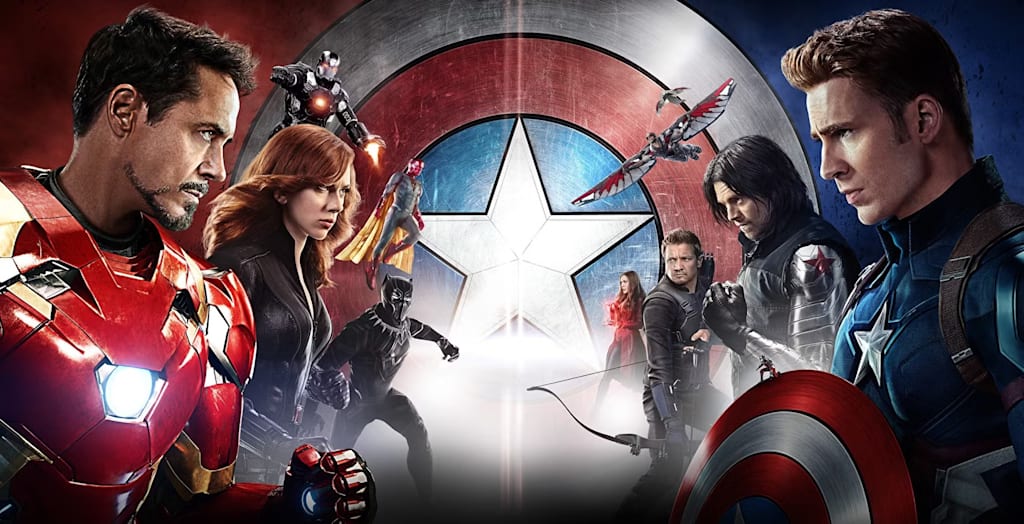
May 6, 2026, marks the 10th anniversary of the worldwide release of Captain America: Civil War, a loose adaptation of a classic comics event. The third film in the original Captain America trilogy, and opening act to Phase Three of the Marvel Cinematic Universe, Civil War shook the MCU's status quo by splitting the Avengers in two, as Iron Man and Captain America disagree over the introduction of the Sokovia Accords, a law placing the Avengers under U.N control. It is an explosive opening to Phase Three, setting the MCU on a new path.
Let's look at some fun behind the scenes facts from the film.
We almost got a very different 'Captain America 3'
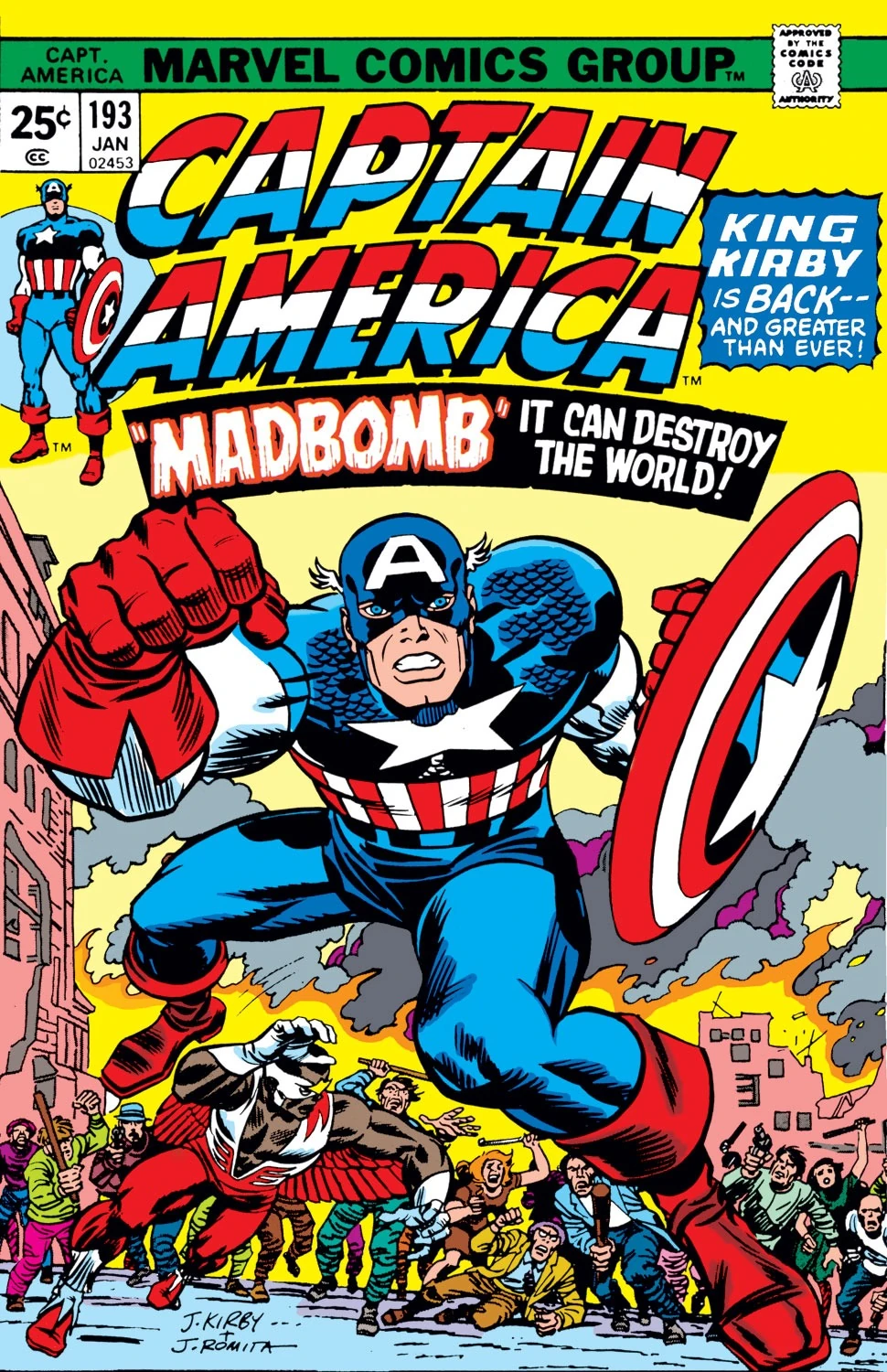
In the early stages of Phase Three's development, the third Captain America film was not going to be a Civil War adaptation. According to screenwriters Christopher Markus and Stephen McFeely, early story treatments for the film involved Jack Kirby's famous 'Madbomb' storyline from 1975.
Baron Zemo, still the villain in this iteration, would have detonated a Madbomb over New York, turning hordes of people into zombie-like berserkers, with even some heroes falling victim to the bomb. This version may also have included the Serpent Society as secondary villains.
Though eventually dropped from Captain America 3, a version of the Madbomb story was used in season one of the Agent Carter TV series.
'Civil War' mostly happened because of Robert Downey Jnr
Eventually, Marvel Studios asked Markus and McFeely to make a tentative shift towards a Civil War adaptation for Cap 3. However, which version would ultimately go ahead depended on one actor's decision.
When negotiating his contract for Phase Three, actor Robert Downey Jnr, who played Tony Stark/Iron Man, was given a choice: Either star in Iron Man 4, or Captain America: Civil War. Downey ultimately chose Civil War, believing it would lead to better story opportunities moving forward. The film introduced both Spider-Man and Black Panther to the MCU, and the fracture of the Avengers is a majorevent influencing other films. It's unknown how Phase Three would have played out had Downey chosen differently.
The Marvel/Sony deal for sharing Spider-Man remained on shaky ground during early production
Captain America: Civil War marked the beginning of a landmark deal between Marvel Studios and Sony Pictures to share the film rights for the character of Spider-Man. The deal was the first of it's kind, and was not yet set in stone during pre-production on Civil War. There were a few debates and disagreements between the two studios in these early stages.
For example, Sony pushed back against Marvel's casting choice of Tom Holland, hoping for an older actor, or at least a bigger name. The debate died down following the information that Holland had come with recommendations from Thor actor Chris Hemsworth, with whom he had recently starred in In The Heart of the Sea, and the fact that Holland impressed Robert Downey Jnr in auditions.
Still, with the perception that the deal could have crumbled at any moment, Markus and McFeely, and Directors the Russo Brothers were told to have a back-up plan for Spider-Man's scenes in the script. It was lucky things worked out, because no-one ever made said back-up plan.
The Hulk almost appeared in the film
Some early versions of the script included The Hulk. Mark Ruffalo is even believed to have met with the Russos.
In the end, the character was left out for a couple of reasons. The main one is that once Hulk was involved, the scales of the fight would tip in favour of the side Bruce Banner chose in a way that would be difficult to counter-balance. The other reason is the writers decided that having Hulk return too soon would dampen the emotional impact of his disappearance at the end of Avengers: Age of Ultron. Hulk would instead make his return in 2017's Thor: Ragnarok.
T'Challa has been Black Panther for 8 years prior to the events of 'Civil War'
Along with Spider-Man, Civil War marked the MCU debut of Chadwick Boseman as Prince T'Challa of Wakanda, aka Black Panther. However, while it is his onscreen debut, Civil War was not the Black Panther's origin story.
In the Black Panther Prelude movie tie-in comic, King T'Chaka, due to his advancing age, decides to keep the throne but pass the Black Panther mantle to T'Challa early. The rest of the comic goes on to tell the story of T'Challa's first mission as the Black Panther. At the end of said mission, T'Chaka and T'Challa watch the press conference in which Tony Stark outs himself as Iron Man.
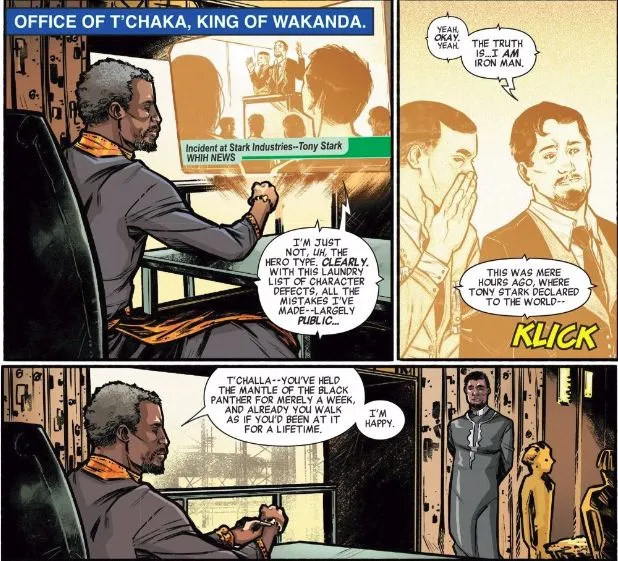
This places the events of the Prelude in 2008, eight years prior to Civil War, which is set in 2016. It also means T'Challa had already been the Black Panther for the same amount of time that Tony had been Iron Man. So, while new blood onscreen, T'Challa was a veteran in battle experience.
The Movie almost had a different ending
Marvel Entertainment executives initially balked at the ending of Civil War's script, in which Cap and Iron Man have a brutal fight and the Avengers seem permanently fractured. They demanded that instead, the Avengers should reconcile and work together to fight Zemo and the Super Soldiers.
The Russos pushed back on this, threatening to leave the project if the changes were forced. Kevin Feige backed the Russos, explaining that changing the ending of Captain America: Civil War that close to filming would impact or delay other Phase Three films working with that ending in mind, including the two upcoming Avengers films set to close out Phase Three and the whole Infinity Saga.
When Marvel Entertainment wouldn't back down, Feige went over their heads to parent company Walt Disney Studios. Then-Disney Chairman Alan F. Horn gave permission for the Russos to continue with the film as written, and oversight of Marvel Studios was permanently sfifted to Walt Disney Studios.
Captain America: Civil War not only changed the course of the MCU, but also how Marvel films were made. It will likely continue to have as much of an impact in it's next ten years as it did in it's first ten.
About the Creator
Kristy Anderson
Passionate About all things Entertainment!
Enjoyed the story? Support the Creator.
Subscribe for free to receive all their stories in your feed. You could also become a paid subscriber, letting them know you appreciate their work.
Comments
There are no comments for this story
Be the first to respond and start the conversation.