
Birdy: Alan Parker’s Haunting Portrait of Friendship, Trauma, and the Need to Fly
Matthew Modine and Nicolas Cage give career-defining performances in a strange, deeply moving 1984 film that Hollywood initially thought was impossible to make.

A Story Hollywood Thought Was Unfilmable
There is something almost impossible about Birdy.
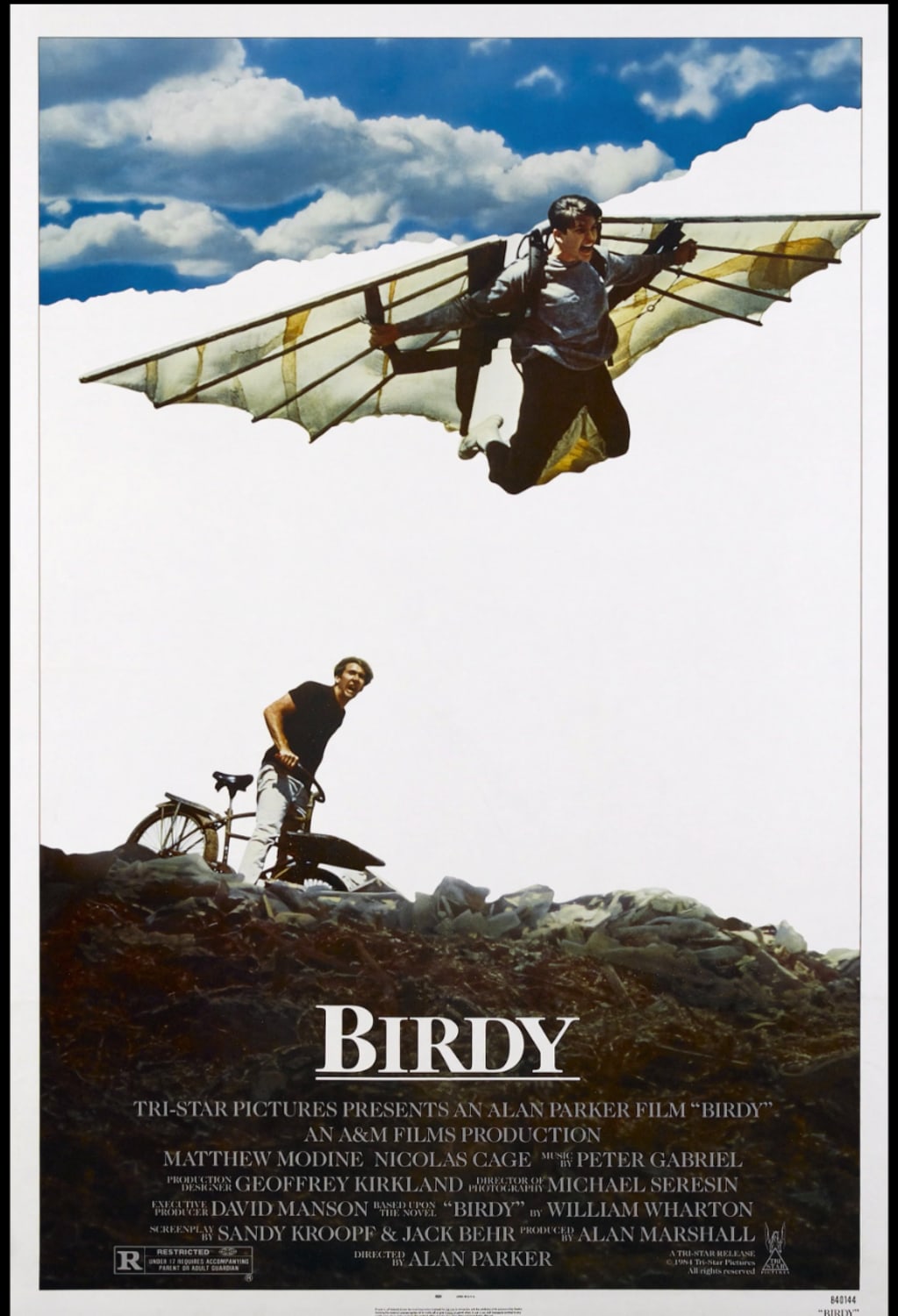
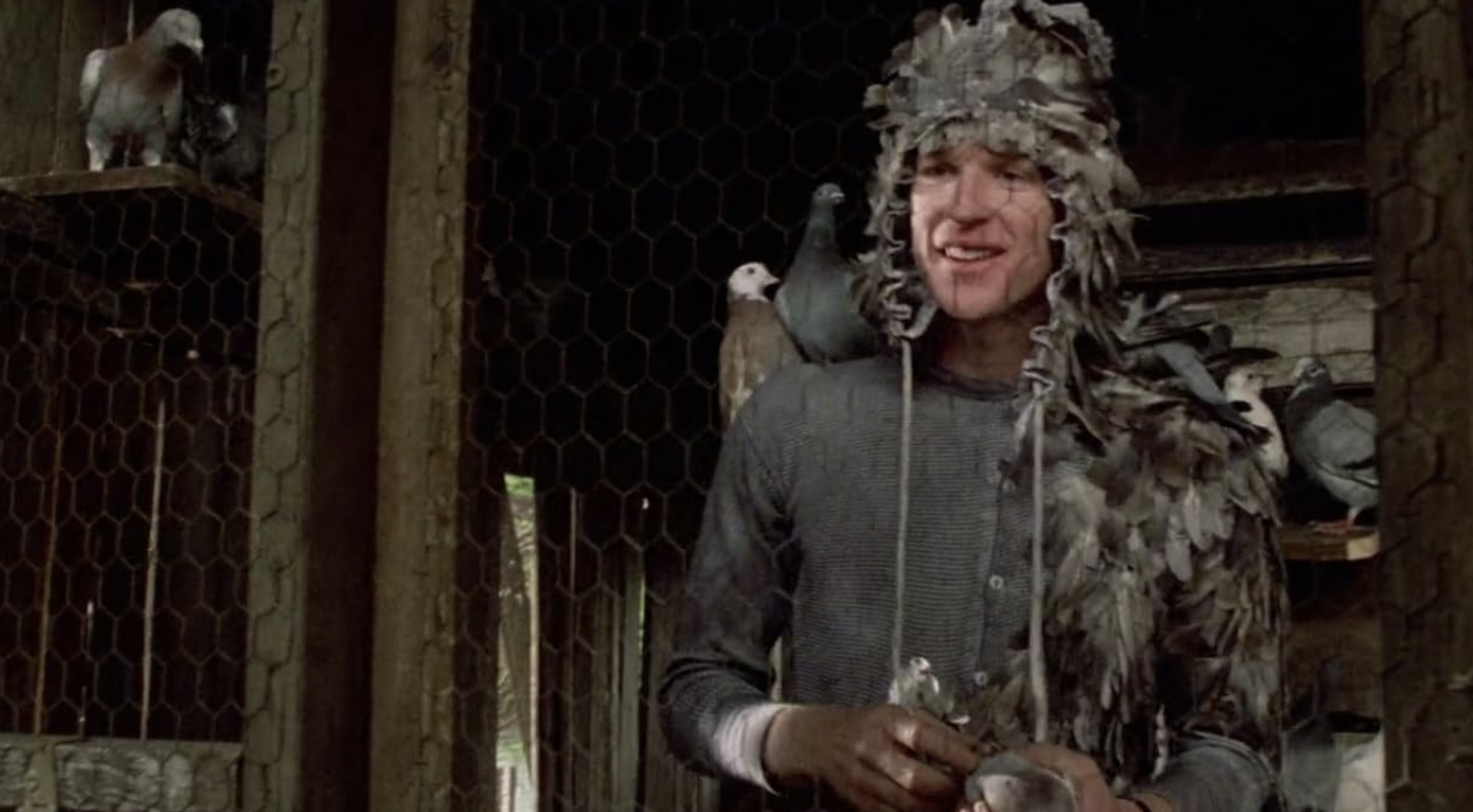
On the surface, Alan Parker’s 1984 film is a story about two working-class friends from Philadelphia who grow up together, survive Vietnam, and try to find their way back to some semblance of normal life. But underneath that simple premise is something far stranger: a story about a young man who becomes so obsessed with birds that he begins to believe he can fly.
That sounds like the kind of thing that could become ridiculous very quickly.
Instead, Parker turned it into one of the most haunting films of the 1980s.
Based on William Wharton’s 1978 novel, Birdy stars Matthew Modine as the mysterious young man known only as Birdy and Nicolas Cage as his best friend, Al Columbato. Their friendship begins in the streets of 1960s Philadelphia, where Birdy’s fascination with birds and flight becomes inseparable from his identity.
Then Vietnam happens.
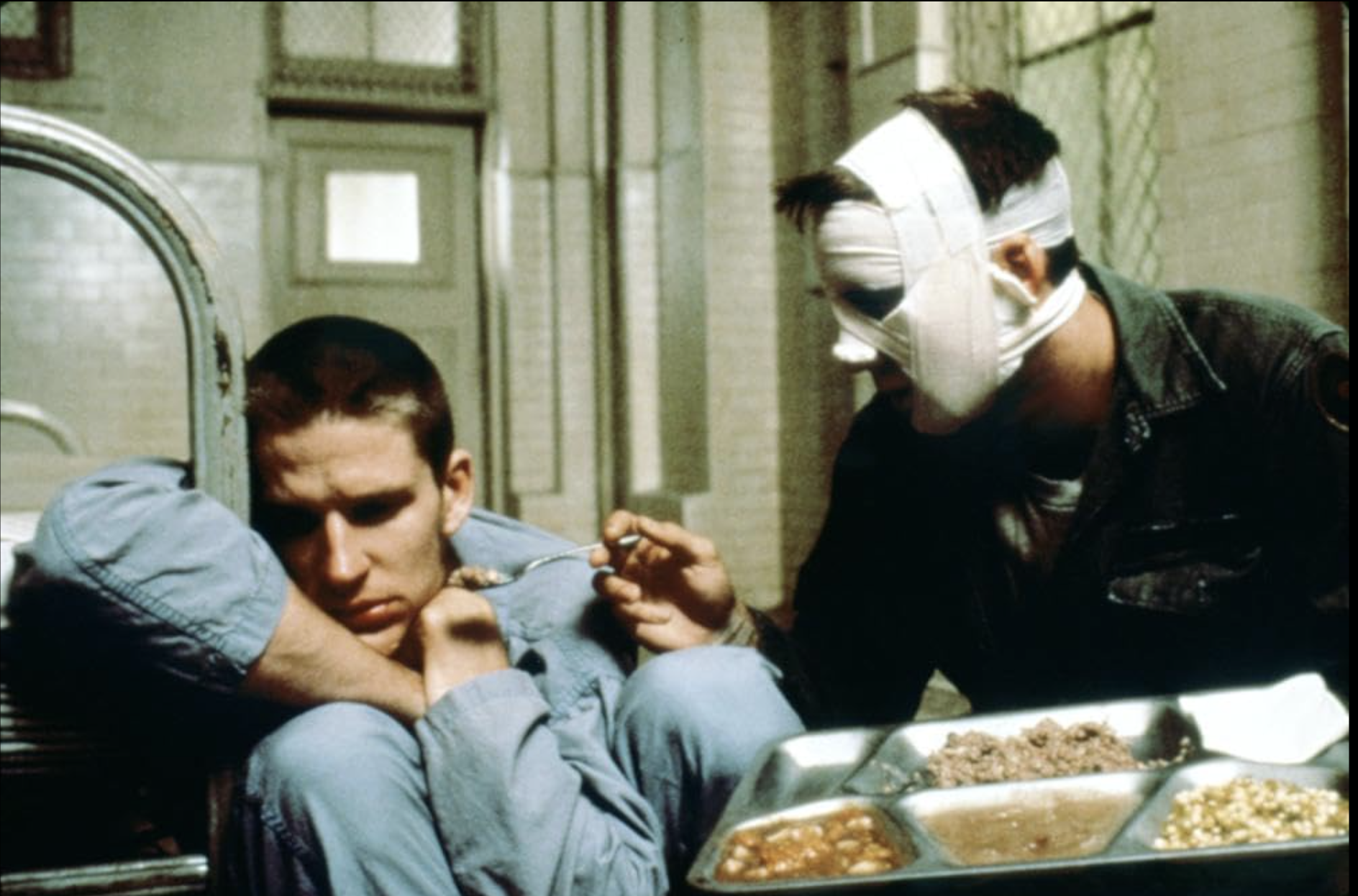
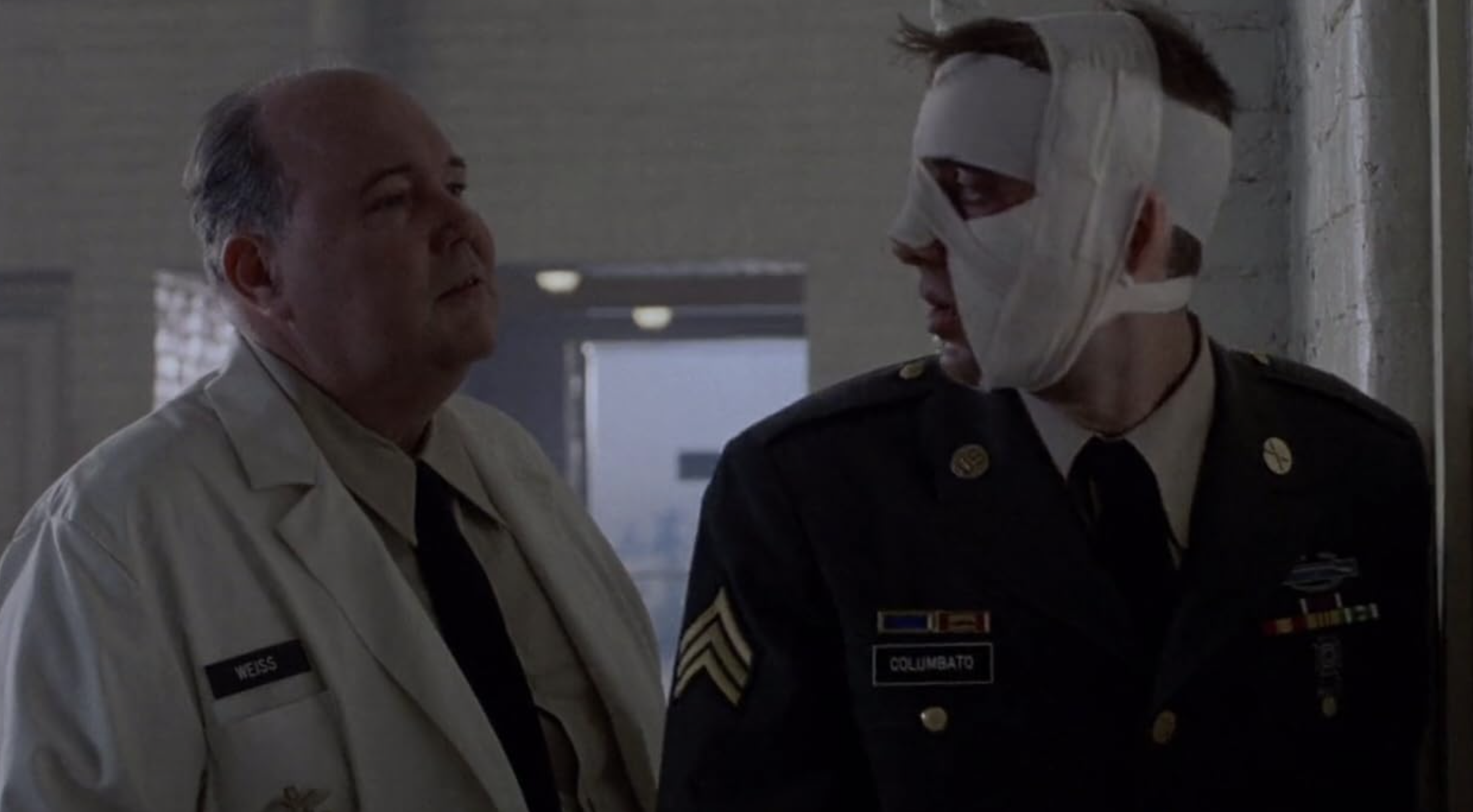
When Al returns home, he finds his friend psychologically shattered and seemingly lost inside a world of his own. Birdy spends his days staring upward, obsessing over flight and retreating further into himself. Al, meanwhile, is carrying his own wounds.
The film moves back and forth between their childhood, their wartime experiences, and the strange present they now occupy.
It isn’t really a conventional war movie.
It is a movie about what happens after the war is over.
Turning an “Unfilmable” Novel Into a Movie
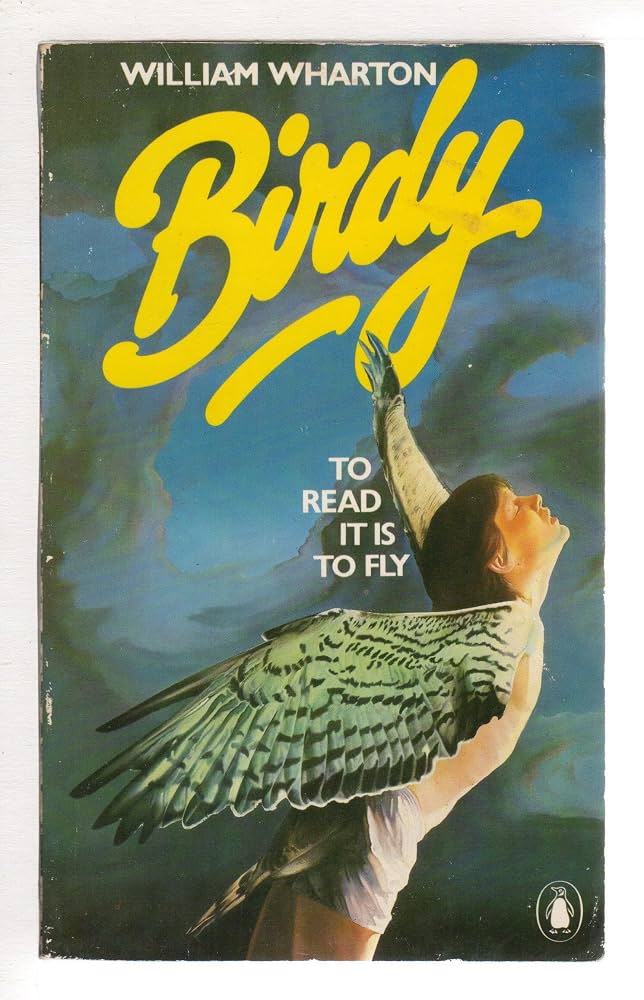
Alan Parker first encountered Birdy through galley proofs in 1978. He immediately recognized something special in Wharton’s novel, calling it a great book, but he wasn’t convinced it could be made into a film.
The problem was that so much of the novel existed inside the characters’ heads.
Birdy’s thoughts, fantasies, memories, and obsession with flight were central to the story. What worked beautifully on the page depended heavily on internal monologue and literary symbolism. Translating that into images without destroying what made the novel special was a formidable challenge.
Hollywood apparently agreed.
Orion Pictures briefly held the rights beginning in 1979, but the project remained stuck until A&M Films acquired it in 1982. Screenwriters Sandy Kroopf and Jack Behr were given the unenviable task of figuring out how to make Birdy cinematic.
Their solution was to strip the story down to its emotional core.
The friendship between Birdy and Al became the center of the movie.
The screenwriters also moved the story from World War II to Vietnam, bringing the characters’ experiences closer to their own generation and giving the film a contemporary emotional context.
The resulting screenplay used a nonlinear structure, constantly moving between the boys’ childhood, their military service, and the aftermath of the war.
When Parker finally read the script in 1983, something clicked.
The movie that had once seemed impossible suddenly had a shape.
Matthew Modine Becomes Birdy
Casting Birdy presented its own challenge.
Matthew Modine initially wanted to play Al. Instead, Parker saw something in the young actor that made him perfect for Birdy.
Modine had a quiet, almost otherworldly quality that allowed Birdy to remain sympathetic even when his behavior became increasingly strange. He didn’t play Birdy as simply “crazy.” He played him as someone who had retreated into a private reality because the real one had become unbearable.
Nicolas Cage, meanwhile, threw himself completely into Al.
And Cage being Cage, he didn’t exactly approach the role conservatively.
To portray Al’s physical and psychological deterioration after Vietnam, Cage lost a considerable amount of weight and had two teeth pulled without anesthesia.
It was an early example of the extreme physical commitment that would become part of Cage’s reputation.
But the performance works because there is much more to it than physical transformation.
Al is Birdy’s anchor. He is also frustrated, angry, damaged, and frightened. His determination to reach his friend becomes a kind of emotional lifeline, even as he struggles to understand what Birdy has become.
Modine and Cage give the film its heartbeat.
Their relationship is what keeps Birdy from becoming merely an exercise in surrealism.
Filming Flight
Production began in 1984 with a budget of roughly $12 million.
Parker wanted the film to feel authentic, so Philadelphia became an important part of its visual identity. The production also used locations in California to recreate the military and urban environments required by the story.
Parker was a British filmmaker working with a largely American production, but a special labor agreement allowed him to bring several of his trusted British collaborators to the United States.
Among them was cinematographer Michael Seresin, whose work gives the film its grimy, intimate visual character.
And then there were the birds.
Lots and lots of birds.
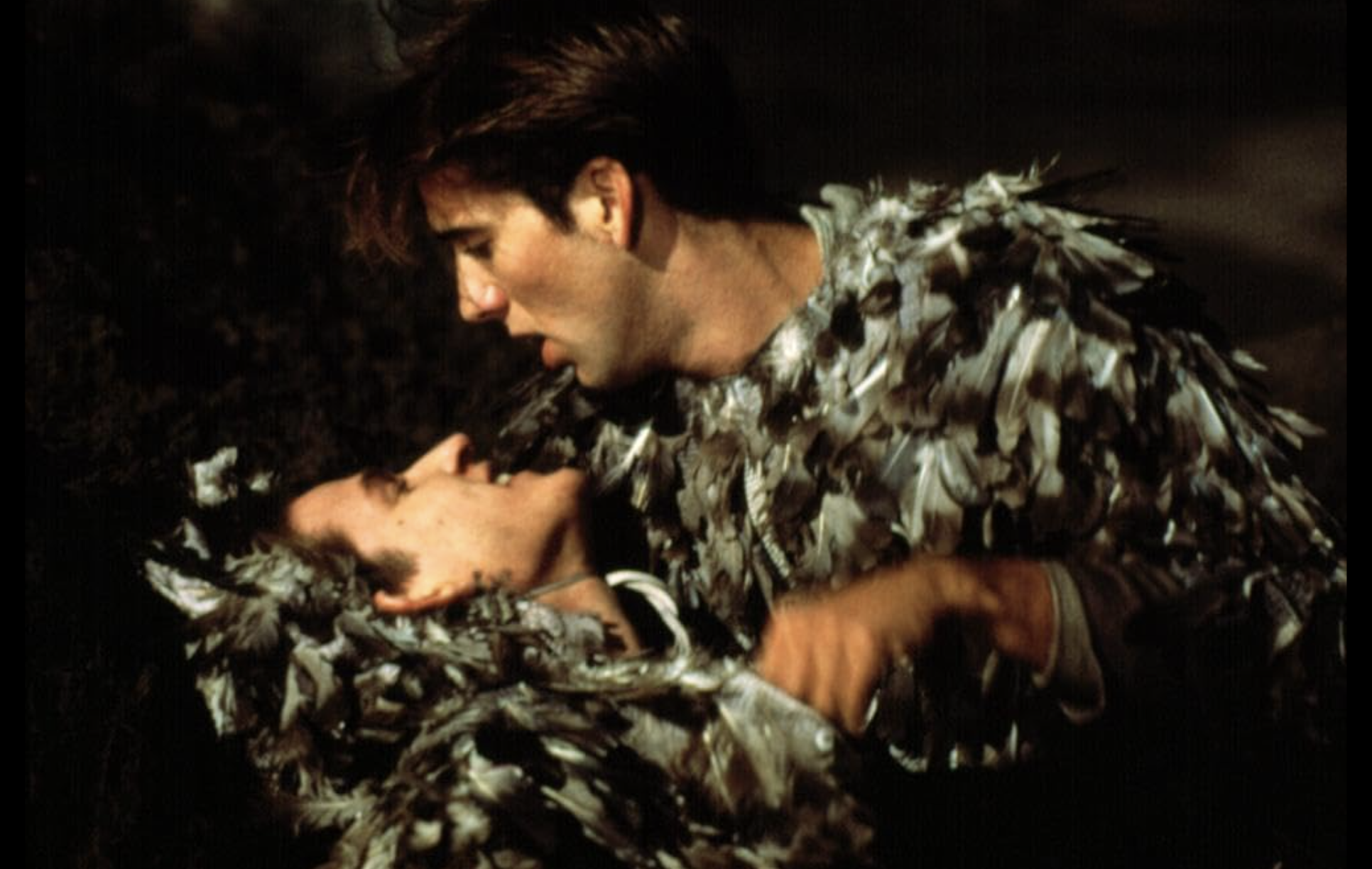
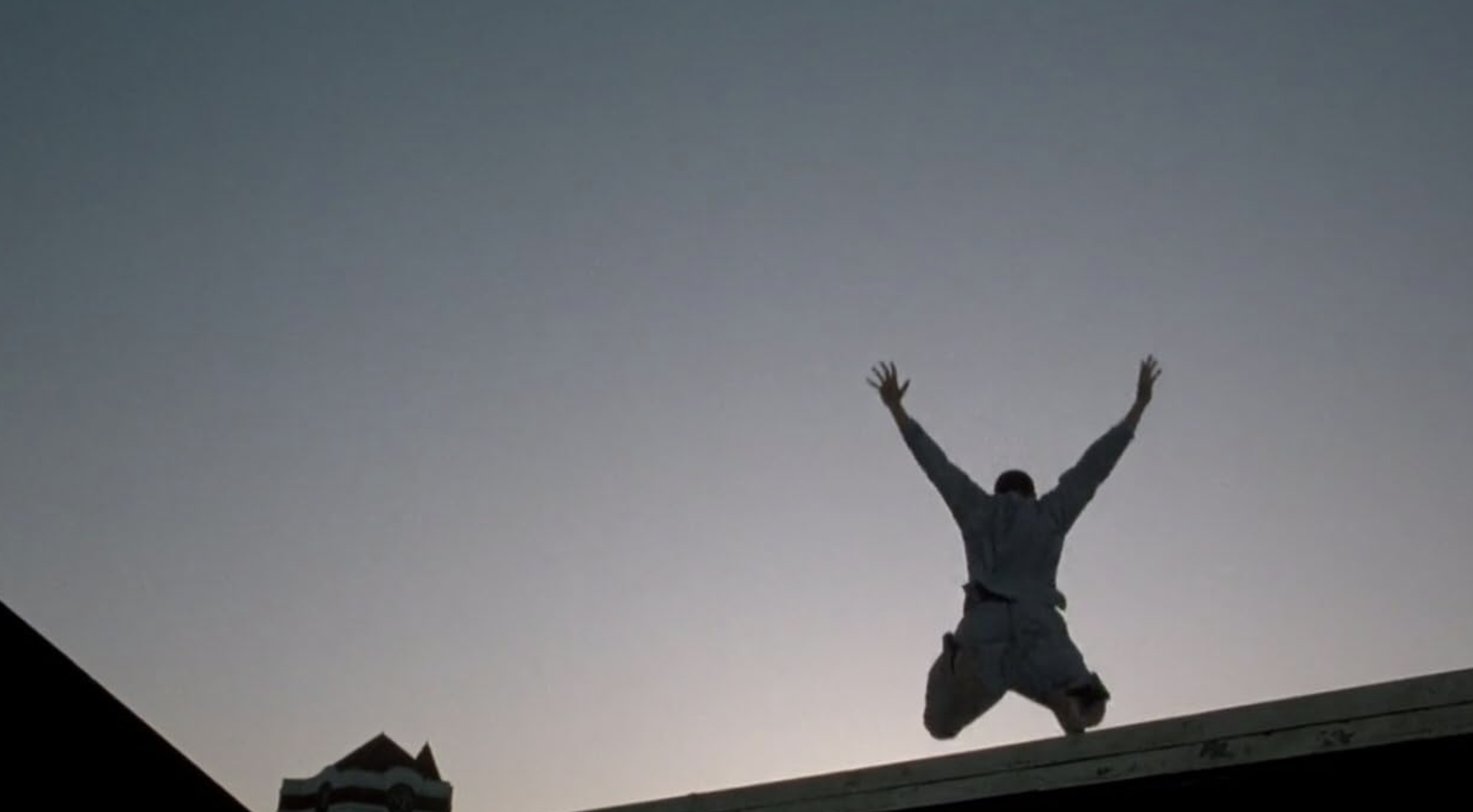
The production had to work with dozens of canaries while also creating the film’s elaborate flight sequences. Parker wanted Birdy’s fantasies of flying to feel subjective rather than simply showing a character looking at birds.
The production consequently became an early showcase for Skycam technology, allowing the camera to move through space in ways that could suggest Birdy’s imagined freedom.
Those sequences are some of the film’s most beautiful moments.
For Birdy, flying isn’t just a hobby.
It is escape.
The Sound of Flight
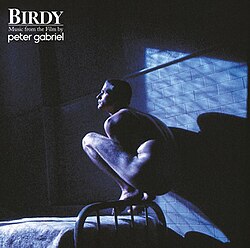
Adding another layer to the film was Peter Gabriel’s atmospheric score.
Birdy marked Gabriel’s first major film-scoring project, and his music became an essential part of Parker’s strange visual world.
Rather than simply telling the audience what to feel, the score gives the movie an almost dreamlike quality. It blurs the line between memory and fantasy, reality and hallucination.
That distinction is important because Birdy is constantly asking the audience to see the world through its characters’ damaged perspectives.
For Birdy, flight represents freedom.
For Al, Birdy represents someone he refuses to abandon.
And for both of them, the past is something they cannot simply leave behind.
A Movie Nobody Knew What to Do With
Tri-Star eventually backed the production, but the studio faced a difficult proposition.
How do you sell a movie about a traumatized Vietnam veteran trying to reconnect with a friend who believes he can fly?
The answer, apparently, was: not very easily.
Birdy received a limited theatrical release beginning December 21, 1984, opening in major markets such as New York and Los Angeles.
The strategy was intended to build momentum before a wider release.
It didn’t quite happen.
The movie struggled commercially, ultimately earning only around $1.4 million against its substantial production budget. Audiences largely ignored it, and the film never received the kind of awards-season attention that might have helped it expand beyond its initial release.
It was, in commercial terms, a failure.
But Birdy had something more valuable than a successful opening weekend.
It had critics.
The Critics Saw What Audiences Missed
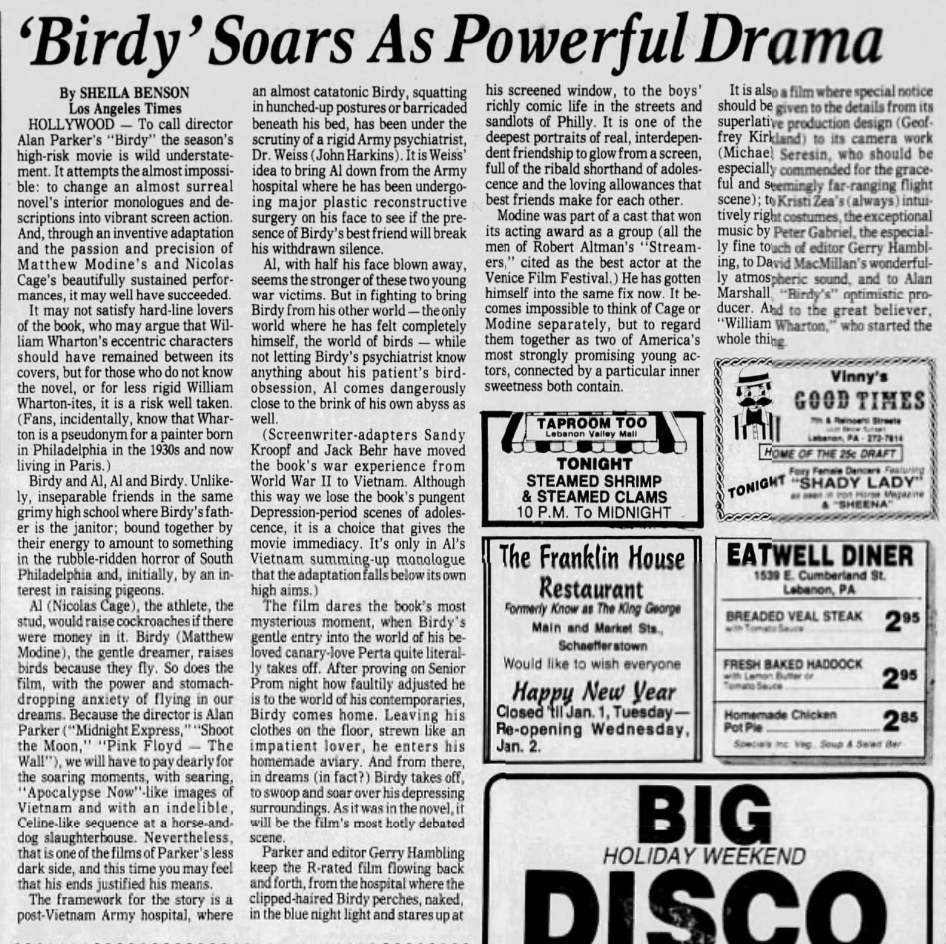
The critical response to Birdy was considerably more enthusiastic than the box office suggested.
Roger Ebert gave the film four stars, recognizing the strange premise for what it was: the framework for an unusually powerful story about friendship and trauma.
Janet Maslin praised the film’s focus on the peculiar bond between its central characters, while the National Board of Review included Birdy among its top films of the year.
The biggest recognition came later.
At the 1985 Cannes Film Festival, Birdy received the Grand Prix Spécial du Jury.
For a movie that had struggled to find an audience at home, it was an extraordinary vindication.
Hollywood had spent years wondering how anyone could possibly film the interior world of Birdy.
Alan Parker had found a way.
The Movie Was Really About Coming Home
The easiest way to describe Birdy is as a Vietnam movie.
But that doesn’t quite capture what makes it so powerful.
The Vietnam War is important to the story, but the film is ultimately interested in what happens to people after they come home.
Al and Birdy survive the war, but neither of them actually escapes it.
Their friendship becomes the bridge between who they were and who they have become.
That is why the movie’s nonlinear structure works so well. The past isn’t really the past for these characters. Childhood memories, wartime experiences, fantasies, and trauma all exist simultaneously.
Birdy wants to fly because he wants to escape the world.
Al keeps coming back because he refuses to let his friend disappear from it.
That makes their relationship unexpectedly beautiful.
It is also what gives the movie its melancholy.
A Forgotten 80s Classic Finds Its Audience
Birdy never became a blockbuster. It didn’t become one of the decade’s defining hits, and it was largely overlooked by moviegoers when it first arrived.
But some movies have lives that extend far beyond their theatrical runs.
Home video gave Birdy another chance.
Over the years, audiences discovered the film’s unusual combination of psychological drama, war movie, coming-of-age story, and surreal fantasy. Modine’s haunting performance and Cage’s raw intensity became central to its reputation, while Peter Gabriel’s score developed a following of its own.
Today, Birdy stands as one of the more distinctive films of the 1980s.
It is difficult to imagine a major studio making something quite like it now: a strange, deeply personal movie about male friendship, psychological trauma, childhood, war, and a young man’s desperate desire to escape the ground beneath him.
That may be the most remarkable thing about Birdy.
Hollywood looked at the story and saw something that couldn’t be filmed.
Alan Parker looked at it and saw a movie about two damaged young men trying to save each other.
And sometimes the strangest movies are the ones that understand us best.
About the Creator
Movies of the 80s
We love the 1980s. Everything on this page is all about movies of the 1980s. Starting in 1980 and working our way the decade, we are preserving the stories and movies of the greatest decade, the 80s. https://www.youtube.com/@Moviesofthe80s
Enjoyed the story? Support the Creator.
Subscribe for free to receive all their stories in your feed.
Comments
There are no comments for this story
Be the first to respond and start the conversation.