
Billie Burke had an unusual voice as Glinda the Good Witch inThe Wizard of Oz.
This distinctive sound was specifically her own although a few other women came close.


Billie Burke's unique voice
If the name Mary William Ethelbert Appleton Burke does not ring a bell, perhaps the name Billie Burke will. She was an actress born in Washington, DC on August 7, 1884, and died on May 14, 1970. She is famous for portraying Glinda the Good Witch in the 1939 film The Wizard of Oz.
Burke was also recognized for another distinction, her odd, yet unique, high-pitched voice that often sounded as though she were quivering.
“ Bille” was famous in silent and sound films, as well as radio, and Broadway. She developed what was known as the Mid-Atlantic accent when she transitioned from silent films in the 1930s.
This specific comedic vocal style led to the trademark "flapper" and "ditzy society matron. It was later associated with dumb blonde roles.
This speech pattern was common in actresses during Burke’s heyday, but she took it to an extreme with her portrayal of Glinda in The Wizard of Oz. Her “ twang” is most noticeable when she uttered the famous line, “ Are you a good witch or a bad witch?”

Billie Burke's personal life
Billie Burke had many male suitors, but it was reported that she had been in a lesbian relationship with director Dorothy Arzner. In 1914, Billie married Florenz Zigfield Jr. and they remained together until he died in 1932. The couple had one child, a daughter, Patricia Zigfield Stephenson.
Burke's father’s name was William Billy Ethelbert Burke, and her mother was Blanche Beaty Burke. There is no record of why she put Appleton in her name. Billy Burke was Blanche’s second husband, so perhaps Applebee was her maiden name or the name of her first spouse.

The 1930s Mid-Atlantic twang
The actress began her career on stage in 1904. She made her debut in London in The School Girl. Additional London shows included The Duchess of Dantzic (1903) and The Blue Moon (1904). Eventually, she returned to the US to star in Broadway musical comedies.
I easily recognize Burke's voice in other films before I see her face. There are also other actresses of that era who have the same twang. In the 1939 film The Women, which had an all-female cast, Norma Shearer, who portrayed Mary, had the same speech pattern as Burke.
Burke's usage of a theatrical blend of American and upper-class British English was a common vocal choice for stage and screen actors in the early 1900s. This speech pattern was designed to sound refined and elegant. I don't know how others feel, but for me, it sounds like someone scraping nails on a chalkboard.
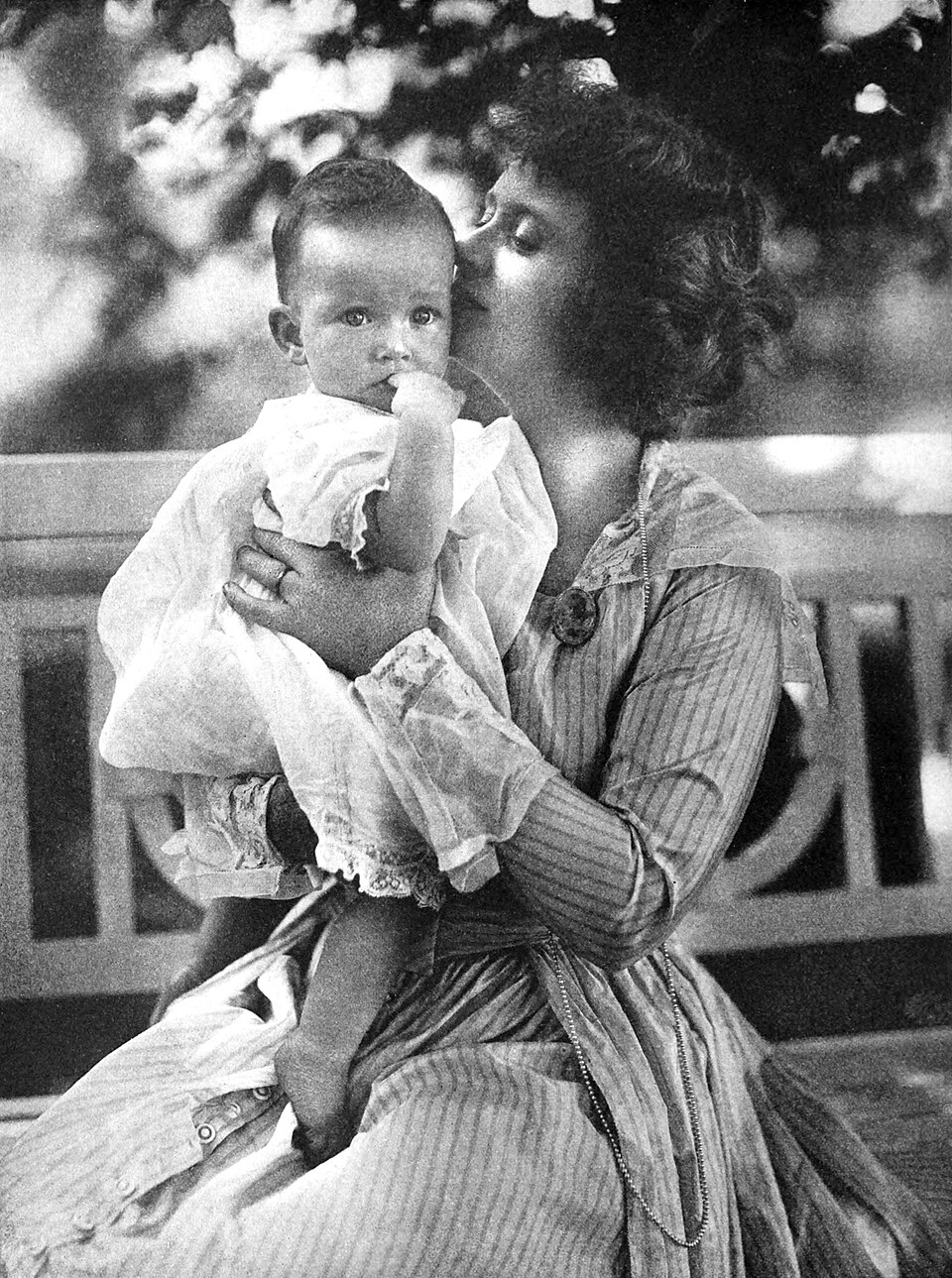
Billie Burke made her mark in Hollywood
Burke received one Academy Award nomination during her career for Best Supporting Actress as Emily Kilbourne in the 1938 film Merrily We Live. She also has a star on the Hollywood Walk of Fame.
The actress is also remembered for her appearances in the Topper film series. Her “trademark high, wavering, aristocratic speaking voice” made Burke a frequent choice for roles as spoiled, dimwitted socialites.
She was considered the original dumb blonde before the term became popular. Did she enjoy that label, or was she like African Americans at the time who accepted unappealing roles just to be on screen?
She retired from acting in 1921 after th birth of her daughter, but resumed her career after the Stock Market Crash of 1929. In 1932, she moved from New York to California after the death of her husband.
Billie Burke will always be fondly remembered for her role as Glinda the Good Witch in The Wizard of Oz and for her distinctive Mid-Atlantic twang.
About the Creator
Cheryl E Preston
Cheryl is currently pursuing a Bachelor of Science in Psychology. She enjoys writing about current events, history and baby boomer nostalgia. Tips are greatly appreciated.
Enjoyed the story? Support the Creator.
Subscribe for free to receive all their stories in your feed. You could also become a paid subscriber, letting them know you appreciate their work.
Comments
There are no comments for this story
Be the first to respond and start the conversation.