
Bad Apples: Movie Review
the most unhinged dark comedy of the year
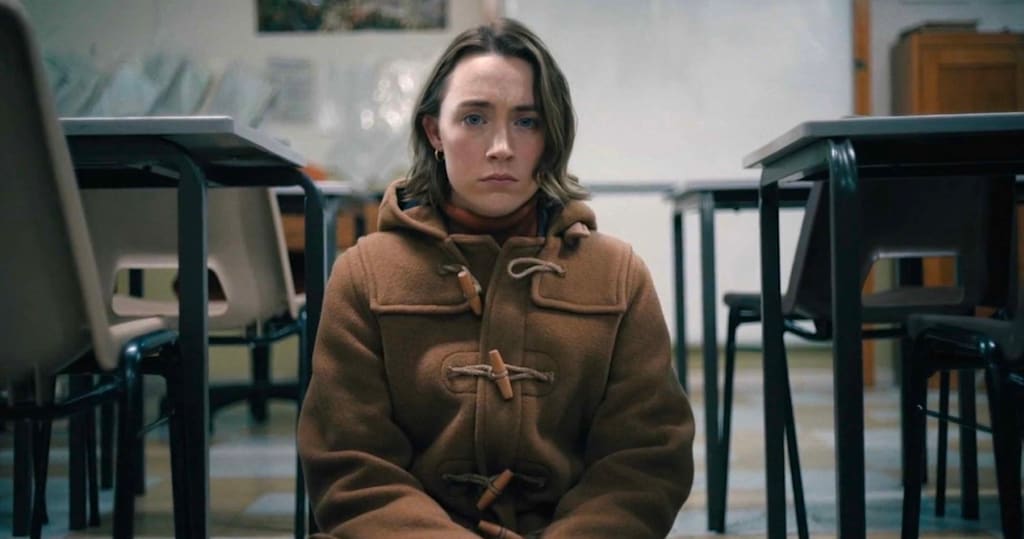
Like the saying goes, one bad apple really can spoil the entire barrel. And some people, or children in this case, are simply rotten to the core.
Bad Apples is my personal pick for hidden gem of the year so far. It's a movie that didn't receive much marketing and had a fairly limited release, particularly outside of the UK, but it's undoubtedly among some of the best original movies released this year. It's exactly the kind of film I want to see more of, and the kind of film I always enjoy watching. It takes a simple yet incredibly unique and compelling premise and runs with it, fully embracing the absurdity of it all without ever losing sight of the very real-world issue at the heart of the comedy.
At the centre of it all is Saoirse Ronan, who's had a relatively quiet few years, especially by her own standards, considering the incredible run of excellent films she had delivered one after another. It's been a little while since we've seen her like this, but she's well and truly back, delivering another reminder of just how good she is and exactly why she's a four-time Oscar nominee.
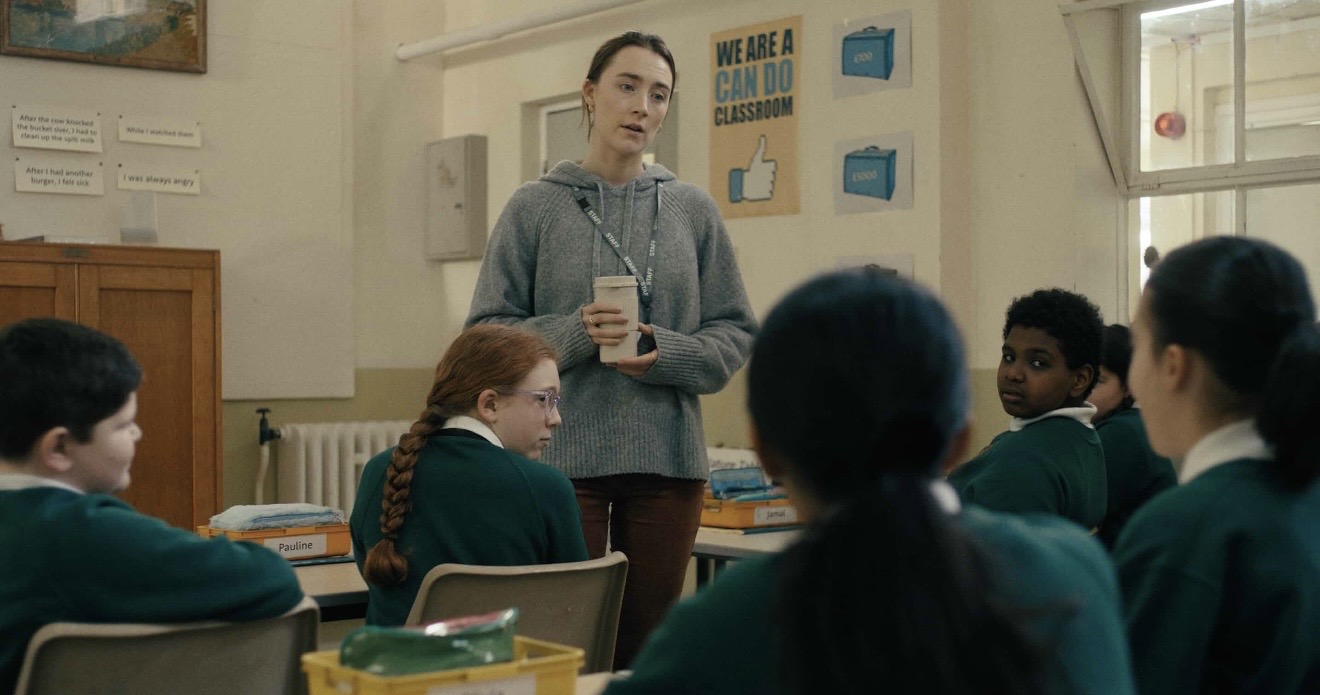
The role she takes on, Maria, is not an easy character to play. She's a teacher at the end of her rope, struggling with a student who is disruptive, abusive and in need of special support, yet receives absolutely no help or understanding from her school. We empathise with her situation and can see why she eventually snaps, but none of her actions are justified and some are arguably quite sociopathic. She kidnaps a child and keeps him prisoner, yet also shows him kindness and makes an effort to continue teaching him. Her actions are oxymoronic, and so is her personality. One minute, she's gentle, understanding and compassionate, and the next, she's perfectly fine with chaining a child to the floor or letting him beat up another girl, simply closing the door and leaving him to it. Maria is a character full of contradictions, yet we can't bring ourselves to hate her, and Saoirse Ronan does a brilliant job of making us feel that way.
Those contradictions are part of what makes Bad Apples so interesting. Provocative, bleak and satirical, it's smartly written, and the extremity it goes to feels intentional. It initially starts off as a commentary on the pressures teachers face and the lack of support they receive, but quickly develops into something much more unsettling, exploring a number of darker themes and subjects. It examines parental neglect and how it can take many different forms, with both Danny and Pauline clearly neglected at home, albeit in different ways, and expressing it very differently. It also looks at society's shifting standards of what is and isn't acceptable, and how easily evil can triumph among seemingly good people when self-interest gets in the way of doing what is right.
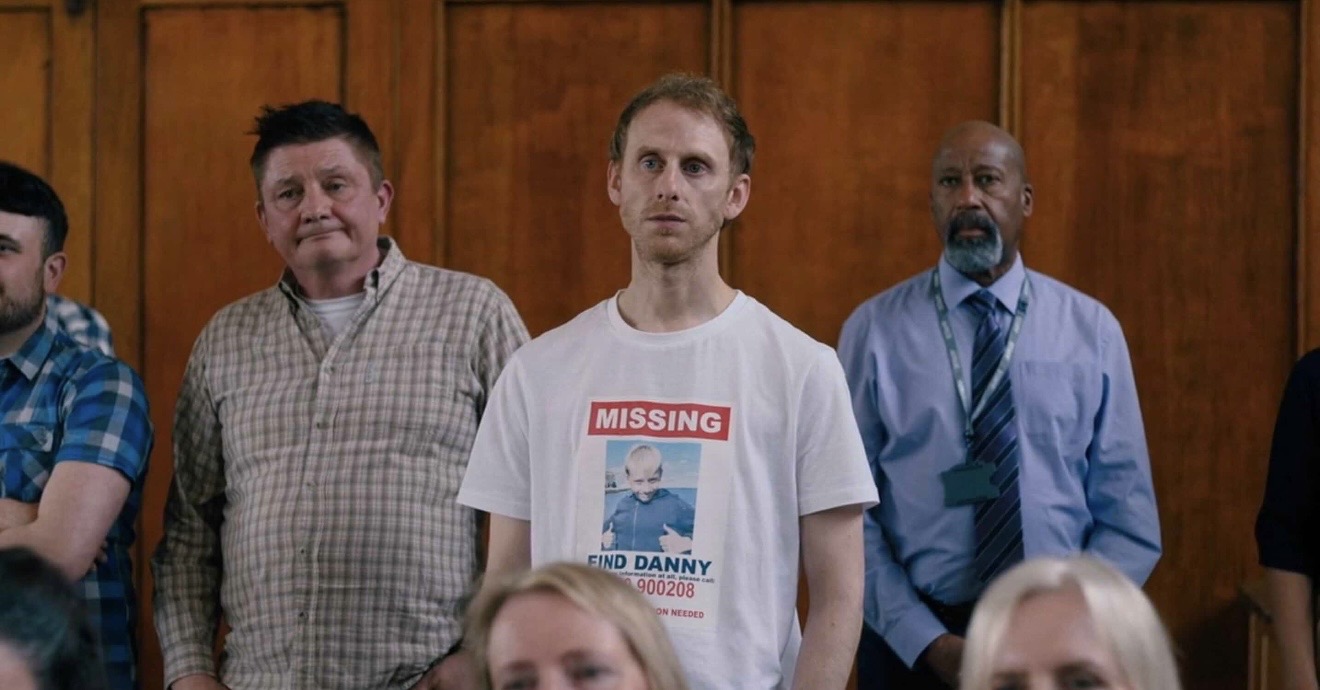
Despite its darker themes, there's something so kooky and ridiculous about Bad Apples that it genuinely had me laughing out loud at times, until I'd stop and really think about what I was watching and that laughter would die in my throat. It really puts you through a rollercoaster of emotions. Some moments had me absolutely stitched up with laughter, while the ending scene in the auditorium was so starkly heartbreaking that it felt like a knife through the chest. It balances the comical with the disturbing so well, often leaving you unsure whether to laugh or feel horrified.
Beyond everything else, I was left thinking about the film's title. I don't think "bad apples" refers to Danny, as we might initially assume. He's actually the most easy-to-read character in the entire film. He's violent and cruel, but he never pretends to be anything else. From the very first scene, we've already made up our minds about him and the kind of person he is, and we take him at face value. By the end, he actually turns out to be the only person who's honest about what he wants, and all he wants is to get out.
Pauline, on the other hand, is the complete opposite of Danny. She appears to be the very picture of kindness and innocence, yet causes absolute chaos and misery simply because she can. Danny's violence is out in the open, whereas Pauline's is hidden behind her good manners and polite nature, which is exactly why nobody does anything to stop her. But perhaps even worse are the townspeople and the other children's parents. They're happy to let the fire keep burning as long as it does so quietly and doesn't interfere with their own perfect little lives, and they end up celebrating and protecting Maria for her actions.
Which, in the end, tells you exactly who the bad apples are.
About the Creator
Enjoyed the story? Support the Creator.
Subscribe for free to receive all their stories in your feed. You could also become a paid subscriber, letting them know you appreciate their work.
Comments
There are no comments for this story
Be the first to respond and start the conversation.