
'Avenging Angel' (1985) - When Angel Fell Back Into the Streets
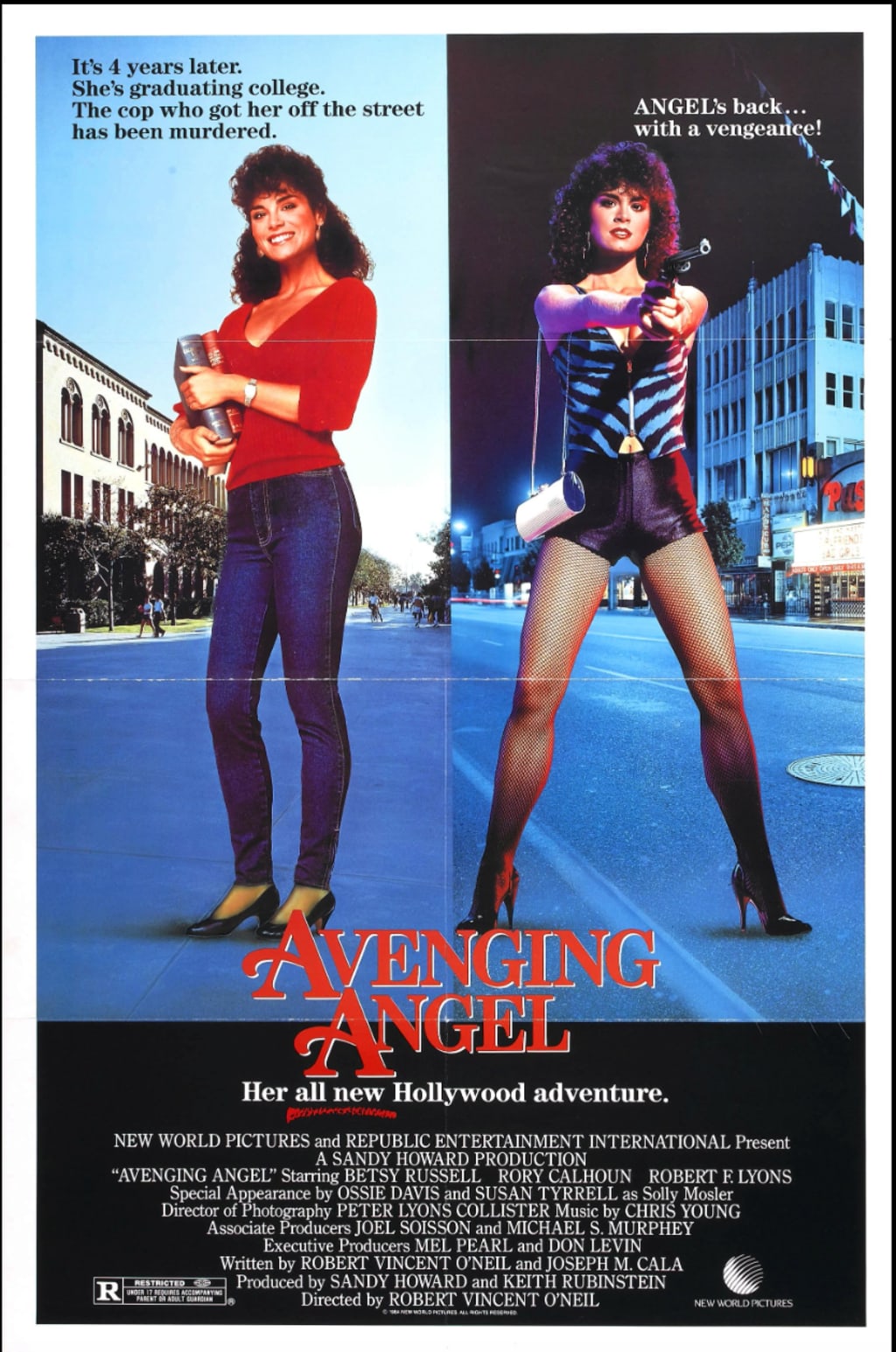
The sequel to 1984’s Angel traded some of its predecessor’s grit for bigger action, stranger humor, and a whole lot more neon.

Angel Had More Trouble Coming
There are few things Hollywood loves more than a surprise hit.
Give a movie a small budget, an outrageous premise, a little controversy, and just enough audience interest to turn it into a box-office success, and suddenly everybody wants another one. It doesn’t matter whether the story really needs a sequel. If the first movie made money, the second movie is already halfway to a green light.
That was the situation Robert Vincent O’Neil found himself in with Avenging Angel, the 1985 follow-up to Angel.
The original Angel had been one of those wonderfully strange pieces of 1980s exploitation filmmaking that seemed impossible to predict. It took the premise of an honors student who secretly worked as a prostitute and dropped her into the seedy world of Hollywood Boulevard. Somehow, audiences showed up. Depending on the source, Angel pulled in somewhere between $17 million and $20 million at the box office.
For a movie made on the cheap, that wasn’t just a hit.
That was an invitation.
New World Pictures wasn’t about to ignore it.
A New Angel
The problem was that the Angel from the first movie wasn’t coming back.
Donna Wilkes had made Molly Stewart—better known as Angel—into an unlikely exploitation heroine. She was vulnerable without being helpless, innocent without being naïve, and surrounded by characters who seemed to have wandered in from completely different movies.
But when Avenging Angel went into production, Wilkes was gone.
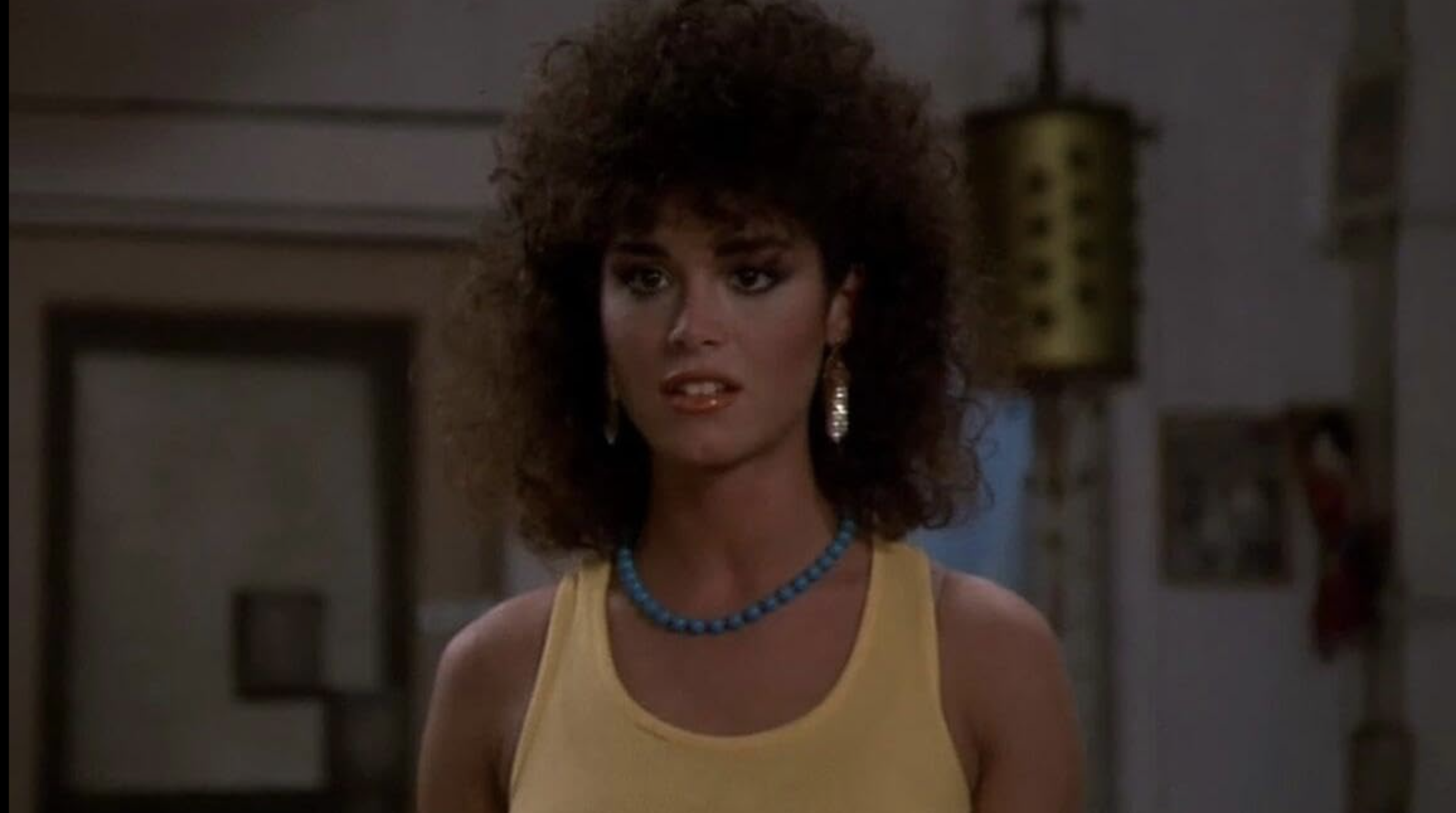
According to Rory Calhoun, salary negotiations ultimately kept her from returning. New World found its replacement in Betsy Russell, who had already begun making a name for herself in the teen-comedy world with Private School.
Russell was a very different presence from Wilkes.
That difference becomes apparent almost immediately.
The movie picks up with Molly several years older. She’s now a law student, having apparently managed to put her life on Hollywood Boulevard behind her. Naturally, this being an exploitation movie, the past isn’t going to let her go that easily.
When her police mentor is murdered, Molly is pulled back toward the world she thought she’d escaped.
And this time, she’s not simply trying to survive it.
She’s looking for revenge.
Back to Hollywood Boulevard
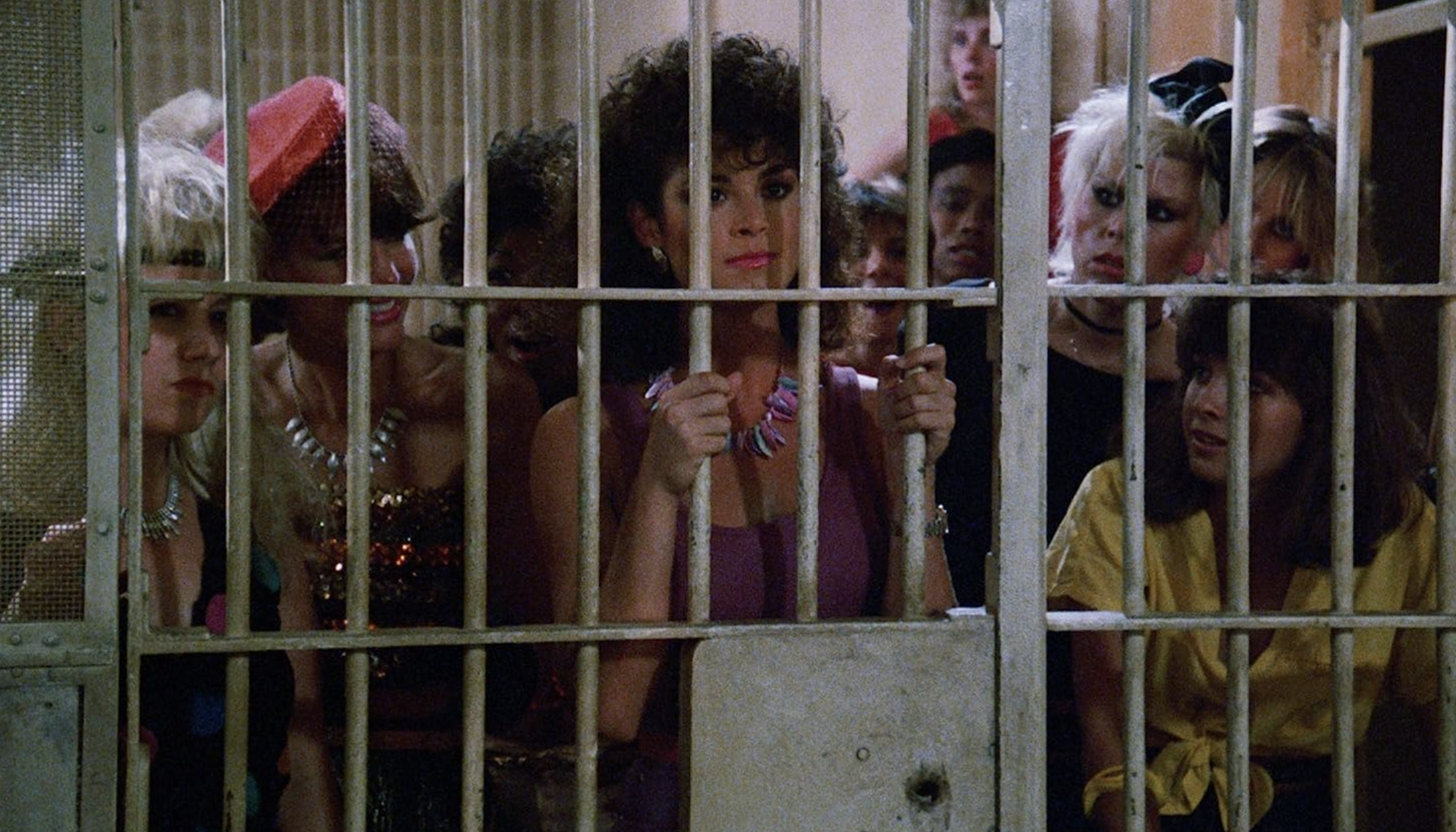
Robert Vincent O’Neil returned to the director’s chair, working once again with screenwriter Joseph Michael Cala. The familiar faces were important because Angel had created a strange little universe of street people, hustlers, cops and assorted Hollywood Boulevard eccentrics.
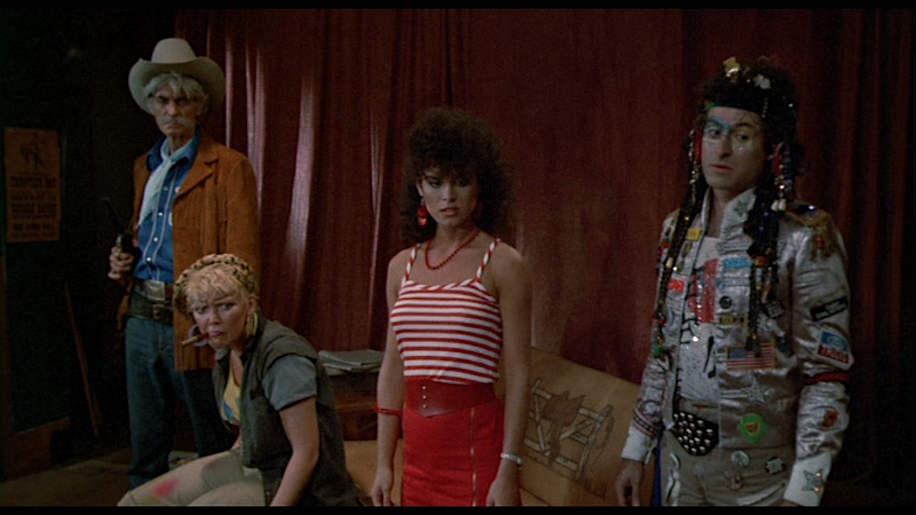
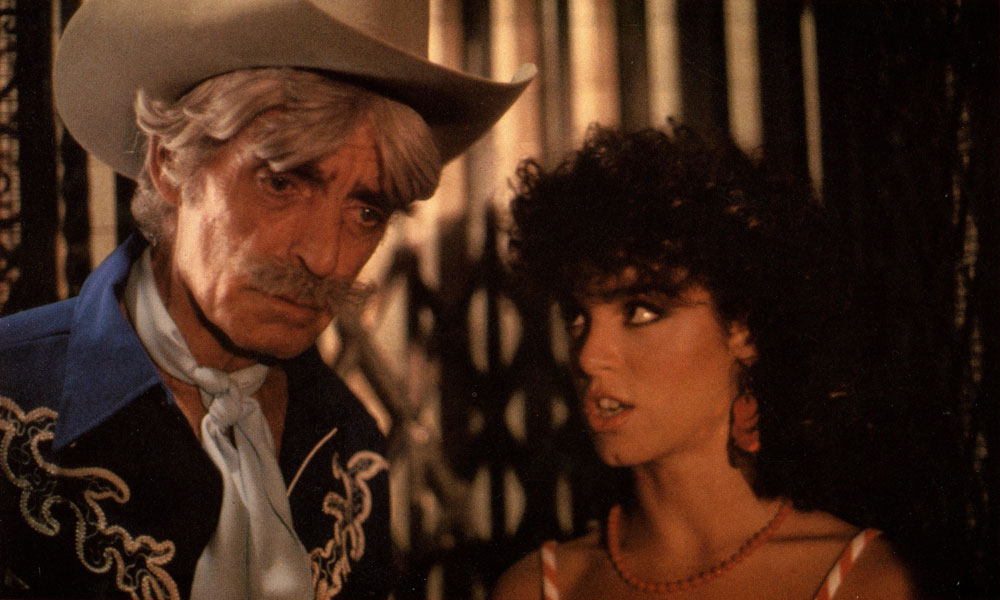
Rory Calhoun returns as Kit Carson, while Susan Tyrrell’s Solly Mosler gets more to do this time around.
Then there’s Ossie Davis, whose presence gives the movie a little more professional weight than its $1.1 million budget might suggest.
But Avenging Angel wasn’t content to simply repeat the first movie.
The original had an almost grimy, street-level quality to it. There was something unsettling about watching Molly navigate a world that seemed to exist just a few blocks away from the Hollywood most people imagined.
The sequel wants to be bigger.
Louder.
More of an action movie.
And that’s where things get interesting.
More Action, More Neon, More Everything
Principal photography began in August 1984, with Los Angeles once again providing the movie with its most valuable production asset.
The city doesn’t have to be dressed up much to look like an exploitation movie.
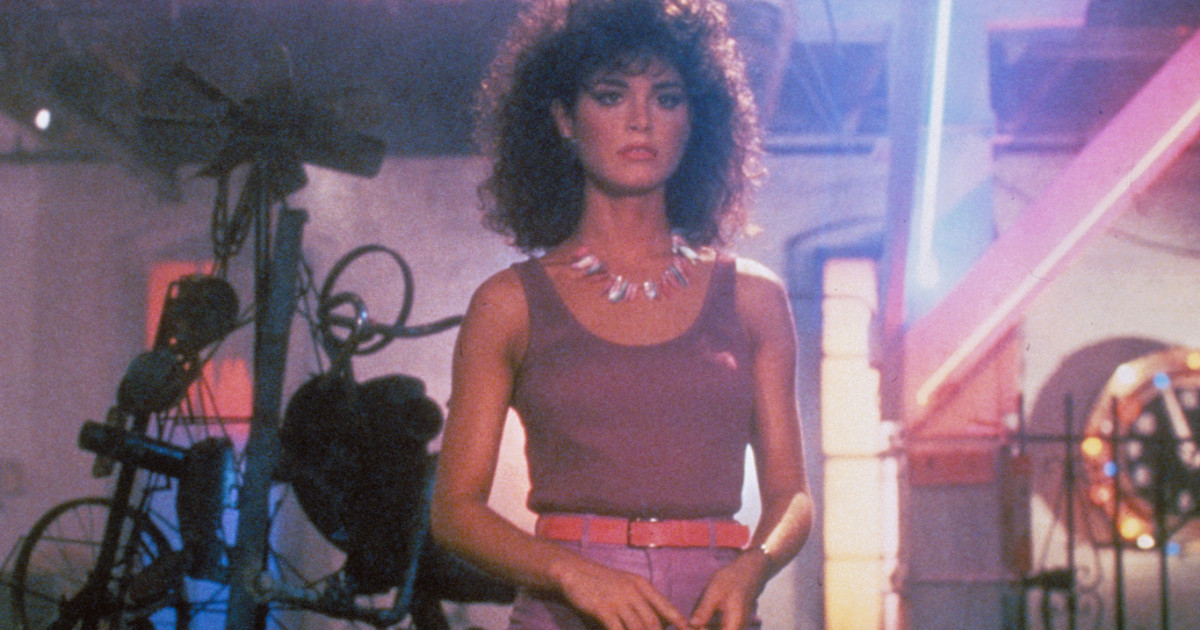
Hollywood Boulevard already had the neon. Chinatown already had the streets. Los Angeles already had the atmosphere.
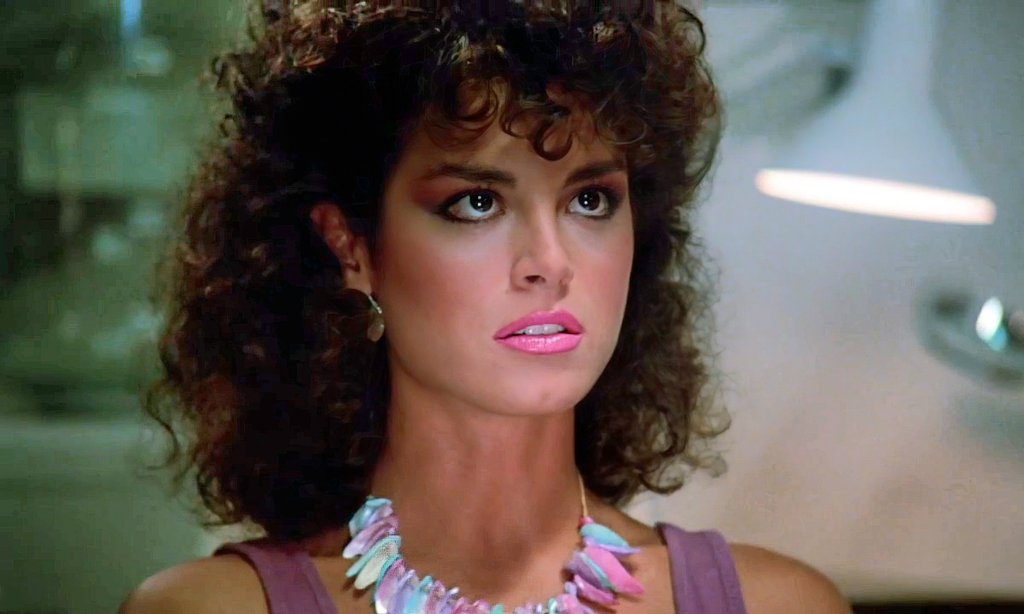
Cinematographer Peter Lyons Collister captured it all with the sort of bright, occasionally garish visual style that feels almost tailor-made for the decade.
And then there is Christopher Young’s score.
Craig Safan, who scored the first Angel, wasn’t available, so Young stepped in with a synth-heavy soundtrack that pushes Avenging Angel even further into 1985.
This is where the movie becomes a fascinating time capsule.
It doesn’t just look like an 80s exploitation movie.
It sounds like one.
The production itself remained remarkably inexpensive. New World worked with Republic Entertainment International to get the 93-minute sequel into theaters, and O’Neil managed to squeeze a surprising amount of action out of the limited resources.
One of the movie’s most memorable sequences is a Chinatown shootout that makes it clear this isn’t trying to be Angel all over again.
The stakes have been raised.
Unfortunately, so has the silliness.
When the Grit Gives Way to Camp
That’s probably the biggest problem with Avenging Angel.
The first movie’s strange appeal came from the collision of innocence and ugliness. Molly’s situation was disturbing because the movie occasionally allowed the grim reality of her world to seep through the exploitation trappings.
Avenging Angel is less interested in that discomfort.
It’s having more fun.
Sometimes that works.
Sometimes it doesn’t.
The movie throws together revenge thriller, crime drama, action picture and broad comedy, occasionally seeming unsure which one it actually wants to be.
Janet Maslin of The New York Times wasn’t particularly impressed, dismissing what she saw as the film’s dopey humor and arguing that Russell’s wholesome presence didn’t recreate the atmosphere Donna Wilkes brought to the original.
That’s a fair criticism.
Russell isn’t bad. In fact, she’s perfectly capable of carrying the movie.
But she’s carrying a different movie.
A Sequel That Couldn’t Catch Its Predecessor
Avenging Angel opened in January 1985 with New World giving it a fairly substantial theatrical push, sending more than 500 prints into the marketplace.
It debuted at number ten.
That probably wasn’t what New World had in mind.
The movie eventually earned roughly $5.6 million domestically. Against a production budget of only about $1.1 million, that’s hardly a disaster.
But compared with the phenomenon that had been Angel, it was a significant step backward.
And that tells us something about the 1980s.
Independent exploitation movies could still make money without becoming cultural landmarks. They could make a profit, disappear from theaters, and find a second life on VHS.
In some ways, that’s exactly where Avenging Angel belonged.
The home-video era was becoming increasingly important, and movies like this could survive without having to conquer the theatrical marketplace.
They just needed somebody to rent them.
A Strange Little Piece of the 80s
I have a soft spot for movies like Avenging Angel.
Not because they’re secretly masterpieces.
They’re usually not.
It’s because they capture something about the movie business that more prestigious films often don’t.
Avenging Angel is a movie made because somebody discovered that a cheap, outrageous picture could make a surprising amount of money. So everybody rushed to make another one.
The result is uneven, occasionally ridiculous and sometimes genuinely entertaining.
But look at it now and you can see the decade all over it.
The neon.
The synths.
The Los Angeles streets.
The increasingly cartoonish action.
The mixture of exploitation and comedy.
The belief that every modest success needed to become a franchise.
And that wonderful sense that somebody could still make a movie for a little over a million dollars, throw it into theaters and see what happened.
Angel’s Final Act
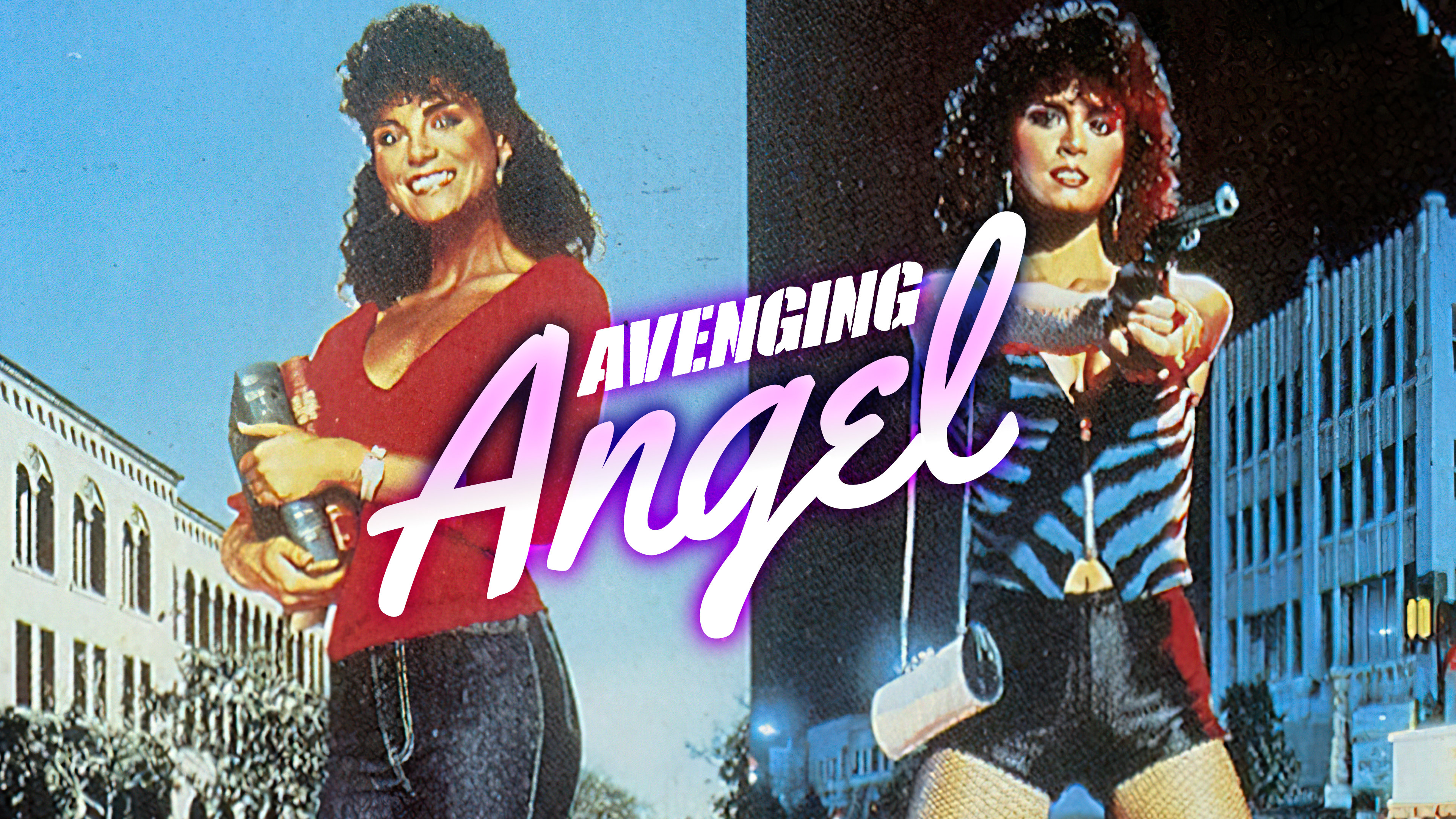
Avenging Angel would become the second entry in a four-film franchise, but it never achieved the cultural footprint of its predecessor.
That’s probably why it has become the sort of movie that tends to turn up in conversations among people who love forgotten 80s cinema.
It’s not the movie you point to when you’re talking about the decade’s greatest achievements.
It’s the movie you find while digging through the basement of the decade.
And that’s precisely where I think it belongs.
Avenging Angel is flawed. It’s tonally inconsistent. Its attempts at humor don’t always work, and its action-oriented approach sacrifices some of the unsettling quality that made Angel interesting in the first place.
But it is also unmistakably a movie of its time.
A cheap sequel trying to turn an unexpected exploitation hit into a franchise.
A neon-soaked Los Angeles fantasy.
A movie caught somewhere between grimy street thriller and Saturday-night B-movie.
It may not have been the sequel Angel deserved.
But it is exactly the kind of strange, forgotten movie that makes exploring the 1980s so much fun.
About the Creator
Movies of the 80s
We love the 1980s. Everything on this page is all about movies of the 1980s. Starting in 1980 and working our way the decade, we are preserving the stories and movies of the greatest decade, the 80s. https://www.youtube.com/@Moviesofthe80s
Enjoyed the story? Support the Creator.
Subscribe for free to receive all their stories in your feed.
Comments
There are no comments for this story
Be the first to respond and start the conversation.