
Ava Reid's Gothic Novel Lady Macbeth Is Getting A Film Version
Lady Macbeth will be directed by Kari Skogland, from a script by Emma Donoghue

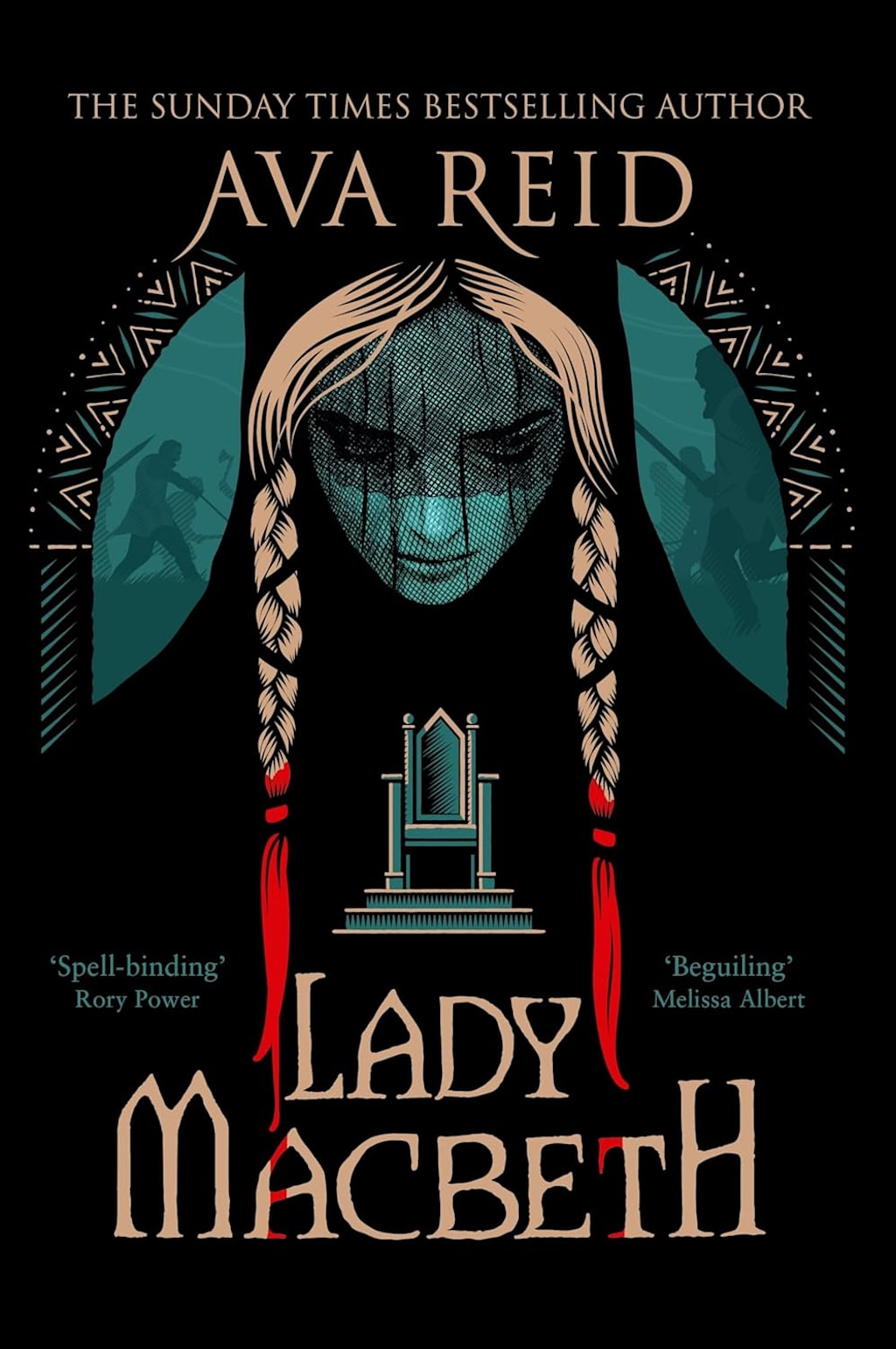
Ava Reid's gothic novel Lady Macbeth is officially being adapted into a feature film. The project is a collaboration between production companies Curious Gremlin and Take a Trip Media, the latter being a newly launched banner from director Kari Skogland.
Kari Skogland, known for directing The Handmaid's Tale, is set to direct the adaptation. The screenplay will be written by Oscar nominee Emma Donoghue, who wrote the film Room. The horror novel, a New York Times bestseller published in 2024, is described as a gothic feminist retelling of William Shakespeare's classic play. It reimagines Lady Macbeth's story through a dark, intimate lens, following a young noblewoman forced into a politically arranged marriage in a brutal medieval world as she navigates survival, power, and identity. The film adaptation aims to bring this fresh perspective on the iconic villainess to the big screen.
Female power
Ava Reid's novel Lady Macbeth is a gothic feminist retelling that explores several key themes, primarily centered on female agency, survival, and the critique of patriarchal power structures.
A central theme of the novel is "female rage and impotence in the face of male dictators". The protagonist, Roscille, is a 17-year-old French noblewoman forced into a politically arranged marriage with the Scottish brute Macbeth. Much of the story focuses on her struggle for survival within a hostile and oppressive environment, where she must use her intelligence and cunning to navigate a world designed to constrain her. The book is described as a "gothic tale of survival" that highlights the power discrepancies between men and women, fathers and daughters, and wives and husbands.
The novel explores the ambiguity of power, particularly regarding Roscille's supposed supernatural abilities. She is rumored to be a witch, with eyes that can drive men mad, forcing her to wear a veil. The story questions whether she is genuinely touched by dark magic or has simply fallen victim to her own myth-making, creating a "self-fulfilling prophecy". This ambiguity allows the narrative to examine how women are labeled and constrained by the fears and perceptions of men.
Reid constructs a world that is significantly more sexist and patriarchal than the original play, depicting men as brutes and women as dainty creatures under their will. The novel is noted for its commentary on ethnonationalism, with Roscille being pro-Brittany and anti-Scottish, though some critics argue this perspective is not adequately challenged within the narrative. The story also touches on the threat of sexual violence, which looms over the entirety of the novel.
The threat of sexual violence plays a central and pervasive role in Ava Reid's Lady Macbeth, functioning as a constant source of dread that defines the protagonist's experience and underscores the novel's feminist themes.
The protagonist, Roscille, is a young woman forced into a politically arranged marriage, and the story does not shy away from the realities of her situation. She hears stories about sexual assault, spends the entire book fearing it, and ultimately endures being raped by her husband. This ever-present danger creates a near-constant state of tension and fear for both the character and the reader.
The use of sexual violence is considered smart and felt necessary to the author's thesis. It is a direct exploration of the power discrepancies between women and men, fathers and daughters, and wives and husbands. By focusing on this threat, the novel highlights the brutal constraints placed on women in a patriarchal society, where their bodies are treated as objects to be used and controlled. The story is described as a horror novel about survival precisely because of this relentless threat.
Conclusion
It is important to note that the novel is a loose reimagining rather than a faithful retelling. Many critics observe that it departs significantly from Shakespeare's text, altering major plot points and character dynamics. For instance, the complex, egalitarian partnership of the original Macbeths is replaced by a relationship marked by threat and distance. This has led to mixed reactions, with some praising the fresh perspective and others feeling it strips the iconic character of her original agency and power.
About the Creator
Ninfa Galeano
Journalist. Content Creator. LGBT+ perspective 🏳️🌈
Enjoyed the story? Support the Creator.
Subscribe for free to receive all their stories in your feed.
Comments
There are no comments for this story
Be the first to respond and start the conversation.