
Anime Is Absolute Cinema. Here's Why the World Finally Agrees!
Anime has evolved into absolute cinema, blending visual artistry, narrative depth, and cinematic direction that rivals and often surpasses live-action filmmaking.

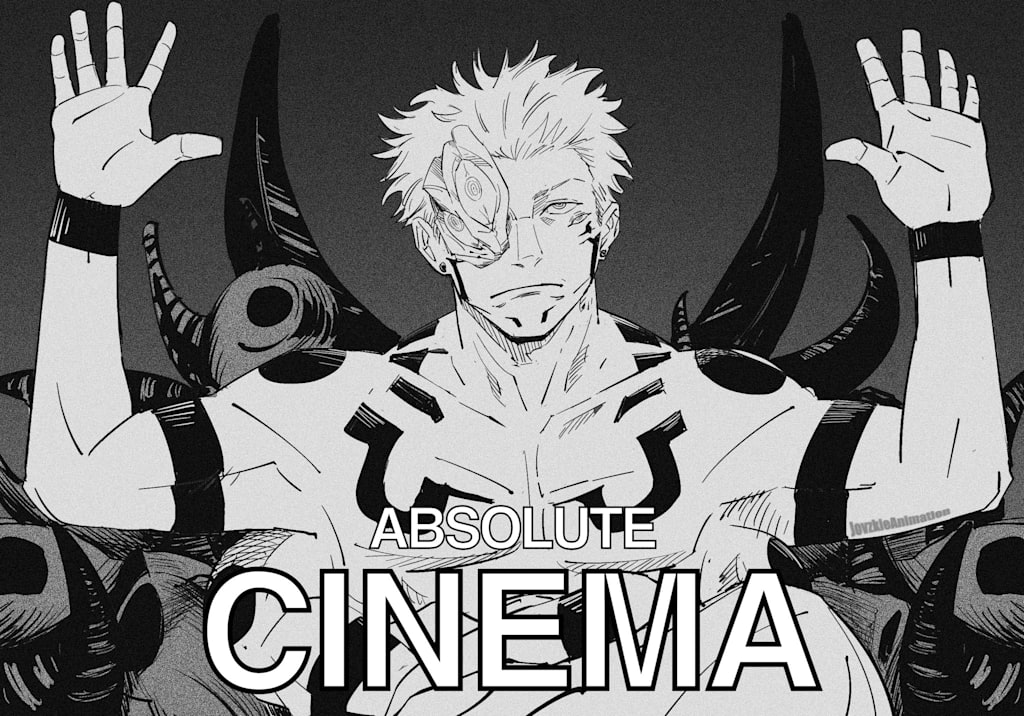
Anime is no longer competing with cinema. At this point, it simply is cinema.
What once began as a niche art form has now evolved into a global cinematic force, one capable of outpacing even Hollywood's biggest blockbusters. The numbers back it up. The critical conversation backs it up. And anyone who has watched the right titles knows it instinctively.
A Visual Language That Stands Alone
Most people still associate animation with cartoons made for kids. That assumption has aged poorly.
Modern anime treats the animated frame as a pure cinematic tool. Studios use dynamic camera angles, deliberate panning, and precise zooming that live-action directors would envy. Moody lighting, dynamic camera angles, and haunting visual composition create a cinematic flair that pulls viewers straight into their world. These are not accidents of style. They are intentional directorial decisions made by filmmakers who think in terms of film language, not just illustration.
This is what separates anime from ordinary animation. Movement is secondary. Meaning comes first.
Hayao Miyazaki, the legendary Studio Ghibli co-founder, understood this from the very beginning. In a collection of essays titled Starting Point, Miyazaki wrote, you first have to know what you want to say before any frame is drawn. Surprisingly, people sometimes overlook this basic fact of filmmaking and overemphasize technique instead. There are innumerable examples of people making films with a very high level of technique, but only a very fuzzy idea of what they really want to say. For him, idea always leads craft. That philosophy built some of animation's most revered works.
The Films That Proved the Point
If you thought anime's spike in popularity was a pandemic-era fluke, 2025 came in to put that notion to rest.
Demon Slayer: Kimetsu no Yaiba – The Movie: Infinity Castle landed in Japanese theaters in July 2025 and immediately rewrote the record books. The film made 1.64 billion yen (about US $11.1 million) on opening day in Japan, setting a new record for the highest first-day gross in Japanese cinema history. It became the first Japanese film to earn over 100 billion yen worldwide, surpassing Ghibli's Spirited Away and its previous chart-topping predecessor, Mugen Train.
The animation and brilliantly directed action sequences are some of the greatest ever put to screen. Studio Ufotable did not just adapt manga. From start to finish, it is an emotional rollercoaster that delivers breathtaking animation, incredible action sequences, and heart-piercing storytelling. Ufotable has once again raised the bar for what an anime movie can achieve.
Demon Slayer: Infinity Castle is not a standalone case. It was not a one-off phenomenon. Chainsaw Man – The Movie: Reze Arc rose to number one at both the Japanese and American box offices, and the Angel's Egg and Princess Mononoke 4K restorations cracked the U.S. top ten.
These are not cult films. These are mainstream cultural events.
Sakuga, Thematic Depth, and the Art of Restraint
Part of what makes anime cinematic is its use of restraint alongside explosive artistry. Studios deploy sakuga, moments of exceptionally detailed and fluid animation, at precise emotional peaks. Everything builds toward them.
The fight choreography in the best titles balances raw intensity with emotional depth. That balance is rare in any medium. Plenty of action films go loud and empty. Anime at its best goes loud and devastating at the same time.
Beyond action, the thematic reach of the medium is genuinely broad. Attack on Titan dissects fascism and cycles of violence. Fullmetal Alchemist: Brotherhood explores political oppression through the lens of alchemy and grief. Vinland Saga subverts revenge entirely, building toward pacifism through brutal war. These are not background themes. They are the point.
From the explosive emotional power of Jujutsu Kaisen to the meditative grace of Frieren: Beyond Journey's End, from the thunderous chaos of Solo Leveling to the quiet cunning of The Apothecary Diaries, modern anime is rewriting the language of storytelling itself.
Directors Who Think Like Filmmakers
Miyazaki is the most recognized name, but he is not the only director building a cinematic body of work. He is 82 years old and has been animating since the 1960s, directing movies since the seventies. No one in animation has stayed so relevant for so long, or maintained such a power to make new films that speak to new generations across so many decades.
The late Satoshi Kon pushed anime into psychological territory that rivaled anything in live-action. His 1997 film Perfect Blue influenced major Hollywood directors, including Darren Aronofsky. The visual grammar Kon used, blurring memory with reality, hallucination with truth, was not borrowed from cinema. It was invented through animation.
Mamoru Hosoda continues that tradition. For his upcoming film Scarlet, Hosoda has stated the film will have a completely new look beyond 2D anime or Hollywood CG animation. That ambition to go beyond existing categories is exactly what serious cinema looks like.
The Cultural Dimension
Anime does something live-action rarely can. It embeds an entire cultural worldview into its visual and narrative choices. Japanese philosophy, Shinto mythology, samurai ethics, and modern urban anxiety show up not as costumes but as structure.
Works of astonishing aesthetic beauty with an experimental storytelling sensibility unlike pretty much any other form of animation have begun playing in hundreds of American multiplexes, and making money. Western audiences are not just tolerating this cultural specificity. They are seeking it out.
Cowboy Bebop blends noir, jazz, and existentialism. Samurai Champloo maps hip-hop rhythm onto feudal Japan. Grave of the Fireflies portrays civilian suffering during wartime with a restraint that leaves most war films embarrassed. Each of these works has a distinct cultural fingerprint. None of them are interchangeable.
Why This Matters Right Now
Anime is no longer the underdog. It is the new heartbeat of modern storytelling. That shift carries real weight in 2025, when theatrical cinema is under pressure globally and studios everywhere are chasing franchises over ideas.
Audiences today are starved for authenticity and innovation, for stories that bleed emotion, worlds that defy imagination, and visuals that push the boundaries of what cinema can be. Anime, with its infinite canvas of creativity, delivers all that and more.
The conversation is no longer about whether anime belongs alongside cinema. The films of Studio Ghibli and Hayao Miyazaki have forever altered the landscape of anime, and there are very few filmmakers who can match his output over the last four-plus decades. That statement extends to the medium as a whole now.
Anime is not becoming cinema. It has been cinema all along. The rest of the world is just catching up.
About the Creator
Aveline Vance
Aveline Vance is a pop culture critic and culture writer tracking the intersection of digital media, entertainment, and modern fandom.
Enjoyed the story? Support the Creator.
Subscribe for free to receive all their stories in your feed.
Comments
There are no comments for this story
Be the first to respond and start the conversation.