
'American Dreamer' (1984)- The 1980s Movie That Wanted to Be 'Charade'
A suburban housewife, a bump on the head, and a Parisian fantasy that Hollywood never quite knew what to do with

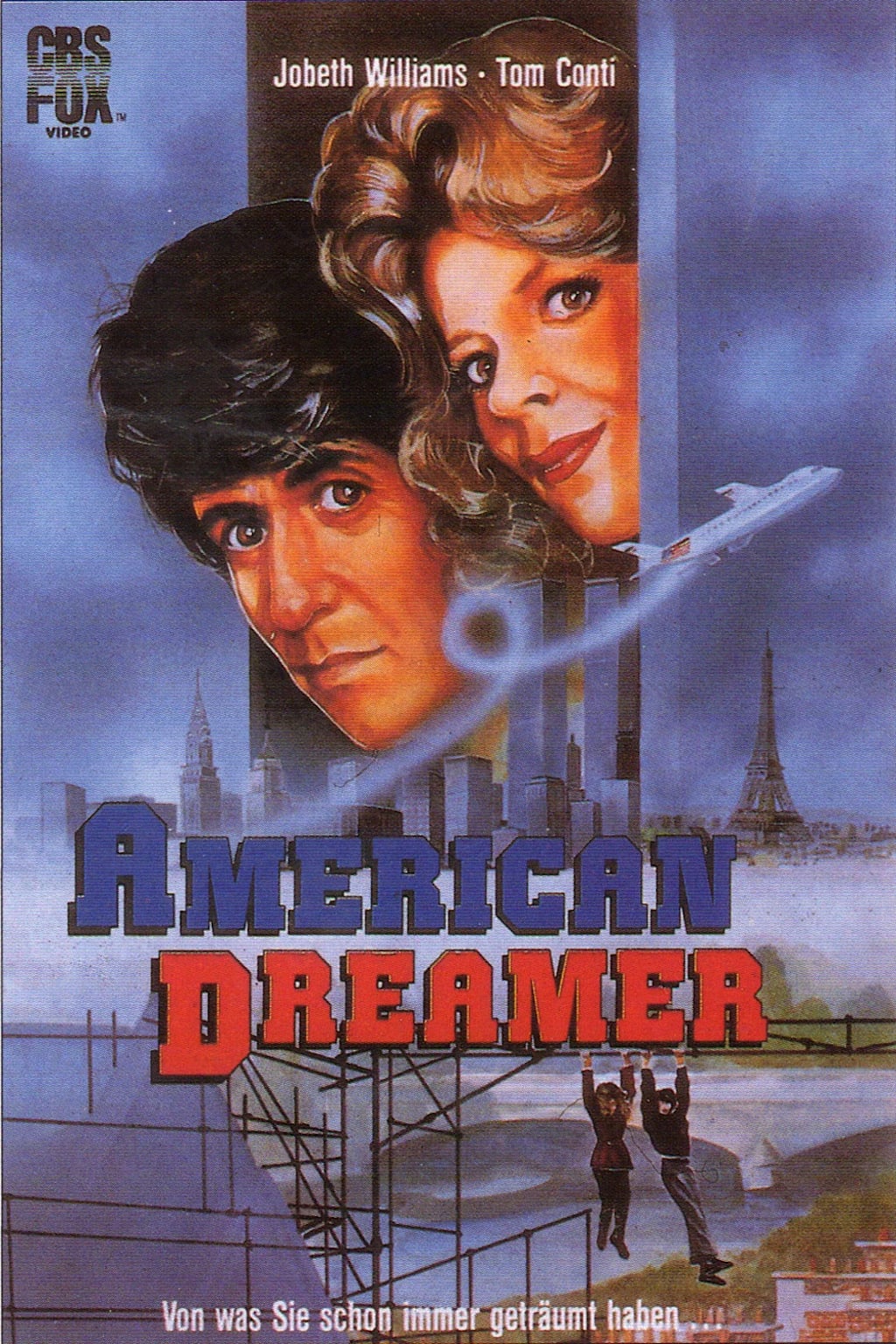
Hollywood has always understood the fantasy of becoming someone else.
Sometimes it takes a mask. Sometimes it takes a new name. And sometimes, apparently, all it takes is a bump on the head in Paris.
That is the wonderfully strange premise behind American Dreamer, Rick Rosenthal’s 1984 romantic comedy-thriller starring JoBeth Williams as an ordinary Ohio housewife who gets the chance to become the woman she has always imagined herself to be.
It is part screwball comedy, part romantic adventure, part mistaken-identity thriller, and part wish fulfillment. It clearly wants to occupy the same glamorous territory as Charade, with its beautiful European locations, mysterious strangers, international intrigue, and romance wrapped around a comedy of errors.
But American Dreamer never quite reaches the heights of the films it admires.
And perhaps that’s precisely why it is worth remembering.
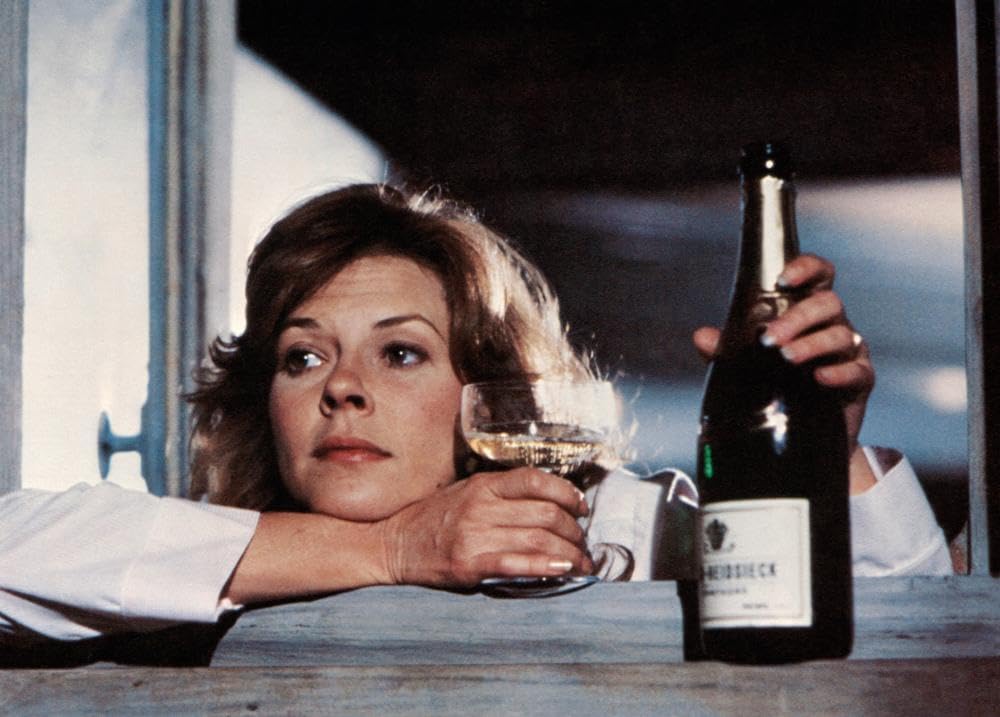
The Dream Begins in Ohio
Williams plays Cathy Palmer, a housewife whose life is about as far removed from the glamorous world of international espionage as one could imagine.
Cathy is a woman caught in the machinery of ordinary life. She has a family. She has responsibilities. She has a routine.
What she doesn’t have is adventure.
Then she travels to Paris.
And everything changes.
After suffering a head injury, Cathy becomes convinced that she is Rebecca Ryan, the fictional heroine of the popular mystery novels she has been reading. Rebecca isn’t a housewife. She’s sophisticated, fearless, worldly and capable of walking into dangerous situations without the slightest hesitation.
For Cathy, the transformation is liberating.
For everyone around her, it is considerably more complicated.
Suddenly the woman who was living an unremarkable suburban existence is behaving like a glamorous international sleuth, throwing herself into a mystery that seems to blur the line between the fictional world in her head and the very real danger surrounding her.
It is a classic Hollywood fantasy: What if the person you secretly wished you could be suddenly took over?
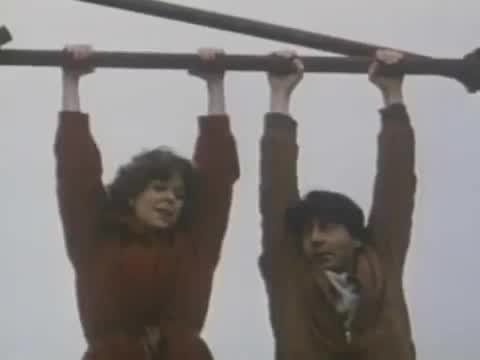
Paris, Mystery and the Ghost of Charade
The movie’s greatest asset may be Paris itself.
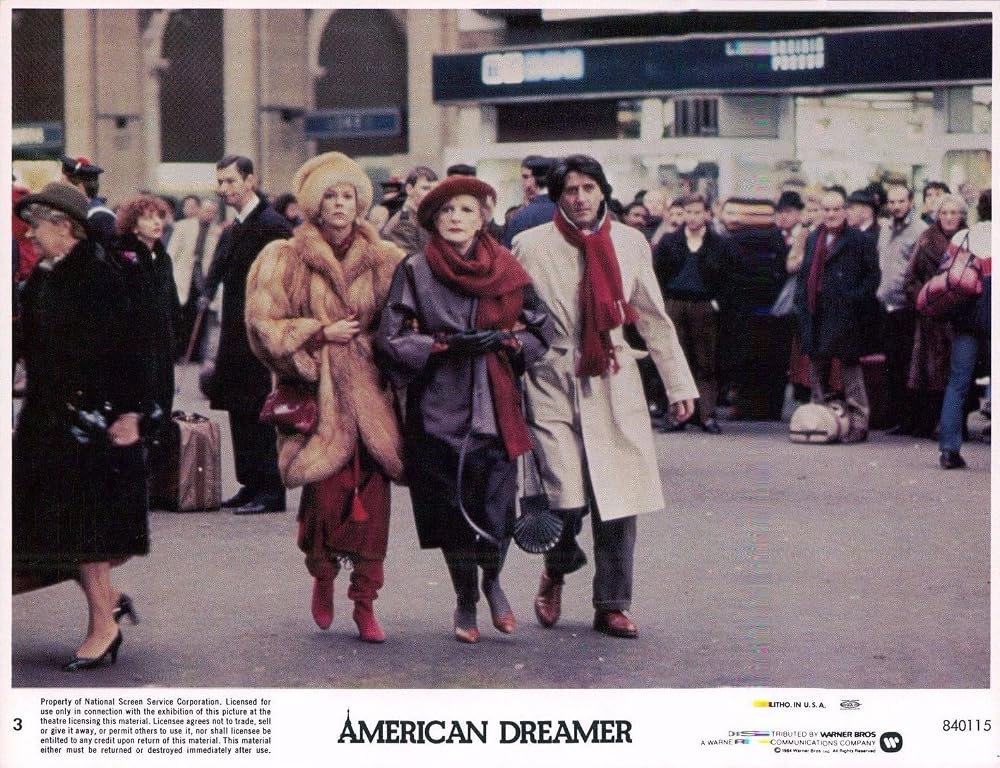
American Dreamer was shot extensively in the city, taking advantage of locations that give the film an elegance its modest story sometimes struggles to provide. The Hôtel de Crillon and other recognizable landmarks provide a postcard version of Paris that feels unmistakably 1980s.
There is something wonderfully old-fashioned about the whole enterprise.
This isn’t the grimy, cynical Paris of a hard-edged thriller. This is movie Paris—the city of beautiful hotels, mysterious strangers, romantic encounters and danger lurking just around the corner.
And that brings us back to Charade.
The influence is obvious. So is the ambition.
The film wants the playful sophistication of Stanley Donen’s classic, where suspense and romance could coexist without either one overwhelming the other. It wants witty exchanges, glamorous surroundings and the feeling that the characters might fall in love while simultaneously trying to figure out who is trying to kill whom.
But American Dreamer is operating on a much smaller scale.
It doesn’t have Cary Grant and Audrey Hepburn.
It has JoBeth Williams and Tom Conti.
Fortunately, that’s not necessarily a bad thing.
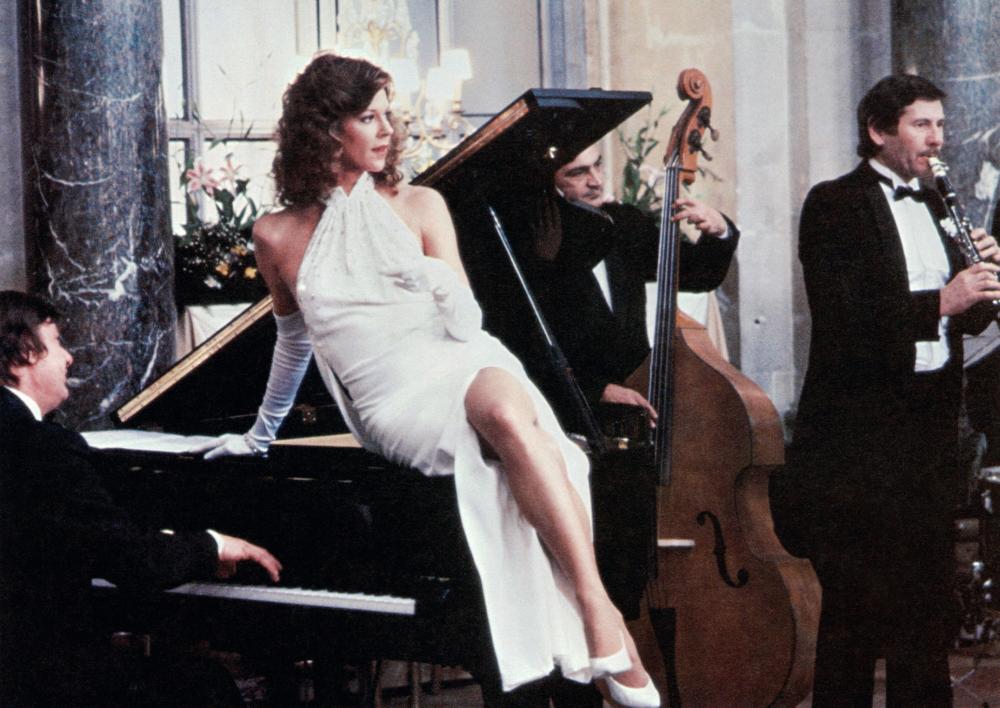
JoBeth Williams Takes the Risk
Williams was an inspired choice.
At the time, she was establishing herself as one of the more versatile young actresses of the decade, and American Dreamer gave her the opportunity to move into territory that required something beyond straightforward drama.
Cathy Palmer could easily have become an annoying character. Instead, Williams understands the absurdity of the situation without playing it entirely for laughs.
There is something touching about Cathy’s transformation.
She isn’t simply pretending to be somebody else. For the first time, she gets to experience a version of herself that isn’t defined by domestic responsibility.
Rebecca Ryan is the woman Cathy believes she could have been.
And perhaps, buried underneath the amnesia and the comedy, that is what makes the movie work best.
The fantasy isn’t really about becoming a spy.
It’s about escaping your life long enough to discover another version of yourself.
Williams reportedly embraced the sophisticated comedic style of actresses such as Katharine Hepburn, and that influence can be felt in the way she approaches the material. She doesn’t play Cathy as a broad caricature. There is a genuine attempt to give the character the timing and confidence of an old-school screwball heroine.
It is one of the reasons American Dreamer remains more charming than its reputation might suggest.
The Making of a Dream
The movie originated with a story by Ann Biderman, who developed the concept in the early 1980s. The project passed through several stages before eventually finding its way into production at CBS Theatrical Films under William Self.
Several actresses were reportedly considered for the lead, including Goldie Hawn, Sally Field and Mary Steenburgen.
Williams ultimately got the part.
And she apparently wanted it badly enough to turn down the opportunity to appear in The Natural.
That decision gives American Dreamer an interesting place in the actress’s filmography. Looking back, it is easy to see the choice as a curious one. The Natural became a beloved piece of American baseball mythology, while American Dreamer essentially disappeared.
But at the time, the decision makes sense.
There was something appealing about the movie’s tone. It offered Williams the opportunity to play a woman who could move between two identities while giving her the chance to work in a lighter, more romantic register.
The screenplay was subsequently polished by David Greenwalt and Jim Kouf, fresh off Class, as the filmmakers attempted to sharpen the fish-out-of-water elements.
Rick Rosenthal, meanwhile, saw something in Williams that made her right for the role.
The result was a roughly $10 million production that was considerably more ambitious than its eventual reputation would suggest.
A Beautiful Movie Looking for an Audience
There is a certain irony to American Dreamer.
It looks like a movie people should have wanted to see.
Paris.
Romance.
Mystery.
Comedy.
An ordinary woman transformed into a glamorous heroine.
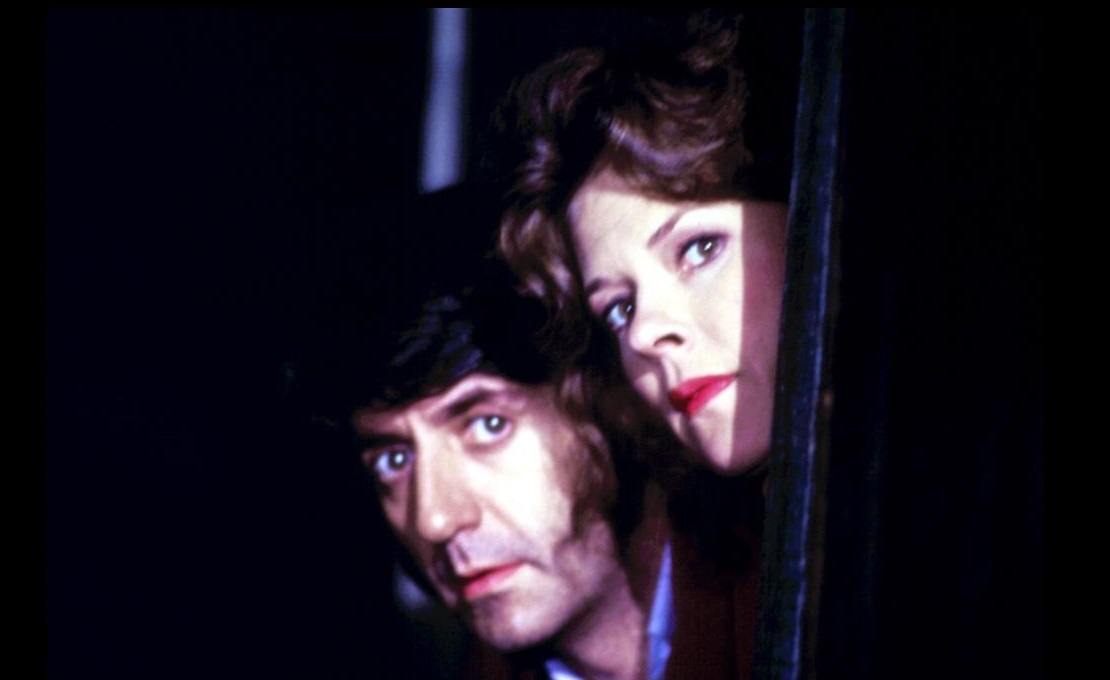
Tom Conti.
Giancarlo Giannini.
Beautiful locations.
A score by Lewis Furey.
Cinematography by Giuseppe Rotunno, with additional camera work by Jan de Bont.
On paper, the ingredients are there.
But 1984 was a brutal year to be a mid-level movie trying to make itself heard.
The marketplace was increasingly dominated by films with enormous hooks. Romancing the Stone had already demonstrated how effectively adventure, comedy and romance could be packaged together. American Dreamer was playing in a similar sandbox, but without the same propulsion or star power.
When Warner Bros. released the film in October 1984, it opened on 801 screens.
And then, almost immediately, it began to disappear.
The movie ultimately earned only about $5.02 million domestically against its approximately $10 million budget.
It wasn’t simply a failure.
It was something almost more frustrating.
It was a movie that arrived, failed to make much noise, and quietly slipped away.
When the Formula Doesn’t Quite Click
The critical response was similarly divided.
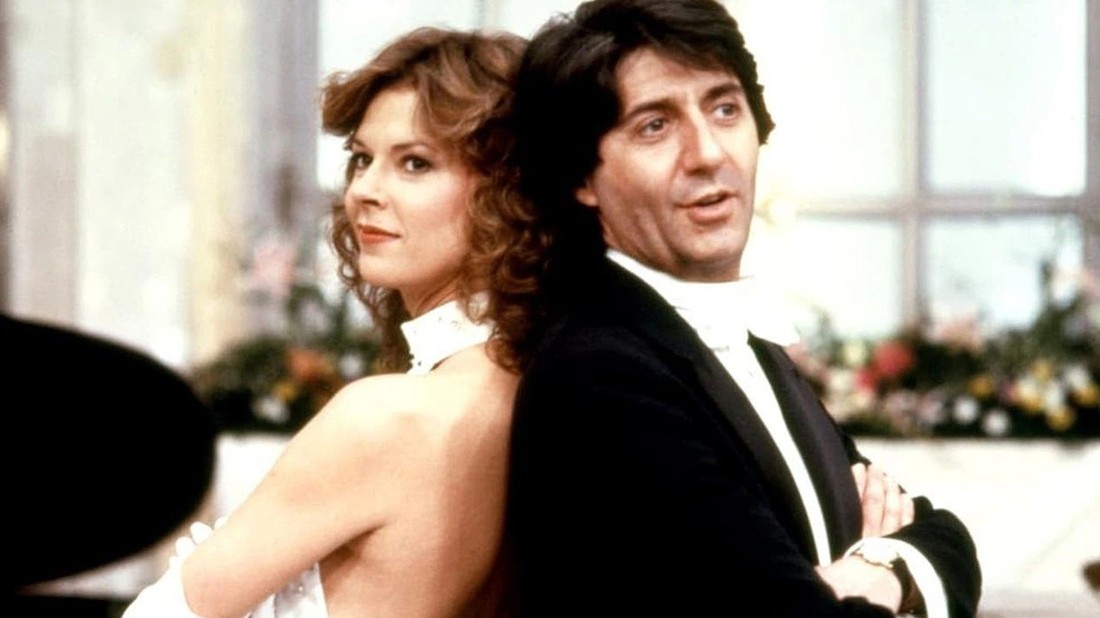
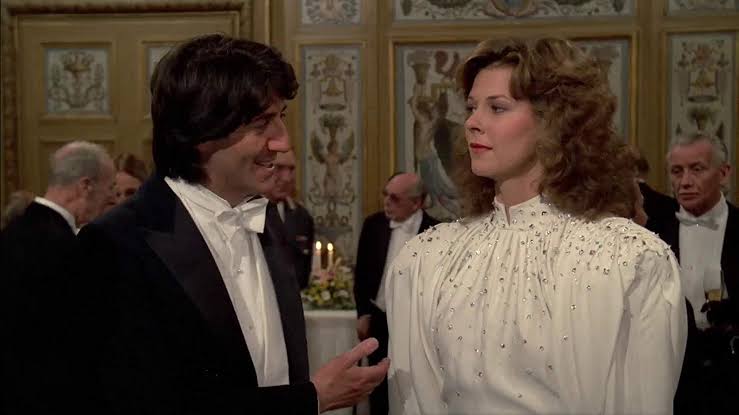
Some reviewers appreciated the chemistry between Williams and Conti, while others felt the movie couldn’t decide exactly what it wanted to be.
That may be American Dreamer’s biggest problem.
Is it a romantic comedy?
A thriller?
A parody of mystery movies?
A suburban fantasy?
An homage to Charade?
The answer is essentially all of them.
And sometimes that makes the movie feel like none of them.
The thriller elements aren’t particularly threatening. The comedy isn’t consistently sharp enough to carry the picture. The romance works best when Williams and Conti are allowed to simply interact, rather than when the screenplay tries to force another plot complication into the story.
There are moments when you can almost see the better movie hiding inside it.
That is what makes the film frustrating.
It isn’t a disaster.
It is a near miss.
The Movie That Got Lost
There is a particular kind of 1980s movie that has largely vanished.
These were films made for adults that weren’t necessarily prestige pictures. They weren’t blockbusters, franchises or major event movies. They were moderately budgeted entertainments designed to give audiences two hours of escapism.
American Dreamer belongs to that forgotten category.
It is too slight to have become a classic.
Too unsuccessful to become a major cultural touchstone.
Too charming to be completely forgotten.
And perhaps that’s the best way to look at it today.
American Dreamer isn’t the next Charade. It isn’t the romantic adventure Hollywood hoped it might become. It isn’t even particularly successful at balancing all of the genres it attempts to juggle.
But it has something that many more polished films lack.
It has personality.
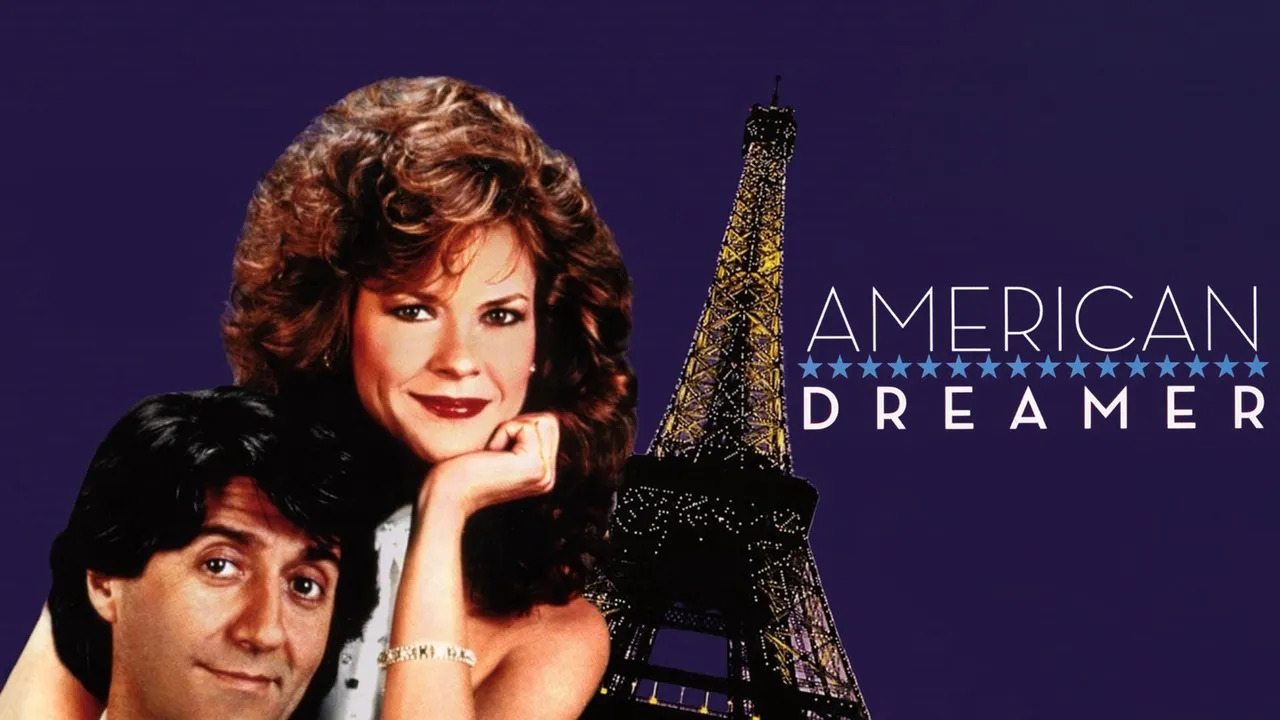
Becoming Somebody Else
What makes the film linger is not really the mystery.
It’s Cathy.
Because beneath the Parisian locations and mistaken identities is an idea that feels surprisingly timeless.
How much of ourselves gets buried beneath the lives we build?
How often do we wonder what might have happened if we had made different choices?
What if the person we’ve always imagined becoming isn’t a fantasy at all, but simply a part of ourselves we’ve never allowed to emerge?
Cathy gets to find out.
For a little while, anyway.
And maybe that is the real American dream hiding inside American Dreamer.
Not fame.
Not money.
Not even adventure.
The chance to wake up one morning and discover that your life doesn’t have to remain exactly the way it has always been.
In another movie, that might have been enough to create a classic.
In American Dreamer, it creates something more modest—a strange, attractive, occasionally uneven little piece of 1980s Hollywood that deserved better than simply disappearing.
Sometimes the forgotten movies aren’t forgotten because they were terrible.
Sometimes they just never found the right audience.
American Dreamer may be one of those movies.

About the Creator
Movies of the 80s
We love the 1980s. Everything on this page is all about movies of the 1980s. Starting in 1980 and working our way the decade, we are preserving the stories and movies of the greatest decade, the 80s. https://www.youtube.com/@Moviesofthe80s
Enjoyed the story? Support the Creator.
Subscribe for free to receive all their stories in your feed.
Comments
There are no comments for this story
Be the first to respond and start the conversation.