
America’s Strategic Grip on the Strait of Hormuz
Current Realities

Introduction
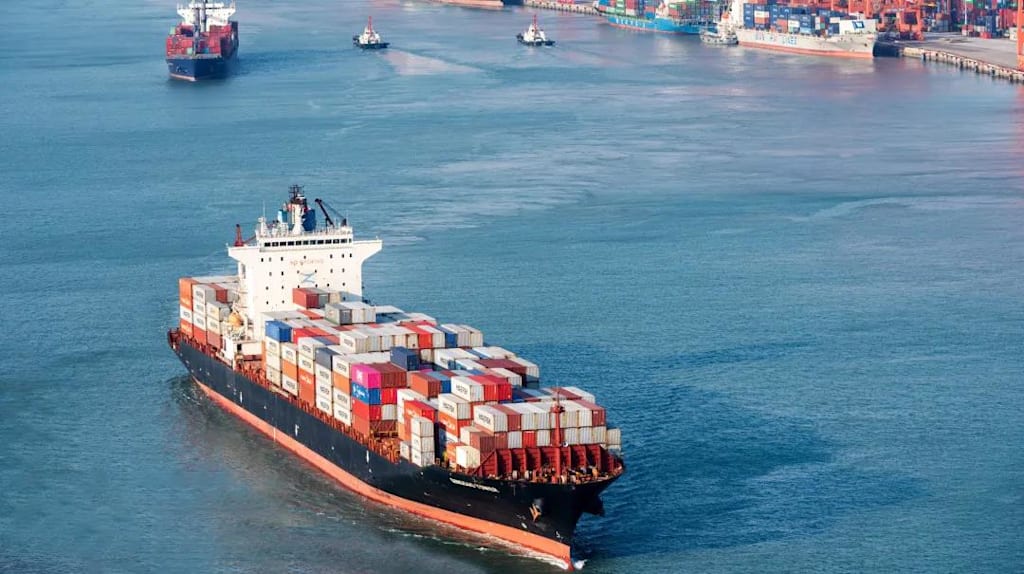
The Strait of Hormuz is one of the most critical maritime chokepoints in the world. Connecting the Persian Gulf to the open ocean via the Gulf of Oman, it serves as a lifeline for global energy supplies. Roughly a fifth of the world’s oil passes through this narrow passage. Given its importance, the United States maintains a significant presence in the region—but does that translate into control? The answer is more nuanced.
Strategic Importance of the Strait
The Strait of Hormuz is not just a regional waterway; it is a global economic artery. Major oil-producing countries like Saudi Arabia, United Arab Emirates, and Kuwait rely on it to export energy resources. Any disruption here can cause immediate spikes in global oil prices and economic instability.
Its narrow width—about 33 kilometers at its narrowest point—makes it both vital and vulnerable. This geographical reality has turned it into a focal point of geopolitical tension.
U.S. Military Presence in the Region
The United States does not “own” or “rule” the Strait, but it maintains strong military capabilities nearby. The United States Navy operates in the region primarily through the U.S. Fifth Fleet, headquartered in Bahrain.
This presence allows the U.S. to:
- Ensure freedom of navigation
- Protect commercial shipping
- Respond quickly to threats or conflicts
American warships regularly patrol the area, often alongside allied forces, to deter aggression and maintain stability.
Iran’s Role and Regional Tensions
A key player in the Strait is Iran, which borders its northern side. Iran has repeatedly asserted its influence over the waterway and, at times, has threatened to block it in response to political or economic pressure.
Tensions between Iran and the U.S. have led to several incidents, including the harassment of commercial vessels and military standoffs. These events highlight that control over the Strait is contested—not dominated by a single power.
Freedom of Navigation vs. Sovereignty
International law, particularly the United Nations Convention on the Law of the Sea, guarantees the right of transit passage through straits used for international navigation. This means that while Iran and Oman border the Strait, they cannot legally block passage without significant global consequences.
The United States frames its presence as a commitment to upholding these international norms rather than exerting sovereignty.
Economic and Global Implications
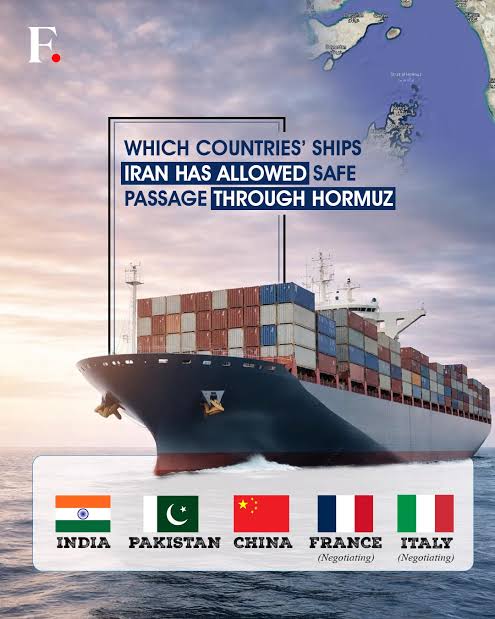
Any disruption in the Strait of Hormuz would have immediate global repercussions. Oil-importing nations, including major economies in Asia and Europe, depend heavily on its uninterrupted flow. Even minor tensions can lead to fluctuations in energy markets.
This global dependency explains why not only the U.S., but also other countries, including China and India, closely monitor developments in the region.
The United States maintains a powerful strategic presence in the Strait of Hormuz, a vital chokepoint through which nearly a fifth of the world’s oil supply passes. By deploying naval forces, particularly the U.S. Fifth Fleet based in Bahrain, Washington ensures the security of global energy routes and deters potential threats, especially from Iran. This presence allows the U.S. to influence regional stability and global oil markets. However, it also heightens tensions, as Iran views American dominance as a challenge to its sovereignty, making the strait a persistent flashpoint in international geopolitics.
Conclusion
The United States has a powerful and influential presence in the Strait of Hormuz, but it does not “rule” it. Instead, the region is shaped by a delicate balance of power involving multiple countries, especially Iran. The U.S. acts as a security provider and stabilizing force, ensuring that one of the world’s most important waterways remains open.
Ultimately, the Strait of Hormuz is less about domination and more about deterrence, diplomacy, and the shared interest of keeping global trade flowing smoothly.
About the Creator
Sk
"I am a passionate writer, crafting books and articles on Vocal Media, exploring human experiences, stories, and creative reflections."
Enjoyed the story? Support the Creator.
Subscribe for free to receive all their stories in your feed.
Comments
There are no comments for this story
Be the first to respond and start the conversation.