
Aaradhya Bachchan Case: Delhi High Court Examines How Far a Famous Family Name’s Reputation Extends
Delhi High Court examines celebrity privacy, family reputation and personality rights as Aaradhya Bachchan’s case raises important questions about protecting children in the digital age.
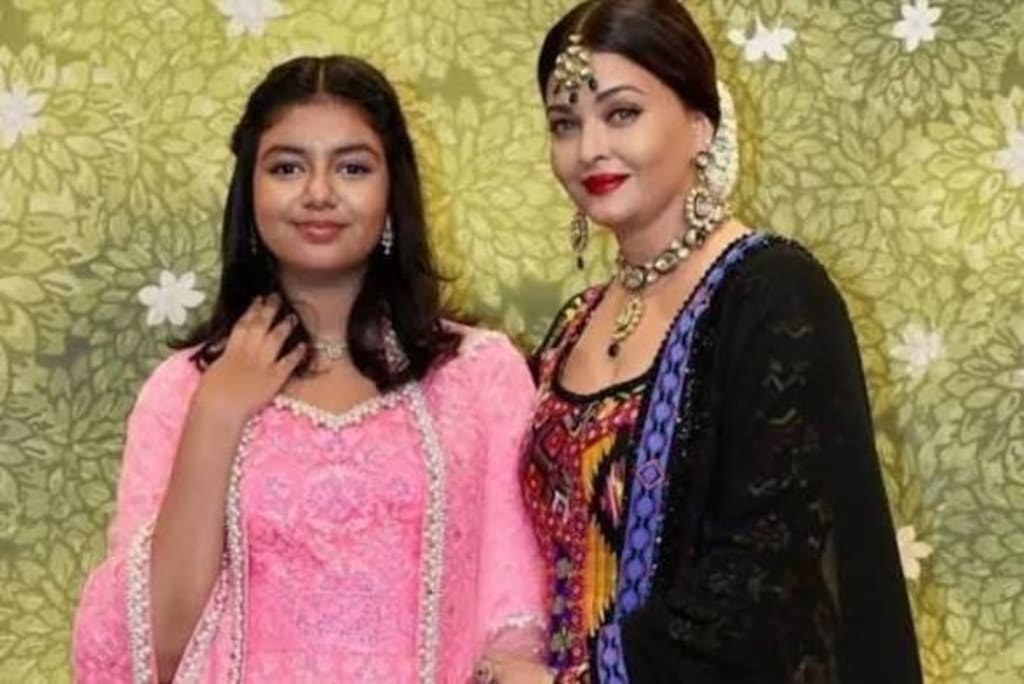
The Delhi High Court is examining an important question arising from the legal battle involving Aaradhya Bachchan: how far can the reputation and public identity associated with a famous family extend across generations? The case has attracted attention because it combines celebrity reputation, a child’s privacy, online misinformation and the developing legal concept of personality rights in India.
Aaradhya Bachchan, daughter of actors Abhishek Bachchan and Aishwarya Rai Bachchan and granddaughter of legendary actor Amitabh Bachchan, became the subject of misleading online reports about her health and personal life. In 2023, legal action was initiated through her father after YouTube channels circulated claims suggesting that the child was seriously ill, hospitalized and, in some reports, even deceased. The Delhi High Court subsequently granted interim protection against the publication and circulation of such material.
The 2023 Case and Online Misinformation
The dispute began against the background of increasingly aggressive online celebrity coverage. Social media platforms and video-sharing websites have made it possible for unverified claims to reach millions of people within minutes.
In Aaradhya’s case, the allegations were particularly serious because they concerned a child’s health and private life. The legal proceedings sought to prevent the continued circulation of material that the family considered false and harmful.
In April 2023, the Delhi High Court restrained defendants from publishing, sharing, promoting or disseminating false information concerning Aaradhya’s physical and mental health. The intervention highlighted the court's concern about the impact of fabricated digital content on an individual's dignity and privacy.
The case also raised a wider issue: although Aaradhya was born into one of India's most recognizable film families, she did not choose to become a public figure.
What Are Personality Rights?
Personality rights generally refer to an individual's ability to control unauthorized commercial or exploitative use of identifying aspects of their persona, such as their name, image, likeness, voice or other recognizable attributes.
For celebrities, these rights have become increasingly important because their identities have significant commercial value. Businesses, websites and online creators may attempt to use a celebrity's identity to attract attention, generate advertising revenue or sell products.
However, the Aaradhya case introduces a more complicated dimension because it involves a young family member whose public recognition is strongly connected to her parents and grandparents.
The court's current consideration of how far a famous family name's reputation extends across generations therefore has implications beyond the Bachchan family. It touches on the legal boundary between family reputation and an individual's independent identity.
Does Family Fame Automatically Extend to Children?
A famous surname can create enormous public interest, but that does not necessarily mean every member of a family has the same legal status as an established celebrity.
Aaradhya's connection to the Bachchan family has made her recognizable to the public from childhood. Yet recognition and consent are different concepts. Being the child of famous actors does not automatically mean that every piece of information about her can be published or commercially exploited.
This distinction is especially important when the material involves sensitive subjects such as health, education or personal relationships.
The Delhi High Court's examination of the issue could help clarify how Indian courts should approach situations in which family reputation, individual privacy and personality rights overlap.
Why the Case Matters in the Digital Age
The Aaradhya Bachchan case comes at a time when misinformation has become increasingly difficult to control. Digital platforms allow fabricated stories to spread rapidly, while sensational headlines can attract substantial advertising revenue and audience engagement.
False celebrity-health stories are particularly problematic because they can cause emotional distress to families while misleading the public.
The problem has also become more complicated with artificial intelligence. AI-generated photographs, manipulated videos, voice cloning and digitally altered content can make false material appear convincing.
Recent Delhi High Court proceedings involving other celebrities have similarly focused on unauthorized use of names, images and AI-generated material. These cases demonstrate that Indian courts are increasingly being asked to define the boundaries of personality and publicity rights in the digital environment.
The Importance of Protecting Children
One of the strongest considerations in Aaradhya's situation is that she was a minor when the original proceedings were filed.
Children of celebrities can experience unusual levels of public attention even before they have the ability to make meaningful decisions about their own public image. Photographs, videos and rumors can follow them throughout their lives.
The legal dispute therefore raises an important question about whether children born into famous families should receive stronger protection from fabricated claims and unnecessary exposure.
Protecting a child's privacy does not necessarily mean preventing legitimate reporting. Instead, the central concern is the distinction between responsible journalism and deliberately misleading or exploitative content.
A Wider Test for Indian Personality-Rights Law
The Bachchan family's legal disputes are part of a broader development in Indian law concerning celebrity identity. Amitabh Bachchan has previously obtained judicial protection against unauthorized commercial exploitation of his name, image and voice. Other major Indian celebrities have also approached courts over misuse of their identities.
In recent years, courts have increasingly considered personality rights alongside privacy, dignity, reputation and commercial interests. Legal analysis of the Bachchan cases suggests that these disputes are helping shape India's emerging jurisprudence in this area.
The Aaradhya matter is particularly significant because it tests whether principles developed around adult celebrities can be applied in the same way to a child connected to a famous family.
Balancing Public Interest and Privacy
Celebrity families inevitably attract public curiosity. Fans may want to know about their lives, appearances and activities. However, public interest should not automatically be confused with everything the public is interested in.
The distinction becomes particularly important when information is unverified or concerns a child's private life.
A responsible digital environment requires platforms, creators and audiences to exercise caution before sharing sensational claims. Once false information becomes viral, removing the original material may not completely undo the damage because copies can continue circulating across different websites and social networks.
Conclusion
The Aaradhya Bachchan case represents more than a dispute involving a famous Bollywood family. It raises fundamental questions about privacy, reputation, children's rights and personality rights in India's rapidly changing digital environment.
The Delhi High Court's consideration of how far a famous family name's reputation extends across generations could become important for future cases involving celebrity children and relatives. The 2023 proceedings already resulted in interim protection against false online claims concerning Aaradhya's health.
As social media, artificial intelligence and digital publishing continue to evolve, Indian courts will increasingly face difficult questions about where legitimate public interest ends and unlawful intrusion begins. The Aaradhya Bachchan case is therefore being watched not only because of the family involved, but because it may contribute to the broader legal conversation about protecting individual identity and dignity in the internet era.
About the Creator
Enjoyed the story? Support the Creator.
Subscribe for free to receive all their stories in your feed.
Comments
There are no comments for this story
Be the first to respond and start the conversation.