
6 Must See Movies
a sextet of masterpieces


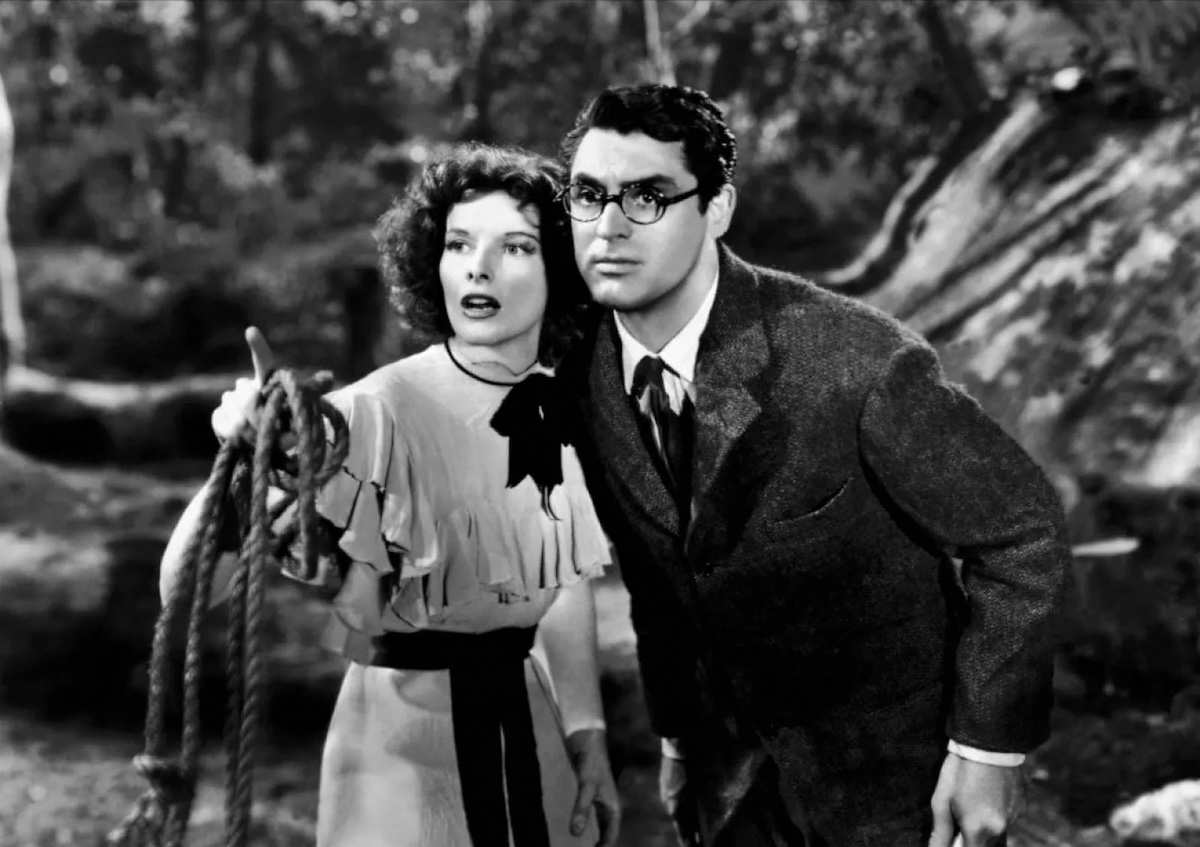
Bringing up Baby (1938): Screwball at its screwiest! Katherine Hepburn is delightfully daffy as society girl, Susan, and Cary Grant is her comedic equal as anthropologist, David. A collection of excellent supporting players make this a first rate flick.
David: "Now it isn't that I don't like you, Susan, because, after all, in moments of quiet, I'm strangely drawn toward you but - well, there haven't been any quiet moments..."
A Fantastic Woman (2017): Captivating and talented with a golden voice and eyes that tell you everything you need to know, Daniela Vega breathes ferocious resilience and heartbreaking beauty into the character of Marina. A gorgeously rendered triumph from Director Sebastián Lelio, it won the Oscar for Best International Feature Film.
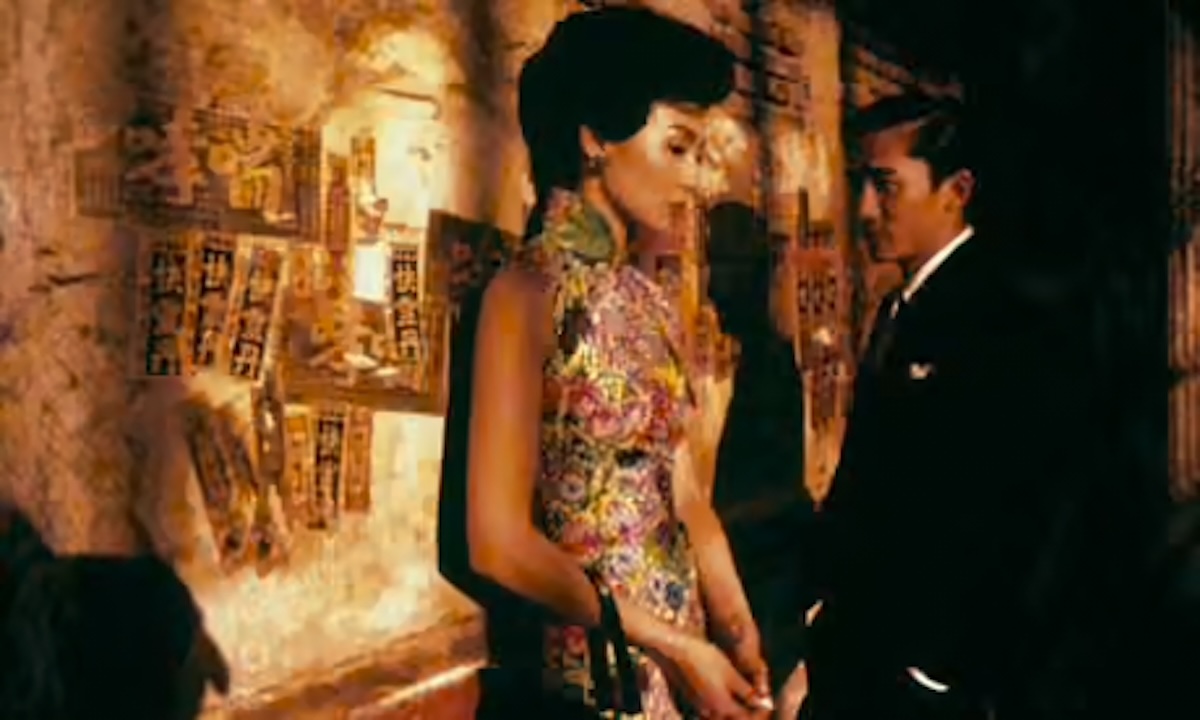
In the Mood for Love (2000): Maggie Cheung wears twenty-one different cheongsams in Wong Kar-Wai’s masterpiece and each one is as visually seductive as the whole film. The music is a sublime companion to the evolving and evocative dance between the two leads. Stunning.
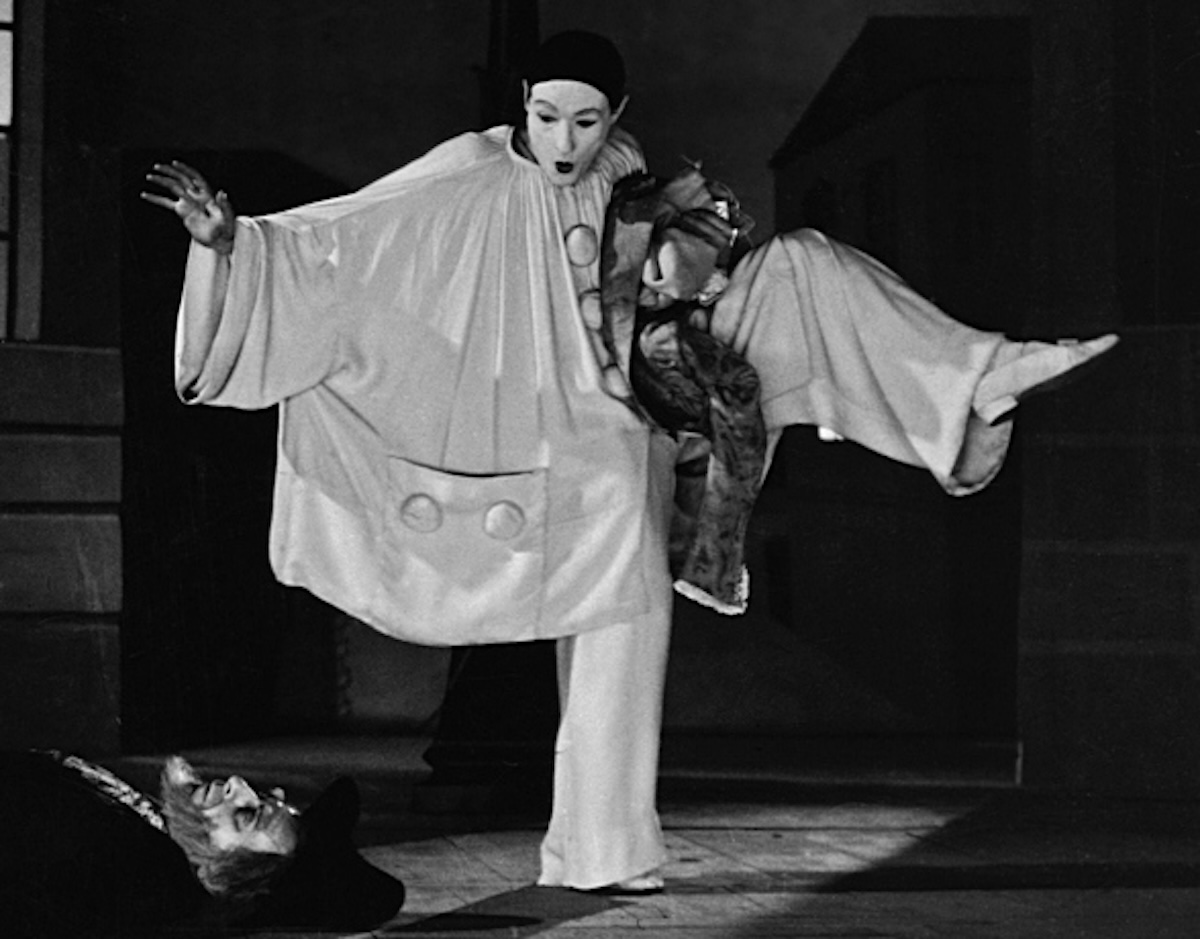
Children of Paradise (1945): Starring the alluring Arletty and the beguiling Jean-Louis Barrault, this is an enchanted journey through late 19th century Paris: the crowds, the drama, the artistes, the criminals, the the romance, Arletty's wardrobe, the music, the madness.
The stories of love and intrigue revolve around a rough-and-tumble theatrical troupe, including Barrault, who plays the saddest lovesick mime ever to not speak on the silver screen. He does it with such elegance.
Marcel Carné directed the movie during the German occupation of Paris and he ran into countless roadblocks: rationed film stock, intermittant electrical power, Nazi interferance. The set designer and music composer were both Jewish and had to work in total secrecy throughout the production. Carné had to hide them as well as some key reels of film.
When Paris was liberated in '44, Robert Le Vigan, who played the informer-thief Jéricho, was sentenced to death by the Resistance for collaborating with the Nazis. He fled (and was eventually tried and convicted). A new actor was cast to shoot his remaining scenes as well as reshoot the existing ones. That actor was Pierre Renoir, older brother of filmmaker Jean Renoir and son of the famous painter.
It's a triumph that this gem got made at all, that it is so beautiful is a miracle.
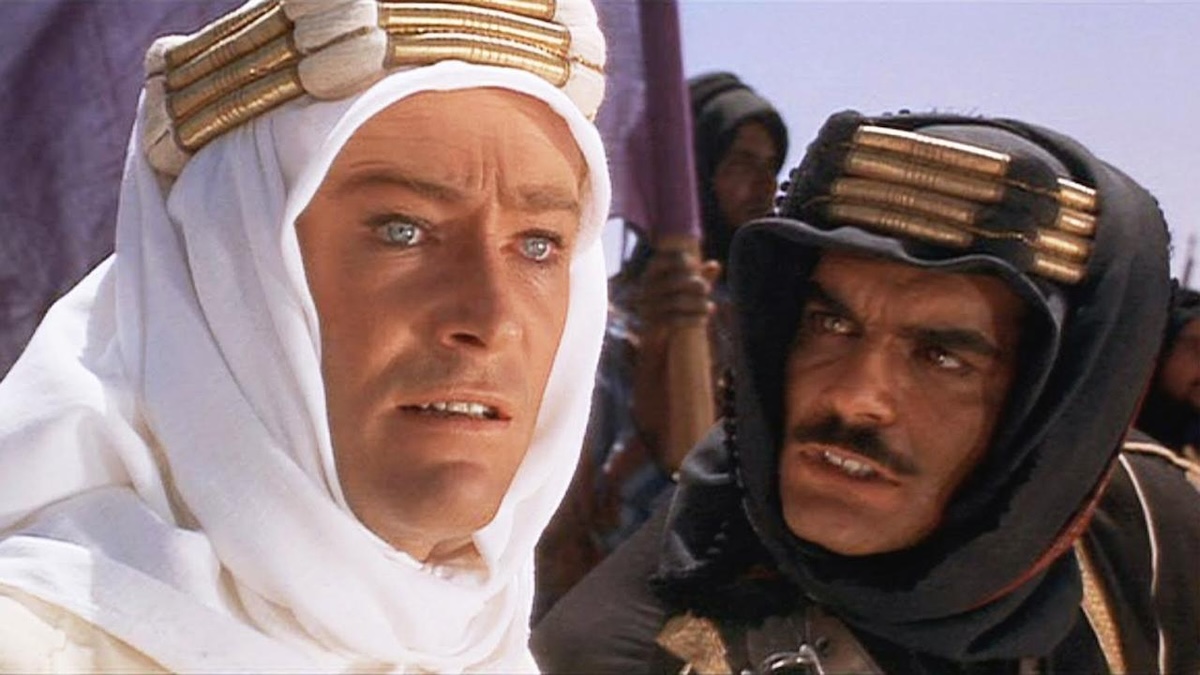
Lawrence of Arabia (1962): Ah! David Lean and his grand epics! A stable of the best actors of the day were assembled for this one, plus a newfound talent in Peter O’Toole. They first cast Albert Finney in the title role (physically he resembled Lawrence more than O'Toole did) but he didn't want to sign a multi-year contract, so he turned the part down. I like Finney but can't imagine this film without Peter O'Toole as the intense and complex title character. His striking features and ambiguous sexuality create the perfect tone for this unconventional man who assisted the Arab tribes in their revolt against Turkey in WW 1.
Best seen on a big screen but even on a small one, the desert and the stories it holds are breathtaking, all unravelling to an award winning score by Maurice Jarre.
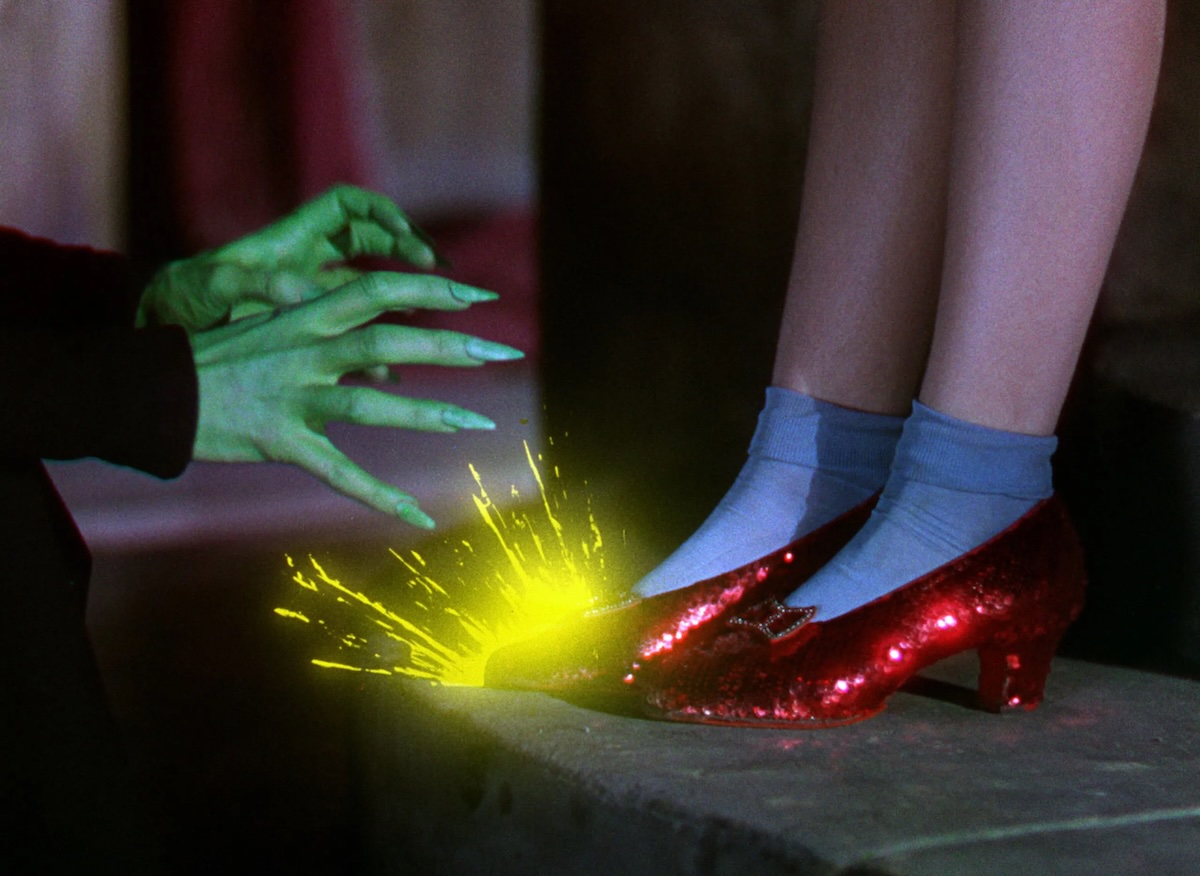
The Wizard of Oz (1939) - It was shown every year at Christmas when I was a kid and every year my family and I watched it on our black & white TV set. Even without the splendour of the Technicolor arrival to Oz, this movie was pure magic for me. And it still is! But now I get to see the burst into colour that happens when the Gale house lands over the rainbow. And they did that colour burst long before any tech such as CGI existed.
How they did it: the door of the Gale home was painted in sepia tones and Dorothy's double was dressed in sepia clothes (we only see her from behind). They were shooting on colour stock as "action" was called: sepia Dorothy walks into the frame and opens the sepia door onto Oz. Sepia Dorothy quickly backs out of the frame and in an instant Judy Garland enters the frame in her full colour costume to step into the spectacular wonderment of Oz. Movie Magic via 1939! (Fun fact: In '39, The New Yorker critic slammed the movie as displaying "no trace of imagination, good taste, or ingenuity").
*
Thanks for reading!
About the Creator
Marie Wilson
HarperCollins published my novel "The Gorgeous Girls". My feature film screenplay "Sideshow Bandit" has won several awards at film festivals. I have a new feature film screenplay called "A Girl Like I".
Enjoyed the story? Support the Creator.
Subscribe for free to receive all their stories in your feed. You could also become a paid subscriber, letting them know you appreciate their work.
Comments
There are no comments for this story
Be the first to respond and start the conversation.