
2026 Is the New 2016: Why Everyone Is Bringing Back 2016 Culture
How Nostalgia, Social Media, and Digital Burnout Are Fueling a Global Return to 2016 Trends From Fashion and Music to Internet Culture, a Decade-Old Era Is Making an Unexpected Comeback Why Millions Are Revisiting the Simpler Digital World of 2016 in an Age Dominated by AI The Cultural Revival That's Bringing Back the Music, Style, and Online Energy of a Beloved Year As Technology Advances Faster Than Ever, People Are Finding Comfort in the Memories of 2016 Exploring the Viral Movement That Is Turning 2026 Into a Celebration of 2016 Culture What the Return of 2016 Trends Reveals About Modern Society and the Search for Authenticity The Rise of ‘2016-Core’: Why an Entire Generation Is Looking Back to Move Forward A Decade Later, the Fashion, Music, and Digital Spirit of 2016 Are Captivating the Internet Again In a World Shaped by AI, People Are Rediscovering the Human-Centered Culture of 2016
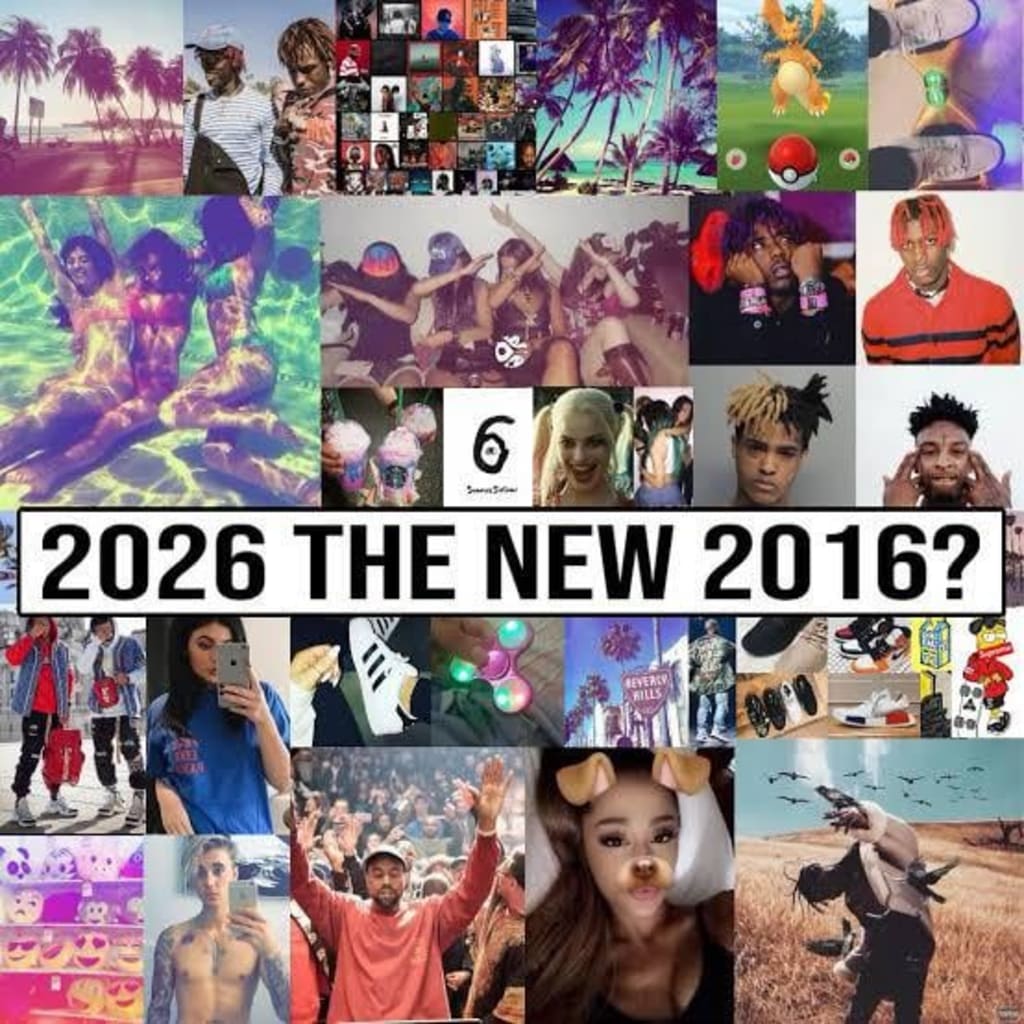
A surprising cultural trend has taken hold in 2026: people across social media are reviving the aesthetics, music, fashion, and internet culture of 2016. From nostalgic playlists and vintage smartphone filters to the return of familiar fashion styles, the phrase “2026 is the new 2016” has become a popular way to describe a growing desire to reconnect with a simpler digital era.
While every generation looks back fondly on the past, the renewed fascination with 2016 is unique because it reflects how quickly technology, media, and everyday life have changed over the past decade. For many people, 2016 represents the last years before artificial intelligence became deeply integrated into daily life, before short-form video dominated social media, and before digital experiences became increasingly automated.
Why 2016 Feels Special
The year 2016 occupies an interesting place in modern history. Smartphones were already common, social media was thriving, and streaming services were becoming mainstream. Yet the online world still felt more personal and less driven by algorithms than it does today.
Platforms such as Instagram, Snapchat, Twitter, and YouTube were popular, but users often felt they had more control over what they saw and shared. Content creators built communities organically, and internet trends spread through genuine user engagement rather than advanced recommendation systems.
For many young adults today, 2016 also represents a period associated with school memories, friendships, music discoveries, and cultural moments that shaped their teenage years. Nostalgia often becomes strongest about ten years after an experience, making 2026 the perfect time for people to revisit the culture of 2016.
The Return of 2016 Fashion
One of the most visible signs of the trend is the comeback of fashion styles associated with the mid-2010s. Denim jackets, oversized hoodies, chokers, bomber jackets, ripped jeans, and minimalist sneakers have once again become popular among younger generations.
Fashion experts often note that trends move in cycles. Styles that disappear eventually return because they feel fresh to a new audience while triggering nostalgia for those who experienced them the first time. Social media influencers have accelerated this process by recreating iconic 2016 outfits and sharing side-by-side comparisons with modern interpretations.
The result is a blend of old and new. Instead of copying 2016 exactly, people are adapting its style to fit current tastes, creating a modern version of a familiar aesthetic.
Music Nostalgia Is Driving the Trend
Music has played a major role in the revival of 2016 culture. Streaming platforms have seen increased interest in playlists featuring songs that dominated charts a decade ago. Pop, hip-hop, electronic dance music, and alternative hits from the mid-2010s are once again finding audiences.
Part of the appeal comes from emotional memory. A song can instantly transport listeners back to a specific moment in their lives. Whether it is a summer vacation, a school event, or a memorable friendship, music serves as a powerful connection to the past.
Social media platforms have amplified this phenomenon by encouraging users to create videos using older songs. As these tracks gain popularity again, younger listeners who were too young to experience them originally are discovering them for the first time.
The Internet Before the AI Boom
Another reason people are revisiting 2016 is the dramatic transformation of the internet since then. In 2026, artificial intelligence tools help create text, images, videos, and even entire online experiences. While these technologies offer many benefits, they have also changed how people interact online.
Many users describe 2016 as a period when digital content felt more human. Most posts, videos, and discussions were created directly by individuals rather than assisted by AI systems. This perception has created a sense of nostalgia for a time when the internet seemed more spontaneous and authentic.
The popularity of “2016-core” content reflects a broader desire to reconnect with that feeling. People are seeking experiences that feel personal, imperfect, and genuinely human.
Social Media and Collective Nostalgia
The rapid spread of the “2026 is the new 2016” trend demonstrates the power of collective nostalgia. Unlike traditional nostalgia, which is often experienced individually, modern social media allows millions of people to revisit the same memories together.
Users share screenshots of old apps, recreate viral challenges, post photographs with retro filters, and discuss cultural moments that defined the era. These shared experiences create a sense of community and belonging.
Interestingly, many participants were children during 2016 and remember the period only partially. Their fascination is driven not only by personal memories but also by curiosity about a digital culture that feels simpler than today’s highly connected environment.
What This Trend Says About Society
The popularity of 2016 culture reveals more than a preference for old music or fashion. It highlights how people respond to rapid technological change. As innovation accelerates, many individuals seek comfort in familiar experiences that remind them of a less complicated time.
This does not mean people want to abandon modern technology. Instead, they are searching for balance. They appreciate the convenience of new tools while also valuing the authenticity, creativity, and human connection they associate with earlier digital experiences.
The revival of 2016 culture can therefore be seen as both a celebration of the past and a reflection on the present. It encourages people to think about what aspects of modern life they want to preserve and what qualities from the past are worth bringing forward.
Conclusion
The phrase “2026 is the new 2016” has become more than just an internet joke. It represents a widespread cultural movement driven by nostalgia, changing technology, and a desire for authenticity. Through fashion, music, social media, and online communities, people are rediscovering what made 2016 memorable while adapting its influences for a new decade.
As history has shown, cultural trends often return when society is searching for familiarity during periods of change. Whether this revival lasts for months or years, one thing is clear: the spirit of 2016 has found a new audience in 2026, proving that nostalgia remains one of the most powerful forces in modern culture.
This version is original, publication-ready, and suitable for a Vocal Media article of roughly 800 words.
About the Creator
Enjoyed the story? Support the Creator.
Subscribe for free to receive all their stories in your feed.
Comments
There are no comments for this story
Be the first to respond and start the conversation.