
2010: The Year We Make Contact (1984): The Impossible Sequel to 2001: A Space Odyssey
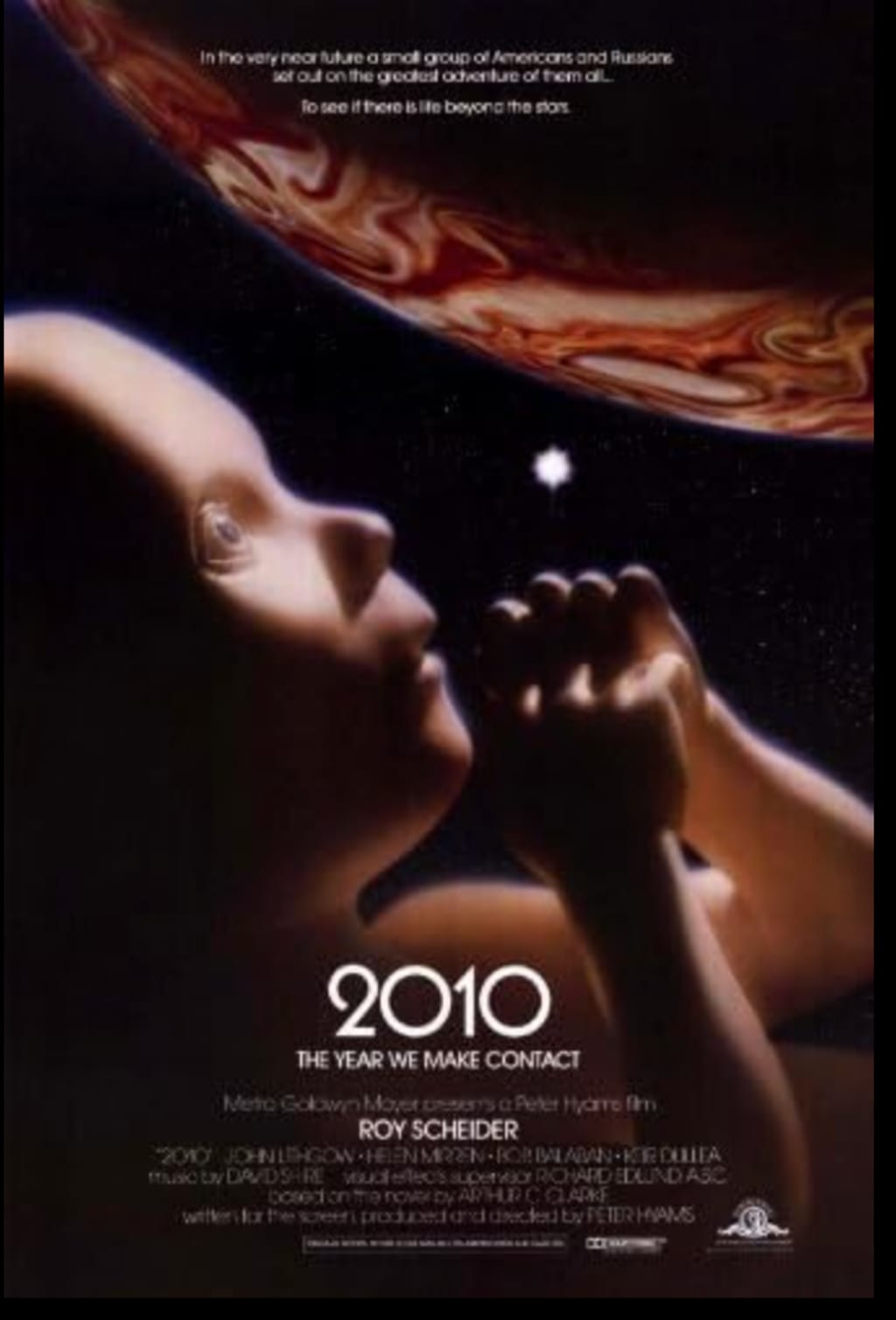
Peter Hyams faced one of Hollywood’s most daunting assignments: directing a sequel to Stanley Kubrick’s 2001: A Space Odyssey. Here’s how 2010: The Year We Make Contact attempted the impossible.

The Call Every Director Dreams Of—and Fears
Imagine you’re a filmmaker and your phone rings with the opportunity of a lifetime. A major studio wants you to direct a sequel to your favorite movie—a film so revered it has become one of the greatest achievements in cinema history.
For most directors, the answer would be an immediate “no.”
In 1983, Peter Hyams said exactly that.
Despite respectable science-fiction credentials with Capricorn One (1977) and Outland (1981), Hyams knew the assignment bordered on impossible. MGM wanted him to direct a sequel to Stanley Kubrick’s monumental 2001: A Space Odyssey. It wasn’t just another sequel—it was a continuation of one of the most influential films ever made.
Arthur C. Clarke Opened the Door
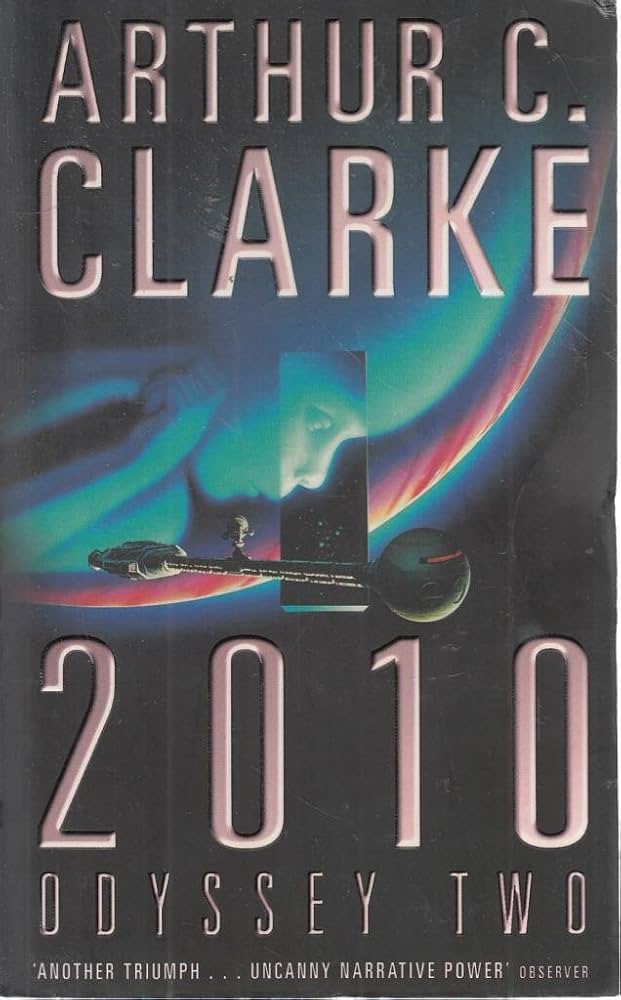
The project only existed because author Arthur C. Clarke had done something few expected. In 1982, he published 2010: Odyssey Two, a direct sequel to the novel that had evolved alongside Kubrick’s landmark film.
MGM, which controlled the film rights, immediately moved to adapt the new novel.
The biggest question wasn’t whether a sequel could be made—it was whether Stanley Kubrick would allow it.
Kubrick had no interest in directing sequels. By the early 1980s he was deeply immersed in what would become Full Metal Jacket, and returning to the universe of 2001 held little appeal. Yet before Hyams would agree to direct, he insisted on receiving approval from both Kubrick and Clarke.
Winning Kubrick’s Blessing
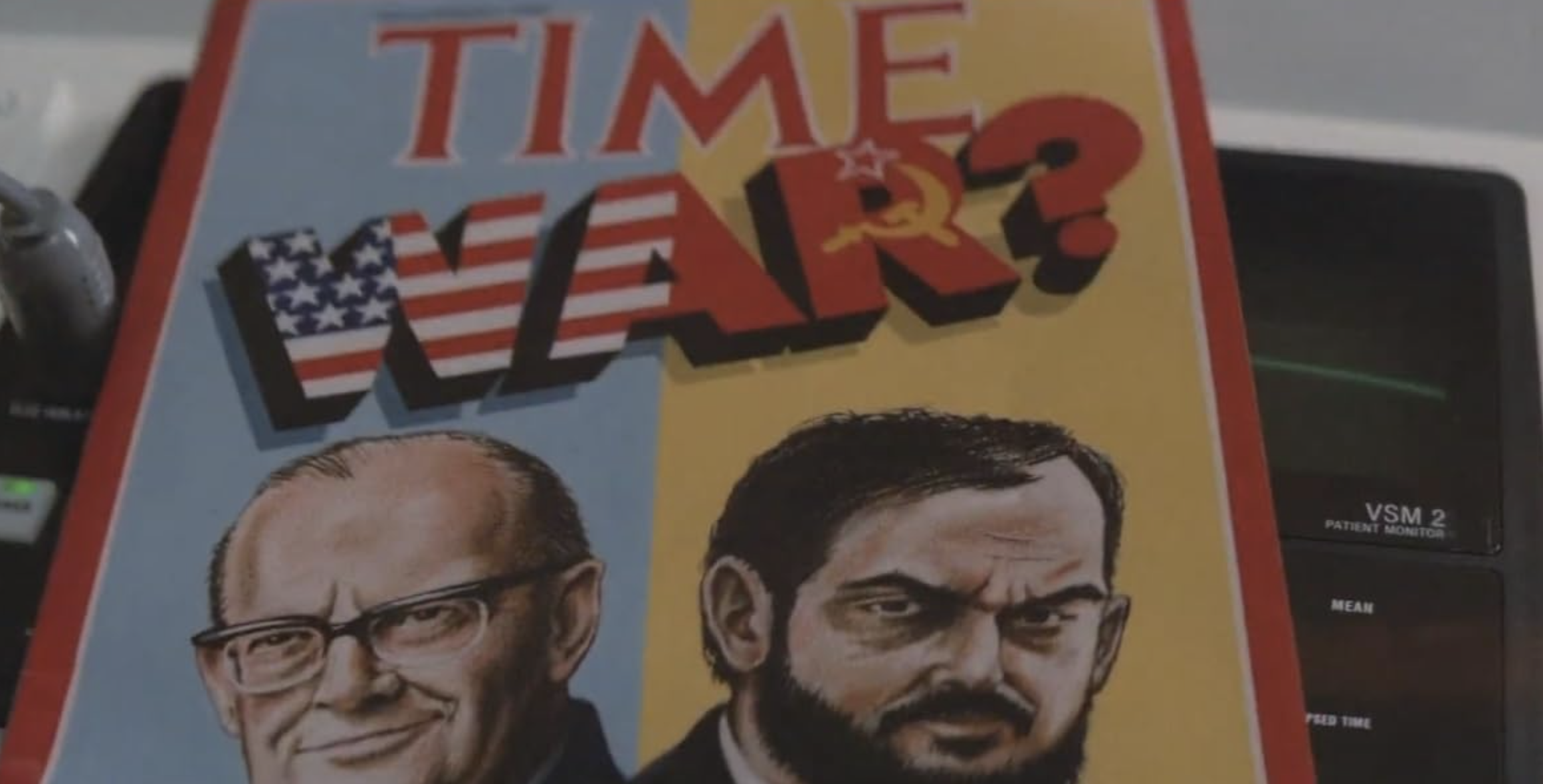
Hyams greatly admired Kubrick and had never met him. MGM arranged a phone call between the two filmmakers that reportedly lasted nearly three hours.
Kubrick questioned Hyams extensively about his directing methods and was especially interested in the filmmaking techniques used on Outland. By the end of the conversation, Kubrick gave Hyams the encouragement he needed.
“Go and do it.”
That simple endorsement changed everything.
Hyams still needed Arthur C. Clarke’s approval, particularly because he intended to alter the novel by emphasizing Cold War tensions between the United States and the Soviet Union, giving the story greater political urgency.
Instead of another marathon phone conversation, Hyams and Clarke communicated using a Kaypro computer and modem—an early form of electronic mail that was remarkably advanced for the time. Their correspondence eventually became the basis for The Odyssey File, a production diary published alongside the film’s release.
Rebuilding Kubrick’s Future
Hyams accepted the project with one additional condition: he would also serve as the film’s cinematographer.
Although he had photographed some of his earlier films under a pseudonym, serving as both director and cinematographer on a $28 million studio production was highly unusual. MGM nevertheless approved the arrangement.
Production moved quickly, wrapping in just 71 days despite demanding visual effects work.
The cast assembled was exceptional. Roy Scheider, Helen Mirren, John Lithgow, Bob Balaban, and Keir Dullea brought considerable dramatic weight to the project, while Dullea’s return as David Bowman created an immediate connection to Kubrick’s original film.
Recreating Kubrick’s world proved far more difficult than simply bringing back an actor.
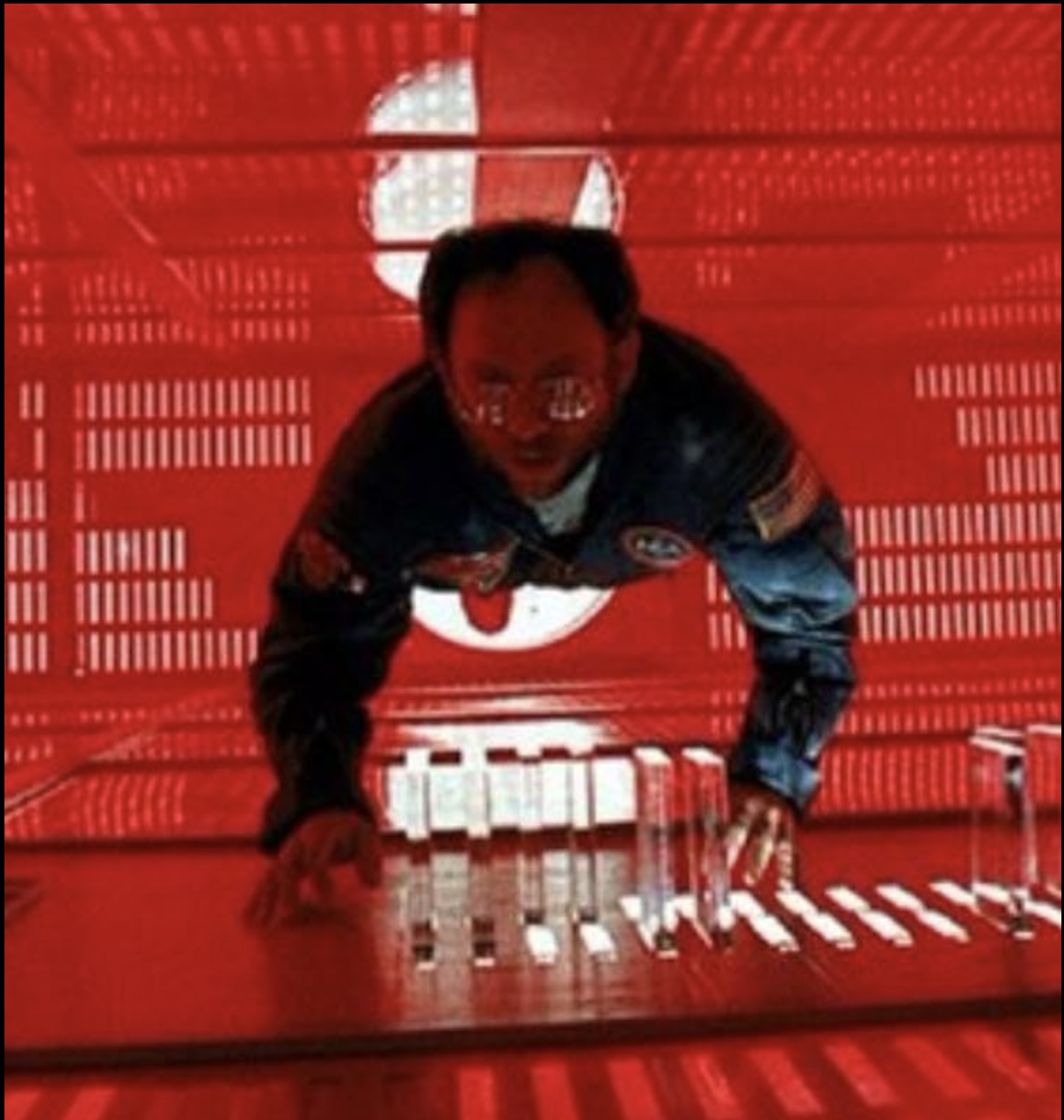
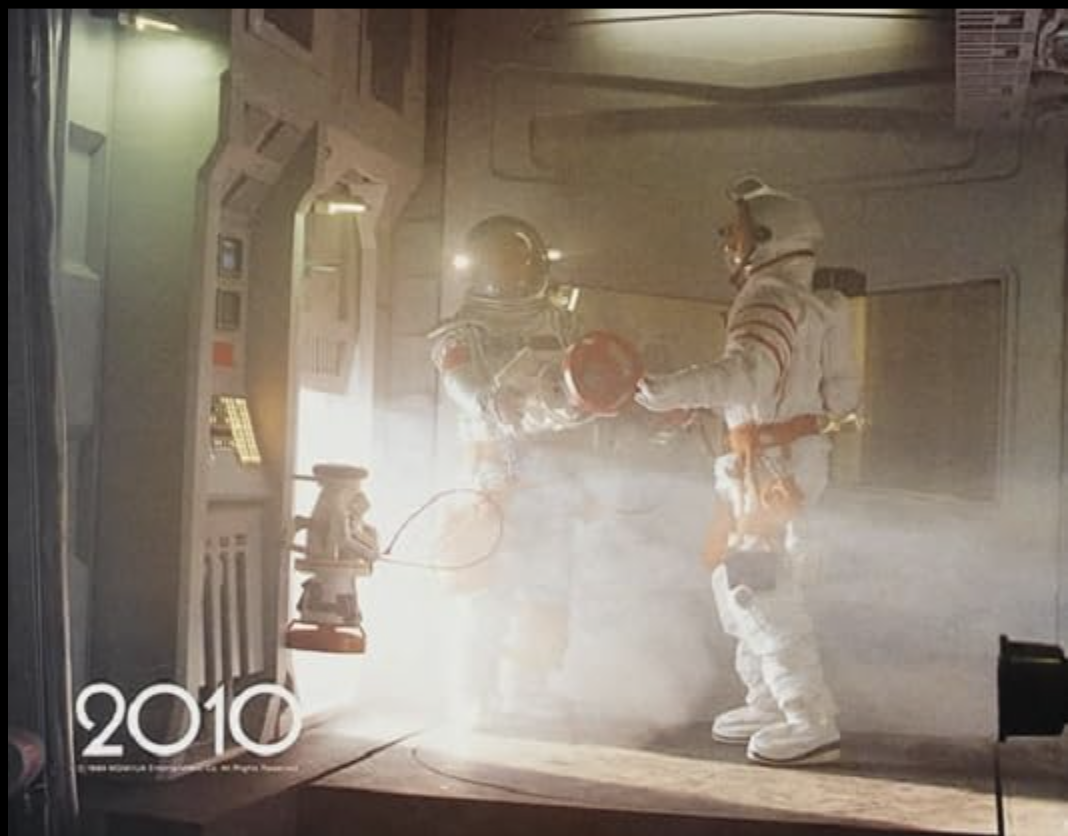
Kubrick had ordered the sets, props, and costumes from 2001 destroyed after production wrapped in 1968. Hyams’ crew had to reconstruct everything using production stills, reference photographs, and Dullea’s memories of the original shoot.
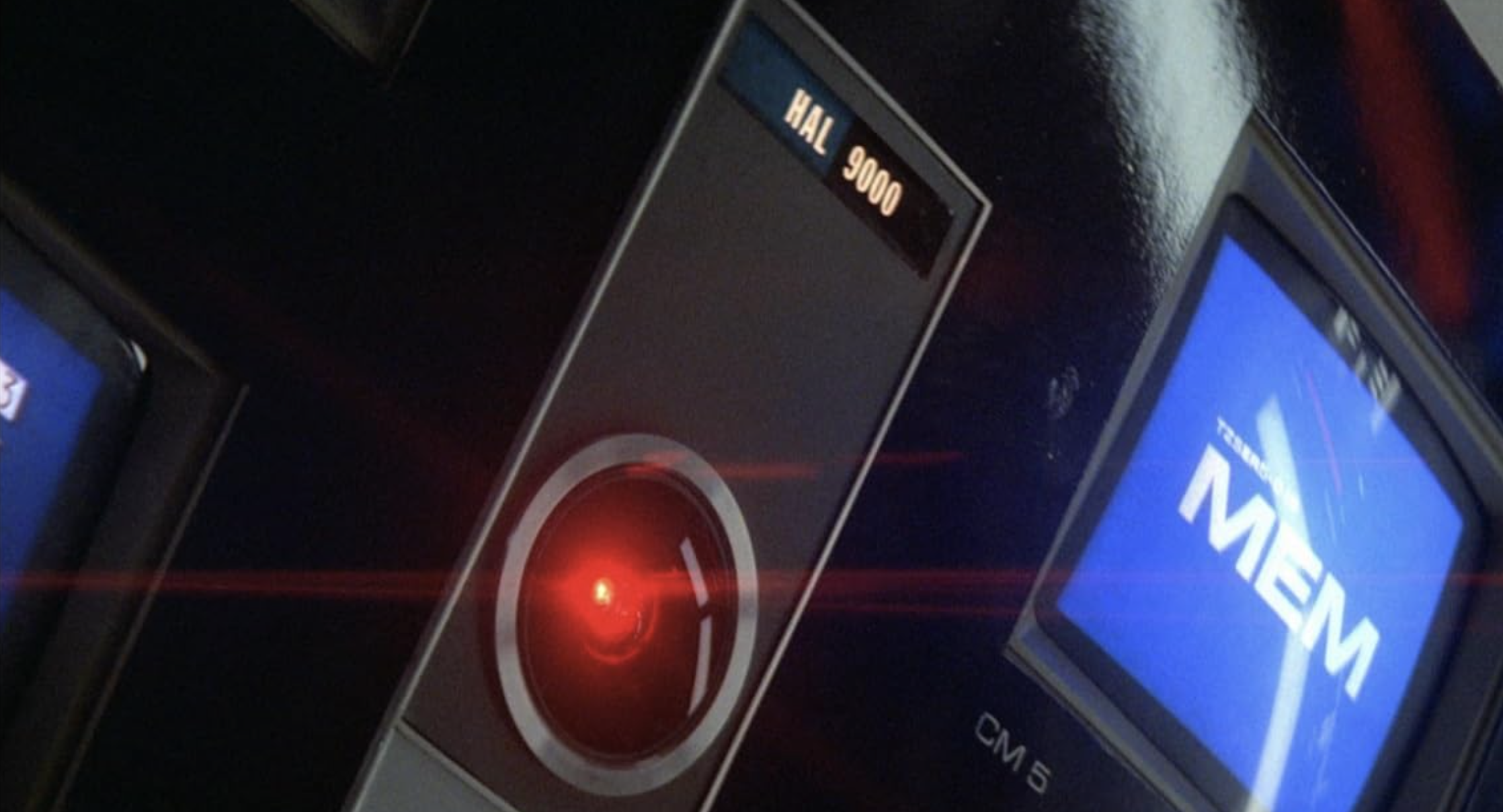
One final piece of continuity came when Douglas Rain returned as the unmistakable voice of HAL 9000. His calm, almost hypnotic performance instantly linked the two films despite their very different creative philosophies.
A Different Vision
Kubrick offered Hyams one piece of advice that shaped the entire production.
Don’t make the movie Stanley Kubrick would have made.
Instead, make the movie Peter Hyams wanted to make.
Hyams took that advice to heart. Rather than imitate Kubrick’s deliberate pacing and visual abstraction, he crafted a more accessible science-fiction adventure. The mystery remained, but the storytelling became more conventional, with greater emphasis on character, suspense, and political conflict.
That decision would define the film’s legacy.
Critics Couldn’t Escape 2001
Upon its release in December 1984, 2010: The Year We Make Contact found itself facing an impossible comparison.
Many critics judged it less as a film on its own merits than as a sequel to one of cinema’s greatest masterpieces.
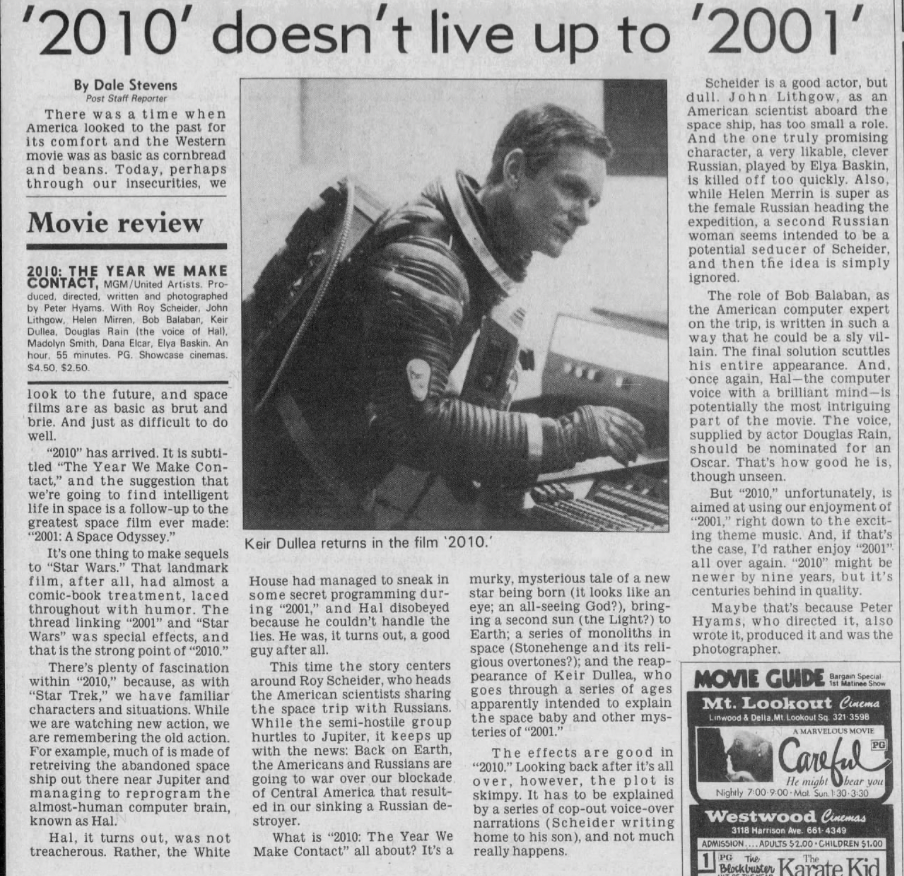
Joan Bunke of the Des Moines Register argued that Hyams’ optimistic approach lacked the awe that made Kubrick’s film unforgettable. Robert Horton wrote that he was relieved the sequel was so slight because it posed no threat to the reputation of 2001. Dale Stevens dismissed it by saying it was “centuries behind in quality.”
The reviews were disappointing, although even many detractors praised the visual effects, cinematography, and strong ensemble cast.
Hyams never pretended he could equal Kubrick.
“I didn’t want to make the movie,” he admitted. “Stanley is my idol… I certainly don’t mean to be compared to Stanley Kubrick. That would be like comparing a dwarf to Wilt Chamberlain.”
Instead, Hyams believed Clarke’s novel offered the opportunity to tell a different kind of story.
“When I read Arthur’s book,” he explained, “I saw a chance to make a film so different from 2001 that it could stand on its own.”
Looking Back
Perhaps the greatest obstacle 2010: The Year We Make Contact ever faced was its title.
Had it been an original science-fiction film, critics might have celebrated its thoughtful story, impressive visual effects, intelligent performances, and confident direction. Instead, it was forever measured against one of the most influential films ever made—a contest no sequel was likely to win.
Forty years later, Peter Hyams’ film has earned a reputation as one of the more respectable science-fiction sequels of the decade. It doesn’t attempt to imitate Kubrick’s visual poetry, nor should it. Instead, it succeeds on its own terms, offering a more accessible, emotionally driven companion piece to 2001: A Space Odyssey.
That’s still an impossible assignment.
The remarkable thing is that Peter Hyams came closer than anyone had a right to expect.
About the Creator
Movies of the 80s
We love the 1980s. Everything on this page is all about movies of the 1980s. Starting in 1980 and working our way the decade, we are preserving the stories and movies of the greatest decade, the 80s. https://www.youtube.com/@Moviesofthe80s
Enjoyed the story? Support the Creator.
Subscribe for free to receive all their stories in your feed.
Comments
There are no comments for this story
Be the first to respond and start the conversation.