
10 Things to Know About 'The Neverending Story' (1984)
The Neverending Story was released in theaters on July 20th, 1984

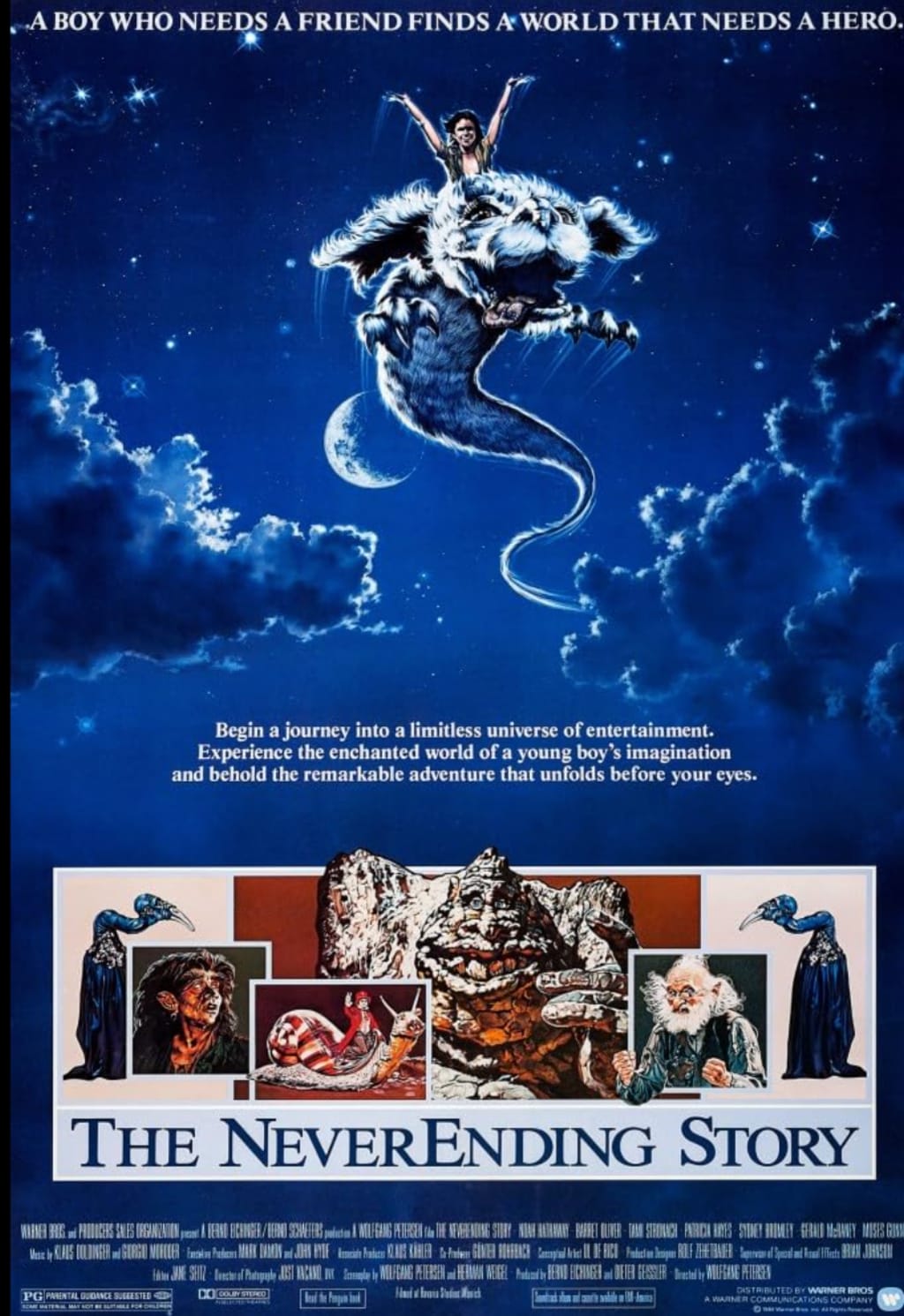
We love The Neverending Story. The film is one of the great, underrated touchstone films of 80s kids, those of us who grew up dreaming of a ride on Falkor or wish upon a grain of sand from Fantasia. The Neverending Story is pure magic, an affirmation of imagination and the the super power that is the mind of a child at play.
Here are 10 Things to Know About The Neverending Story
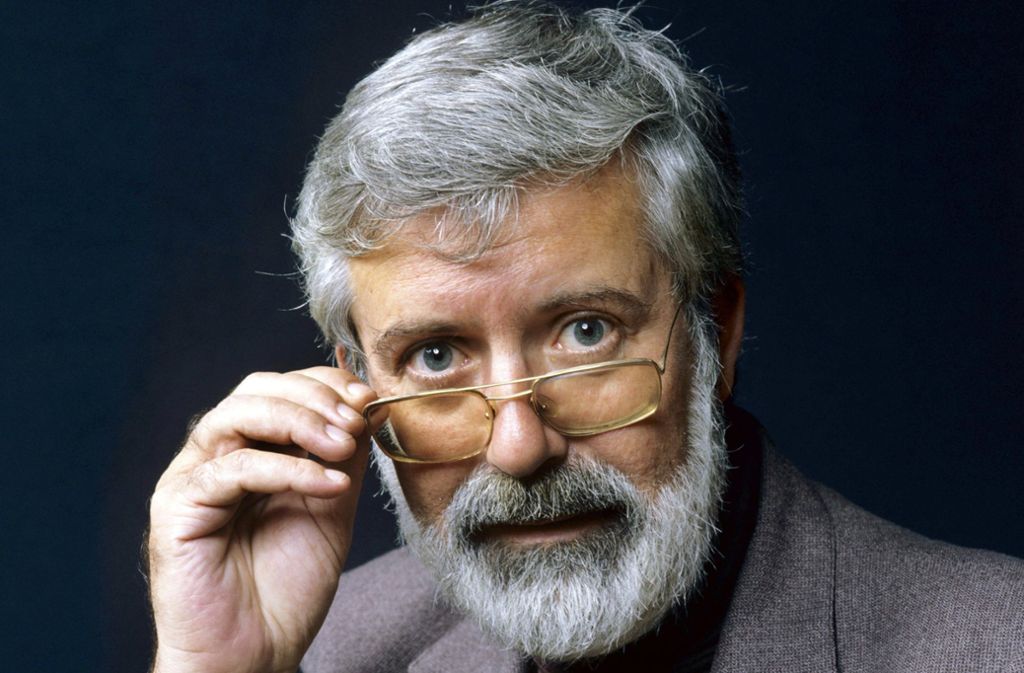
10 Author Michael Ende Wrote the Original Screen Adaptation, Then Disowned the Movie
Author Michael Ende was initially quite involved in adapting his bestselling The Neverending Story to the big screen. He wrote the initial screenplay for the film with director Wolfgang Peterson and screenwriter Herman Weigel but as the film progressed toward filming, Endes became so disillusioned with the film’s development that he eventually asked to have his name removed from the film, and publicly disavowed the film adaptation.
Ende felt that the cinematic version significantly trivialized the profound themes of his novel, specifically regarding the vital roles that imagination and creativity play in the restoration of Fantastica (or Fantasia). He was particularly horrified by the film's depiction of the world reappearing independently of Bastian's creative input, a sequence he considered the absolute core of his literary work. Remarkably, he did not view the final, or even a near-final version, of the script until just before the film's official release.
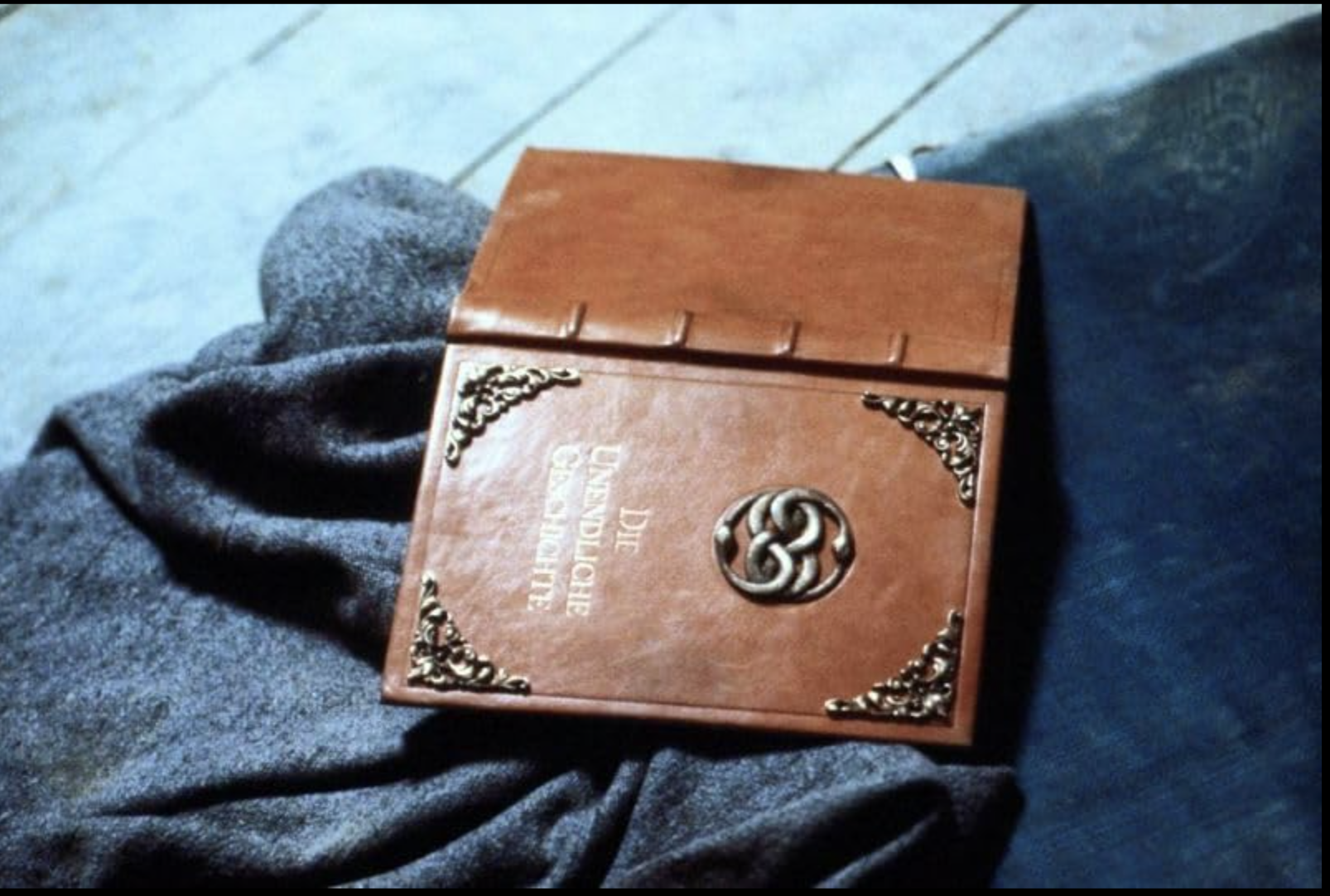
9 Filmed in Both English and German
The Neverending Story has its roots in Germany where author Michael Ende first conceived of the adventure novel and where it began its rise to becoming a worldwide bestseller. To capitalize on the book’s popularity, the movie was made in English with a German version of the film being made simultaneously and the film dubbed by German actors upon completion.
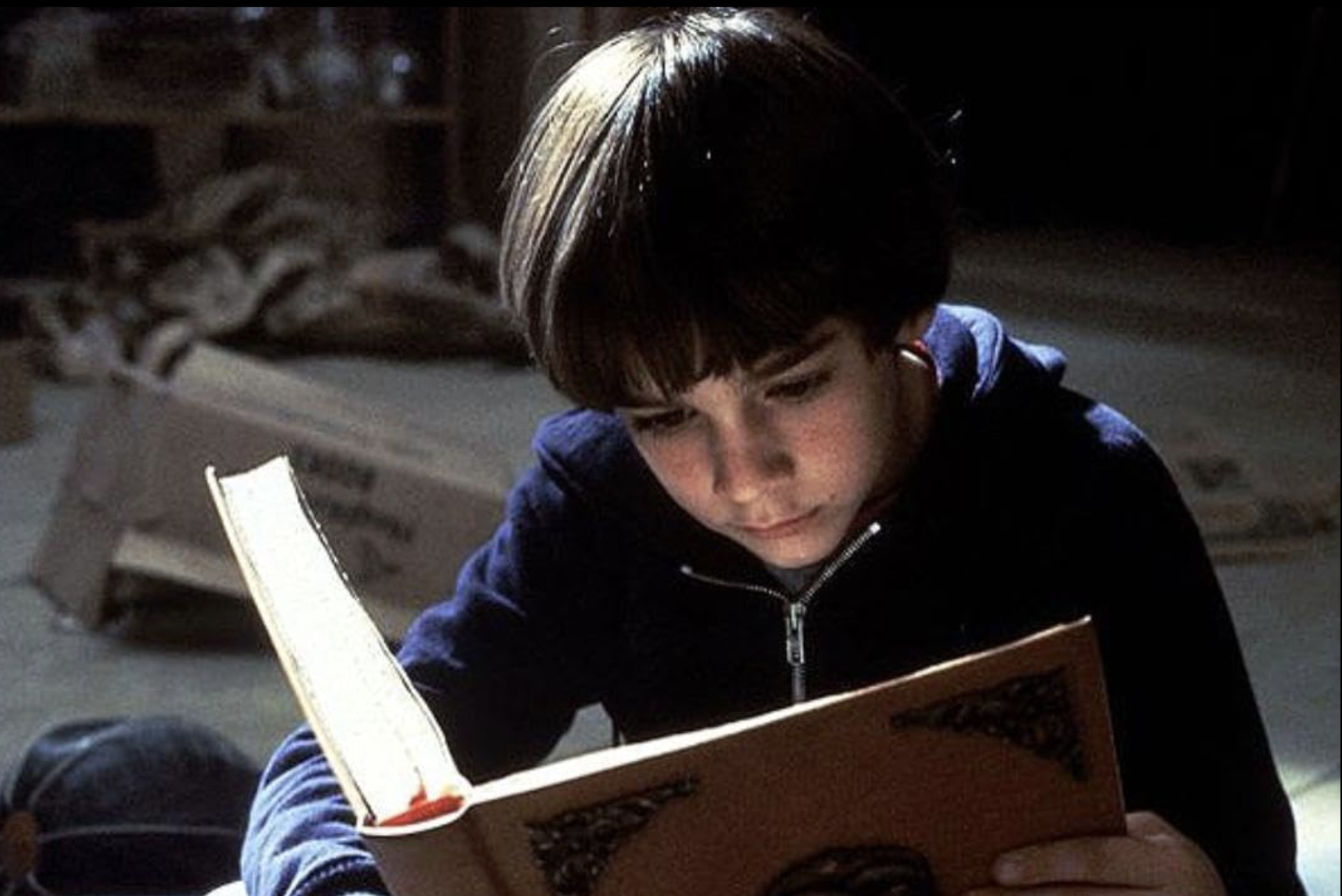
8 Primary Distinctions Between Film Versions
The various theatrical releases of the film are not actually identical, as they underwent significant modifications in editing, musical composition, and total runtime to better suit specific global markets:
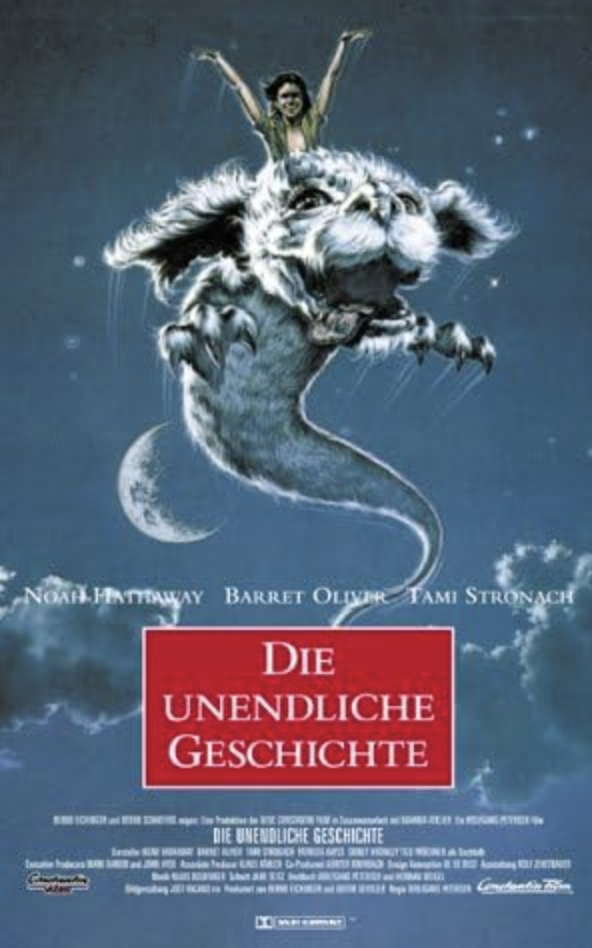
German version (Extended, ~97–102 minutes): This iteration relies solely on the sweeping orchestral arrangements provided by Klaus Doldinger. It features several extended or entirely additional sequences, utilizes white-on-black opening credits, and notably lacks the Limahl theme song. Many purists believe this cut more accurately reflects director Wolfgang Petersen's original cinematic vision and intended tone.
English/international version (Abridged, ~94 minutes): This version integrates Giorgio Moroder's iconic synth-pop contributions alongside the world-famous title track by Limahl. To optimize the pacing for American audiences, the film was trimmed for theatrical release, reportedly with some editorial guidance from Steven Spielberg.
7 The Most Expensive Film in German History
The production costs soared to approximately DM 60 million (equivalent to $25–27 million USD in 1984), a figure that eclipsed previous milestones such as Wolfgang Petersen’s cinematic masterpiece Das Boot. This monumental endeavor represented the most ambitious undertaking in German film history, necessitating the expertise of more than 200 specialists at the Bavaria Studios in Munich.
6 Built One of the Largest Blue Screen Stages Ever
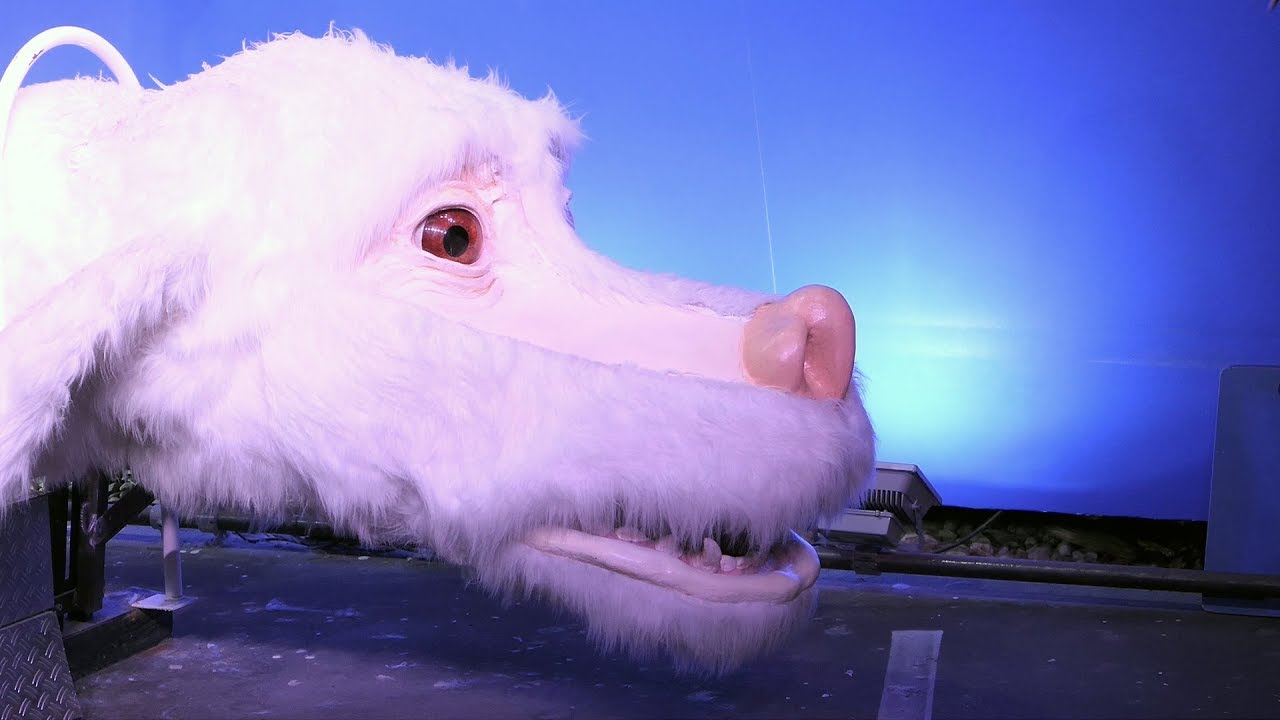
The production necessitated the construction of one of the era's most expansive blue screen stages at Bavaria Studios, measuring over 30 feet by 100 feet and featuring specialized high-frequency fluorescent lighting. To execute the film's intricate visual effects, cinematographer Jost Vacano and his technical team utilized a sophisticated array of Arriflex cameras, Zeiss and Technovision lenses, and heavy-duty cranes alongside a Panther dolly.
5 Falkor Was Even More Massive Than You Realize
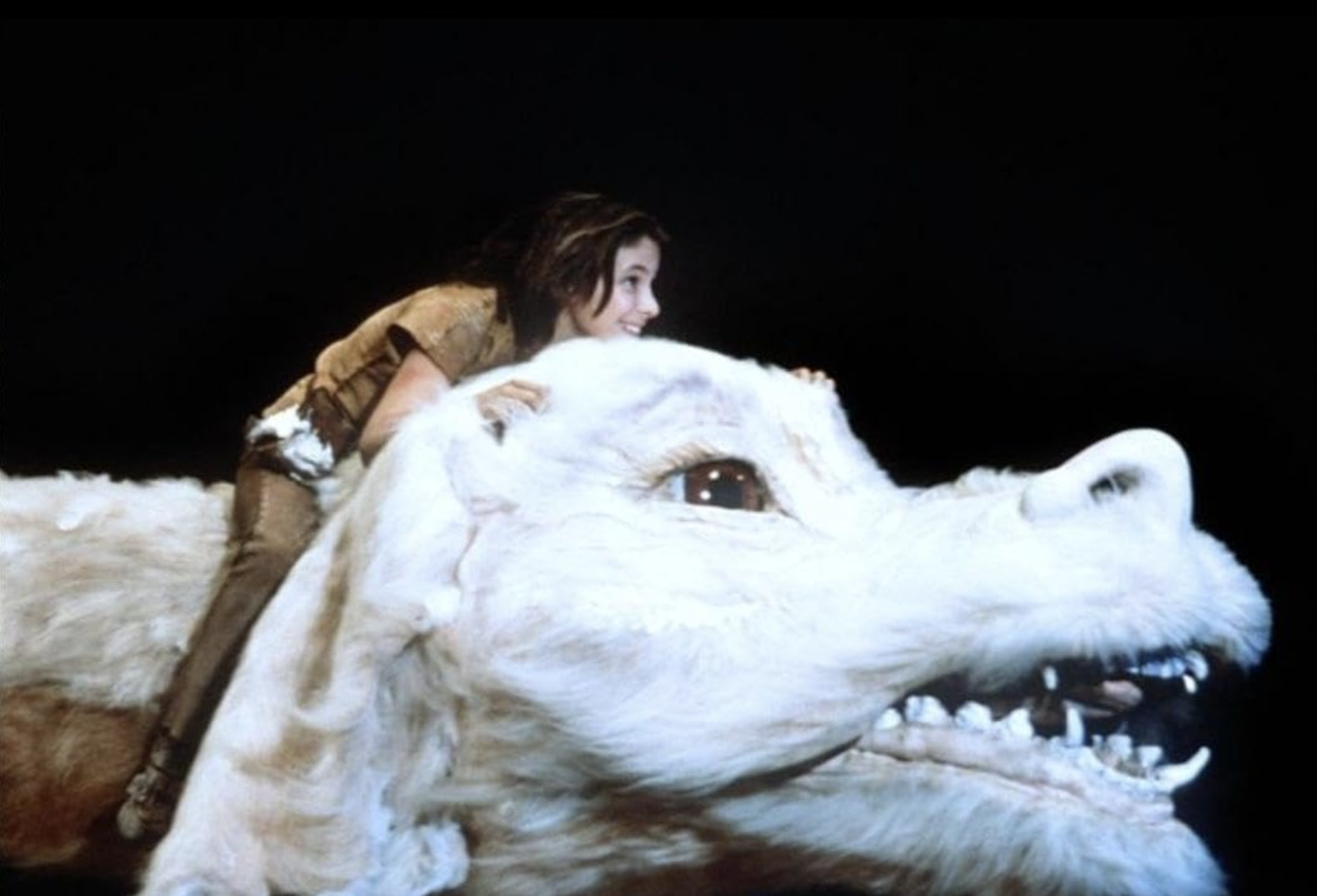
The iconic luckdragon measured a staggering 43 feet in length. To bring the creature to life, the production team engineered at least two distinct models; one utilized high-grade airplane steel for its internal framework, resulting in a head that weighed in excess of 200 pounds. Special effects supervisor Brian Johnson and his technical crew affectionately referred to the creature's canine-inspired aesthetic as a "golden retriever/dragon" hybrid.
4 No, The Massive Falkor the Luck Dragon Was Not Found in New Jersey in 2020
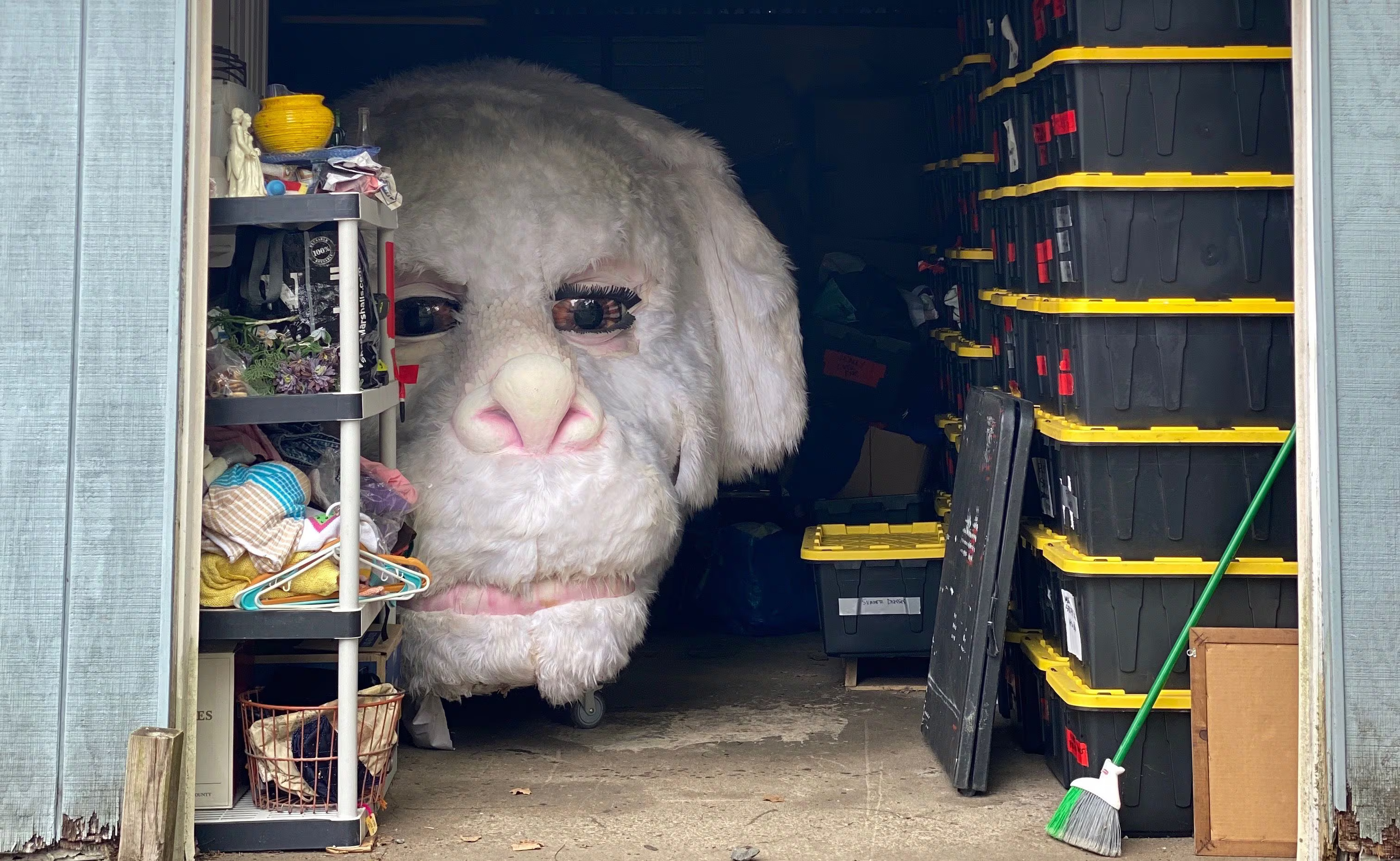
In 2020 fans were stunned by a viral video that appeared to show the legendary Falkor The Luckdragon prop locked away in a shed in New Jersey of all places. This was not true. There was a sizable replica of Falkor, made by fans of the movie, and kept in a New Jersey shed before going on display later.
The original Falkor prop from the 1984 cinematic masterpiece The NeverEnding Story is currently preserved and available for public viewing at Bavaria Filmstadt in Munich, Germany.
While this represents the authentic artifact used during production, it has undergone a series of significant technical modifications and restorative efforts in the decades following the film's release:
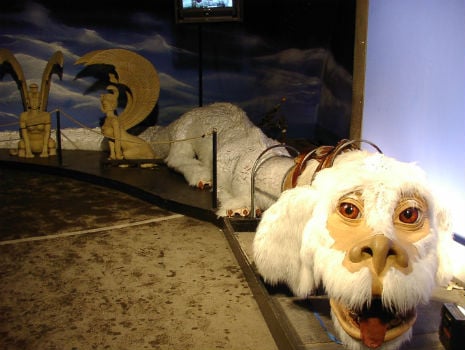
3. Extensive Restoration: Falkor Reborn for New Generations
Following years of heavy neglect and visible deterioration—characterized by severely matted fur and structural damage—the luckdragon puppet underwent a comprehensive restoration process in 1993. To adhere to contemporary health and safety protocols, the creature’s original clay teeth, tongue, and claws were replaced with soft plastic iterations.
Today, only the pearl-plated eyes and the fundamental head architecture are regarded as entirely original components.
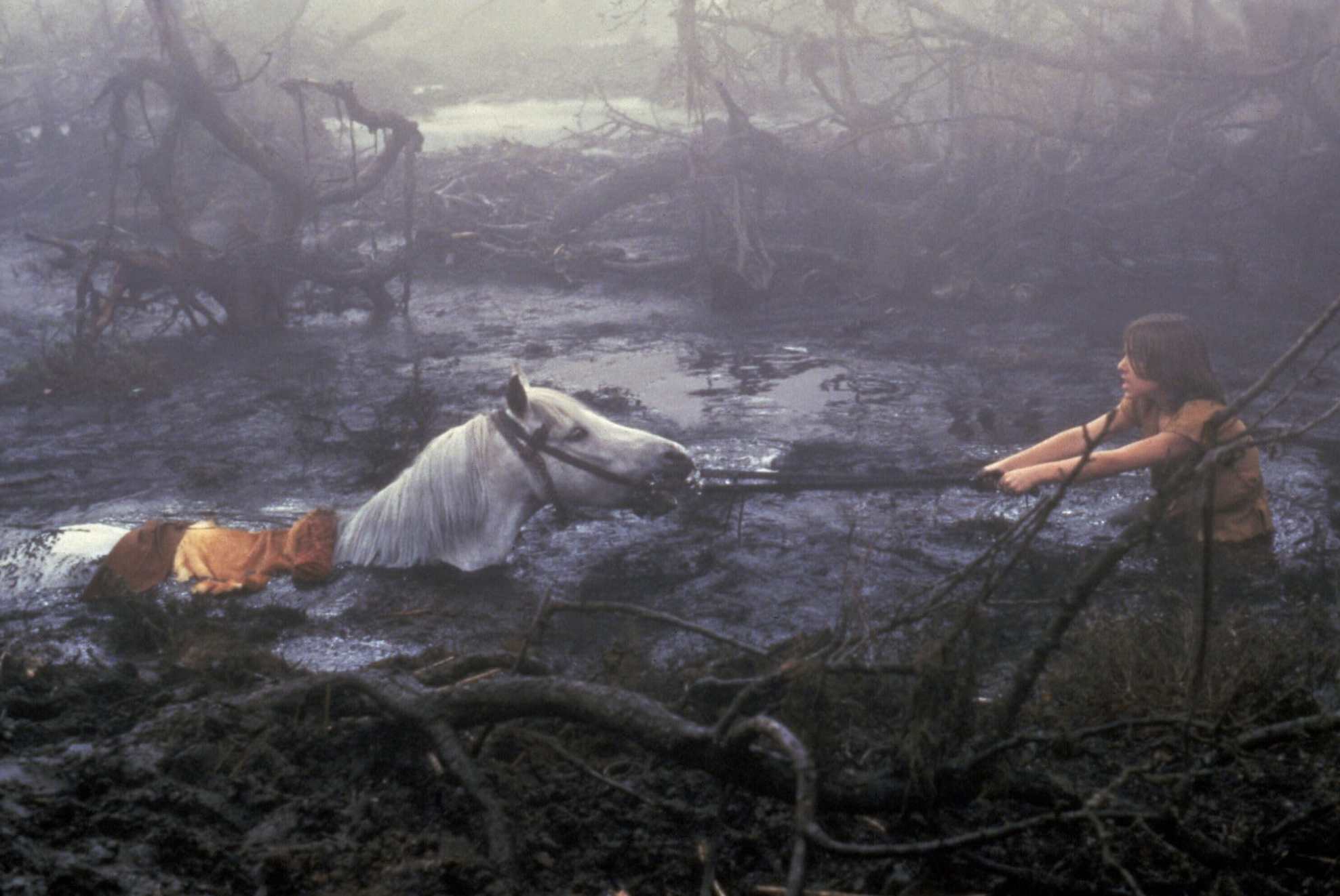
2 The Filmmakers Were Just as Traumatized As You Were By Artax in the Swamp
It’s a definitive moment in the life of many 80s kids. Artax, the beautifully loyal and loving companion of Atreyu in The Neverending Story is overcome by Sadness and allows itself to sink into the swamp, seemingly dying for real. Fans have spoken of the trauma of this scene for years with Noah Hathaway's cries and tear streaked face seared into the memories of a generation.
The filmmakers behind The Neverending Story want you to know, you’re not alone in your trauma. According to director Wolffgang Peterson and several others on set that day, the crew were agonized over shooting the scene.
The cinematic execution of the sequence featuring the horse's submergence in the Swamp of Sadness proved to be a profoundly taxing experience for the entire production unit. The crew utilized two near-indistinguishable equine performers, dedicating weeks to specialized training to ensure the animals could descend via a sophisticated hydraulic platform without succumbing to panic.
Director Wolfgang Petersen and his staff reportedly viewed the filming with a sense of mounting dread, a process that necessitated an extraordinary investment of time and meticulous care to successfully navigate the creatures' powerful natural instincts.
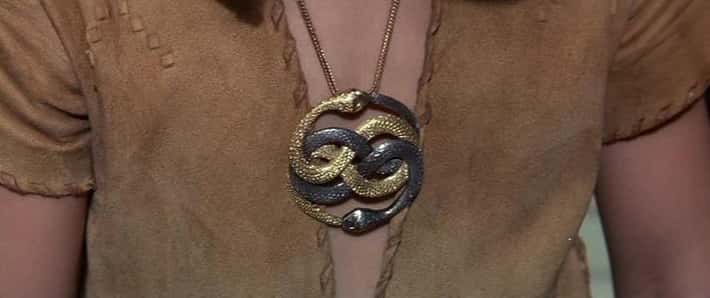
1 Guest Editor Steven Spielberg
To optimize the pacing for American audiences, director Wolfgang Petersen enlisted the editorial expertise of Steven Spielberg to refine the English version, resulting in a slightly abridged runtime compared to the German iteration. In a gesture of profound gratitude for this collaboration, Petersen presented Spielberg with the authentic Auryn prop used during the film's production.
About the Creator
Movies of the 80s
We love the 1980s. Everything on this page is all about movies of the 1980s. Starting in 1980 and working our way the decade, we are preserving the stories and movies of the greatest decade, the 80s. https://www.youtube.com/@Moviesofthe80s
Enjoyed the story? Support the Creator.
Subscribe for free to receive all their stories in your feed.
Comments
There are no comments for this story
Be the first to respond and start the conversation.